Jaffna Fort
Jaffna Fort, Sri Lanka
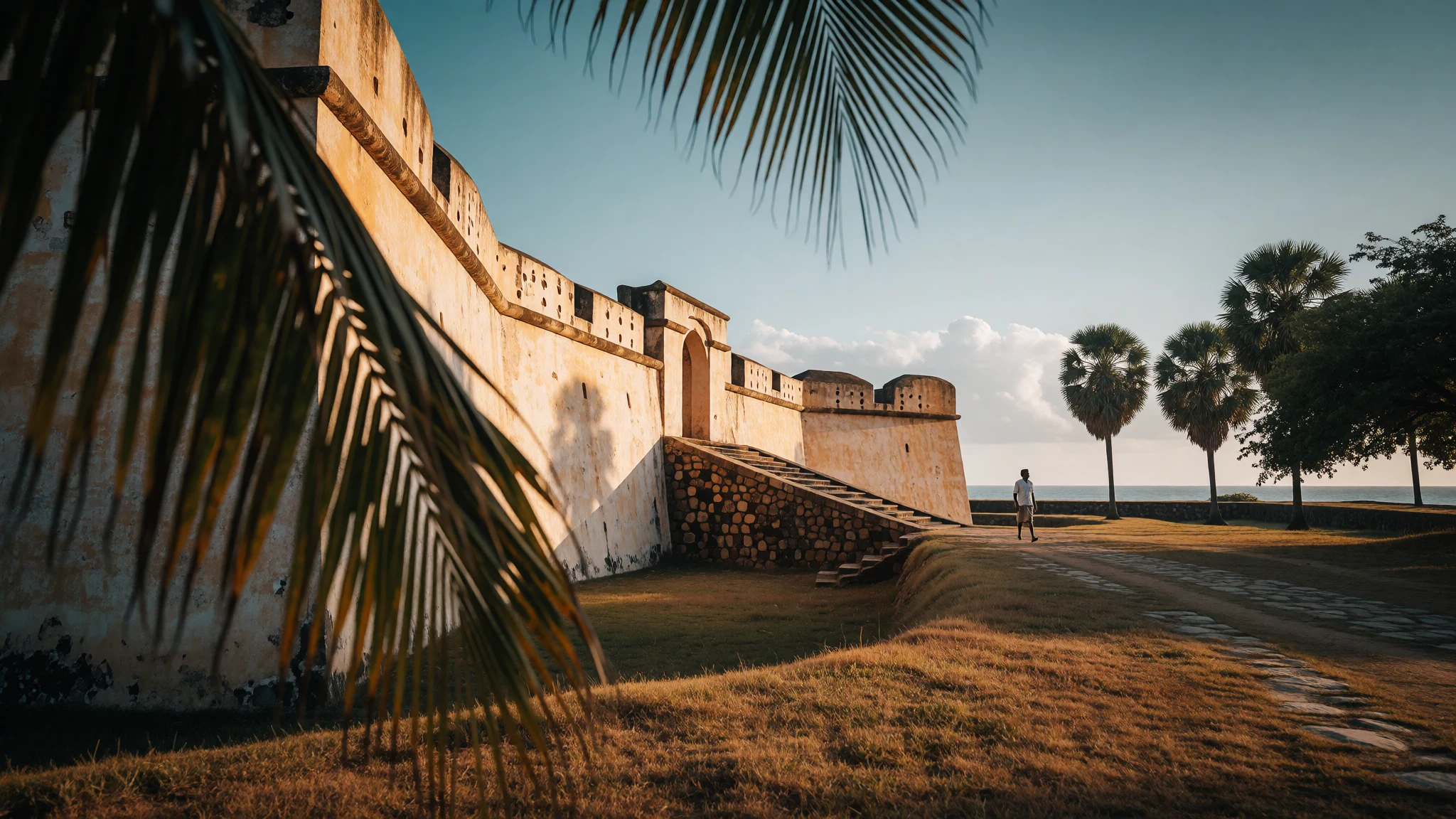
Jaffna Fort is a battered Portuguese-founded rampart on Sri Lanka's northern coast, where Portuguese, Dutch, British and wartime history sit in one wide, open site.
The place
Jaffna Fort stands on the low, flat coast of Sri Lanka's far north, beside the fishing village of Gurunagar and a short ride from the centre of Jaffna town. It is a bastioned fort of heavy stone ramparts, set in open grass and facing the shallow water of the lagoon. The Portuguese began it, and the facts for this reading date its founding to 1625. The ground inside is oddly sparse. Because the fort long held only government and army buildings, there is no crowded old town within the walls of the kind that fills Galle Fort in the south. What remains is lawns, broken walls, the shell of a church and the outlines of colonial buildings. Much of the circuit can be walked along the ramparts, and a good deal of the outside is visible without a ticket. The north is hot, bright and breezy, so the fort is mostly sky, with long sightlines and sea air. Damage is easy to read in the stonework. Some stretches are patched, some are missing altogether, and some are held together by roots. It suits an unhurried couple of hours rather than a full day, and it pairs well with the Jaffna Library, the Nallur temple and a long vegetarian lunch in town.
Its story
Jaffna Fort has changed hands more often than most forts in South Asia. The Portuguese raised it after taking Jaffna, and named it for Our Lady of Miracles, after the wonders credited to a statue of the Virgin in the church nearby. In 1658 the Dutch, led by Rijcklof van Goens, captured it and enlarged it, giving it much of the shape that survives. Old Dutch maps and bird's-eye views of the fort and its church still exist, and they show how tidy and geometric the place once was. The British took it over in 1795 and kept a garrison here until 1948. After independence it remained a military site, with the Ceylon Army holding a detachment inside. The civil war then made it a battleground. From 1985 to 1995 the Liberation Tigers of Tamil Eelam controlled it, and they destroyed key features to stop the army using it as a base for attacks. The Sri Lanka Army retook it in 1995 after a siege of about fifty days. Afterwards, some local people took stone from the ruins to rebuild homes damaged in the fighting. Walking the walls today means reading four centuries of layers, from Portuguese foundations to Dutch geometry to recent scars.
What to see
- The ramparts and bastions — Jaffna Fort, near Gurunagar
The main pleasure of Jaffna Fort is simply walking the walls. The bastions give open views over the lagoon and the town roofs, and the stonework shows Dutch rebuilding, wartime damage and patching in turn. Much of the fort can be seen outside the ticketed areas, so check the official site for current access.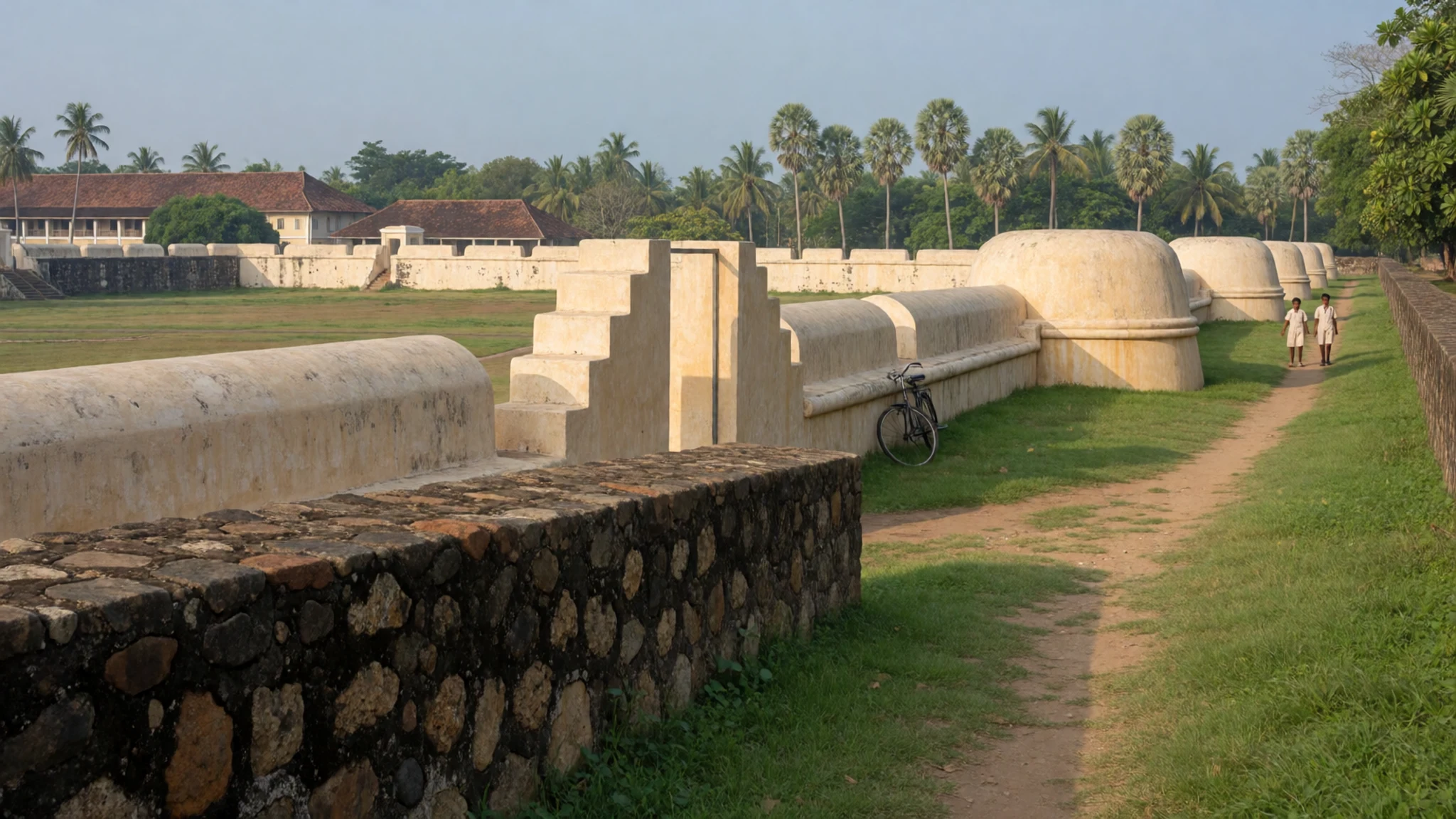
- The church and inner courtyard — Inside Jaffna Fort
Inside the walls stand the ruins of the old church, reminders of the Portuguese devotion to Our Lady of Miracles and of the Dutch rebuilding that followed. An early photograph in the collection shows the Dutch-era inner courtyard, which helps in picturing the missing buildings and what each space was for.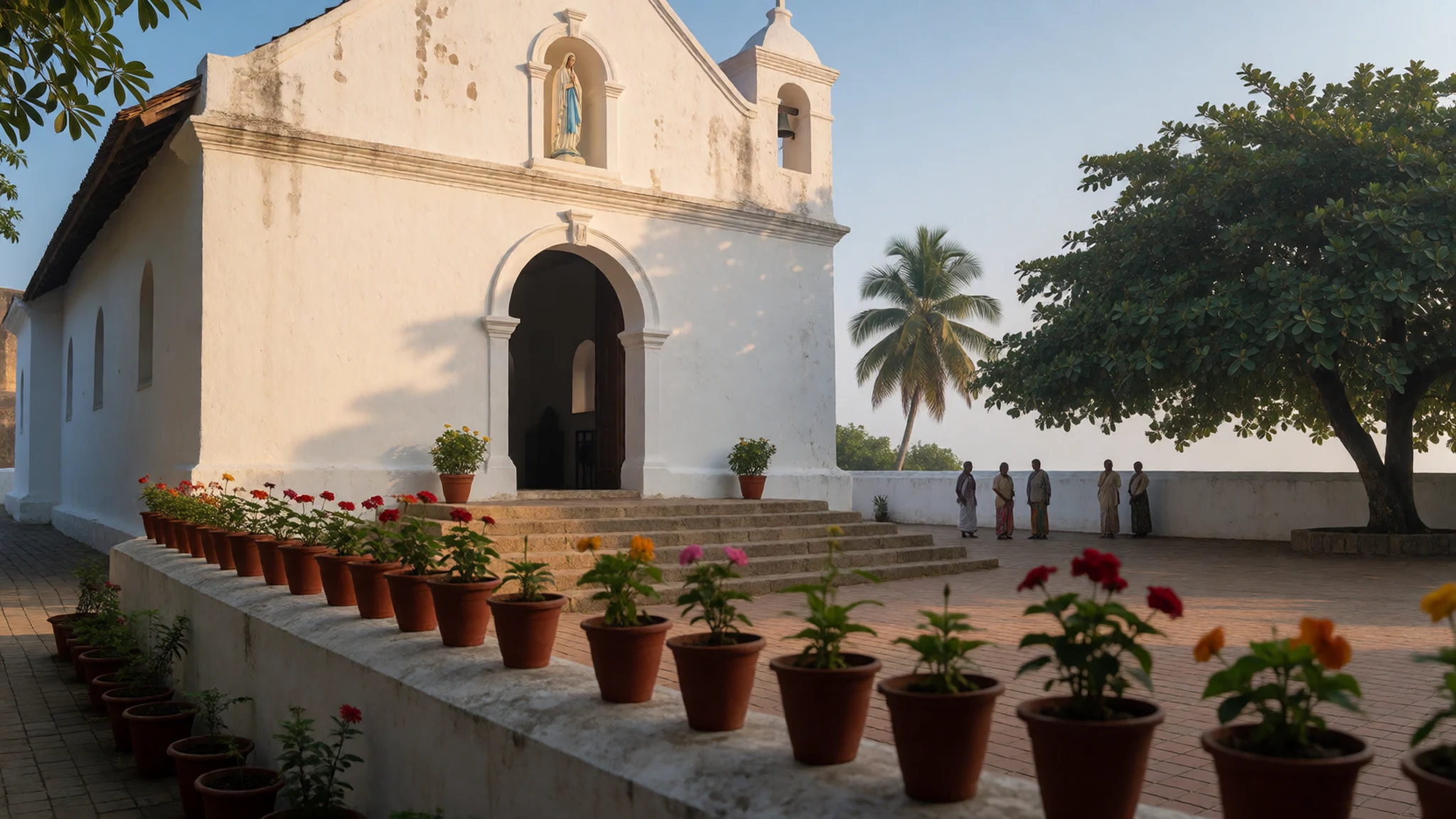
- Jaffna Library — Central Jaffna
The library lies a few minutes from the fort. It was built in 1933 and once held a very large collection of books and rare documents. Its grand white building is a pleasant contrast to the fort's rough stone, and it is worth a look for its architecture and for its place in local memory.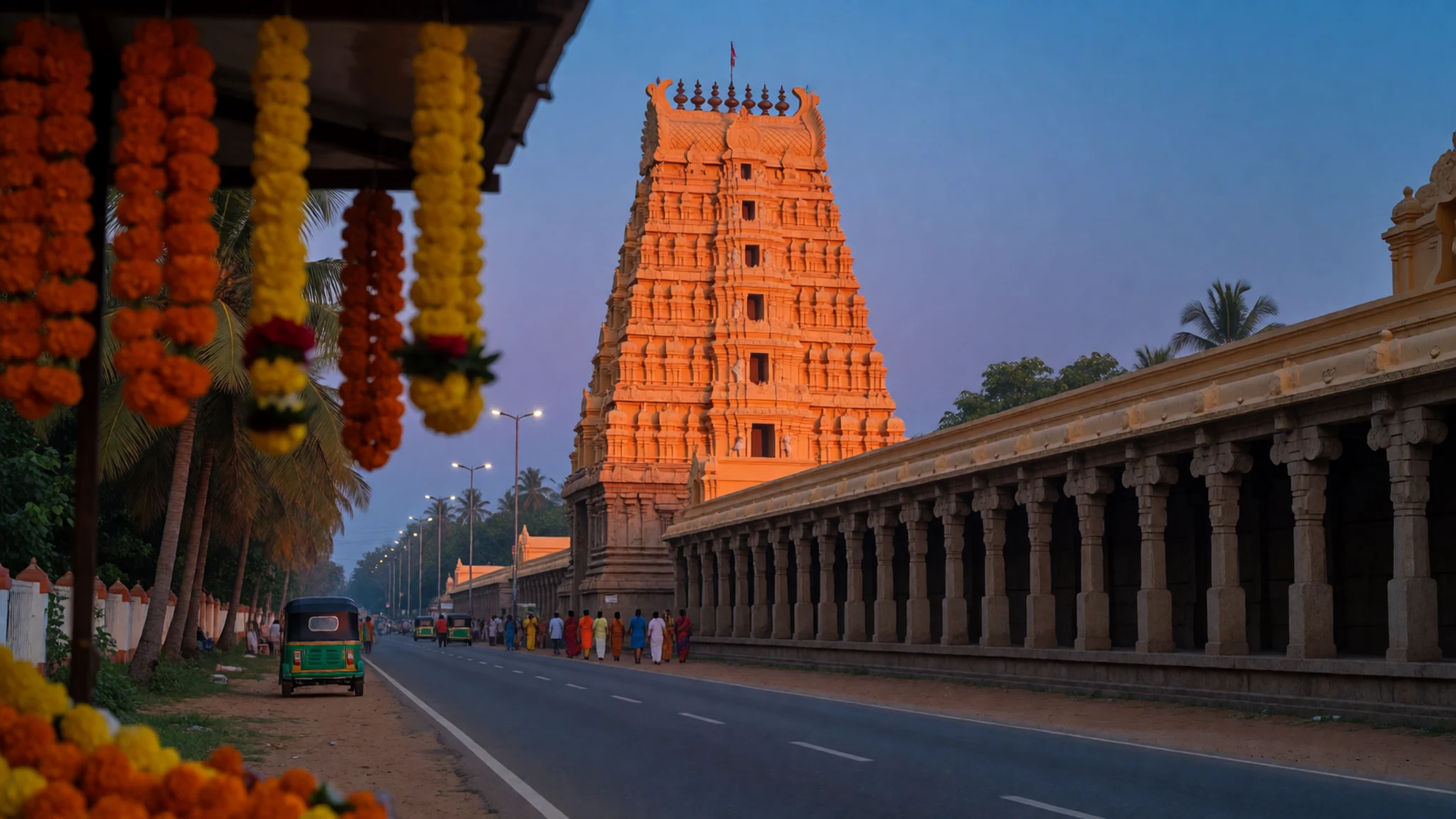
- Nallur Kandaswamy Temple — Nallur, Jaffna
This Hindu temple is the best-known religious site in Jaffna. Go towards sunset, when the orange-coloured temple building glows most strongly and the evening rituals draw worshippers. Photography is not allowed inside, so put the camera away at the gate and simply watch the ceremonies.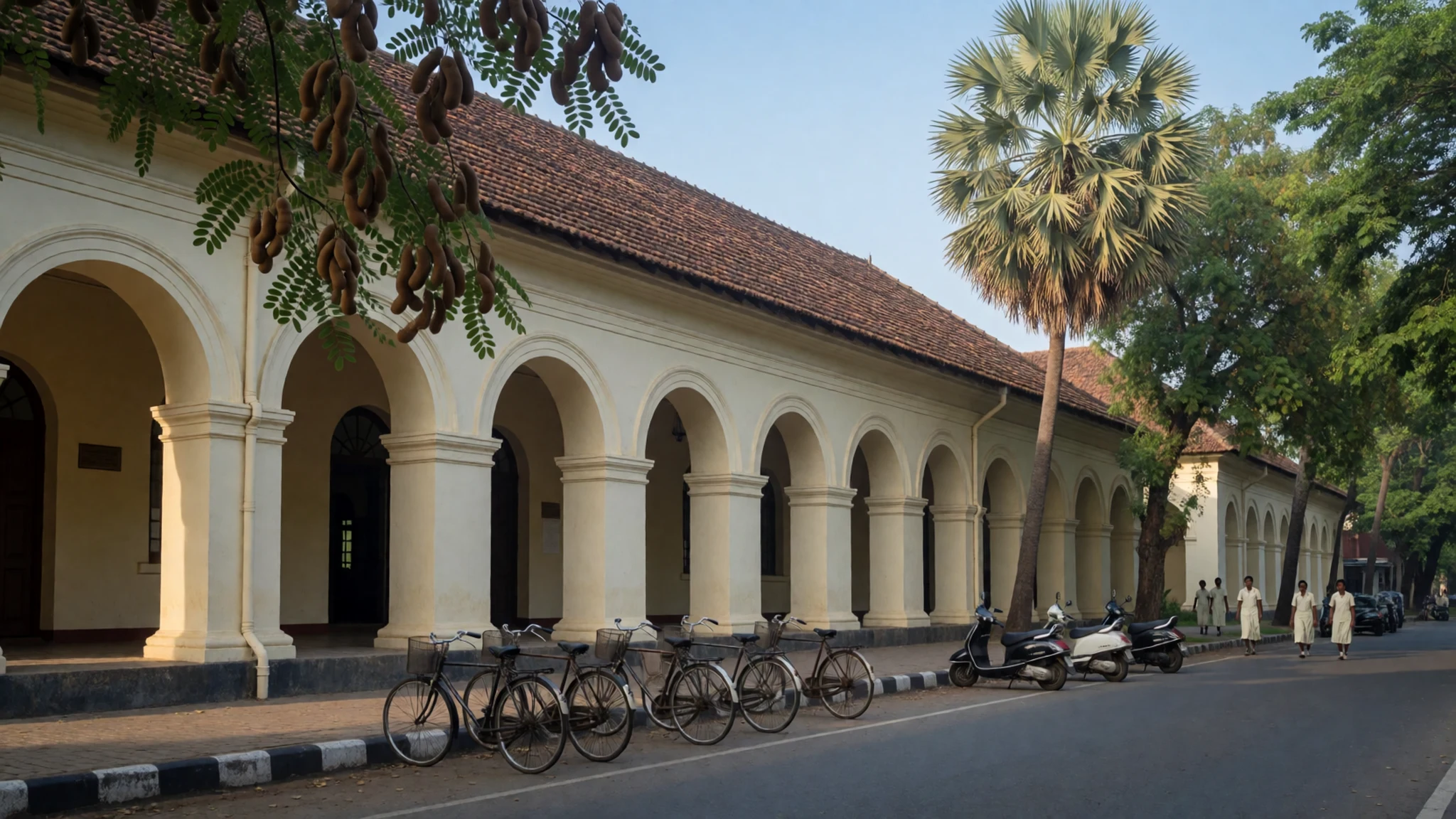
- Kachcheri ruins — Central Jaffna
A short walk or tuk-tuk ride from the fort, these old administrative ruins are partly swallowed by trees. They are quiet and atmospheric, with roots running through brickwork and little else around. They suit travellers who like decaying colonial buildings and want a calmer stop between the fort and lunch.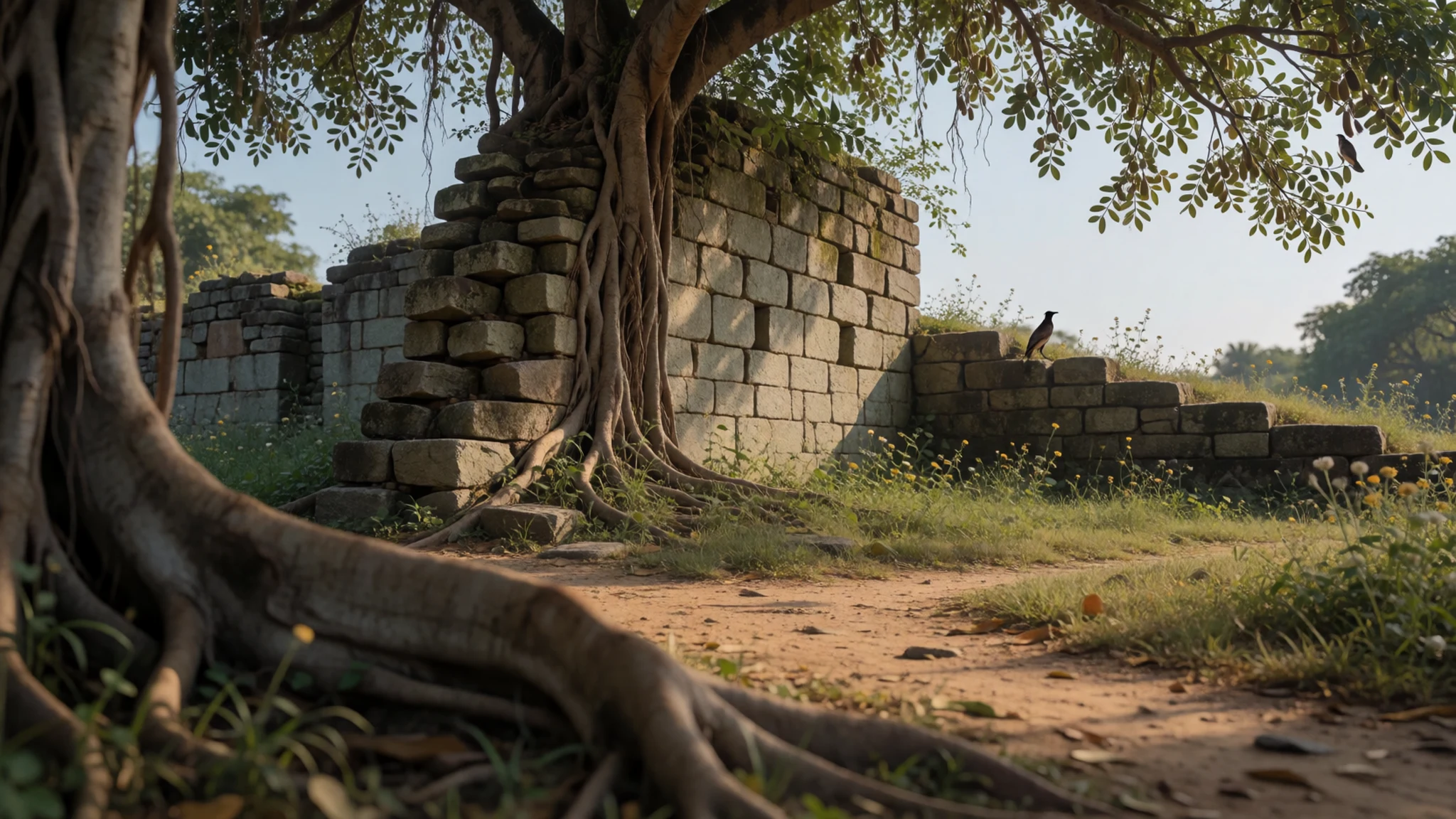
- Nagadeepa Purana Viharaya — Nainativu island, off Jaffna
This Buddhist pilgrimage site sits on an island off the coast and is reached by boat from its own jetty. It is counted among the places in Sri Lanka said to have been blessed by the Buddha himself. The crossing needs a half-day, so plan it separately from the fort.
Culture
Jaffna Fort belongs to a city with a strong Tamil identity, and the north has its own rhythm, food, language and faith, quite different from the Sinhala-majority south. Hindu temples such as Nallur shape daily life, with morning and evening rituals, bells, flowers and coconut offerings. Christian communities, a legacy of the Portuguese and Dutch, also remain, and the fort's church ruins connect to that history. The civil war is recent and personal here. Many families lost people, homes or land, and the fort itself was a front line, so it is wise to treat the site as a memorial as well as a monument. Conversation is warm, and visitors are often asked where they are from and whether they have eaten. The fort's Tamil name, Yāḻppāṇak Kōṭṭai (யாழ்ப்பாணக் கோட்டை), is the one used in local speech. Soldiers may still be present around parts of the site, and some areas can be restricted. Ask before photographing anything military, and follow any signs. Rather than asking pointed questions about the war, let local people raise the subject themselves, and listen. When visiting nearby temples, remove your shoes and cover your shoulders and knees, and never photograph inside Nallur or other shrines where it is prohibited.
What to wear
Traditional dress in Jaffna follows Tamil custom. Women wear the sari, often in cotton for daily use and in silk for weddings and temple festivals, sometimes with jasmine in the hair and a bindi. Men wear the veshti, a white cotton cloth wrapped at the waist, especially at temples and ceremonies, with a shawl across the shoulders. Cotton suits the climate, and silk marks special days. Day to day, most people dress simply and practically. Women wear saris, salwar kameez or long skirts with tops, and men wear trousers and shirts, with the veshti kept for religious occasions. Younger people in town wear jeans and T-shirts, though modest cuts remain the norm. Visitors should dress for heat and for respect. Light, loose cotton or linen that covers shoulders and knees works for the fort and for temples, and it also keeps the sun off. A hat, sunglasses and sunscreen matter, because the ramparts have little shade. Wear sturdy sandals or trainers for uneven stone and grass, but choose shoes that slip off easily for temple visits. Avoid shorts, sleeveless tops and swimwear away from the beach. A light scarf is useful for covering your head or shoulders at a shrine.
What to eat
- Rice and curry on a banana leaf — Small vegetarian lunch cafes in central Jaffna
Jaffna's classic lunch is rice with several vegetable curries, served on a banana leaf and refilled generously. The cooking is often vegetarian and stronger in spice than in the south. Look for it at small lunch cafes in the town centre.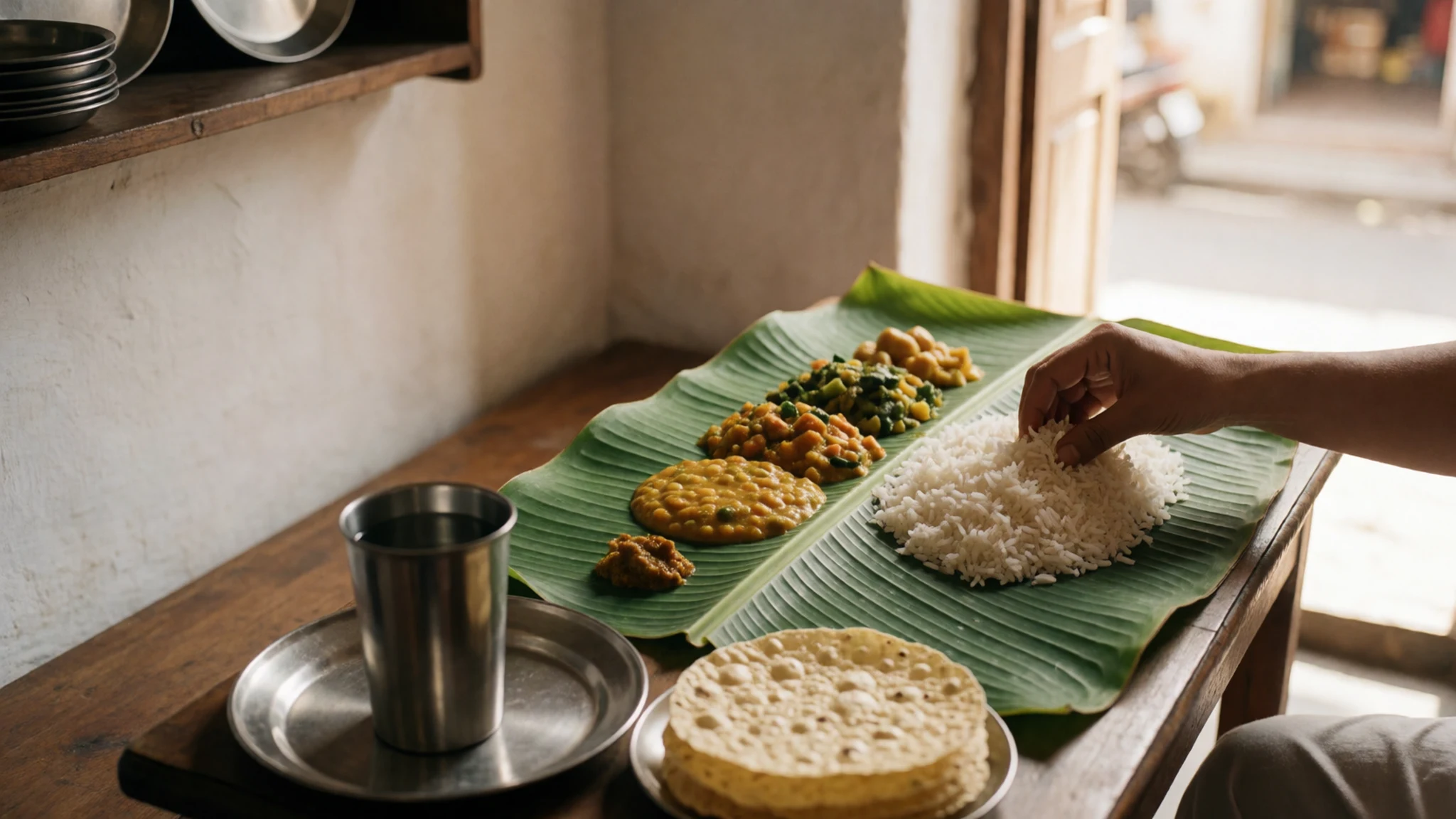
- Kotthu parotta — Eateries around the Nallur area
Flatbread chopped on a hot griddle with vegetables, egg or meat, and spice, usually to a loud rhythm of metal blades. The chilli version is a local favourite and makes a filling evening meal. Try it at the vegetarian restaurants around Nallur.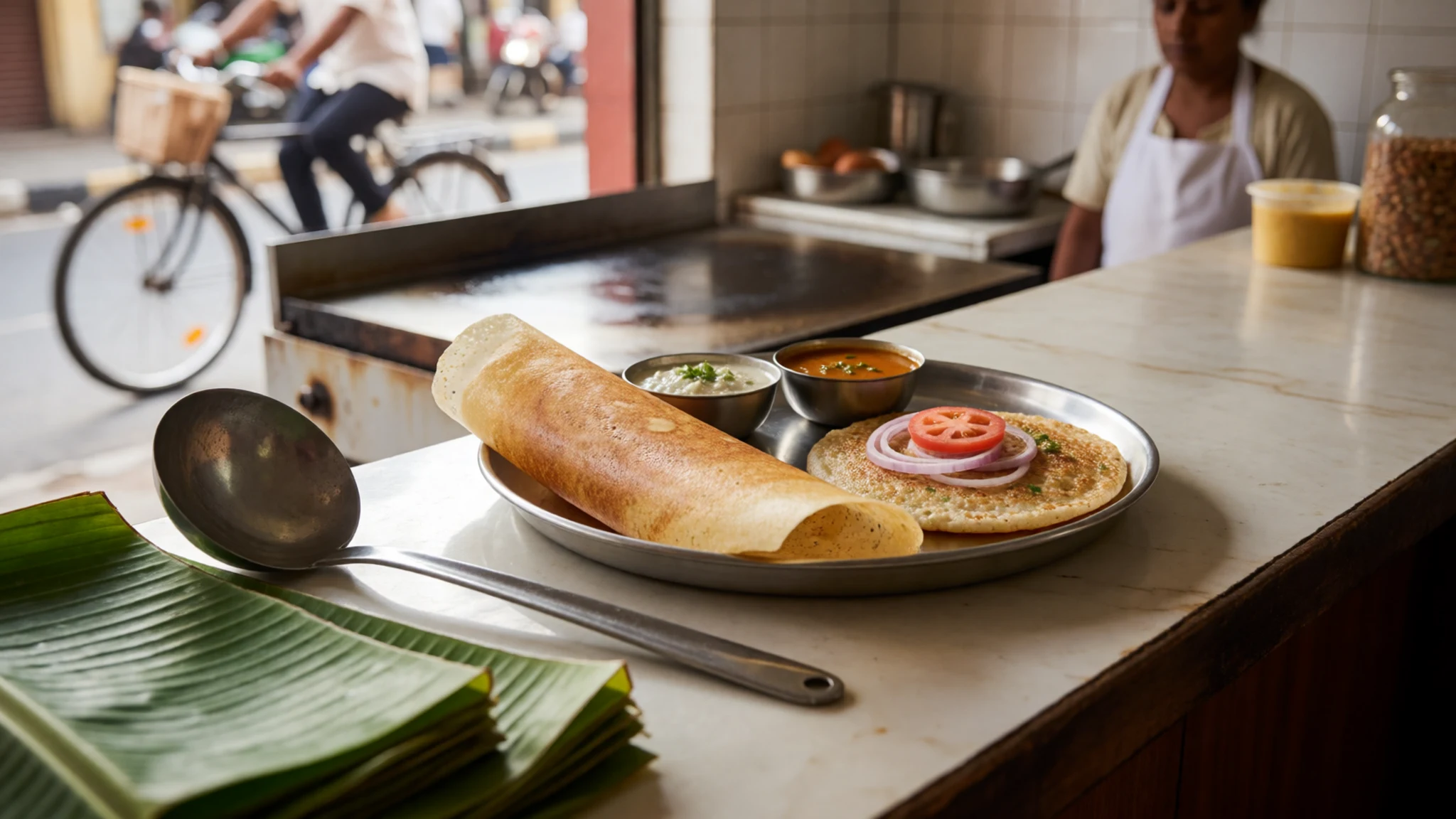
- Dosa and uttapam — Tamil restaurants in the town centre
These South Indian griddle breads are common breakfast and supper dishes in Jaffna. A dosa is thin, crisp and folded around spiced potato, while uttapam is thicker and topped with onion and chilli. Both come with sambar and coconut chutney at most restaurants. - Thali meals — Vegetarian restaurants in central Jaffna
A thali brings rice, sambar, rasam, a few vegetable curries and a sweet on one tray, which makes it an easy way to taste several dishes at once. Many restaurants serve it as a lunch buffet, and it is good value for vegetarians. - Ice cream and lassi — Busy ice cream parlours on the main roads of Jaffna
After a hot morning on the ramparts, locals head for ice cream parlours and lassi counters. Some of the busiest ask customers to order and pay at one counter, then collect at another, so watch what others do before queuing.
Plan it
Best time. January to March and again in September are the driest and most comfortable months, with sun and sea breezes. The north is hot much of the year, and the main rains arrive in the later months, so check the forecast before you travel.
How long. 1–2
Getting there. Jaffna has flights from two cities in Tamil Nadu, India, and the daily ferry from Nagapattinam lands on the northern coast. From Colombo, a night bus or one of the daily trains takes about eight hours. For the last stretch, take a tuk-tuk or taxi from the town centre to the fort, which is close by.
Budget. low
Tips
- Go early in the morning or late in the afternoon, because the ramparts have little shade
- Carry water, a hat and sunscreen
- Check the official site or ask locally about ticketed areas and opening times
- Carry cash for tuk-tuks and small eateries
- Landmines may remain in some places, so stay on marked paths and main roads
Etiquette
- Dress modestly and remove shoes at temple doors
- Ask before photographing soldiers, military areas or people
- Treat the fort as a war memorial and avoid loud or careless behaviour
Nearby
Sources
- Wikidata Q2756663 (CC0)
- Wikipedia — Jaffna Fort (rev 1364997969) (CC BY-SA 4.0)
- Wikivoyage — Jaffna (rev 5405617) (CC BY-SA 4.0)
- Photo 01 Jaffna Fort, Rehman Abubakr (CC BY-SA 4.0)
- Photo 02 Map of the fort at Jaffanapatnam (Public domain)
- Photo 03 Bird's eye view of Jaffnapatnam, Caspar Schmalkalden (Public domain)
- Photo 04 Profile of the fortifications at Jaffna (Public domain)
- Photo 05 Cross sections of the fortifications, part A (Public domain)
- Photo 06 Cross section of the fortifications, part C (Public domain)
- Photo 07 The fort and church at Jaffnapatnam (Public domain)
- Photo 08 Binnenplein in het Hollandse fort te Jaffna (CC BY-SA 4.0)


