Ittoqqortoormiit
Ittoqqortoormiit, Greenland
Ittoqqortoormiit is a hunting village on Greenland's east coast, reached by sea or air, where Arctic wildlife, ice and quiet come before any comfort.
The place
Ittoqqortoormiit sits on Liverpool Land in eastern Greenland, where the Kangertittivaq fjord opens onto the Greenland Sea. It belongs to Sermersooq municipality, was long known by its Danish-era name Scoresbysund, and has a population of 345. The name is usually translated from the East Greenlandic dialect as "big house dwellers". The setting is tundra: cold winters, cool summers, no trees, and an annual average temperature below freezing. The elevation is just a metre above sea level, so the colourful wooden houses stand almost at the waterline, with bare rock and snow rising behind them. Sea ice rules the calendar. It shuts the water for much of the year and leaves a short summer window when ships and boats can get through. No road connects the village to any other settlement, and the nearest Greenlandic neighbour is much farther away than the nearest village in Iceland. Daily life still leans on hunting for seals, whales and polar bears, and the meat and by-products feed families and bring in some income. Fishing never developed widely because the ice blocks access to rich waters. A museum, a church and a single guest house make up the visitor basics. Tourism is growing, mostly researchers, expedition travellers and cruise passengers from Europe. Clocks follow West Greenland Time, but weather and ice decide what actually happens each day.
Its story
Ittoqqortoormiit was founded in 1925, and the story of its founding is partly one of Danish colonial ambition. Denmark wanted a stronger presence on the north-east coast of Greenland, and the explorer Ejnar Mikkelsen led the venture. The settlers were brought by ship, most of them from Tasiilaq on the south-east coast, where living conditions had been getting harder, with a few families from western Greenland joining them. Some were more willing to leave than others. The new site lay far north of any Inuit community then known on that coast, in country that was rich in game. Seals, walruses, narwhals, polar bears and Arctic foxes gave the newcomers a solid living, and the community did well. They were not the first people here. Ruins and other archaeological remains show that a sizeable Inuit population had lived in the area long before. The older European name, Scoresbysund, comes from William Scoresby, the English whaler and explorer who mapped the region in 1822. Today the settlement is the main community of a very thinly populated stretch of coast, and no other place of any size lies for about a thousand kilometres. The former Ittoqqortoormiit municipality has been folded into Sermersooq, and the village now runs on the same hunting economy its founders relied on, with research and expedition tourism added. A memorial board to the French explorer Jean-Baptiste Charcot recalls how long this coast has drawn outsiders.
What to see
- The church — Village centre
The wooden church stands among the houses at the edge of the village and works as its visual anchor. It is worth a slow look from outside, with the fjord and mountains behind. Visit only when it is open or when a local invites a visit, and never walk in during a service.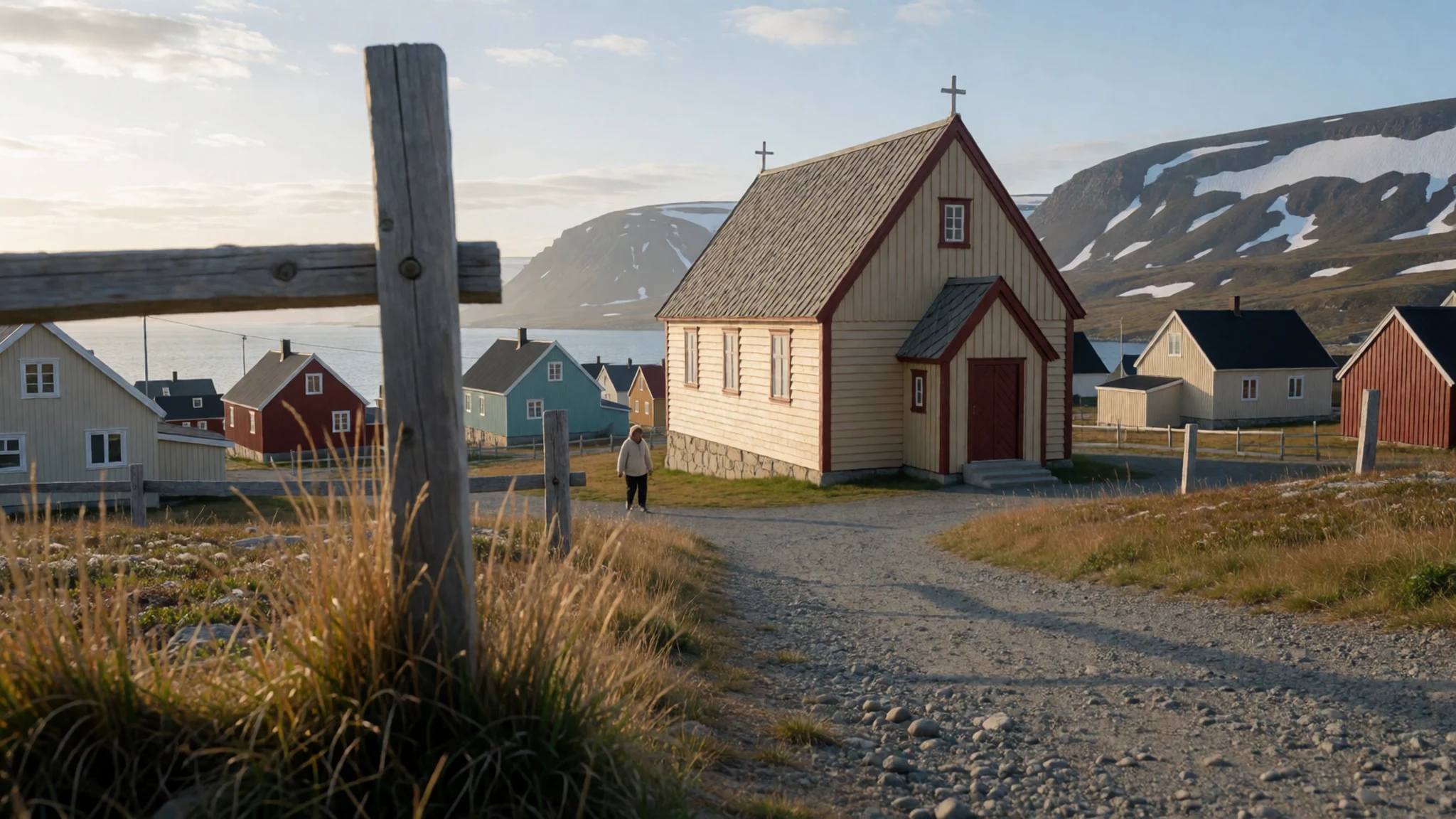
- The museum — Village centre
The local museum is a small place for understanding hunting life, the founding settlers and the older Inuit presence on this coast. Opening times vary with the season and staff, so ask at the guest house or check the village website before planning a visit around it.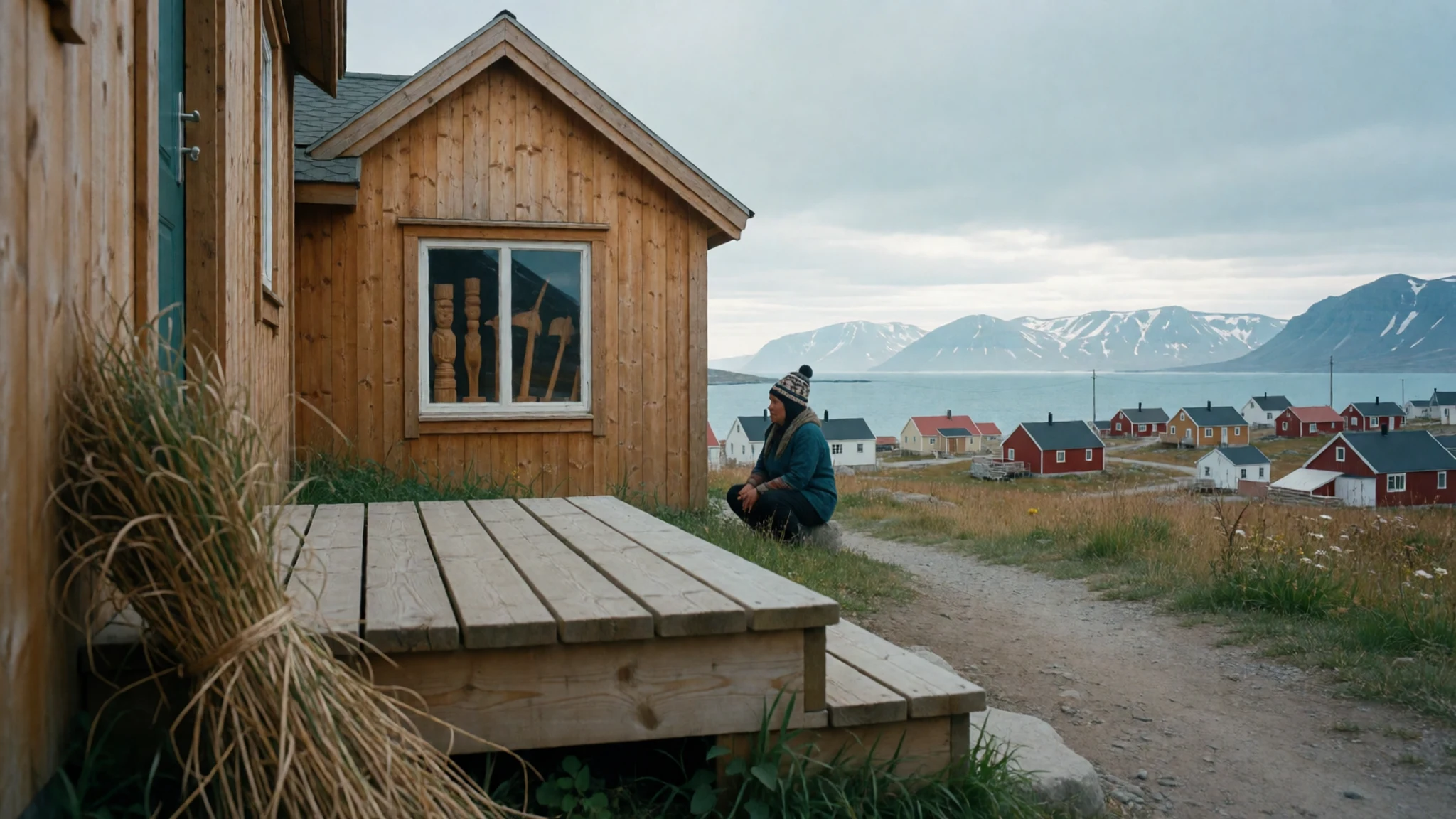
- Houses along the shore — Waterfront
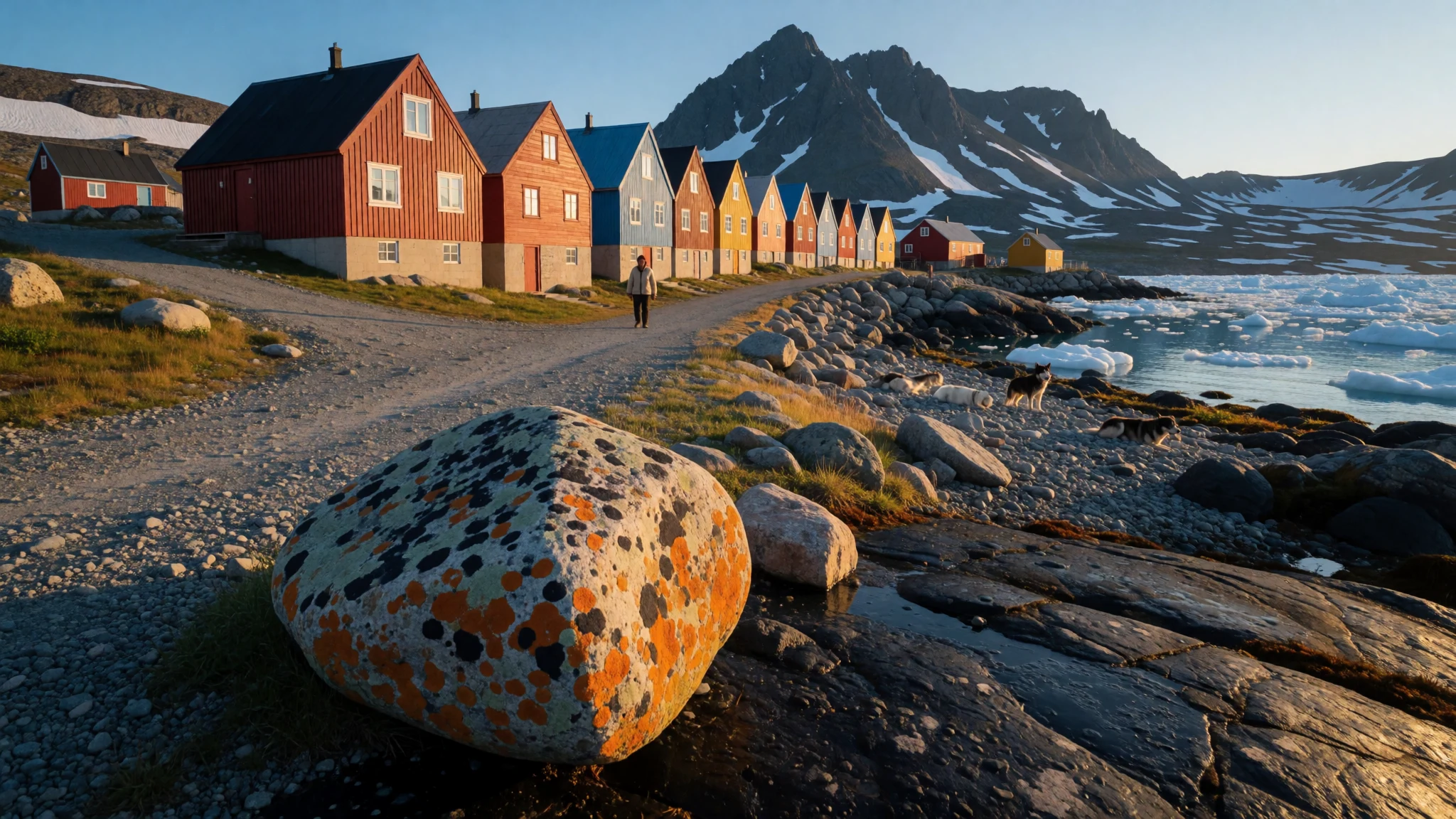
The wooden houses, painted in strong reds, blues and yellows, are the village's signature image. A walk along the shore shows sled dogs, drying equipment, boats pulled up for winter and, in the right season, floating ice. The best light is low and early or late.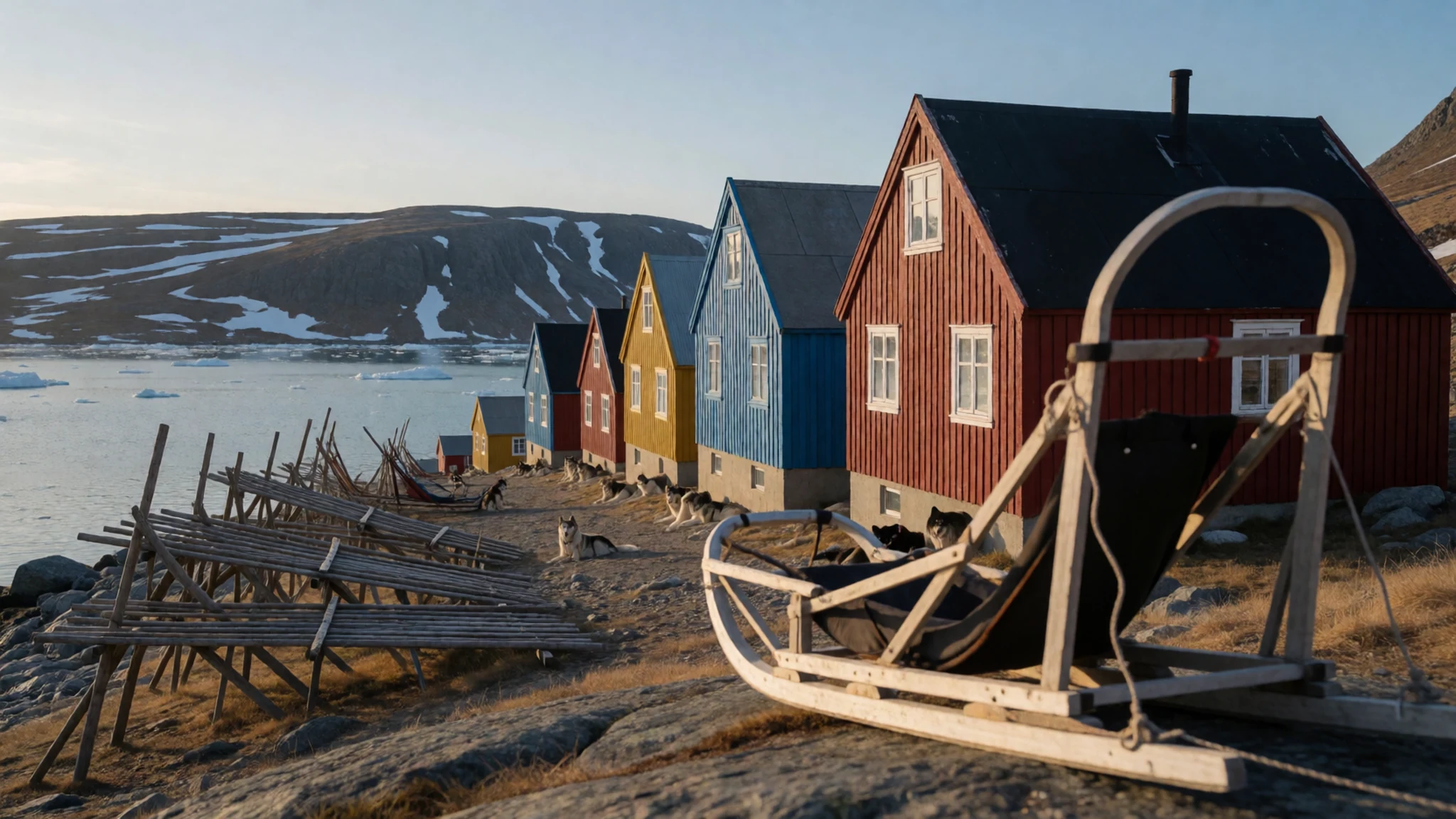
- Cemetery and Charcot memorial — Edge of the village
The cemetery, with its simple white crosses on rocky ground, is a quiet reminder of how hard life has been here. Nearby, a memorial board remembers Jean-Baptiste Charcot and his companions. Treat the cemetery respectfully, keep to the paths and photograph from a distance.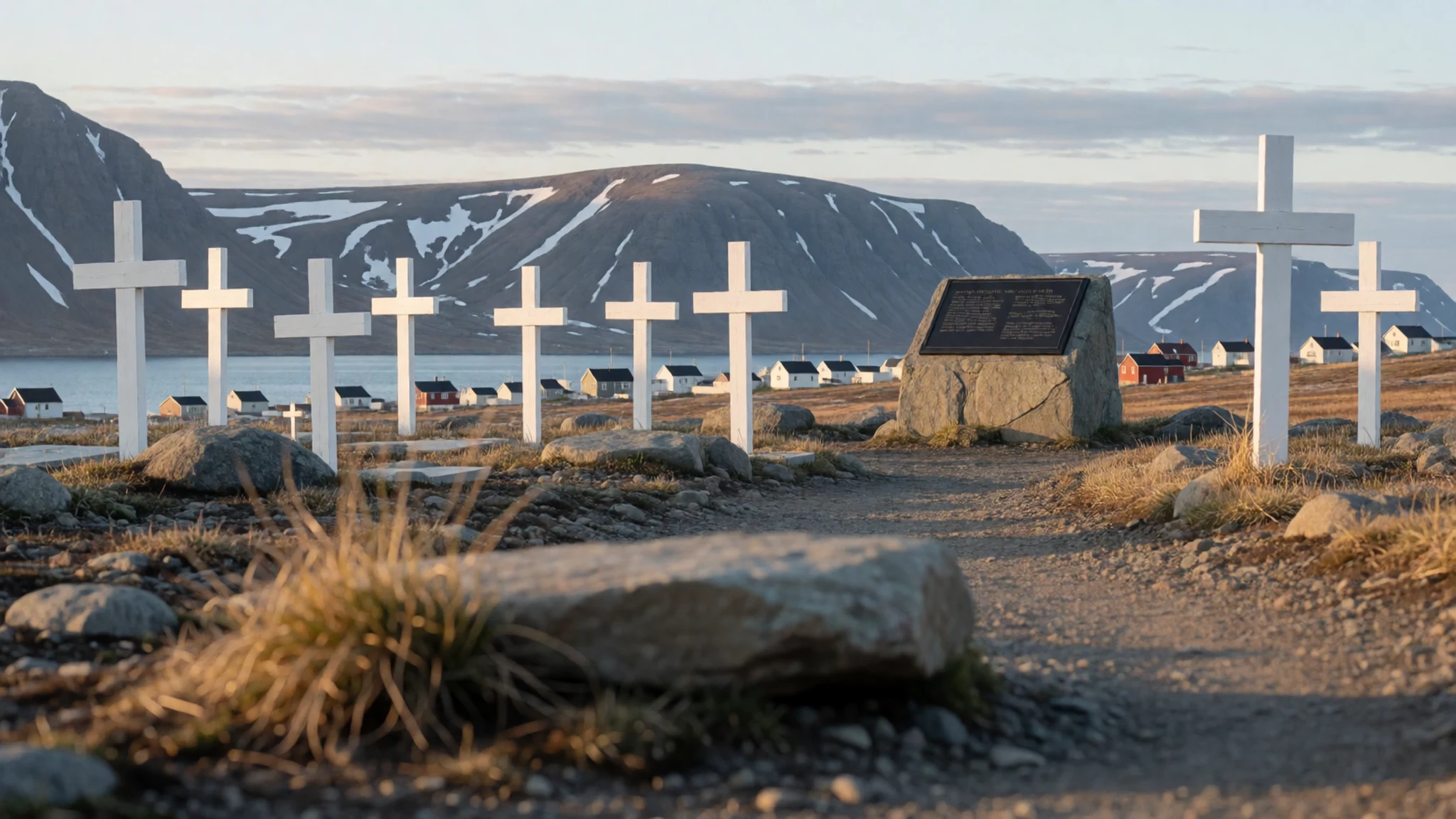
- Kangertittivaq fjord and the sea ice — Fjord and coast
The fjord mouth is where the landscape opens out: icebergs, sea ice in cold months, and open water in summer. Boat trips are arranged through local operators and depend on the ice. Leave routes, timing and safety to guides rather than improvising.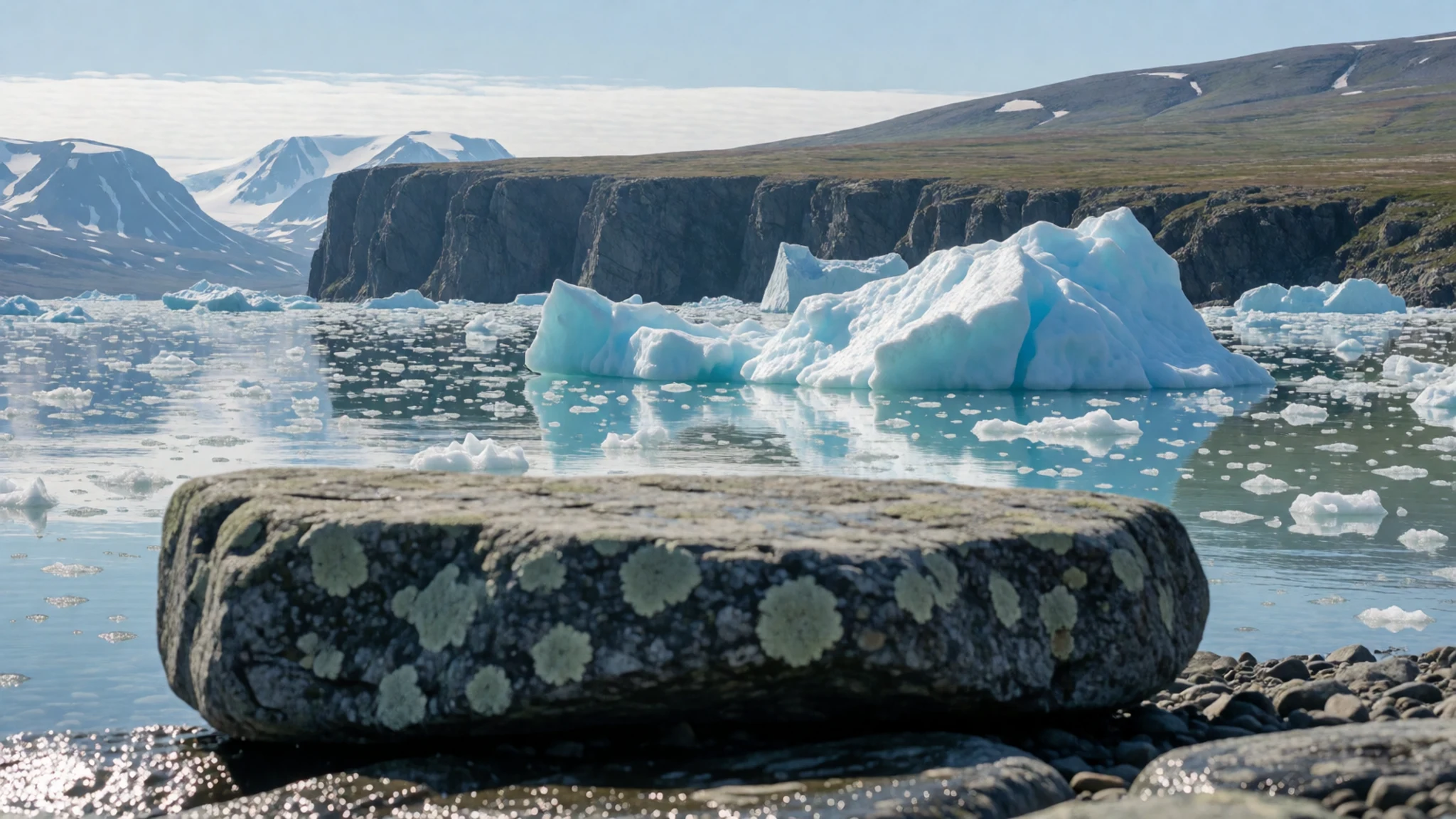
- The national park boundary — Beyond the village
The village's nearest neighbour is a vast national park that needs an expedition permit for any visit. Casual walkers should not stray far from the settlement, because rescue becomes less likely the farther out one goes. Polar bears are a real risk, so go only with a guide.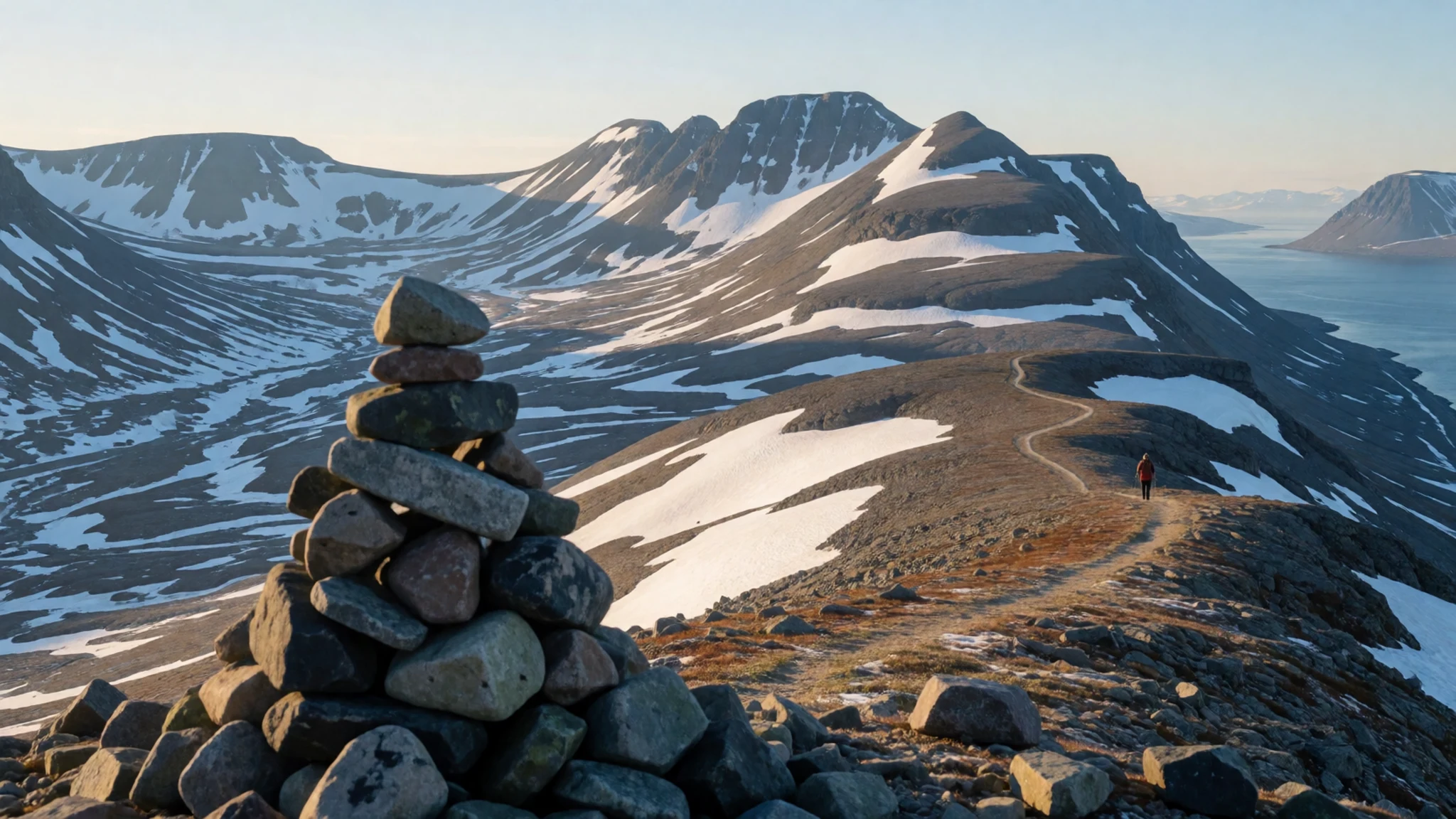
Culture
Ittoqqortoormiit is a hunting community, and the culture here is practical and closely tied to the sea and ice. Families have hunted whales, seals and polar bears for generations, and the catch is still part of how households eat and earn. Hunting is an ordinary part of life here rather than a spectacle, and visitors who accept that tend to be welcomed more warmly. The community is small and many people know each other, so word travels quickly and courtesy matters. The people came largely from Tasiilaq in the 1920s, bringing East Greenlandic language and customs, and the dialect still marks the village. Sled dogs are working animals and are kept outside. Social life centres on family, the church and the shop, with gatherings and coffee visits at the heart of hospitality. English is not universal, so a few Greenlandic or Danish words and a patient smile help a great deal. Seasonal work, weather and ice decide when boats leave and when helicopters fly, and locals are used to plans changing. Visitors are expected to be flexible and not to complain about it. Tourism is welcome but it is still new, and there is a fine line between curiosity and intrusion. Ask before photographing people, their homes, their dogs or hunting gear, and never approach drying meat or sled dogs without permission.
What to wear
In Ittoqqortoormiit the traditional dress is the Greenlandic national costume, kalaallisuut, with local variations along the east coast. It combines sealskin trousers or boots with a brightly beaded collar and fine detailing, and it is worn for celebrations, confirmations and other formal days, not for ordinary life. Sealskin boots, called kamik, and fur-trimmed outerwear remain practical in the cold, and some hunters still wear skins for work on the ice. Day to day, people mostly wear modern outdoor clothing: insulated parkas, thermal layers, windproof trousers, woolly hats and heavy boots, often in bright colours that stand out against snow and rock. Visitors should dress for the weather rather than for the village. In summer, pack layers, a waterproof shell, a warm hat and gloves, since the summer here stays chilly and boat trips are cold. Winter calls for proper Arctic gear. Footwear matters most: wear insulated, waterproof boots with a grippy sole, because ground is rocky, wet or icy. There is no formal dress code, but modest, practical clothing suits a small, close-knit village. Anyone invited to a church service or a family event should wear neat, covered clothing, and should keep drone and camera use discreet around people and homes.
What to eat
- Seal meat — Family kitchens and community gatherings
Seal is a traditional staple of the hunting economy here, eaten boiled, dried or in stews. The flavour is strong and rich. It is usually served at home or at community gatherings, so ask guides or hosts rather than expecting it on a menu.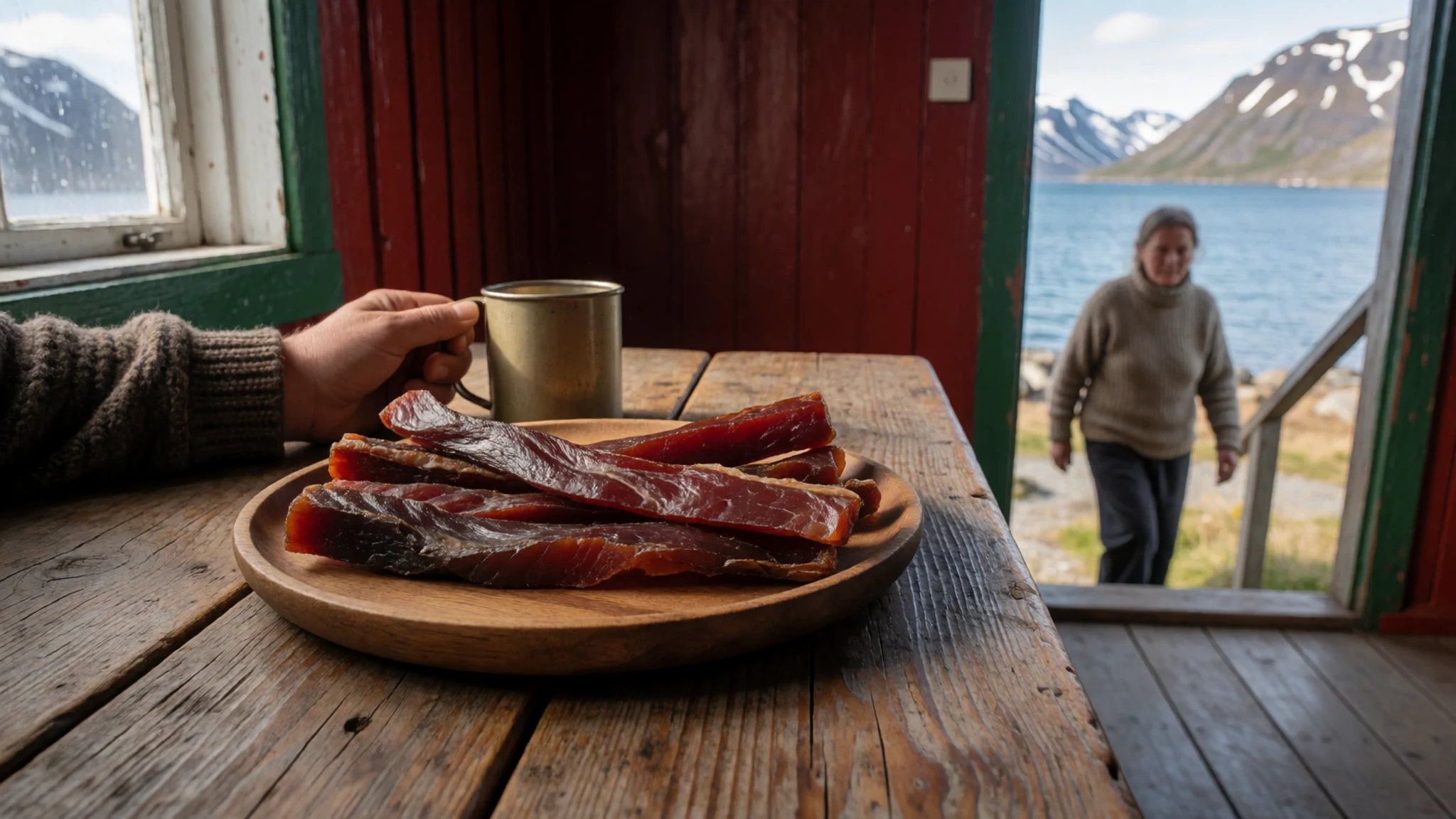
- Suaasat — Home cooking and guest house meals
A traditional Greenlandic soup, typically made with seal, whale or muskox, with onions and potatoes or rice. It is warming and simple, and a good first taste of local food when the weather is cold and the boat has been late.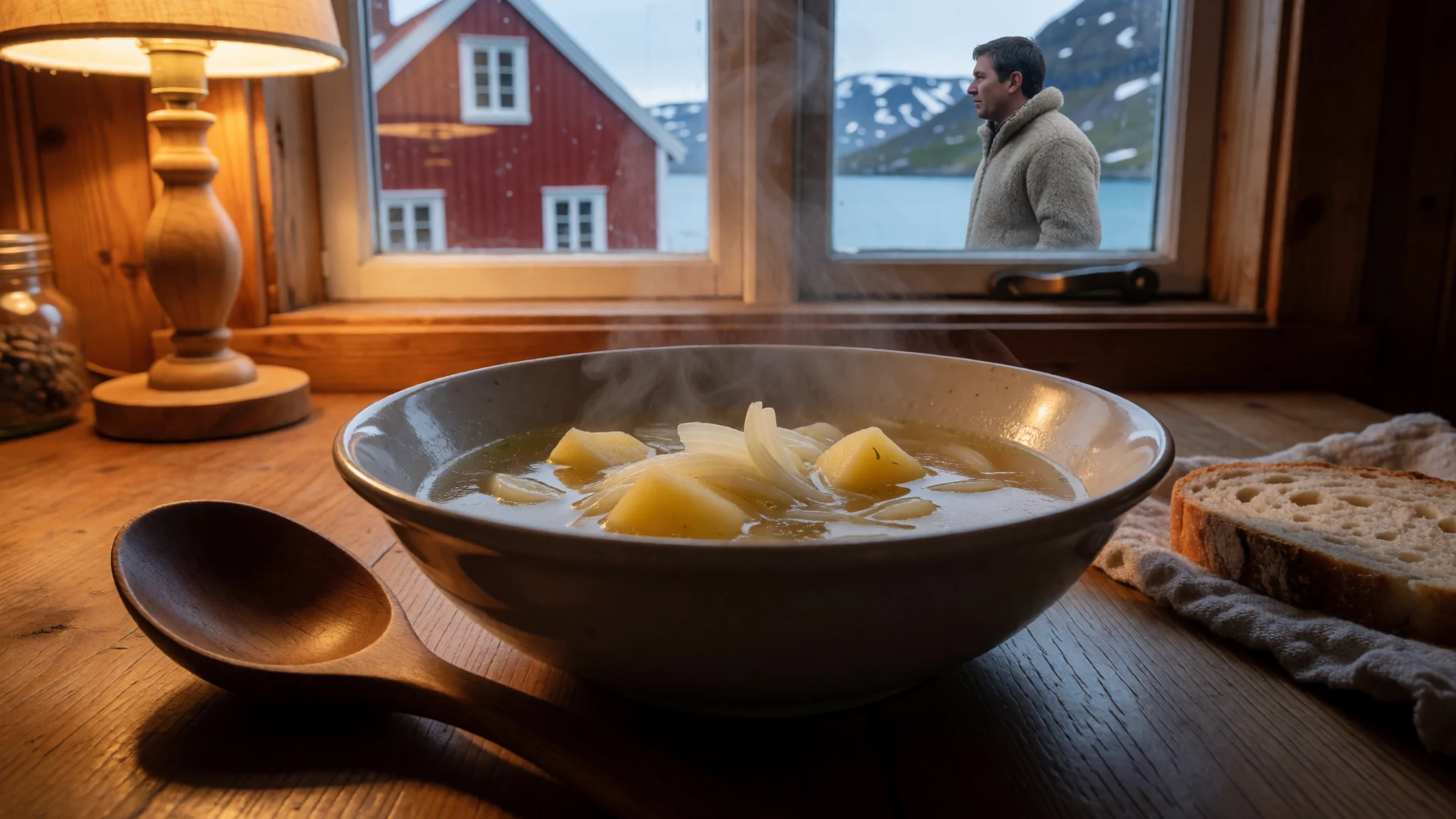
- Muskox — Guest house tables and local homes
Muskox roams the surrounding region and appears in stews, roasts and dried form. The meat is lean and gamey and suits slow cooking. Availability depends on hunting and season, so treat it as a welcome extra if it is offered. - Arctic char and halibut — The guest house and local households
Fish from local waters is served fresh, dried or smoked when ice conditions allow. Greenland halibut and Arctic char are the likeliest. Fishing here is small scale because of the sea ice, so supplies can be limited. - Dried fish and meat — Drying racks around the village
Racks of drying fish and meat are a common sight, and the result is a chewy, salty snack that keeps well. Ask before taking photographs or touching anything on the racks, as this is food for families, not a display. - Coffee and cake at a kaffemik — Private homes, by invitation
A kaffemik is a traditional open-house gathering with coffee, bread and cakes, held for birthdays and other occasions. Visitors rarely stumble on one, but if a host invites you, accepting is a lovely way to meet people.
Plan it
Best time. July to September is the practical window: the summer is chilly but the sea is more open, ships and boats can reach the village and daylight is long. The climate is tundra, with cold winters, so winter trips suit only experienced Arctic travellers going with a local operator.
How long. 3–5
Getting there. There is no road. Check the village website (http://www.ittoqqortoormiit.gl/) and the guest house for the current air route, which usually involves a flight to the nearest airstrip followed by a helicopter transfer. Cruise ships also call in the summer months.
Budget. high
Tips
- Book flights, helicopter seats and the guest house well ahead, since capacity is very small
- Allow spare days at both ends, as weather and ice often delay transport
- Arrange boat trips, wildlife outings and any park visit through a local operator and do not go out alone
- Bring cash and cards, and stock up on any special supplies, as the village has limited shopping
- Pack layers, a waterproof shell and insulated boots even in summer
Etiquette
- Ask before photographing people, homes, dogs or hunting gear
- Do not walk into the cemetery or church without respect and, where needed, permission
- Follow local guides on bear safety and expedition rules
Nearby
Sources
- Wikidata Q321279 (CC0)
- Wikipedia: Ittoqqortoormiit (rev 1379777276) (CC BY-SA 4.0)
- Wikivoyage: Ittoqqortoormiit (rev 5405551) (CC BY-SA 4.0)
- Scoresbysund, East-Greenland — Berland (CC BY 3.0)
- Ittoqqortoormiit, Greenland — Richard N Horne (CC BY 4.0)
- Relief location map of Greenland — Uwe Dedering (CC BY 3.0)
- The church of Ittoqqortoormiit — Hannes Grobe (CC BY-SA 2.5)
- Ittoqqortoormiit houses — Richard N Horne (CC BY 4.0)
- Ittoqqortoormiit Cemetery (2018) — MillettDavid (CC BY-SA 4.0)
- Ittoqqortoormiit Museum — Richard N Horne (CC BY 4.0)
- Board in memory of Jean-Baptiste Charcot — Jerzy Strzelecki (CC BY 3.0)


Wildlife
- Polar bear (animal)
The polar bear is the biggest bear in the world, and the largest hunter living on land, with pale fur, black skin underneath and huge paws for walking on ice and paddling in water. It is a real danger, so go out only with a guide, and let them decide how near is safe. Watch quietly, never approach it, and never feed it.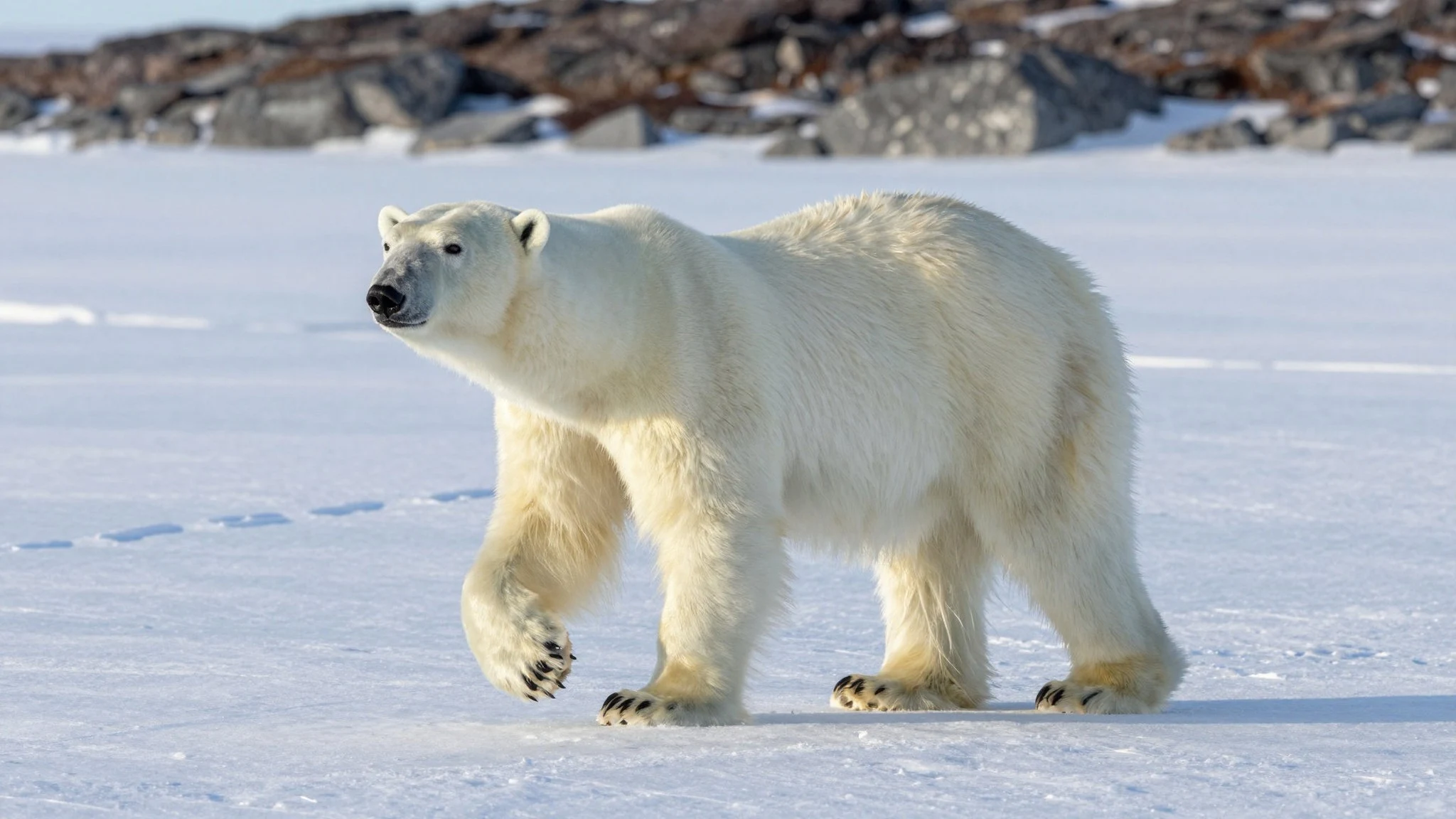
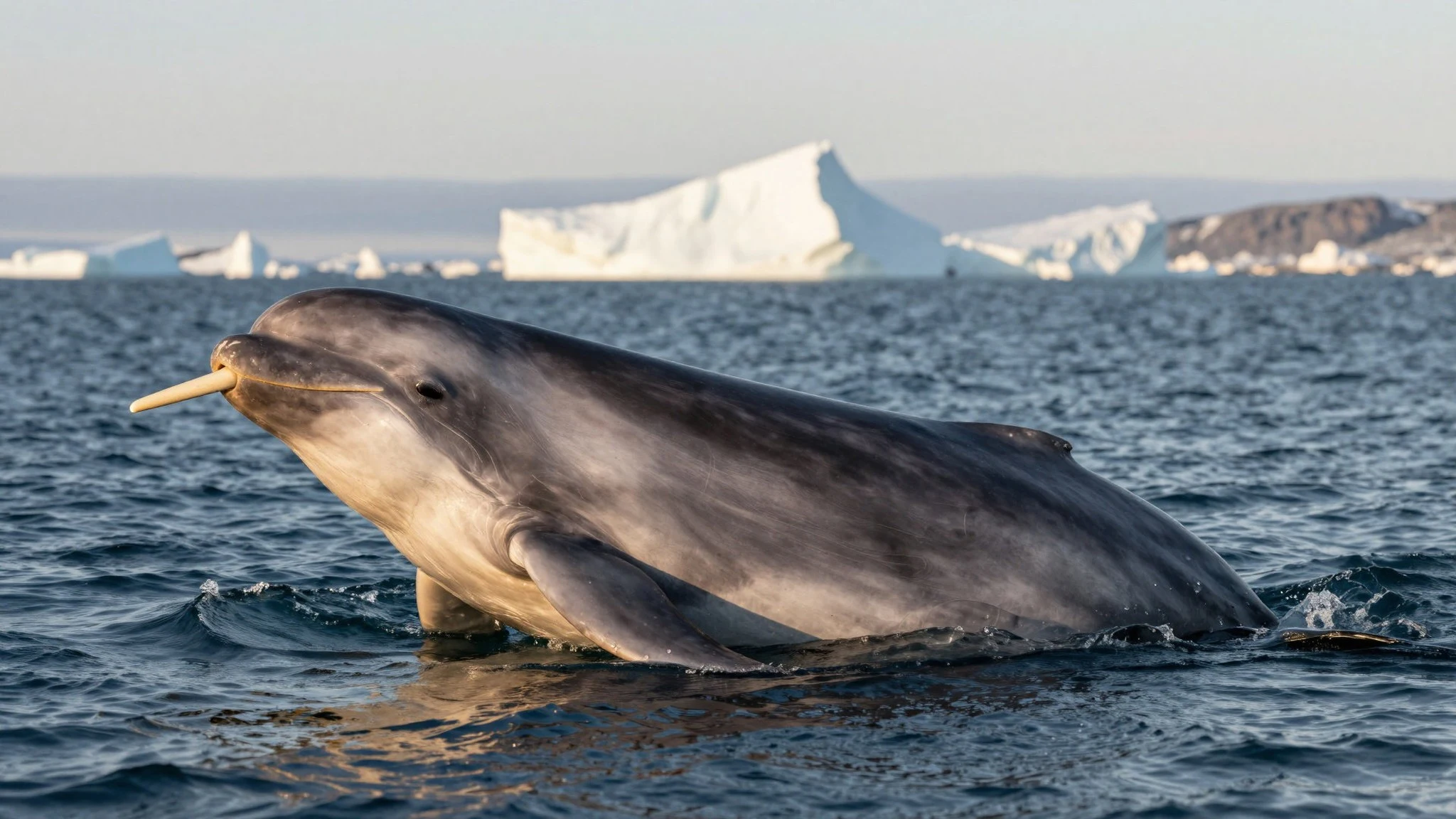
- Narwhal (animal)
The narwhal is a stocky Arctic whale, and the male's long spiralled tusk makes it the unicorn of the sea. It has a blunt snout and only a low ridge where a back fin might be, and it spends long spells deep underwater. Narwhals have long been part of the living that supported the community here. Watch with a guide, keep quiet and well back, and never feed wildlife.