Svalbard
Svalbard, Norway
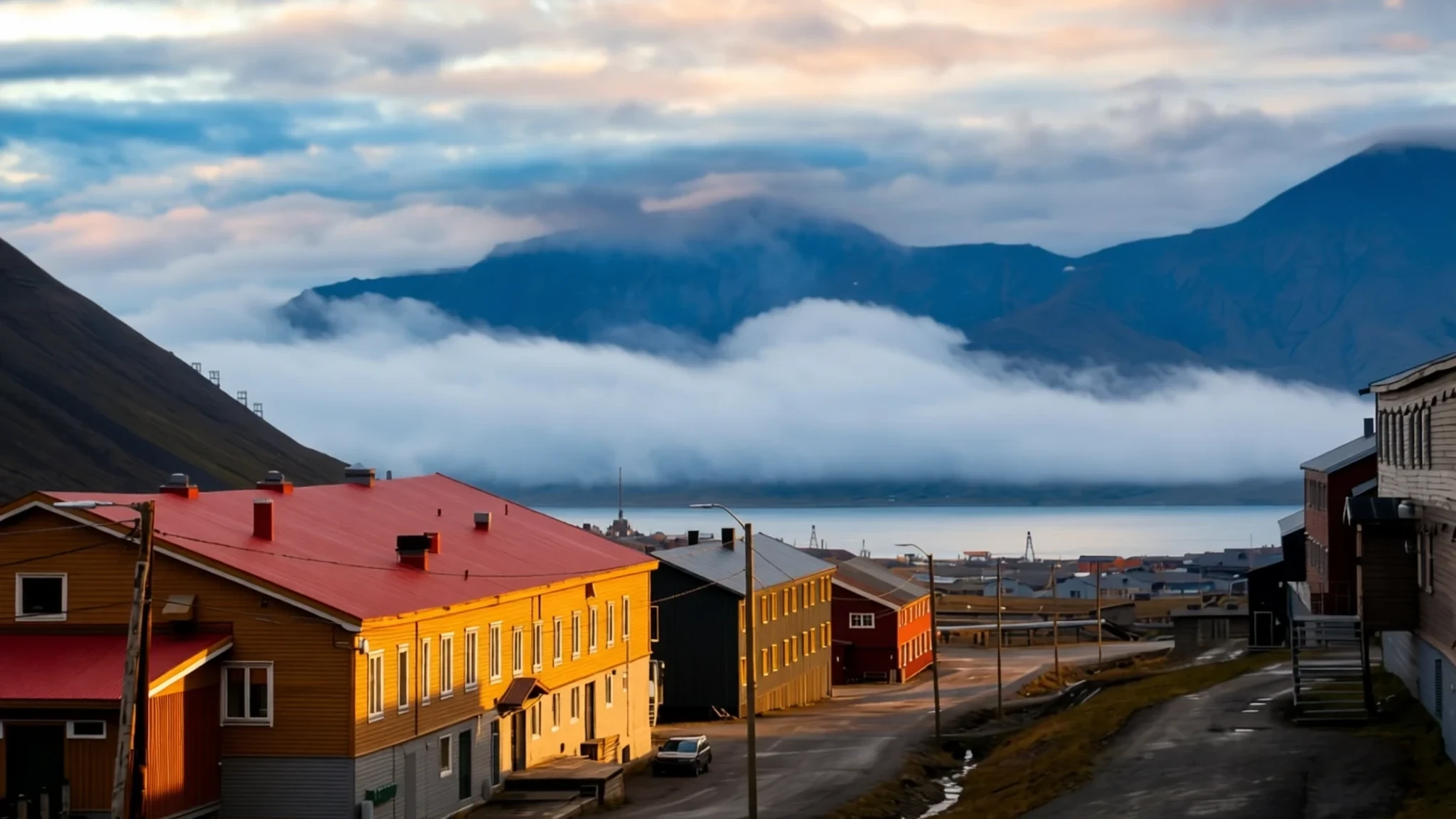
Svalbard offers raw high-Arctic wilderness, massive glaciers, polar bears and enduring frontiers halfway between mainland Europe and the North Pole.
The place
Svalbard is a remote Norwegian archipelago positioned where the Arctic Ocean meets the Atlantic. Situated far north of mainland Europe, the islands stretch across high latitudes toward the top of the globe. The territory features immense glacial expanses, jagged mountain peaks, and deep fjords carved out by ancient ice. The principal island is Spitsbergen, accompanied by other landmasses such as Nordaustlandet, Edgeøya, and Barentsøya, alongside smaller islands stretching across the polar seas. The largest human settlement is Longyearbyen, located along Isfjorden on the western coast of Spitsbergen, serving as the main hub for administration, research expeditions, and community life.
Life in the archipelago revolves around extreme weather and seasonal shifts of perpetual light and darkness. The environment remains intensely fragile yet powerful, shaped by permafrost, tundra valleys, and shifting pack ice. Visitors encounter a landscape largely untouched by intensive industrialisation outside specific mining pockets. While human habitation is concentrated in a handful of coastal outposts, the surrounding wilderness belongs firmly to Arctic wildlife, including marine mammals, foxes, and roaming polar bears. Navigating this vast polar expanse requires careful preparation, robust vessels or tracked vehicles, and deep respect for an environment where weather can change instantly and human infrastructure remains sparse.
Its story
The recorded history of Svalbard began when the Dutch navigator Willem Barentsz sighted the rugged coast of Spitsbergen while searching for a northern sea route to Asia. Soon after this discovery, European mariners realised the surrounding waters teemed with marine life, drawing competitive fleets of English, Danish, Dutch, and French whalers. These early commercial operations established seasonal coastal camps such as Smerenburg, where crews boiled down whale blubber for oil during the brief summer months. By the seventeenth century, overwintering attempts began as hardy hunters tested their endurance against the profound polar cold.
As the whaling era faded, Russian hunters arrived to target land mammals like polar bears and foxes, followed by Norwegian expeditions hunting walrus. At the dawn of the twentieth century, industrial coal mining transformed the islands from a temporary hunting ground into a site for permanent settlements, including company towns like Barentsburg and Pyramiden. International diplomacy formalised the status of the archipelago through the Svalbard Treaty, which recognised Norwegian sovereignty while granting citizens of signatory nations equal rights to engage in commercial activities. Following subsequent legislation, the islands were fully integrated into the Kingdom of Norway, preserving a unique heritage of international cooperation, scientific endeavour, and remote frontier resilience.
What to see
- Longyearbyen Settlement — Longyearbyen
The administrative heart of the archipelago, featuring the northernmost church in the world, local history museums, galleries, and essential expedition outfitters. The town provides a welcoming basecamp before venturing out into the surrounding fjords and valleys, combining modern comforts with a stark frontier atmosphere.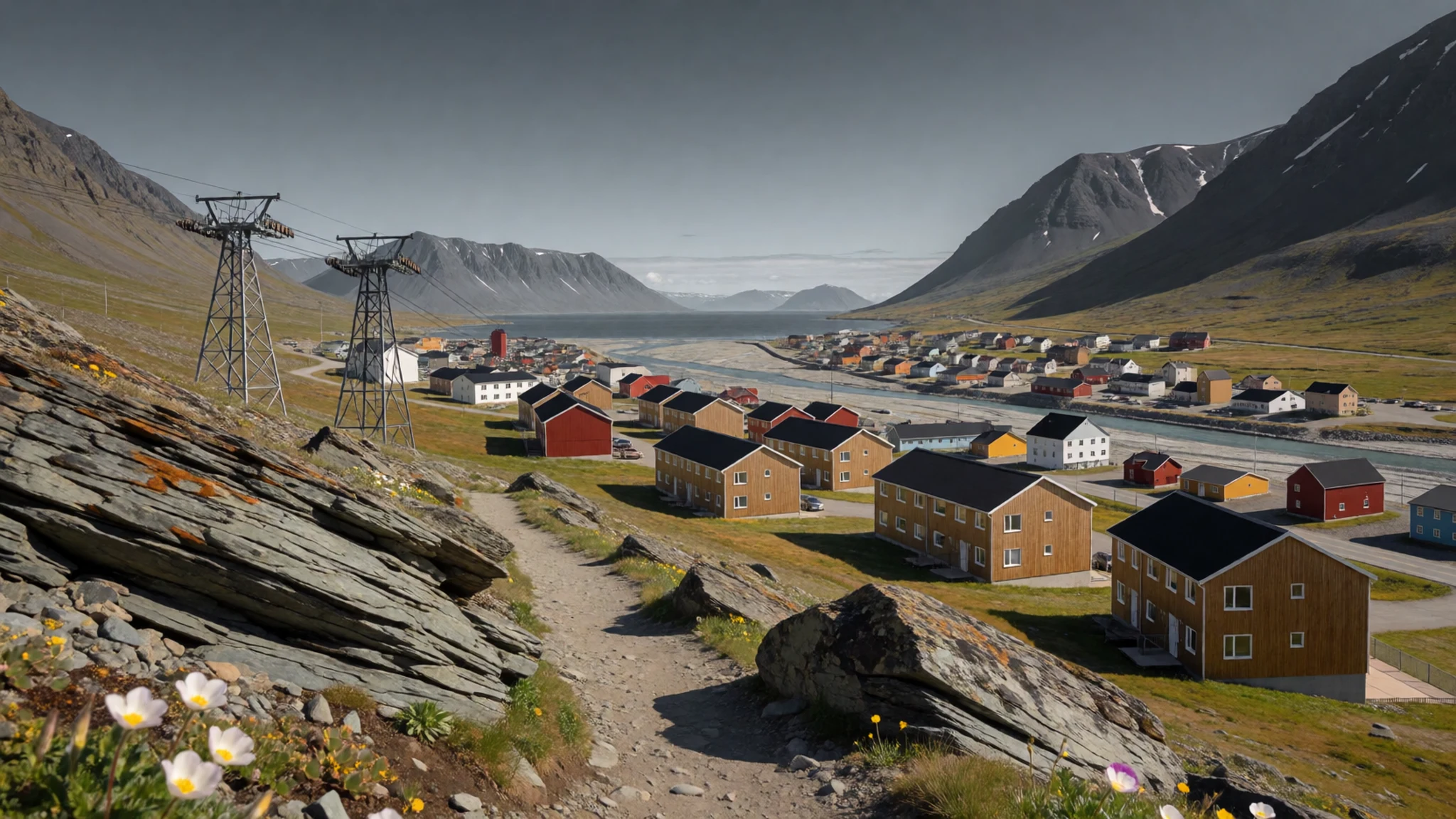
- Barentsburg Mining Community — Grønfjorden
A distinctive Russian mining community nestled along the coast, featuring striking Soviet-era architecture, a prominent statue of Lenin, and a fascinating cultural glimpse into coal-mining heritage operating deep within the high Arctic. Visitors can explore the settlement by arriving via local boat tours or snowmobile excursions.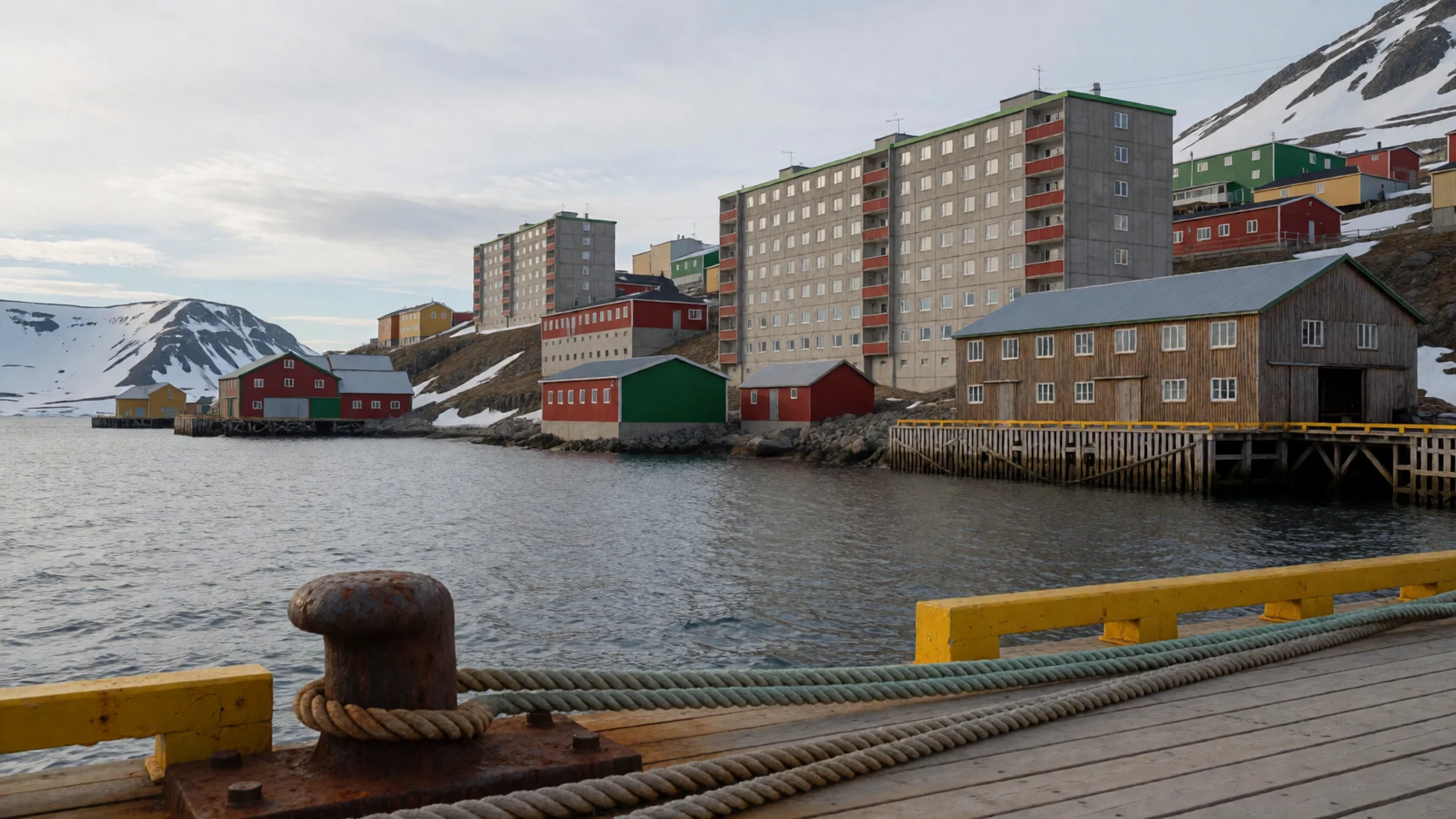
- Pyramiden Abandoned Town — Billefjorden
A remarkably preserved Soviet mining ghost town, abandoned in 1998 yet still maintained by a small crew, showcasing empty residential blocks, a grand cultural palace, and northernmost busts of historical figures. Guided walking tours allow curious travellers to step back in time and witness an extraordinary relic of Cold War industrial history.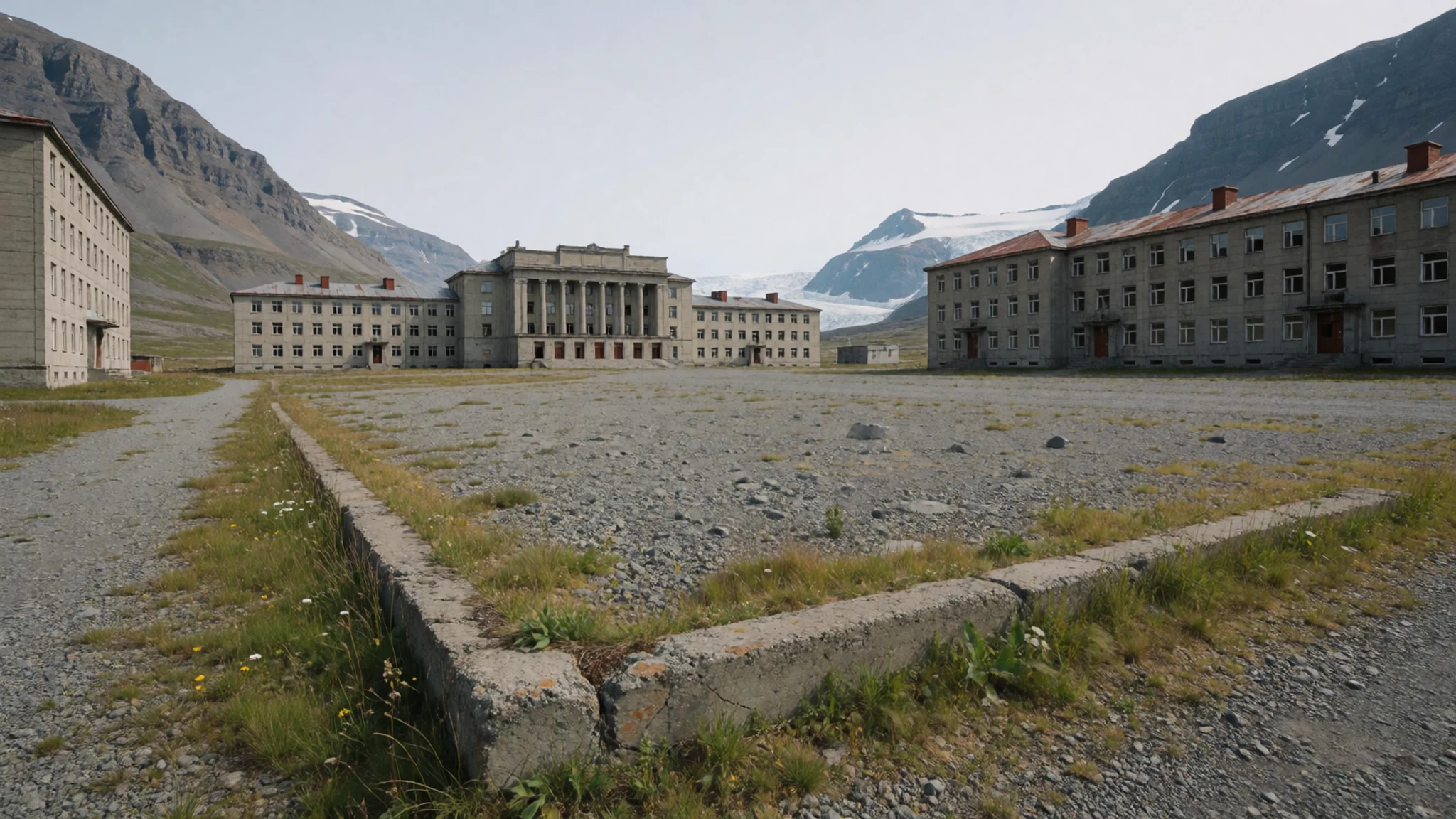
- Isfjorden Marine Waters — Isfjorden
The sweeping fjord system surrounding the main island, offering remarkable opportunities to observe marine wildlife such as seals, whales, and seabirds resting along dramatic coastal cliffs. Boat cruises navigate these icy channels during the summer months, providing stunning vantage points of hanging glaciers and towering mountain walls.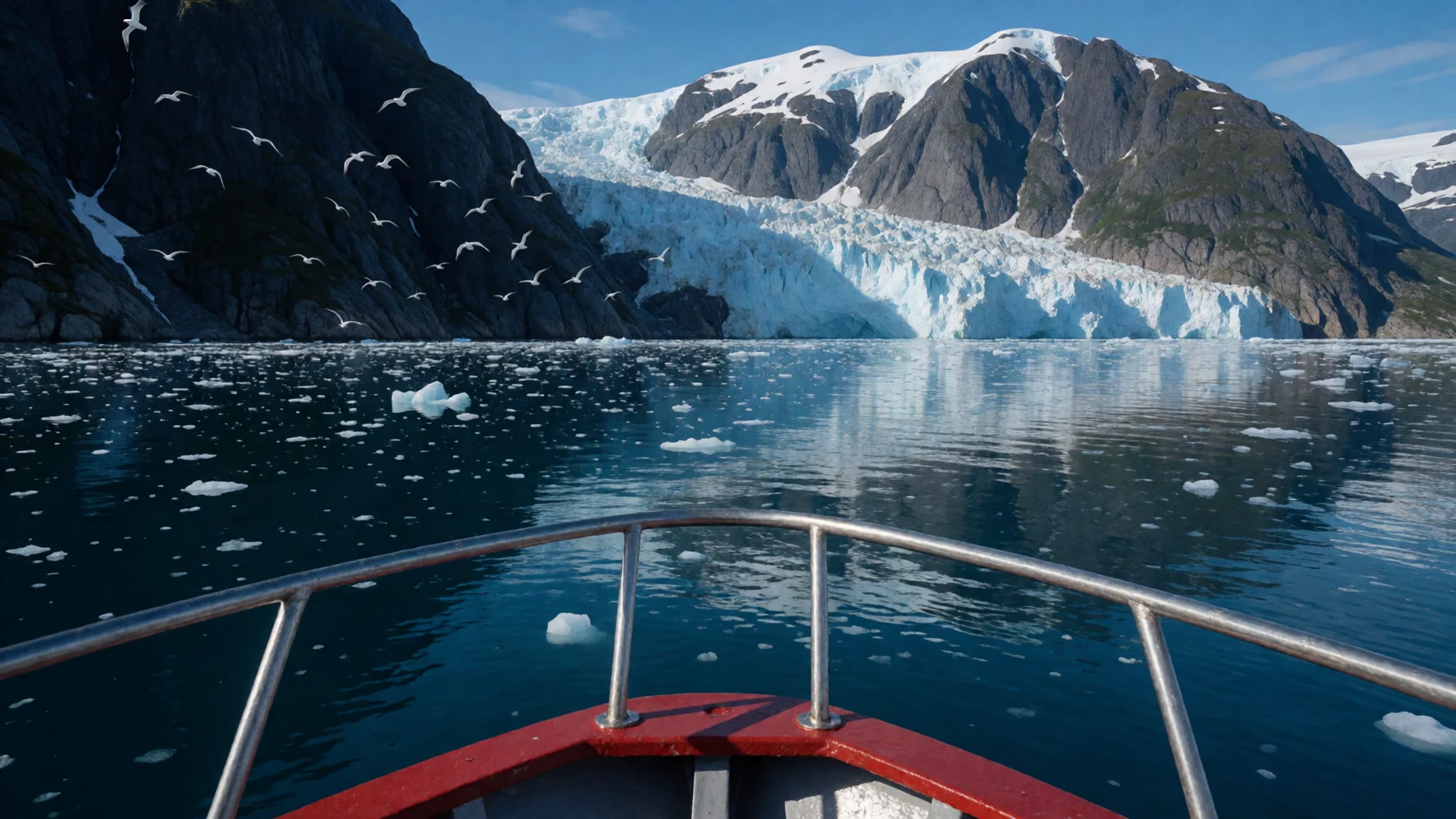
- High Arctic Tundra Valleys — Spitsbergen Interior
Sheltered inland valleys and coastal plains where melting summer snow gives way to resilient tundra vegetation, delicate alpine flowers, grazing reindeer, and nesting Arctic birds. Exploring these fragile ecosystems requires professional guiding and proper firearms safety to ensure harmonious coexistence with local wildlife populations.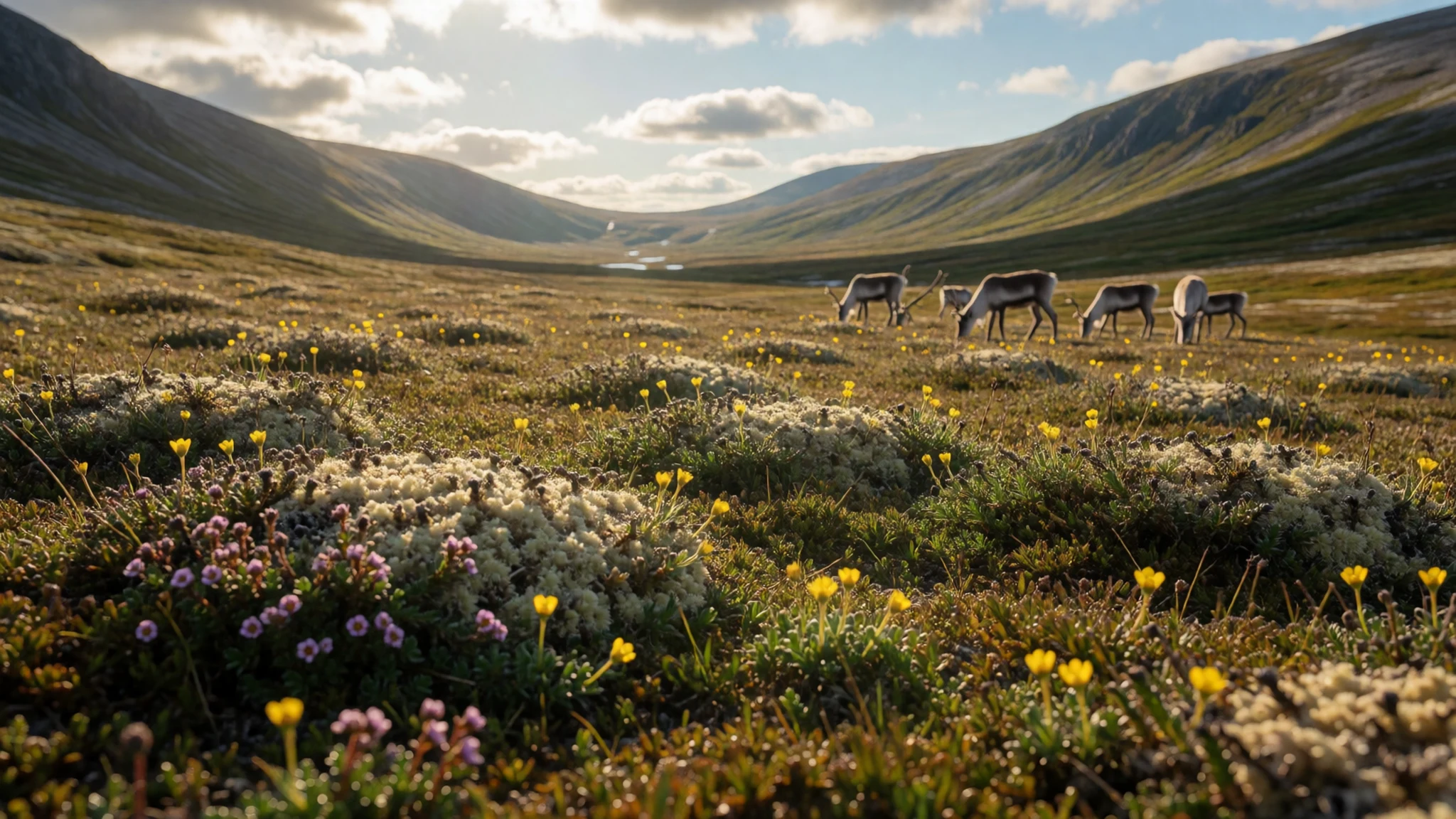
Culture
The social fabric of Svalbard is shaped by its multinational community, comprising researchers, miners, guides, and adventurous residents from dozens of nations who choose to live under extreme polar conditions. Life here fosters a strong culture of mutual reliance, resilience, and deep respect for the unpredictable forces of nature. Traditions blend Norwegian administrative norms with the distinct character of isolated frontier outposts, where cooperation across nationalities remains a daily necessity. Community gatherings often centre around local cultural events, dark-season film festivals, and shared dining experiences that celebrate survival in the extreme cold. Etiquette indoors reflects the muddy or snowy outdoor conditions: visitors and residents alike are expected to remove their outdoor footwear at the entrance of most local buildings, including some shops and hotels. Always check for shoe racks or plastic overshoes provided at the doorway before stepping inside.
What to wear
Traditional clothing in Svalbard was historically shaped by indigenous survival needs and early European whaling gear, relying heavily on thick animal hides, heavy wool, and tightly woven canvas to fend off biting polar winds. While historical garments are preserved in local museums rather than worn daily, their utilitarian principles survive in modern high-Arctic attire. Today, locals and long-term residents dress for function and thermal protection, favouring high-performance technical parkas, windproof trousers, merino wool base layers, and sturdy insulated boots suitable for icy terrain. Visitors should pack windproof shell jackets, thermal layers, woollen hats, thick gloves, and reliable footwear with good grip, adjusting the wardrobe to the season. Modesty is secondary to warmth and safety in this climate, but indoor spaces require comfortable indoor clothing and socks since outdoor boots are left at the door.
What to eat
- Local Seal Meat — Local restaurants in Longyearbyen
A traditional Arctic harvest featured on menus at select restaurants in Longyearbyen, prepared in various ways to highlight its rich, gamy flavour inherited from maritime traditions.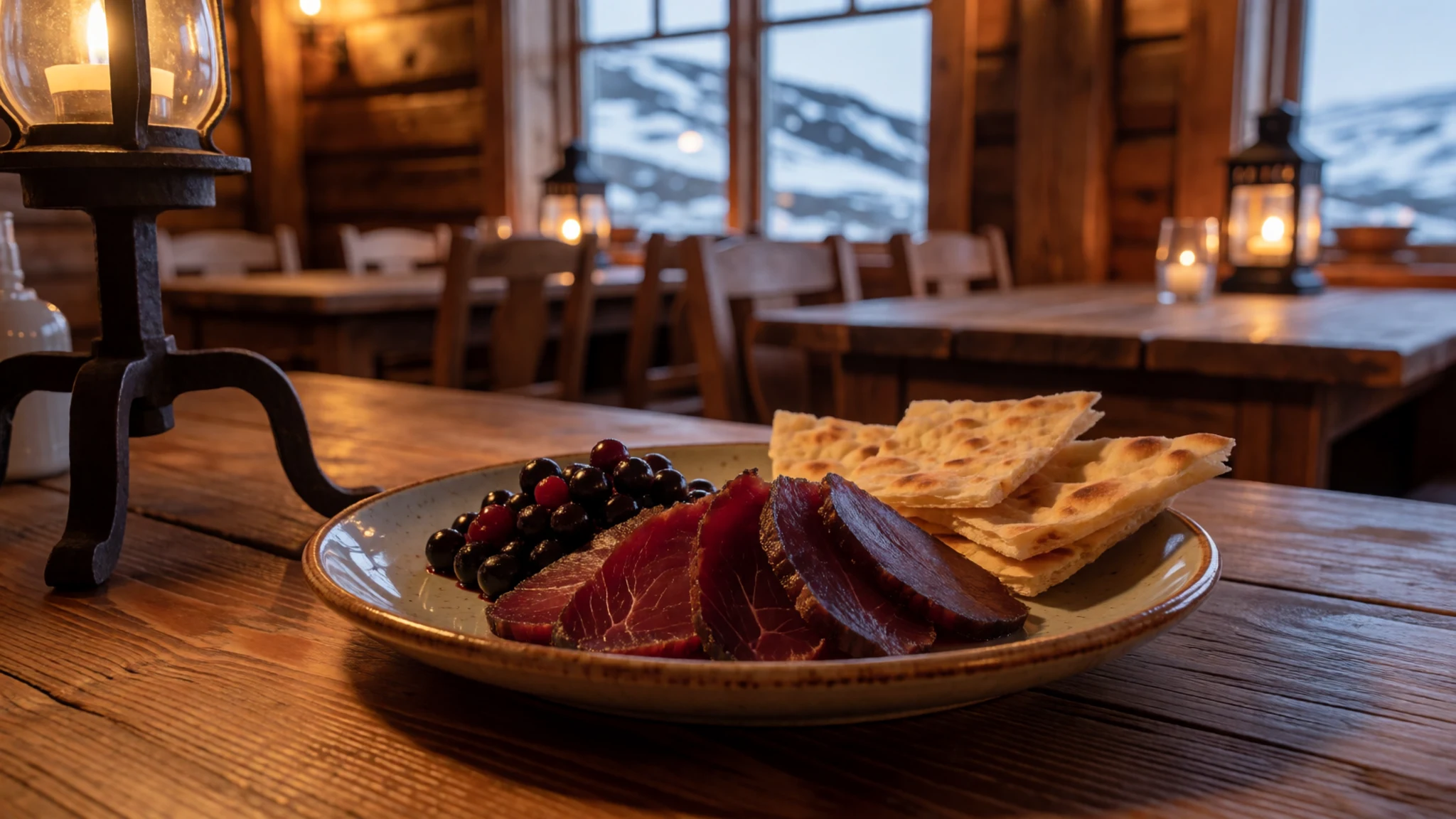
- Reindeer Stew and Steaks — Eateries across Longyearbyen
Hearty dishes prepared from the peculiar short-legged reindeer that roam the tundra valleys, served warm in local eateries to provide essential nourishment during cold polar days.
- Arctic Char — Longyearbyen dining establishments
Freshly caught northern fish prepared simply by local chefs, offering a delicate taste of icy freshwater lakes and coastal marine environments surrounding the archipelago.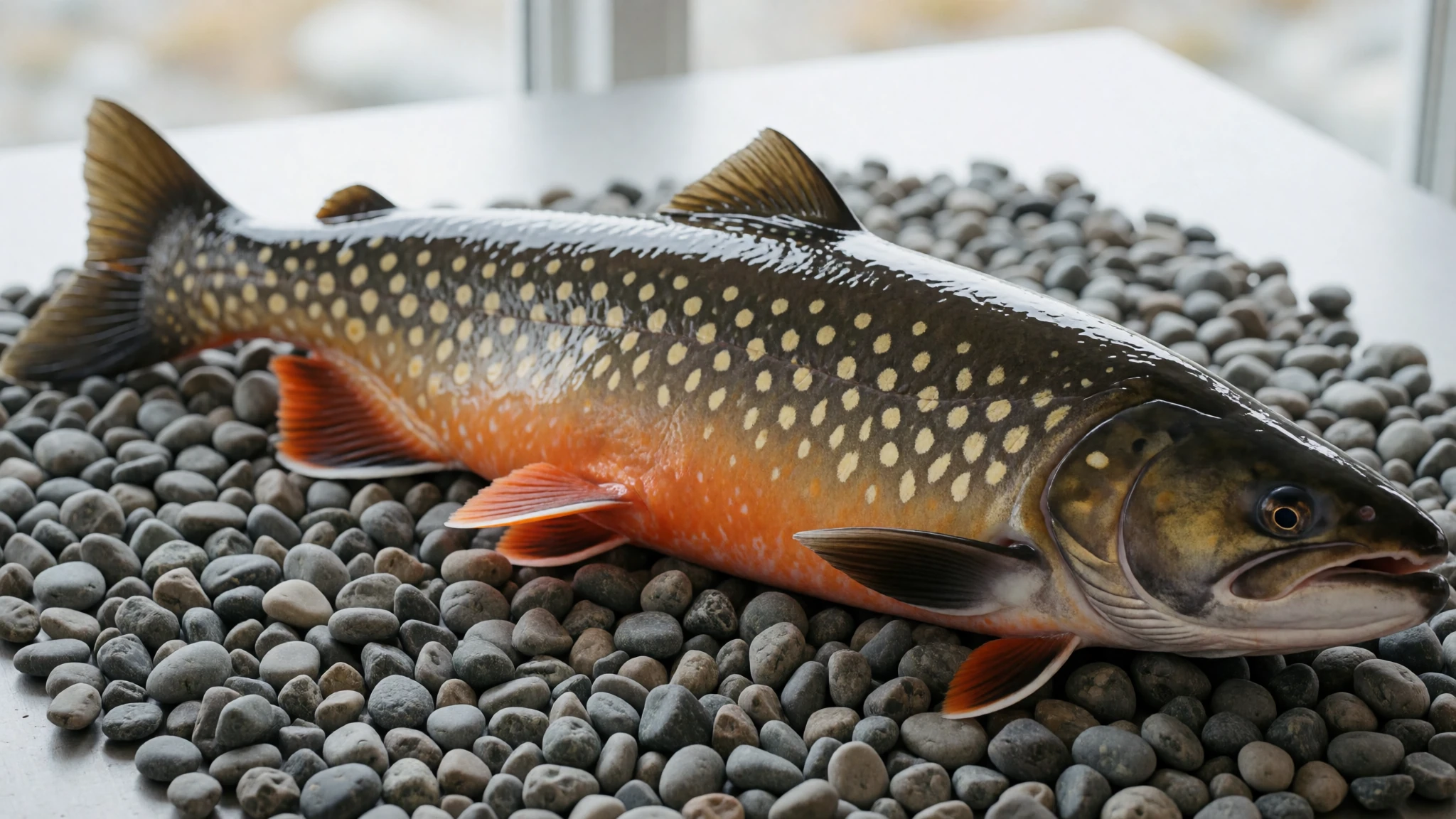
- Glacier Ice Cocktails — Glacier cruise vessels
A popular novelty beverage served on fjord cruises, featuring drinks cooled with ancient glacier ice that has been purified naturally over thousands of years.
Plan it
Best time. March to April for snowmobiling and winter light, or October to November for early polar night; June to August bring the mildest weather, with average highs of about 8 to 13 °C, July and August being the warmest.
How long. 3–4
Getting there. Fly into Svalbard Airport near Longyearbyen via regular commercial flights from mainland Norway, followed by airport shuttle or taxi to the settlement.
Budget. high
Tips
- Book all guided excursions, boat tours, and accommodation well in advance due to limited capacity
- Always follow armed guide instructions outside settlements for polar bear safety
- Keep your arrival boarding pass handy if you plan to purchase items at the local alcohol store
- Pack versatile windproof thermal layers regardless of the summer season
Etiquette
- Remove outdoor boots at the entrance of most local buildings, including some shops and hotels
- Respect local wildlife boundaries and maintain safe distances from nesting birds and resting mammals
Nearby
Sources
- Wikidata Q25231 (CC0)
- Wikipedia (rev 1381664439) (CC BY-SA 4.0)
- Wikivoyage (rev 5341871) (CC BY-SA 4.0)