Ikka Fjord
Ikka Fjord, Greenland
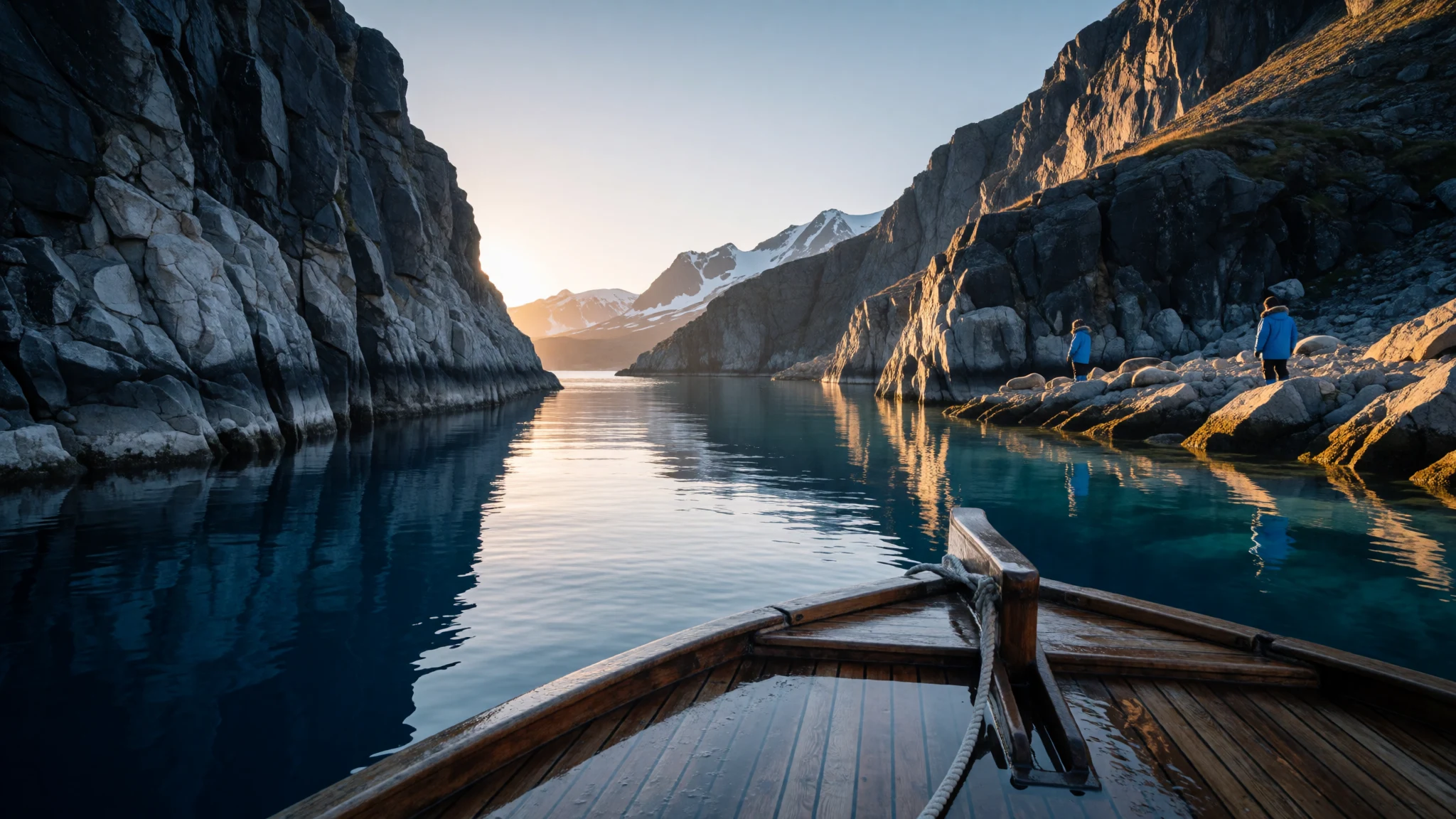
Visit to see the unique ikaite tufa formations that exist nowhere else on Earth, rising from the cold fjord waters.
The place
Ikka Fjord is a small, narrow inlet located in the Sermersooq municipality of western Greenland. It is best known for its dramatic geological features, specifically the presence of hundreds of brittle, icicle-like pillars known as ikaite. This metastable mineral was first discovered here and named after the fjord, making the site a global scientific curiosity. The water in the fjord is exceptionally cold, a condition required for ikaite to form and survive. If the water temperature exceeds 10°C, the delicate structures dissolve and break down. As of recent surveys, the waters remain below this critical threshold, but climate change poses a significant threat to their longevity.
Geographically, the fjord is part of the complex western coast, which is heavily glacial. While the fjord itself is narrow, it offers a glimpse into the raw, untouched landscape of the Arctic. The area is remote, and access is typically via small expedition vessels or helicopters from nearby settlements like Ilulissat. The surrounding terrain is rugged, with steep walls rising from the water. It is not a place for casual tourism; it is a protected site of scientific importance. The local environment is fragile, and visitors are expected to observe from a distance. The fjord represents a unique intersection of geology and climate, where mineral formations exist in a state of delicate balance. For the traveller, it offers a stark, quiet beauty, devoid of the crowds found in other Arctic destinations. It is a place of singular focus, where the primary attraction is the mineral itself, standing as a testament to the specific, cold conditions of this part of the world.
Its story
Local folklore offered a different explanation for the strange pillars in the water. Local lore claims the tufa pillars are actually Norse sailors who broke through the ice and have been frozen upright on the seabed ever since. This myth persisted until the mid-twentieth century when science began to investigate the phenomenon. The first scientific study took place in 1962, carried out by Arctic researchers and Danish Navy frogmen based in Grønnedal. This expedition led to the discovery of ikaite, a mineral that was previously unknown to science. The mineral proved difficult to study because it tended to disintegrate during transport for analysis, requiring careful handling to preserve its structure.
Further understanding of the fjord came through modern technology. Geophysical surveys of the fjord floor were conducted in the mid-1990s. More recently, in 2018 and 2019, a two-year survey combined aerial drone photogrammetry and multibeam sonar. This effort gathered detailed data regarding the ikaite tufa formations and the fjord's layout. The research confirmed the uniqueness of the site and highlighted the sensitivity of the formations to temperature changes. The history of Ikka Fjord is a story of shifting interpretation from myth to mineralogy. It highlights the role of Danish and international collaboration in uncovering the secrets of the Arctic. The site remains a focal point for geological and climatological research, serving as a living laboratory for studying the impacts of warming oceans on fragile mineral environments.
What to see
- Ikaite Tufa Formations
The primary attraction, these delicate pillars of metastable mineral rise from the fjord floor. They are unique to this location and are fragile. Visitors typically view them from the deck of a boat as the vessel navigates the narrow channels. The formations resemble icicles or stalactites suspended in the water. Observing them up close reveals their crystalline structure and the intricate shapes formed by geological processes over millennia.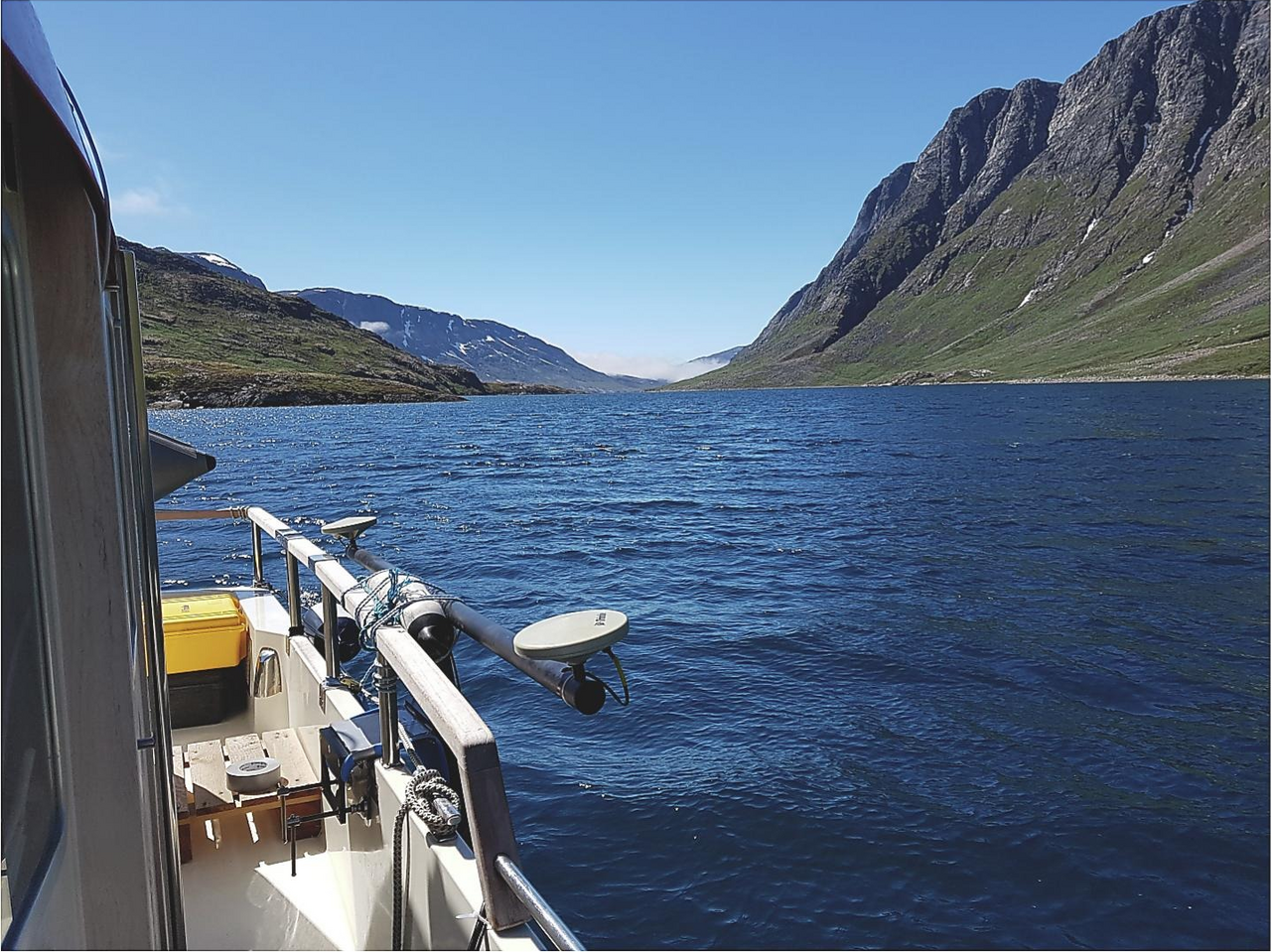
- Steep Fjord Walls
The narrowness of Ikka Fjord is defined by its steep, dark rock walls. These cliffs rise sharply from the water's edge, creating a dramatic sense of enclosure. The rock faces are often bare, showing the raw geological strata of the region. The contrast between the dark stone and the deep blue water is striking. Hiking the surrounding areas, where possible, offers a different perspective on the scale of the fjord, although access near the ikaite site is restricted to protect the formations. - Wildlife Observation
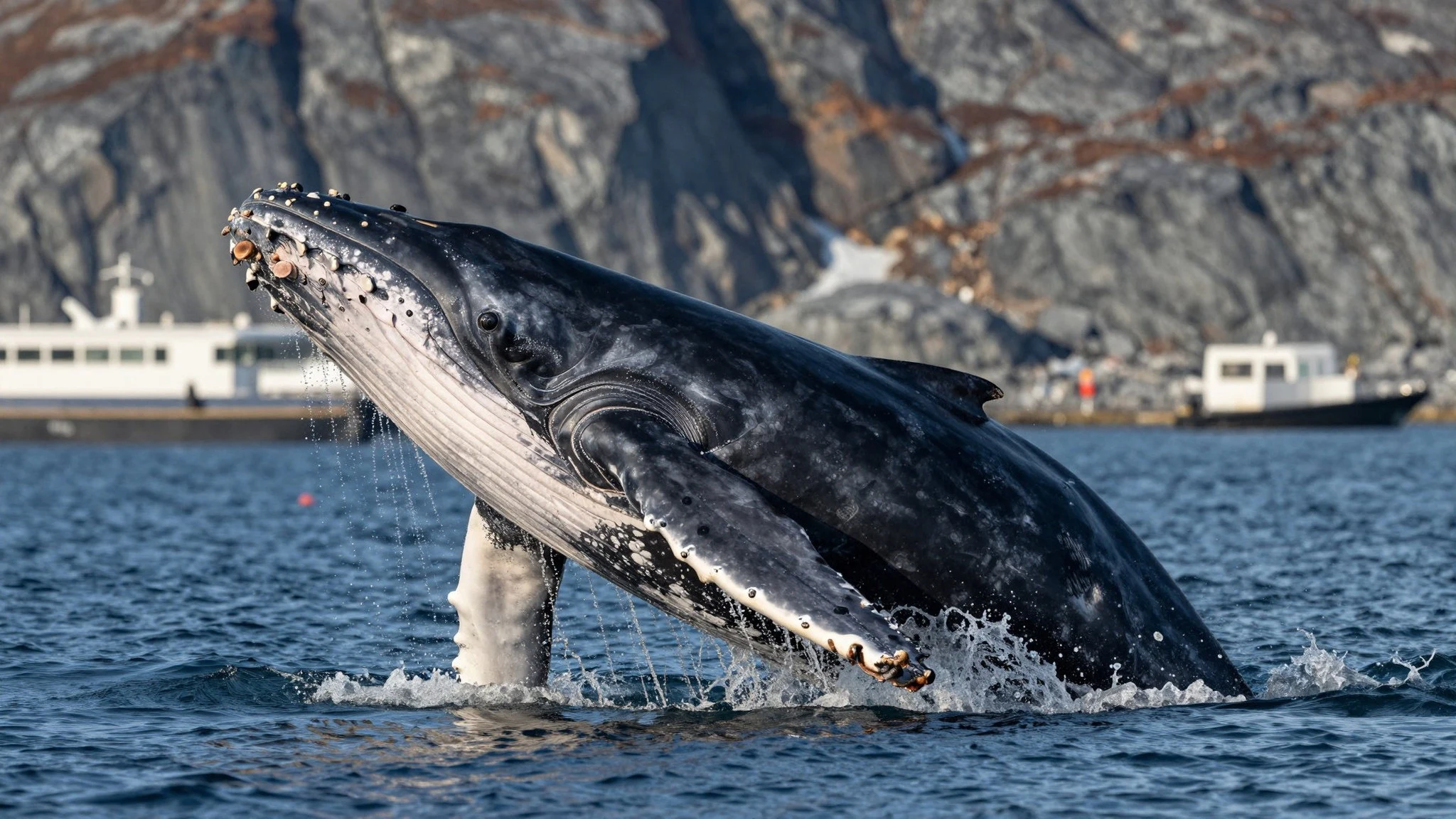
Greenland's waters and coastal areas are home to various Arctic species. In the wider region of Sermersooq, it is possible to spot seals, whales, or birds. While the fjord itself is a protected geological site, the surrounding waters are active with marine life. Visitors should be patient and quiet, as wildlife is easily disturbed. The presence of these animals adds a dynamic element to the otherwise static geological landscape, reminding visitors of the vibrant ecosystem that exists in this harsh environment.
Culture
Greenland is a distinct culture within the Kingdom of Denmark, with a strong national identity. The local population, known as Kalaallit, have a deep connection to the land and sea. Traditional hunter-gatherer practices remain important, although modern life has introduced urban influences. The term 'Eskimo' is considered offensive and should be avoided; 'Greenlander' or 'Kalaallit' are preferred. Visitors are expected to respect the local way of life, which values moderation and respect for the natural environment.
Social norms in Greenland are general in nature but specific in detail. It is important to understand that Greenland is not part of the Schengen Area, which affects travel documentation. The local culture is resilient, having adapted to extreme climates over centuries. Tourism is growing, and there is an awareness of the need to balance economic benefits with environmental protection. Visitors should be mindful of their impact, particularly in fragile ecosystems like Ikka Fjord.
Respect for local customs is paramount. Do not enter restricted areas without permission. Be aware that some areas are used for hunting or other subsistence activities. It is polite to ask before taking photographs of people or their dwellings. The local community is generally friendly but appreciates visitors who are knowledgeable and respectful of their traditions.
As a visitor, always ask permission before taking photographs of people or their homes, and keep a respectful distance when observing local activities.
What to wear
Traditional Greenlandic clothing reflects the harsh climate. Historically, garments were made from sealskin, caribou skin, and other local materials, designed for warmth and waterproofing. The 'qilakti' (parka) and 'kamik' (breeches) are iconic items. Today, many Greenlanders wear modern, insulated clothing suitable for the Arctic, blending practicality with contemporary styles. In towns like Nuuk, casual European-style fashion is common, but heavy jackets and boots are standard for going outdoors.
For visitors, the priority is thermal protection. Layering is essential, with a moisture-wicking base, an insulating mid-layer, and a windproof, waterproof outer shell. Head coverings, gloves, and sturdy, insulated boots are non-negotiable. The terrain can be uneven and slippery, so footwear with good grip is crucial. In the summer months, temperatures can be mild, but sudden weather changes mean that warm layers should always be accessible.
Modesty is not strictly enforced in a religious sense, but practicality dictates covering up. When visiting local communities, dressing neatly and modestly is a sign of respect. Avoid bright, flashy clothing that might stand out unnaturally in the landscape. The focus is on functionality and respect for the environment.
Ensure your clothing is suitable for wet and windy conditions, as Arctic weather can change rapidly.
What to eat
- Muskox Meat — Local markets and restaurants in Sermersooq
A staple of the local diet, muskox meat is lean and rich in protein. It is often served as a stew or in traditional dishes. The meat has a distinct flavour, different from beef or lamb. It is a sustainable source of food for local communities. Visitors can often find it in local restaurants or markets in towns near Greenlandic settlements. - Kiguk (Seal Meat) — Traditional Greenlandic eateries
Seal meat is a traditional food, often prepared in various ways, including raw (as a delicacy) or cooked. It is an important part of the local cuisine, reflecting the hunter-gatherer heritage. The taste is mild and somewhat sweet. It is a staple for the indigenous population and is becoming more available to visitors in certain establishments. - Arctic Char — Local restaurants in Nuuk and Ilulissat
Freshwater fish, arctic char is a common fare in Greenland. It is often smoked or grilled. The fish has a delicate, flaky texture and a mild flavour. It is a healthy and local option for visitors. Many local restaurants feature arctic char as a main dish, highlighting the importance of freshwater resources in the region. - Greenlandic Coffee — Local cafes and bars
A unique local speciality, this coffee is often mixed with spirits such as kahlua, whisky, or Grand Marnier. It is served strong and serves as a warming beverage. The preparation can be a performance in some places. It is a popular drink in social settings and is a curious experience for visitors seeking a taste of local hospitality.
Plan it
Best time. June to August, when the weather is mildest and the midnight sun provides extended daylight for viewing.
How long. 1–2
Getting there. Fly into Ilulissat (SWG) or Nuuk (NUU). From Ilulissat, arrange a helicopter transfer or a small boat trip to the fjord. Direct access from other locations is limited; check with local tour operators for specific arrangements.
Budget. high
Tips
- Book flights and heli-transfers well in advance, especially in summer.
- Pack layers; temperatures can drop rapidly even in summer.
- Bring waterproof gear; wind and spray are common.
- Carry cash; card payments may not be available in remote areas.
- Confirm visa requirements; Greenland requires a separate entry permit for many non-Nordic citizens.
Etiquette
- Do not approach wildlife too closely.
- Stay on designated paths or boats; do not trespass on private land.
- Respect local hunting and fishing activities by observing from a distance.
- Leave no trace; pack out all waste.
Nearby
Sources
- Wikidata Q23038300 (CC0)
- Wikipedia (rev 1366030330) (CC BY-SA 4.0)
- Wikivoyage (rev 5381839) (CC BY-SA 4.0)
- Photo: Ikka fjord from Siku (CC BY 4.0)

Wildlife
- Ringed seal (animal)
The ringed seal is a small seal with no ear flaps, and its coat is dotted with dark spots circled by pale grey rings, as if raindrops had landed on it. The notes do not say exactly where in Ikka Fjord or at what time of year it appears, only that seals can be spotted across the wider Sermersooq region, so keep an eye on the water. Watch quietly from a respectful distance, ideally with a local guide, and never feed it.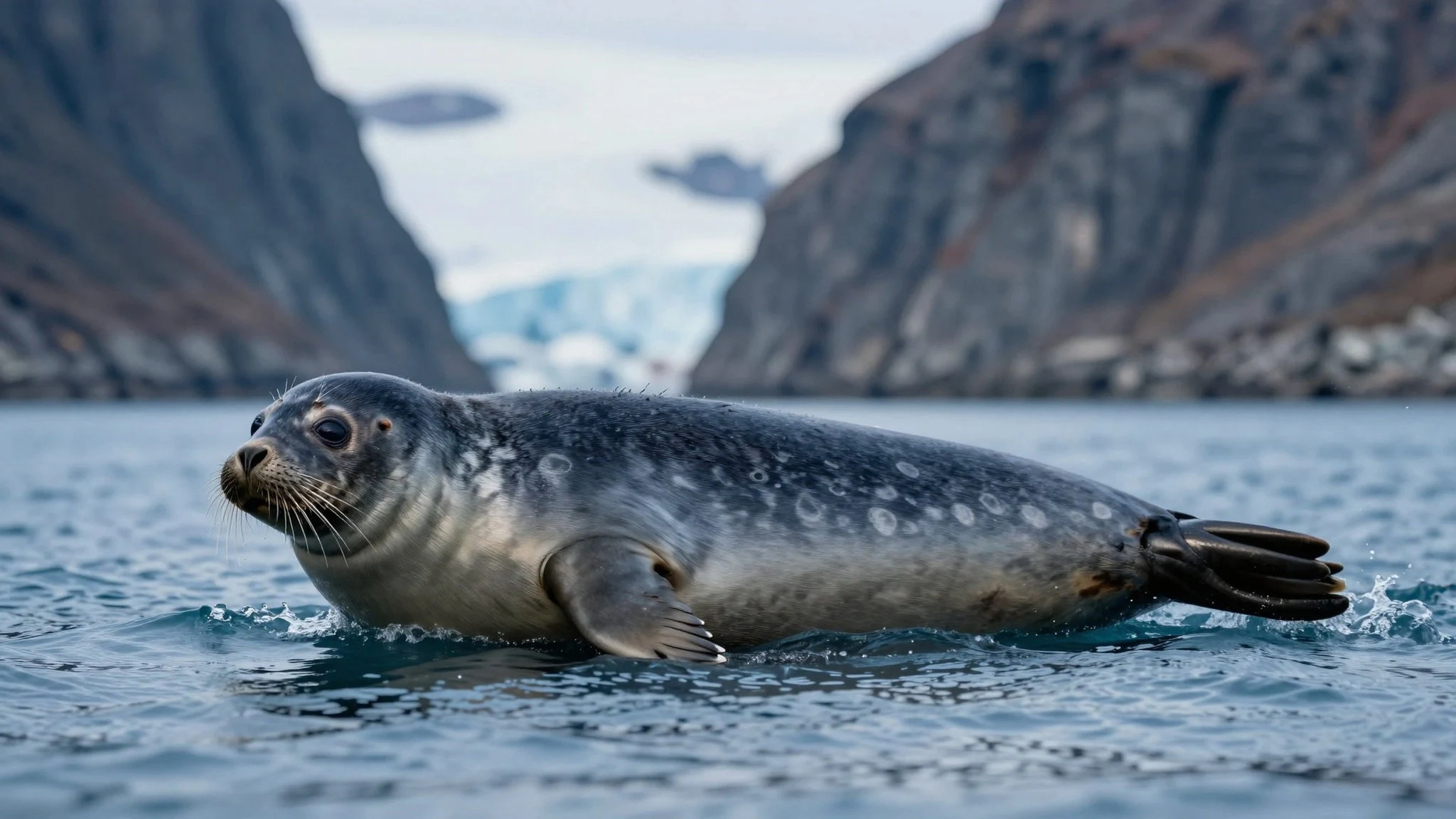
- Humpback whale (animal)
The humpback whale is a very large whale with long flippers and bumps on its head, famous for leaping from the sea and for the long, complex songs sung by the males. Whales can be spotted in the wider Sermersooq region, though the notes do not say where in Ikka Fjord or when to look. Watch from a calm, respectful distance, stay quiet, go with a local guide, and never try to feed it.