Disko Island
Disko Island, Kingdom of Denmark
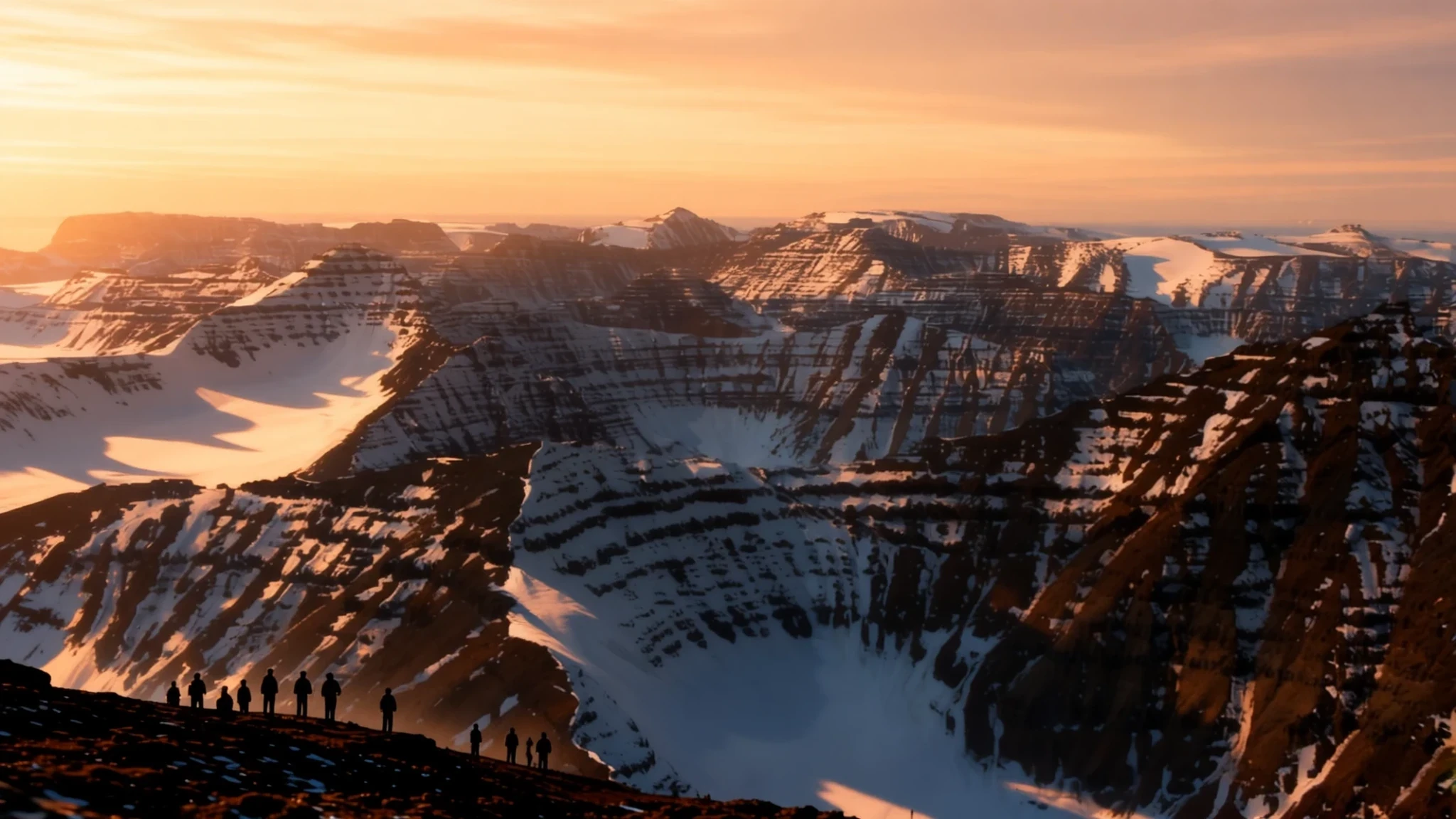
Go to Disko Island for the icebergs, the open tundra, the wildlife and summer light that barely fades, reached by a short leg from the Greenlandic mainland.
The place
Disko Island sits in Baffin Bay, just off the west coast of Greenland, and is the second largest island in the country after the main island. It covers about 8,578 square kilometres and runs roughly 160 kilometres from end to end. Its interior is steep and high, with the summit reaching 1,919 metres, so most of the land you see from the water is rock and ice rising sharply from the shoreline. The island's main settlement is Qeqertarsuaq, on the southern coast, which shares the island's name and is also known as Godhavn. About 892 people live in the town, which keeps the feel of a working harbour with fishing boats, supply ships and a steady flow of cruise visitors in the summer. North of the town, the Blæsedalen valley cuts into the land and makes a good first walk. The Sullorsuaq Strait separates the island from the Nuussuaq Peninsula to the northeast, and Disko Bay opens to the south, where icebergs from the glaciers on the mainland drift through the water. Much of the landscape is bare: low vegetation, scree and snow patches in the high ground, with the sea never far away. Greenland as a whole is about 84 per cent ice, and that shapes Disko more than anything else. The coastline is harsh and open, and the weather can turn quickly, so the island rewards visitors who arrive prepared and willing to go slowly.
Its story
The island's history begins with the sea. Research points to nine large landslides in prehistoric times that fell into the Sullorsuaq Strait during the Holocene. Seven came from the Nuussuaq side, and two from the northern coast of Disko itself. The two most recent produced enormous waves that struck nearby Alluttoq Island, with run-up heights estimated between 41 and 70 metres. Written records arrive much later. Erik the Red is recorded as making the first visit to Disko between 982 and 985, during the years when Norse settlers were pushing into the southern coasts of Greenland. For the Norse colonists, the island was a base for summer hunting and fishing, a place to take seals, birds and fish before returning to the settled south. The name Greenland itself is traced in the Icelandic Sagas to Erik's wish to attract settlers, and the island's own name, Qeqertarsuaq, refers to a large island in the local language. In the modern period the story turns to coal. Qullissat, a settlement built around mining, came into being in 1924 along the northeast coast. By 1952 it had developed into a centre of culture and was Greenland's third-biggest town, home to 995 people. Its remains now stand as a reminder of how quickly industry can rise and fall in a remote Arctic place. Qeqertarsuaq, in the south, has remained the island's administrative and commercial centre, linking its economy to fishing, hunting and the visitors who come by ship.
What to see
- Icebergs of Disko Bay — Disko Bay, south of the island
The bay and the Ilulissat Icefjord are the reason many visitors come. Glaciers on the mainland calve enormous icebergs that drift past the island's southern shore and gather in the bay. The best views come from the water, on a boat trip or a cruise, where the scale of the ice becomes clear. Ice moves with the wind and tide, so the scene changes from day to day.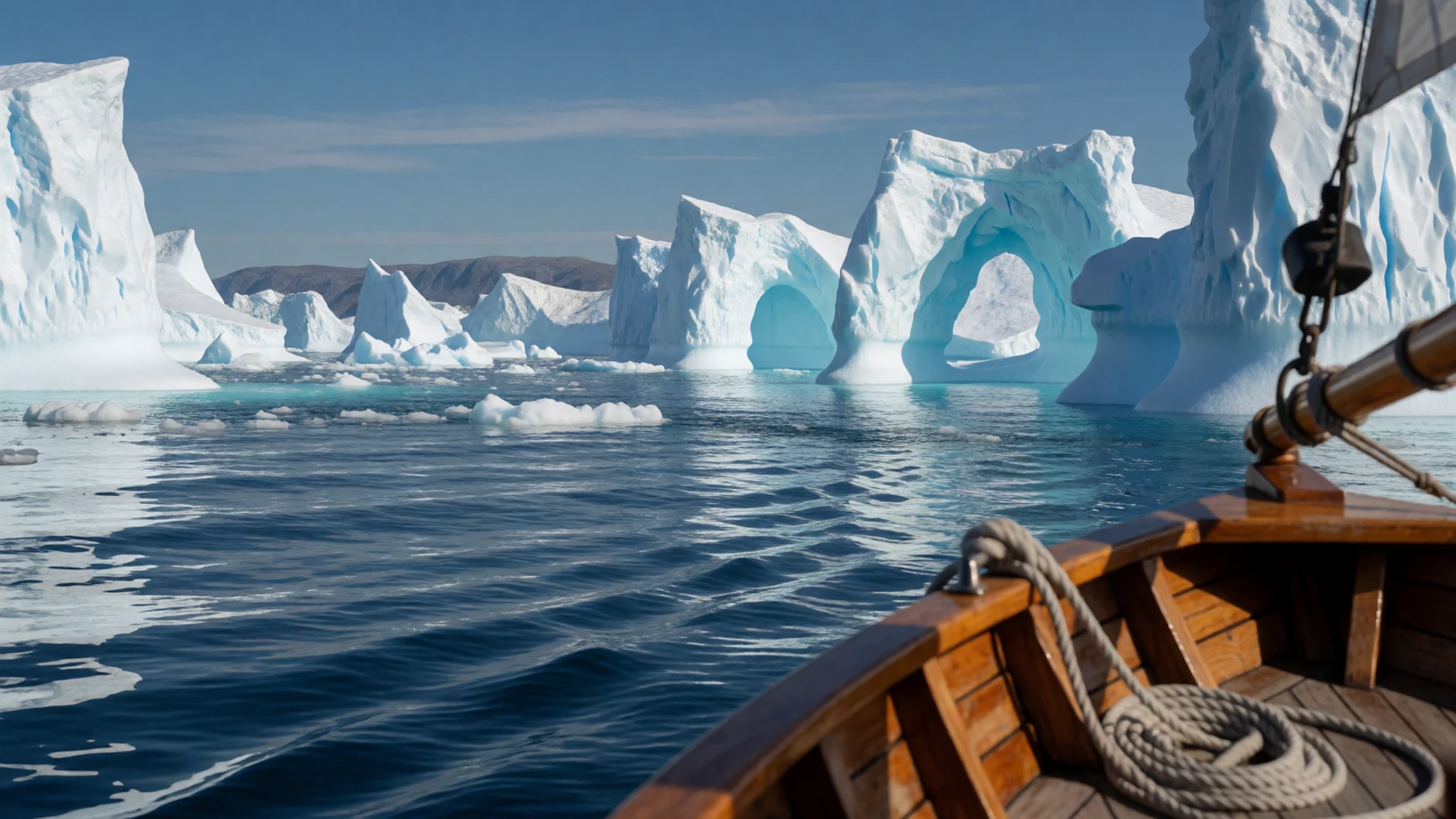
- Wildlife along the coast — Coastal waters and inland tundra
The island supports whales, seals, walruses, musk oxen, reindeer and caribou, and polar bears are also recorded in the region. Sightings depend on season, ice and luck, so go with a local guide who knows the coast. Keep a respectful distance from all animals, and never approach a polar bear on foot.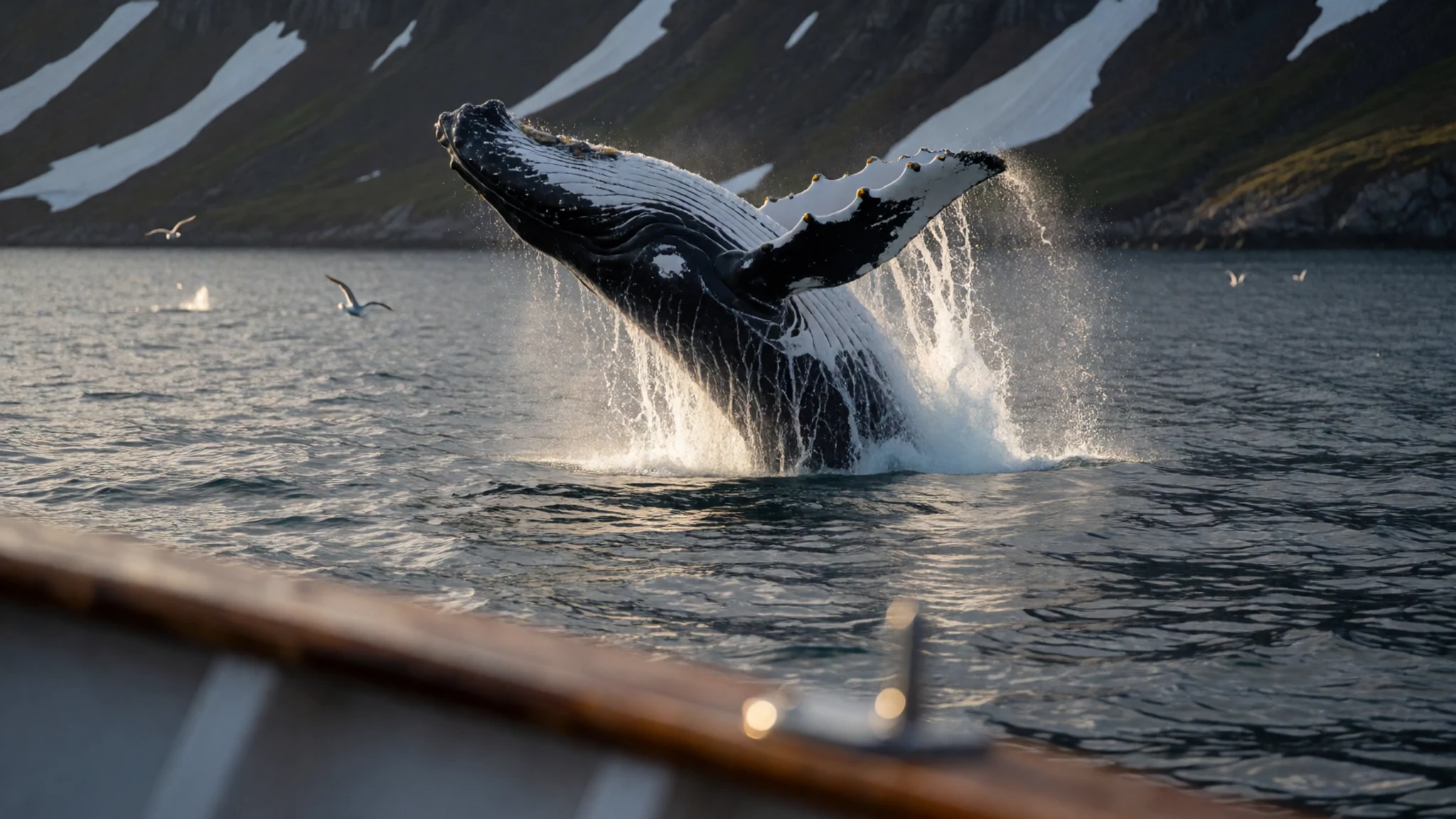
- The midnight sun — Island-wide, June to August
Through most of the summer the sun stays above the horizon for long stretches, and around the solstice the sky barely darkens at night. This makes walking and boat trips possible at hours that feel unusual to visitors from elsewhere. Pack an eye mask and plan rest on purpose, because the light does not tell you when to sleep.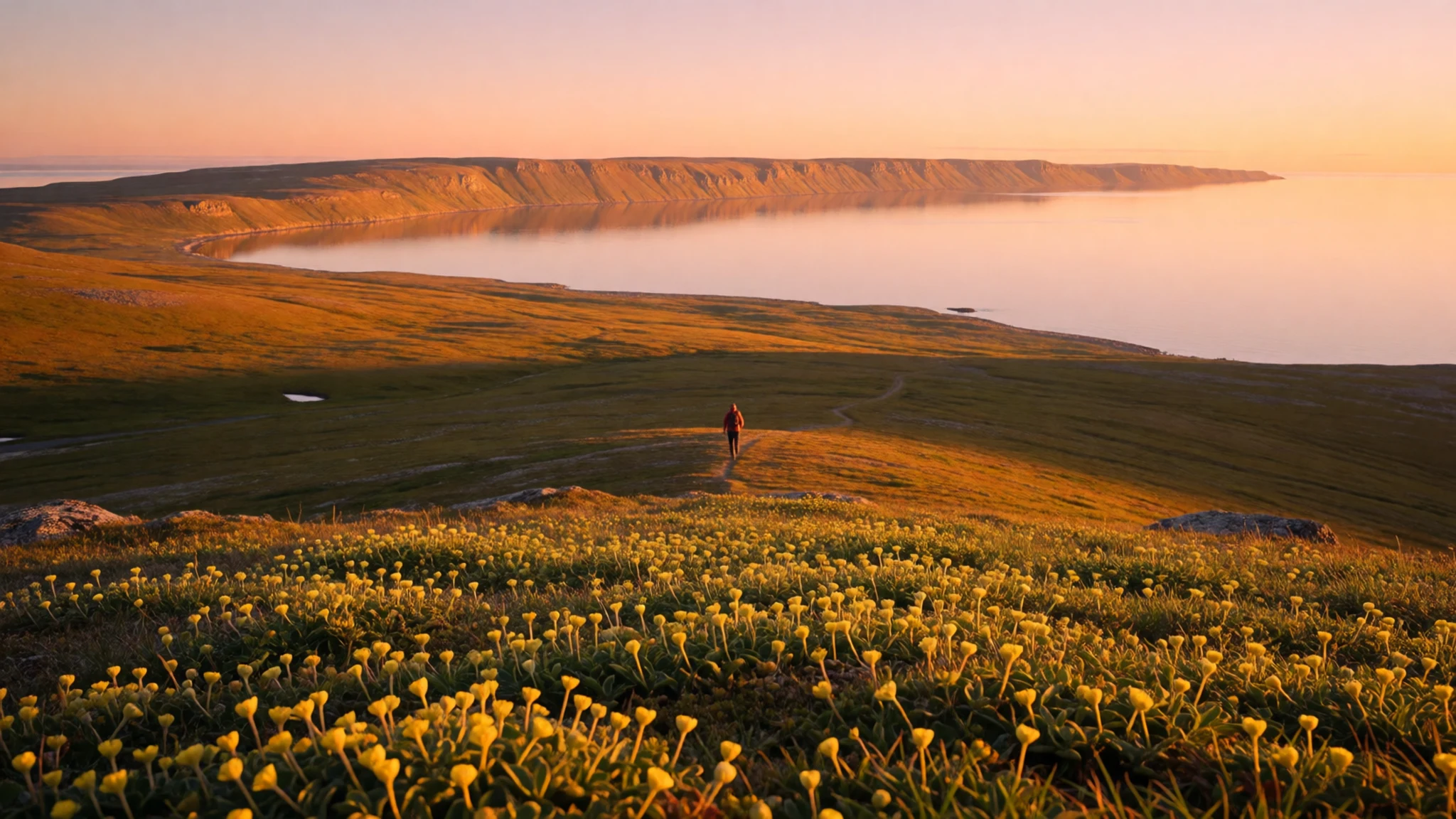
- Walking the tundra and valleys — Around Qeqertarsuaq and the Blæsedalen valley
You can walk freely near most settlements, since there is no private land ownership in Greenland. Stay on the few marked paths where they exist, and expect the ground to be uneven and wet. Blæsedalen, north of Qeqertarsuaq, is a good first walk. Check whether a permit is needed before going on glaciers or into protected areas.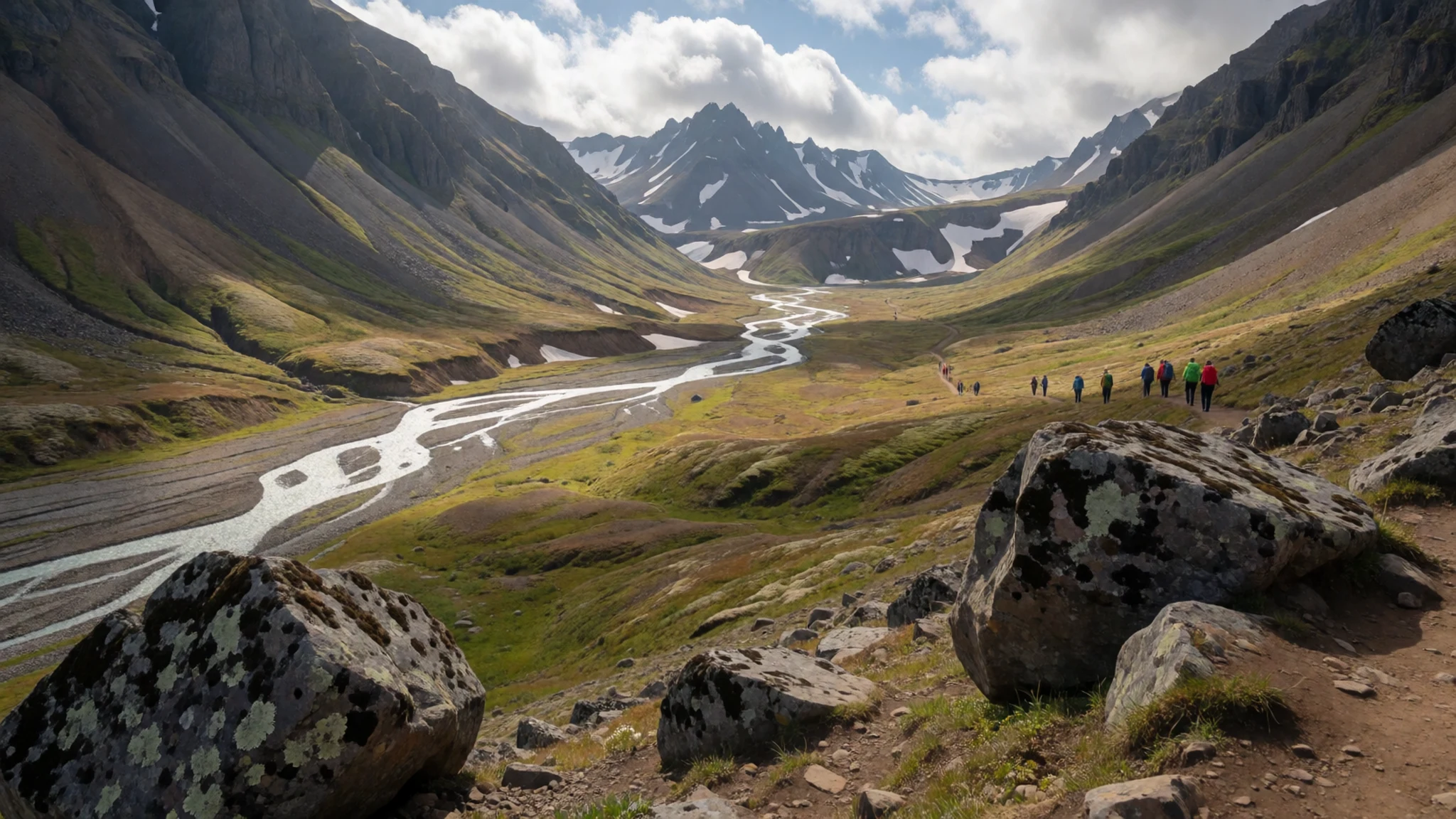
- Qullissat — Northeast coast of the island
The old coal mining town on the northeast coast was founded in 1924 and grew into one of the largest settlements in Greenland by the early 1950s. Reaching it takes planning, because transport on the island is limited and weather can change plans. Go with a guide, respect any ruins, and do not take building materials or objects away.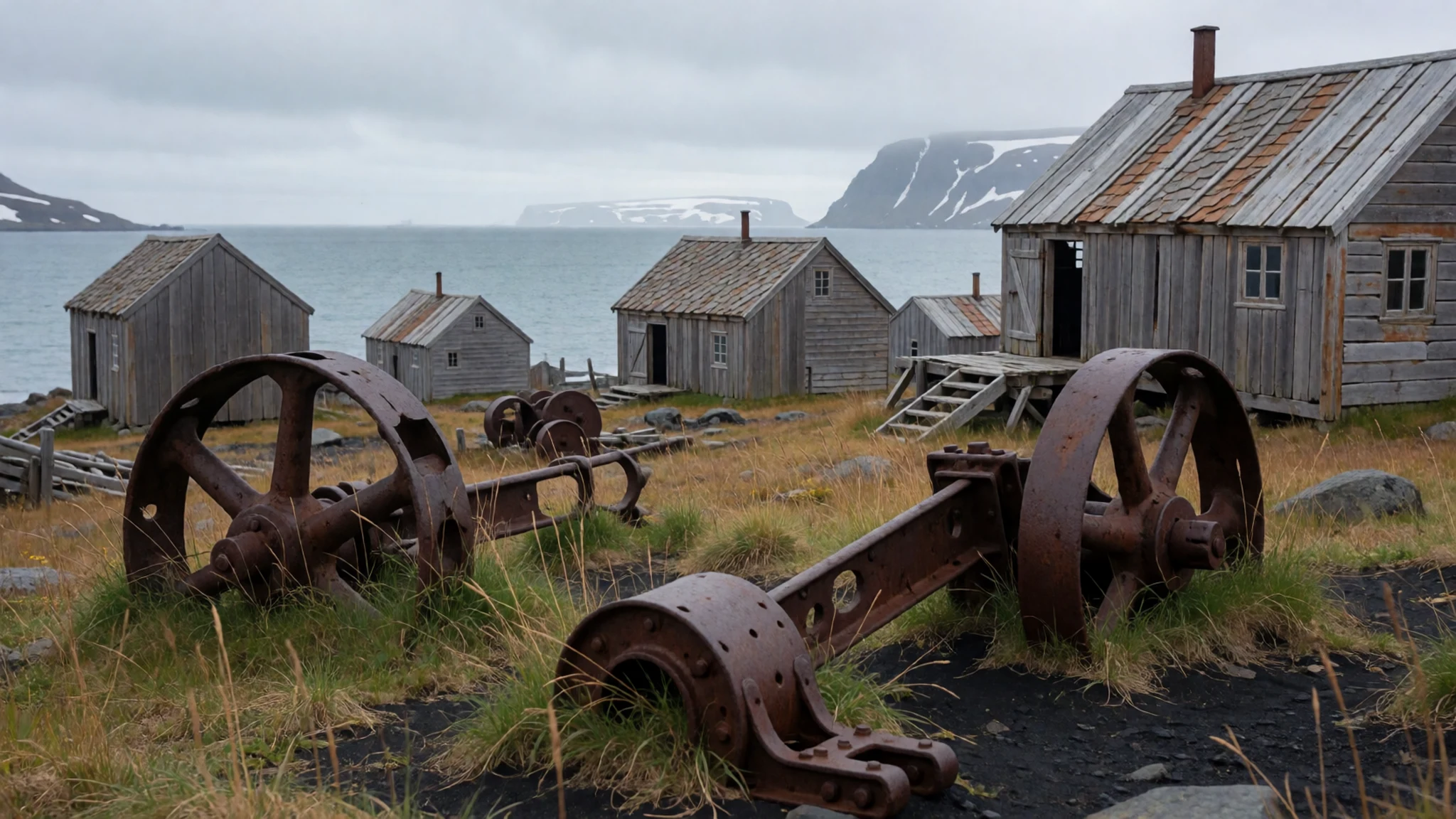
Culture
Greenland's people call themselves Kalaalleq, with the plural Kalaallit, and the word Greenlander is also accepted in English. The older term Eskimo is considered a racist slur and should never be used, whether in conversation or in writing. Greenlanders see their country as a separate nation, so do not describe Greenland as part of Denmark. When you need to mention Danish sovereignty, use the phrase Kingdom of Denmark. Daily life in Qeqertarsuaq revolves around fishing, hunting, the harbour and the school and church, and visitors are generally welcomed warmly. Crime against visitors is very rare, and most people are happy to talk about their home. Hunting and fishing are part of ordinary life, and many families depend on them for food, so be ready to hear about them plainly and without judgement. Ask before photographing people, especially children or anyone at work on the water, and never photograph a person in a private moment. Do not refer to the island's people as Danish, and do not assume that because Greenland uses Danish for official purposes, Greenlanders share Danish identity. Respect the local names for places, since many refer to a particular geographical feature rather than a settlement. When you visit a home or community gathering, follow the lead of your hosts. Always ask before taking a photograph of a person or their home.
What to wear
Traditional dress in Greenland was built around the materials of the sea and the land. Sealskin was used for boots, mittens and jackets, and the kamik, a sealskin boot, is still recognised as a traditional form. Caribou and other skins were sewn into warm garments suited to long winters, and the cut of the clothing was shaped by the need to move easily in the cold. Many families still wear the traditional look for special occasions, and some craftspeople continue to make garments by hand. In everyday life in Qeqertarsuaq, people wear practical clothes that look much like those in other cold-climate towns: waterproof jackets, fleece, wool hats and sturdy boots. Layers are the norm, because the wind off the water can make a mild day feel very cold. For a visitor, the key choice is footwear. Wear waterproof boots with good grip for wet rock, scree and snow, and bring a warm windproof jacket, gloves and a hat even in summer. Modest, practical clothing suits any church or community building, and there is no need to dress up. Carry spare socks, because damp feet are the fastest way to lose comfort on a long walk. Choose dark, layered outfits that dry quickly, and avoid fashion footwear that will not survive the terrain.
What to eat
- Greenlandic coffee — A café or bar in Qeqertarsuaq
This is a strong and celebrated drink, often made with a flourish, that combines coffee with generous measures of liqueur and spirits. Its preparation can be a small performance, and it hits hard, so sip slowly. Ask for it by name in a bar or café in town rather than expecting it in a quick stop.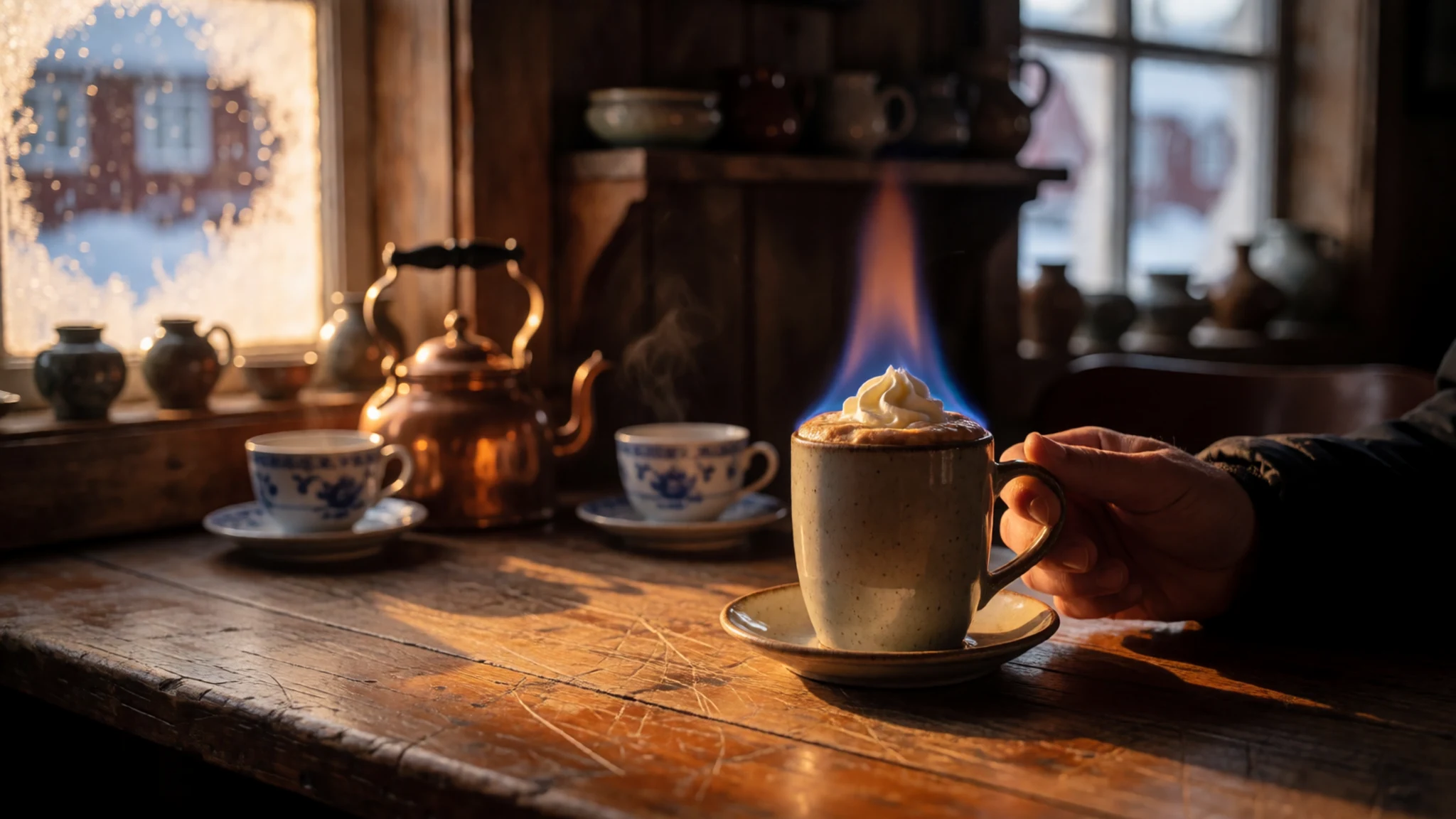
- Local fish and shrimp — The harbour and the local market by the boats
Fish and shrimp caught in the surrounding waters are the most reliable local food. They are sold fresh where the catch is landed, so you can often see the day's haul being sorted. Buy from the market when you can, because it is cheaper and fresher than a restaurant meal.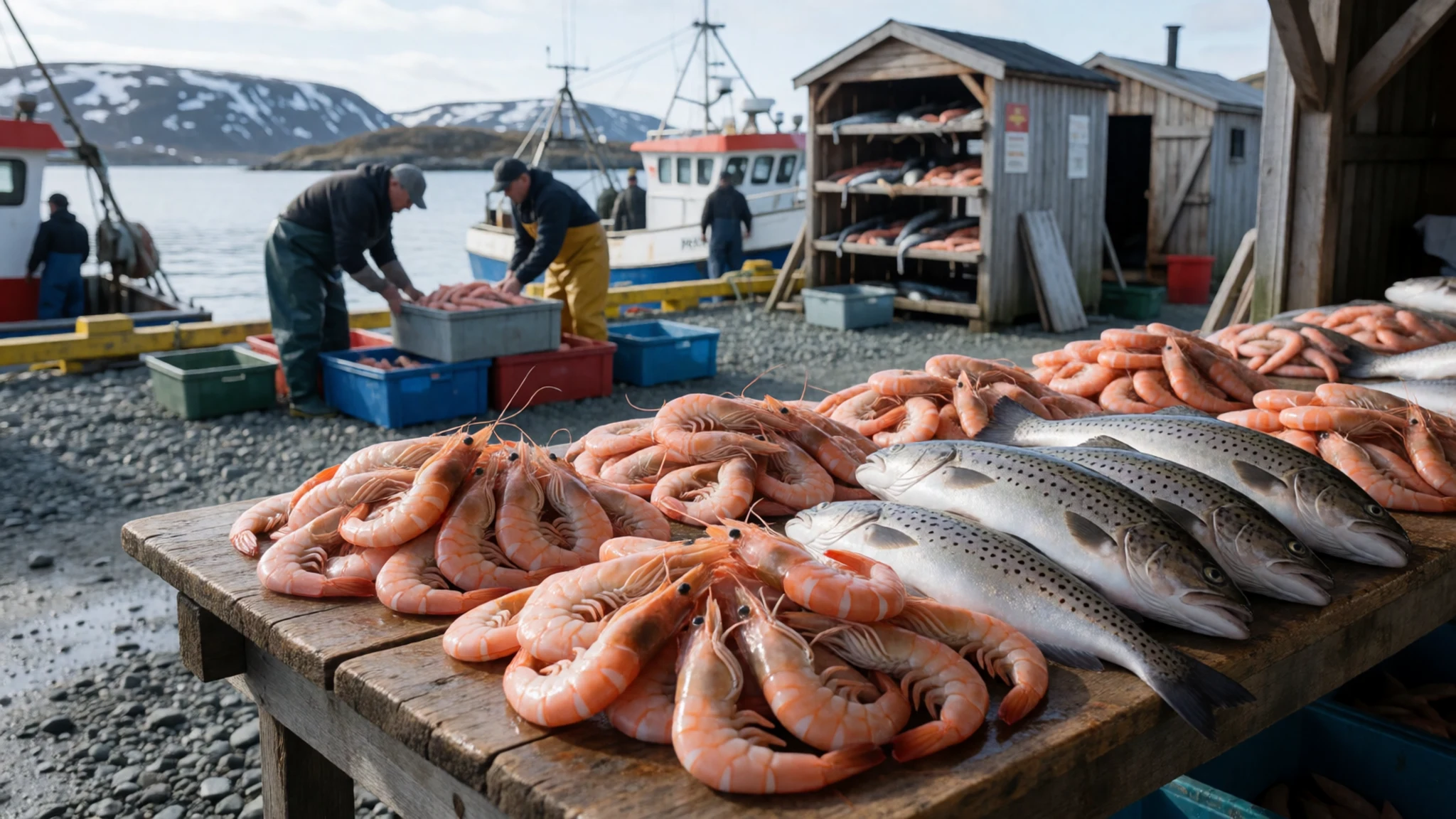
- Whale and seal — Restaurants that combine local and imported dishes
Many Greenlandic restaurants serve traditional foods alongside imported dishes, and whale and seal are part of the local diet. Try them as a considered choice rather than a novelty, and ask how they were sourced. Portions are often large, so one plate may be plenty. - Reindeer and muskox — The town's restaurants and eateries
Caribou and muskox appear on some menus, usually in a warm dish with potatoes or vegetables. Game is lean and rich, and it suits the cold weather well. Vegetables are expensive on the island, so meat dishes often come with more of the plate. - Burgers and fries — Any eatery in the town centre
Familiar European and North American dishes are served in most places, and fries are almost always generous. This is the easiest option when you want a quick, filling meal after a long day outdoors. Expect prices to be high everywhere, and budget for them.
Plan it
Best time. July and August are the most practical months, when the weather is at its mildest and the midnight sun is strong. June brings the longest light around the solstice, but snow and ice can linger. Autumn and winter are harsh, with cold, darkness and weather that can close routes at short notice.
How long. 3–5
Getting there. Qeqertarsuaq is reached by air and sea from the rest of West Greenland, and connections change with the season, so check current schedules with a carrier before booking. Nuuk, the capital, is the main entry point for many visitors. Travellers connecting in New York (Newark) on their way to Nuuk need a US ESTA or a C1/C2 transit visa. Check your passport validity and entry rules before you leave.
Budget. high
Tips
- Book internal transport early and build spare days into the plan, since weather can delay boats and flights.
- Pack layers and windproof, waterproof gear, even in summer, because cold wind off the water is the main hazard.
- Carry enough cash or cards for prices that are high across the island, and plan your food budget with that in mind.
- Check whether a permit is needed for glacier walks or protected areas before you set out.
- Stay on the few marked paths and tell someone where you are going when you walk away from the town.
Etiquette
- Say Kingdom of Denmark when referring to sovereignty, and avoid describing Greenland as part of Denmark.
- Never use the term Eskimo; use Greenlander or Kalaallit.
- Ask before photographing people, and respect local names for places.
Nearby
Sources
- Wikidata Q1228827 (CC0)
- Wikipedia: Disko Island (rev 1363954917) (CC BY-SA 4.0)
- Wikivoyage: Greenland (rev 5381839) (CC BY-SA 4.0)
- Photo: 066 Abendstimmung – Diskoinsel vom Hotel Icefjord (Ekki3) (CC BY 4.0)
- Photo: Disko Island, Greenland in December (23countries) (CC BY-SA 4.0)
- Photo: Iron-sea07a (Robert M. Lavinsky) (CC BY 3.0)
- Photo: Emanuel A. Petersen – Øen Disko (Public domain)
- Photo: Cruise ship Le Boréal at Ilulissat (Christoph Strässler) (CC BY-SA 2.0)
- Photo: Disko Island 2015-01 (NASA/John Sonntag) (Public domain)
- Photo: Disko Island 2019-01 (NASA/John Sonntag) (Public domain)
- Photo: Disko Island from LH446 (23countries) (CC BY-SA 4.0)


