Tasiilaq
Tasiilaq, Greenland
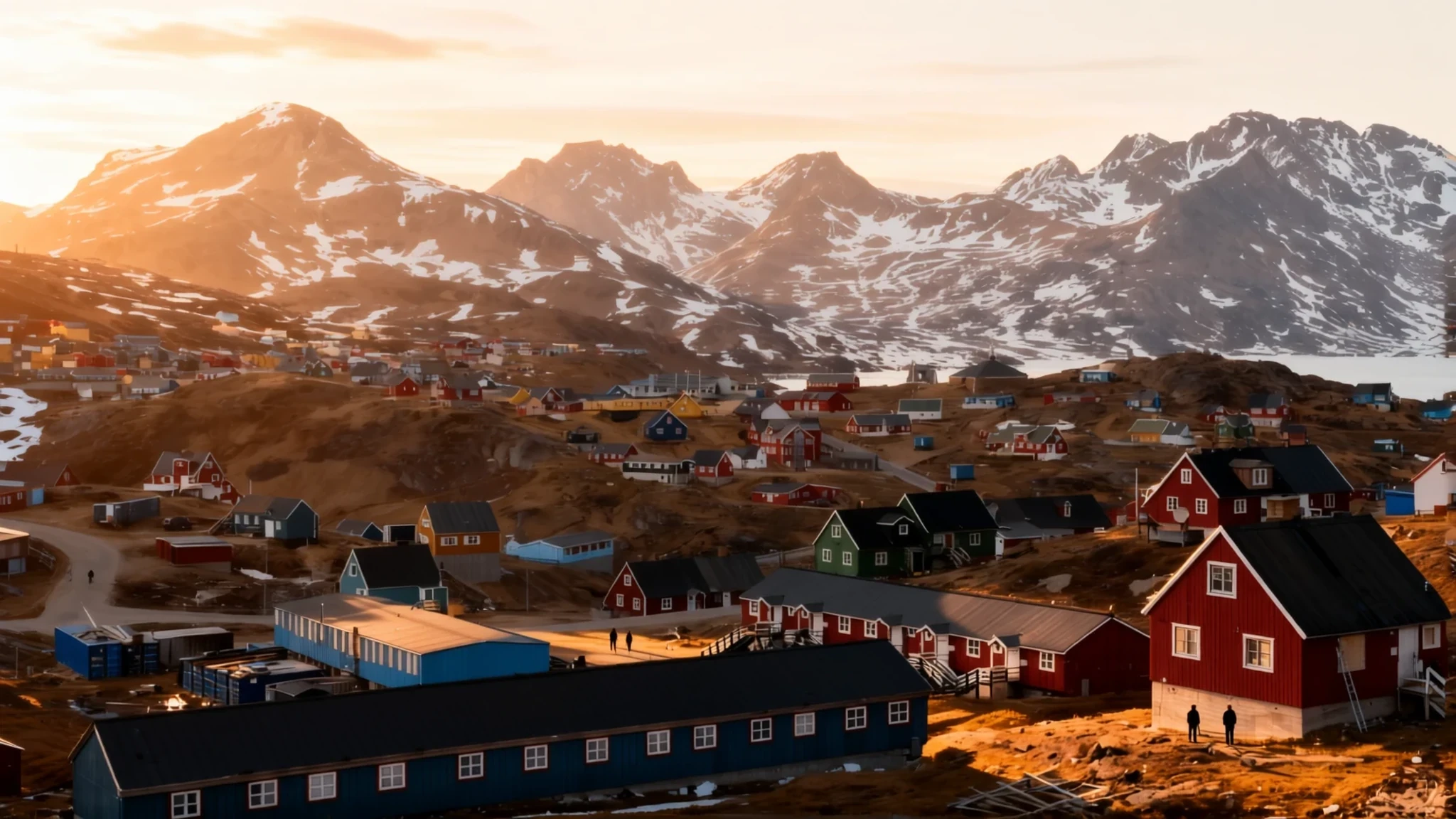
A small Greenlandic town on a fjord where icebergs drift past the harbour, and the gateway to serious hiking and kayaking on the east coast.
The place
Tasiilaq is a town of roughly 2,000 people on the southeastern coast of Ammassalik Island, in the far east of Greenland. It stands on the shore of a natural harbour inside Tasiilaq Fjord, an inlet that opens eastward onto the North Atlantic. The larger Sermilik Fjord lies further west, and a research station named after that fjord works on the glacier that feeds the water near the town. Despite being the largest community on Greenland's east coast, Tasiilaq feels compact: a handful of streets climbing from the water, a harbour full of boats, and brightly painted houses set against dark rock and snow for much of the year.
Life here still turns on the sea. Many residents fish or hunt, but a large share of work comes from public administration and services, because the town serves the surrounding settlements. The centre has a hotel, a restaurant, a post office, a bakery, a book shop, a museum, a hospital and the helicopter station that links it with the outside world. Greenlandic is the everyday language, and English is common among people who deal with visitors.
Most people come for the ice and the land beyond it. Icebergs break off glaciers and drift through the fjord, and boats leave from the harbour to thread among them. Helicopter flights reach nearby glaciers, some with landings on the ice. Summer is when the town is busiest, and the cost of getting here and staying here is high, so plan the trip around a clear purpose rather than a casual stop.
Its story
Tasiilaq's recorded past begins with the peoples who reached this coast long before any town existed. The Saqqaq culture was among the first to arrive in eastern Greenland, moving south from the north, and the Dorset culture later followed. Norse sailors knew the coast as the first landmark on the crossing from Iceland, yet the southeast was largely empty when Thule migrations passed through in the fifteenth century. Families drifted back towards the more populous west coast, and the area was not settled again until the late eighteenth century. For a long stretch the village was the only permanent settlement here, and its numbers grew from the 1880s as people spread into several smaller villages nearby.
Contact with Europe deepened in the 1880s, when a Danish naval captain led expeditions along the coast. Life remained hard. Resources were thin, malnutrition and disease took a toll, and the community struggled to hold together. The European settlement that became the modern town was set up as a trading post, and its name came from the small fish, ammassat, that local people relied on. Residents kept using their own name, Tasiilaq, which refers to a lake-like shape, and the town adopted that name officially at the end of the twentieth century.
The church was established early in the twentieth century, a sign that the settlement had settled into a lasting community. Weather has shaped its history too. Strong katabatic winds called piteraqs strike the town from time to time, and the worst on record caused heavy damage and nearly ruined the place.
What to see
- Iceberg boat tours from the harbour — Tasiilaq harbour
The most popular outing in Tasiilaq is a boat trip among the icebergs, which can run for half a day or a full day. Tours are booked through the town's hotels, and the boats circle the floating ice so you can see its shapes and colours up close. Weather decides whether a trip goes ahead, so keep a spare day in your plans.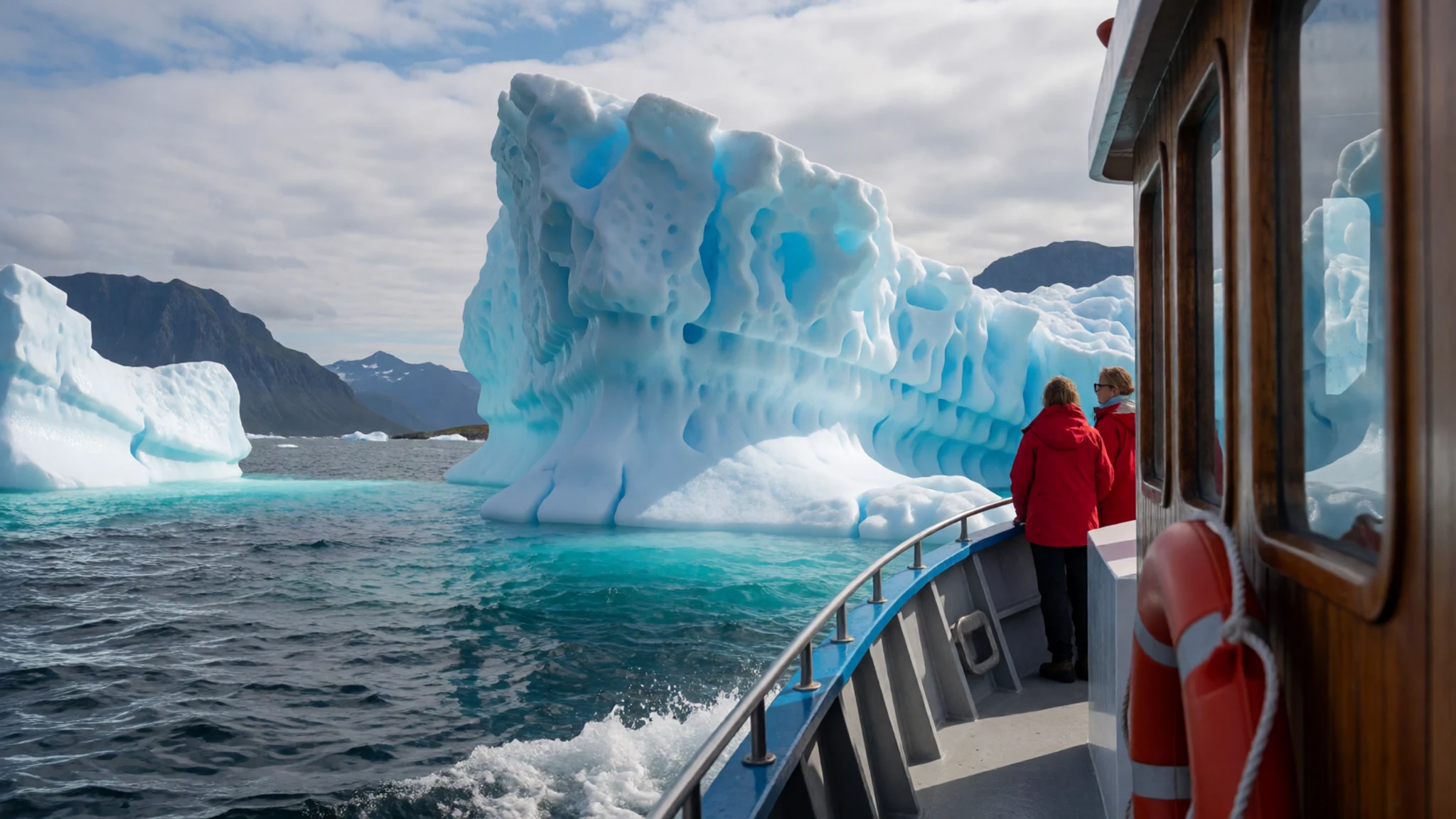
- Ikkatteq, the abandoned village — Ammassalik Island, by boat from Tasiilaq
Ikkatteq is a former settlement reached by boat, and trips there are usually combined with iceberg watching. Walking among the empty houses gives a sense of how people once lived along this coast. Ask your hotel about timing, since sea conditions can change plans at short notice.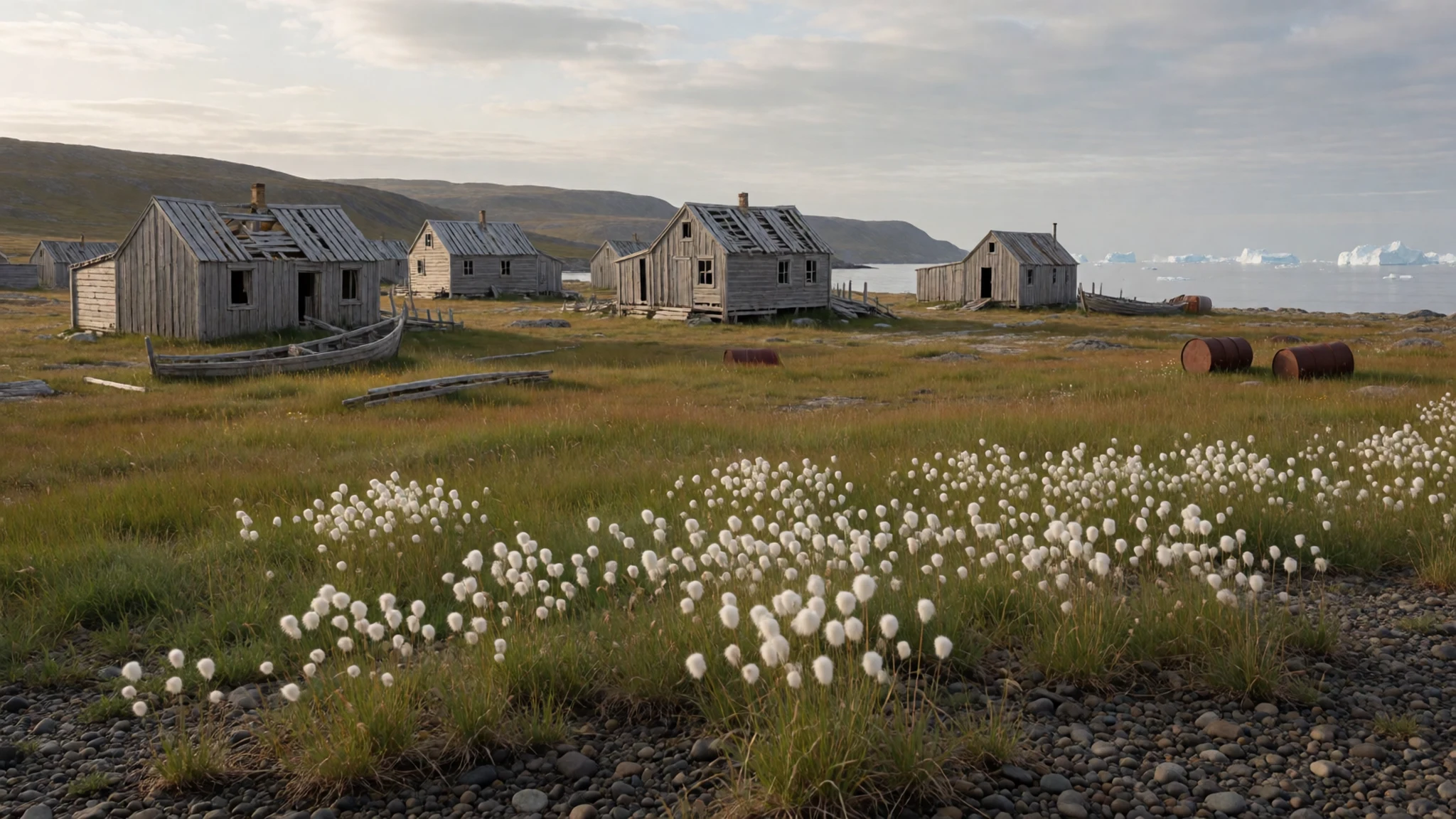
- Helicopter flights to the glaciers — Heliport at the edge of town
Helicopter tours fly over nearby glaciers, and some include a landing on the ice. The views of crevasses and ice sheets are striking, and the flights are a quick way to see country that would take days to reach on foot. They are expensive, so compare the cost with a boat trip before you book.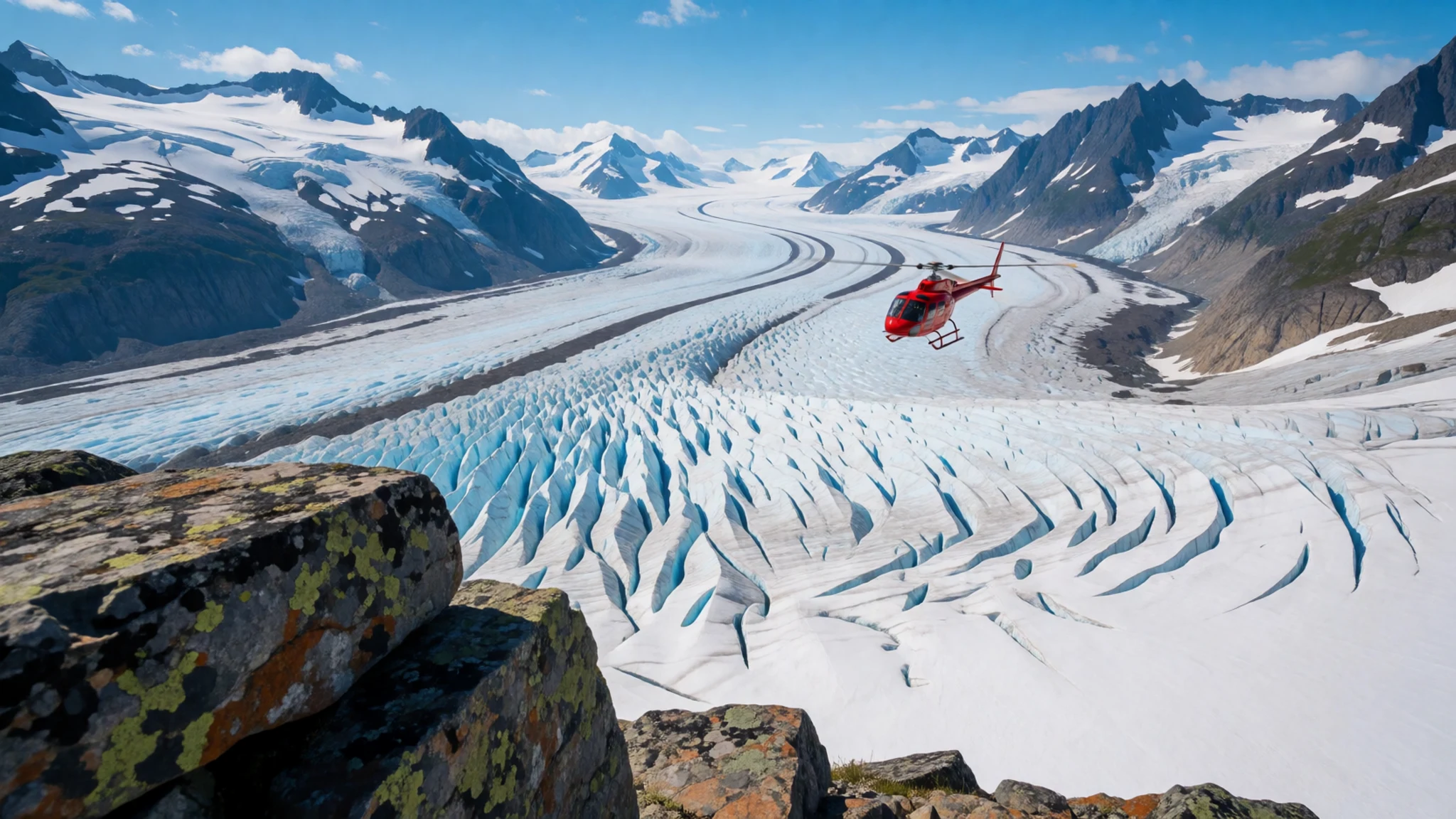
- The Mittivakkat Glacier and Sermilik Station — Area south of town
The Sermilik Station near town is dedicated to research on the Mittivakkat Glacier. Hiking routes to the glacier front take you into a landscape of moraine, meltwater and bare rock. Go with local guidance or a hotel contact, and check conditions before setting out.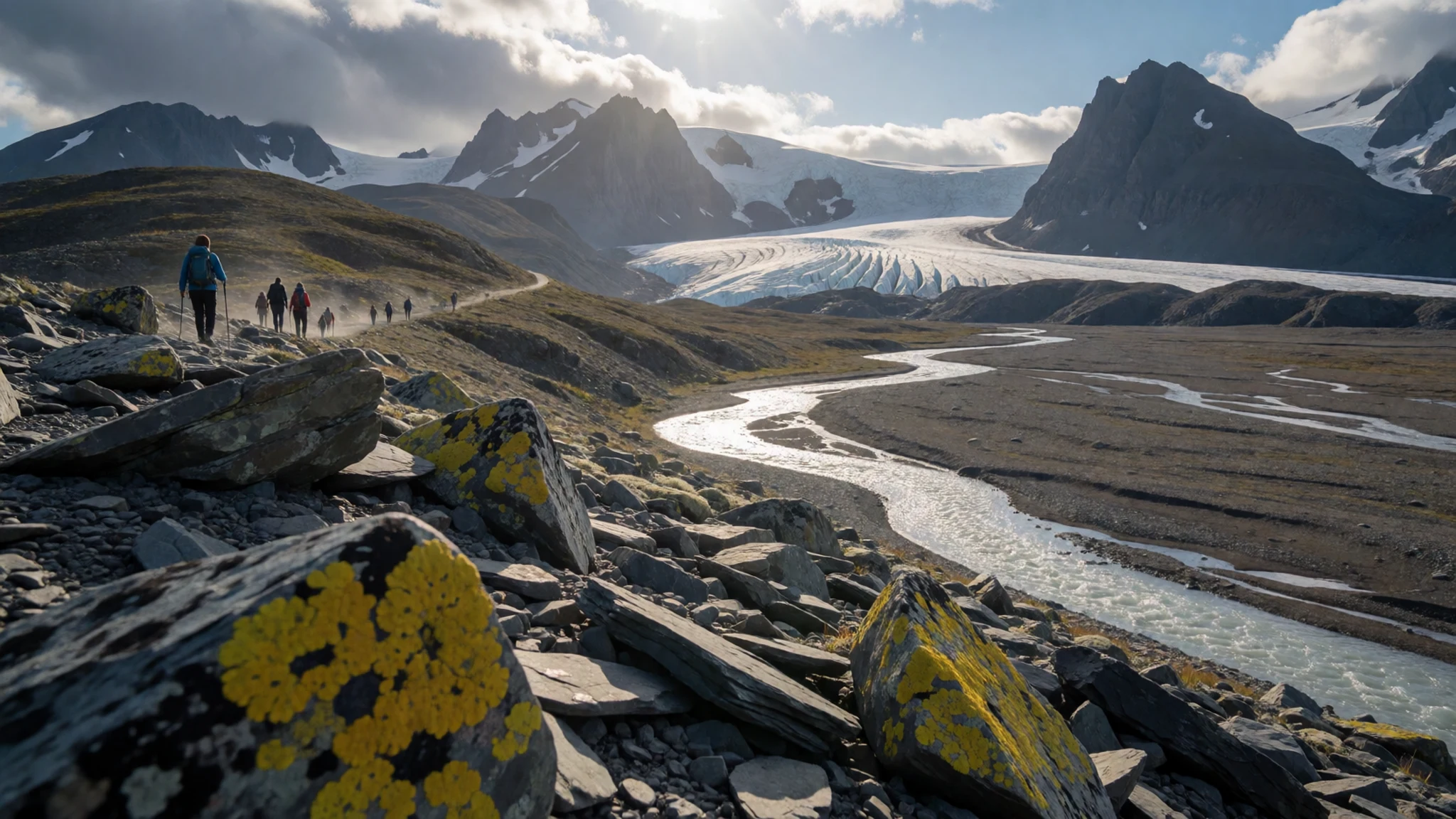
- Walking the town centre — Town centre and harbour front
The town is small enough to explore on foot in an afternoon. Walk from the harbour up through the streets past the church, the museum and the shops, and you will see the mix of fishing boats, administrative buildings and private homes that make up daily life here. Keep to the streets and paths, and keep an eye on the weather.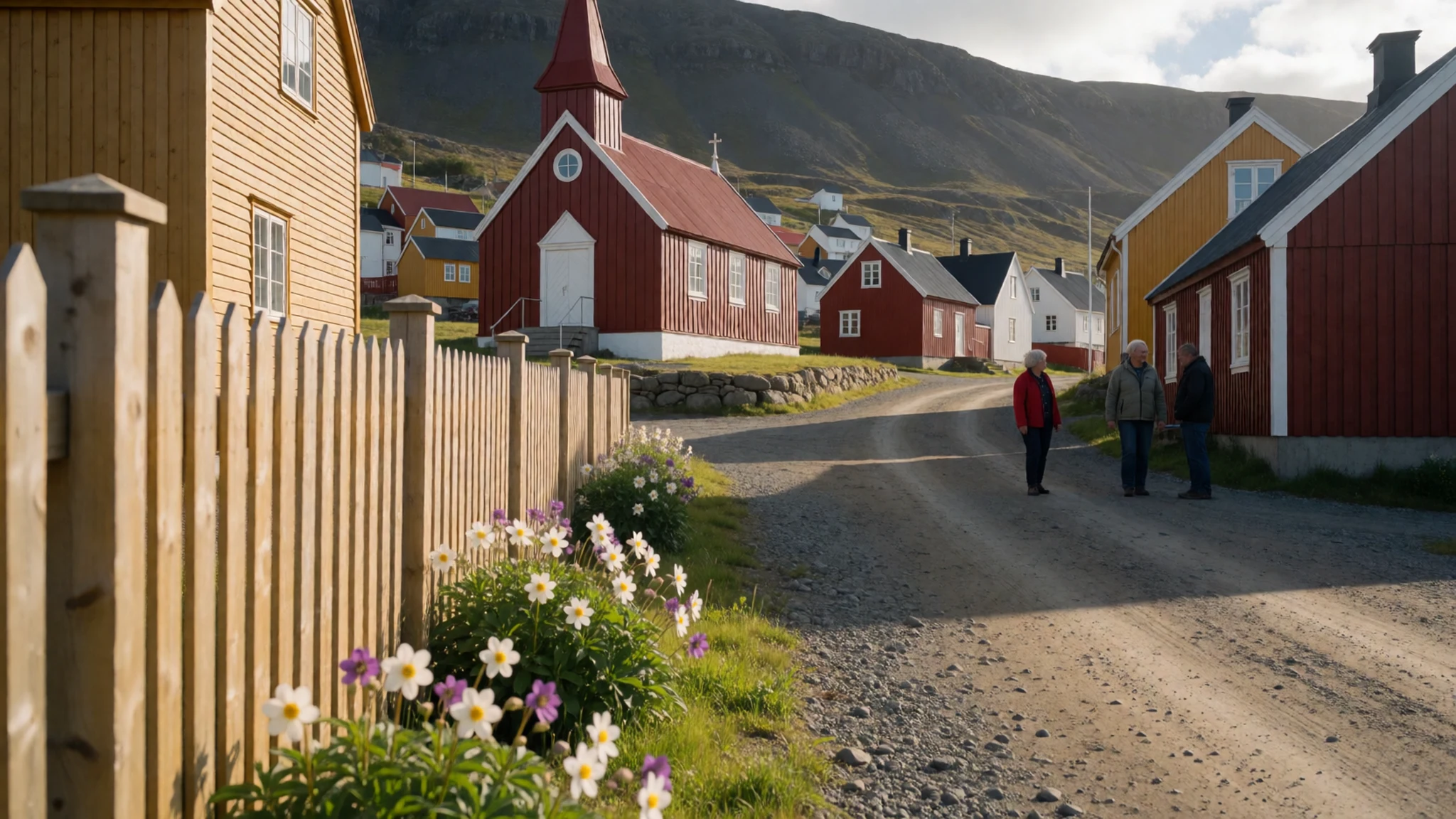
Culture
Greenlandic culture here is rooted in the sea, the hunt and the Greenlandic language, which is spoken everywhere in daily life. Many residents still fish and hunt, and the seasons set the pace of work and social life. Hospitality is a point of pride. People in town are polite, curious about visitors from elsewhere, and generous with directions and help, especially those who speak English. Greenlanders value patience and self-reliance, so a relaxed, unhurried approach suits the place better than a rushed itinerary. Public life is quiet and community-minded, and the town is a shared space rather than a showpiece for tourists. Respect the local rhythm, greet people, and ask before photographing anyone, especially at the harbour where boats and catches are being handled.
What to wear
Tasiilaq's traditional dress comes from the east coast's hunting life. Clothing was made from skins and furs, most notably sealskin for boots and jackets, with the hood and close fit designed for cold, wet work at sea and on the ice. East Greenlandic women have long decorated garments with beadwork and embroidery, and those patterns still appear on ceremonial and festival clothing. Today most people wear practical modern clothing: wool jumpers, down or synthetic jackets, waterproof trousers and sturdy rubber or leather boots, because the work and the weather demand it. Traditional sealskin pieces appear at special occasions and in local craft. For a visitor, layers matter more than style. Pack a windproof and waterproof outer shell, a warm mid-layer, a hat, gloves and boots with good grip for wet rock and ice. Religious sites here follow ordinary modesty, so no special dress is needed, though a thicker jacket is essential in every season.
What to eat
- A restaurant dinner at the hotel — The hotel restaurant in the centre of town
The restaurant at the Hotel Ammassalik serves some of the best meals in town, and its kitchen is praised for quality. Dinner here is a good way to try local fish and seasonal produce in a comfortable setting. Book ahead in summer, when the hotel fills with visitors from the iceberg and glacier tours.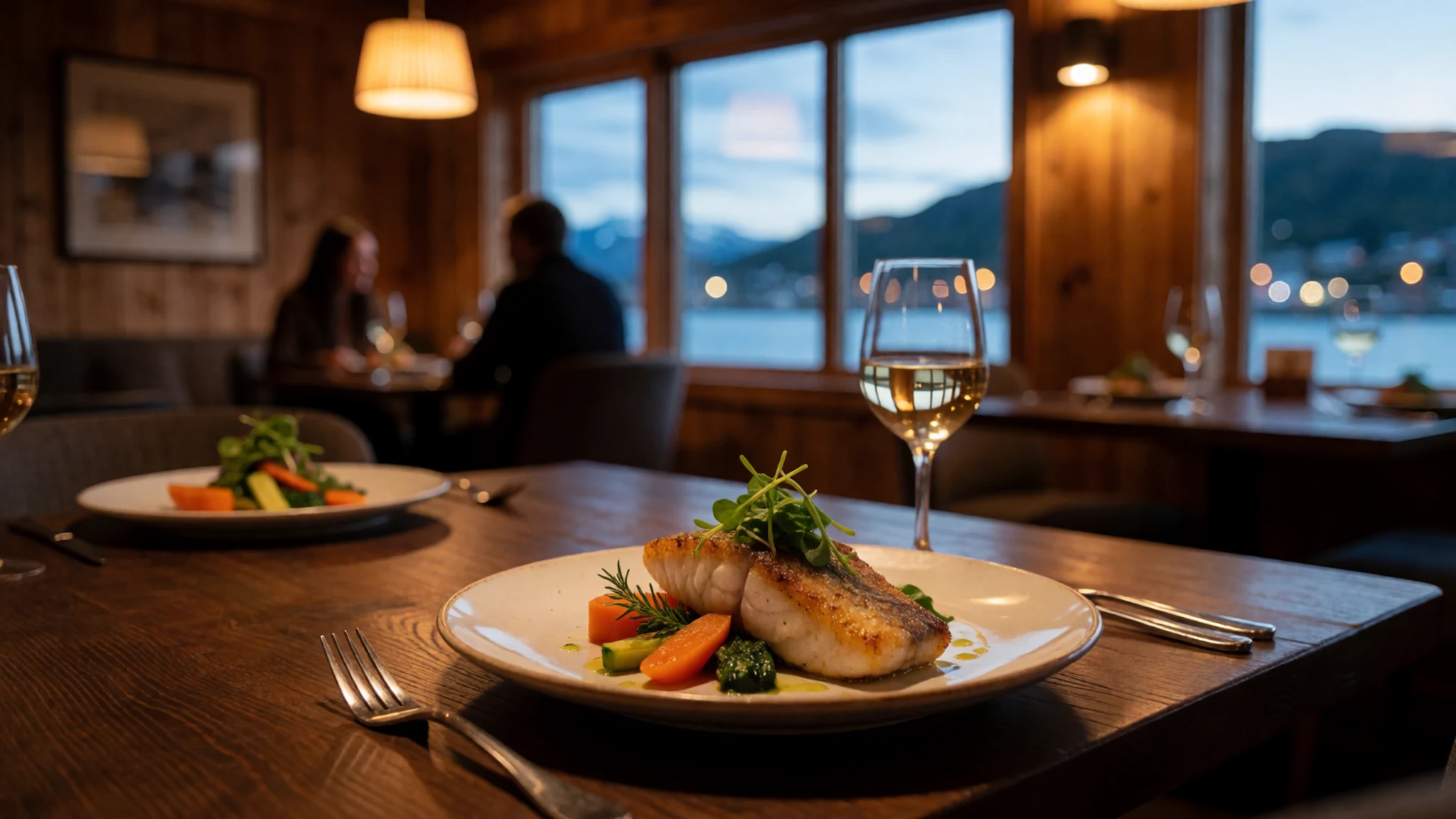
- Fried chicken and chips from the canteen — The canteen in the sports centre
The canteen at the sports centre offers simple fast food, including fried chicken, chips and hot dogs. It is the cheapest hot meal many visitors find, and it suits a quick lunch between boat trips. Expect plain, filling food rather than anything elaborate.
- Bread and pastries from the bakery — The bakery on the main street
The town bakery is a good stop for fresh bread and pastries in the morning. Buy something to take on a boat trip or a walk, since food options are limited once you leave town. Go early, when the shelves are at their fullest.
- Fresh fish from the harbour — The harbour, where fishing boats come in
Fishing is central to local life, and the harbour is where boats land their catch. Ask a local or your hotel where to buy fish directly from fishers, and be prepared to take what is available that day. The fish is often cooked simply to keep its flavour. - A drink at the bar by the harbour — The bar on the harbour front
The bar by the harbour is the place to end a day on the water. It is a social spot where locals and visitors mix, and the harbour views suit a slow evening. Check its opening hours on arrival, as they can vary with the season.
Plan it
Best time. June to August, when the short summer is at its mildest and boat trips and glacier flights run most reliably; winters are long, cold and snowy, and even summer stays cool.
How long. 3–4
Getting there. Fly from Reykjavik to Kulusuk Airport on the Air Greenland or other carriers; from there take the helicopter, which is expensive, or a boat arranged by your hotel or a local fisherman to reach Tasiilaq.
Budget. high
Tips
- Book your hotel and boat transfer from Kulusuk before you fly
- Pack for wind and sudden weather, since piteraqs can arrive
- Book iceberg and glacier tours through your hotel and keep a spare day
- Accommodation is expensive, so compare the hotel with the campground across from the heliport
- If you plan to hike, carry an EPIRB and check your insurance covers search and rescue
Etiquette
- Ask before photographing people, dogs or sledges
- Greet people when you meet them; locals are polite and happy to help
- Keep clear of fishing gear and catches on the harbour quay
Nearby
Sources
- Wikidata Q2139799 (CC0)
- Wikipedia: Tasiilaq (rev 1376952837) (CC BY-SA 4.0)
- Wikivoyage: Tasiilaq (rev 5327817) (CC BY-SA 4.0)
- Photo: Tasiilaq, view of the middle of the town (Helene Brochmann) (CC BY-SA 4.0)
- Photo: Tasiilaq, Greenland (Christopher Michel) (CC BY 2.5)
- Photo: Tasiilaq population dynamics (Algkalv) (Public domain)
- Photo: Tasiilaq Heliport (Markatendurancekayak) (Public domain)
- Photo: 20190628_Angmagssalik_2016 (Ray Swi-hymn) (CC BY-SA 2.0)
- Photo: 20190628_CityWalk_2893 (Ray Swi-hymn) (CC BY-SA 2.0)
- Photo: 20190628_CityWalk_2899 (Ray Swi-hymn) (CC BY-SA 2.0)
- Photo: 20190628_CityWalk_2920 (Ray Swi-hymn) (CC BY-SA 2.0)


