Hvalsey Church
Hvalsey Church, Greenland
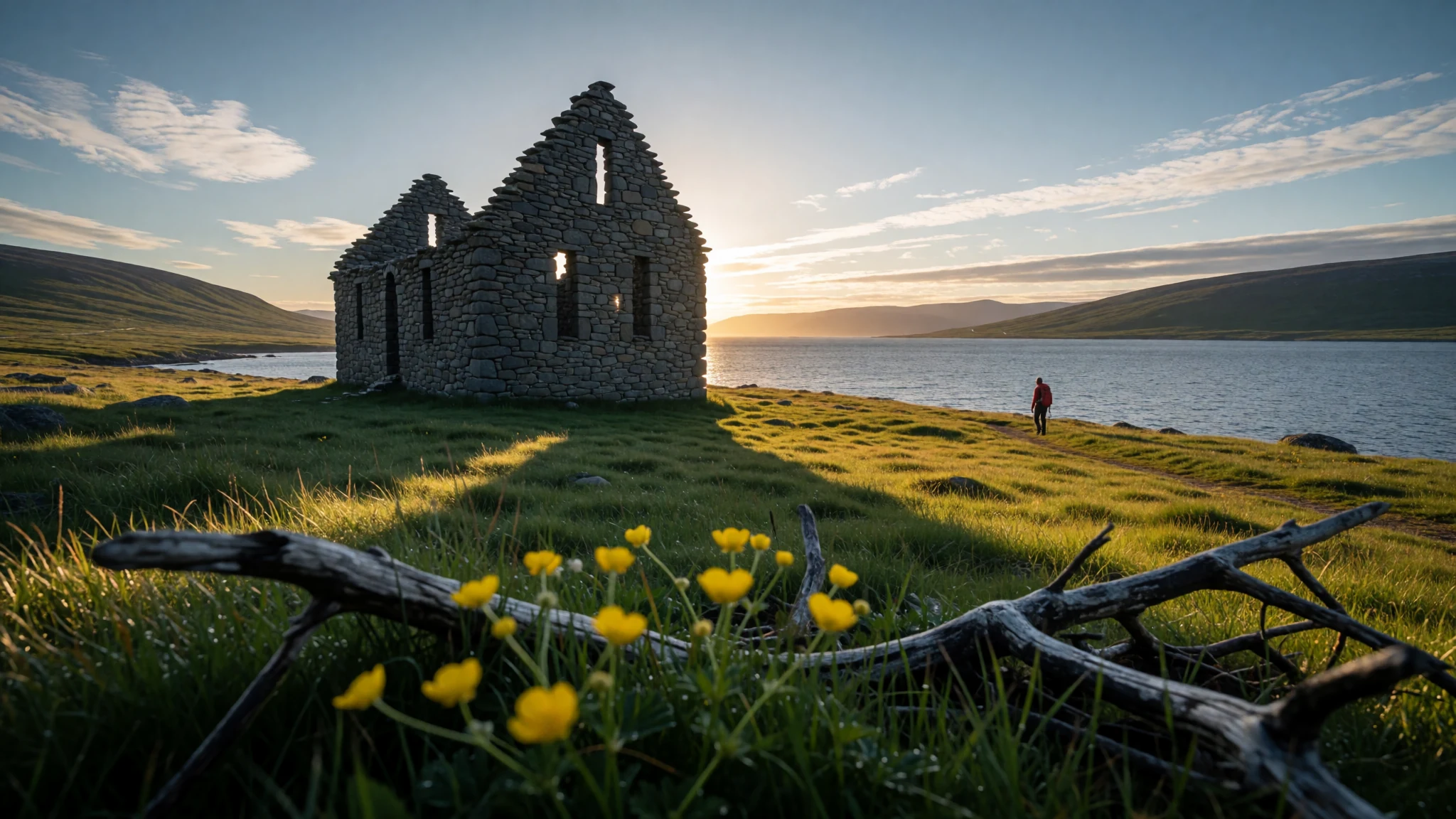
Hvalsey Church is one of the best-preserved Norse ruins in Greenland, and its walls mark the place where the last written record of the settlers was made.
The place
Hvalsey Church stands in Hvalseyjarfjord, a fjord in southern Greenland near the town of Qaqortoq. It was a Catholic church serving the Norse farmers who settled this coast. The building is now a roofless shell, but its walls still rise high enough to show the plan of the nave. Among the surviving Norse remains in Greenland it is counted as one of the best preserved, and that is a large part of its pull for anyone interested in the medieval North Atlantic.
The landscape explains much of the story. Greenland is mostly ice, with about 84% of its surface covered, so the name sounds odd to anyone who has only seen the interior from the air. The southern coast is another matter. In summer the slopes green up with grass and low shrub, enough grazing for sheep, and the farm that now works the site uses that same land. The church sits within a wider group of ruins: a farmstead, a banquet hall, stables and a horse pen, the remains of an estate built around the church.
The site is quiet and exposed. Nothing here has been restored in a showy way. The ruins are left as they are, with grass, stone and wind doing most of the work. The view runs down the fjord towards the water, and the sense of how far these settlers were from anywhere else is hard to shake. Weather off the sea can turn within an hour, so a windproof layer is worth carrying even in midsummer.
Its story
Hvalsey Church was probably built in the early fourteenth century, although archaeology suggests that a church stood on the spot before it. The Icelandic sagas describe the land here being taken up by Thorkell Farserk, a kinsman of Erik the Red. Christianity had reached Greenland by then, and churches were going up across the settlements. Later medieval documents list Hvalsey among the parish churches of the Eastern Settlement, the Norse community on the southern coast.
A later account, written by Ívar Bárðarson, the emissary of the Norwegian bishop at Garðar, describes the homestead as a Norwegian royal manor known as Þjóðhildarstaðir. The name matters less than the status it implies. Hvalsey was a well-run estate with a church attached, tied into the wider Norse world of Iceland and Norway.
The church's best-known moment is a wedding. In mid-September 1408, Thorstein Olafsson married Sigrid Björnsdóttir here. Several Icelanders, along with a priest at Garðar, wrote letters describing the event, and these are the final surviving written account left by the Norse settlers of Greenland. The couple later moved to Olafsson's home in Iceland, and after this the written trail of the settlement goes quiet.
Inuit tradition offers a different ending. It describes open conflict between the Norse leader Ungortoq and the Inuk leader K'aissape, with a massed attack on Hvalsey that burned people inside their houses, and a long pursuit that ended near Cape Farewell. Archaeologists have looked for evidence of a fire at the site and have found none, so the story is best read as one account among several rather than settled history. Hvalsey is one of the places that shapes the wider debate over how the Norse settlement ended.
What to see
- The church ruin — Hvalseyjarfjord, near Qaqortoq
The ruins themselves are the reason to come. The walls still stand to a good height, enough to read the layout of the nave and the openings where windows once were. Allow time for a slow walk around the outside of the building. Stay off the walls, which are fragile after rain, and keep to open ground rather than climbing the masonry.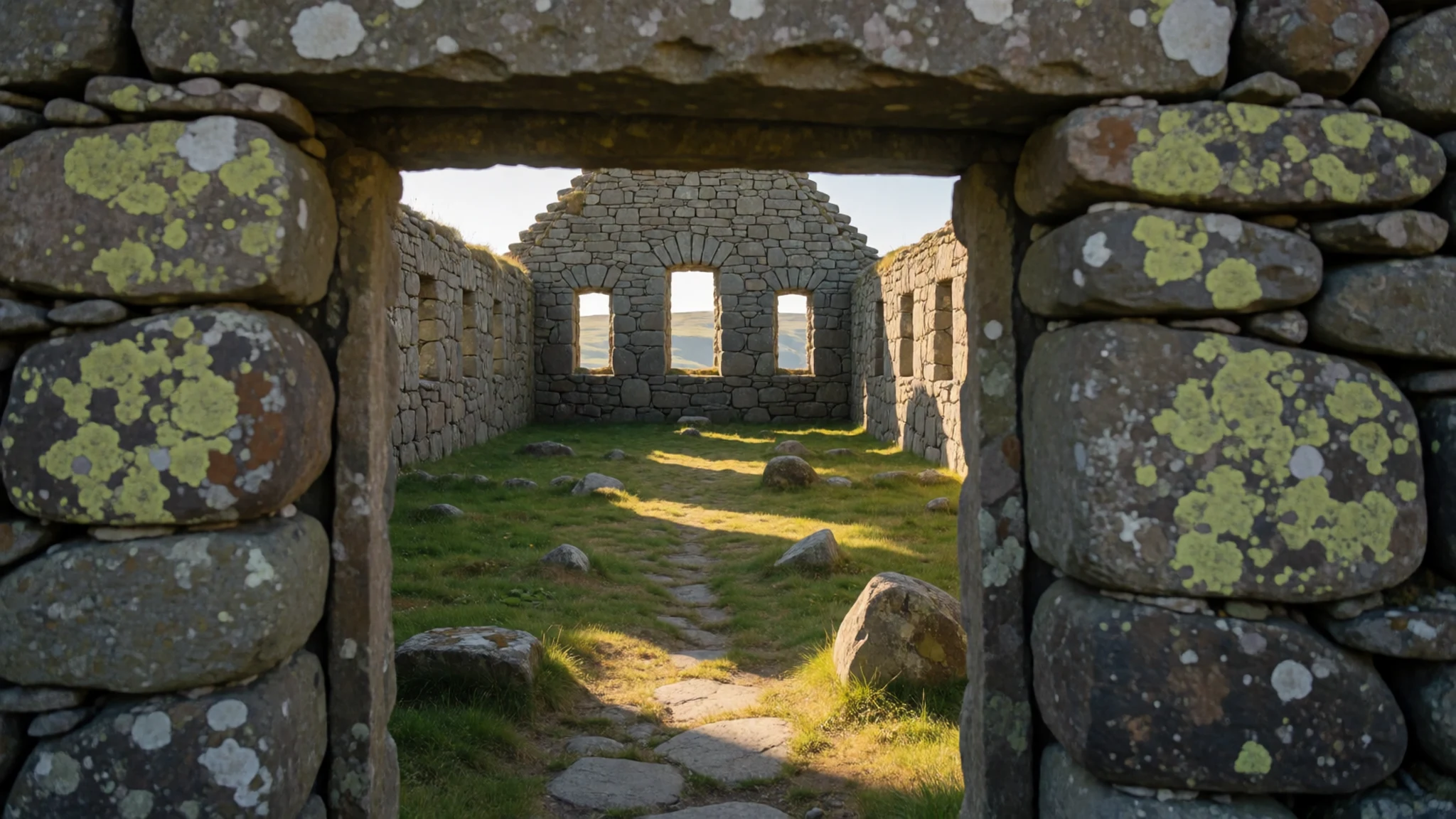
- The arched window — Hvalseyjarfjord, near Qaqortoq
The arched window is the feature most visitors photograph. Its curve frames the fjord beyond and gives a sense of how light once entered the church. Stand inside the line of the wall to get the view, and mind the uneven ground of grass and loose stone, which is not a built path.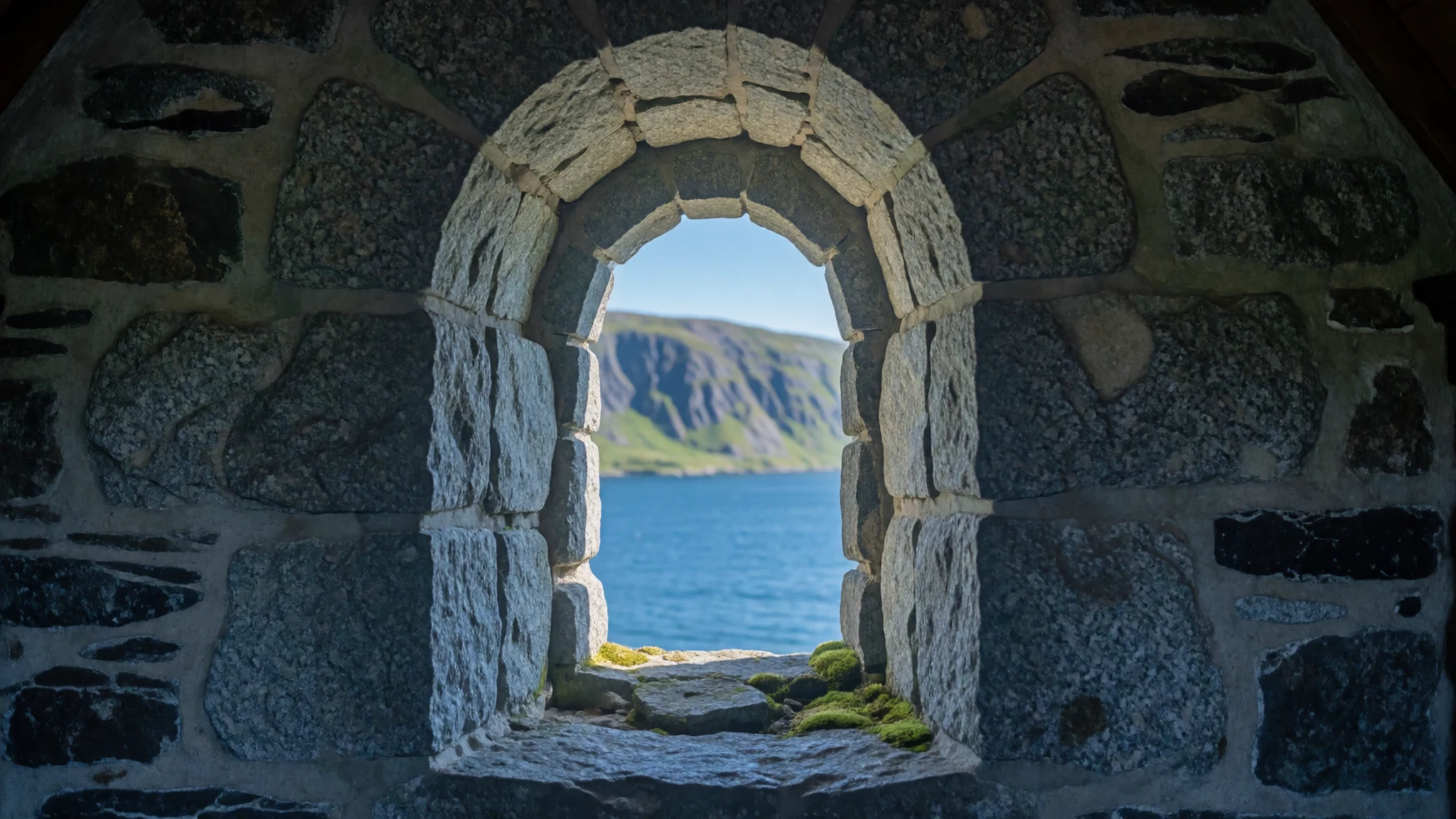
- The farmstead and banquet hall — Beside the church, same fjord
The farmstead buildings sit close to the church and show how the estate was organised. The banquet hall stands out in the group, and its footprint hints at the feasting once held there. Stables and a horse pen lie nearby, a reminder that horses were part of daily life on the farm.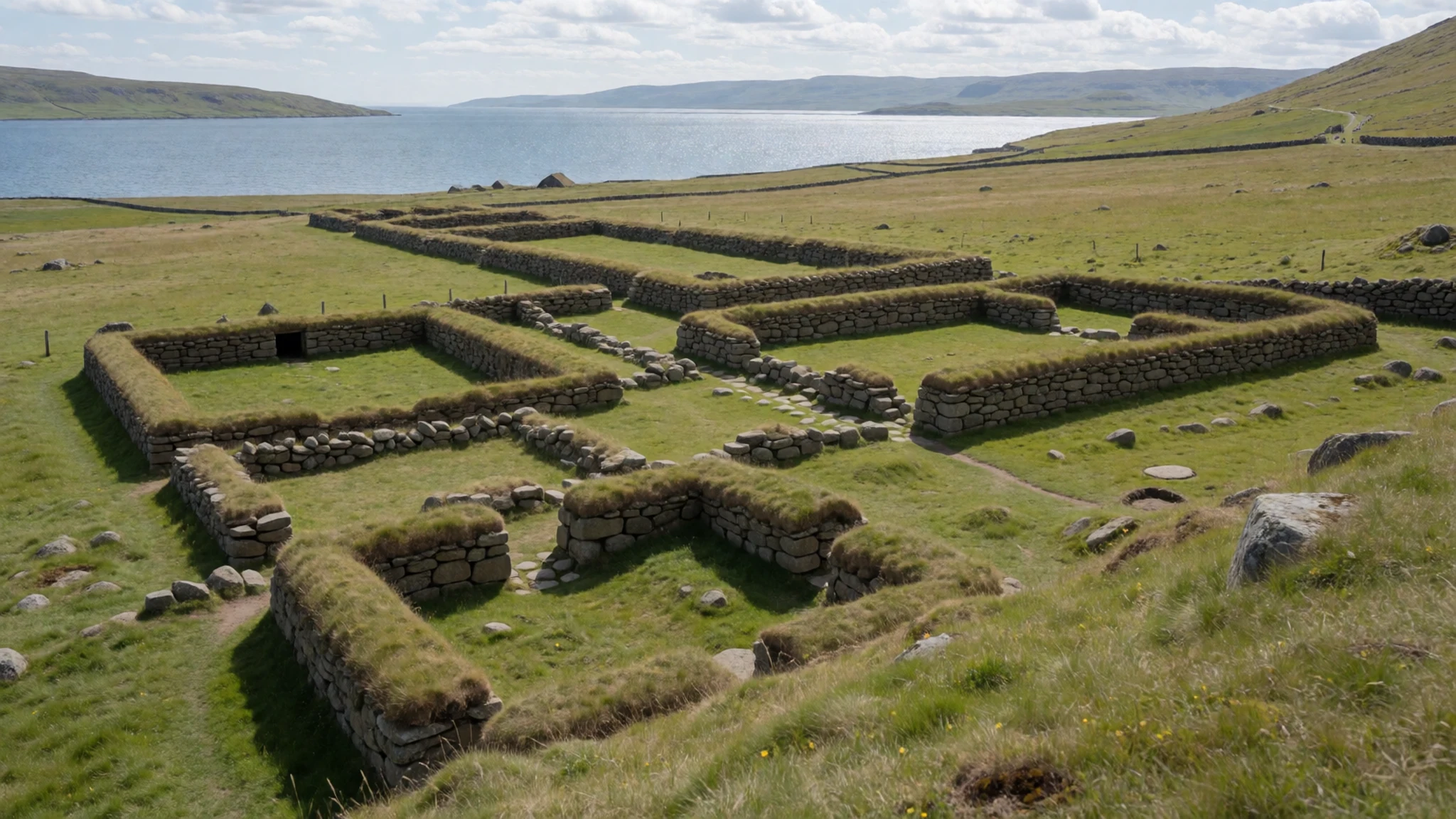
- Icebergs and glaciers at Ilulissat — Ilulissat, west coast
Ilulissat, on the west coast, is the place most people associate with Greenland's ice. The Icefjord there sends icebergs out to sea, and the scale of the ice is hard to judge from the shore. Boat trips and coastal walks are the usual ways to see it. The town is a long way from Hvalsey, so it works best as a separate trip rather than a day out from Qaqortoq.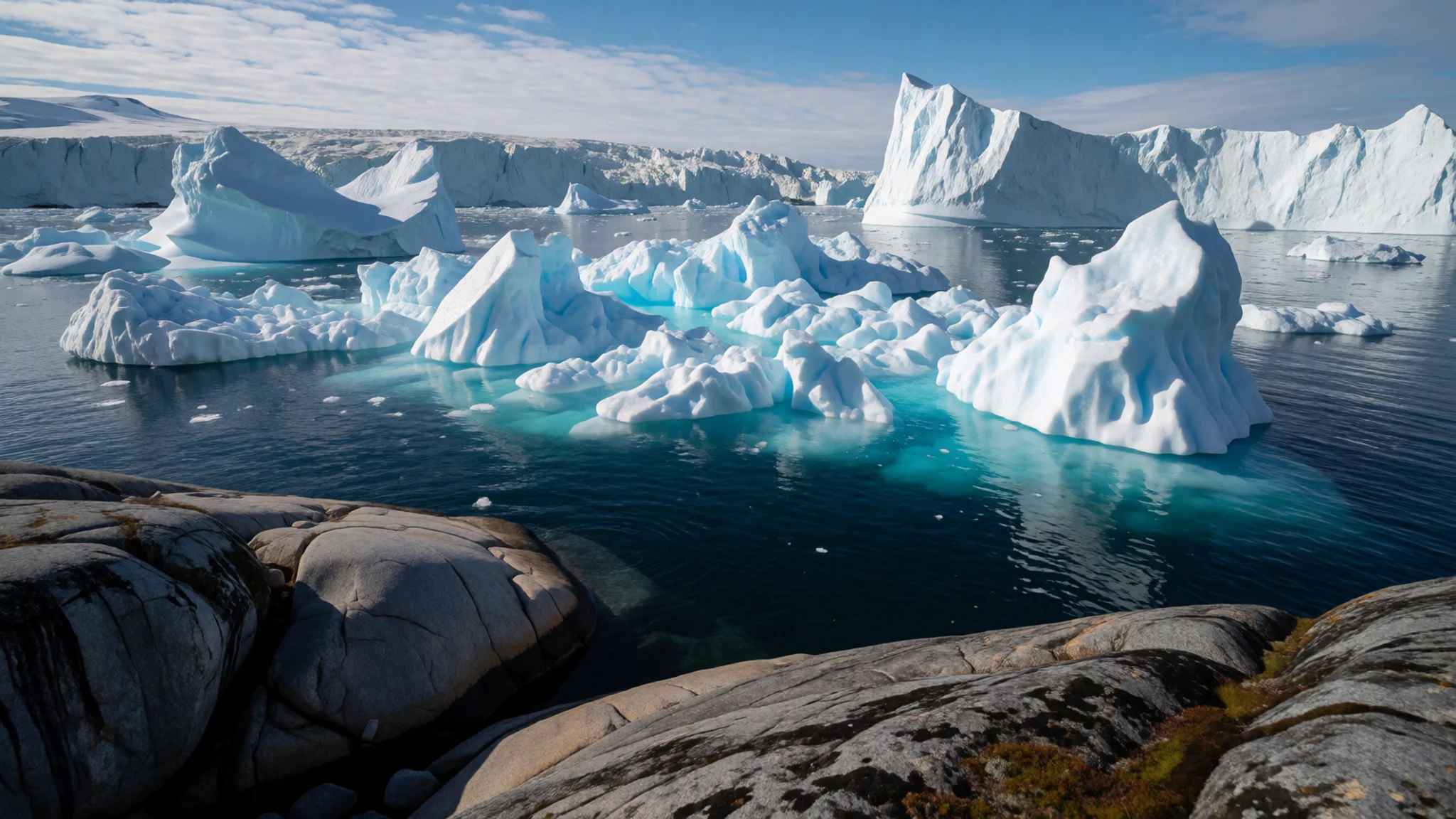
- Walking near the settlements — Around Qaqortoq and the southern settlements
Greenland's land is open to walkers near most settlements, with few marked trails and no private property to cross. Stick to the few paths that exist, and keep clear of livestock and the fields around Hvalsey. Glacier travel is a different matter: expedition permits are required for glacier routes and for parts of the national park, so check the rules before setting out.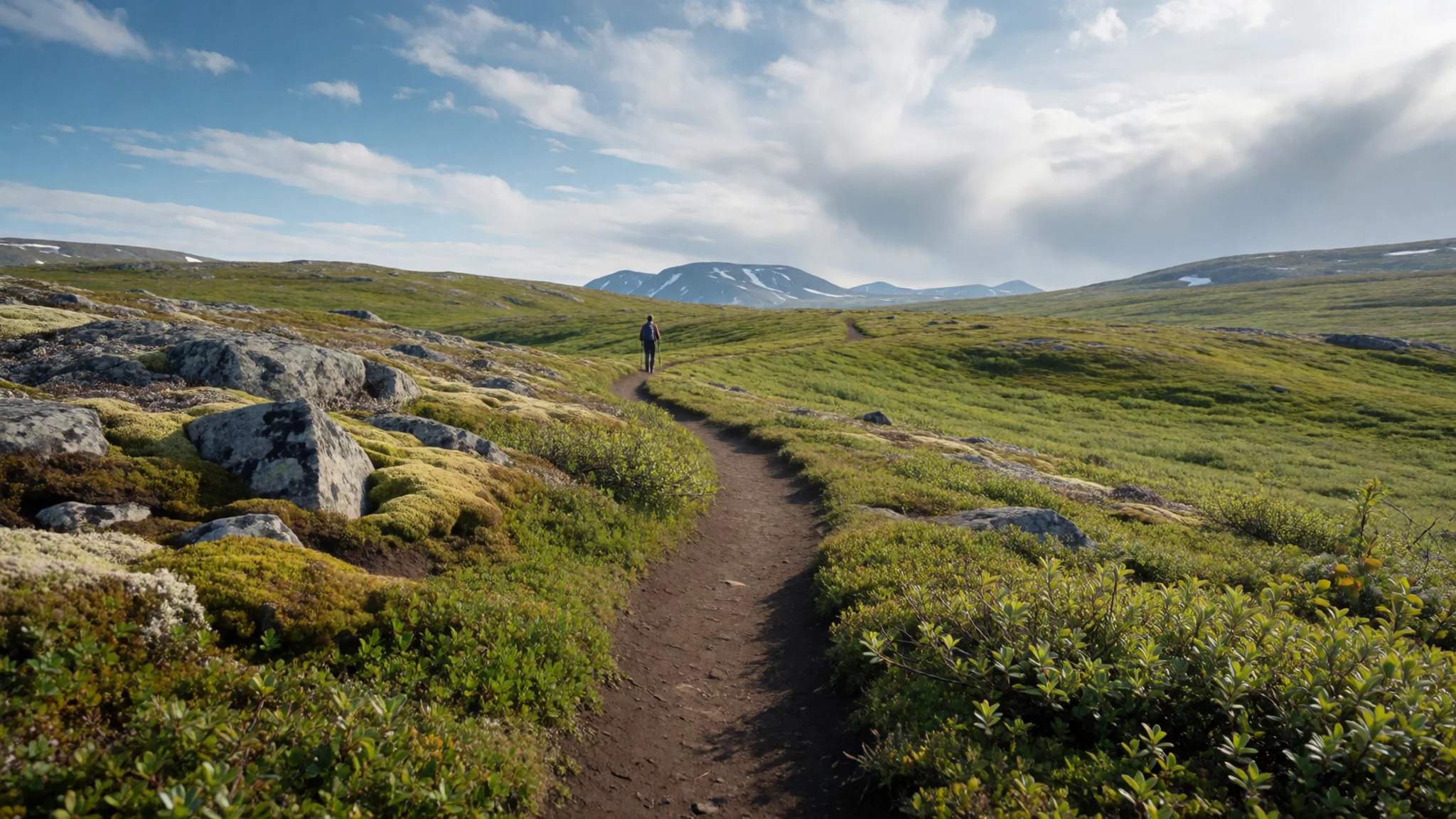
Culture
Hvalsey Church lies in a country where most people call themselves Kalaallit, the plural of Kalaalleq. Greenlanders see themselves as a separate people within the Kingdom of Denmark, and that distinction matters to the people who live here. Greenland has governed itself since 1979, and it sits in the Nordic Council while remaining outside the European Union. Where Danish sovereignty needs mentioning, the phrase to use is the Kingdom of Denmark.
The older English word 'Eskimo' still turns up in some books, but Greenlanders regard it as a slur and it should not be used. 'Greenlander' is acceptable, and the Greenlandic name is the safest choice for anyone unsure. People here are generally relaxed and direct, and crime toward foreigners is rare. Settlements are small enough that people know where everything is, so locals are often happy to point out a shop, a place to eat or a bed for the night, even where there are no signs.
Life in the south is still shaped by fishing, hunting and the seasons, and food from the sea remains part of family tables. A stranger asking questions in a small settlement tends to attract friendly attention. The church is a heritage site on working farmland, so respect livestock, gates and the people whose land you are crossing. Ask before photographing anyone's home or family, and leave gates and livestock alone on the farm around the church.
What to wear
Hvalsey Church sits in a landscape where traditional clothing was built for cold, wet and wind. Inuit clothing used sealskin, caribou hide and sinew, and the hooded anorak, known in Greenlandic as qulittaq, along with skin kamik boots, remain recognisable symbols of the country. Women's garments were often decorated with embroidery, beadwork or appliqué. The Norse settlers who built Hvalsey wore wool and linen, a reminder that this coast has been dressed for several very different traditions.
In daily life, Greenlanders dress much like other Northern Europeans, with down jackets, waterproof trousers, fleece and sturdy boots. The traditional anorak appears at festivals, on hunting trips and at some ceremonies. Knitwear is common in towns, where the weather is the main reason for wearing it.
A visitor should dress in layers: a waterproof shell, a warm mid-layer and wind-resistant trousers, even in midsummer when the weather can change quickly. Footwear matters most on wet grass and loose stone around the ruins, so boots with good grip are a better choice than trainers. There is no formal dress code at Hvalsey, but a practical, respectful outfit suits a site on working farmland.
What to eat
- Greenlandic coffee — Bars and cafés in Nuuk and Qaqortoq that prepare it to order
A local speciality is coffee spiked with several liquors, typically whisky, Kahlua and Grand Marnier. It is often made at the table as a small show, and it is strong. Expect it after dinner rather than in the morning.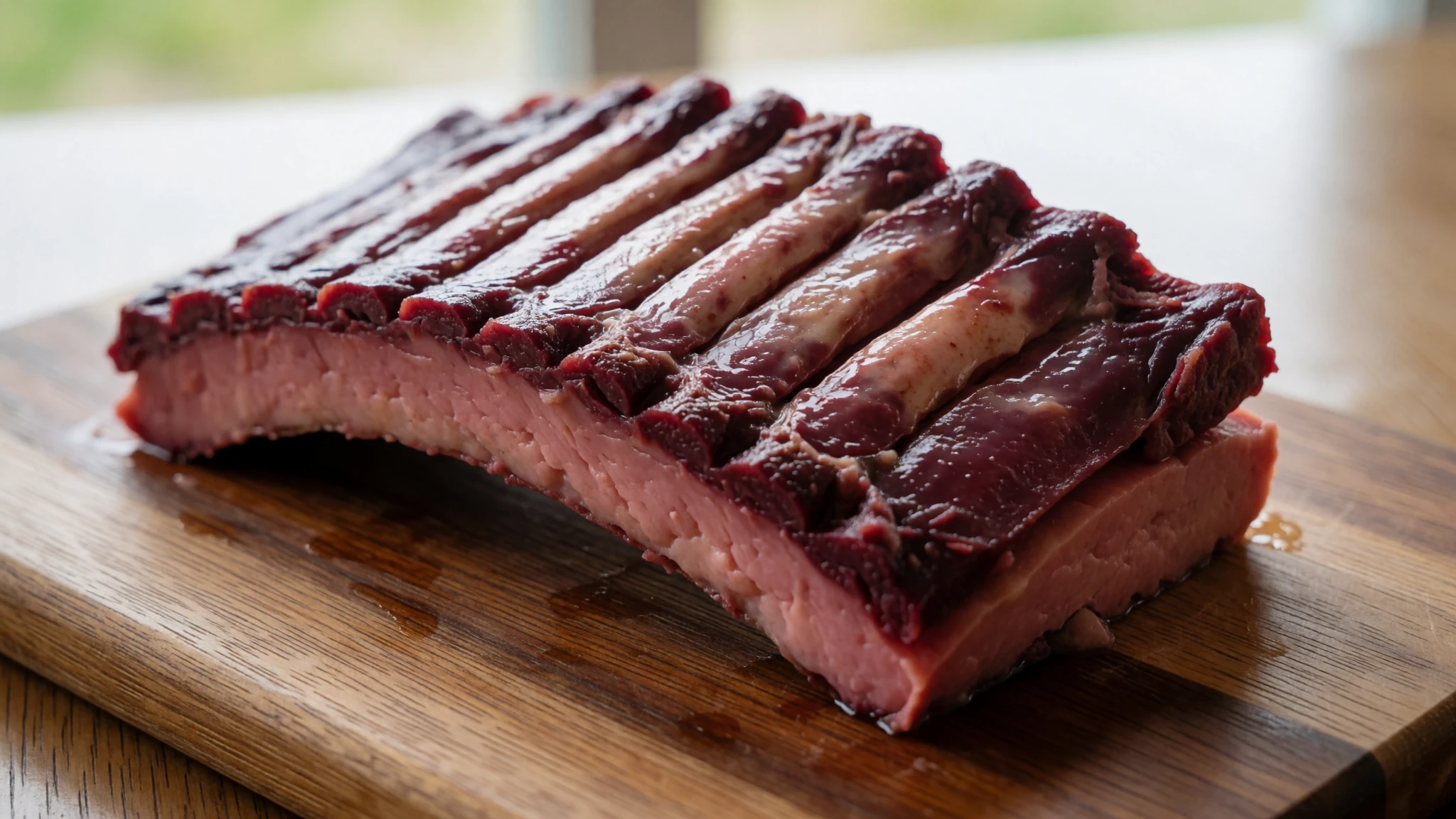
- Local fish and shrimp — The local market in each town and the harbour front
Locally caught fish and cold-water shrimp are the everyday seafood of the coast. Shrimp is often sold cooked and cold, and it makes a simple lunch with bread. Fresh catch is sold when it is available, and it is best cooked the same day.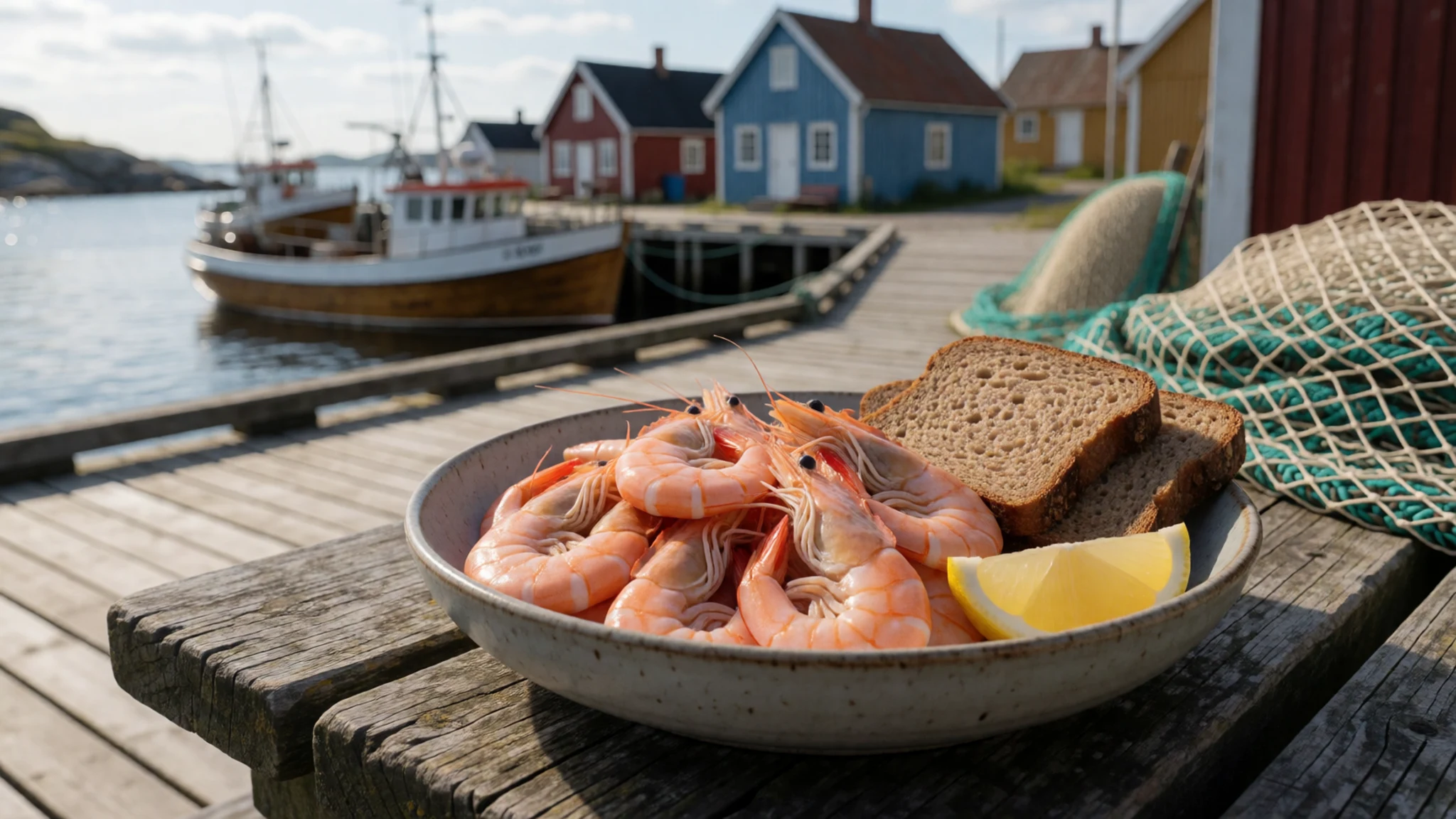
- Seal meat — Smaller restaurants in Nuuk and the larger towns that mix traditional and imported dishes
Seal is part of traditional Greenlandic cooking, and it is served in some restaurants that combine old and new dishes. It has a dark, rich taste that many visitors find strong at first. Because hunting is central to local life, ask first whether a restaurant serves it.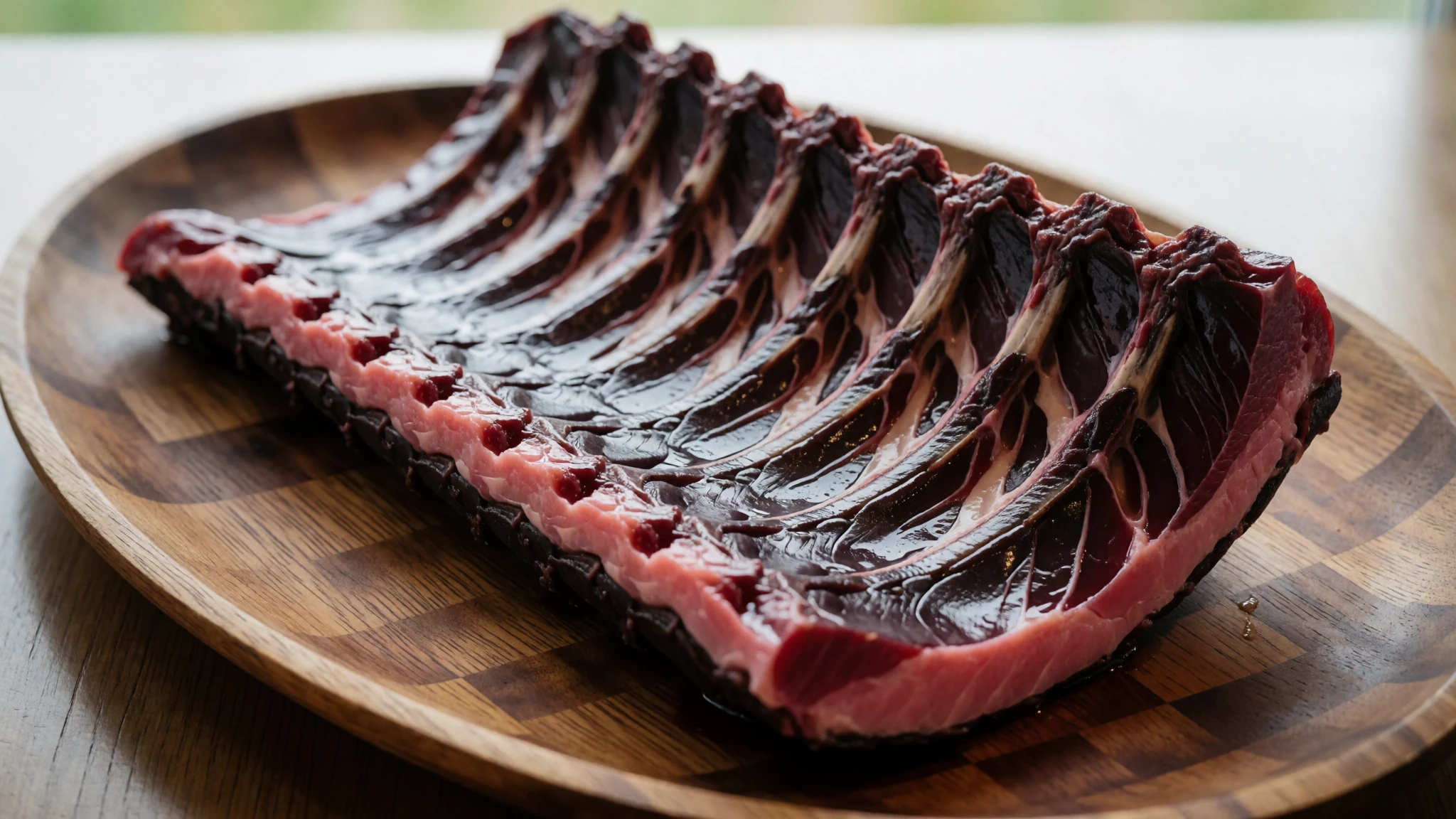
- Musk ox and reindeer — Restaurants in Nuuk that combine traditional and European dishes
Musk ox and reindeer, both found in Greenland, appear on menus in the bigger towns, usually as roasted cuts or in stews. The meat is lean and gamey. Prices run high, and portions are generous, so sharing a main is a sensible way to keep the bill down. - Burgers and fries — Burger bars in Nuuk
Nuuk has several burger bars, and they are the easiest way to eat when a day has been long and cold. Fries come in large portions, and prices are high across the town, as they are elsewhere in Greenland.
Plan it
Best time. July and August bring the greenest slopes and the easiest walking. June has the long light around midsummer, when the sun barely sets. September is cold, and the winds arrive early, so it suits only those who are well equipped.
How long. 2–3
Getting there. Fly to Nuuk or Narsarsuaq on Air Greenland services from Copenhagen or Reykjavik, then take a regional flight or boat to Qaqortoq. The last leg to the ruin depends on local transport, so check current schedules, as the weather often changes them.
Budget. high
Tips
- Book regional flights and boat transfers early in summer, because schedules depend on weather and seats fill quickly
- Carry some cash for small shops, as card acceptance can be patchy outside the bigger towns
- Pack a windproof layer and sturdy boots, even in summer
- Ask locally about transport to the site and about the state of the paths after rain
- Check the official Greenland tourism site before setting out for permit rules on glacier and park travel
Etiquette
- Keep off the walls and the loose masonry
- Ask before photographing people at the farm or in towns
- Leave gates closed and do not disturb the sheep on the farm
- Say Greenland or the Kingdom of Denmark rather than Denmark
Nearby
Sources
- Wikidata Q1703519 (CC0)
- Wikipedia: Hvalsey Church (rev 1354775220) (CC BY-SA 4.0)
- Wikivoyage: Greenland (rev 5381839) (CC BY-SA 4.0)
- Photo 01: Ella Groedem 54, Visit Greenland (CC BY 2.5)
- Photo 02: Hvalsey Church (CC0 1.0)
- Photo 03: The church's arch window (CC0 1.0)
- Photo 04: Southern aspect of the church (CC0 1.0)
- Photo 05: The farmstead buildings (CC0 1.0)
- Photo 06: The banquet hall (CC0 1.0)
- Photo 07: Nearby stables (CC0 1.0)
- Photo 08: The horse pen (CC0 1.0)


