Ammassalik Island
Ammassalik Island, Greenland
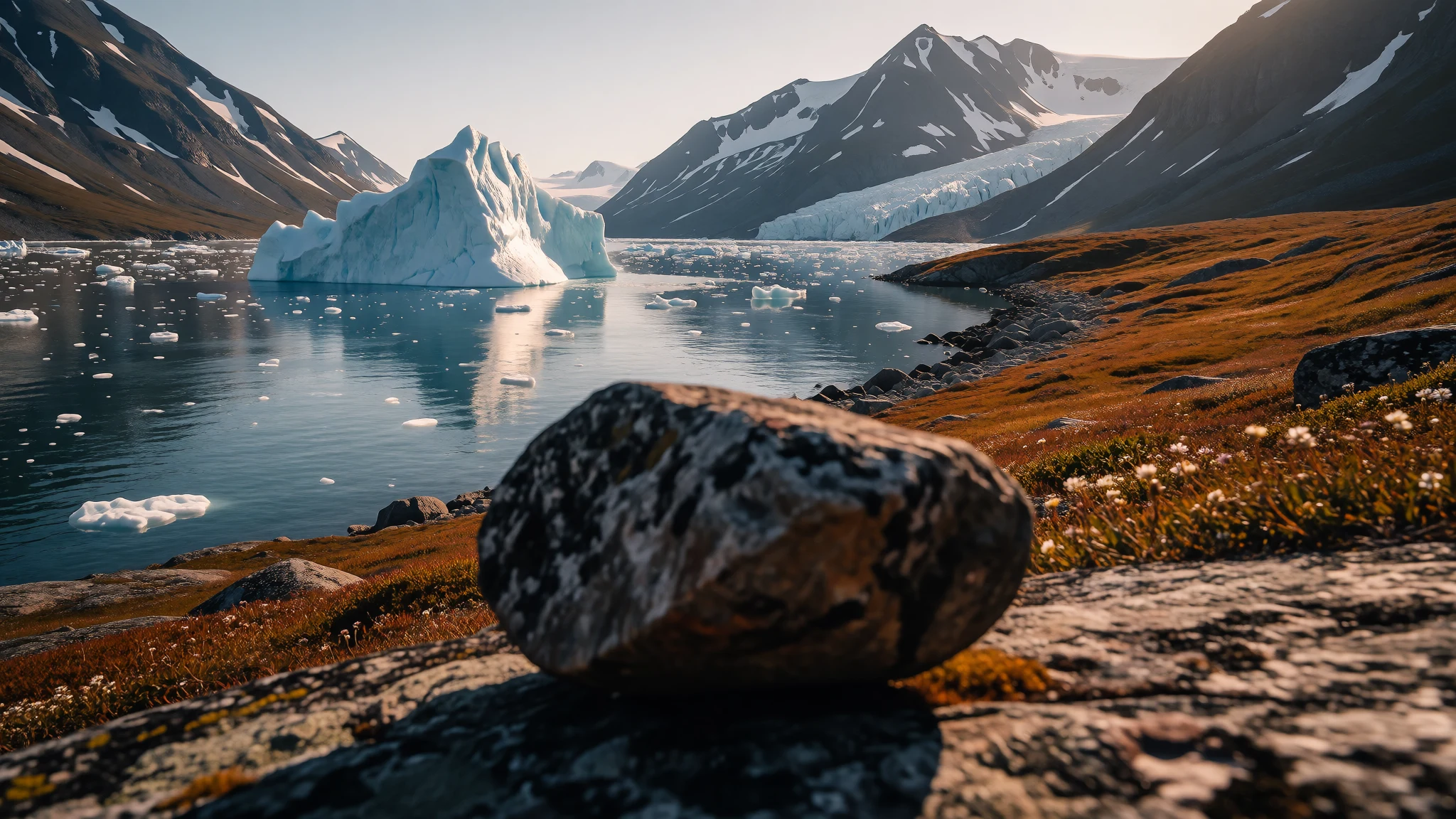
Ammassalik Island is a rugged Arctic island of fjords, drifting icebergs and a small hunting town, reached from Kulusuk by helicopter or boat.
The place
Ammassalik Island sits off the south-east coast of Greenland, in Sermersooq municipality, and covers 772 square kilometres. Its Danish name is Kong Oscars Ø, King Oscar Island. Water surrounds it on almost every side: Sermilik Fjord runs along the west, the Ikaasartivaq Strait cuts it off from the mainland in the north-east, and the wide southern half of Ammassalik Fjord lies to the east and south-east. Beyond that fjord are the other islands of the Ammassalik Archipelago, among them Kulusuk, across the Torsuut Tunoq sound, and Apusiaajik. The southern shore faces the Irminger Sea, an arm of the open North Atlantic, so weather and sea ice can change quickly. The land is mountainous, and the highest point is a glaciated peak in the north that reaches 1,352 metres. Most of the island is empty. Just over two thousand people live here, most of them in Tasiilaq, the town on the south-eastern side, where painted wooden houses climb the slopes around a small harbour. No roads link Tasiilaq to other settlements, so movement is by boat, by helicopter, on foot in summer and by dog sled or snowmobile in winter. Summer brings long light, meltwater streams, flowers in sheltered valleys and plenty of mosquitoes. Winter brings darkness, sea ice and quiet. Anyone arriving should expect a place where weather, not a timetable, decides the day.
Its story
Ammassalik Island has long been home to Inuit hunting families, drawn by the seals, fish and seabirds of a coast where pack ice and storms kept most outsiders away. The name Ammassalik is usually explained as 'the place of capelin', a small fish that gathers in the fjords in summer. For centuries the east coast was cut off by drifting ice, and its people developed their own dialect, tools and customs, distinct from those of the west. Europeans arrived far later here than on the west coast, only in the late nineteenth century, when Danish expeditions were followed by a mission and a trading post at what became Tasiilaq. The town grew around that post, and families once spread among small seasonal camps gradually settled there, near the school, church and shops. Change since then has been fast: engines replaced oars, rifles and nets joined harpoons, and helicopters tied the region to the airfield on Kulusuk. Greenland is part of the Kingdom of Denmark yet stands outside the European Union, and many residents see their home as a nation in its own right. Today fishing, hunting and a small tourist trade support Tasiilaq's people, who still live by the same ice, sea and seasons that shaped their ancestors.
What to see
- Tasiilaq harbour — Tasiilaq
Kong Oskars Havn is the working centre of Tasiilaq. Small fishing boats and hunters' skiffs tie up beneath painted wooden houses, with mountains rising behind. A slow walk around the quay shows fish drying, sled dogs resting and people mending nets, and the shops and local museum are a short stroll away.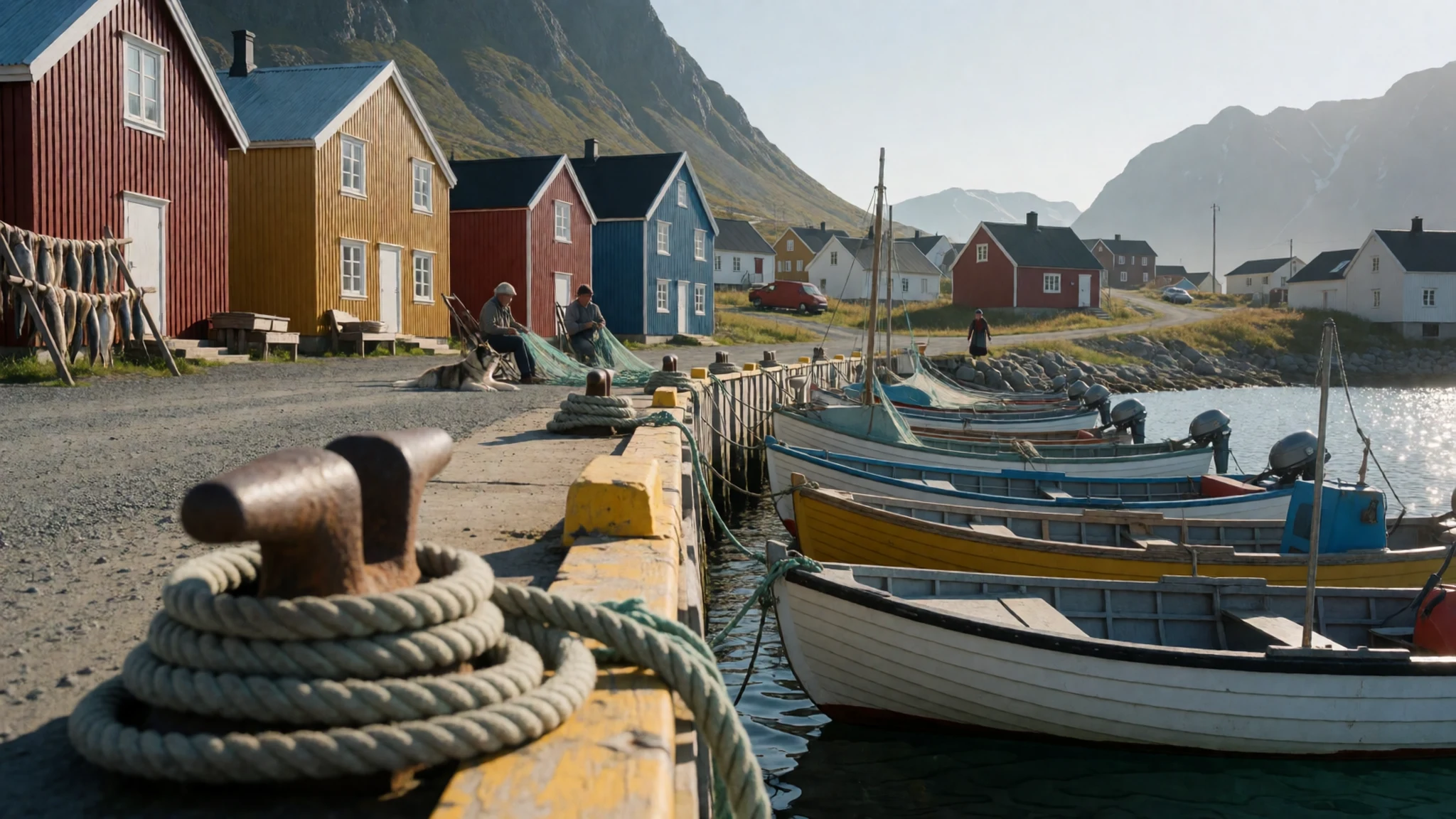
- Sermilik Fjord icebergs — Western side of the island
Sermilik Fjord runs along the island's western side and carries icebergs shed by glaciers from the inland ice. Boat trips from Tasiilaq weave between blue and white blocks of ice, and seals are often seen. Sailings depend on sea ice and weather, so arrange them locally and keep plans flexible.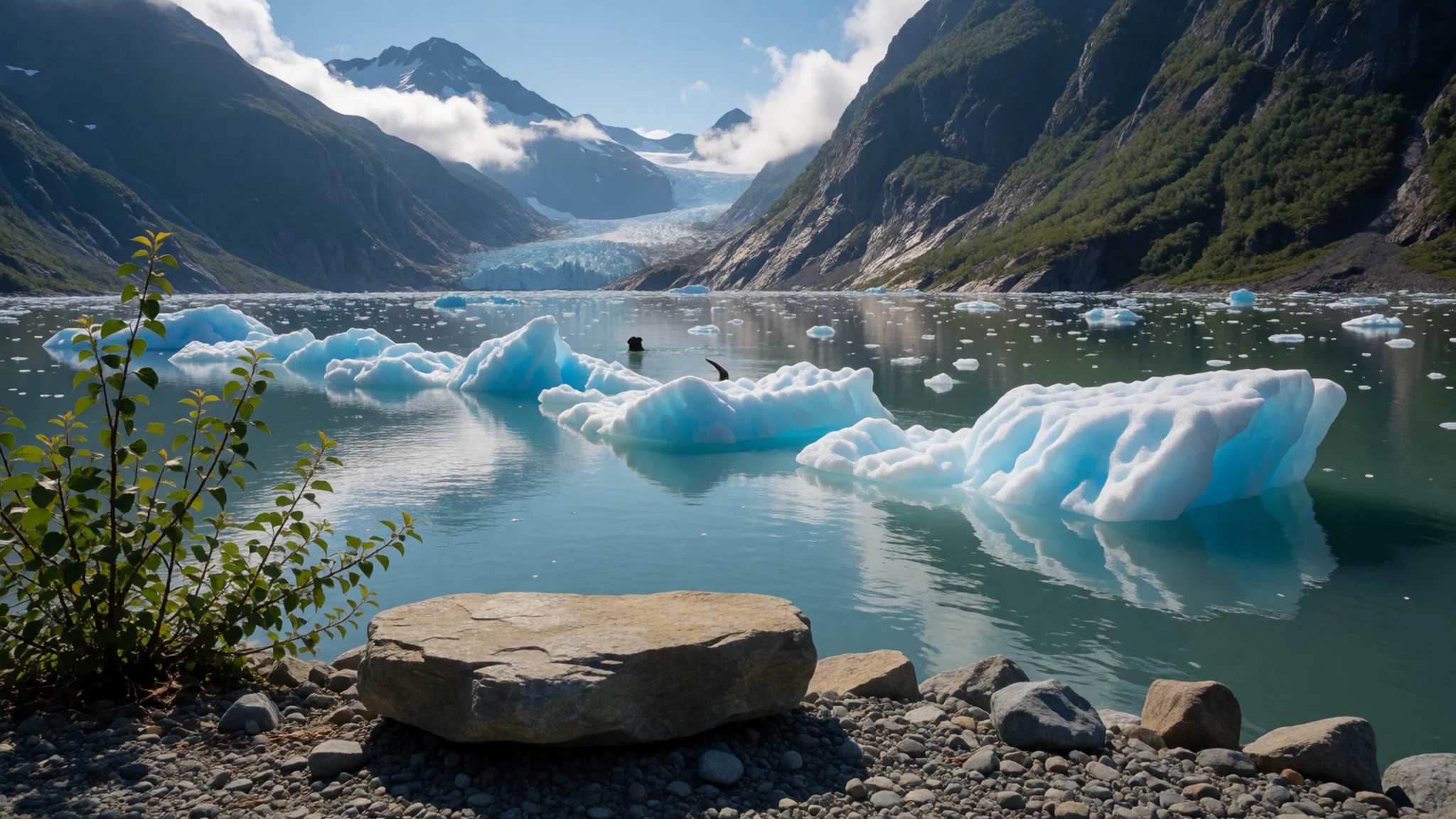
- Kulusuk viewpoint — Kulusuk Island, across the sound
Seen from Kulusuk Island across the Torsuut Tunoq sound, Ammassalik Island shows its mountainous outline and glaciated heights. Most flights land at Kulusuk, so this view often comes at the start or end of a trip, and clear weather gives the sharpest look at the peaks.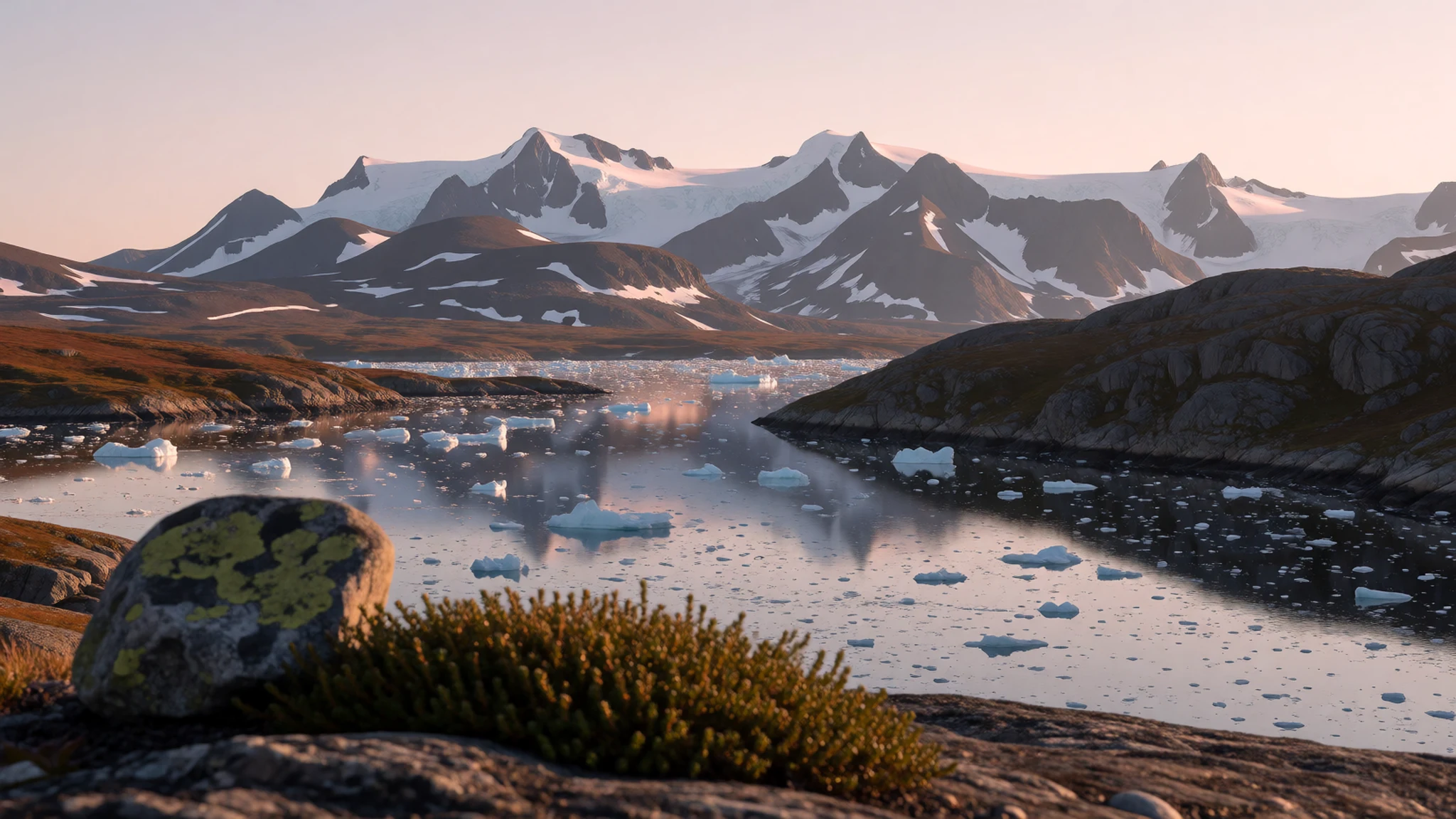
- Walks above Tasiilaq — Hills behind Tasiilaq
The hills around Tasiilaq reward a half-day walk with views over the harbour and fjord. Paths are few and loosely marked, so route-finding needs care, and cloud can close in fast. Valleys behind the town fill with Arctic flowers in summer; ask locally about current conditions before setting out.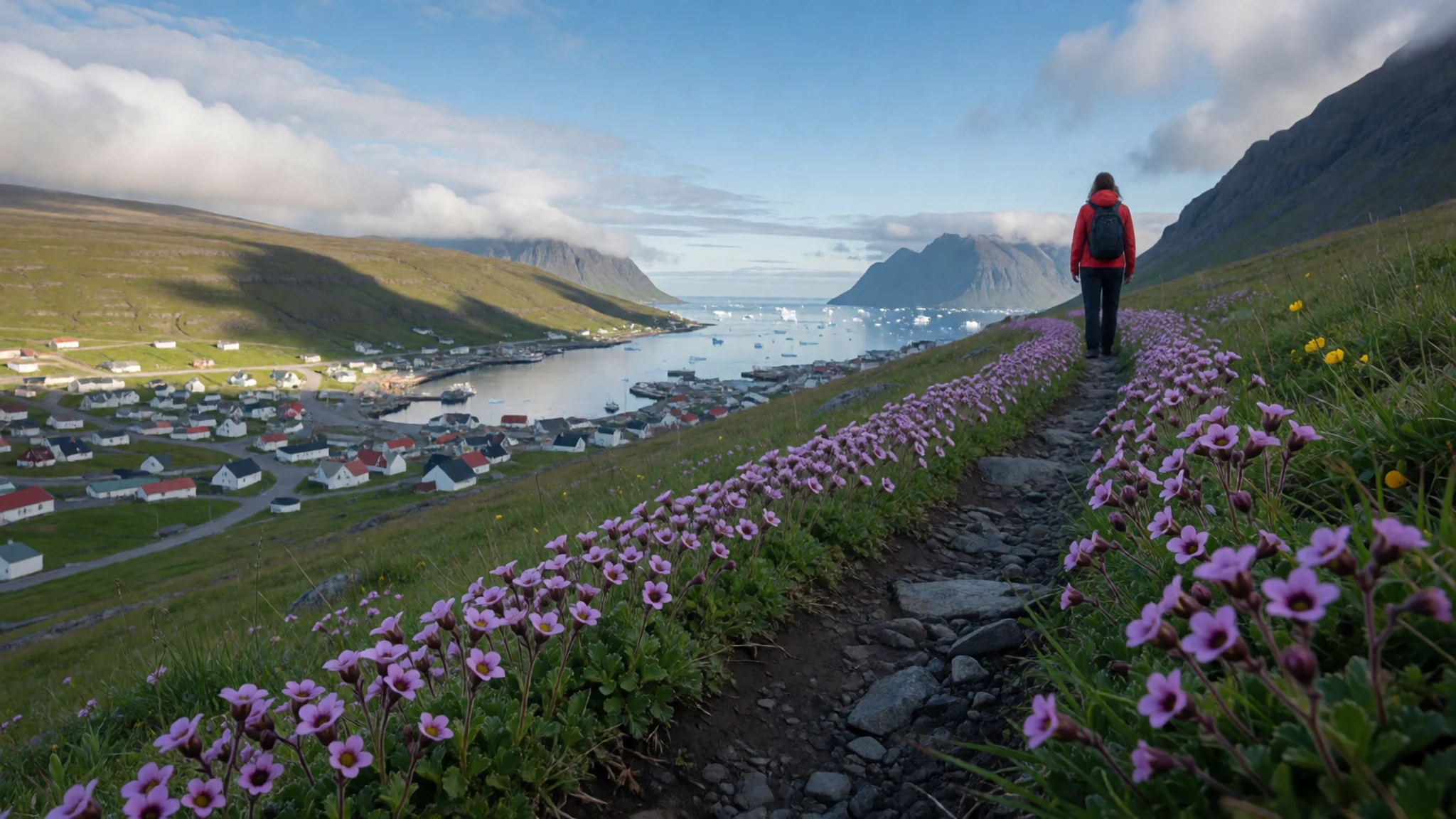
- Summer night light — Tasiilaq shoreline
Around 21 June the sun dips below the horizon only briefly at this latitude, and the sky never gets properly dark. Night walks along Tasiilaq's shore catch long, soft light on water and rock. In winter the pattern reverses, with short days and a chance of aurora on clear nights.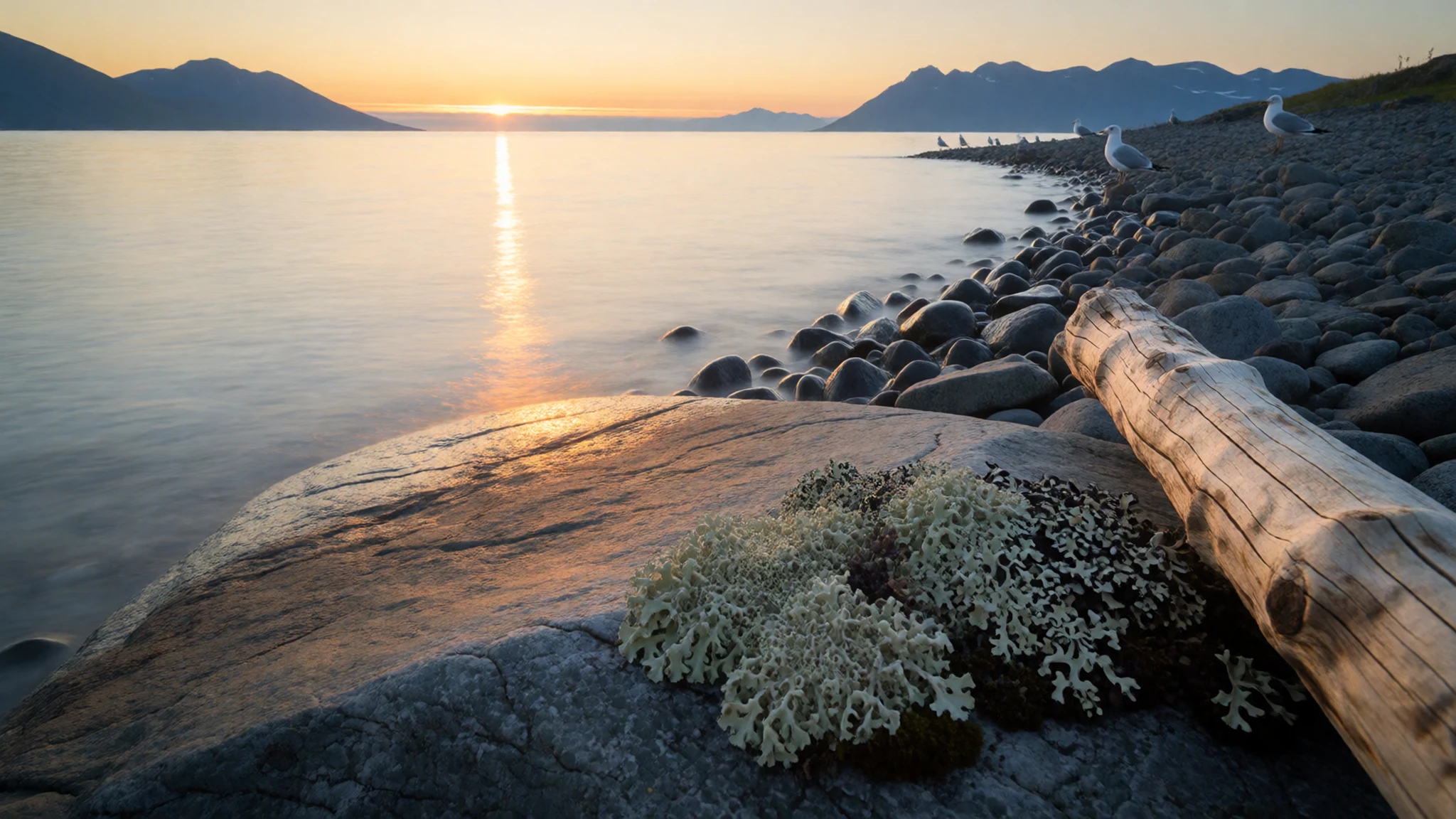
Culture
Ammassalik Island is home to East Greenlanders, an Inuit people whose way of life has long rested on hunting seals, fishing and travelling by boat and sled. Contact with the outside world came later here than on the west coast, and traditions such as drum dancing, storytelling and skin sewing remain visible. Greenlandic is the everyday language, with Danish widely understood. The proper terms for local people are Kalaallit or simply Greenlanders; the word 'Eskimo' is regarded as a slur and should never be used. Greenlanders also see their country as separate from Denmark, so telling someone you are in Denmark can cause offence. If the state needs mentioning, the Kingdom of Denmark is the right phrase. Hunting is an ordinary source of food and income here, not a spectacle, and conversations about it go best when they are curious rather than critical. Family celebrations are often marked by a kaffemik, an open-house gathering over coffee and cake, and the national holiday on 21 June is a good moment to see festive costume and singing. Ask before photographing people or a hunter's catch, and say 'Greenlander' or 'Kalaallit', never 'Eskimo'.
What to wear
Ammassalik Island's traditional dress grew out of hunting life, where warmth and waterproofing mattered more than show. Sealskin was the core material: kamiks, the tall waterproof boots, were sewn from it, as were trousers, mittens and jackets, while polar bear fur was once used for men's trousers. Festive dress for women adds a wide, bright beaded collar to sealskin boots and trousers, and it appears at confirmations, weddings and the national holiday on 21 June. Everyday clothing in Tasiilaq today is modern outdoor wear: fleeces, windproof jackets, wool hats, jeans and insulated or rubber boots. Sealskin items are still sewn at home and some are sold locally. Visitors should dress in layers: a wool or synthetic base, an insulating mid-layer and a windproof, waterproof shell, even in July. A warm hat, gloves and sunglasses help against wind and glare from water and ice. Sturdy waterproof boots matter on wet rock and tundra, and a head net saves summer walks from mosquitoes. In winter, add down layers and insulated boots. Nothing special is needed for church beyond tidy, covered clothes.
What to eat
- Fresh and dried fish — Harbourside market stalls and local shops in Tasiilaq
Cod, Arctic char and other catch come straight off small boats, and part of it is hung to dry in the wind on racks outside houses. It is eaten fresh in soups and stews, or chewed dried as a salty snack.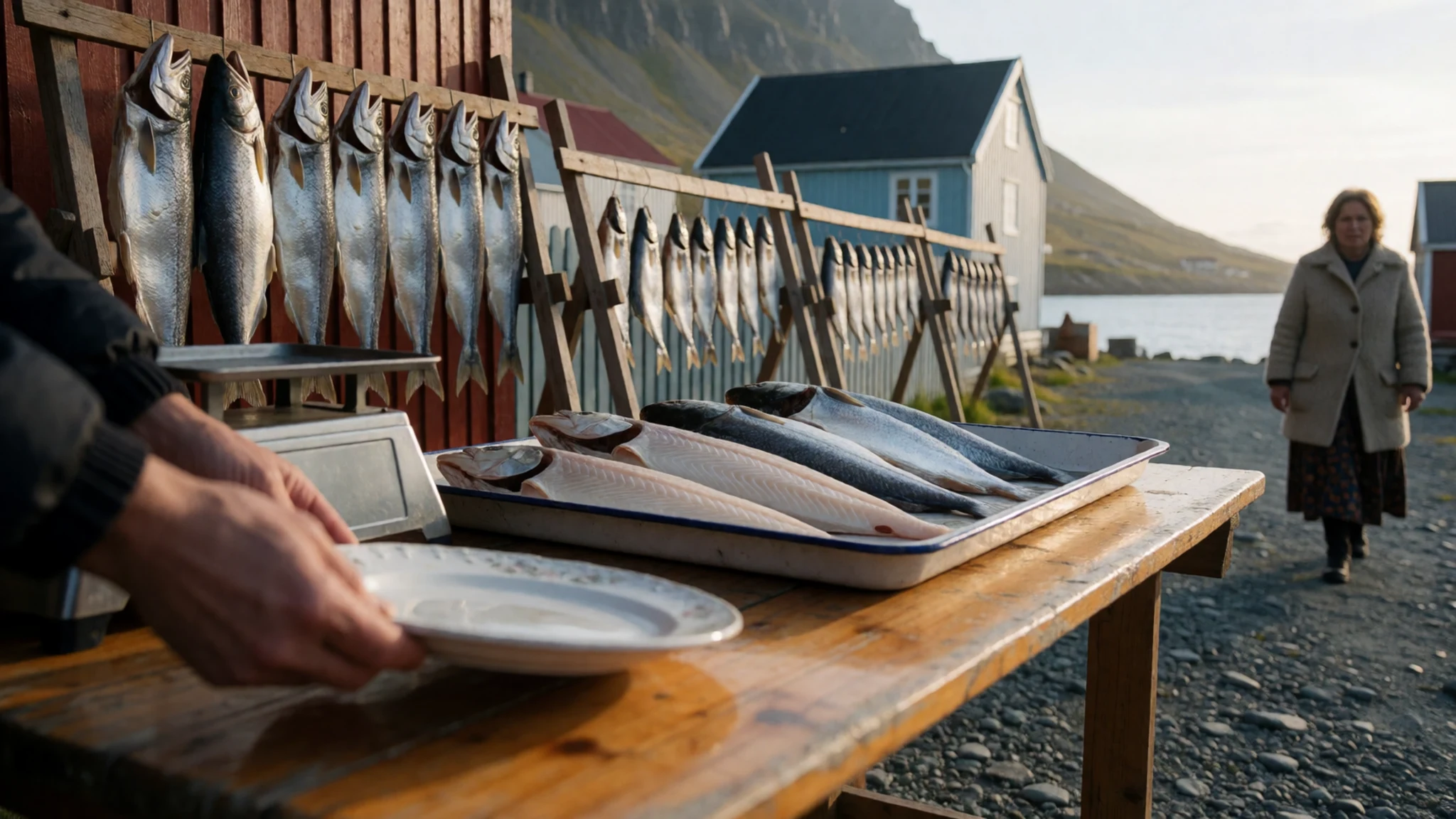
- Seal and whale meat — Local markets and family-run restaurants
Seal and whale meat are everyday foods for many families, served boiled, dried or in soup. Visitors usually meet them in local restaurants or where hunters sell their catch. Strong, dark and rich in flavour, they suit those curious about the Arctic diet.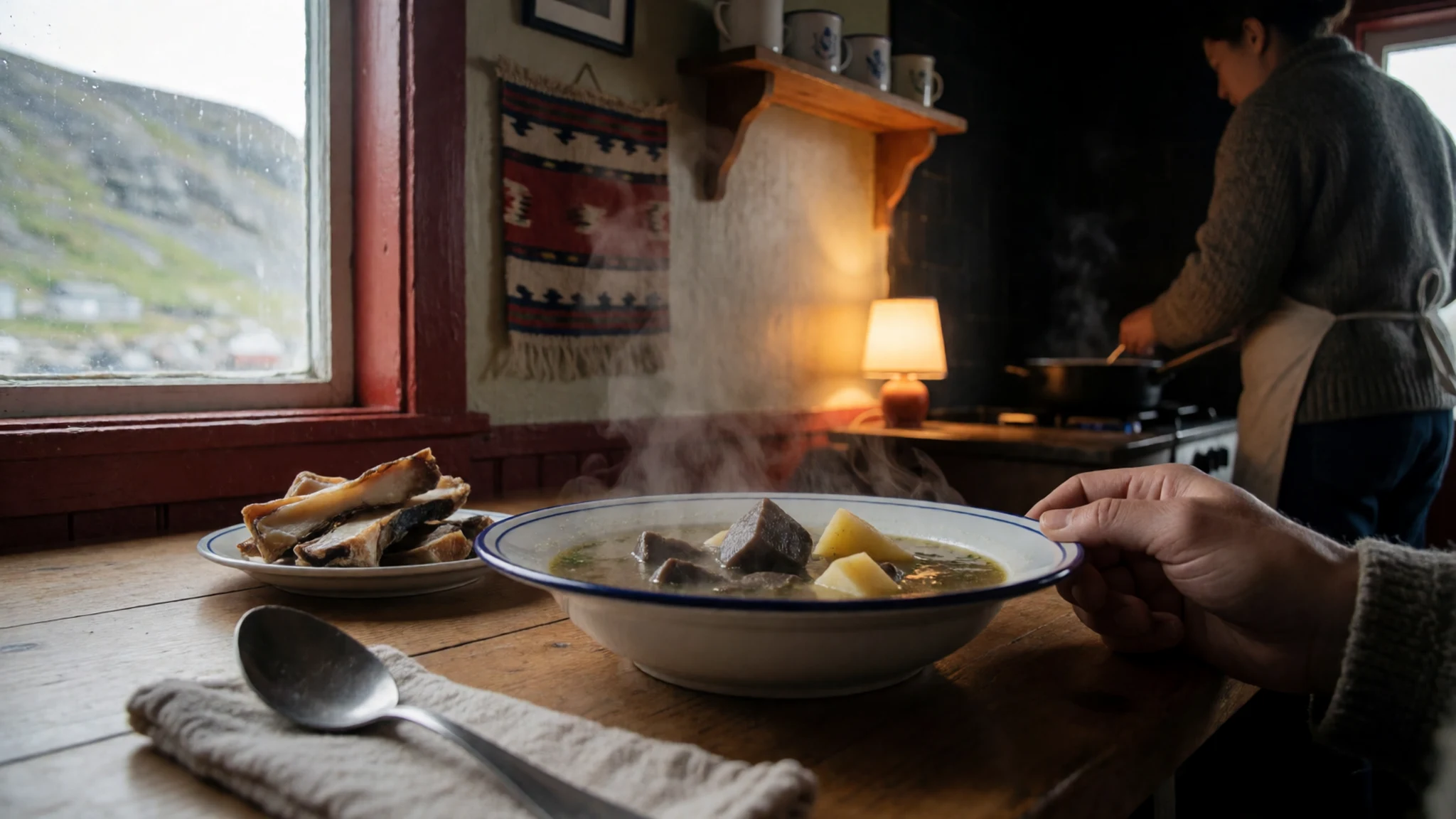
- Muskox and reindeer — Restaurants in Tasiilaq town centre
Muskox and reindeer appear on menus as steaks, stews or smoked slices, often with potatoes, since vegetables are costly. The meat is lean and gamey. What is available depends on the supply ship and local hunters. - Greenland shrimp — Supermarkets and cafés in Tasiilaq
Cold-water shrimp, pink and sweet, are sold cooked and peeled in shops and served in sandwiches, salads or on their own with bread. They make a lighter meal than the meat dishes, and are an easy first taste of local seafood. - Greenlandic coffee — Restaurants and bars in Tasiilaq
Greenlandic coffee is coffee laced with coffee liqueur, whisky and orange liqueur, sometimes prepared at the table with some ceremony. It is strong, sweet and warming, so one cup is usually enough after a cold day on the water.
Plan it
Best time. July to September, when the water is mostly ice-free, days are mild and the light is long, though mosquitoes appear in warm spells. March and April suit snow and sled travel but are cold.
How long. 3–5
Getting there. Flights usually go via Iceland to Kulusuk airport on neighbouring Kulusuk Island, then a helicopter or boat crosses to Tasiilaq. Schedules depend on weather, so check the airline's official site.
Budget. high
Tips
- Leave slack in the itinerary, as fog and wind regularly delay flights and helicopters
- Book flights, transfers and lodging well ahead for summer, since seats and beds are few
- Bring a passport: Greenland is outside the EU and the Schengen Area, and a Schengen visa does not cover it
- Pack all essentials, including insect repellent and a head net, as shops are small and stock is limited
- Walks around Tasiilaq fall outside the expedition permit rule, but ask locally before going onto glaciers or beyond the town area
Etiquette
- Ask before photographing people, sled dogs or a hunter's catch
- Say Greenlander or Kalaallit, never Eskimo, and do not say you are in Denmark
- Take litter away with you and keep to the few existing paths on fragile tundra
Nearby
Sources
- Wikidata Q3545847 (CC0)
- Wikipedia: Ammassalik Island (rev 1363878429) (CC BY-SA 4.0)
- Wikivoyage: Greenland (rev 5381839) (CC BY-SA 4.0)
- Uwe Pieper, Tasiilaq3.jpg (CC BY 3.0)
- Algkalv, Ammassalik-island.jpg (CC BY 3.0)
- Chrissy, Tasiilaq - Greenland summer 2009.jpg (CC BY 2.5)
- Ray Swi-hymn, 20190625_E.Nielsenvej_9822 (CC BY-SA 2.0)
- Ray Swi-hymn, 20190627_Tini Havn_1882 (CC BY-SA 2.0)
- Ray Swi-hymn, 20190627_Tini Havn_1886 (CC BY-SA 2.0)
- Ray Swi-hymn, 20190627_Tini Havn_1888 (CC BY-SA 2.0)
- Ray Swi-hymn, 20190627_Tini Havn_1896 (CC BY-SA 2.0)


Wildlife
- Capelin (animal)
The capelin is a little silvery fish, a cousin of the smelt, and it is the fish that gave Ammassalik its name. In summer, shoals of them gather in the fjords around the island. Seals, whales, seabirds and cod all hunt them, so busy water and lively birds can hint at fish below. Watch from the shore or a boat with a local guide, keep your voices low, stay back from the water's edge, and never throw food in.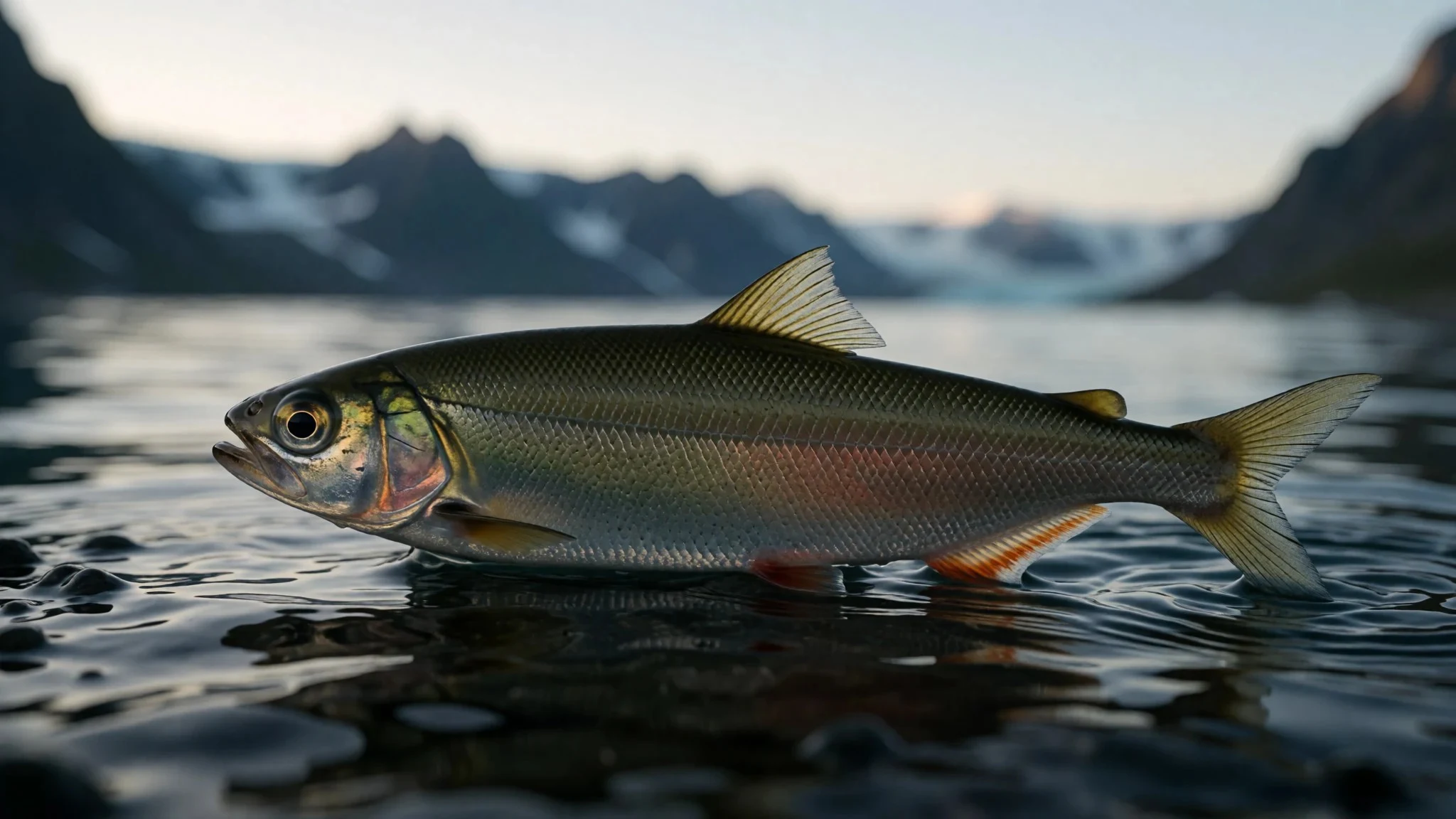
- Ringed seal (animal)
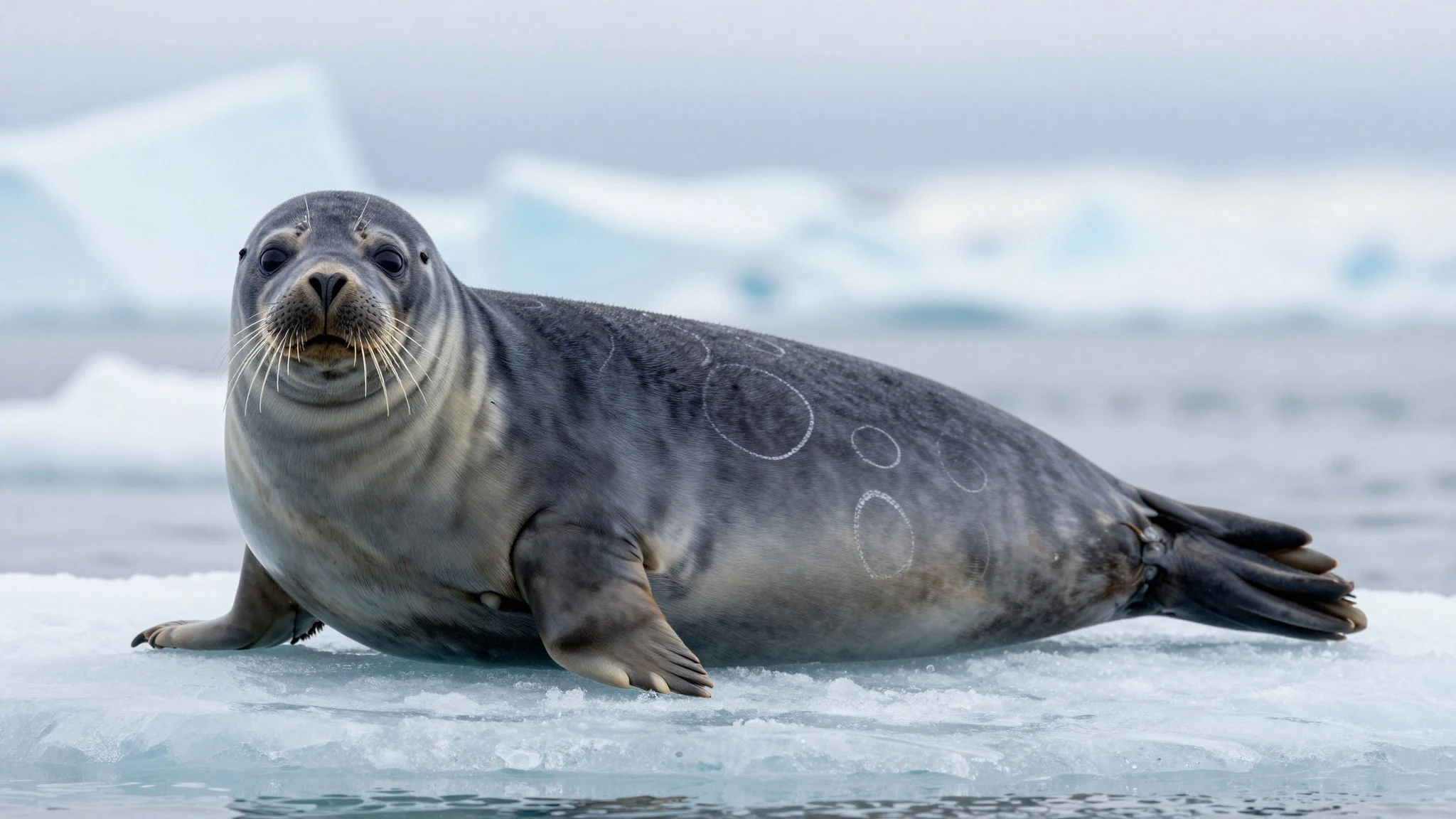
The ringed seal is a small seal with no ear flaps, and its dark coat is freckled with spots, each one circled by a pale ring. Boat trips from Tasiilaq thread through drifting ice of blue and white, and seals are often spotted there, their round heads bobbing up between the floes. Go with a local guide, keep the engine and your voices low, watch from a respectful distance, and never feed them.