Cape Farewell
Cape Farewell, Greenland
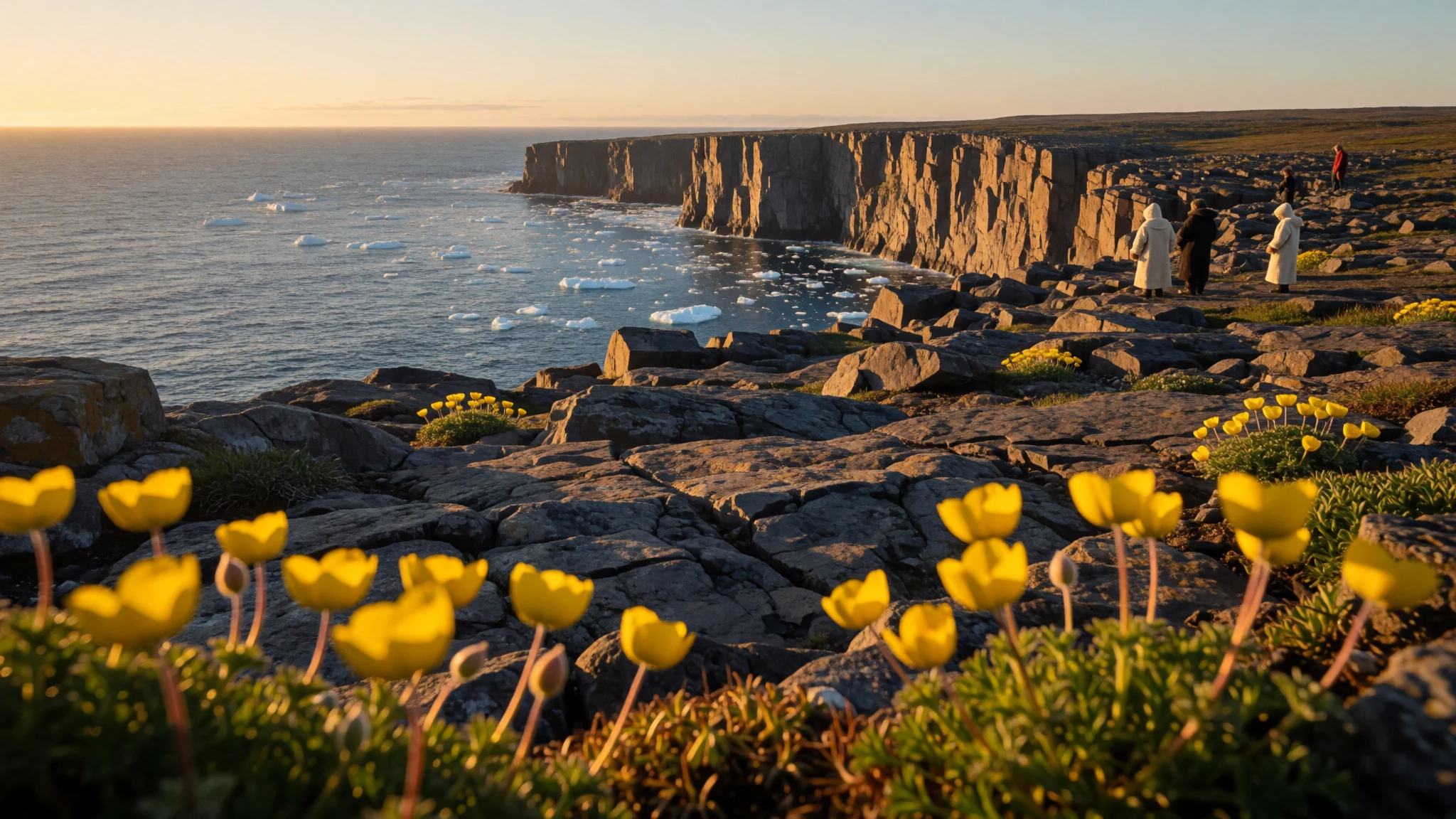
Visit Cape Farewell to stand at the southernmost edge of Greenland where the Atlantic meets the Labrador Sea.
The place
Cape Farewell is a dramatic headland marking the southernmost extremity of Greenland. Known locally as Nunap Isua and in Danish as Kap Farvel, it sits on the southern shore of Egger Island. This rugged projection of land reaches out into the North Atlantic Ocean and the Labrador Sea, sharing a latitude with cities like Oslo and St Petersburg. The surrounding area, including Egger and various smaller islets, forms the Cape Farewell Archipelago.
Located within the Kujalleq municipality, the cape serves as a starting point for the King Frederick VI Coast, which runs north along the eastern shoreline. The landscape is a raw mix of rocky coasts and icy waters, often filled with drifting ice debris. It is a place of extreme isolation and stark beauty, where the influence of the ocean is felt in every gust of wind. Unlike the more populated hubs of the north, this region remains a wilderness. Visitors often encounter a landscape that feels prehistoric, where the scale of the cliffs and the depth of the fjords dwarf any human presence. The weather here is notoriously fickle, shifting from clear, bright sunlight to dense fog and freezing rain in a matter of minutes, reinforcing the sense of being at the mercy of the Arctic elements.
Its story
The story of Cape Farewell is intertwined with the legendary arrival of the Norse. According to the Icelandic Sagas, Erik the Red gave this land the name 'Greenland' as a clever marketing ploy to attract settlers from Iceland. While much of the interior is an ice sheet, the southern coasts where the Vikings first landed were surprisingly green during the summer months, and even more so during the Medieval Warm Period. This deceptive naming created a dream of fertile pastures that lured brave sailors across the North Atlantic.
Over centuries, the region became the ancestral home of the Kalaallit people, who adapted to the harsh environment through an intimate knowledge of the sea and ice. Today, the area reflects a complex political identity; while Greenland is part of the Kingdom of Denmark, it has maintained a strong sense of self-government since the late seventies. The landscape itself tells a story of geological endurance, with the Cape Farewell Archipelago standing as a weathered sentinel against the crashing waves of two oceans. For the modern traveller, the region offers a rare kind of silence. Hiking through the uninhabited reaches of the south provides a sensation of total solitude, often making one feel as though they are the first person to ever step upon a particular stretch of tundra.
What to see
- Prince Christian Sound
A stunning waterway cutting through the Cape Farewell Archipelago. The sound is flanked by towering cliffs and dotted with numerous small islands, making it a premier spot for boat expeditions to witness the raw geology of southern Greenland.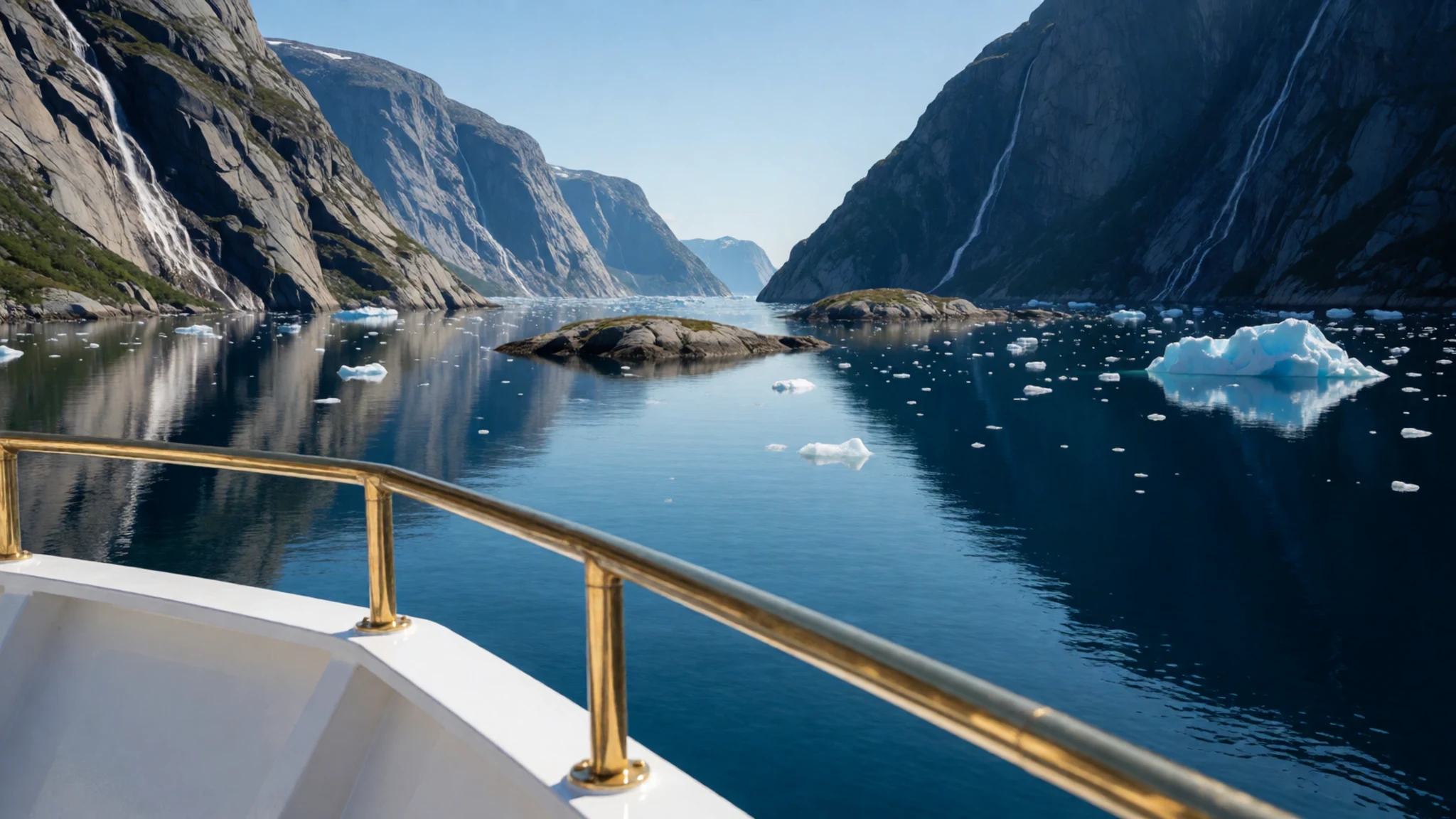
- The Midnight Sun
During the weeks surrounding the summer solstice in June, the sun barely dips below the horizon. The sky remains luminous throughout the night, providing endless hours of daylight for exploration and photography in the southern archipelago.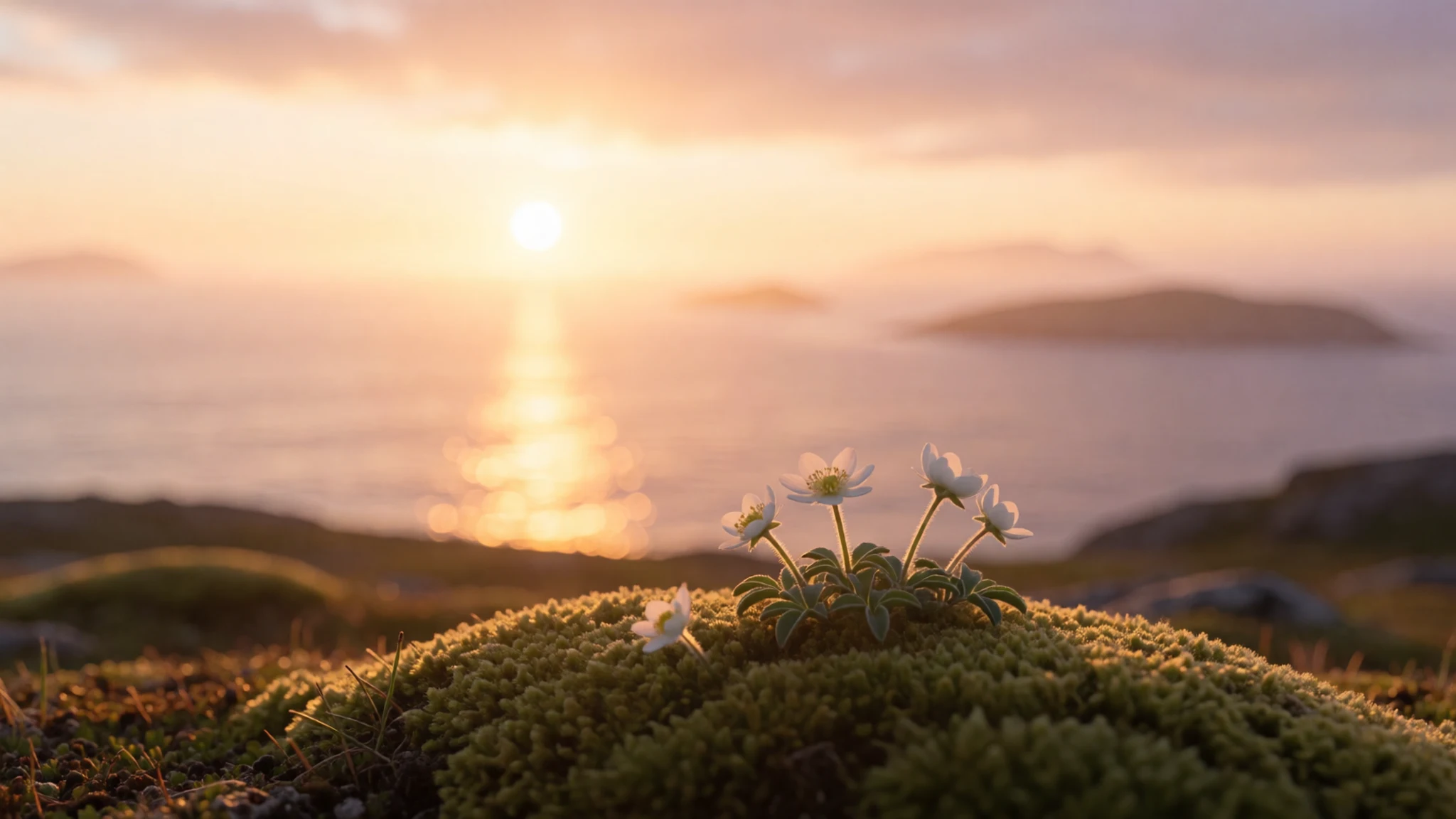
- Arctic Wildlife
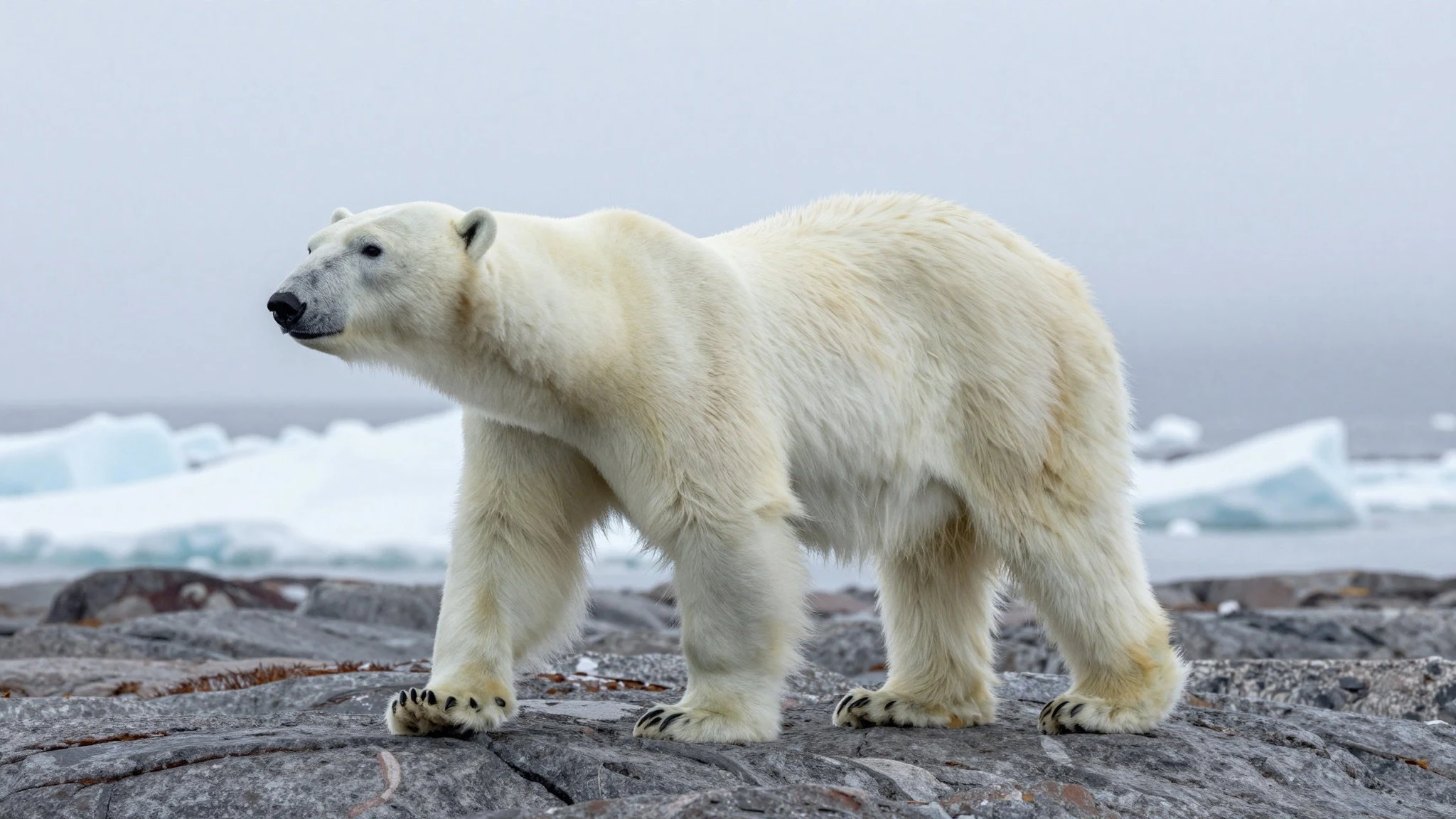
The waters around Cape Farewell are prime territory for spotting whales, seals, and walruses. On land, the rugged tundra may reveal musk oxen and reindeer, while polar bears occasionally wander the coastal fringes of the south.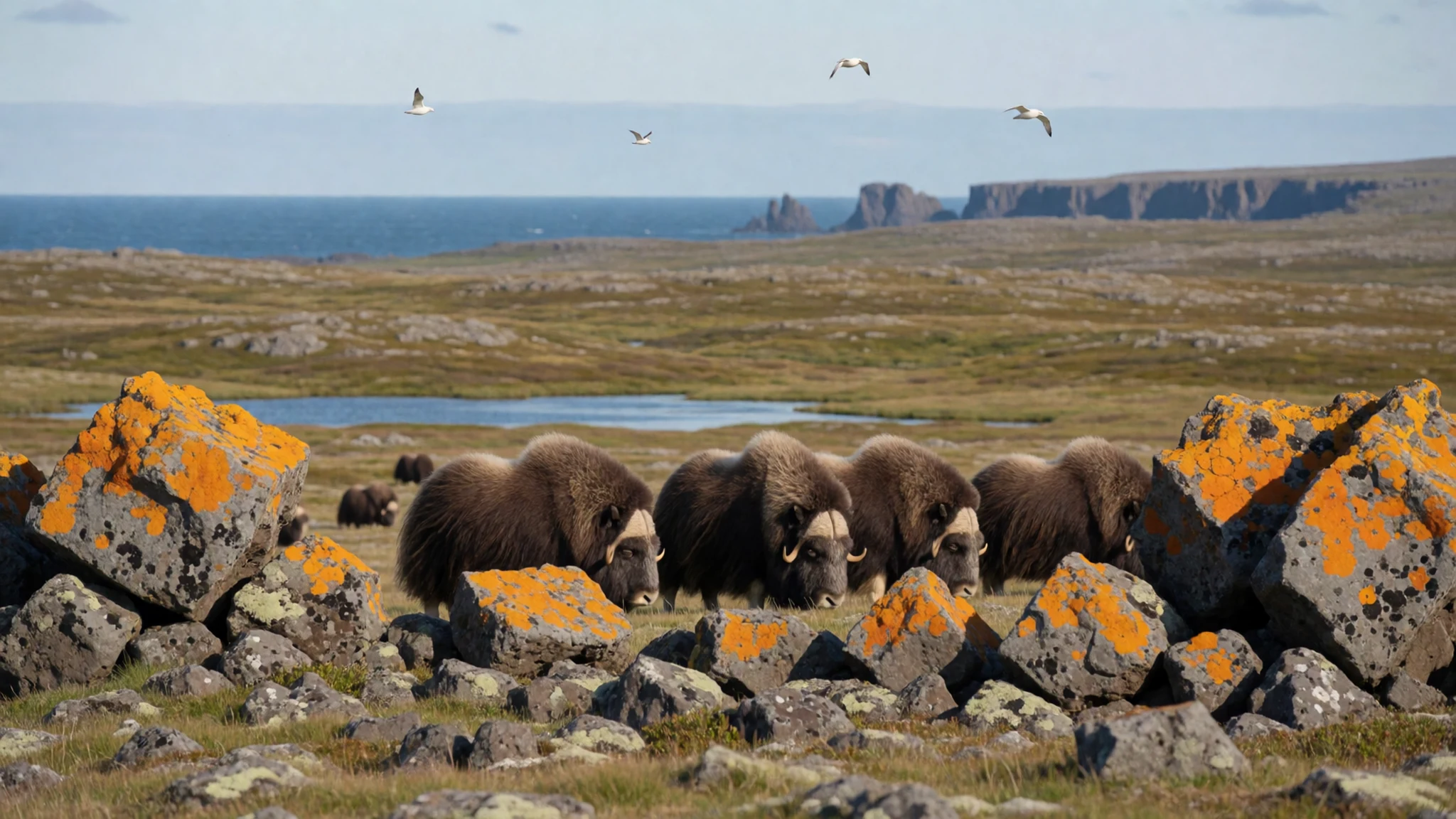
- Coastal Hiking
Beyond the few existing paths, the southern coast offers vast, open hiking. Because there is no private property ownership, travellers can explore offbeat locales, though expedition permits are required for glacier travel or specific protected areas.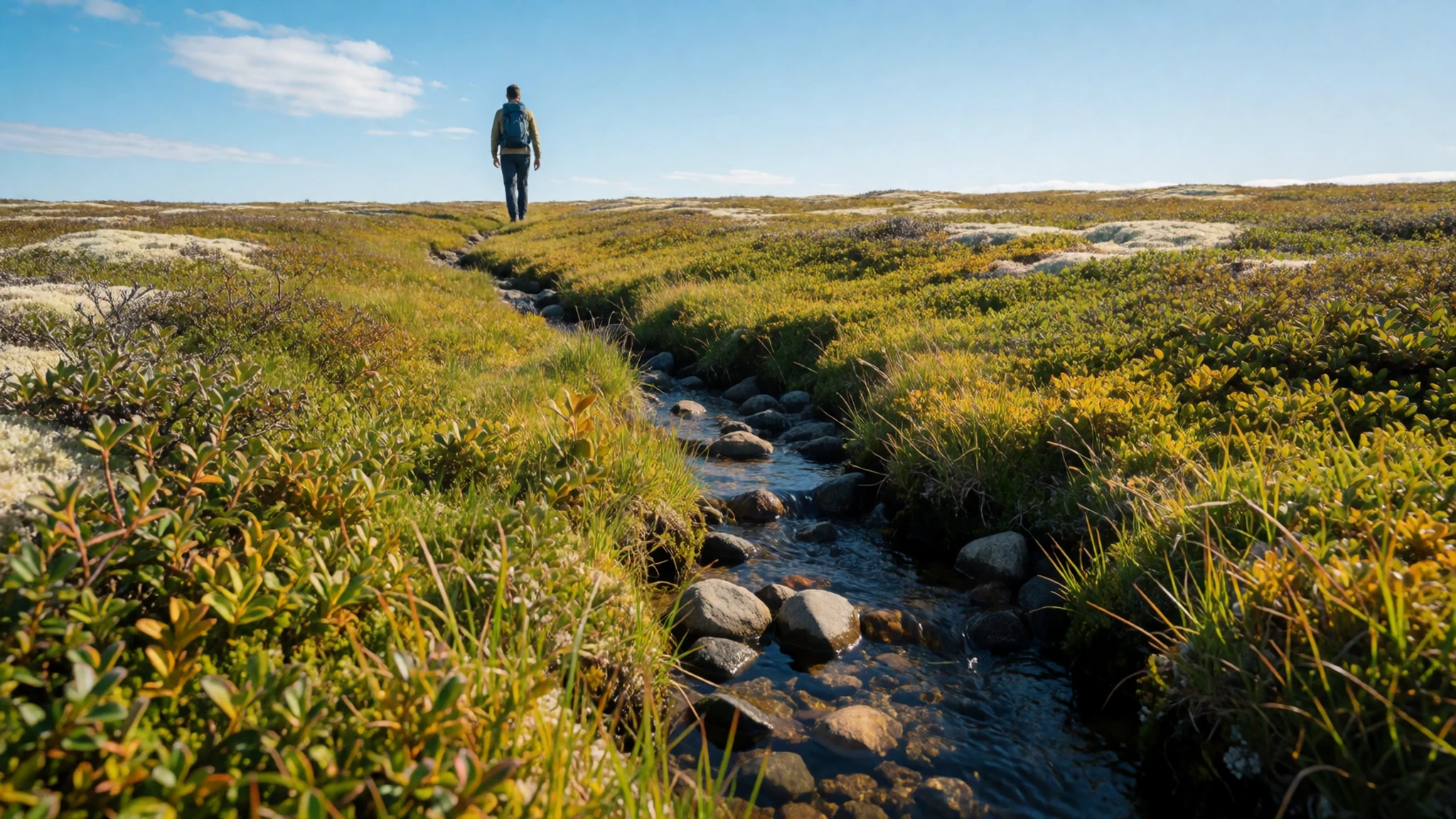
Culture
The culture around Cape Farewell is rooted in the resilience of the Kalaallit people. It is essential to use the correct terminology: the term 'Eskimo' is regarded as a racist slur and should be avoided entirely. The native inhabitants refer to themselves as Kalaallit, though 'Greenlander' is also acceptable. There is also a strong national identity here; while the territory is part of the Kingdom of Denmark, residents do not consider themselves to be 'in Denmark'.
Life in the southern settlements is quiet and community-focused. You will find that signs are rare in villages; most residents know where the shops and eateries are, and visitors are encouraged to simply ask for directions. There is a warm, understated hospitality, but it is paired with a deep respect for the dangers of the environment. The local way of life is dictated by the seasons, with the long winter nights fostering a culture of storytelling and indoor socialising. When visiting, remember that Greenlanders are proud of their separate national identity within the Nordic Council. Please avoid referring to the country as part of Denmark and instead use the term Kingdom of Denmark.
What to wear
Traditional dress in Greenland is crafted from the materials provided by the environment. Historically, this involved heavy skins and furs from seals, reindeer, and polar bears to withstand the extreme cold, often featuring intricate beadwork and embroidery on the collars and cuffs of women's coats. These garments are still worn during cultural festivals and formal occasions.
In daily life today, people wear a mix of modern Nordic outdoor gear and practical urban clothing. Waterproof jackets, thermal leggings, and sturdy boots are the standard for everyone, regardless of whether they are in a town or the wilderness. For visitors, the priority is layering. High-quality merino wool base layers, a fleece or wool mid-layer, and a windproof, waterproof outer shell are non-negotiable. Footwear must be waterproof and provide strong ankle support for the rocky, uneven terrain of the archipelago. In settlements, dress is casual, but modesty is appreciated in public spaces. Even in the summer, a warm hat and gloves are necessary as the wind off the North Atlantic can be piercing.
What to eat
- Local Seafood — local markets and village eateries
Freshly caught shrimp, fish, and seal are staples. These are typically served in local eateries across the southern region, often paired with European-style sides.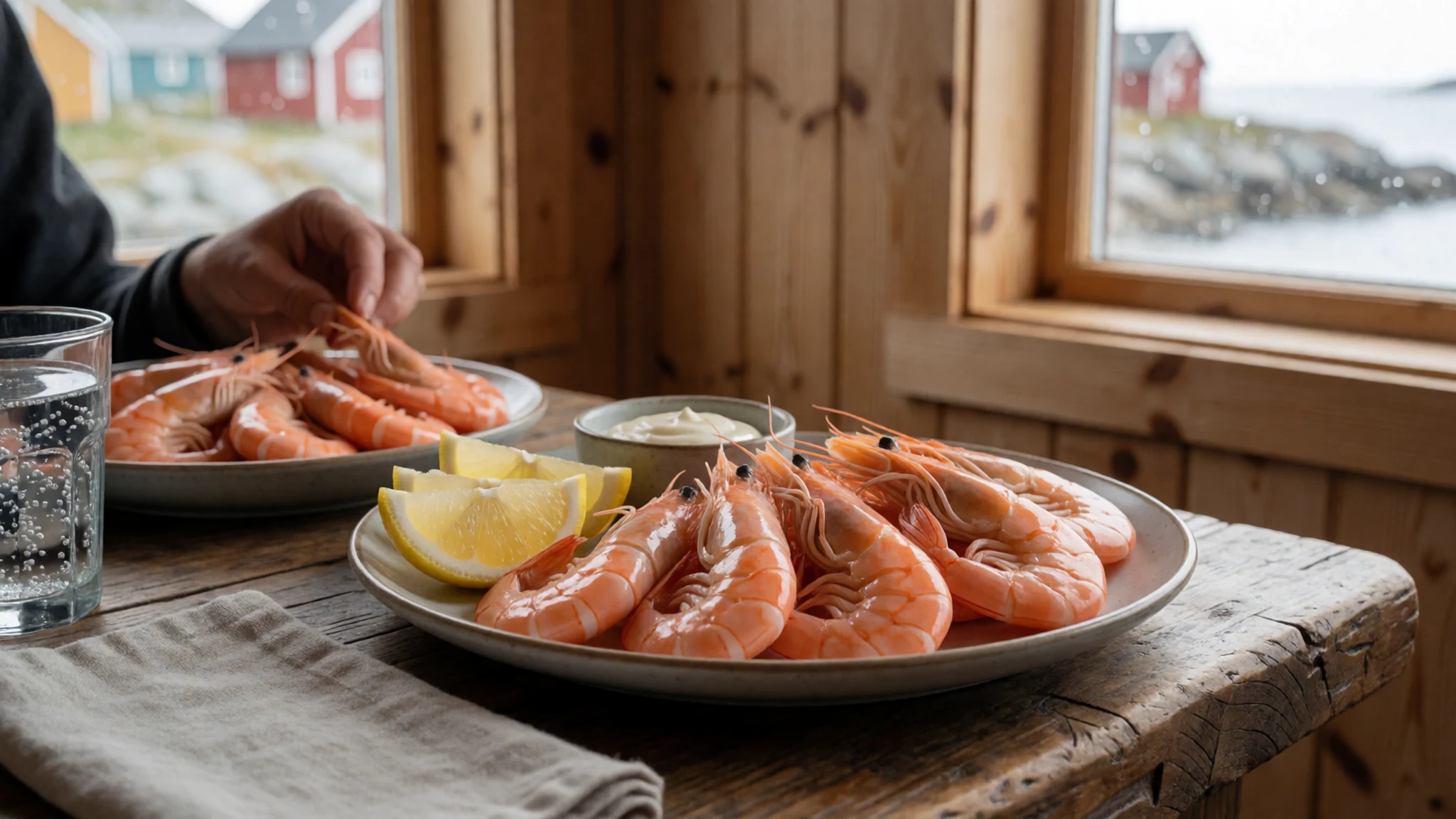
- Muskox and Reindeer — local restaurants in nearby settlements
Rich, lean meats from Arctic mammals. You will often find these traditional proteins integrated into unexpected dishes, such as caribou in a Chinese-style stir-fry.
- Greenlandic Coffee — local cafes and speciality eateries
A potent, spirited brew laced with whisky, Kahlua, and Grand Marnier. It is often served as a performance and is a favourite for warming up after a cold day. - Whale Meat — traditional restaurants in the region
A traditional delicacy that remains a part of the local diet. It is frequently found in local restaurants, sometimes surprisingly paired with Thai flavours.
Plan it
Best time. June to August for the midnight sun and milder temperatures; winter is for those seeking extreme cold and darkness.
How long. 3–5
Getting there. Fly into Nuuk or Qaqortoq, followed by chartered boat or helicopter transport to reach the remote southern archipelago.
Budget. high
Tips
- Pack professional-grade thermal layers regardless of the season
- Carry a passport; Greenland is not part of the Schengen Area
- Apply for expedition permits well in advance if planning glacier hikes
- Bring cash for small village shops where cards may not be accepted
- Prepare for high food costs as most produce is imported
Etiquette
- Never use the word 'Eskimo'
- Refer to the country as part of the Kingdom of Denmark, not just Denmark
- Ask locals for directions rather than searching for signs
Nearby
Sources
- Wikidata Q128097 (CC0)
- Wikipedia (CC BY-SA 4.0)
- Wikivoyage (CC BY-SA 4.0)
Wildlife
- Musk ox (animal)
Think of the muskox as a shaggy, hoofed Arctic animal in a thick coat, with a beard to match; its Inuktitut name, umingmak, means the bearded one. In Cape Farewell you may find it out on the rugged tundra, wandering the open land. Watch it well by keeping a generous distance, staying quiet and calm, and walking with a local guide who can read its mood. Use binoculars rather than steps, and never offer it food, however curious it seems.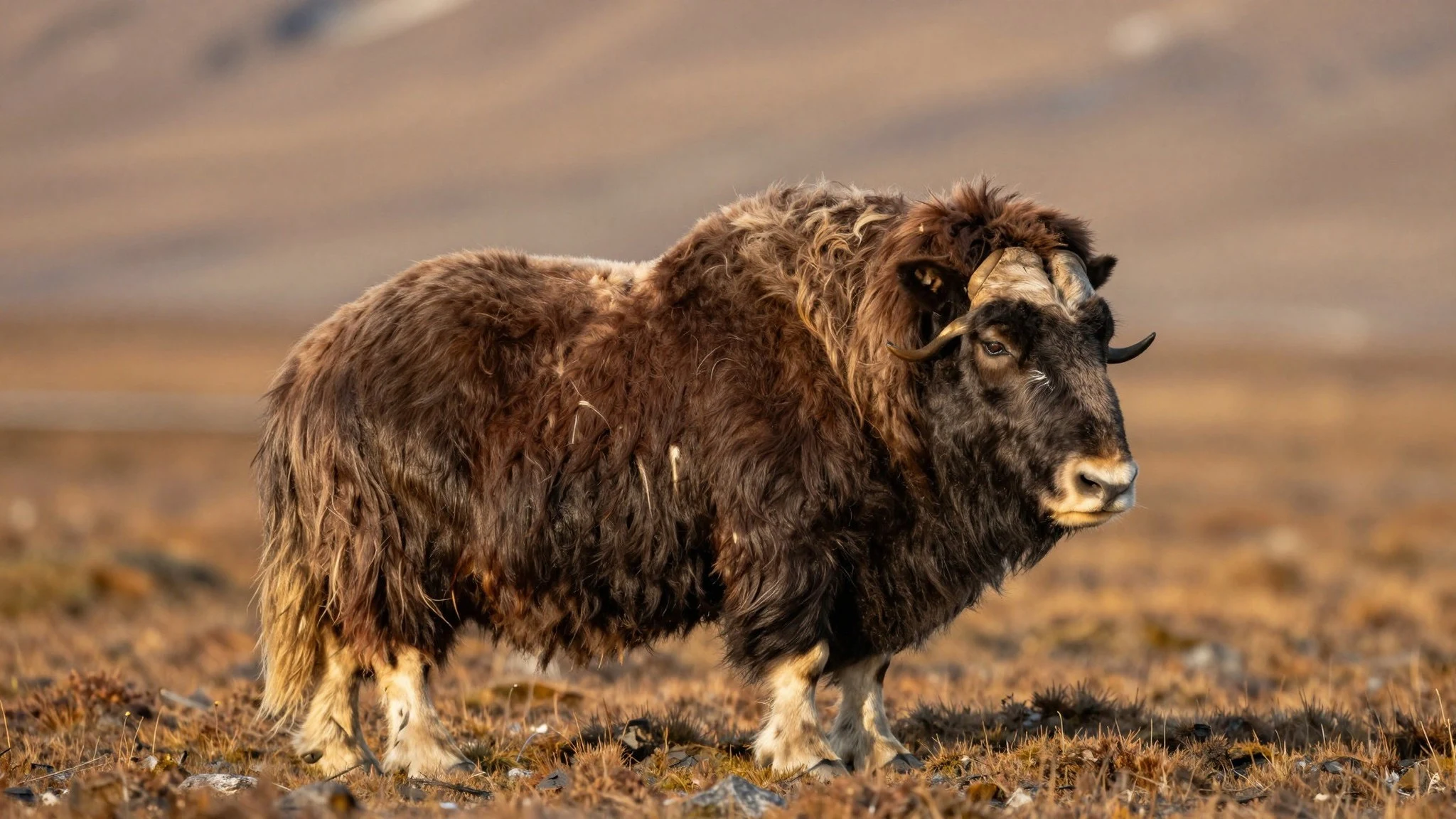
- Polar bear (animal)
The polar bear is the biggest bear of all, a pale-furred Arctic wanderer with black skin and broad paws that carry it over ice and through water. In Cape Farewell it is only an occasional visitor, sometimes drifting along the coastal edges of the south, so seeing one is rare luck. Watch from a safe distance, with a guide beside you, keep quiet and calm, and never feed it or tempt it any closer.