Helheim Glacier
Helheim Glacier, Greenland
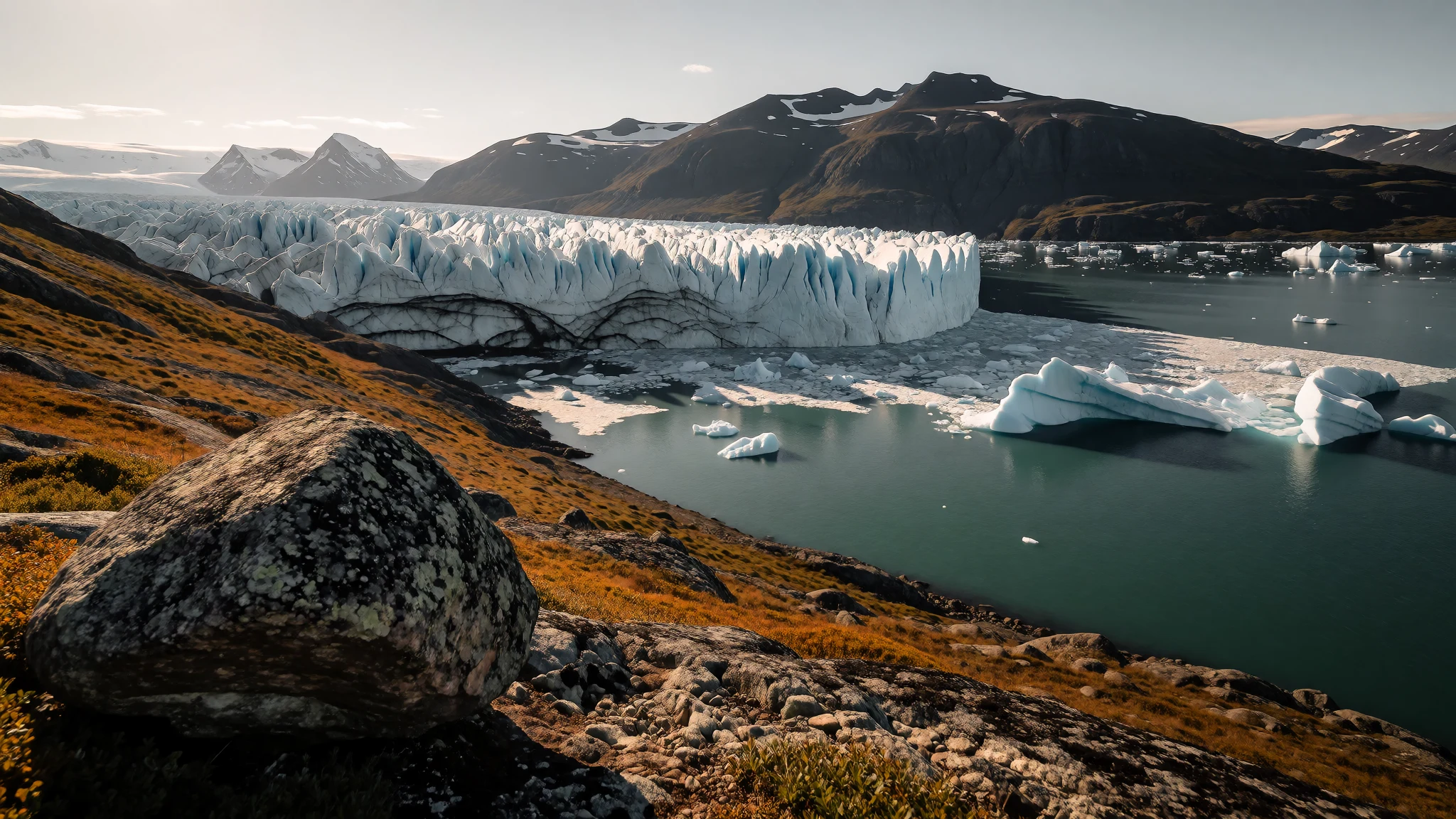
Helheim Glacier carries Greenland's inland ice down to an east-coast fjord, where huge slabs break away into the water.
The place
Helheim Glacier lies in the Sermersooq municipality of East Greenland, a long tongue of ice that drains the inland ice sheet towards the Atlantic coast. It runs roughly east-south-east and ends in Helheim Fjord, a northern branch of the Sermilik system, known in Danish as Egede og Rothes Fjord. Other glaciers reach the same waters, including Fenris and Midgard, so the fjord is crowded with bergs of every size.
There is no visitor centre, viewing platform or path here. Helheim is a working part of the Arctic landscape, and visits are usually made by boat on the fjord or on an organised trip out of the Tasiilaq area. Tasiilaq is the nearest town of any size and the sensible base, though the glacier is still a considerable journey beyond it.
Scale is what visitors should prepare for. A calving front is a wall of ice standing out of the water, and the sea in front of it is littered with fragments, so boats keep a respectful distance. The air stays cold even in summer, the light is hard and bright, and the quiet is broken by cracks and the splash of falling ice.
Helheim sits at about 66 degrees north, close to the Arctic Circle, in a country where most of the land is under ice. Many Greenlandic place names are plain descriptions of the land itself, so map labels can be more literal than they look. Travel in this region is slow and weather-dependent, and a flexible plan matters more than a tight itinerary.
Its story
Helheim Glacier borrows its name from Norse mythology, in which Helheim is the realm of the dead. Its neighbours in the Sermilik system carry similarly grim names from the same mythology, Fenris and Midgard among them, and together they give this stretch of coast a mythic air that the scenery earns.
The Icelandic sagas credit Erik the Red with choosing the name Greenland as a piece of marketing aimed at Icelanders thinking of emigrating. The name was a stretch, since ice covers most of the island, but the southern coasts where the Norse settled do turn green in summer, and were probably greener still in the warmer medieval centuries.
Helheim's modern story is a scientific one. Because the glacier ends in the fjord and sheds ice quickly, researchers have watched its calving front for years, and NASA survey flights have photographed it from the air. Its behaviour feeds the wider question of how Greenland's ice sheet responds to a warming climate, since outlet glaciers like this one are the channels through which inland ice reaches the sea.
For the people of East Greenland, the glacier is a neighbour rather than a monument, part of a coast where ice, sea and settlement sit close together. That perspective is worth holding on a boat trip, when the mood can turn reverent. It is a place that rewards patience, and on some days offers nothing but fog.
What to see
- The calving front — Helheim Fjord
Helheim's calving front is the reason to come: a cliff of ice meeting the fjord, with fresh breaks showing pale blue against older, dirtier surfaces. It is seen from the water, from a safe distance chosen by the boat crew, while NASA survey photographs show the scale from above. Conditions change daily, so treat any sighting as a gift.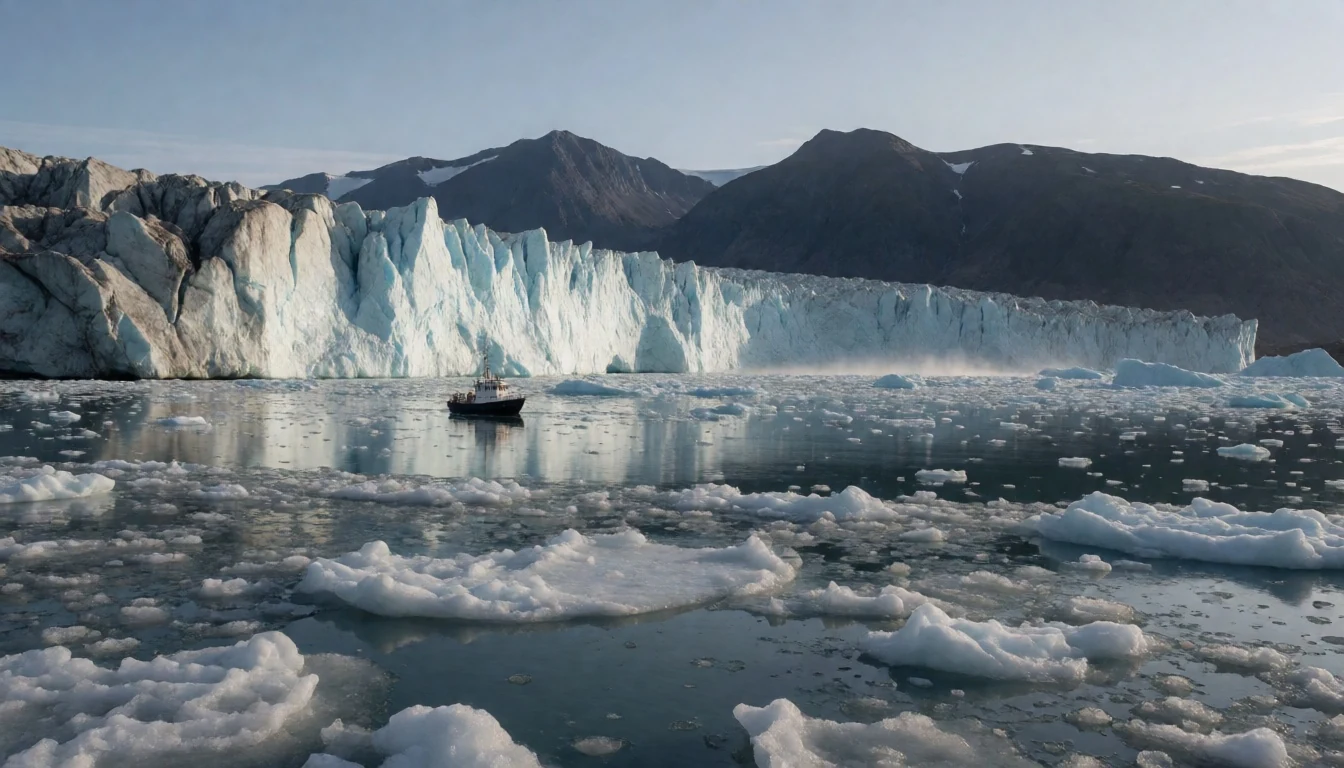
- Sermilik Fjord and its icebergs — Sermilik Fjord
Sermilik Fjord collects ice from Helheim and the neighbouring glaciers, so the water is full of drifting bergs, some sculpted into arches and spires, others low and flat. Boat trips from the Tasiilaq area can pass among them, depending on ice and weather. Keep well clear of any berg, since they can roll without warning, and expect the water to feel colder than the land.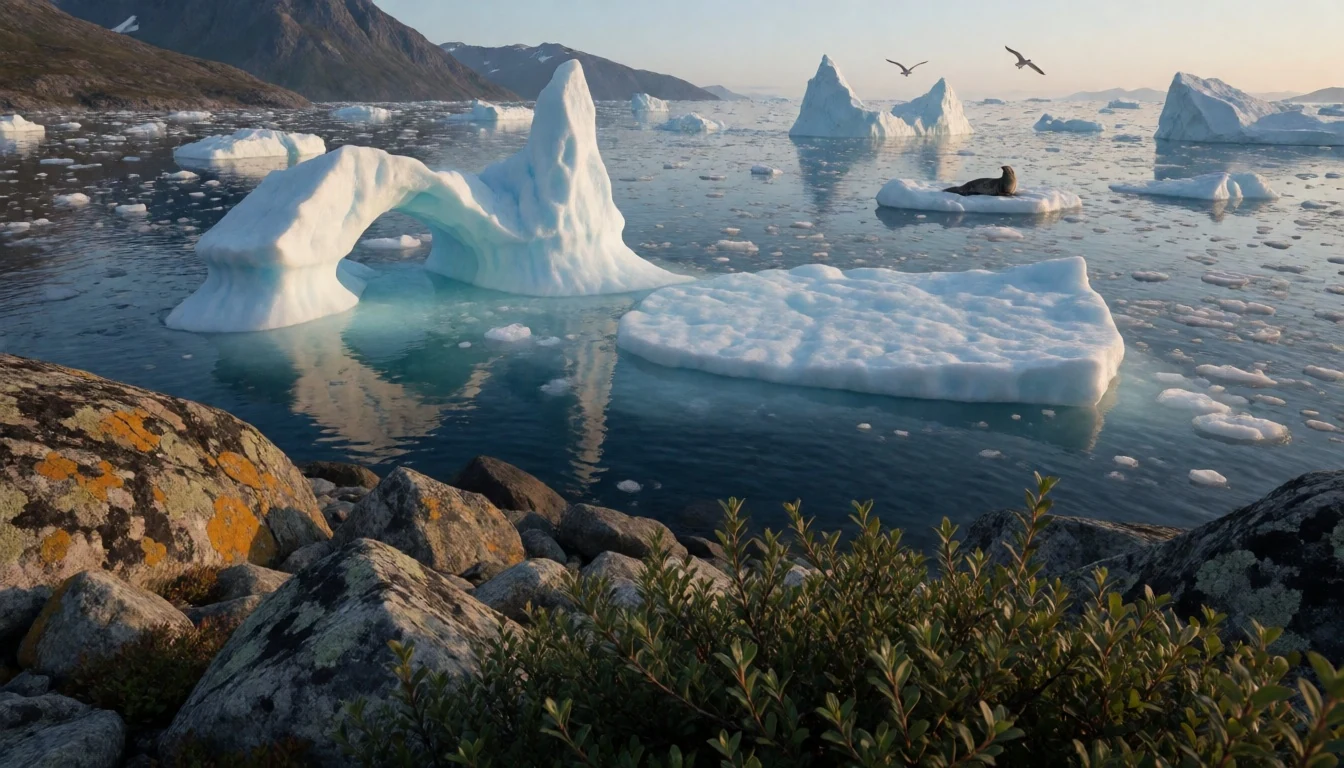
- Tasiilaq harbour and town — Tasiilaq
Tasiilaq is the main town of the region and the usual base for trips towards Helheim. Brightly painted houses climb a rocky slope above a working harbour, and the town has small shops and places to eat, plus guesthouses. Ask locally for directions or opening times; signs are scarce in Greenlandic towns, and everyone seems to know where things are.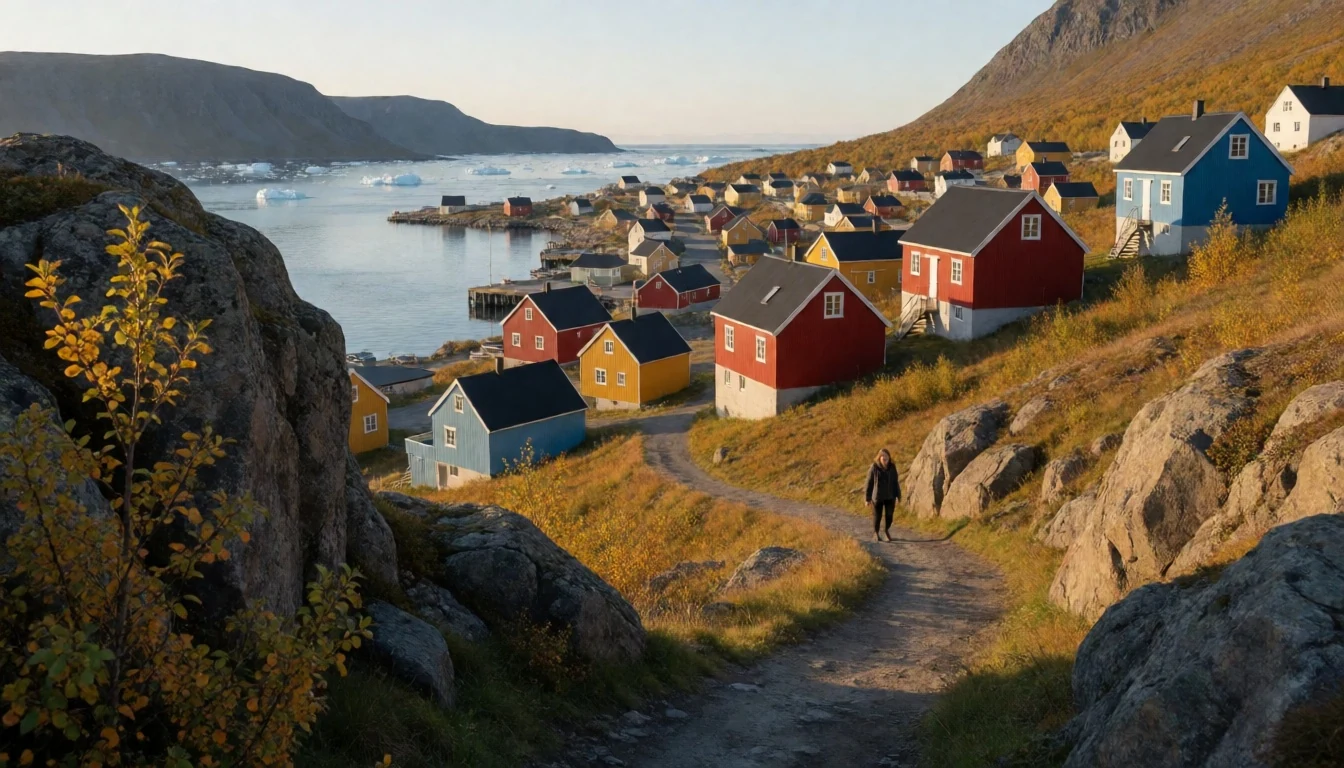
- Walks around Tasiilaq — Tasiilaq area
Greenland has no private land ownership, so walking near settlements is free, and the hills above Tasiilaq give views over the harbour and the ice-filled water. Paths are few, so route-finding takes care. Expedition permits are required for travel on the ice and in much of East Greenland away from the Tasiilaq area, so Helheim itself is best seen with an operator.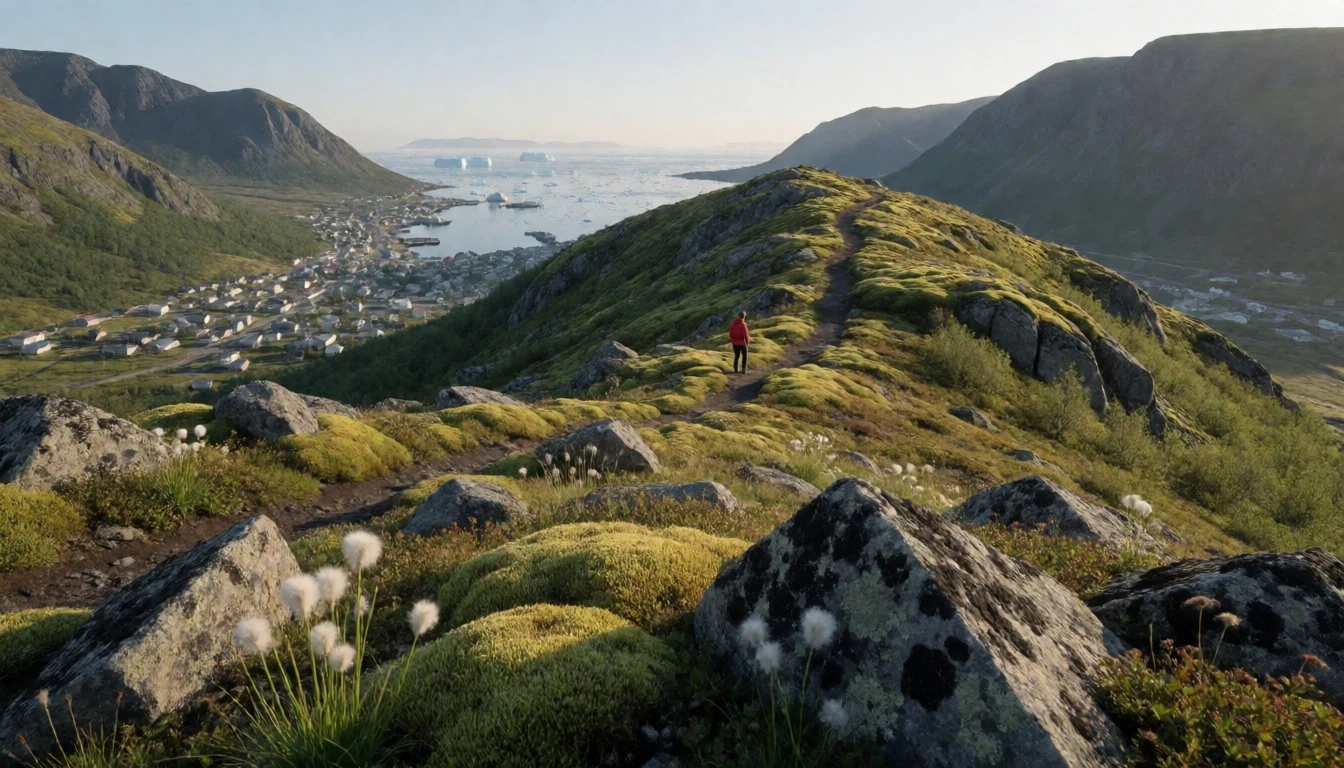
- Summer light and wildlife — Sermilik Fjord
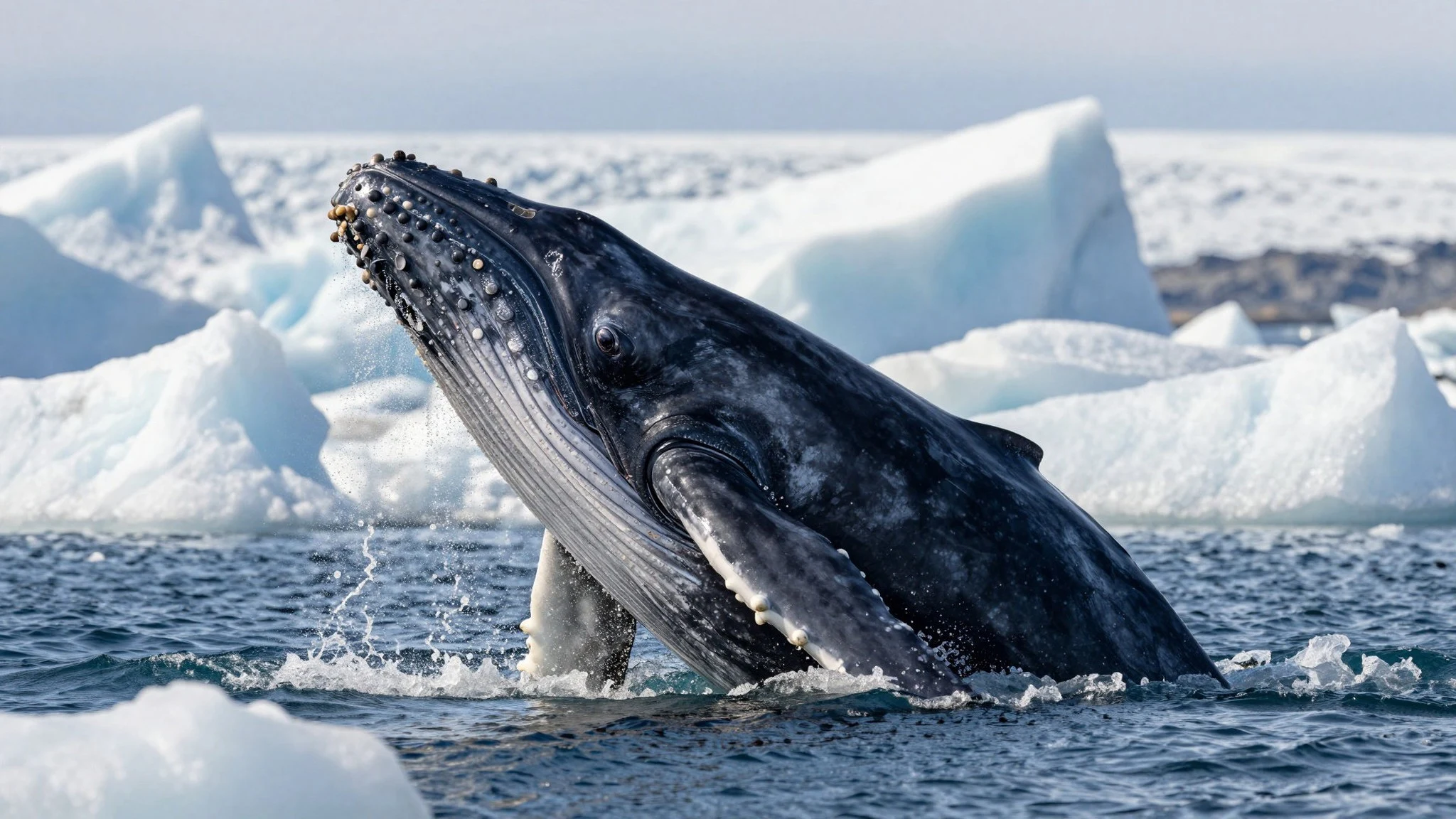
Around the summer solstice, the sky over East Greenland never gets fully dark, which stretches the useful day for boat trips and softens the light on the ice. Seals and whales live in Greenland's waters, so binoculars are worth packing, though sightings are never guaranteed and the fjord's ice can keep animals out of view.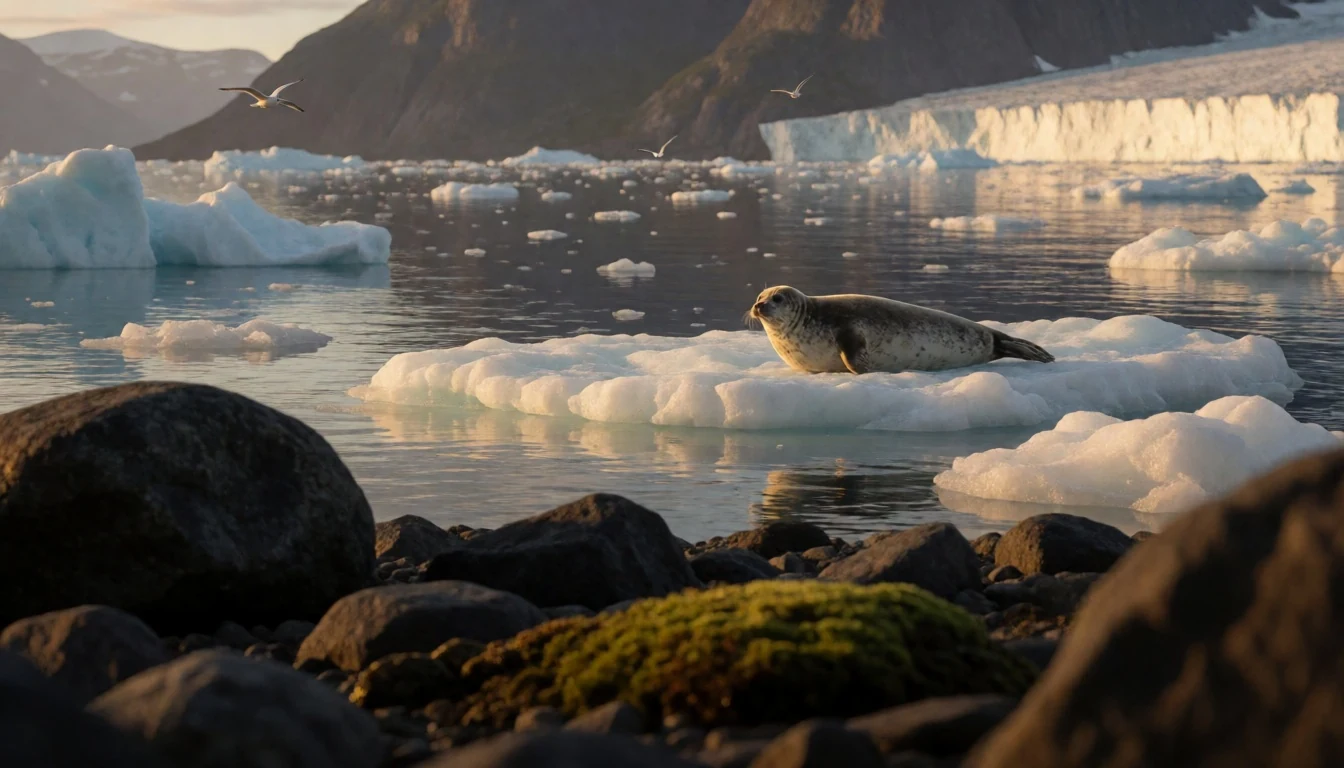
Culture
Helheim Glacier lies in a land whose Indigenous people call themselves Kalaallit, and 'Greenlander' is also acceptable. The old outsider term 'Eskimo' is now regarded as a slur and should never be used. Greenland has its own self-government within the Kingdom of Denmark, and Greenlanders consider themselves a nation apart, so saying you are 'in Denmark' will grate; 'the Kingdom of Denmark' is the phrase to use when sovereignty comes up.
Settlements on this coast are small, and daily life revolves around the sea, the ice and the weather. Hunting and fishing remain part of the economy and the table, so seal and whale meat are matters of livelihood rather than novelty, and the best response is to listen rather than lecture. Plans bend to fog, wind and drifting ice, and locals treat the delays as normal. A little patience is a form of courtesy here, and a few words of Greenlandic, even just a greeting, are warmly received.
Ask before photographing people, their homes or their hunting catch, and keep to the guide's instructions near the ice edge.
What to wear
Helheim Glacier is far from any shop, but the east coast around it keeps a strong tradition of dress. The national costume, kalaallisuut, is worn for confirmations, weddings and national celebrations. Women's versions centre on a broad collar of tiny glass beads in bold colours, worn with sealskin trousers and tall sealskin boots called kamiit, while men wear a simpler outfit. Sealskin, cloth and beadwork are the key materials, and details vary from region to region.
Day to day, people in Tasiilaq dress as they do across the north: waterproof jackets, wool hats, fleeces and sturdy work boots. Warmth and weatherproofing count for more than style, though kamiit are still worn for practical reasons in winter, and the national costume appears on holidays.
Visitors should dress for a cold, damp fjord even in summer: a base layer, a fleece or down mid-layer, a windproof and waterproof shell, a hat, gloves, and sunglasses for the glare off the ice. Boat trips are windier than they look, so carry an extra layer. Footwear should be waterproof with real grip for wet rock, mud and slippery harbour steps; wear boots, not trainers, and pack spare dry socks. Modesty norms are relaxed and nothing at the glacier demands covered shoulders, though neat clothing suits a church or a visit to a family home.
What to eat
- Greenland prawns — Local market or fish counter in Tasiilaq
Cold-water Greenland prawns are a staple, sold peeled and ready to eat at local markets and fish counters in town. They taste sweet and firm, and are best eaten simply, piled on bread with a little mayonnaise, or straight from the bag beside the harbour.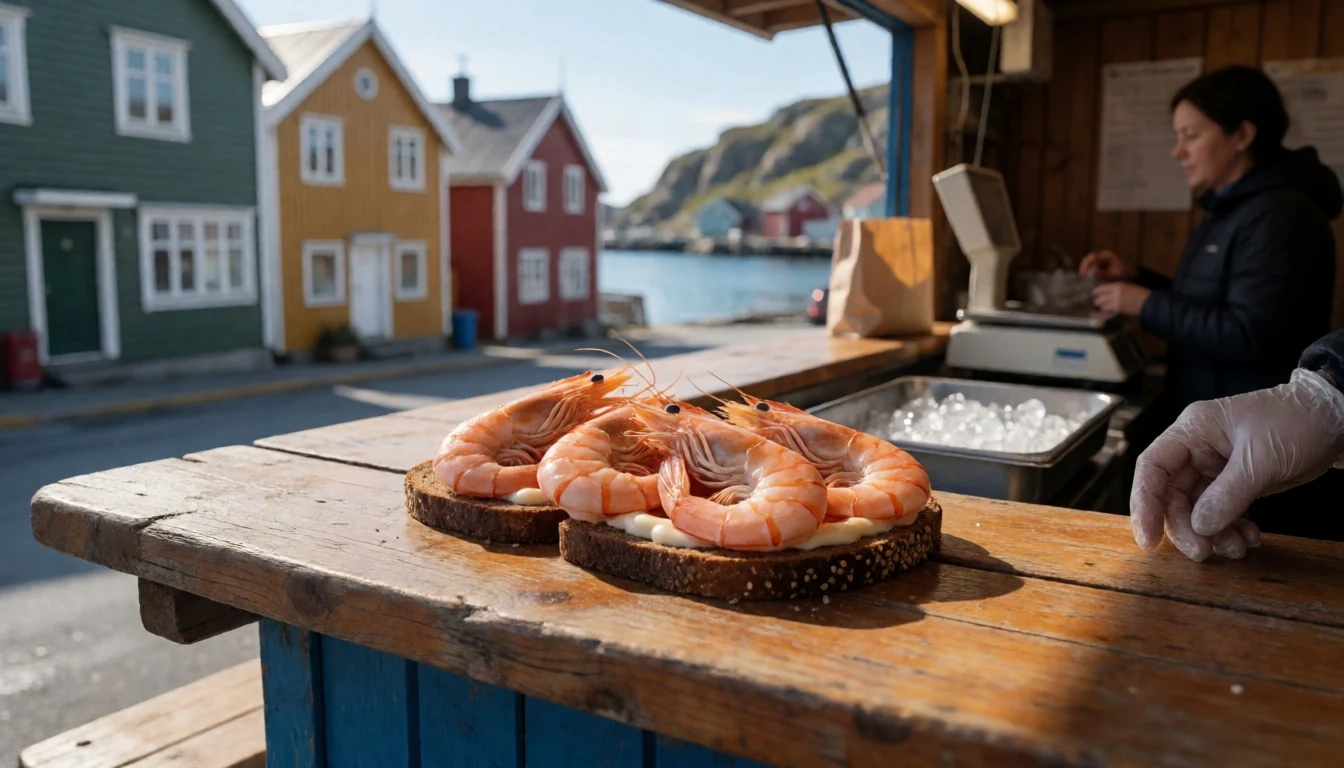
- Muskox — Town restaurants and the local market
Muskox is a shaggy Arctic grazer whose meat is lean and rich, somewhere between beef and game. Greenlandic kitchens serve it as steak, in stews, or thinly sliced as a starter. Look for it on the menu of a town restaurant, or ask at the local market.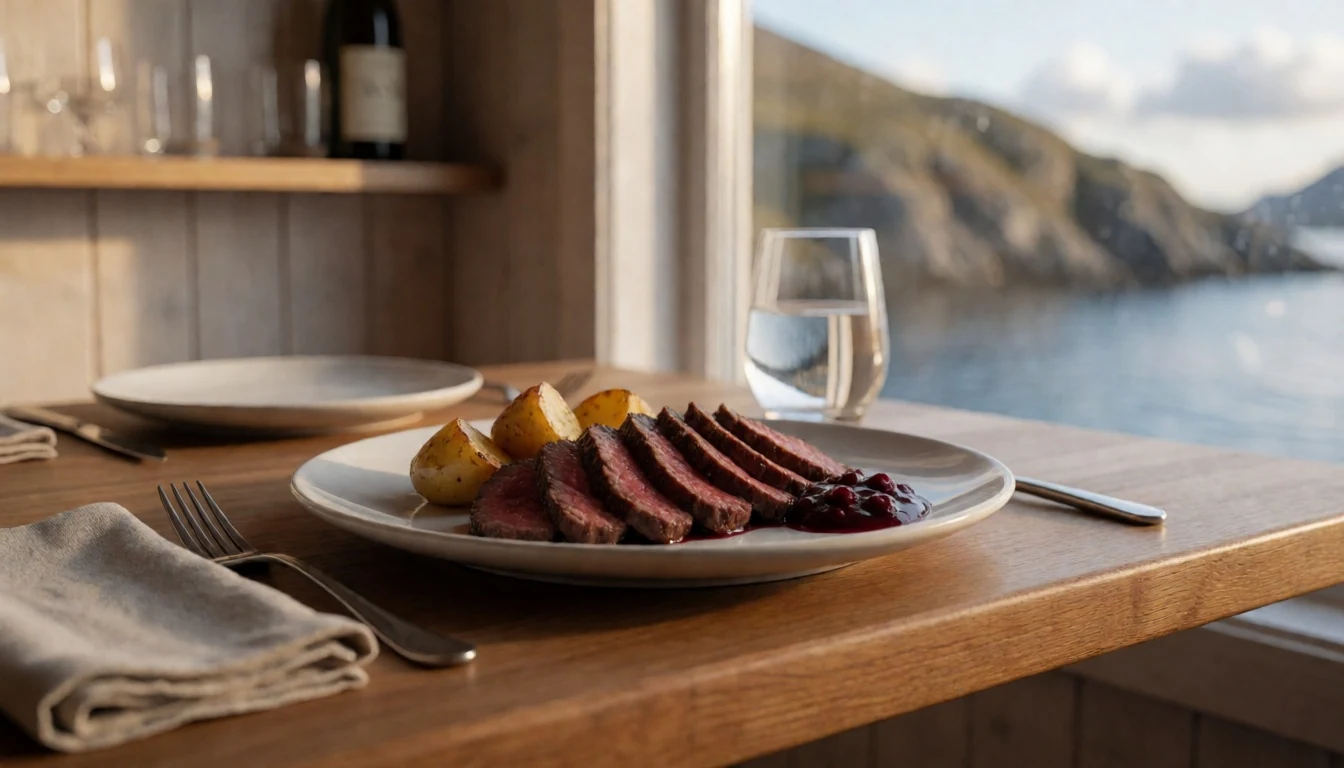
- Reindeer — Town restaurants and guesthouse dining rooms
Reindeer, known as caribou in North America, is a common alternative to beef, served as a roast or a pan-fried cut. Menus in Greenlandic towns often pair it with potatoes, since vegetables are costly. A town restaurant or guesthouse dinner is the likeliest place to try it. - Fresh local fish — The harbour, fish market or any town eatery
Fresh local fish, often halibut, Arctic char or cod, is grilled, pan-fried or simmered in a plain soup in Greenlandic kitchens. Ask at the harbour or the local market for what came in that day, and expect generous portions with potatoes. - Greenlandic coffee — Restaurant bars in Tasiilaq
Greenlandic coffee is a theatrical drink: hot coffee spiked with whisky, coffee liqueur and orange liqueur, sometimes made as a small show at the table. It is strong and warming after a cold boat day, and best treated as dessert. Find it in a town restaurant or bar.
Plan it
Best time. July to September is the practical window: boats are most likely to run, the days are long, and the light lingers around midsummer. Winter is dark, very cold and largely closed to visitors; June and October are shoulder months with less certain trips.
How long. 4–6
Getting there. Fly to Kulusuk, usually via Iceland, then take a helicopter or boat to Tasiilaq; check Air Greenland and local operators for current schedules. Helheim itself is reached by boat or an organised expedition from the Tasiilaq area, weather permitting.
Budget. high
Tips
- Book flights, helicopters and boat trips well ahead, and keep spare days at both ends because weather often delays small-craft travel.
- Greenland sits outside both the EU and the Schengen area, so check entry rules and your passport before booking; a separate visa may be needed.
- Prices are high and fresh vegetables are dear, so bring snacks and any medication, and carry a card plus some cash for small shops.
- Pack for cold even in July: windproof layers, hat, gloves and sunglasses, plus insect repellent for the summer mosquitoes.
- Use a local operator for any trip towards the glacier, as expedition permits apply to travel on the ice.
Etiquette
- Ask before photographing people, their homes or their hunting catch.
- Say 'Greenlander' or 'Kalaallit', never 'Eskimo', and refer to the 'Kingdom of Denmark' rather than 'Denmark'.
- Keep a safe distance from calving ice and follow the boat crew's instructions.
Nearby
Sources
- Wikidata Q5704716 (CC0)
- Wikipedia: Helheim Glacier (rev 1362419455) (CC BY-SA 4.0)
- Wikivoyage: Greenland (rev 5381839) (CC BY-SA 4.0)
- Photo: Relief location map of Greenland, Uwe Dedering, via Wikimedia Commons (CC BY 3.0)
- Photo: Helheim Glacier calving front, NASA/Wallops, via Wikimedia Commons (Public domain)
- Photo: Helheim glacier, Jim Yungel (NASA), via Wikimedia Commons (Public domain)


Wildlife
- Ringed seal (animal)
The ringed seal is a small, earless seal whose coat is dotted with dark spots circled by pale rings, as if someone had doodled on it. Seals live in Greenland's waters, though no particular season or hour is promised, and ice in the fjord can hide them from view. Pack binoculars, keep a respectful distance, speak softly, go out with a guide, and never feed them.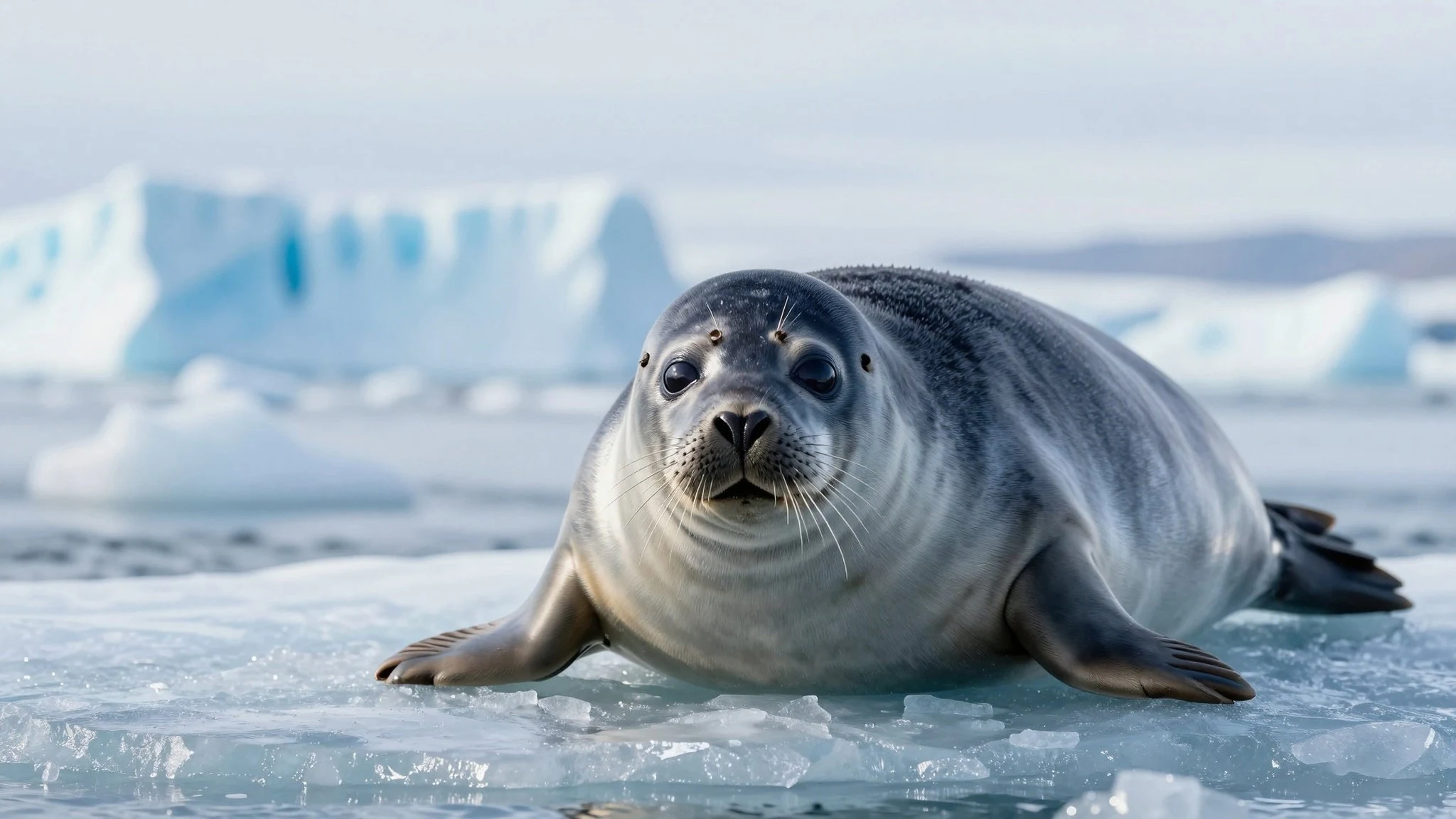
- Humpback whale (animal)
The humpback whale is a giant of the sea that leaps, splashes and, in the case of the males, sings. Look for its long flippers and the bumps on its head. Whales live in Greenland's waters, but sightings are never guaranteed, and fjord ice may keep them out of view. Bring binoculars, watch from far away, stay quiet, travel with a guide, and never feed it.