Ilhéu Caroço
Ilhéu Caroço, São Tomé and Príncipe
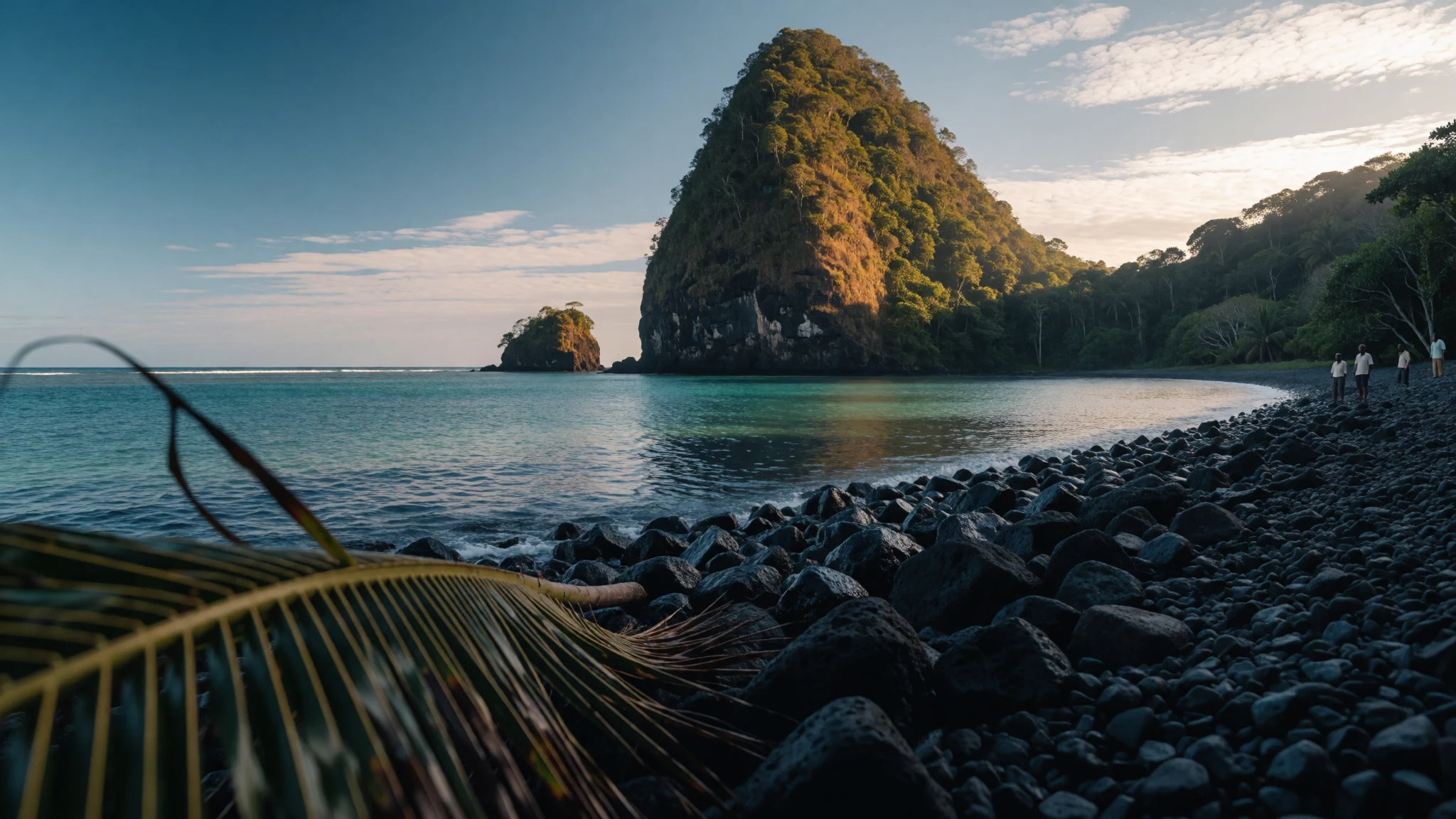
Ilhéu Caroço is a steep, forested, uninhabited rock cone off Príncipe, best enjoyed from the water on an equatorial island with few visitors.
The place
Ilhéu Caroço is an uninhabited islet in the Gulf of Guinea, part of São Tomé and Príncipe, lying about 2.5 km south-east of the island of Príncipe. It is also called Ilhéu Boné de Jóquei, meaning Jockey Cap Island, and the shape explains the name: a steep, rocky, tree-covered cone that climbs to 305 m straight from the sea. The land area is well under half a square kilometre, and a much smaller islet sits just off its coast. Nobody lives here, and there is no village, jetty or path to describe, so the place is best understood as a landmark seen from elsewhere, from Príncipe's shores and from boats. The country around it straddles the Equator, west of Gabon, and consists of two main islands about 259 km apart. Outsiders sometimes call the whole nation 'São Tomé', but that is only the name of the larger island. Rainforest covers almost 90 per cent of the islands, and the same dense green clings to Caroço wherever the rock allows. Tourism is light and the infrastructure modest, so a visit here means small guesthouses, few signs and a great deal of quiet. For a traveller the islet is a reason to look out to sea: a dark, pointed silhouette that changes with the light, standing over water that holds reefs, turtles and dolphins.
Its story
Ilhéu Caroço has no recorded settlement of its own, so its story is that of the islands around it. São Tomé and Príncipe were empty of people until Portuguese navigators arrived in the late fifteenth century and claimed them. Sugar came first, then coffee and cocoa in the nineteenth century, all grown on plantations worked by enslaved labour, and forced labour of one kind or another lingered into the twentieth century. Many of those estates, called roças, are still standing, some slowly swallowed by rainforest and others restored. Príncipe also has a place in the history of science. In 1919 the astronomer Arthur Eddington brought a team here to photograph stars near the Sun during a solar eclipse, a test of Einstein's theory of relativity. A plaque on the island marks the spot. Independence from Portugal came in 1975, followed by a long wait for multiparty politics. Since then the economy has leaned heavily on cocoa, which has suffered from drought and poor management, and the country imports most fuel, manufactured goods and a good deal of food. Tourism is seen as a way forward, and so far it has grown gently. Through all of this the rocky cone of Caroço has simply stayed offshore, too steep to farm and too small to settle, which is why it still looks as it must have to the first sailors.
What to see
- Ilhéu Caroço from the Príncipe shore — Southern coast of Príncipe
The islet itself is the sight. Its steep, wooded cone rises to 305 m and is best viewed from the Príncipe coast or from a boat at a respectful distance. Landing is not an everyday option, so ask local guides and boat operators on Príncipe what is possible and safe.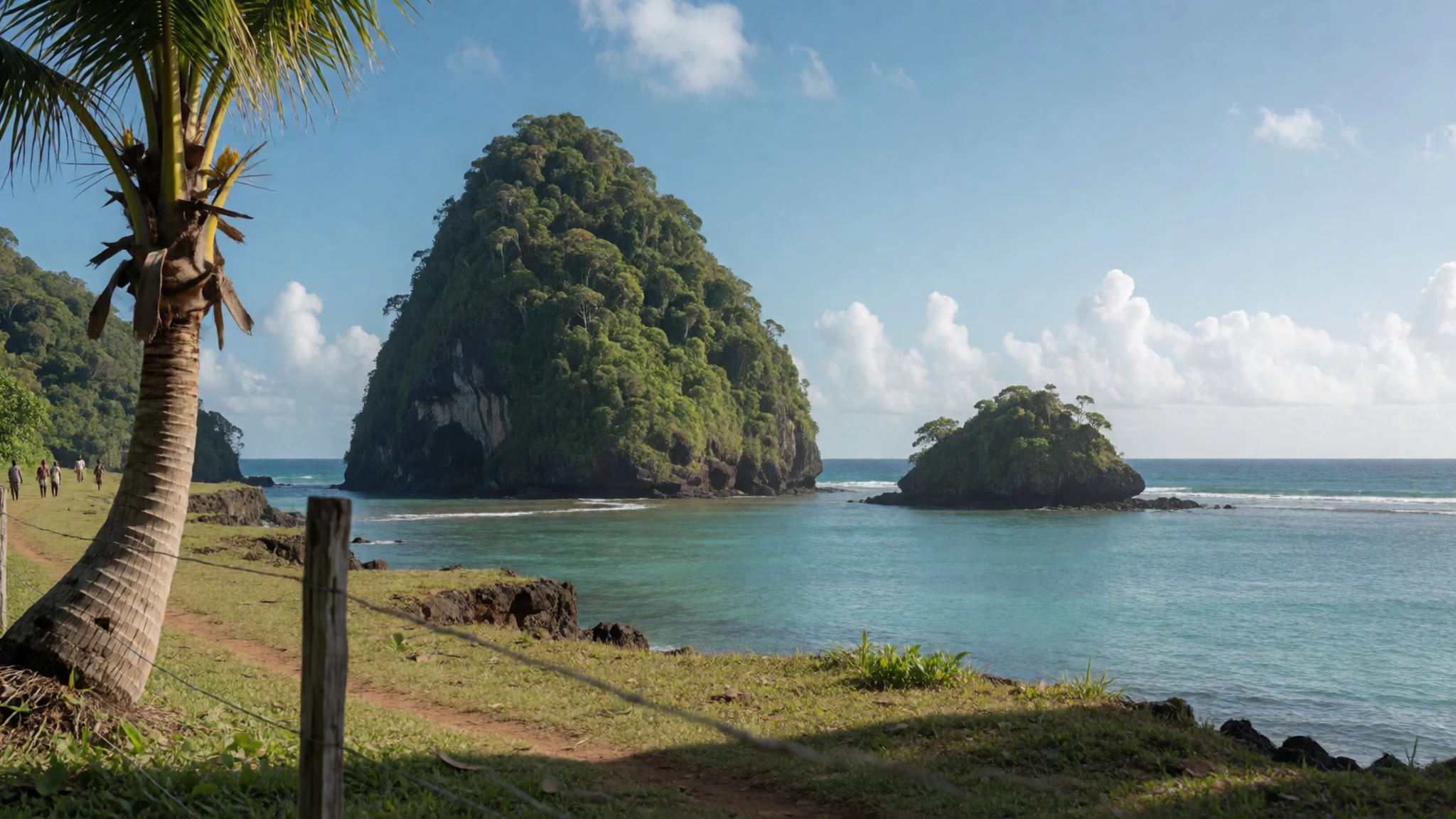
- Eddington's plaque — Príncipe
In 1919 Arthur Eddington and his team came to Príncipe to photograph stars during a solar eclipse and test Einstein's ideas. A plaque commemorates the expedition. It is a short, quiet stop for anyone who likes the idea that a remote equatorial island once helped change physics.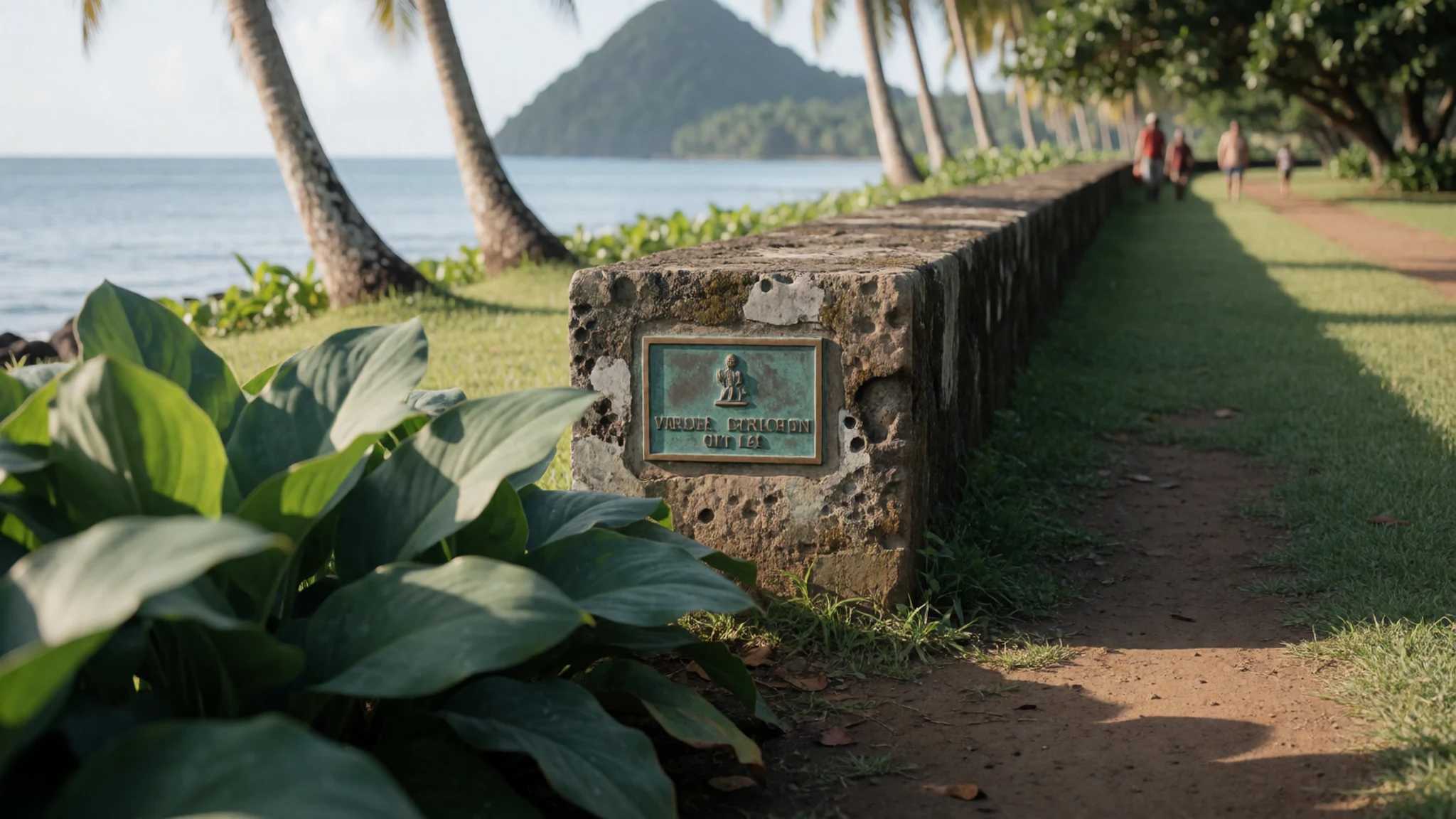
- Santo António — Northern Príncipe
Santo António is the main town of Príncipe, small enough to walk across in minutes. Several modest pousadas, or guesthouses, can be found here. It makes a practical base for arranging guides, boat trips and onward travel, and gives a sense of everyday island life.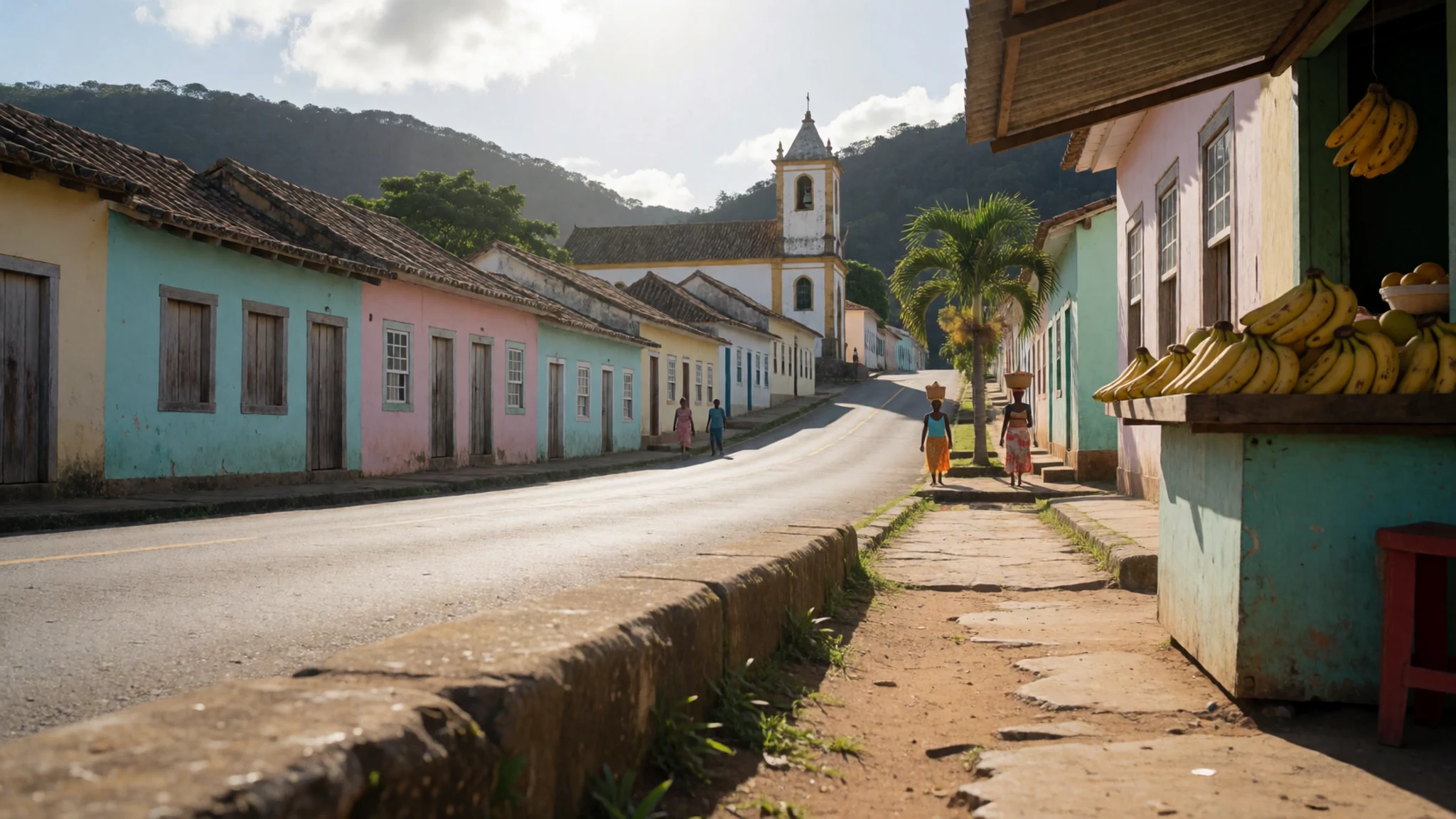
- Roças, the old plantation estates — Across both main islands
A tour of a former cocoa or coffee estate is the best way to understand the islands' past. Conditions vary, from centuries-old buildings being reclaimed by forest to carefully restored ones that take guests. The history of enslaved labour is part of every visit, so go with a guide who explains it.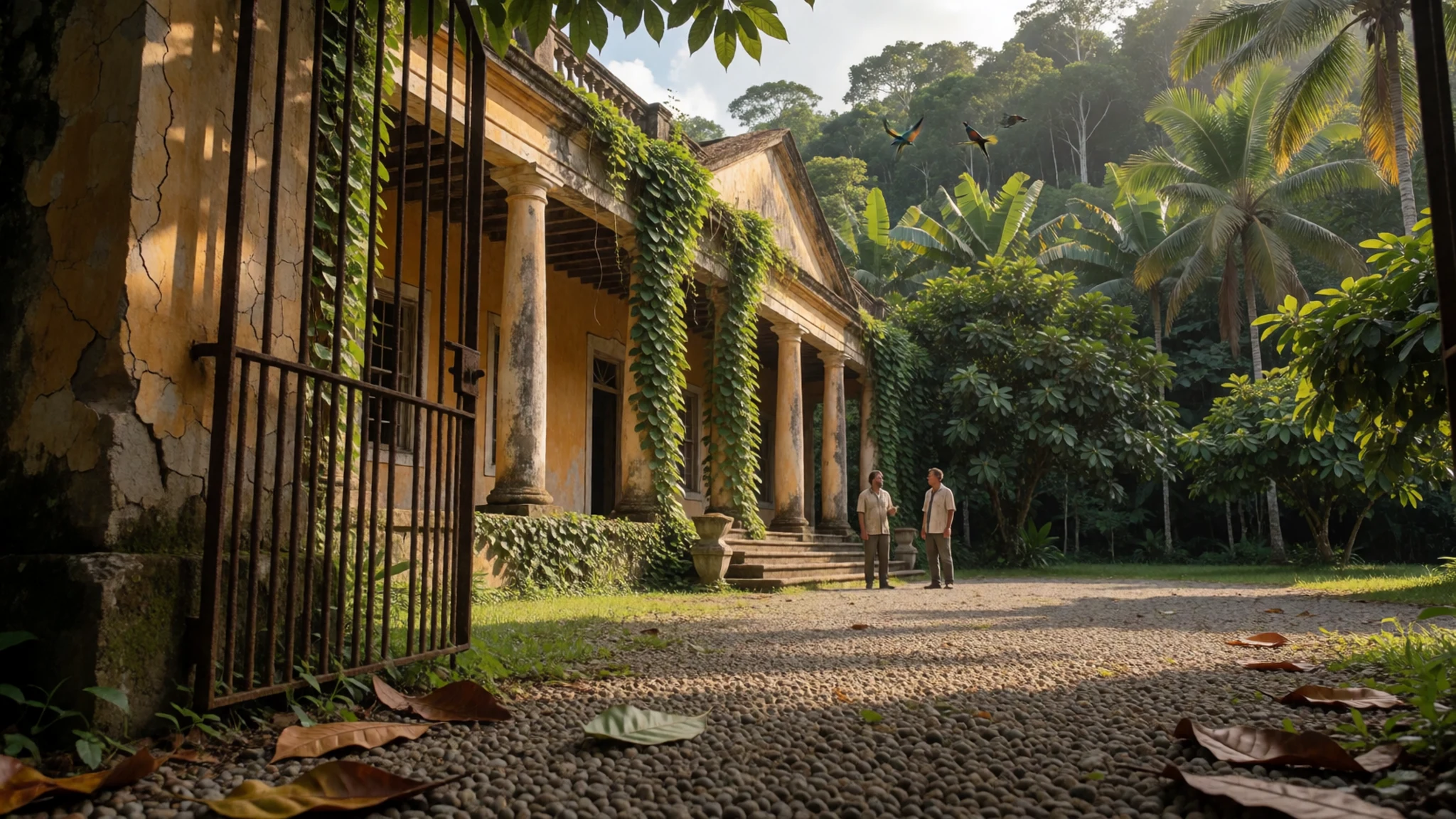
- Reefs, snorkelling and diving — Coastal waters around Príncipe
Coral reefs lie just offshore, with plenty of fish life, green turtles and sometimes dolphins. Snorkelling and diving are the natural way to see the islands' underwater side. Go with a local operator who knows the currents, and ask them about conditions near the islet.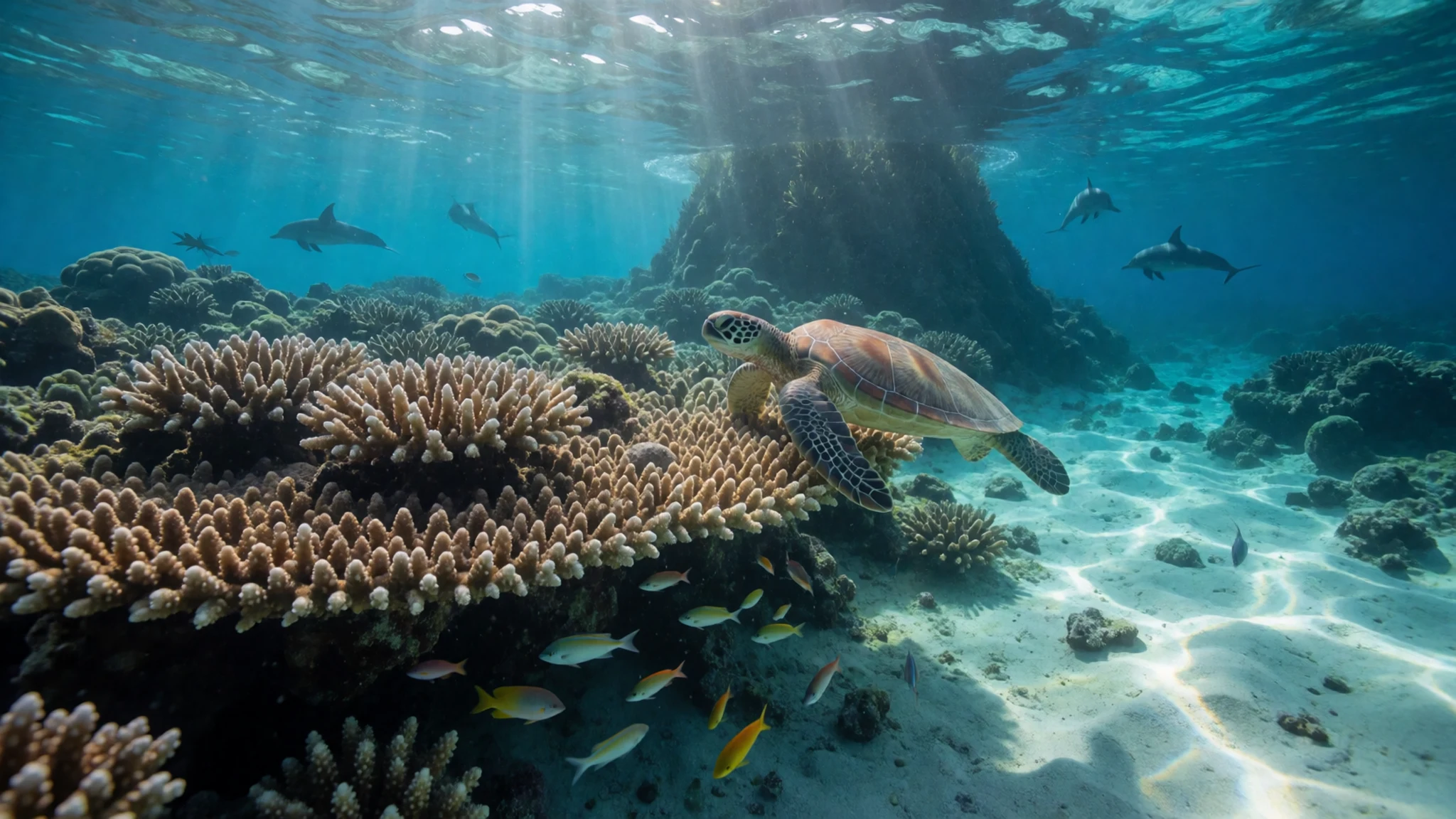
- Bom Bom Island — Off the north coast of Príncipe
Ilha Bom Bom is a small island off Príncipe with a resort of bungalows set among palm fronds, facing the bay. Even if you are not staying, it shows how tourism is being built here: small in scale, tied to the water and surrounded by forest.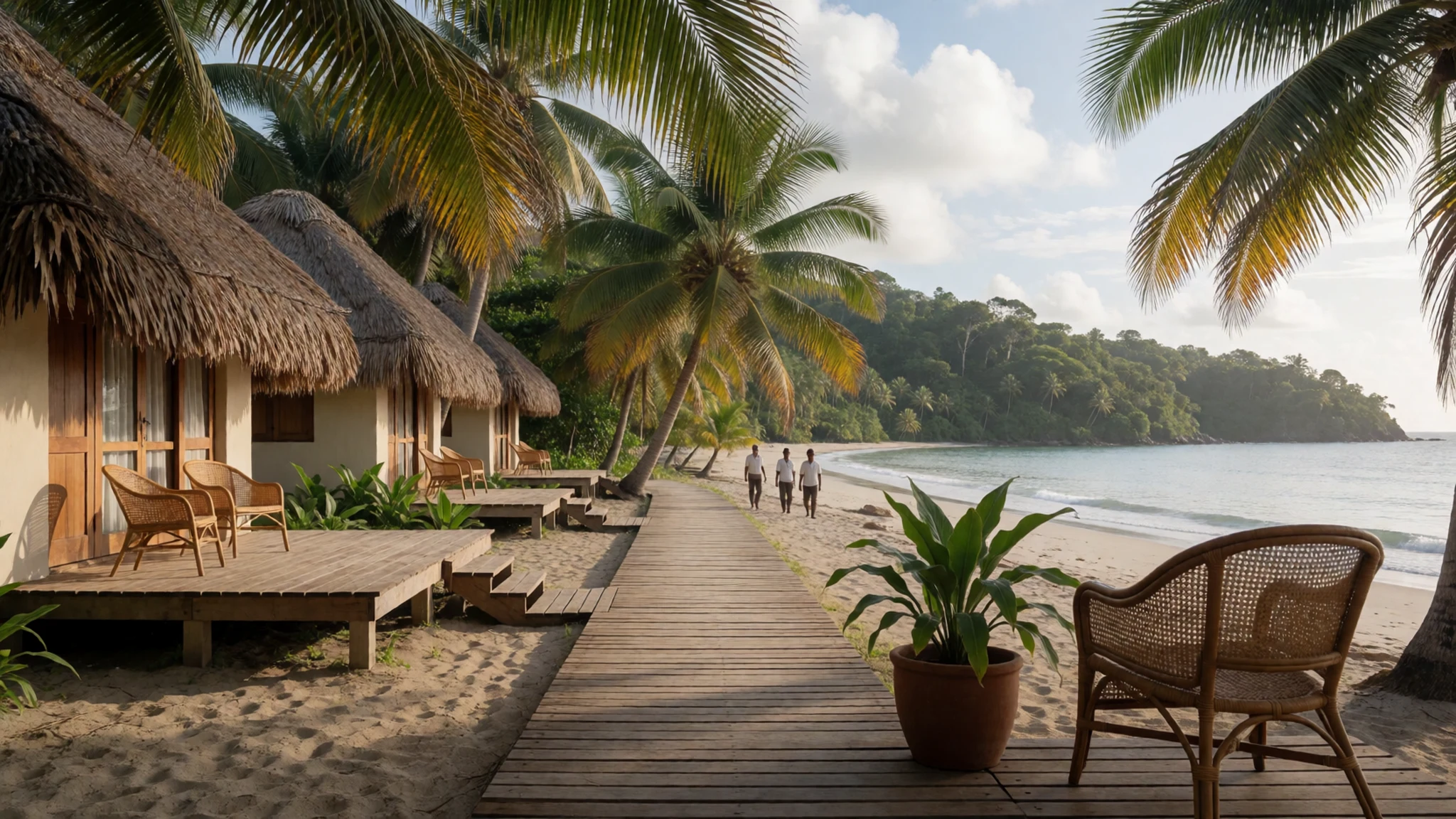
Culture
Ilhéu Caroço has no community of its own, so the culture around it is that of Príncipe and the wider country, a blend of African and Portuguese influences. Portuguese is the language of daily administration and of many conversations, and the islands' music shows the mix clearly. São Tomé is known for the ússua and socopé rhythms, while Príncipe has its own dêxa beat. Portuguese ballroom dancing probably left its mark on these styles. Tchiloli, a dramatic musical performance that tells a story, and the danço-Congo, which joins music, dance and theatre, are part of the living tradition, and village festivals are the best place to see them. Football is the most popular sport, and a pitch of any quality draws a crowd in the evening. Life on Príncipe is unhurried: people greet each other, shops close for stretches of the day and plans shift with the weather and the boats. The legacy of the plantation era is still visible in old estate buildings and in family histories, and local people may be willing to talk about it. Treat these subjects with care, and listen more than you ask. When you photograph a person, a family or a home, ask first and accept a refusal with a smile.
What to wear
Ilhéu Caroço is uninhabited, so there is no dress tradition of its own, and the clothing described here belongs to São Tomé and Príncipe as a whole. Traditional dress is closely tied to festivals and performance. Dancers and actors in tchiloli and danço-Congo wear costumes built from bright, printed cotton, with colour and ornament varying by role. The country shares the West and Central African love of wax-print cloth, which is often tailored into wraps, dresses and shirts for celebrations and church. Day to day, most people dress simply and practically for heat: cotton shirts, light dresses, shorts, sandals and rubber footwear, with a smarter outfit saved for Sundays and public occasions. Football shirts are everywhere. Visitors should dress for a hot, humid equatorial climate, with light, quick-drying fabrics, a hat and sun protection. Bring a light rain jacket, since showers can arrive suddenly. Sturdy shoes with good grip are worth packing for muddy forest paths and roça visits, and sandals or water shoes suit boats and beaches. Away from the beach, cover shoulders and knees in towns, villages and churches, as local people generally dress modestly. Swimwear belongs on the sand and on boats, not on the street. Long trousers and closed shoes are sensible when walking through undergrowth, where snakes are possible.
What to eat
- Grilled or stewed fish — Fishing villages and small eateries along the coast
Fish is the staple here, often grilled or cooked in a spicy sauce. The catch varies by season, and flying fish appear at certain times of year. The best examples come from simple coastal eateries where the boats land.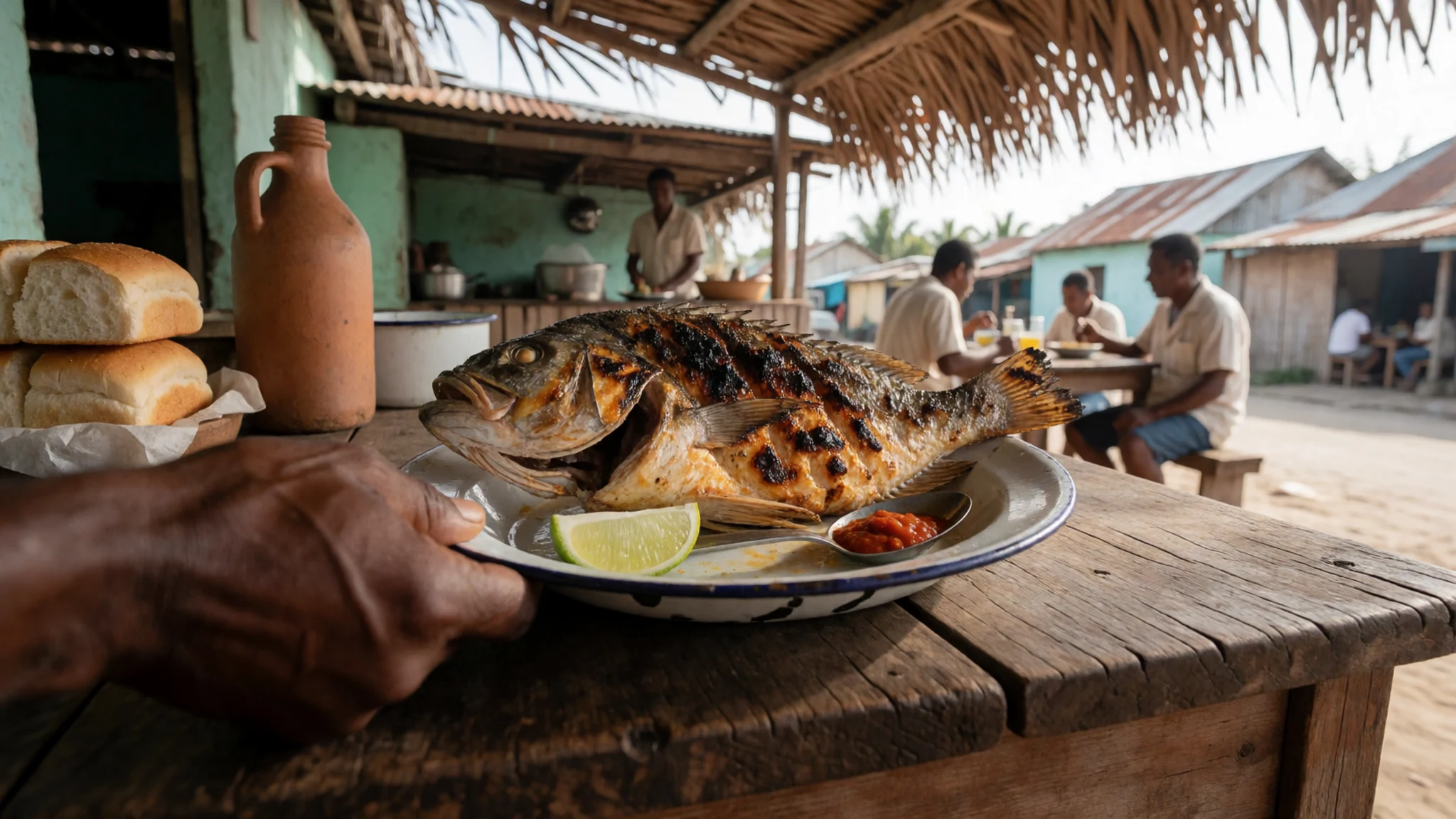
- Breadfruit and mashed banana — Served alongside fish at local restaurants and homes
Breadfruit and cooked, mashed bananas are the usual starchy partners to fish. They are filling and mild, and balance the heat of the spices. Expect them at almost any local meal.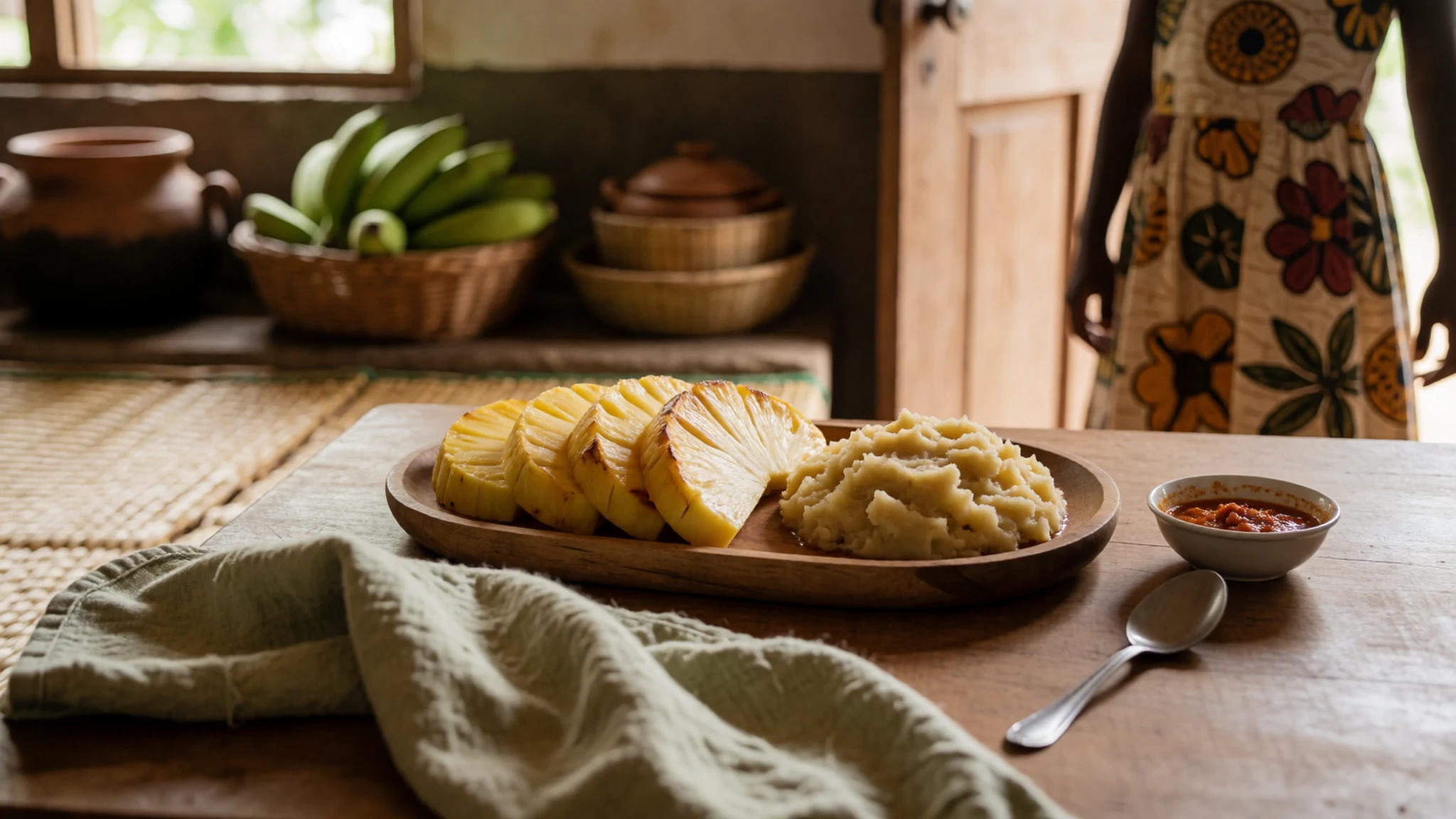
- Tropical fruit — Roadside stalls and village markets
Papaya, mango, pineapple, avocado and bananas grow plentifully and appear in markets and at breakfast. Eat what is in season, and ask for it freshly cut. - Búzios, land snails — Inland villages and home-style eateries
Búzios are large land snails, and people living inland who cannot easily buy fish or meat rely on them for protein. They are an honest taste of everyday island food. - Palm wine — Roadside vendors inland
Palm wine is sold very cheaply by vendors along the road. It is lightly sweet and ferments quickly, so drink it fresh. Local beers such as Creolla and Rosema are easier to find, and Portuguese vinho verde is a popular partner for fish.
Plan it
Best time. June to September is the usual dry season, with less rain and easier sea conditions for boats and diving. The islands sit on the Equator, so heat and humidity stay high all year and showers can come at any time. Check conditions with local operators before booking boat trips.
How long. 3–5
Getting there. The only way into the country is by air, normally landing on São Tomé island, the capital's airport being the main gateway. From there, take a domestic flight or a boat connection to Príncipe, then arrange a local guide or boat in Santo António to view Ilhéu Caroço from the water. Check current schedules with the airline, and check visa rules for your nationality before you travel.
Budget. mid
Tips
- Book flights and guesthouses early, since there are few of either
- Arrange boat trips and guides through local operators, and ask what is possible near the islet
- Carry some cash, as card payment may not work everywhere
- Bring sun protection, insect repellent and a light rain jacket
- Watch your step on forest paths; the black cobra lives on São Tomé island and usually slithers away from people
Etiquette
- Ask before photographing people or their homes
- Greet people politely and learn a few words of Portuguese
- Take your rubbish with you from beaches and boats
Nearby
Sources
- Wikidata Q1658463 (CC0)
- Wikipedia: Ilhéu Caroço (rev 1364036111) (CC BY-SA 4.0)
- Wikivoyage: São Tomé and Príncipe (rev 5324699) (CC BY-SA 4.0)
Wildlife
- Green sea turtle (animal)
The green sea turtle is a large sea turtle that takes its name from the greenish fat under its shell, even though the shell itself is olive to black. It feeds only on seagrass. Around Ilhéu Caroço, look for it near the coral reefs just offshore, where fish are plentiful. Watch from a respectful distance, stay calm and quiet, go with a guide, and never feed it.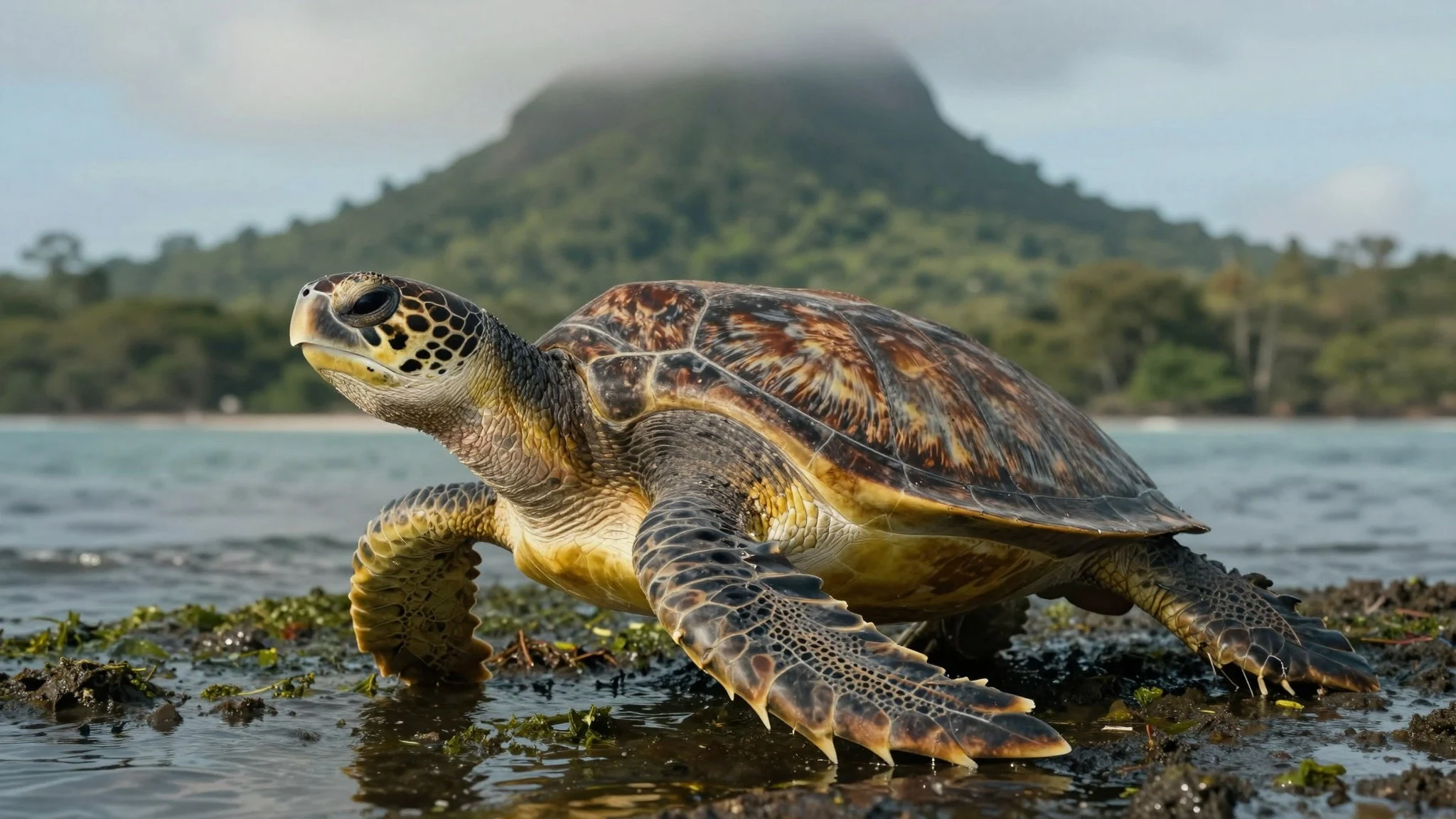
- Bottlenose dolphin (animal)
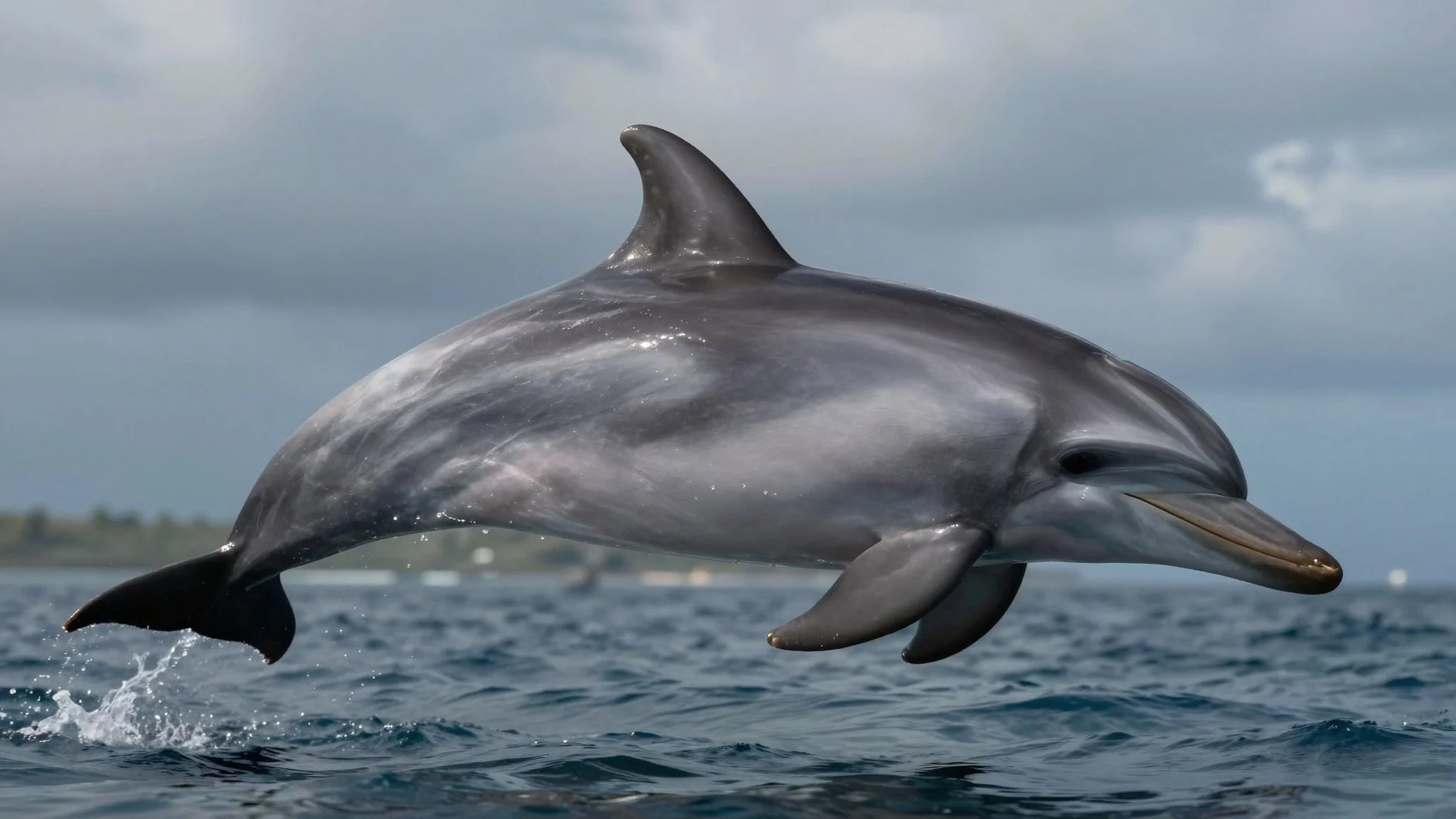
The common bottlenose dolphin, also called the Atlantic bottlenose dolphin, is a member of the bottlenose group of dolphins, and experts suspect it may one day be split into several kinds. Off Ilhéu Caroço it is only sometimes seen, in the waters by the coral reefs close to shore. Keep well back, stay quiet, go with a guide, and never feed the dolphins.