Príncipe
Príncipe, São Tomé and Príncipe
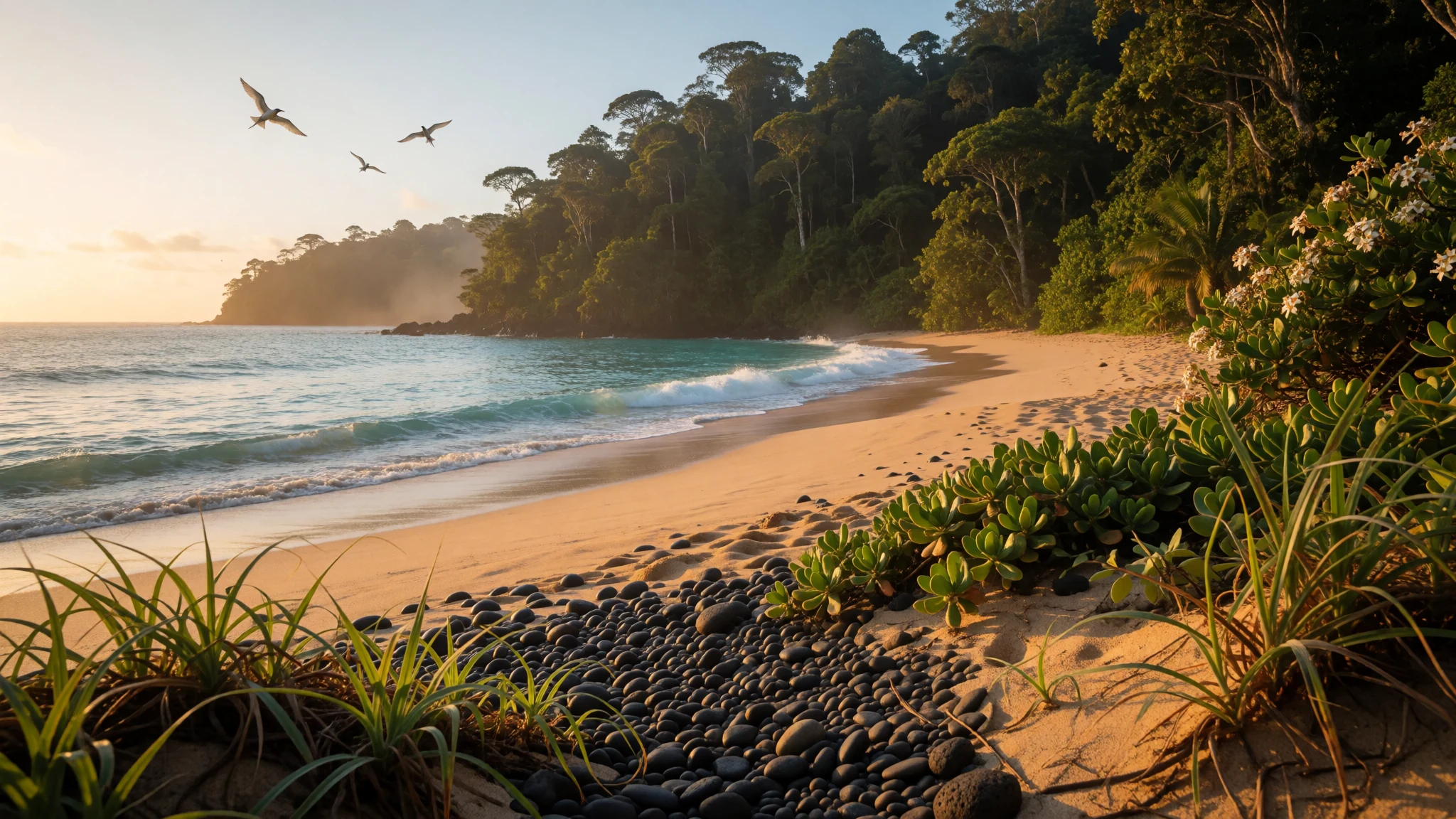
Príncipe offers secluded volcanic shores, pristine rainforests, and an undisturbed tropical paradise far from mass tourism.
The place
Príncipe is the smaller, northern major island of the nation of São Tomé and Príncipe, situated in the Gulf of Guinea off the western coast of Africa. Spanning a compact territory formed by a heavily eroded ancient volcano, the island features dramatic relief culminating in the south at a towering peak that reaches nearly a thousand metres in elevation. Dense tropical trees and lush rainforests blanket almost the entire interior landscape, surrounding visitors with rich endemic birdlife, unique amphibians, and isolated coastal strands. Tiny outlying islets such as Ilheu Bom Bom, Ilhéu Caroço, and the distant Tinhosa rocks dot the surrounding blue ocean waters. As the main constituent of an autonomous regional authority and district, Príncipe maintains a very small resident population numbering just over seven thousand people, ensuring that its coastal paths, quiet fishing villages, and verdant valleys remain remarkably peaceful and untouched by modern congestion. The local community sustains itself through small-scale agriculture, fishing, and traditional land management, while the surrounding environment provides a natural sanctuary for rare flora and fauna found nowhere else on earth.
Its story
Príncipe was entirely uninhabited when Portuguese navigators first sighted its shores late in the fifteenth century, initially naming the territory after Saint Anthony before royal decree reassigned the title in honour of a Portuguese prince. Early colonial administrators established defensive installations including coastal fortifications to protect against maritime raids, and the northern lowlands were subsequently cleared to create extensive agricultural estates using forced labour. These plantations transitioned over generations from sugar cultivation to become a dominant global producer of cocoa, transforming the island's economic output during the colonial era. Following independence, many of these expansive agricultural operations gradually subsided, allowing the aggressive rainforest to reclaim the cultivated hillsides and plantation ruins. Beyond its agricultural heritage, Príncipe secured a permanent place in scientific history when British astronomers led an expedition to observe a total solar eclipse, capturing photographic evidence that experimentally corroborated a foundational theory of modern physics regarding the bending of starlight around massive bodies. Today, this rich past lingers quietly among moss-covered estate remnants, historic coastal markers, and vibrant local traditions that blend African roots with European heritage.
What to see
- Eddington's Plaque — Santo António Bay area
Príncipe hosted British scientists who observed a total solar eclipse to test groundbreaking theories of physics. Visitors can explore the historical site commemorating this monumental scientific expedition that proved how starlight bends past massive celestial bodies.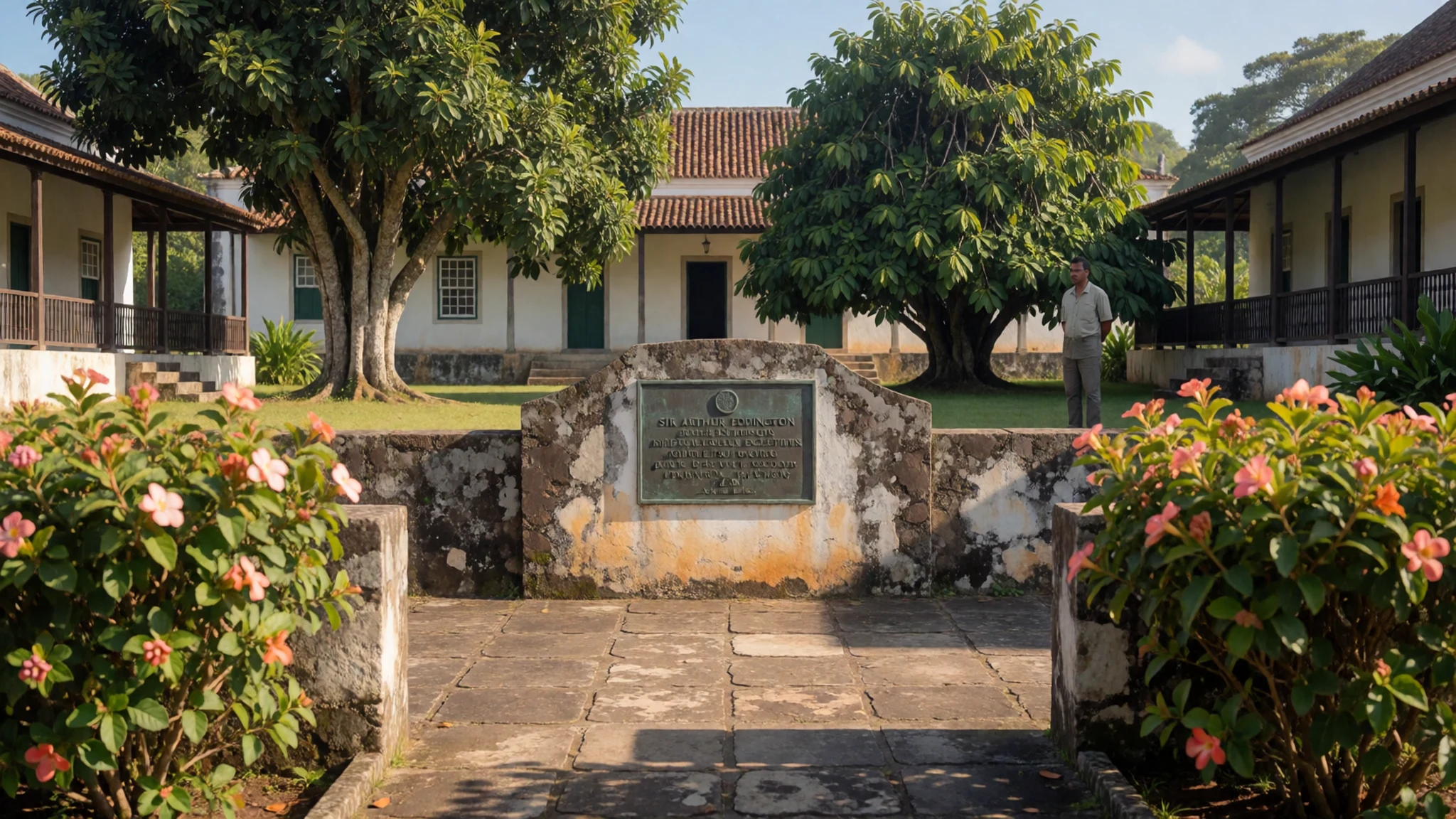
- Pico do Príncipe — Southern interior highlands
Príncipe rises sharply in its southern interior to nearly a thousand metres, forming a dramatic volcanic summit blanketed in thick jungle. Guided treks through the protected forest reserve reveal towering canopy trees, endemic bird species, and cascading mountain streams.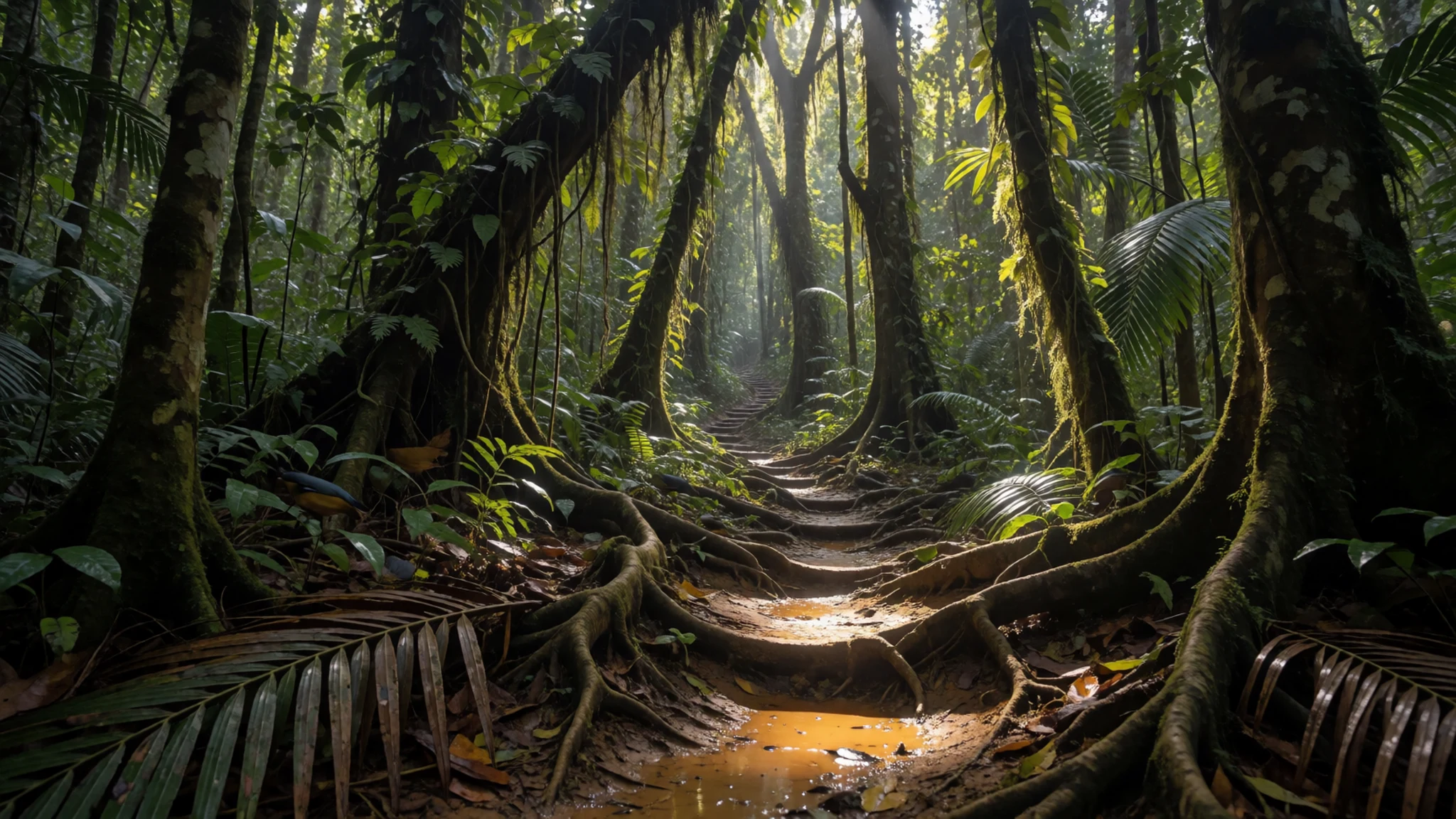
- Baía de Santo António — Santo António town waterfront
Príncipe features this historic bay where the island's earliest settlement and colonial capital were established centuries ago. The surrounding coastline holds remnants of defensive stone fortifications and offers calm waters framed by lush green hillsides and traditional boat moorings.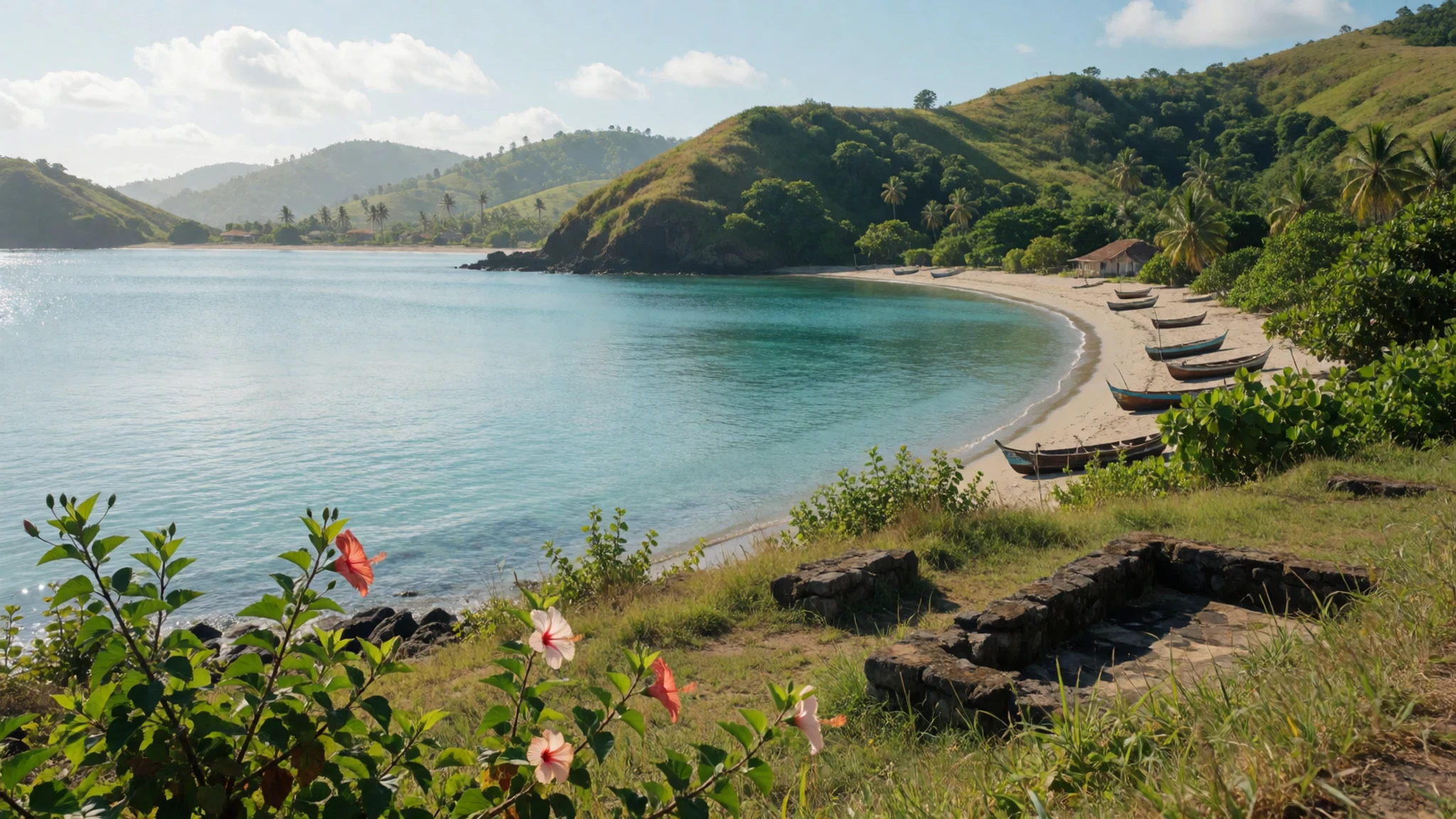
- Ilhéu Bom Bom — Northern coastal waters
Príncipe is ringed by picturesque offshore islets, with this northern landmark known for its dramatic jungle-clad rock formation and wooden walkway. Clear surrounding waters create exceptional coastal views and serene environments for spotting marine life and nesting seabirds.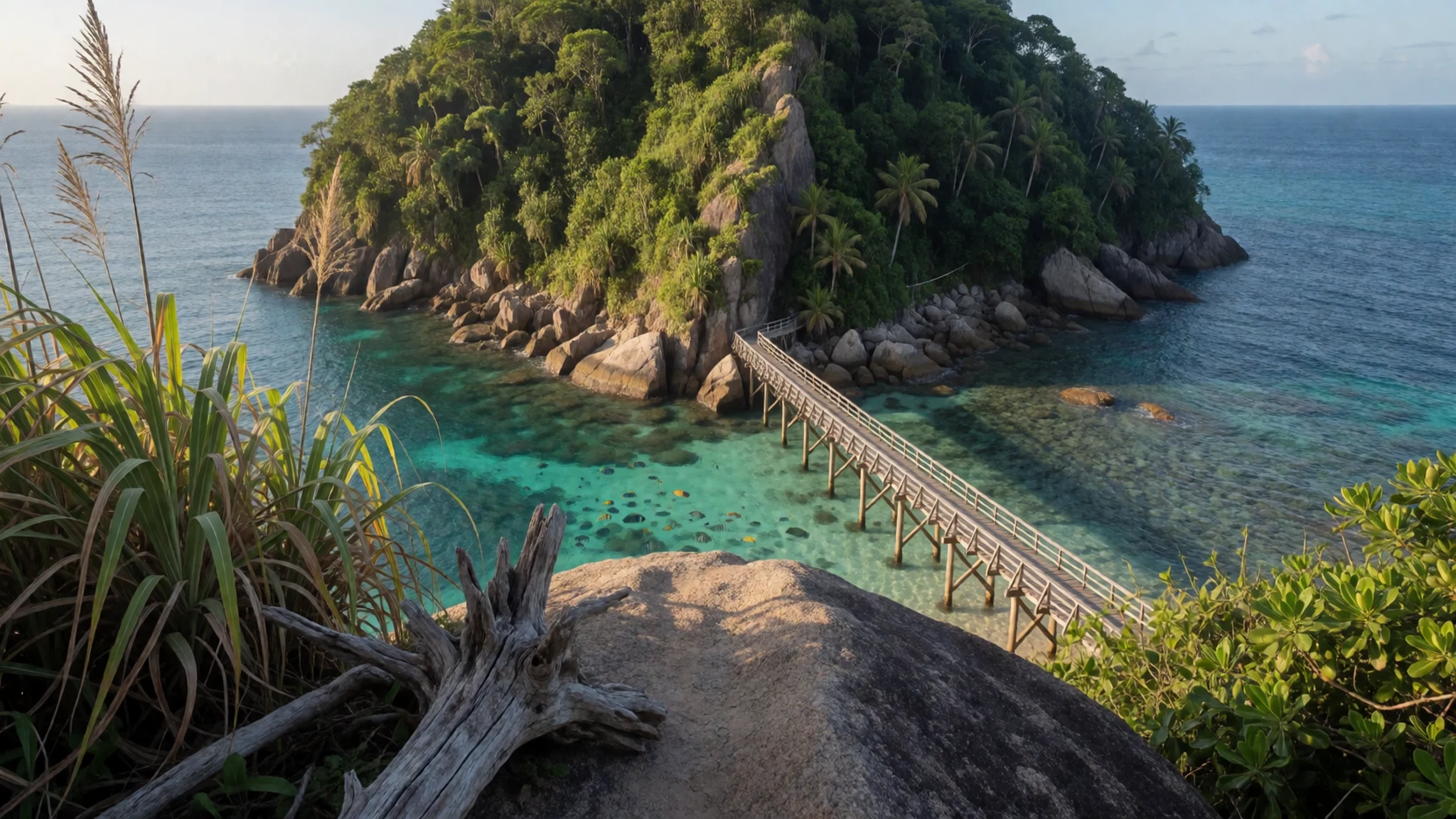
- Praia Boi — Eastern coastal shore
Príncipe boasts some of the most isolated and picturesque sandy beaches in the Atlantic, where golden shores meet gentle turquoise surf. This pristine coastal stretch remains completely undeveloped, providing a tranquil escape backed by swaying palms and dense rainforest foliage.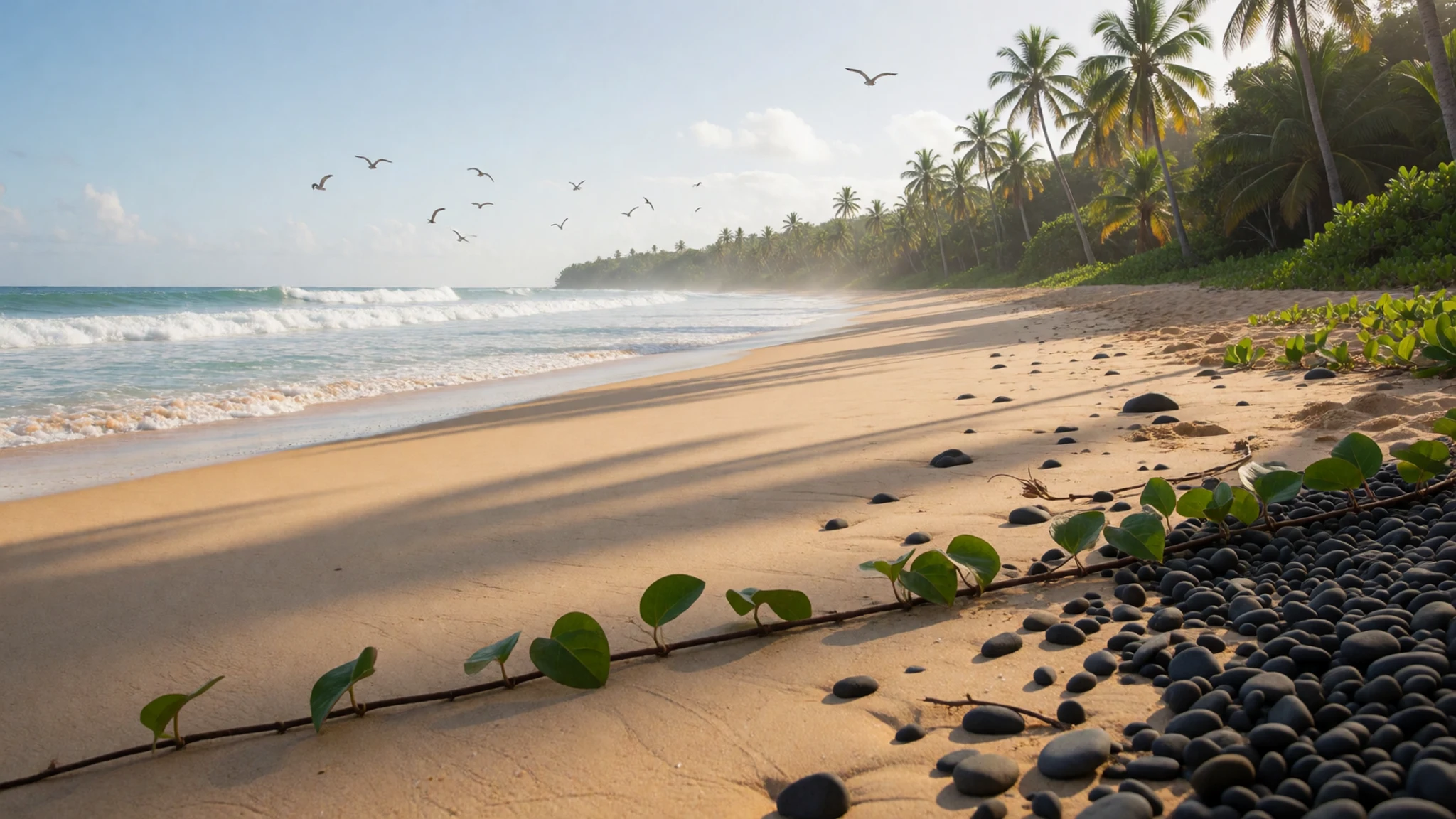
Culture
Príncipe fosters a distinctive cultural identity shaped by a profound blend of African traditions and historical European influences. Local artistic expression thrives through rhythm and movement, most notably demonstrated by the island's signature dêxa musical beat, which sets the tempo for community gatherings and local festivities. Generations of islanders have passed down oral histories, traditional craftsmanship, and sustainable fishing practices tied closely to the rhythms of the Atlantic tides and forest harvests. Social interactions are characterised by a warm, welcoming spirit, and community life often centres around village squares, local markets, and family celebrations where shared meals and music create a strong sense of unity. Visitors will find that everyday life moves at a relaxed, unhurried pace that encourages patience and genuine connection with residents. Always greet locals politely in Portuguese before asking questions or taking photographs of residents.
What to wear
Príncipe reflects a practical, climate-suited approach to daily dress that balances local modesty with tropical comfort. Traditional attire historically featured lightweight cotton wraps and garments suited for equatorial heat and agricultural labour, often incorporating vibrant prints and earthy tones. In contemporary daily life, residents typically wear casual Western-style clothing, with lightweight shirts, shorts, and sturdy skirts being common among those working in towns or tending garden plots. For visitors navigating the island's humid environment and rugged terrain, lightweight, breathable fabrics made of cotton or linen are essential. Modest dress is appreciated when visiting rural villages or community spaces, meaning shoulder-covering tops and knee-length bottoms are standard courtesy. Sturdy walking shoes or secure sandals are necessary for exploring muddy rainforest trails, while reef-safe footwear is useful for rocky shorelines and secluded beach walks.
What to eat
- Fresh Catch with Breadfruit — Local seaside eating houses and village stalls
Príncipe relies heavily on the ocean's bounty, serving freshly caught fish grilled or stewed alongside hearty chunks of breadfruit and mashed, cooked green bananas. This traditional staple dish provides simple, nourishing sustenance infused with local coastal flavors.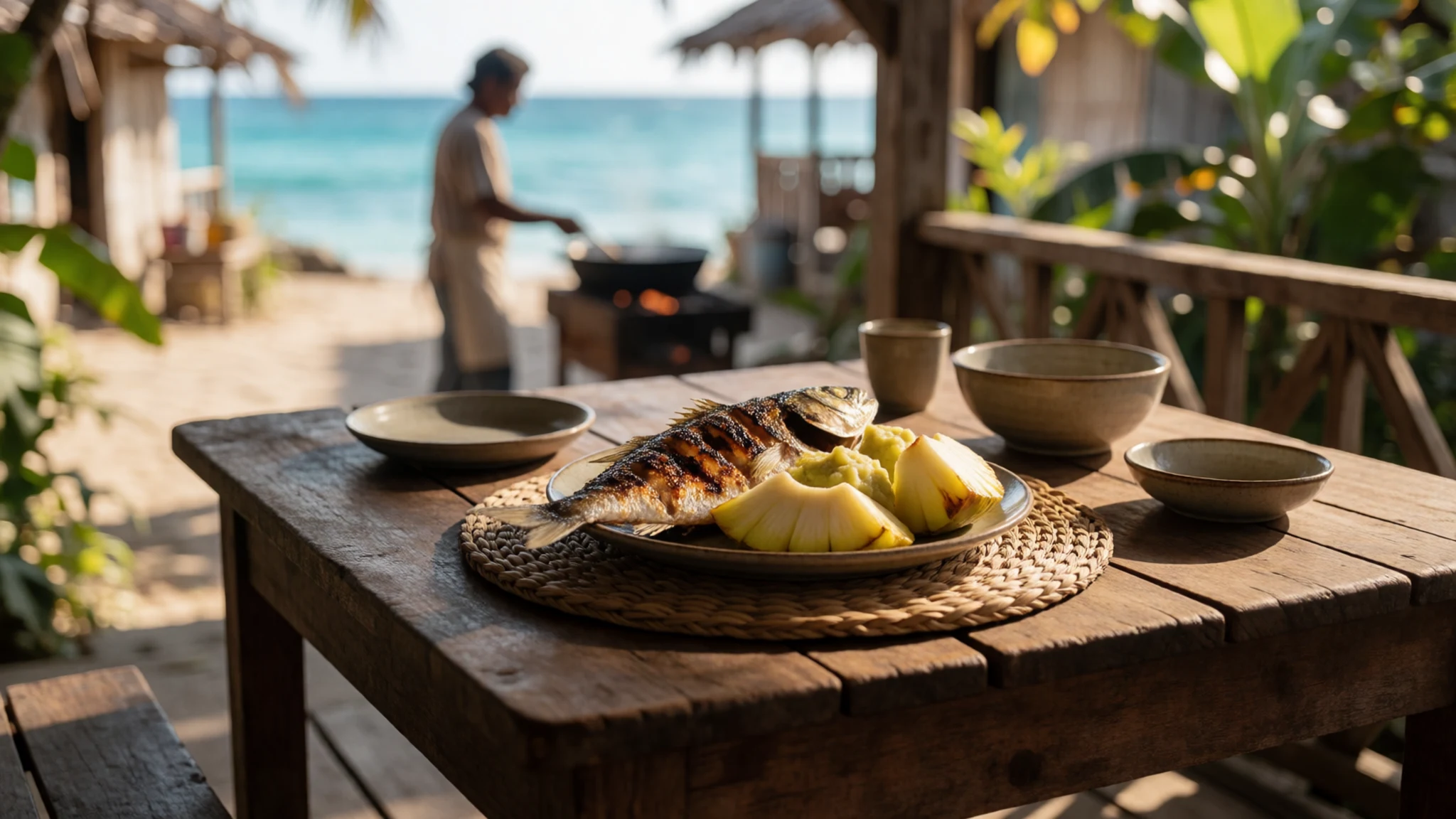
- Tropical Fruit Platters — Morning produce markets and guesthouse breakfast tables
Príncipe grows an abundance of sweet equatorial fruits in its fertile volcanic soil, offering refreshing plates of ripe papaya, juicy mangoes, sweet pineapples, creamy avocados, and various local bananas harvested fresh from nearby forest gardens.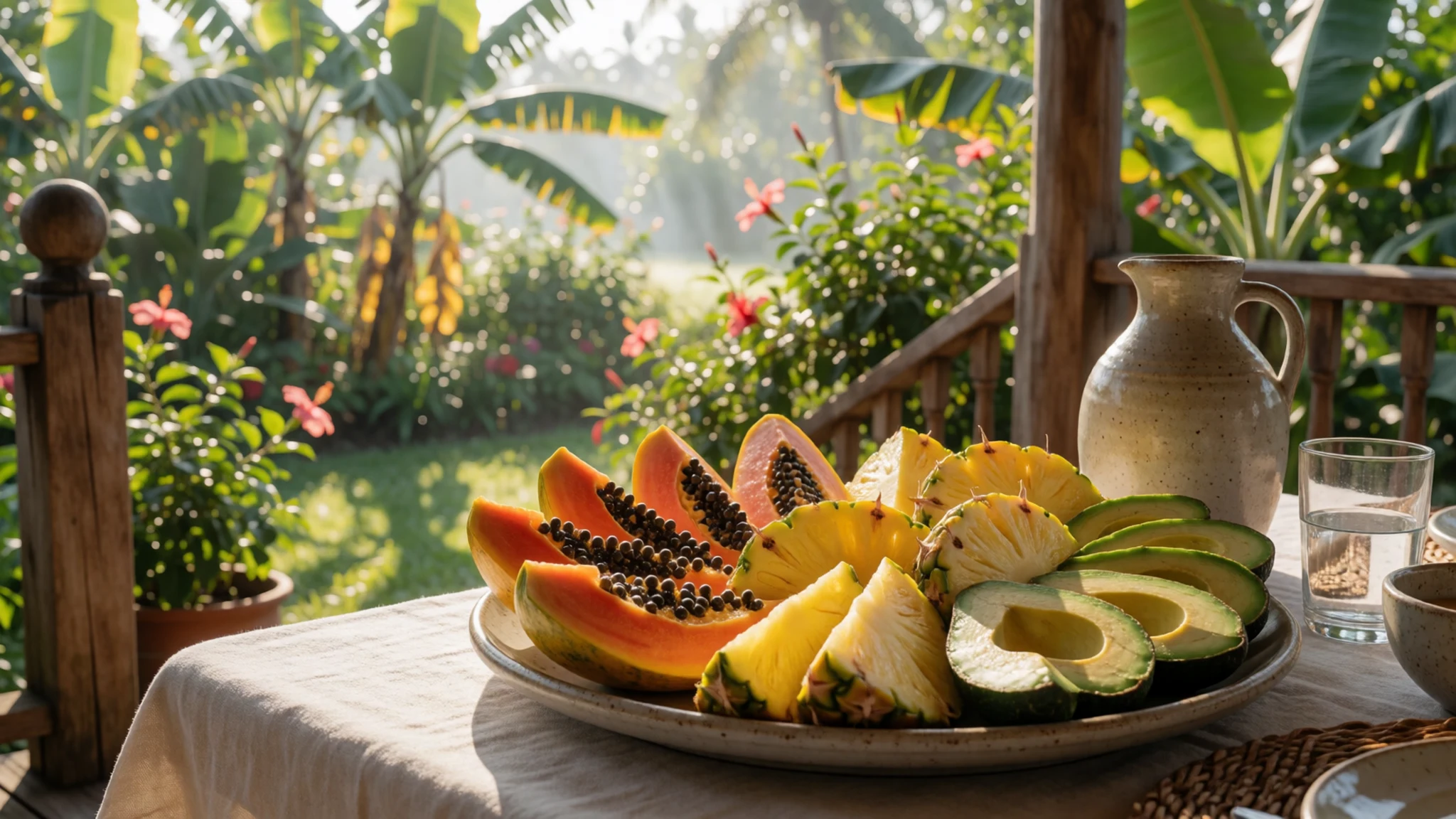
- Buzios Land Snails — Traditional inland village kitchens and family gatherings
Príncipe residents living further inland traditionally gather large land snails known locally as buzios when fish or meat are scarce. Prepared with aromatic herbs and hot spices, this protein-rich delicacy reflects resourceful island cooking traditions. - Coastal Sea Snails — Coastal fishing camps and shoreline eateries
Príncipe's rocky shoreline tidal pools yield plentiful sea snails that are harvested by local foragers. Typically cooked in rich, spiced broths infused with local chili peppers, they form a popular accompaniment to daily meals.
Plan it
Best time. January to February and June to August offer drier weather patterns and pleasant temperatures ideal for exploring rainforest trails and remote beaches.
How long. 3–4
Getting there. Fly into the national airport on the main island of São Tomé, then take a short domestic connection flight or a boat transfer across the water to Príncipe.
Budget. mid
Tips
- Book domestic flights and island accommodation well in advance due to limited infrastructure
- Carry sufficient cash as card acceptance is rare outside major guesthouses
- Hire a registered local guide for interior rainforest treks and mountain climbs
- Pack lightweight waterproof gear and high-strength insect repellent for jungle hikes
- Drink bottled or treated water rather than tap water during your stay
Etiquette
- Always ask permission before photographing local residents and village elders
- Dress modestly with covered shoulders and knees when visiting traditional settlements
- Respect natural protected areas and do not disturb nesting sea turtles along the beaches
Nearby
Sources
- Wikidata Q210636 (CC0)
- Wikipedia (rev 1365377757) (CC BY-SA 4.0)
- Wikivoyage (rev 5324699) (CC BY-SA 4.0)