Neves
Neves, São Tomé and Príncipe
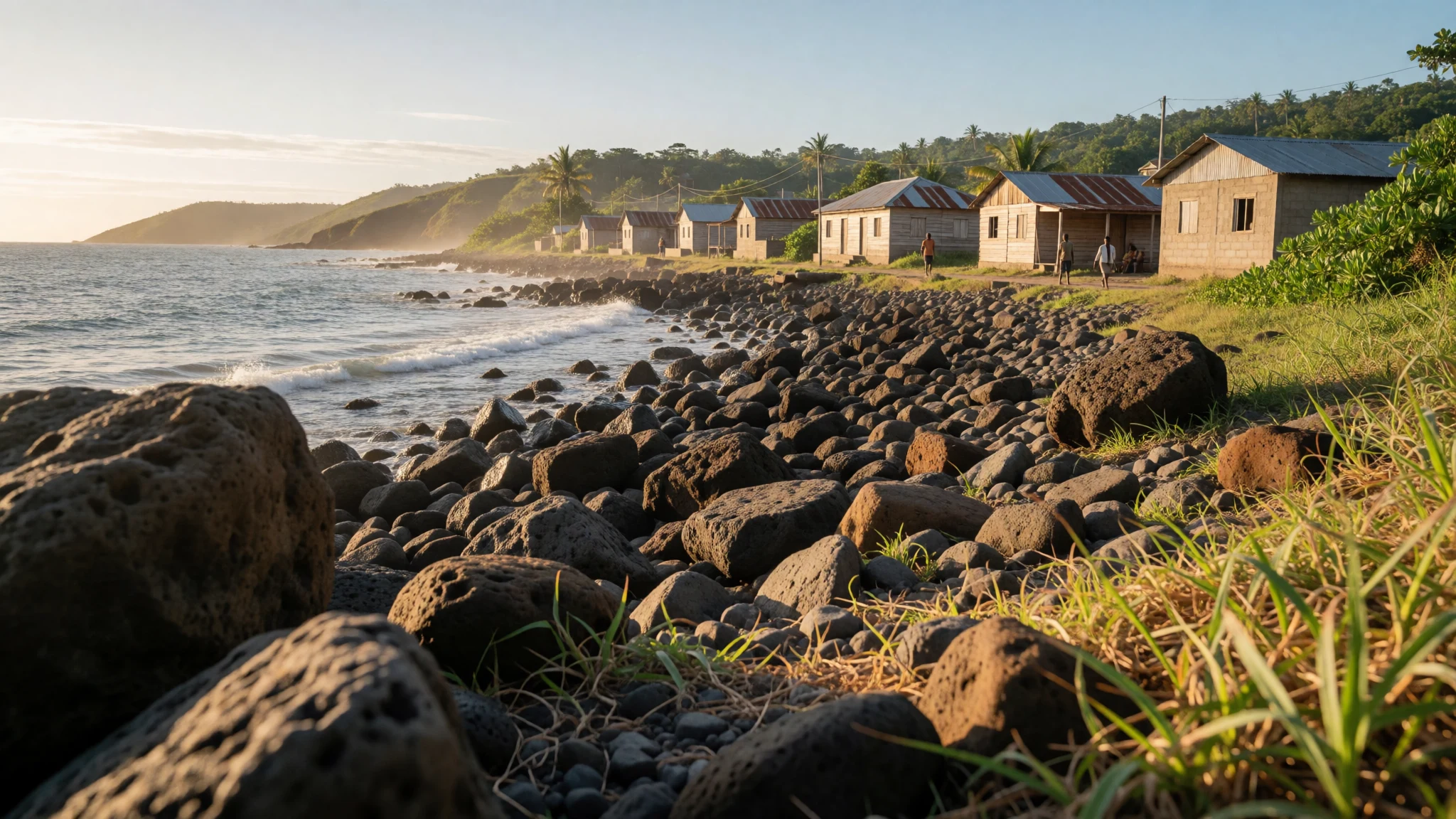
Neves is a small, unhurried coastal town on São Tomé, handy for the island's rainforest, plantation roads and quiet shoreline.
The place
Neves sits on the north-western shore of São Tomé, the larger of the two islands that make up the country of São Tomé and Príncipe, and it serves as the administrative seat of the Lembá District. The 2012 count gave it 10,068 people, so it is a proper working town rather than a resort or a hamlet. It lies only a fraction of a degree north of the Equator, which means warm, damp air all year and days that barely change in length. Forest dominates the islands: trees cover almost 90% of the land, and the green slopes behind Neves are part of that. Cocoa built the modern economy and still accounts for about 95% of agricultural exports, with copra, palm kernels and coffee trailing well behind. Fishing is the other everyday livelihood, and the shoreline here is a place of boats, nets and small landings rather than promenades. Tourism is thin. The country logged an estimated 13,000 visitors in 2016, and Neves has none of the souvenir rows or tour coaches that a busier destination would have. Services are modest, so a short stop works best when paired with the capital, the forest interior or the old plantation villages. One small point of confusion is worth clearing up: the country is often shortened to 'São Tomé', but that is properly just the name of its main island. Expect heat, humidity, sudden rain and a pace set by the island rather than a timetable.
Its story
The story of Neves is the story of the island around it. Before Portuguese navigators claimed São Tomé and Príncipe in the 1490s, nobody lived there at all. Settlers, and the people they brought over in bondage, turned forest into plantations: sugar first, then coffee and cocoa in the nineteenth century. All of it rested on enslaved labour, and forced work of a similar kind lingered into the twentieth century. That hard fact sits under the old estate roads and plantation buildings still found across the island. In 1919 the astronomer Arthur Eddington and his team travelled to Príncipe, the sister island, to photograph stars during a solar eclipse on 29 May, testing Einstein's theory of relativity; a plaque there recalls the expedition. Independence came in 1975, but political reform was slow, and voters did not choose their leaders freely until 1991. Since independence the economy has leaned even more heavily on cocoa, yet output has fallen, with drought and poor management blamed. Much of the former plantation land has been reclaimed by rainforest, so ruins and green growth sit side by side. In Neves itself, history shows up in ordinary things: the boats that land fish, the district offices that mark its role, the roads that tie it to cocoa country. For more context, the national museum in the capital's Fort São Sebastião, built in 1575 and refurbished in 2006, is the natural next stop.
What to see
- The Neves shoreline — Neves waterfront
The shore at Neves is the town's main stage: boats pulled up, people mending nets or sorting the catch, and the sea beyond. It rewards a slow walk in the early morning before the heat builds. Photographs here work best with a friendly word first, since this is a working waterfront, not a viewpoint.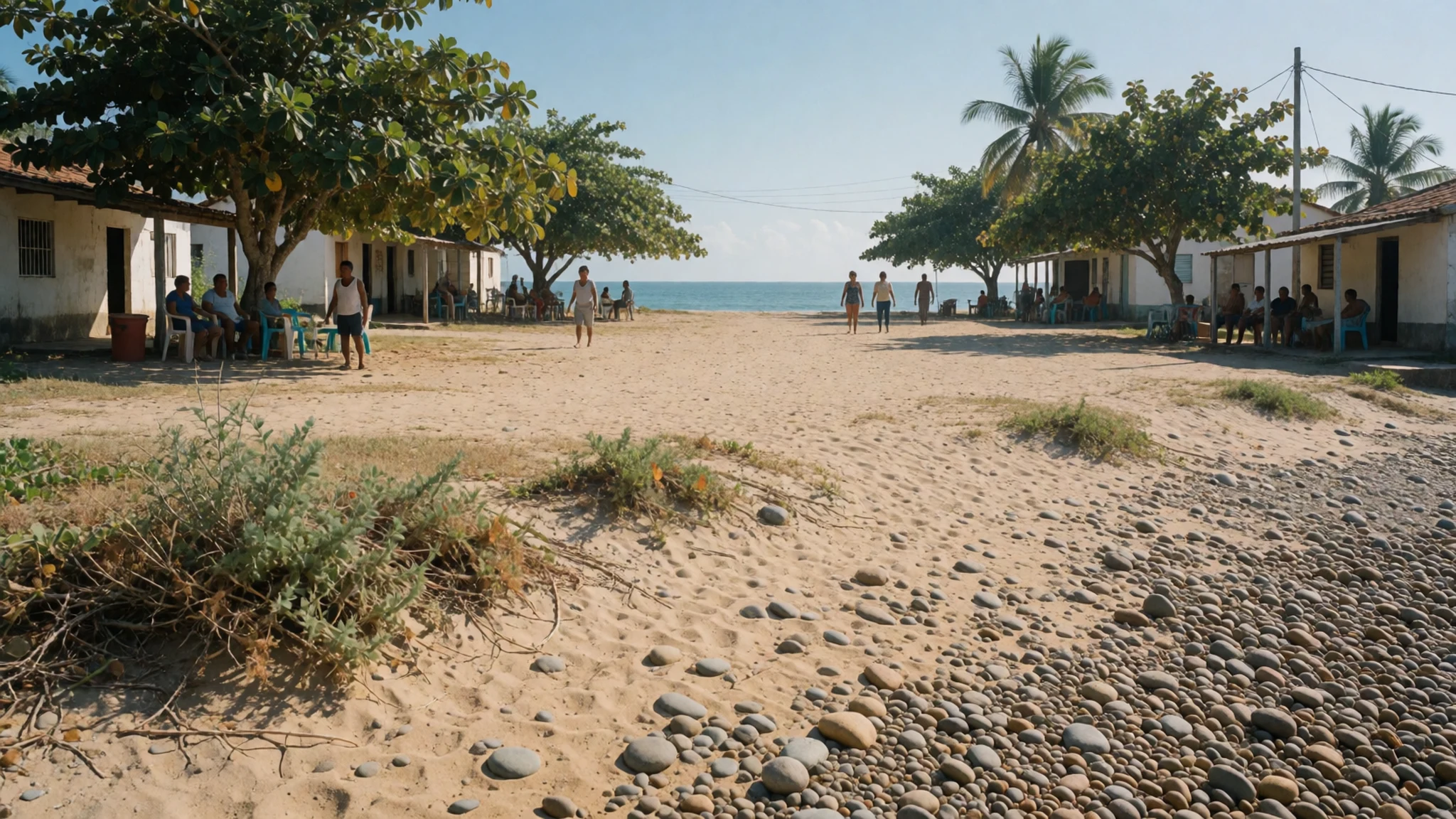
- Obo National Park — Interior of São Tomé island
Obo National Park covers much of the island's forested interior. A local guide is the sensible way in, for birdwatching, forest walks and a trek to a remote waterfall. Orchid fans can try to spot some of the island's 109 species. Paths are muddy and wet, so sturdy shoes matter.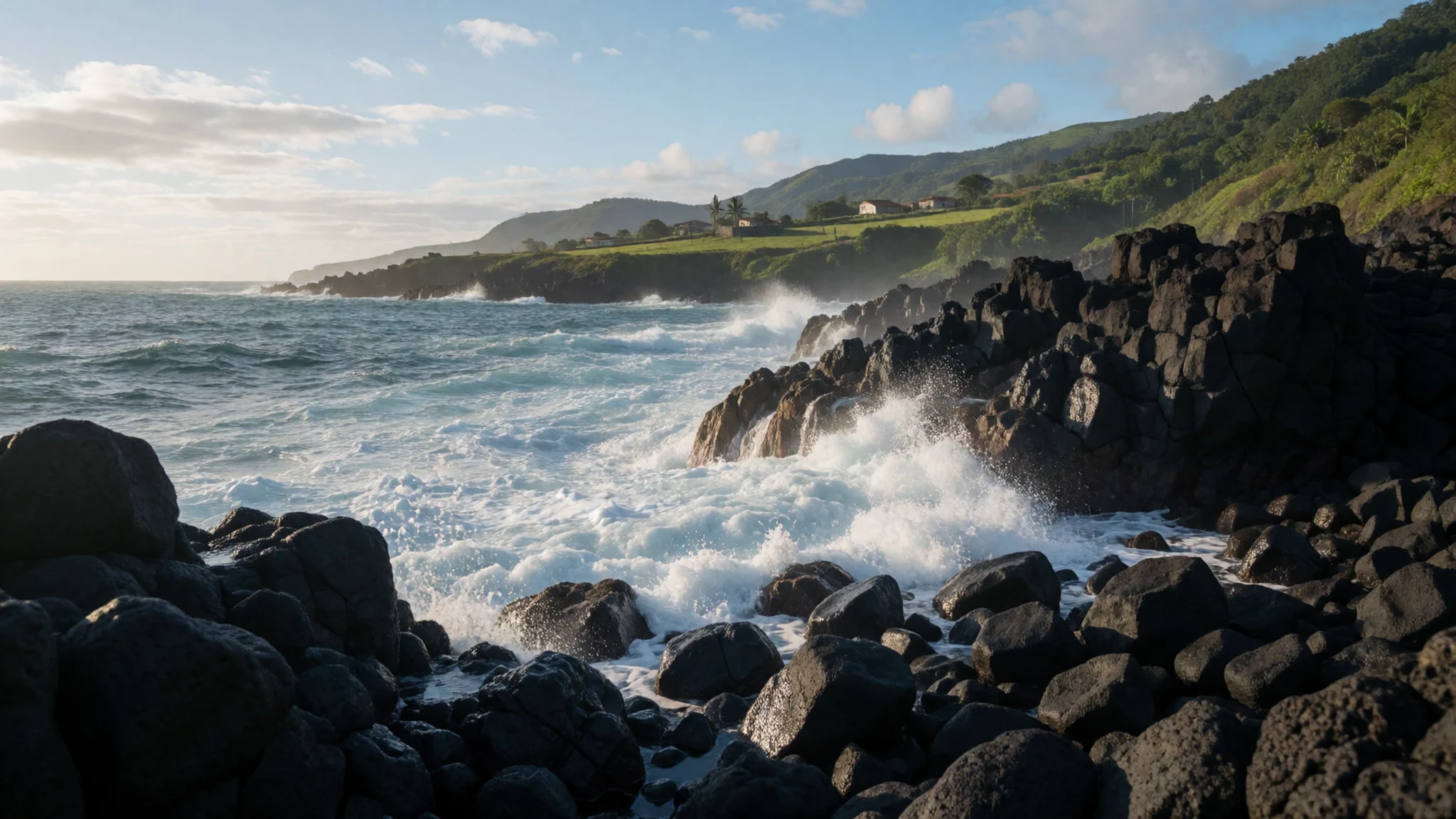
- Pico de São Tomé — Obo National Park
Pico de São Tomé rises to 2,024 m and is the island's high point, climbed with a guide through dripping forest. Start in the dark and expect cloud near the top, so views are a bonus rather than a promise. The path is steep and slippery, and a rain layer is essential.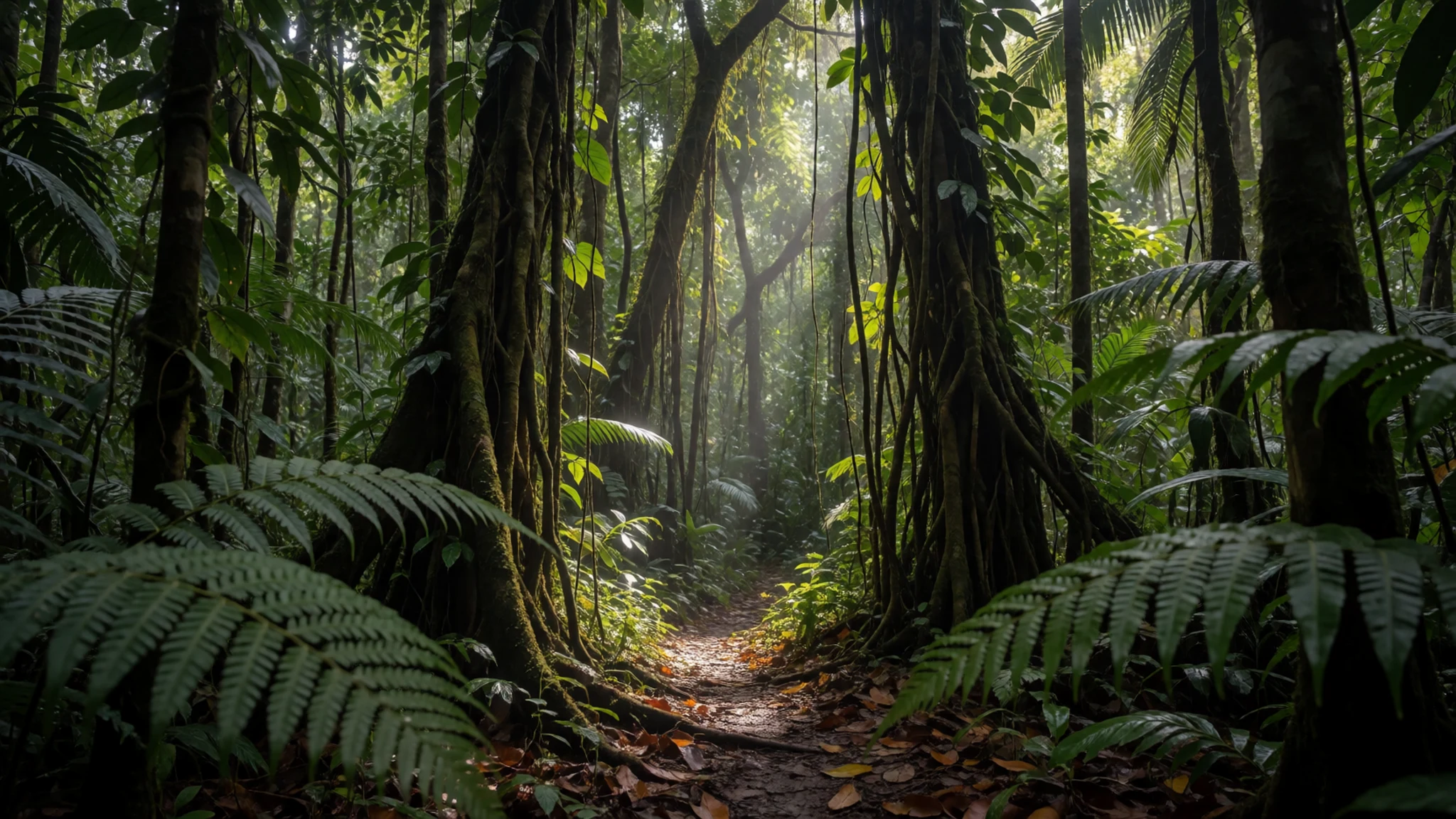
- Fort São Sebastião and the National Museum — São Tomé city
Fort São Sebastião was built in 1575 and refurbished in 2006, and it now houses the national museum. It is one of the few built sights of note on the islands and a good way to understand the colonial and plantation past. Opening times vary, so check locally before going.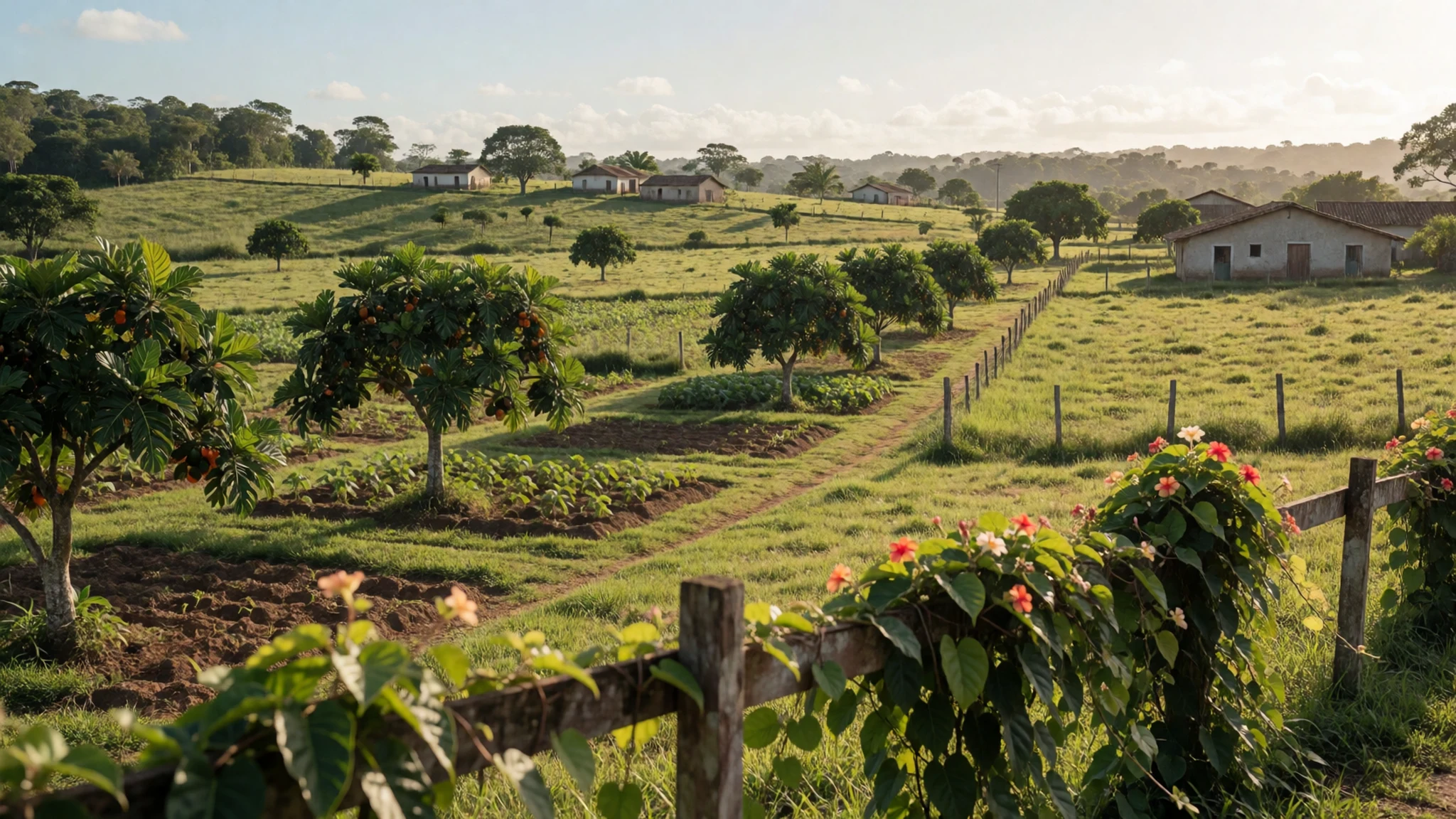
- Eddington's plaque on Príncipe — Príncipe island
On Príncipe, a plaque marks where Arthur Eddington photographed stars during the solar eclipse of 29 May 1919, evidence used to test Einstein's relativity. It is a short, quiet stop that suits anyone interested in science history. Getting to Príncipe means a separate flight from São Tomé.
Culture
Neves belongs to a São Toméan culture that blends African and Portuguese threads, and the mix shows most clearly in music, dance and theatre. São Toméans are known for the ússua and socopé rhythms, while Príncipe has its own dêxa beat; Portuguese ballroom may have helped shape them and their dances. Tchiloli is a staged musical dance that plays out a dramatic story with costume and ceremony, and the danço-Congo combines music, dance and theatre in a similar way. Performances tend to be tied to festivals and community occasions, so the best chance of catching one is to ask locally what is on rather than rely on a fixed schedule. Football is the most popular sport, and informal matches on open ground are a natural way to meet people. Portuguese is the language of daily exchange and officialdom, and a few words go a long way. Life moves at a relaxed pace, meals are unhurried, and Catholic feast days shape the local calendar. Plantation history still colours how many people talk about land, cocoa and work, and it is a subject best raised with some care and after a little friendly conversation. Ask before photographing people at work, at church or at a performance, and greet them with a polite 'bom dia' or 'boa tarde' first.
What to wear
Traditional dress in Neves and across São Tomé draws on the cloth traditions of West and Central Africa: wrapped, printed cotton cloths, often called panos, worn as skirts, shawls and head ties, especially for church, festivals and family occasions. Performers in tchiloli wear elaborate costume, with capes, crowns and bold colour, which is part of the drama rather than everyday clothing. Day to day, people wear what suits heat and humidity: T-shirts, shorts, light dresses, football shirts, flip-flops and sandals, with a smarter outfit saved for Sunday. Clothes are usually clean and well pressed even in modest homes. A visitor should pack light, quick-drying cotton or linen, a hat, sun protection and a thin waterproof, since rain can arrive at any time. Sturdy closed shoes or boots are worth having for forest paths, which are muddy and uneven, and they also guard against the island's one dangerous snake, the black cobra, found in the south and east. Churches and towns call for covered shoulders and knees; swimwear belongs on the beach, not in the street. Insect repellent and a light long-sleeved shirt help in the evenings.
What to eat
- Fish with breadfruit — small eateries near the shore
Fish is the staple of the São Toméan table, usually grilled or stewed with hot spice and served beside roasted or boiled breadfruit. The catch varies with the day and the season, and flying fish appear at certain times of year. Try it at a simple eatery near the shore.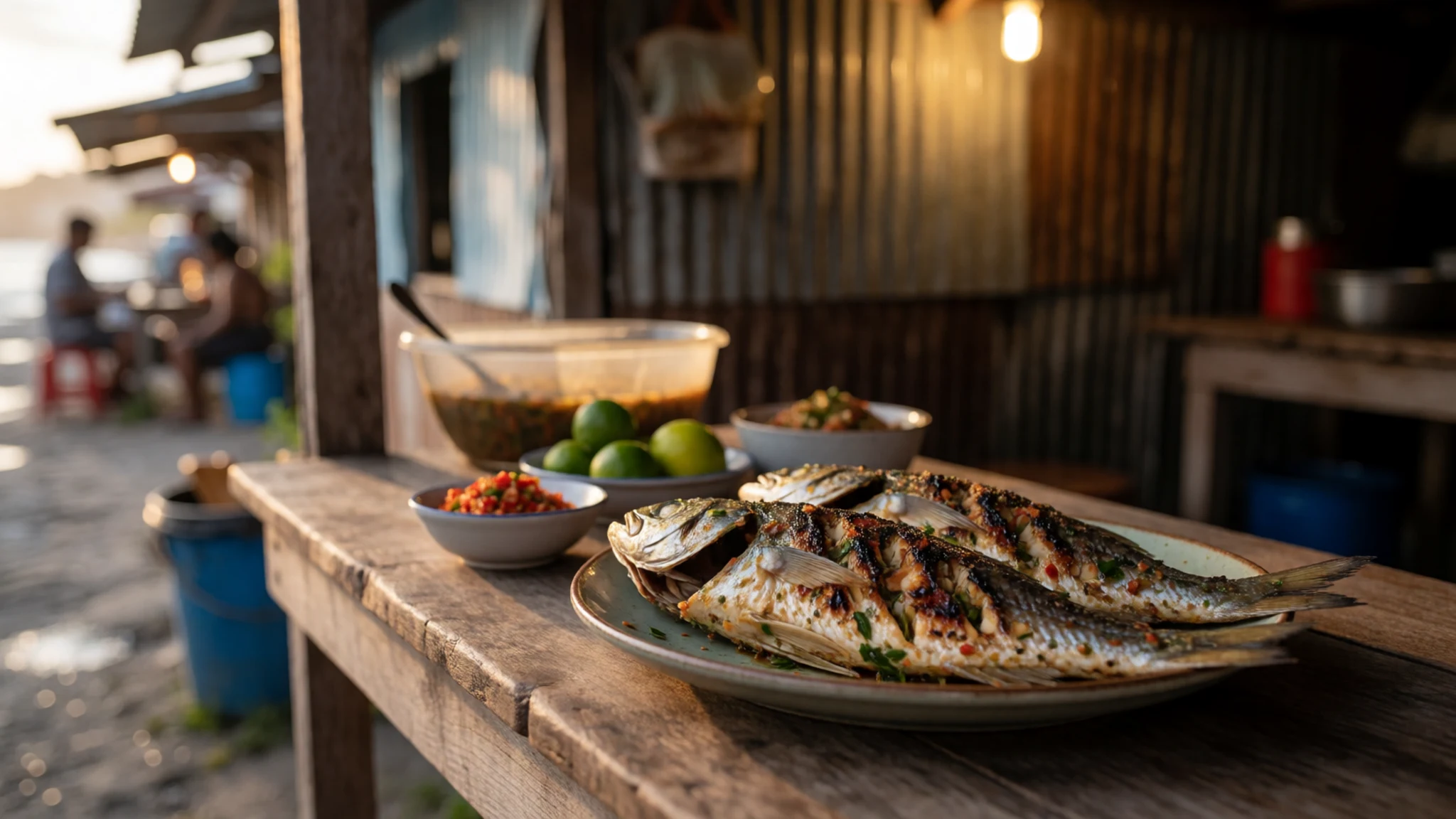
- Mashed cooked banana — family-run local eateries
Cooked bananas, mashed into a soft, filling side, regularly accompany fish and stews. The flavour is mild and earthy, a good foil for the spiced sauces. It is everyday food, so look for it at family-run eateries rather than anything formal.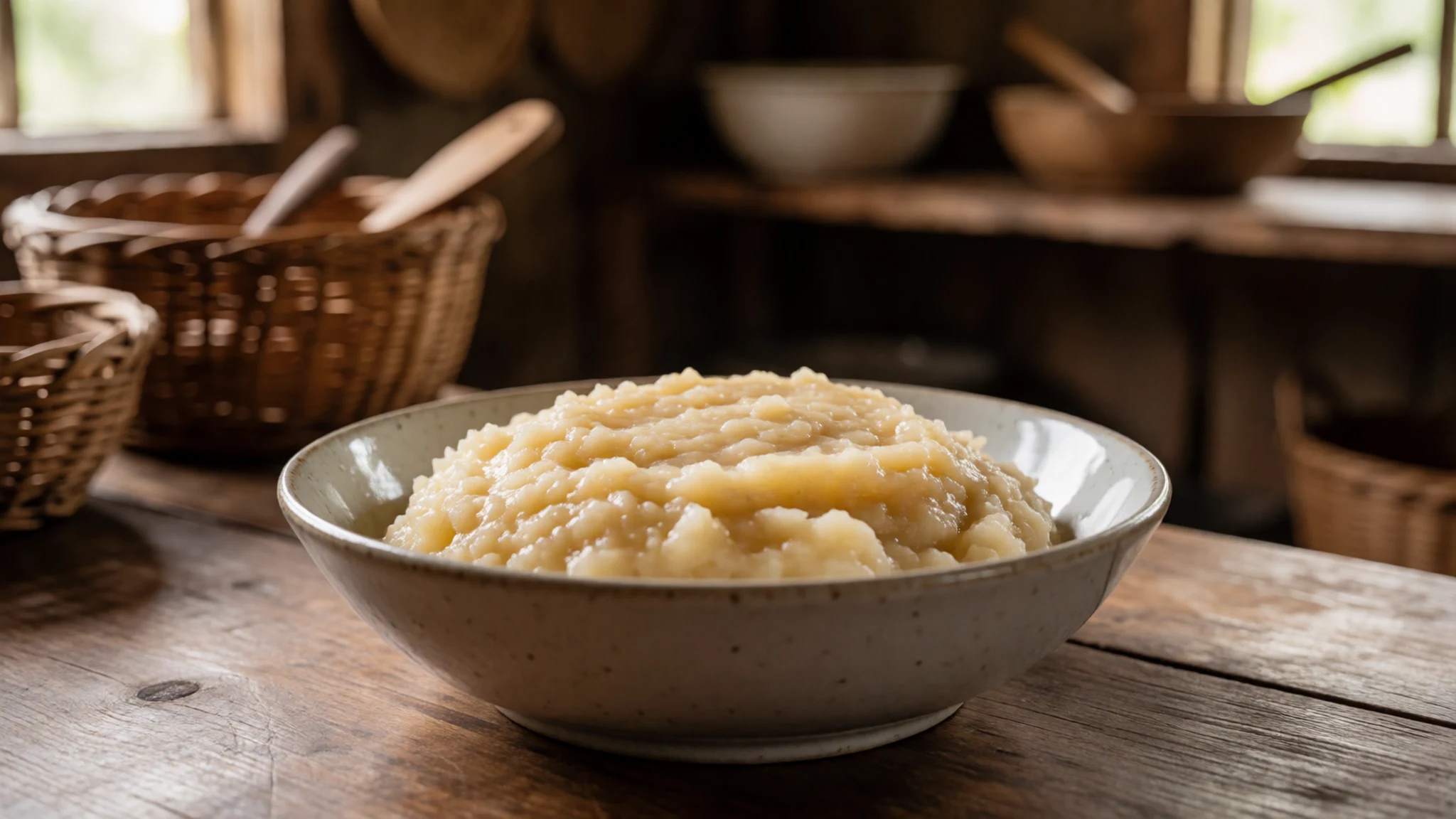
- Buzios (land snails) — inland village kitchens
Buzios are large land snails, an important protein source for people living inland who cannot always afford fish or meat. They are cooked in a spiced sauce and eaten with a starchy side. Adventurous eaters will find them more often in village kitchens than in town. - Sea snails — coastal landings and shoreline stalls
Sea snails are common along the coast and turn up as a salty, chewy snack or part of a meal. They suit a visitor who wants to eat what fishing families eat. Ask what is fresh that day and take the cook's advice on how to eat them. - Tropical fruit — roadside stalls and local markets
Papaya, mango, pineapple, avocado and bananas grow abundantly and make up a big part of the local diet. Eaten ripe and fresh, they are the best answer to the heat. Buy from roadside sellers, and peel anything you cannot wash in safe water. - Palm wine — vendors along inland roads
Palm wine is tapped from palms and sold by vendors along inland roads, lightly fizzy and sweet when fresh. It is a local drink, not a refined one, and it is best tried in small amounts. Local beers such as Creolla and Rosema are also widely available.
Plan it
Best time. June to September is the drier and slightly cooler stretch, which makes forest walks and road journeys easier. The rest of the year is wetter and more humid, with heavy showers that can make trails muddy and slow travel.
How long. 1–2
Getting there. The only way into São Tomé and Príncipe is by air, landing at São Tomé's international airport near the capital. From there Neves is reached by road along the north-west coast, by taxi or a hired car with a driver; ask locally about current road conditions.
Budget. mid
Tips
- Check visa rules before travelling; many nationalities, including all EU citizens, can enter without one for short stays, but confirm with the official source for your own passport
- Carry cash, since card acceptance outside the capital is limited, and keep small notes for roadside purchases
- Roadblocks near Santana and scams aimed at tourists in the capital have been reported, so keep copies of documents and stay alert
- Hire a local guide for forest walks and bring plenty of drinking water
- Watch for traffic on the roads and take care where hands and feet go on forest paths, as the black cobra lives in the south and east
Etiquette
- Greet people before asking for anything or taking photographs
- Ask permission before photographing people, fishing boats at work and religious services
- Dress modestly in town and at church, keeping swimwear for the beach
Nearby
Sources
- Wikidata Q612376 (CC0)
- Wikipedia (rev 1384926151) (CC BY-SA 4.0)
- Wikivoyage (rev 5324699) (CC BY-SA 4.0)
- Sao Tome Neves 3 — Chuck Moravec (CC BY 2.5)
- Sao Tome Neves 2 — Chuck Moravec (CC BY 2.5)
- Map of Sao Tome island — Dr. Blofeld (CC BY-SA 2.0)
- DSC_8344 — Ben Sutherland (CC BY 2.5)
- DSC_8361 — Ben Sutherland (CC BY 2.5)
- DSC_8362 — Ben Sutherland (CC BY 2.5)
- DSC_8363 — Ben Sutherland (CC BY 2.5)
- DSC_8364 — Ben Sutherland (CC BY 2.5)


