Hulun Lake
Hulun Lake, People's Republic of China
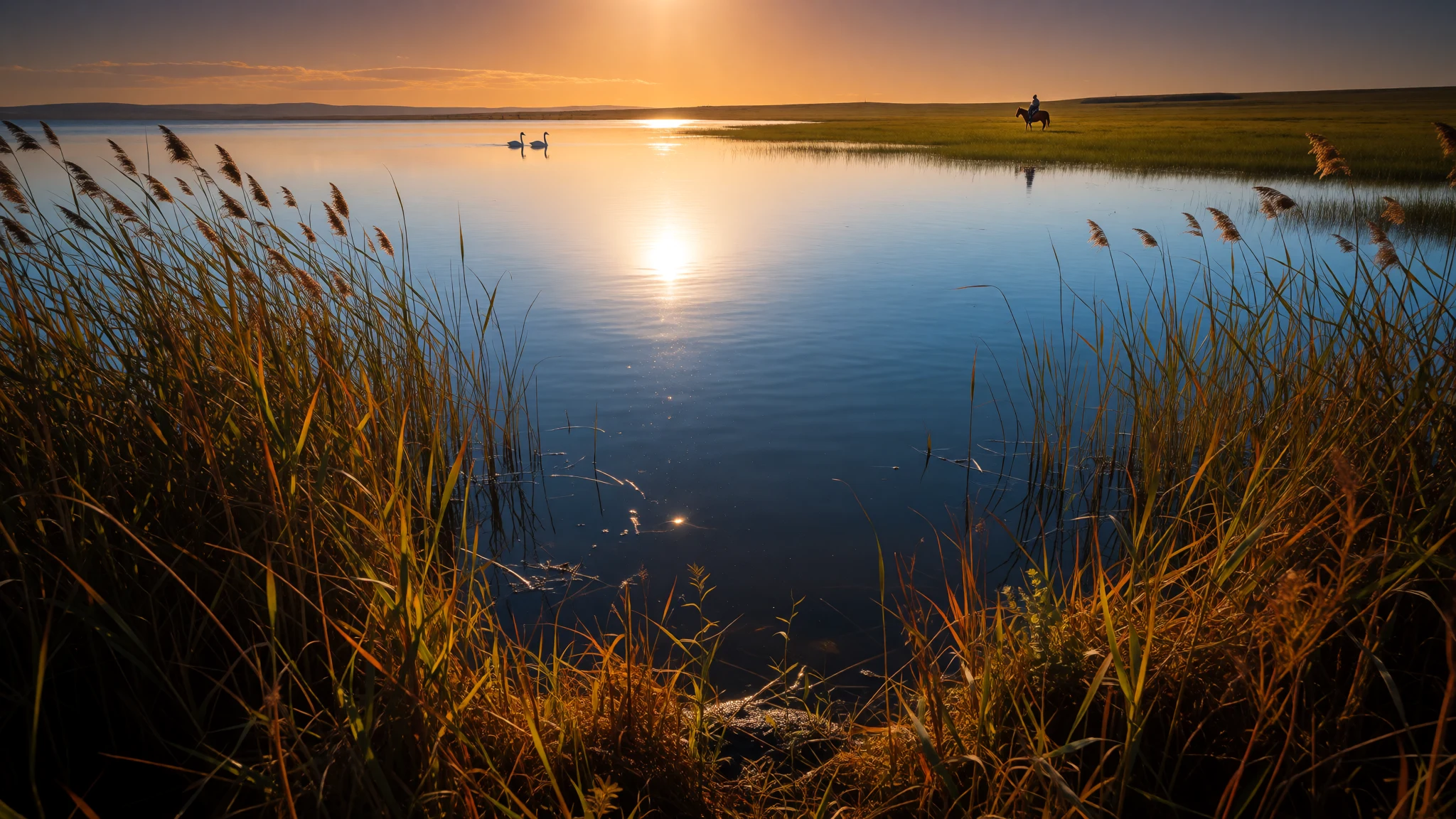
Hulun Lake spreads across the grasslands of northern Inner Mongolia, a wide freshwater horizon ringed by reed beds, wetlands and herding country.
The place
Hulun Lake sits on the grasslands of north-eastern Inner Mongolia, in New Barag Left Banner, at an elevation of 539 m. It is also known as Dalai Lake, from the Mongolian word for sea, which suits a water body whose far shore disappears on a hazy day. The lake is fresh and has no regular outlet, so most of what flows in stays, and its level follows the rains. After a run of very wet years it can spill from the northern shore and send water towards the Argun River, which runs along the Russian frontier. Around the water there are broad reed beds, marsh and open steppe rather than mountains or forest, so the landscape is flat, big-skied and quiet. The whole wetland is protected as the Dalai Lake National Nature Reserve, and it is both a biosphere reserve and a Ramsar wetland. The nearest sizeable town is Manzhouli, on a main railway line, while the settlements closer to the shore are small villages. Visitors come mainly for the space, the birdlife, the reeds turning gold in autumn and the sight of herders with sheep and horses on the grass. It is not a resort lake. Facilities are modest, distances are long, and the weather largely decides how a trip goes. Summer is green and pleasant by day, while winter is severe and the water freezes hard.
Its story
The story of Hulun Lake is mostly a story of water that comes and goes. With no steady outlet, the lake acts like a reservoir for the surrounding steppe: wet years top it up, dry years draw it down, and the shoreline shifts accordingly. Only when rainfall has been generous does it overflow northwards and join the Argun River. People around it have long lived on what the water and the grass provide. Fishing is the obvious livelihood, and reported catches from the lake have included fish, shrimp and crayfish, along with a small amount of pearl. Reeds are cut in quantity, and the lake counts as a key reed-producing area in China. Herding families keep animals on the grassland beyond the shore, in a region where Mongolian nomadic ways can still be seen and gers stand in the open spaces between towns. The railway through Manzhouli tied this remote corner more closely to the rest of China and to Russia, and the town became the practical gateway to the lake. The wetland is now formally protected as a national nature reserve, a biosphere reserve and a Ramsar site. The tension is a familiar one: a working lake that also has to stay healthy, with fishing, grazing, reed harvesting and a trickle of visitors all drawing on the same shallow resource of water and grass.
What to see
- The open lakeshore — Shore of Hulun Lake, New Barag Left Banner
The shoreline is the main event: a long, flat edge where steppe grass gives way to water and sky. Go early or late, when the light is low and the wind often drops. There is little shade or built scenery, so the appeal is simply space, weather and the changing colour of the reeds.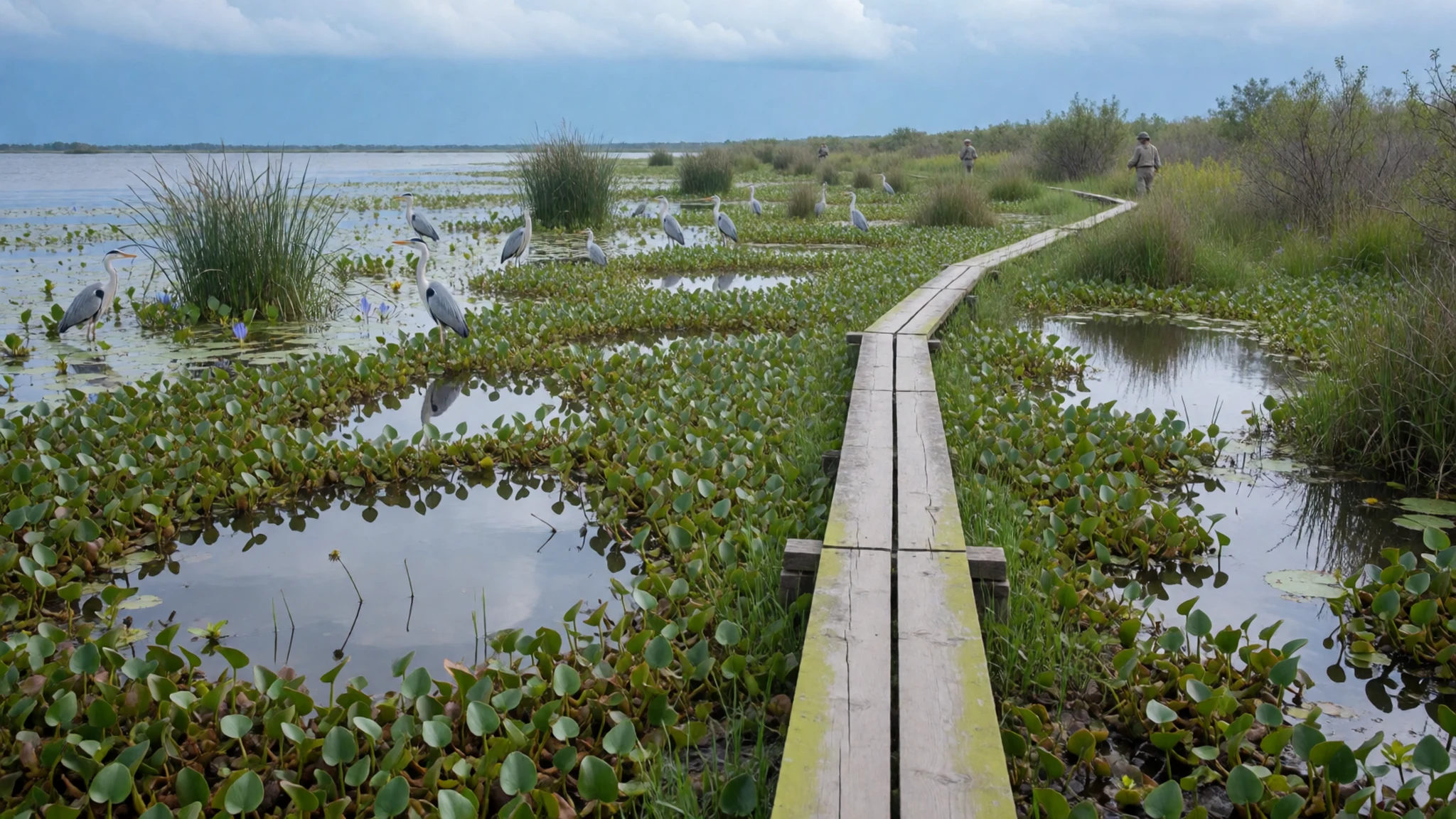
- Reed beds and reserve wetlands — Dalai Lake National Nature Reserve
The protected wetlands around the lake hold dense reed beds, marsh pools and wet meadow, which suit waterbirds, especially during the spring and autumn migrations. Bring binoculars, keep to marked tracks and expect mosquitoes in warm months. Autumn gives the best colour, when the reeds turn from green to gold.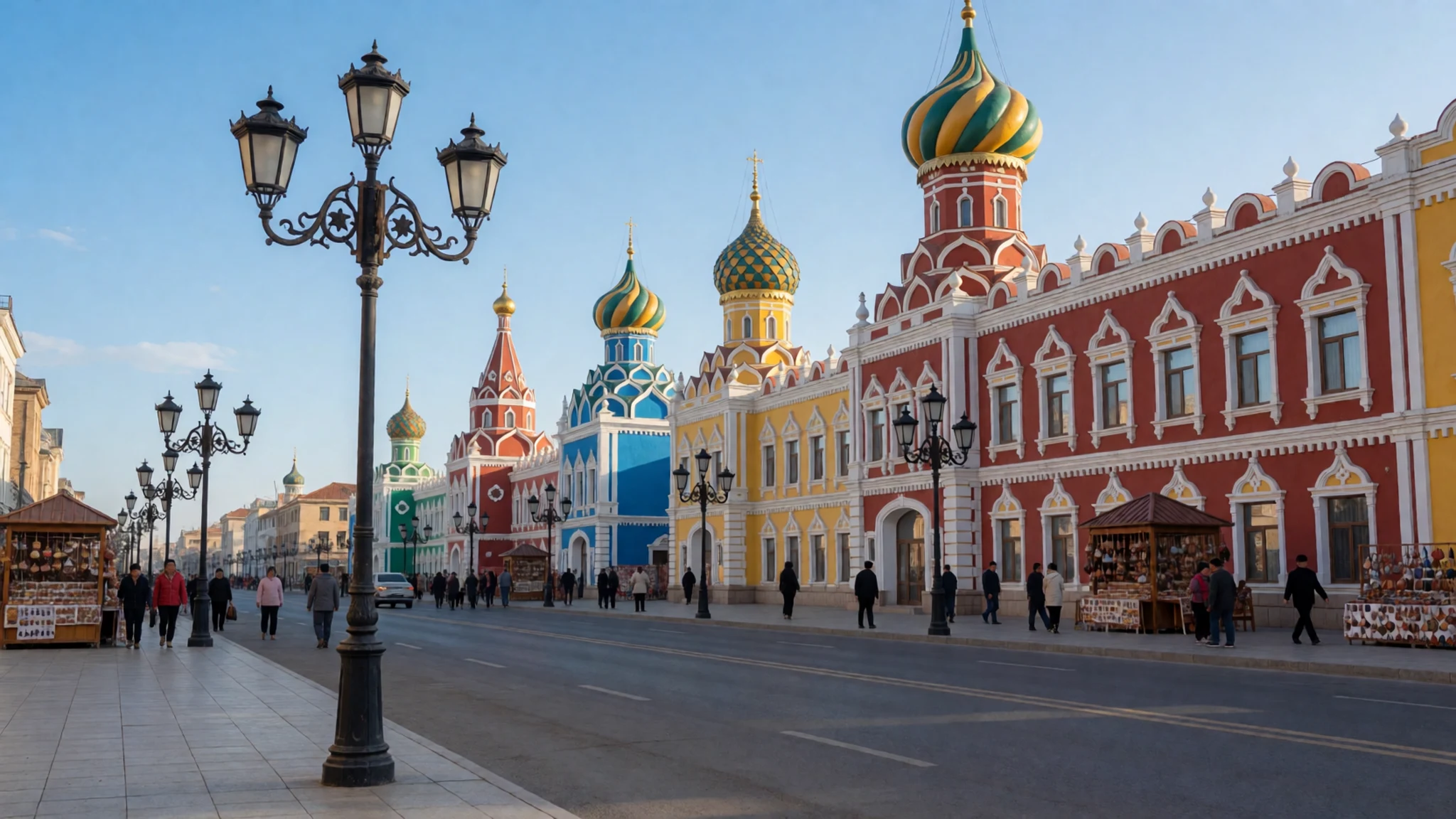
- Manzhouli — Border town on the railway line
Manzhouli is the nearest city of any size and the practical base for the lake, with an airport, a rail station, restaurants and places to stay. It is a frontier town facing Russia, so signs and shops often show both languages. Plan to use it for supplies, transport and meals.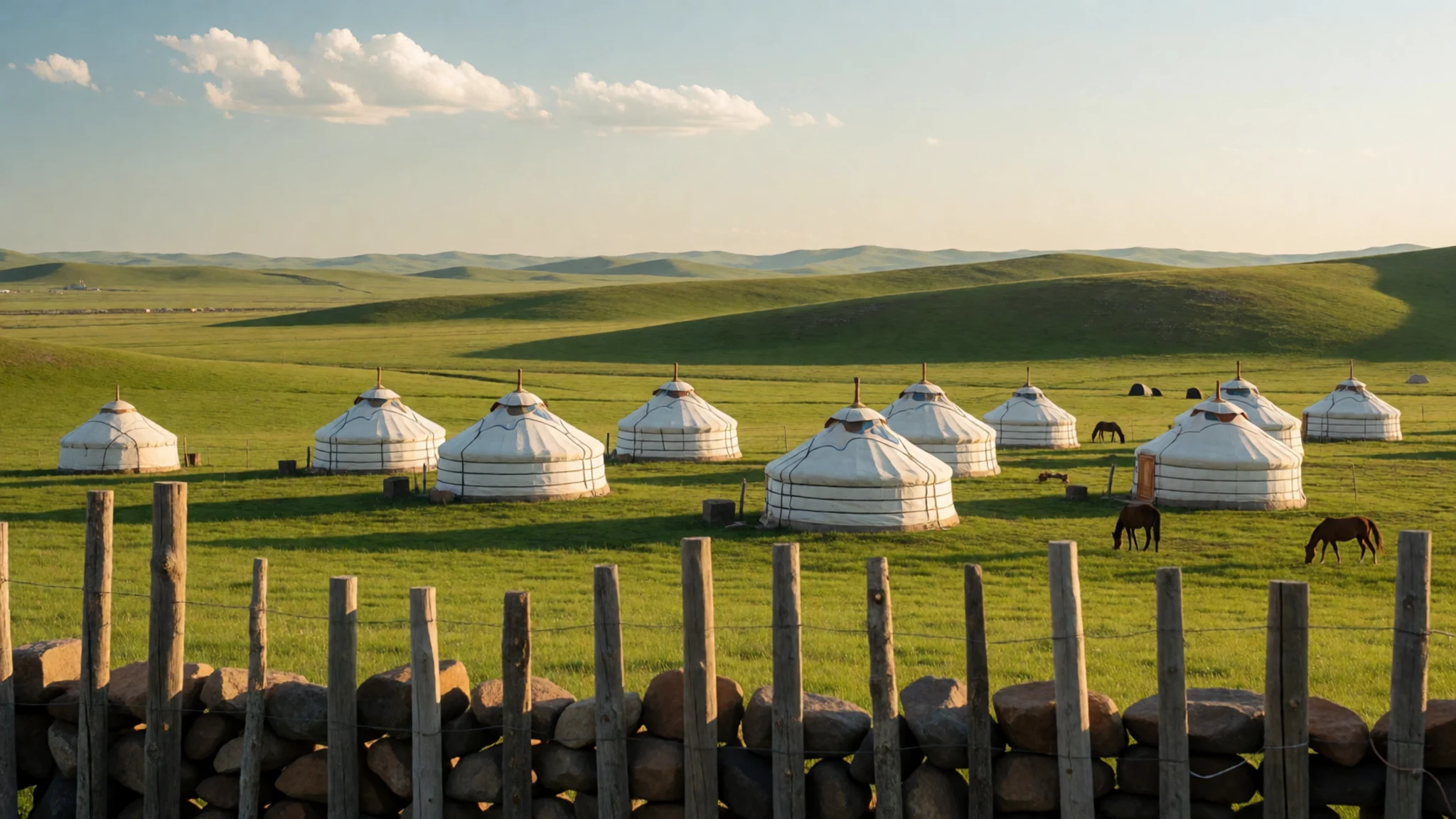
- Herders' grassland and gers — Steppe around the lake
The grassland around the lake is working pastureland, and gers are a normal sight between the villages. Seeing flocks and horses on the move is part of the visit. Any stop at a ger camp should be arranged through a local guide or a camp, rather than by walking up to a family's home.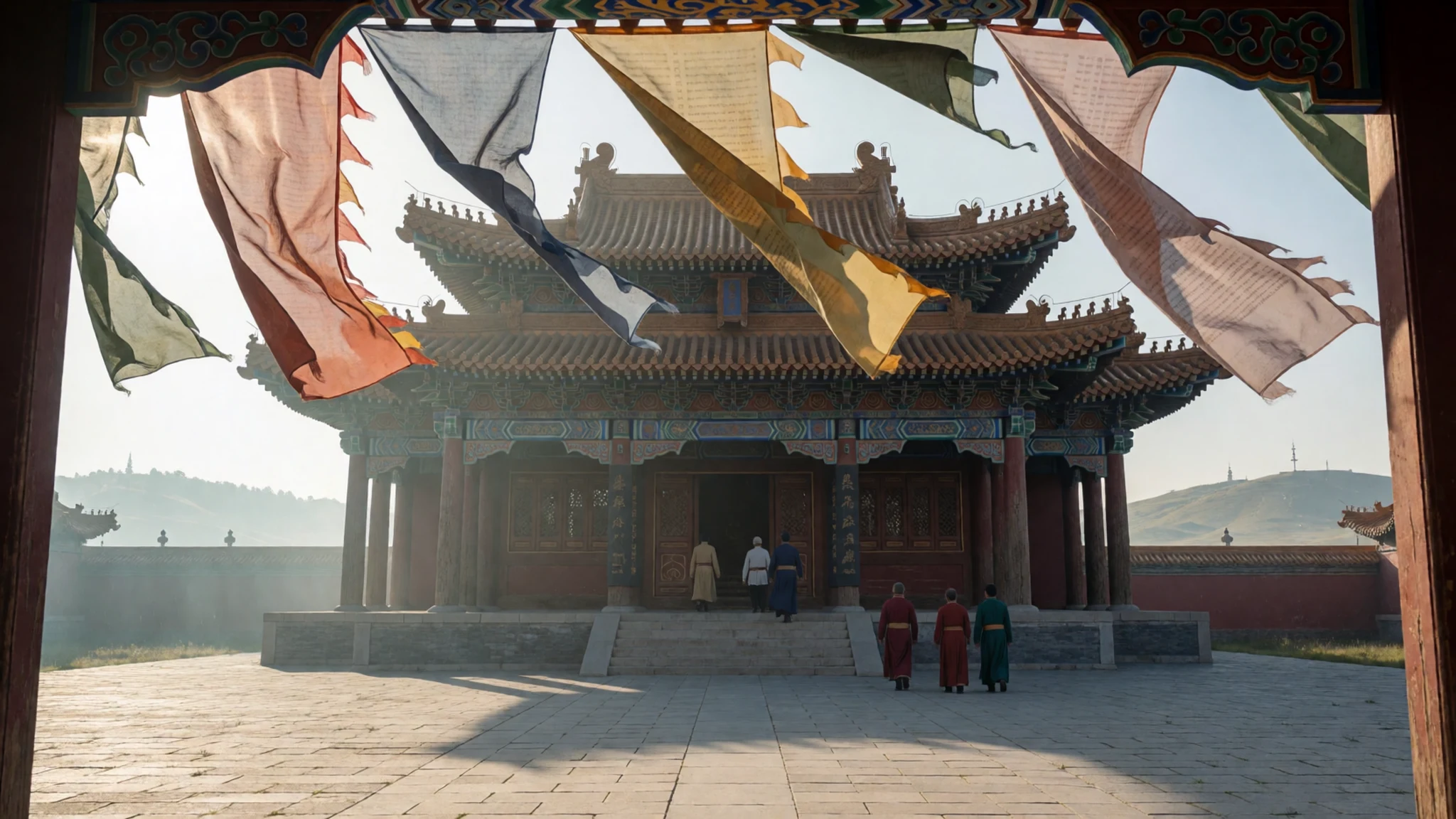
- The northern overflow to the Argun River — Northern shore of the lake
In years of heavy rain, the lake spills from its northern shore and sends water towards the Argun River. Whether that happens depends entirely on recent seasons, so it is a curiosity rather than a plan. Ask locally in Manzhouli about water levels before making a special trip to the north.
Culture
Hulun Lake lies in the Inner Mongolia Autonomous Region, one of China's five autonomous regions, and the culture around it is Mongolian herding culture woven into a wider Chinese setting. Ethnic Mongols are a minority within the region, yet nomadic traditions remain visible on the grassland, from gers to horse and sheep herding. Most Mongols in the region follow Vajrayana Buddhism, the same Tibetan-style tradition found in the country of Mongolia, and lama temples are common across the region, though few are close to the lake itself. Hospitality is central. A guest at a herder's home or ger camp is likely to be offered salted milk tea, dairy snacks and meat, and refusing everything outright can seem cold. Politics deserve some care. Inner Mongolia and the independent country of Mongolia are different places, and treating the region as part of Mongolia can cause offence and may be read as a separatist opinion, so it is best to avoid casual remarks about borders and sovereignty. It is better to ask about local customs, music, horses and the seasons on the grass, which people tend to enjoy discussing. Manzhouli adds another layer, with its Russian-facing shops and signs. Language is mostly Mandarin in towns, with Mongolian spoken among many herding families, and a few words of greeting in either are appreciated. Before entering a ger, wait to be invited, step over the threshold rather than on it, and accept the first cup of tea with both hands.
What to wear
Around Hulun Lake, traditional Mongolian dress centres on the deel, a long, wrap-over robe fastened at the side and tied with a bright sash. It is made from wool, cotton or silk depending on the season, and the best examples are lined or trimmed for cold. Tall leather boots with turned-up toes, felt hats and fur-trimmed caps complete the outfit. The deel is worn mainly for festivals, weddings, horse events and family celebrations, though some older herders still wear it day to day in cold weather. Day to day, people wear what any northern Chinese community does: padded jackets, fleeces, jeans, trainers or sturdy boots, and in town the usual casual city clothes. On the grass, practical layers matter more than looks. Visitors should dress for wind, sun and sharp swings in temperature. In summer that means light long sleeves, a wide-brimmed hat, sunglasses, sun cream and a waterproof layer, plus closed shoes or light boots for damp ground near the reeds and some insect repellent. Evenings can be much cooler than days. In winter, thermal underlayers, a windproof down coat, insulated boots, a hat and good gloves are essential, because the cold is severe. Modest dress is expected if a temple or a family home is visited, so covered shoulders and knees are sensible.
What to eat
- Mongolian milk tea — Served with breakfast in guesthouses, and at herders' homes and ger camps
Salted milk tea is the region's signature drink, warm, creamy and slightly savoury rather than sweet. It is often served at breakfast and offered to guests as a welcome. A first sip can surprise, but a cup warms the hands on a cold morning.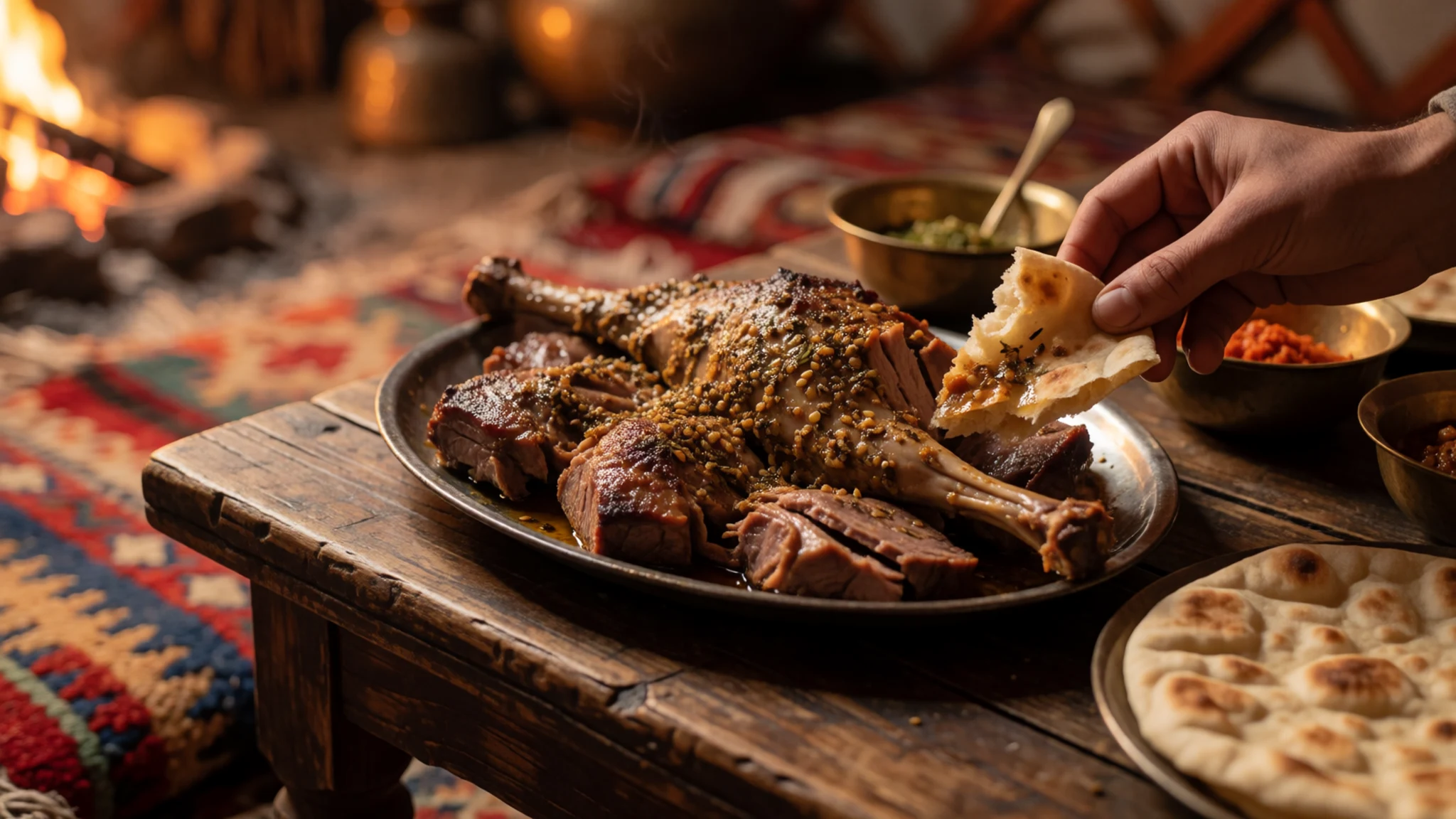
- Roast lamb — Restaurants in Manzhouli and ger camps near the lake
Lamb is the centre of most meals here, usually roasted with a spiced coating that gives a strong, distinctive flavour. It is often shared in large pieces at the table. Order it at a ger camp or a Mongolian restaurant, and expect generous portions.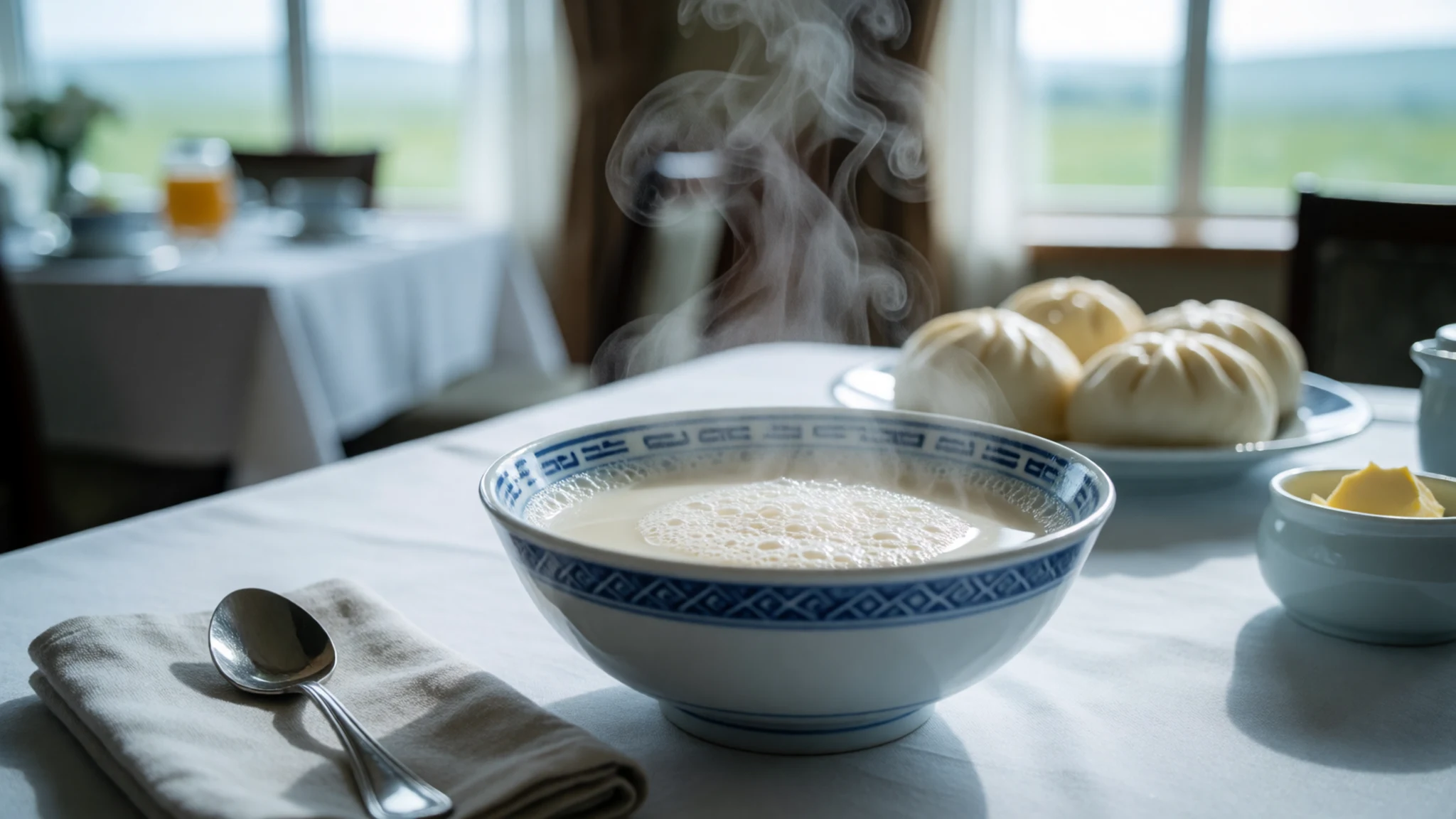
- Mongolian hotpot — Hotpot restaurants in Manzhouli
Hotpot is popular across China, and the Mongolian version tends to use a well-flavoured broth without the fierce chilli of central China. Thin slices of lamb, vegetables and noodles are cooked at the table. It suits groups and cold evenings. - Dairy: yoghurt, cheese and curds — Herders' homes, ger camps and local shops
Milk products are everyday food on the steppe, including yoghurt, cheese and dried curds. Textures range from soft and tangy to hard and chewy. Try small tastes first, and buy packaged versions in shops if a homemade version does not agree with you. - Lake fish — Eateries in Manzhouli and villages near the lake
The lake has long supported a local fishery, so freshwater fish is a natural order near the shore. It is usually cooked simply, fried or stewed with local seasoning. Ask what is fresh that day, and check where the fish came from.
Plan it
Best time. June to September, when the grassland is green and days are mild; the reeds turn gold in autumn. Winter is severe, with the lake frozen and most facilities quiet, so go then only if you are prepared for extreme cold.
How long. 2–3
Getting there. Fly to Manzhouli Airport (NZH) or Hailar Dongshan Airport (HLD), usually with a connection at a major Chinese city, since most airports in Inner Mongolia take only domestic flights. Manzhouli is also on a major passenger railway line. The last leg from Manzhouli to the lake is by road, so arrange a driver, taxi or tour in advance.
Budget. mid
Tips
- Use Manzhouli as your base and arrange transport to the lake beforehand, as public transport near the shore is limited
- Carry your passport, as this is a border region where checks can be routine
- Bring cash as well as cards, because small lakeside places may not take foreign cards
- Pack repellent and layers, since mosquitoes thrive around the reeds in summer and evenings turn cool quickly
- Carry bottled water and snacks, as there are few shops once you leave the town
Etiquette
- Wait for an invitation before entering a ger, and step over the threshold rather than on it
- Do not treat Inner Mongolia as part of the country of Mongolia, and avoid casual remarks about borders
- Stay on marked paths in the reserve and take your litter with you
Nearby
Sources
- Wikidata Q537374 (CC0)
- Wikipedia: Hulun Lake (rev 1366029569) (CC BY-SA 4.0)
- Wikivoyage: Inner Mongolia (rev 5293903) (CC BY-SA 4.0)