Hirosaki
Hirosaki, Japan
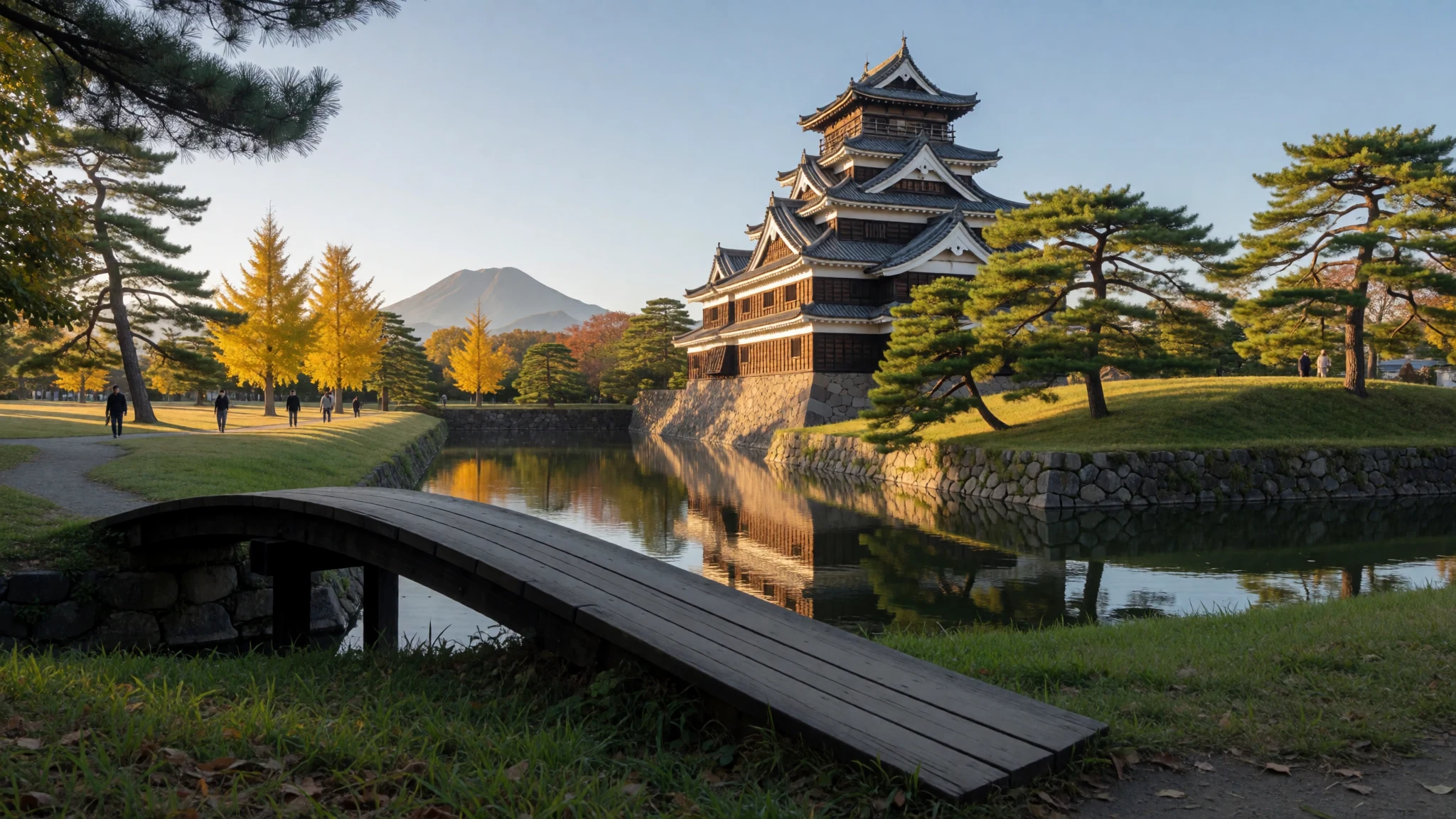
Hirosaki is a snowy, apple-growing castle town in northern Japan, with blossom-ringed moats, Zen temples and a lantern-lit summer festival.
The place
Hirosaki sits in the west of Aomori Prefecture, at the southern end of the Tsugaru plain in northern Honshu, with the cone of Mount Iwaki rising to the north-west. About 168,000 people live here, and the city works as the commercial hub for the farms and orchards around it rather than as a preserved relic. The Iwaki River runs through town, and the eastern and southern slopes of the mountain fall inside the city boundary. The layout still follows its days as a castle town: the moated castle park sits at the centre, temple districts lie to the south-west and south, and the station and shopping streets are a short distance away. Apples shape the place. Hirosaki is described as Japan's leading apple producer, and the city's own slogans lean on the fruit alongside the castle and the cherry blossom. Orchards run right up to the edge of town. Western-style buildings from the Meiji era, put up when Japan was borrowing ideas from abroad, stand among the older temples and samurai-era streets. Some call Hirosaki 'the Kyoto of the North'. That is generous, since it has far fewer monuments than Kyoto, but it does have a castle, a large number of temples and a famous summer festival, and it is much calmer. Winters are long and snowy, summers are warm, and the season of a visit changes what the city offers.
Its story
Hirosaki has been settled for a very long time: clay figures shaped like people, some as much as 12,000 years old, have been dug up around the region, with more from the Jōmon and Yayoi periods. In the Heian period the area belonged to the Northern Fujiwara, and after their defeat in 1189 it passed to the Nanbu clan. In 1571 a Nanbu retainer, Ōura Tamenobu, declared independence and took nearby castles. He swore loyalty to Toyotomi Hideyoshi in 1590, adopted the name Tsugaru, and then backed Tokugawa Ieyasu at Sekigahara, after which his holdings were confirmed. He began a castle at Takaoka, the earlier name of today's Hirosaki, and his successor Nobuhira finished it in 1611. A five-storey keep was lost to lightning in 1627, and in 1628 the domain's assessed rice yield was raised to 100,000 koku. The Tsugaru clan sided with the winners in the Boshin War, yet in 1871 the domain was abolished anyway. A short-lived Hirosaki Prefecture became Aomori Prefecture within the year, and the capital moved to the more central city of Aomori. Hirosaki lost its political standing but stayed a regional centre. Apples arrived in 1875, brought by John Inge, an American teacher at a local school, and the fruit slowly became the town's identity. The modern municipality dates from 1889.
What to see
- Hirosaki Castle — Castle park, central Hirosaki
Hirosaki Castle was completed in 1611 and housed the Tsugaru lords for generations. What survives is a broad park of about 49 hectares, wrapped in three concentric moats and earth banks around the remains of the inner enclosure. Cherry blossom in late April brings the biggest crowds; other seasons are calmer. Check the official site for current opening arrangements.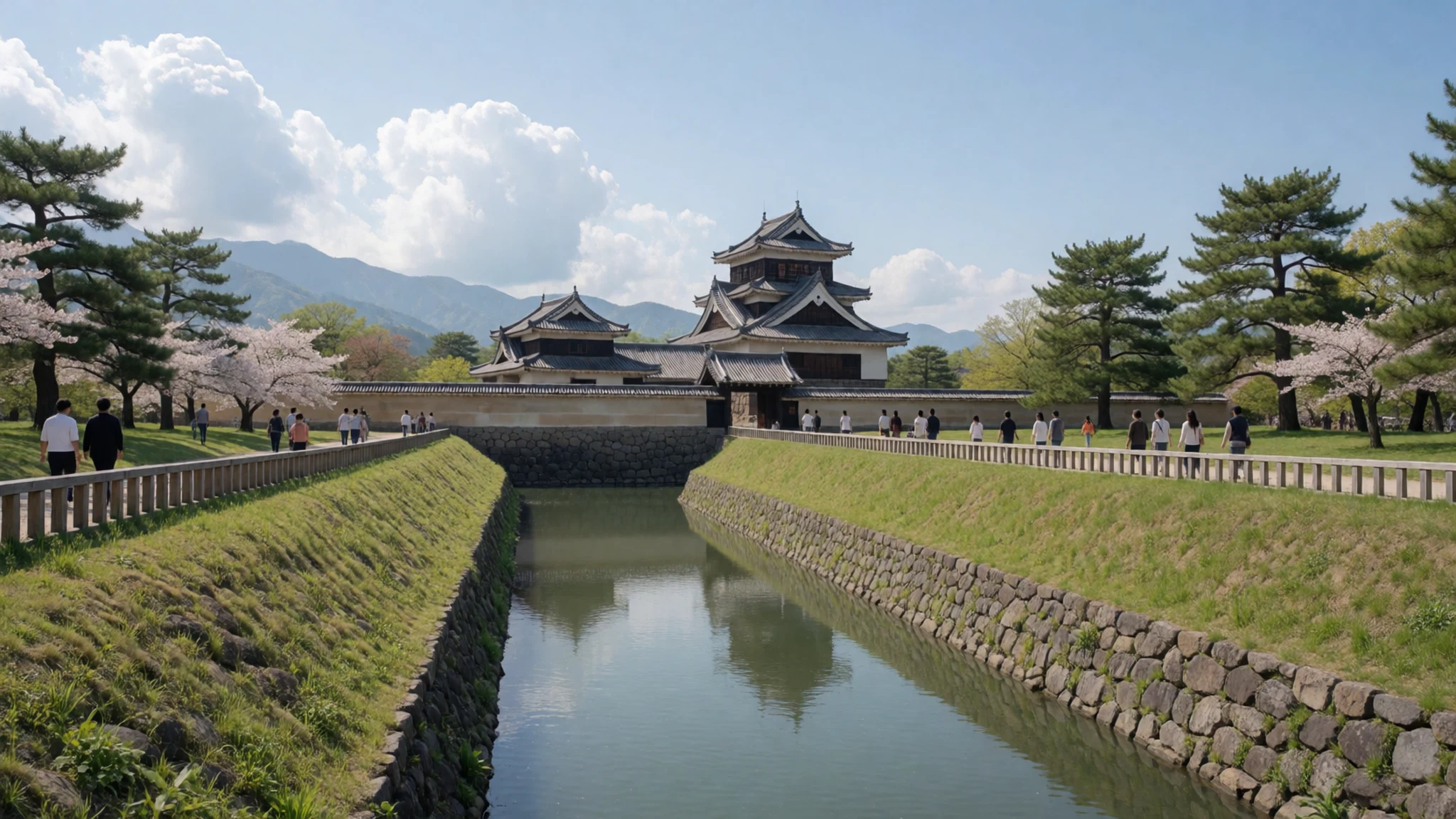
- Neputa Village — North-eastern corner of the castle park
At the north-eastern corner of the castle park, Neputa Village keeps festival floats and related items on view outside the summer season. It is a good way to see the fan-shaped floats up close without a crowd. The tourist centre on Oteman Square, across the park, shows more festival material. Check the official site for opening times.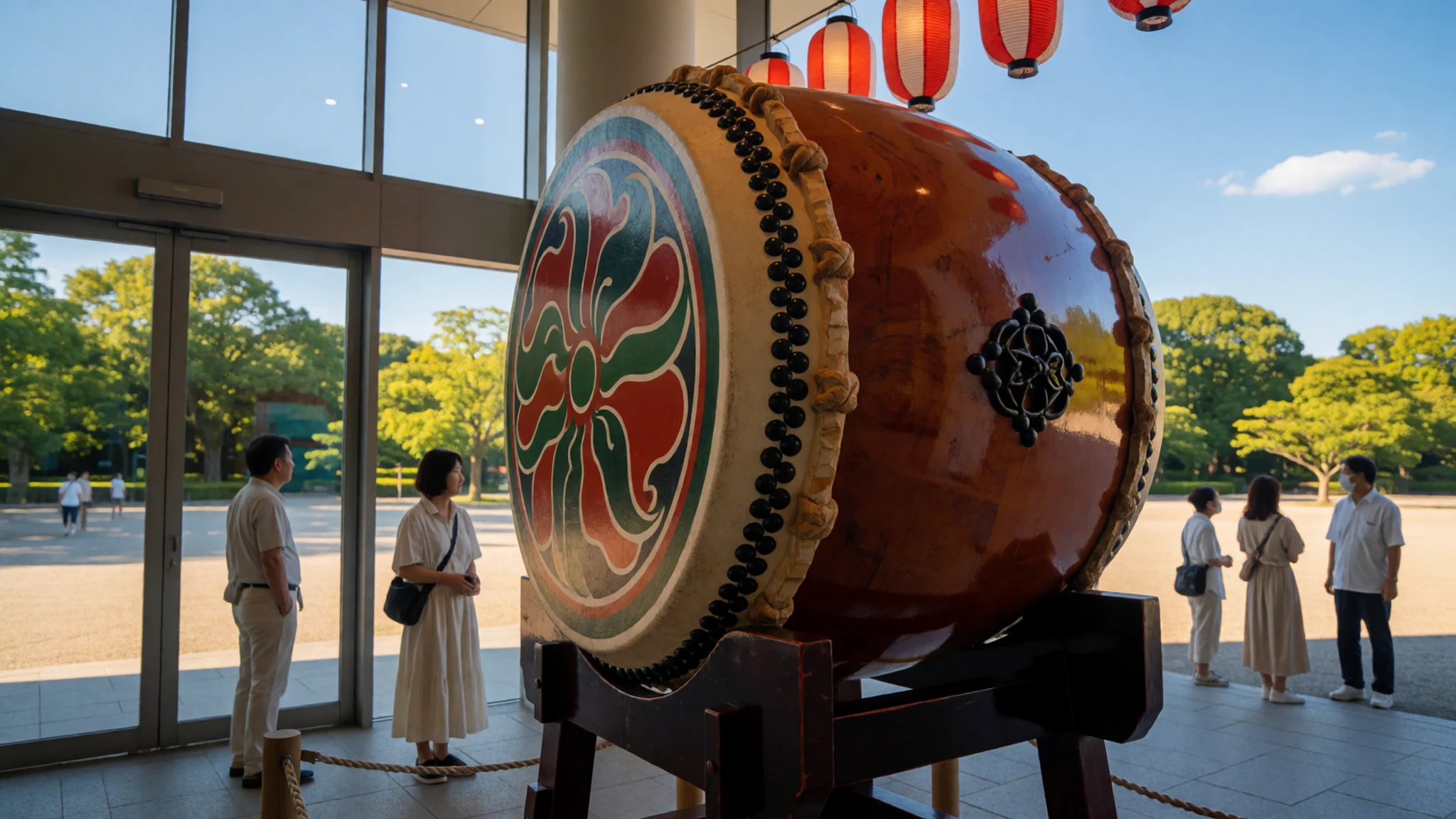
- Zenringai and Chōshō-ji — South-west of the castle
Zenringai is a street of 33 Zen temples, moved or built here to guard Hirosaki Castle spiritually. It leads on to Chōshō-ji, known for its Sanmon gate of 1629 and a hall filled with wooden statues of the 500 disciples of the Buddha. Allow a slow hour or two, and expect quiet.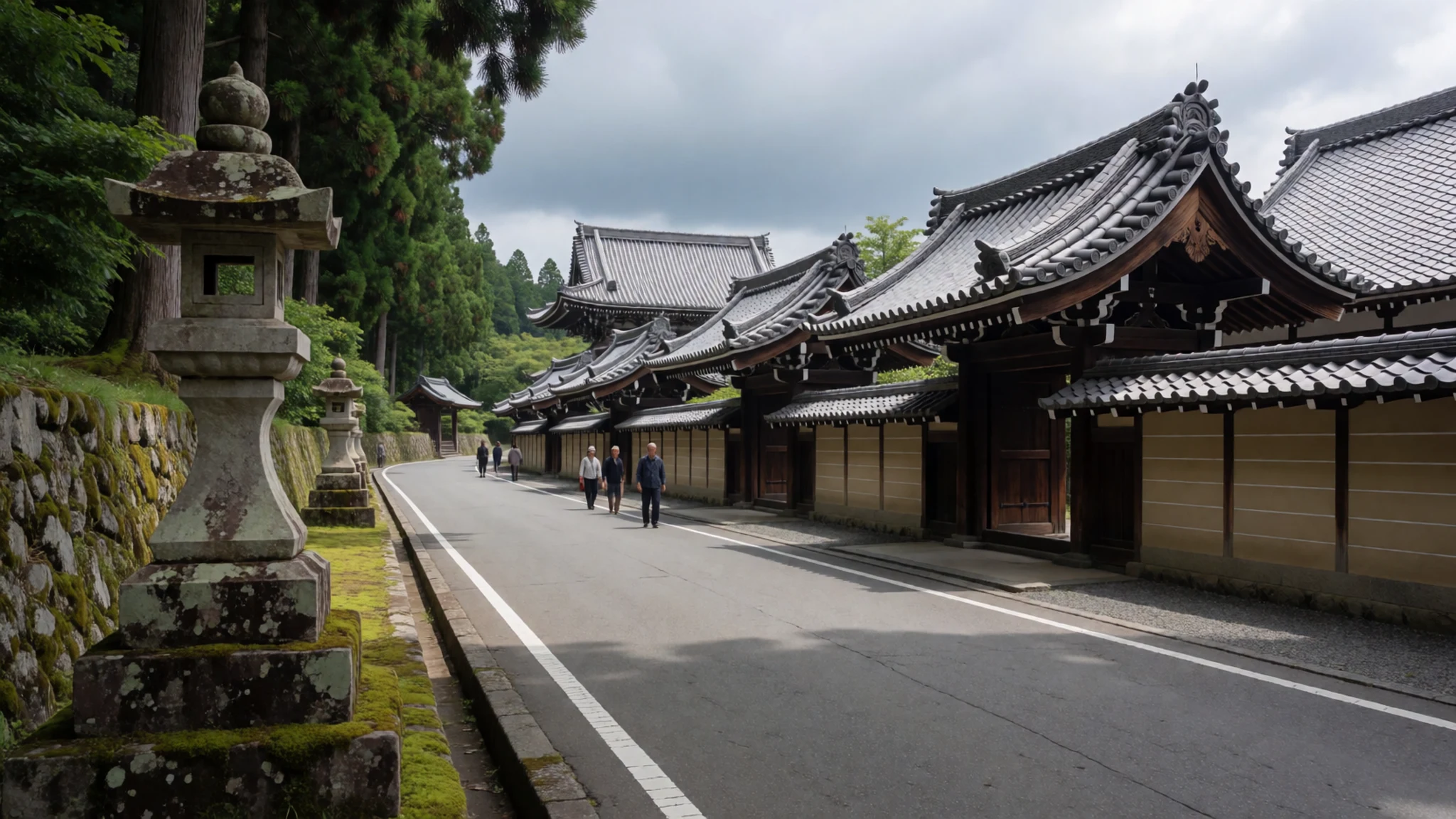
- Saishō-in pagoda — South of the castle
The five-storey pagoda at Saishō-in was completed in 1667 and stands about 31 metres tall. It took ten years to build, on the order of the Tsugaru lord Nobuyoshi. It rises over a calm temple compound south of the castle, and it pairs well with a walk along Zenringai.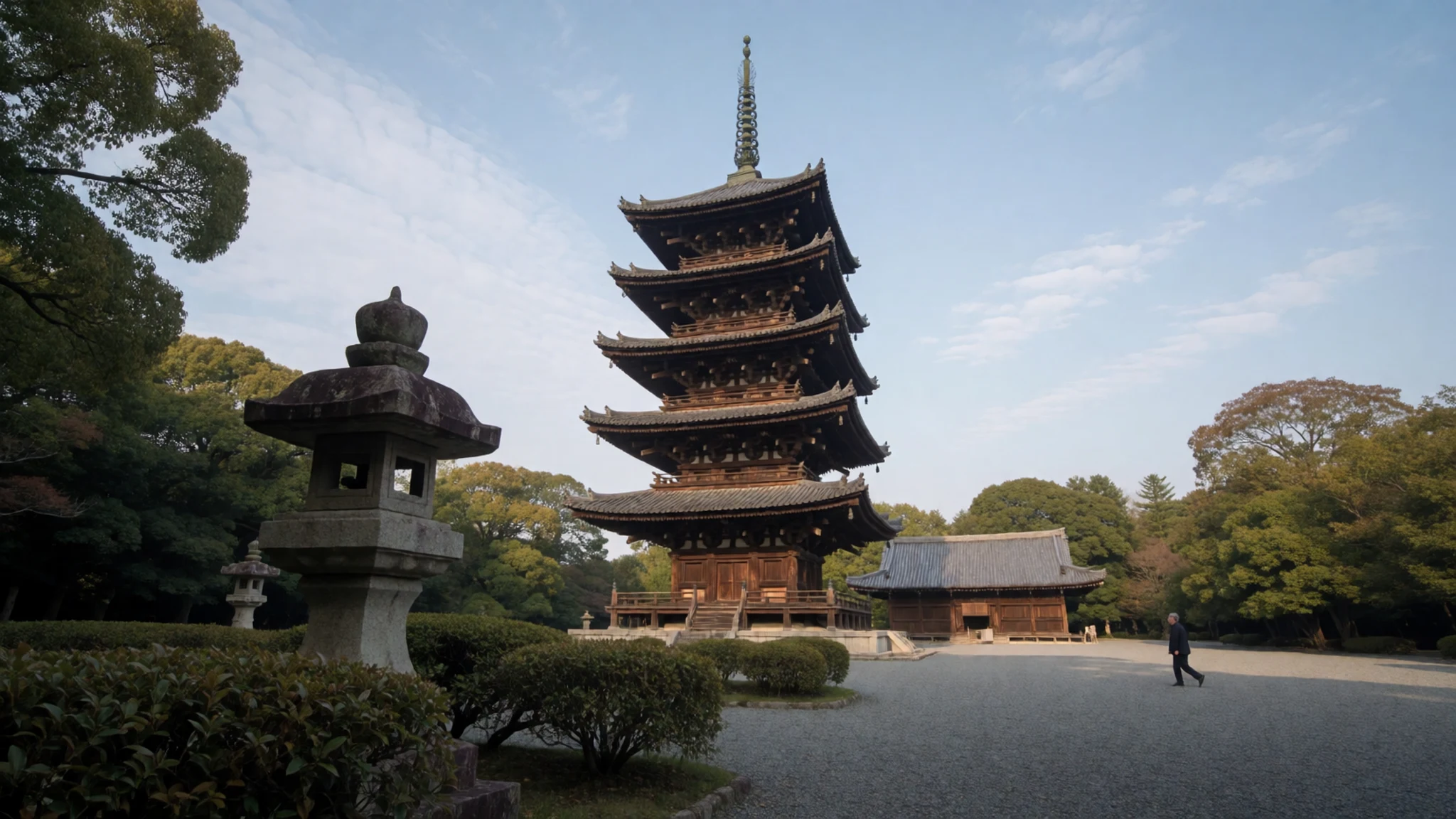
- Meiji western-style buildings — Central Hirosaki
Hirosaki is known for western-style buildings from the Meiji era, such as the former head office of the Fifty-ninth Bank, which appears among the reference photographs. They are scattered through the central streets, so looking for them makes an easy walking route between the castle, the tourist centre and the shops. Check the city website for which can be entered.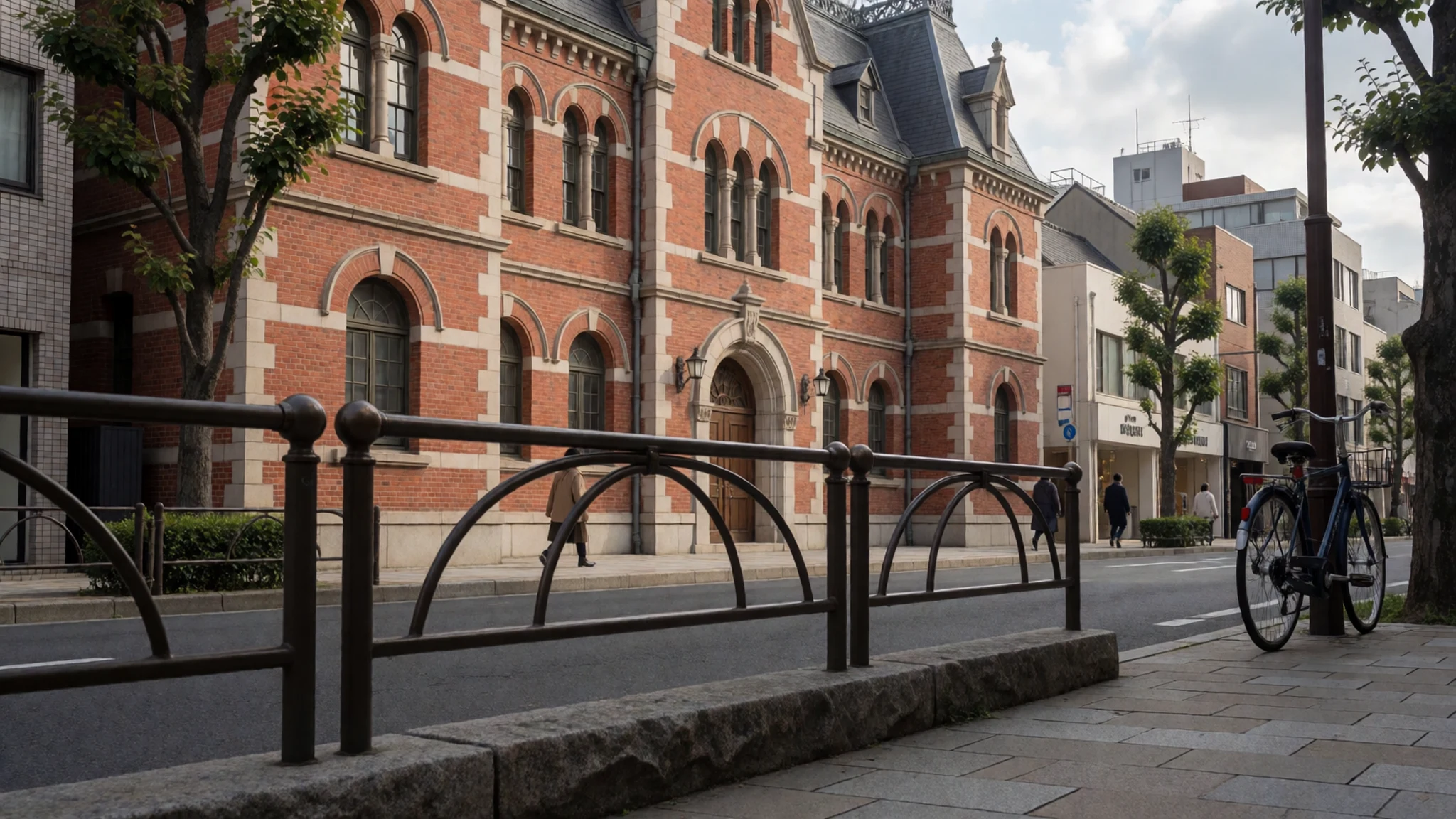
Culture
Hirosaki's culture rests on three things: the samurai-era castle town, the Zen and Nichiren temples around it, and a Tsugaru regional identity that feels distinct from the rest of Honshu. The Tsugaru clan ruled much of northern Tōhoku from here, and the town still treats that history with pride. Temples are part of the street plan rather than isolated sights. Zenringai, a street of Zen temples placed to protect the castle, shows how religion and defence were planned together, and Shinteramachi holds a newer group of temples of the Nichiren sect. The Neputa festival is the big event of summer. Large illuminated floats painted with warriors and legendary figures are pulled through the streets to drums and flutes, and the fan-shaped floats are the Hirosaki signature. It is a relative of the Nebuta festival held elsewhere in Aomori Prefecture. Outside the festival season, floats and drums can be seen at Neputa Village in the castle park. The Tsugaru region is also known for its fast, percussive style of shamisen playing and for Tsugaru-nuri lacquerware, both worth looking out for in concerts and craft shops. Students from the local colleges give the evenings a younger, livelier feel around Nishihiro. At temples, remove your shoes where the floor is raised, keep your voice low, and follow any signs forbidding photography inside the halls.
What to wear
Hirosaki's traditional clothing follows the national pattern, with kimono for formal occasions and cotton yukata for summer evenings and festivals, but the Tsugaru region adds a textile of its own. Kogin-zashi is a counted stitching technique in which white cotton thread forms geometric bands on dark indigo cloth. It grew out of the need to strengthen and insulate everyday work clothes in a cold, snowy region, and it now appears on bags, coasters and clothing. During Neputa, dancers and drummers wear festival costume, a cotton outfit with a sash and a decorated hat. Day to day, people dress as in any Japanese city: practical Western-style clothes, dark coats and boots in winter, light layers in summer. Kimono appear mainly at weddings, graduations and festivals. For a visitor, climate decides most choices. January averages about -1.5 °C with heavy snow, so thermal layers, a windproof coat, gloves and waterproof boots with a good grip are needed from late autumn to early spring. August is the wettest month and averages around 23.5 °C, so pack light, quick-drying clothes and a compact umbrella. Blossom-season evenings can still be cool. Shoes come off at temples and some museums, so wear slip-on shoes and clean, whole socks. Covered shoulders and knees are not strictly required, but modest dress is respectful at temples.
What to eat
- Fresh apples and apple juice — Orchard stalls, fruit shops and markets around the edge of town
Apples are Hirosaki's signature, and fresh fruit and pressed juice are sold near the orchards. The juice is a simple way to taste local fruit, and the varieties change through the season, so ask what is ripe when you buy.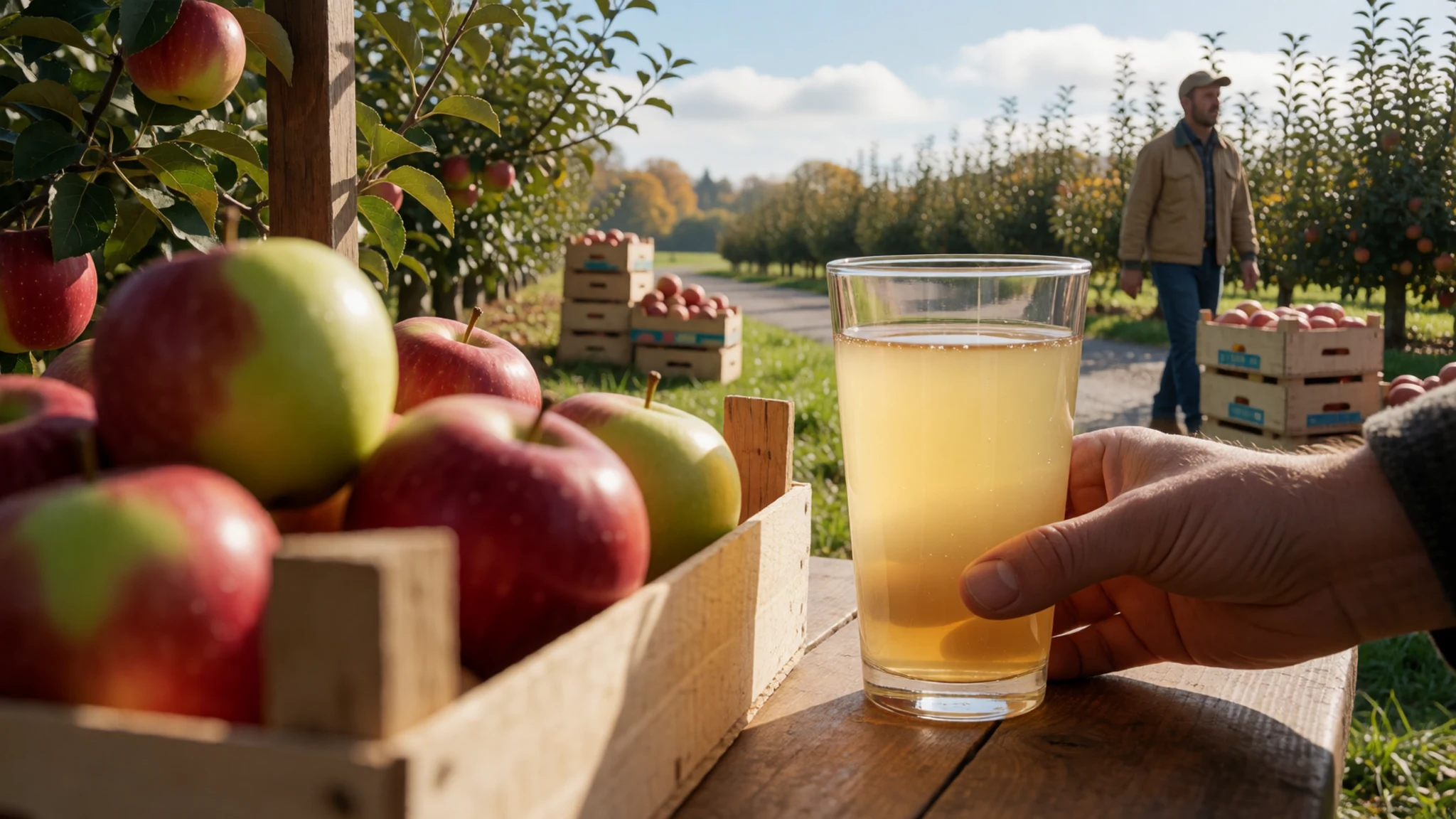
- Apple pie and baked apple sweets — Cafés and bakeries in the town centre
Cafés and bakeries in the town centre turn the local fruit into pies and tarts, often served warm. It is an easy afternoon stop after the castle park, and a good way to compare how different apples behave when baked.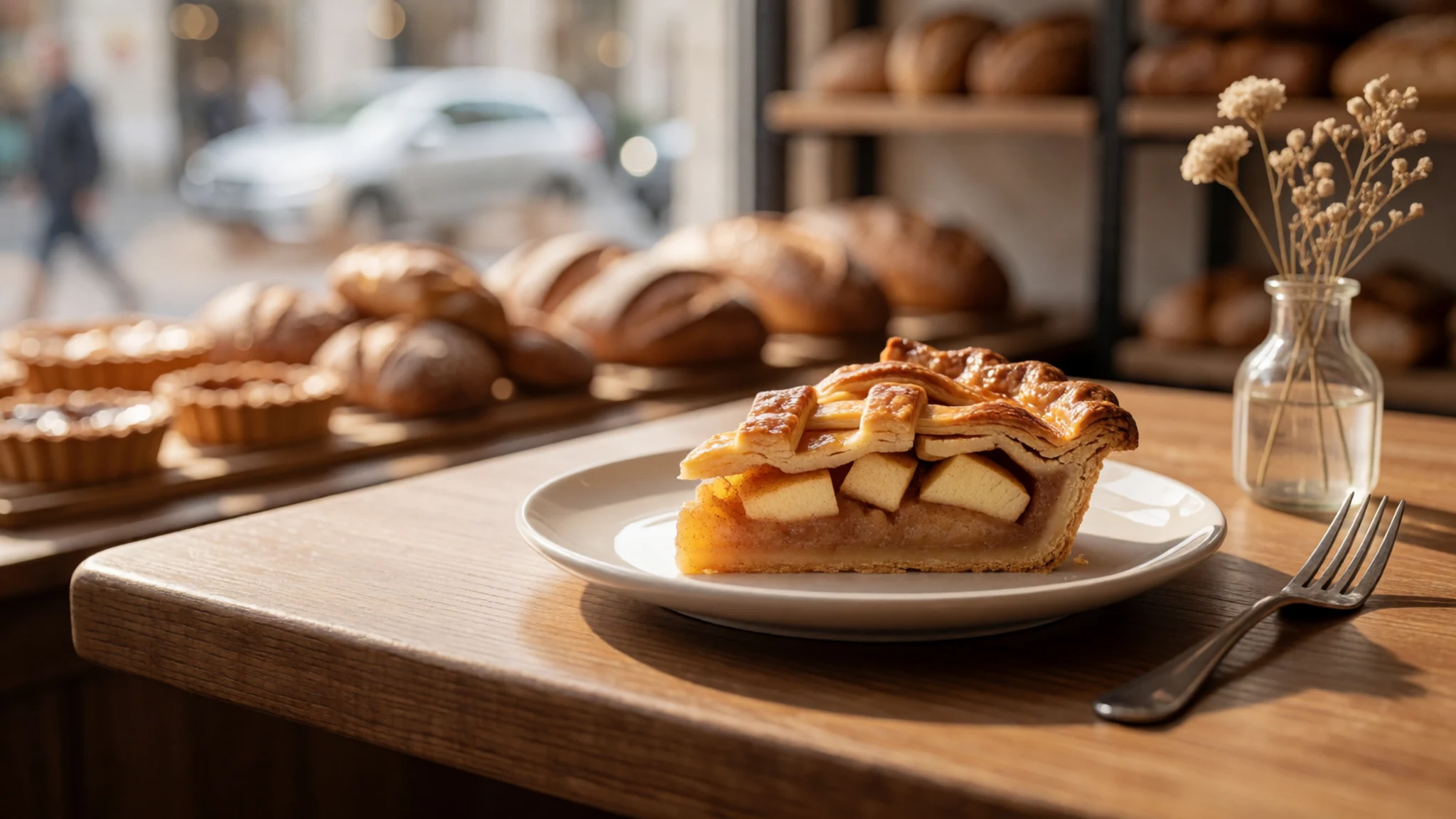
- Ramen — Neighbourhood noodle shops in the town centre
Small ramen shops around town offer a wide range of flavours, and Tsugaru-style bowls often use a broth built on dried small fish. Locals treat a bowl as a quick lunch or a late-evening finish after drinking. - Tsugaru home cooking and kenoshiru — Traditional eateries and set-meal restaurants; ask the tourist centre for current suggestions
Traditional Tsugaru cooking centres on regional produce and preserved food. Kenoshiru, a clear soup of finely chopped vegetables, is a classic of the region and especially welcome in cold months. A local group works to keep these recipes alive. - Izakaya small plates — Kajimachi and Nishihiro areas
In the evening, izakaya (informal pubs) serve small shared dishes with beer or sake. The Kajimachi area near the castle is the usual place to start, while the Nishihiro area has cheaper bars aimed at students but is harder to find.
Plan it
Best time. Late April to early May for cherry blossom around the castle, and October for apple harvest and autumn colour. August brings the summer Neputa festival, but it is also warm and the wettest month. Winters are cold with heavy snow, though the city is quiet and photogenic then.
How long. 2
Getting there. The closest airport is Aomori (AOJ), from where you continue by road or rail. By train from Tokyo, take the Tohoku Shinkansen to Shin-Aomori, then change to a Tsugaru limited express or a local Ōu Main Line train to Hirosaki; the whole trip takes about four hours. Local trains from Aomori take about 45 minutes.
Budget. mid
Tips
- Visit the castle park early in the morning or on a weekday during blossom season, when it is busiest.
- Book rooms well ahead for the blossom season and the Neputa festival, and check the city's official site (https://www.city.hirosaki.aomori.jp/) for dates and events.
- Carry some cash for small temples, orchard stalls and local eateries, as not all take cards.
- In winter, wear boots with a good grip, since pavements ice over and heavy snow can disrupt trains.
- If coming from Tokyo, check whether a JR East Rail Pass or the national Japan Rail Pass suits your route.
Etiquette
- Remove your shoes at temple halls where there is a raised floor.
- Do not enter orchards or pick fruit without permission; buy from stalls instead.
- At festivals, stay behind barriers and ask before photographing performers up close.
Nearby
Sources
- Wikidata Q194087 (CC0)
- Wikipedia: Hirosaki (rev 1382989670) (CC BY-SA 4.0)
- Wikivoyage: Hirosaki (rev 5404102) (CC BY-SA 4.0)
- The Hirosaki castle, MAKIKO OMOKAWA (CC BY 3.0)
- The castle of Hirosaki with cherry blossom, Si-take. (CC BY 3.0)
- Mt. Iwakisan from Hirosaki Castle, Soica2001 (Public domain)
- Ōgi-Neputa, Rosino (CC BY-SA 2.0)
- Hirosaki Saishō-in, At (CC BY 3.0)
- Former Fifty-ninth Bank head office, Ippukucho (CC BY 3.0)
- Hirosaki City Hall with cherry blossom, 掬茶 (CC BY-SA 4.0)
- Hirosaki Castle in 1987, Fg2 assumed (Public domain)


