Hao
Hao, France
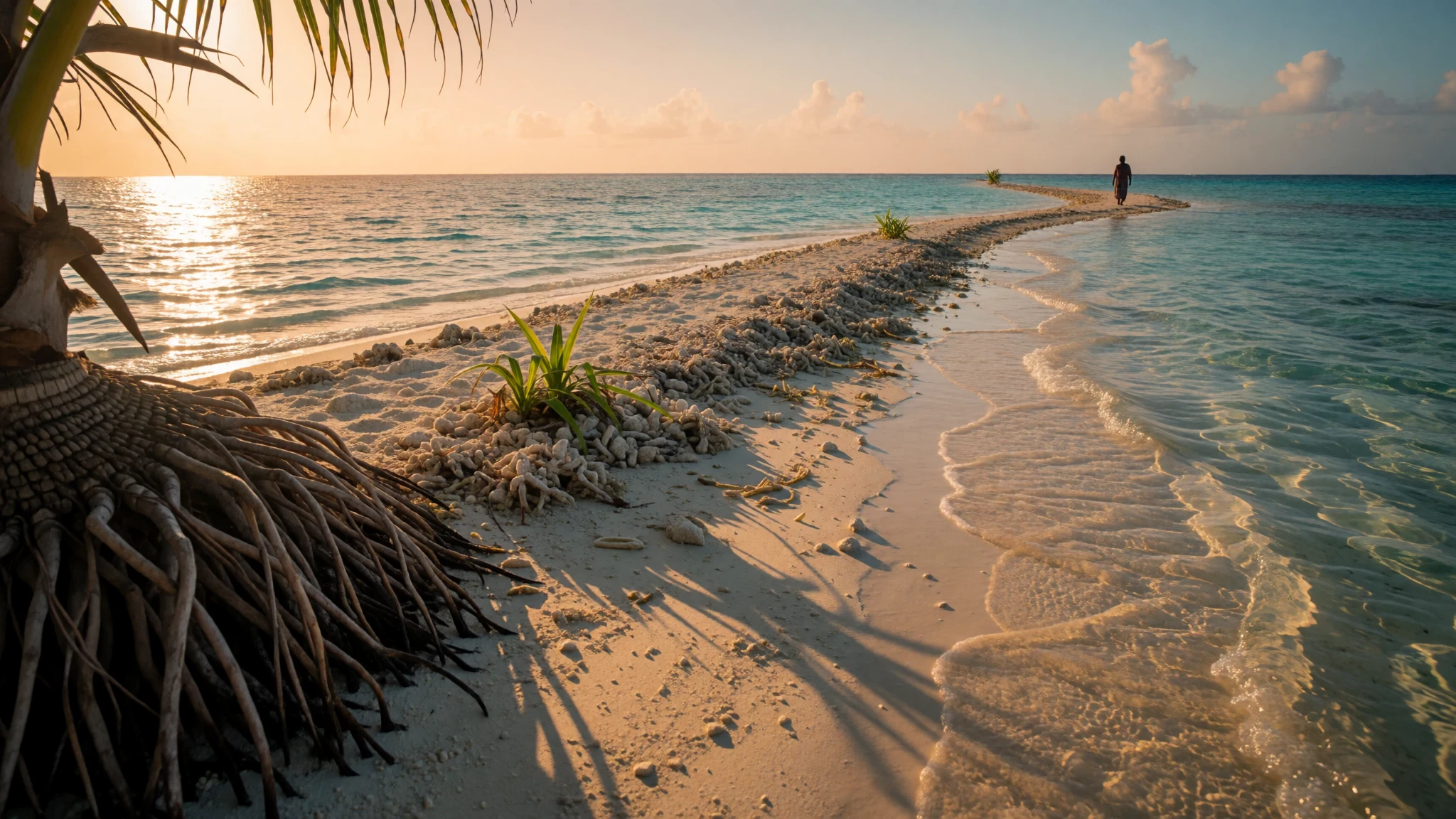
Hao is a remote Tuamotu atoll ringed around a wide lagoon, where pearl farms, a single reef passage and a nuclear-era past meet.
The place
Hao is a coral atoll in the central Tuamotu Archipelago, a ring of reef and low land that stands only about 3 metres above the sea. Its other name is Haorangi. From the air it looks like a thin pale loop around a lagoon; from the ground the horizon is mostly water, coconut palms and sky. The atoll lies about 920 km east of Tahiti and runs for roughly 50 km, with a width of around 14 km, and about 1,000 people share the strip of land. The lagoon has just one navigable gap in the reef, the Kaki pass at the northern end, where tidal currents can run at up to 20 knots. Every supply ship and pearl-farm boat depends on that single opening. Otepa is the settlement, and its economy turns on pearls. Hao also has a military past: it was the support base for the French nuclear tests at Mururoa, which is why the airfield here is sizeable for the population and still serves neighbouring atolls. The climate is maritime, with temperatures staying between 23 and 32 °C all year, so the seasons are a matter of rain and wind rather than cold. Visitors should expect a quiet, flat, sunny place with a lagoon, a village and long conversations rather than a resort. Anyone wanting nightlife or shopping will be disappointed; anyone who likes remote, unhurried places often is not.
Its story
Hao entered European records on 10 February 1606, when the Spanish navigator Pedro Fernández de Quirós sighted it and named it Conversion de San Pablo. José Andía y Varela passed by in 1774. In between, in 1768, Louis Antoine de Bougainville charted the atoll and called it Île de la Harpe, Harp Island, because of its shape; some English-language maps show it instead as Bow Island. Fabian Gottlieb von Bellingshausen reached Hao in 1820 aboard Vostok, with Mirni alongside, and it was the first Tuamotu atoll he visited. A British survey under Captain Frederick Beechey in HMS Blossom followed in 1825 and produced an Admiralty chart of the atoll. The twentieth century changed the island's purpose. France made Hao the support base for its nuclear testing at Mururoa, and the atoll became a military place as much as a fishing and pearling one. In the late 1980s it also briefly featured in diplomacy: two French intelligence agents, released from a New Zealand prison after sinking the Greenpeace ship Rainbow Warrior, were confined to the base, and their early return to France caused a row between Paris and Wellington. The military airfield passed to civilian control in 2000 and now operates as Hao Airport, a link for smaller eastern Tuamotu islands whose own strips cannot take aircraft big enough to reach Tahiti.
What to see
- The lagoon — Whole atoll
The lagoon is the reason to come. It covers roughly 720 square kilometres, enough that the far shore disappears into haze, and the water shifts between pale green over sand and deep blue over drops. Boat trips and snorkelling are arranged through local guesthouses and pearl farms; ask about conditions each day, because wind changes the lagoon quickly.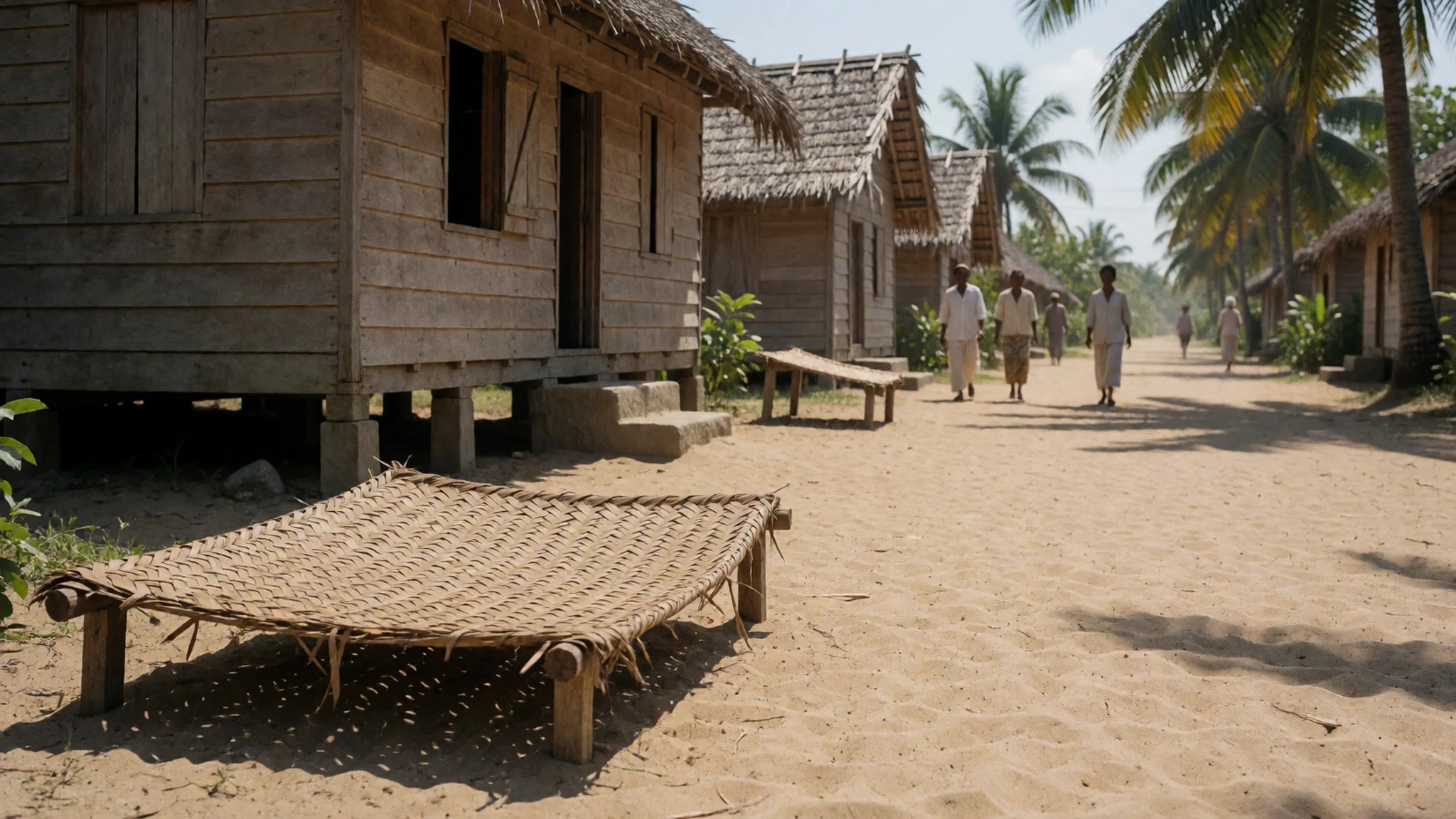
- Otepa village and its pearl farms — Otepa
Otepa is the main village, low-rise and strung along the lagoon edge, with pearl cultivation as its principal trade. A visit to a working farm, arranged through a guesthouse, shows how oysters are grafted and hung in the water. The village is also where shops, the dispensary and daily life are found, so it works as a base.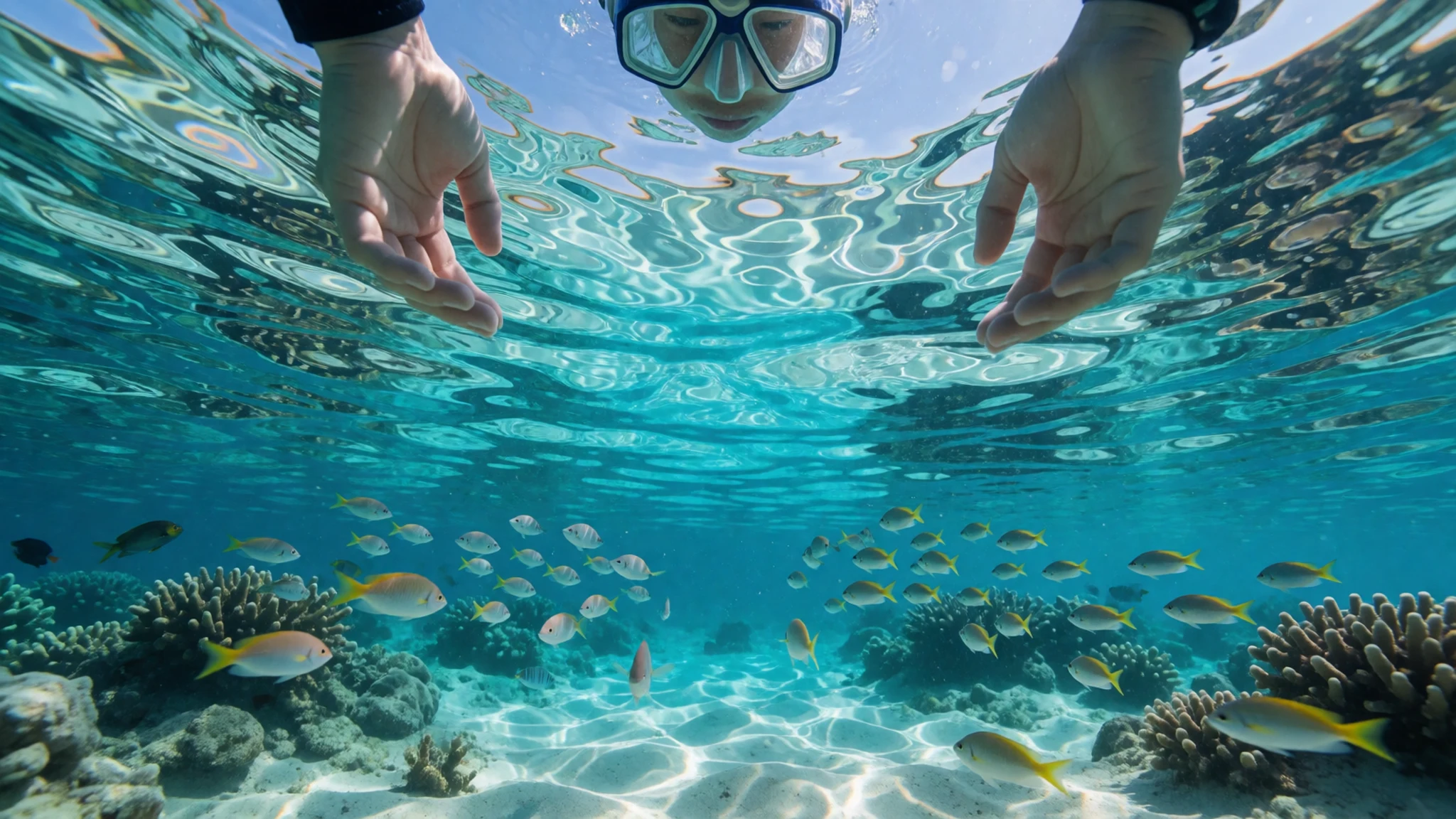
- The Kaki pass — Northern end of the atoll
The Kaki pass at the northern end is the lagoon's only navigable opening. Water pours in and out with the tide, sometimes forming standing waves, which is dramatic to watch from the shore and dangerous to swim in. Local boatmen know when the flow eases; treat it as a place for looking, not bathing.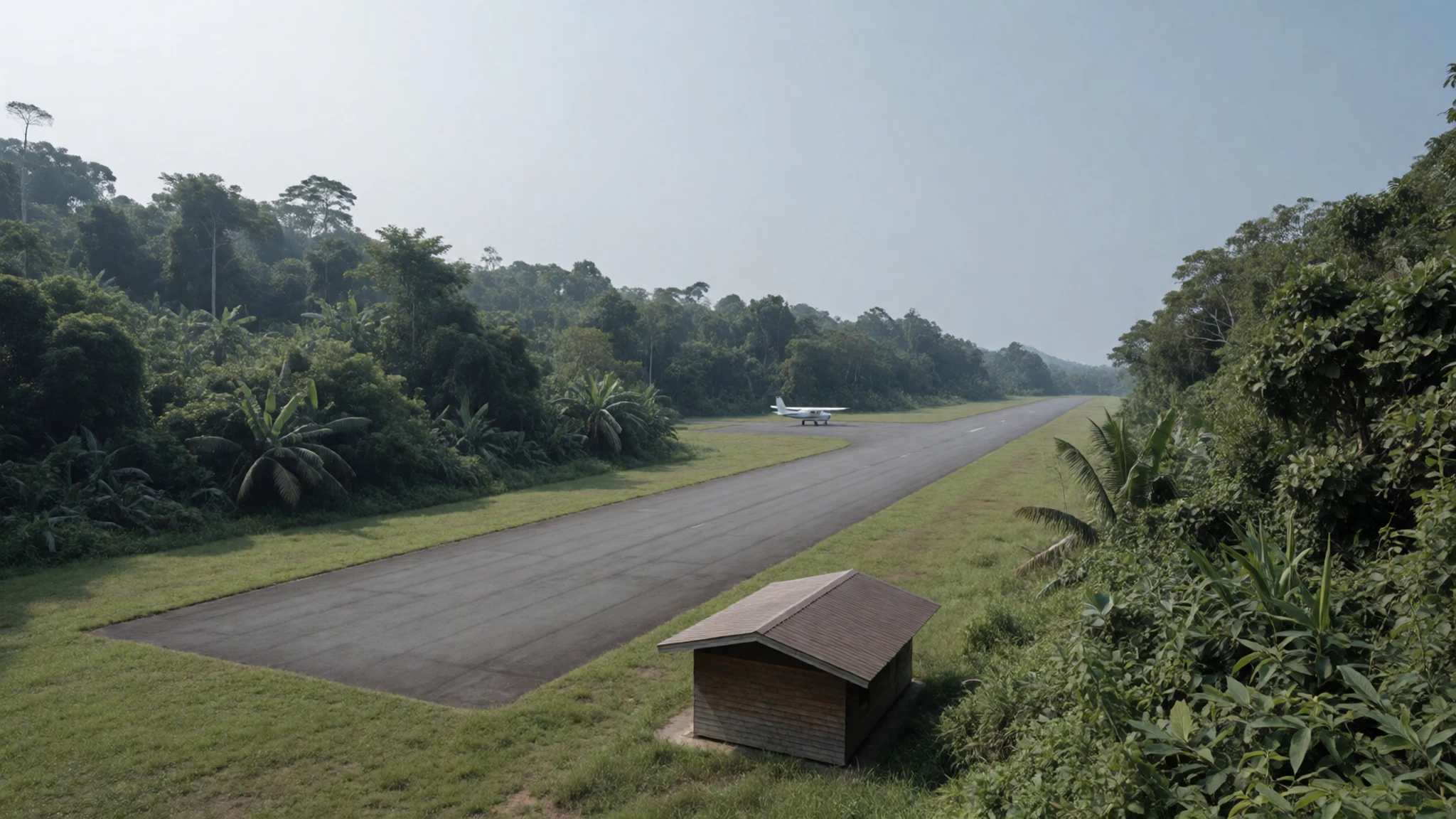
- Hao cemetery — Near the village
Island cemeteries in the Tuamotu are family places, often decorated with flowers, and the one on Hao is a quiet spot to see how the community keeps its dead close to the sea. Visit respectfully, without close-up photographs of graves or of people tending them, and keep to the paths.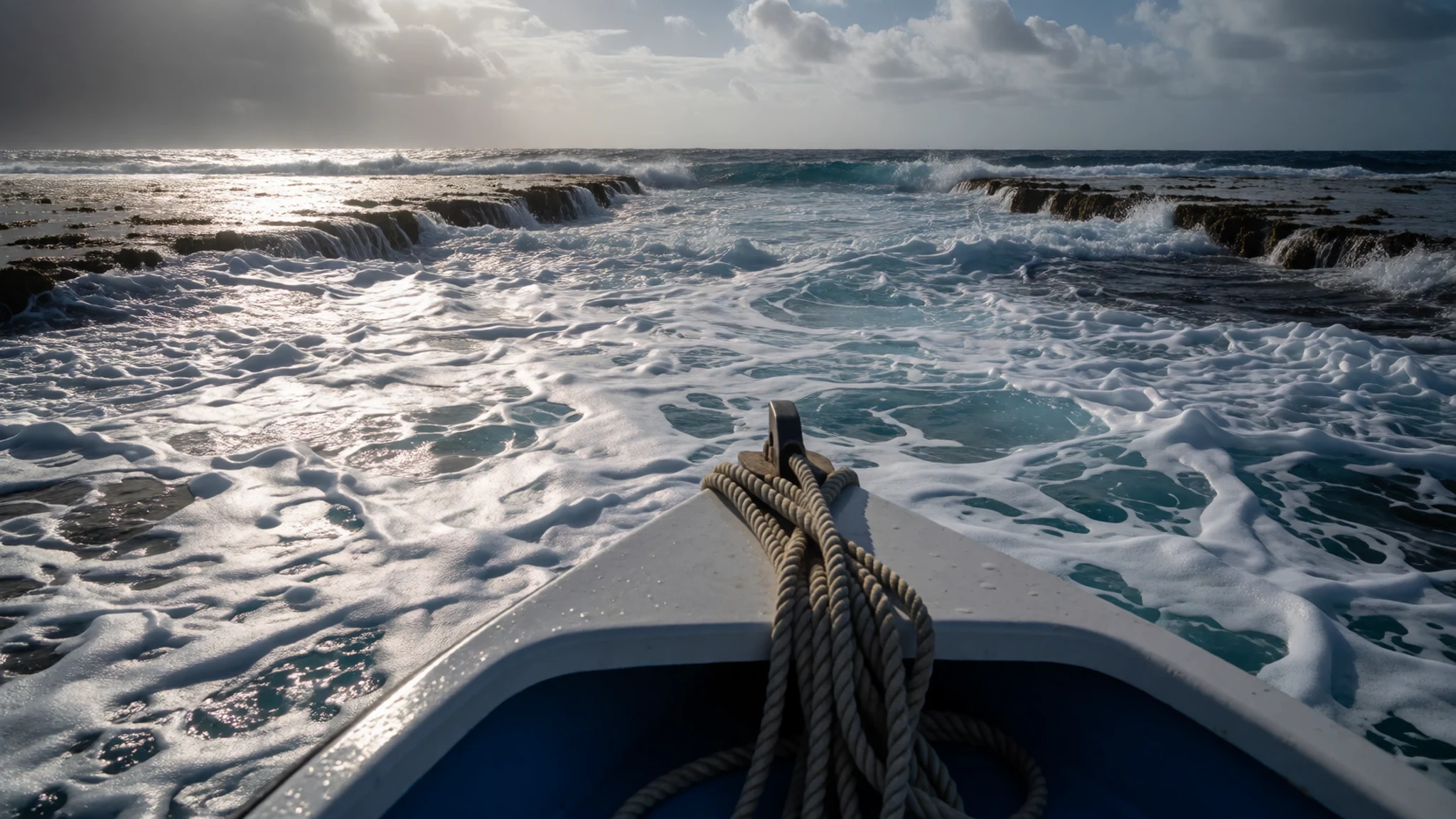
- Sunset over the lagoon — Lagoon shore
With no hills and little artificial light, the sky does the work here. An evening walk along the lagoon side of the village shows long colour over flat water, with palms in silhouette and boats heading in. It costs nothing, needs no booking, and is the best use of the hour before dinner.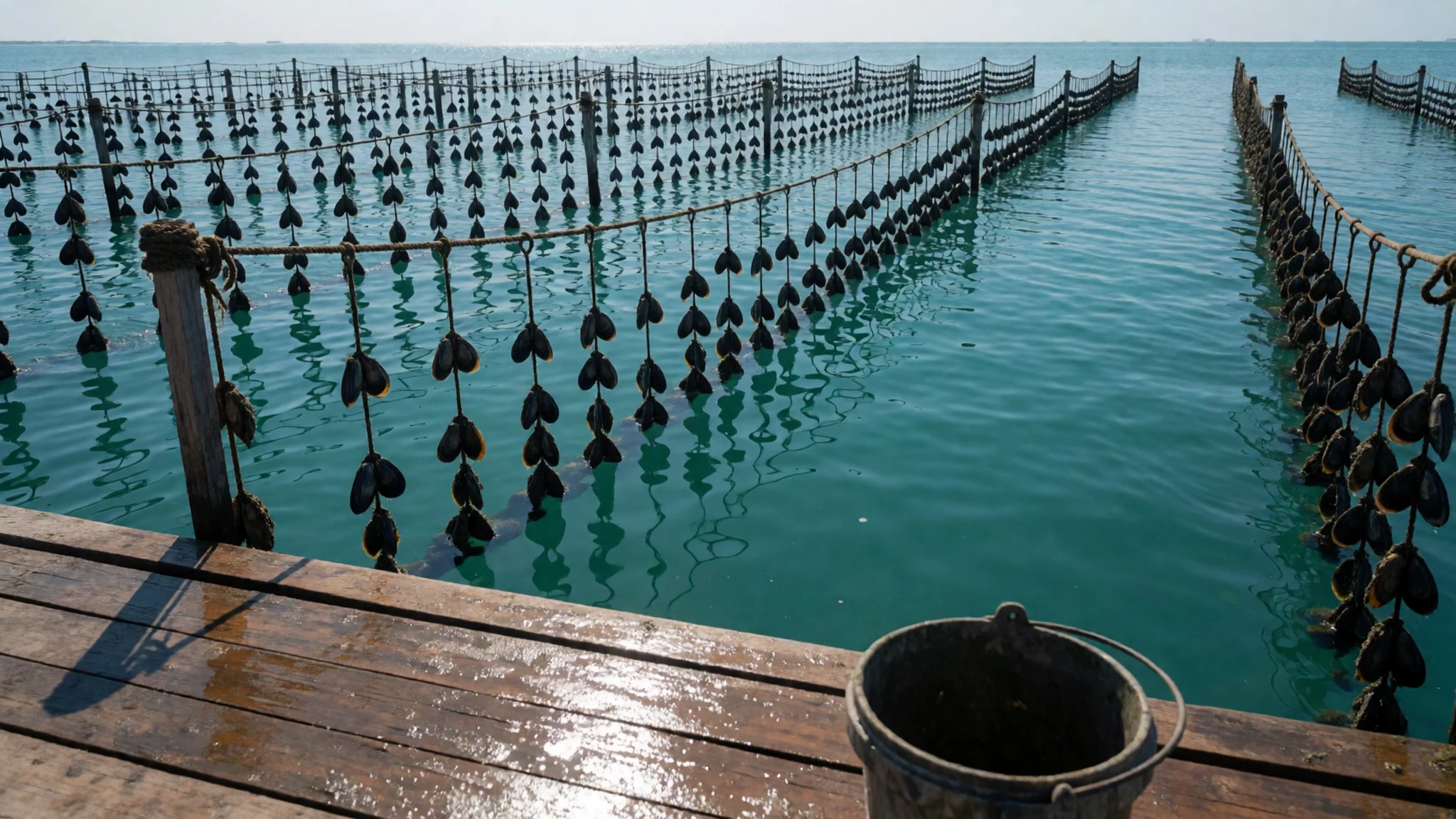
Culture
Hao's culture is Polynesian at its core, shaped by the Tuamotu way of living on thin strips of land between a lagoon and the open ocean. Pearl farming, fishing and shared family work set the rhythm of the day, and people are generally relaxed and hospitable in the spirit of aita pea pea, a Tahitian phrase meaning no worries. Both French and Tahitian are heard, and French is the language of official business. Churches are important to village life, and Sunday tends to be quiet, with services, family meals and little else. The atoll's nuclear-testing past is part of local memory, so it is better to listen than to ask pointed questions about it. Respect for the sea runs through everything. Rules cover approaches to whales and other marine mammals, and permission from the environmental authorities is required for any activity that involves getting close to them. Pearls are a livelihood, not a souvenir stall, so buying directly from a farm is welcome but bargaining hard is not. Hospitality works both ways: accept a drink or a shared meal graciously, and offer help or a small gift in return. Ask before photographing people, pearl farms or the cemetery, and keep your voice low in church and around graves.
What to wear
Traditional dress in Hao follows the wider Polynesian pattern of the Society and Tuamotu islands. The pareu, a length of printed cotton wrapped around the body, is the everyday classic, worn by women and men alike. For church and festivals, women wear long, loose cotton dresses introduced in the missionary era, often in bright floral prints, with plaited pandanus or coconut-leaf hats and crowns of fresh flowers or leaves. Tifaifai, appliquéd or patchwork quilts, are made for weddings, gifts and household pride, and pearl, shell and plaited-fibre jewellery completes a dressed-up look. Day to day, people on Hao wear what suits heat, sun and boats: T-shirts, shorts, light cotton, rubber sandals or bare feet, with caps or wide hats against the sun. A pearl farmer's clothes are practical and often wet. Visitors should pack light, quick-drying cotton or linen, a long-sleeved sun shirt and a wide-brimmed hat, because temperatures stay warm all year and shade is scarce on a low atoll. Reef shoes protect feet from coral and sharp shells in the shallows. In the village and in church, cover shoulders and knees, and keep swimwear for the beach or the boat. Sandals that slip off easily are handy, since shoes are usually removed at doors.
What to eat
- Poisson cru — Guesthouse tables and village snack counters in Otepa
Raw fish cut small, marinated briefly in citrus juice and finished with coconut milk, often with cucumber and onion. It tastes clean, sharp and creamy, and it is only as good as the fish is fresh. Look for it at family guesthouse meals and village snack counters.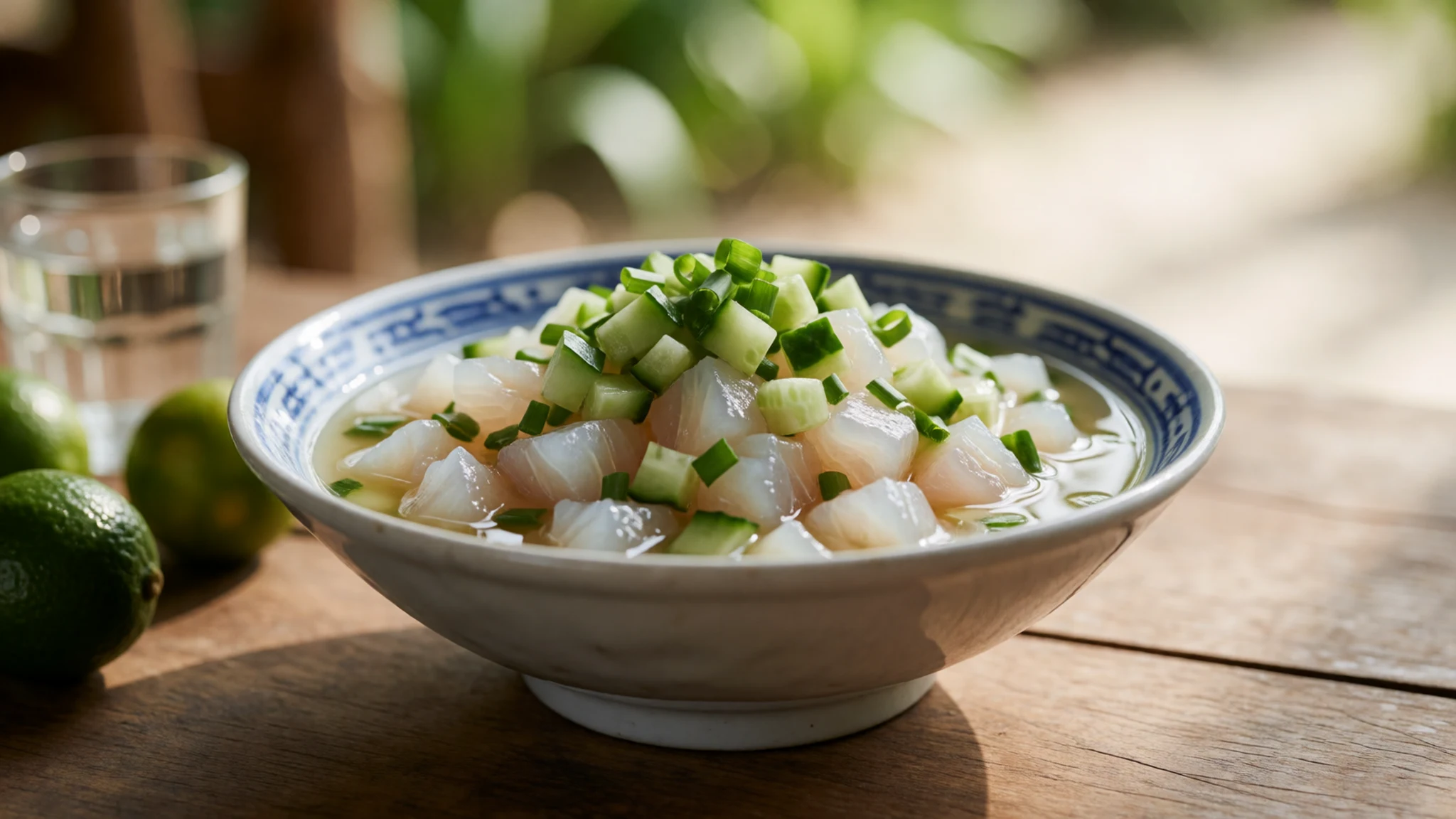
- Ma'a tinito — Snack counters and family tables in the village
A Chinese-Polynesian comfort dish of pork, kidney beans, Chinese cabbage and macaroni, served hot in a bowl. It reflects the Chinese communities who settled in French Polynesia and is filling after a day on the water. Ask for it at a snack counter or a village family table.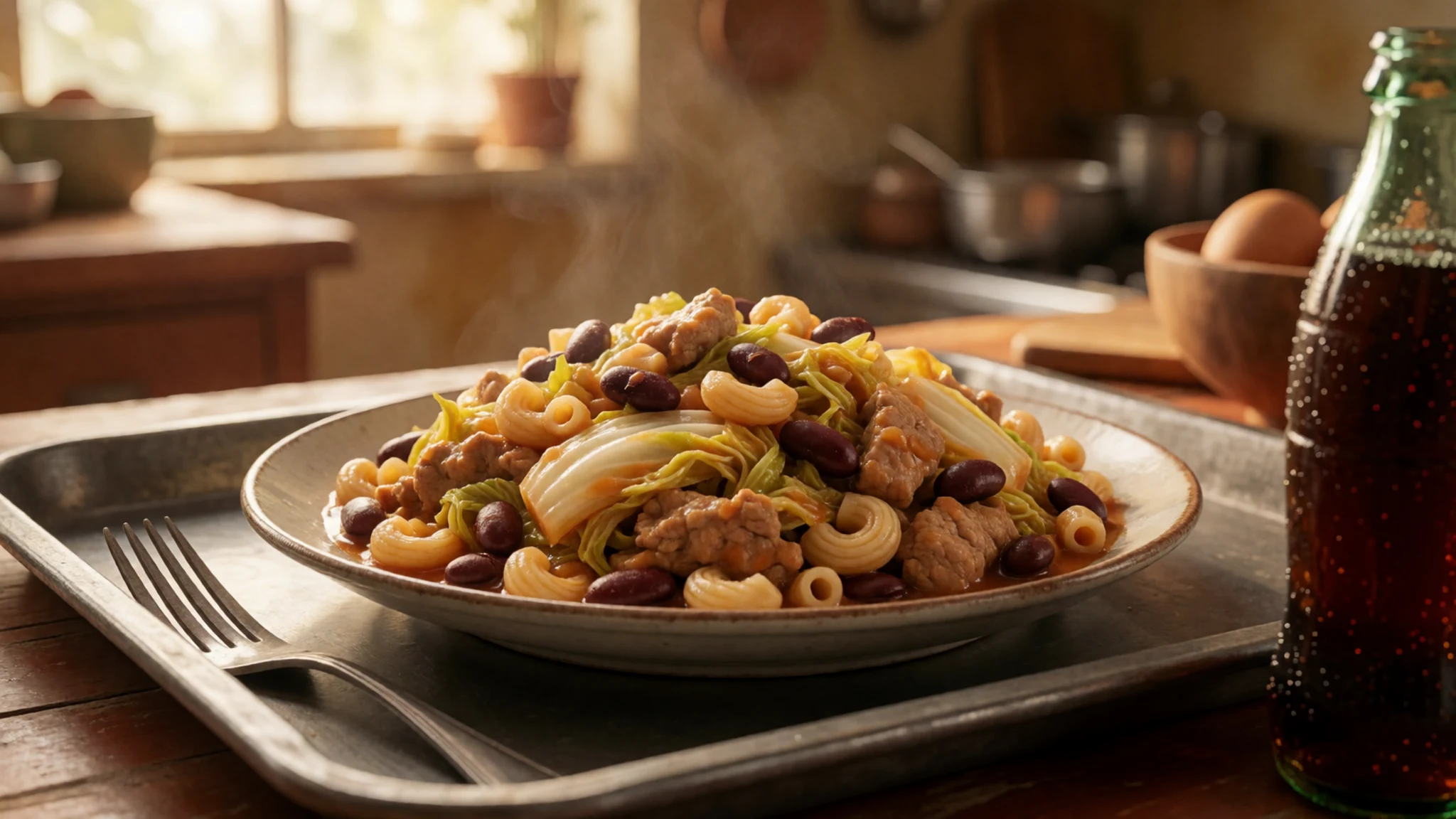
- Tamara'a (earth-oven feast) — Community and family celebrations
A celebration meal in which pork, fish and local starchy roots and fruit are wrapped in banana leaves and cooked slowly over hot stones in an earth oven. On Hao it appears at weddings, festivals and family gatherings, so an invitation is the usual way to taste it. - Grilled lagoon fish — Guesthouse dinners and lagoon-side cookouts
Lagoon fish grilled over a wood fire or roasted whole, served with rice or breadfruit and a squeeze of lime. Simple, smoky and caught the same day. Look for it at guesthouse dinners and at beachside cookouts after a boat trip. - Firifiri — Village stalls and community events
Sweet, twisted doughnuts made with coconut milk and eaten warm as a snack. They turn up at village stalls and community events, and they go well with coffee in the morning.
Plan it
Best time. May to October is generally the drier stretch and the most comfortable for boats and snorkelling, though temperatures stay between 23 and 32 °C all year because the climate is maritime. Ask your guesthouse about wind and sea conditions before booking boat trips.
How long. 2–3
Getting there. Fly from Tahiti (Papeete) to Hao Airport (HOI), which serves several smaller eastern Tuamotu islands. The last leg is a short road transfer to Otepa, usually arranged by your guesthouse. Atoll flights run on small aircraft, so check schedules on the airline's official site.
Budget. mid
Tips
- Book flights and guesthouse well ahead, as seats and rooms on remote atolls are limited
- Check entry rules for French Polynesia before travelling: Schengen visas for metropolitan France are not valid there
- Carry some cash, as card facilities may be limited and supplies arrive by ship or plane
- Bring a wide-brimmed hat, sun protection and a refillable bottle, and ask your guesthouse about drinking water
- Stay out of the water near the Kaki pass, where currents are strong
Etiquette
- Ask before photographing people, pearl farms or the cemetery
- Keep to the rules on approaching whales and other marine mammals
- Dress modestly in the village and in church
Nearby
Sources
- Wikidata Q1584116 (CC0)
- Wikipedia: Hao (French Polynesia), rev 1382422444 (CC BY-SA 4.0)
- Wikivoyage: French Polynesia, rev 5399125 (CC BY-SA 4.0)
- Photo 01-hao2.jpg (NASA-Johnson Space Center) (Public domain)
- Photo 02-hao-cimetiere.jpg (Georges Martin) (CC BY 3.0)
- Photo 03-atoll-de-hao-prise-de-vue-l-infirmerie.jpg (Un Haotien) (CC BY 3.0)
- Photo 04-air-tahiti-hao.jpg (FRED) (CC BY 3.0)
- Photo 05-admiralty-chart-no-1111-hao-island (UK Hydrographic Office) (Public domain)
- Photo 06-admiralty-chart-no-1111-heyow (Walker, Beechey, Walker) (CC0 1.0)
- Photo 07-carte-bougainville-aux-tuamotus-1768 (Bougainville) (Public domain)
- Photo 08-coucher-de-soleil-sur-l-atoll-de-hao (Olivier Dugornay, IFREMER) (CC BY 4.0)


