Hanging Rock
Hanging Rock, Australia
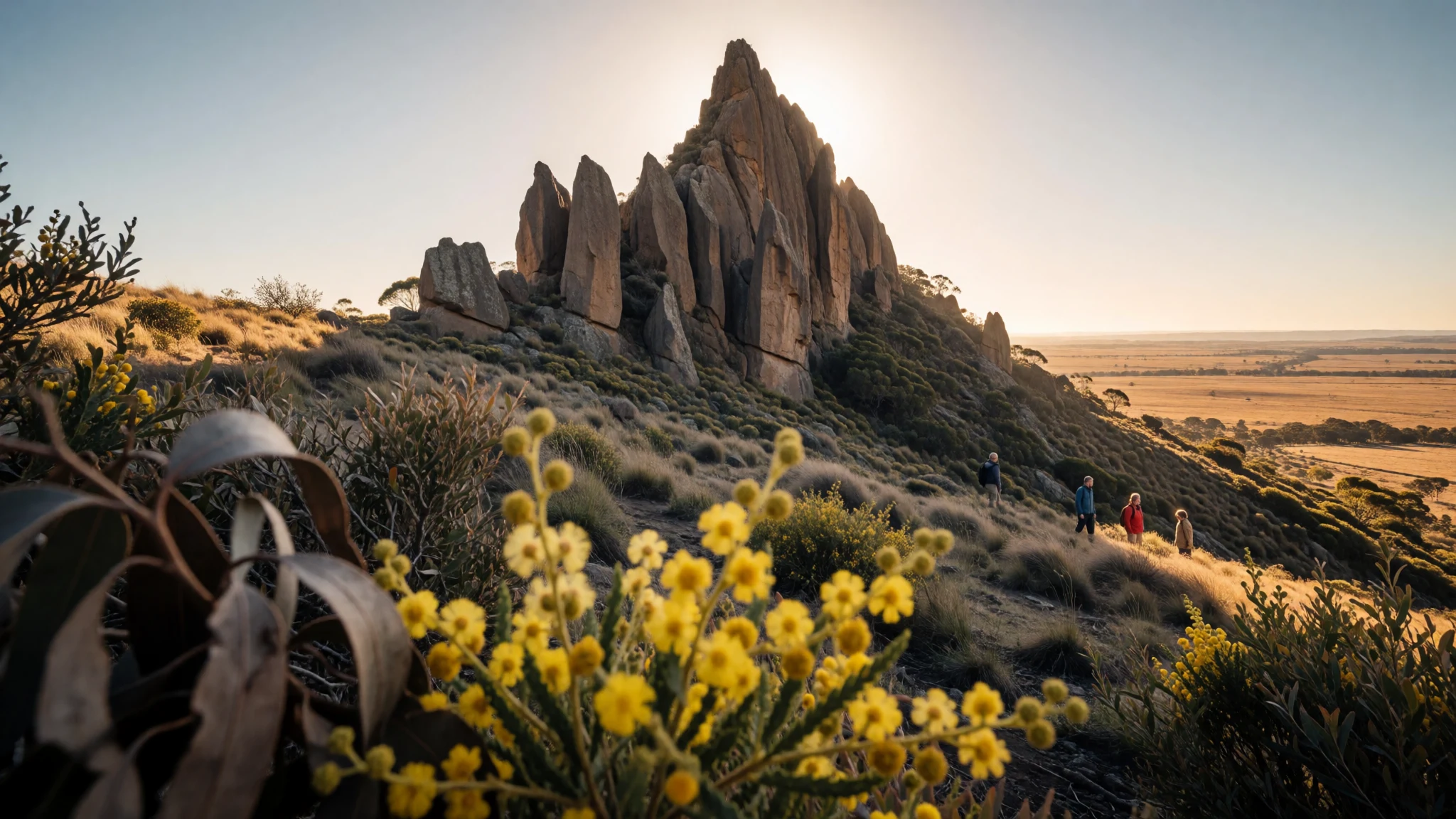
Hanging Rock is a lava dome of jagged grey pinnacles rising above Victoria's farmland, an easy day out from Melbourne with deep Aboriginal roots.
The place
Hanging Rock sits on the flat farmland of central Victoria, a jagged crown of grey stone standing 105 m above the plain around it. It is a reserve rather than a mountain in the alpine sense, and the local shire council looks after it. Newham and Hesket are the nearest villages, and Mount Macedon rises just to the south. Melbourne lies to the south-east, close enough for a day trip by car, which is how most people come. The rock is also called Dryden's Rock or Dryden's Mount, and some Aboriginal people know it as Ngannelong. Geologists call it a mamelon: a dome of thick, sticky lava that pushed up through a vent and set before it could spread. It is not the hardened core of an old volcano left standing after the cone wore away, a point people often get wrong. The stone is soda trachyte. As it cooled it shrank and split into rough columns, and weather has since worked those columns into the pinnacles, ledges and narrow clefts that make the summit walk feel like threading through a stone maze. Around the base lie open grass and eucalypts, popular for picnics at weekends and busy on warm days. Paths climb from the foot to the top, and the going is uneven, with steps cut between boulders, so it is a short walk but not a stroll. Two sister mamelons stand nearby, Camels Hump on Mount Macedon and Crozier's Rocks to the east, formed in the same period from the same stone. Together they belong to a chain of volcanoes that stretches far beyond Victoria.
Its story
Hanging Rock was made about 6.25 million years ago, when stiff lava oozed from a vent and stopped where it stood. It forms the southern end of a line of volcanoes that runs north through New South Wales and into Queensland, laid down as the Australian Plate drifted slowly over a hotspot deep in the earth. For thousands of years before European settlement, the rock belonged to the Dja Dja Wurrung, Woi Wurrung and Taungurung peoples. In the middle of the nineteenth century they were forced from it as settlers took up the land, yet their cultural and spiritual connections have continued and are still maintained today. The newcomers gave the place English names, and Dryden's Rock lingered beside the older Ngannelong. Visitors of that era also left their mark in a literal way, scratching names and dates into the stone, and a few of those engravings can still be found. The rock reached a far wider audience in the late twentieth century through Joan Lindsay's novel Picnic at Hanging Rock, a work of fiction set on these slopes. The book gave the place a reputation for mystery that the real, rather sunny, picnic ground does not quite match, but it still draws readers who want to see the setting for themselves. Today the reserve holds both stories at once: a long geological one written in stone, and a human one that includes loss, continuing connection and a famous piece of fiction.
What to see
- The summit walk — Hanging Rock Reserve, near Newham
The main path at Hanging Rock climbs from the base through gaps between towering columns of trachyte. Steps are rough and uneven, and the rock closes in on both sides before opening out near the top. Allow time to stop and look at the pinnacles up close, and wear shoes with grip.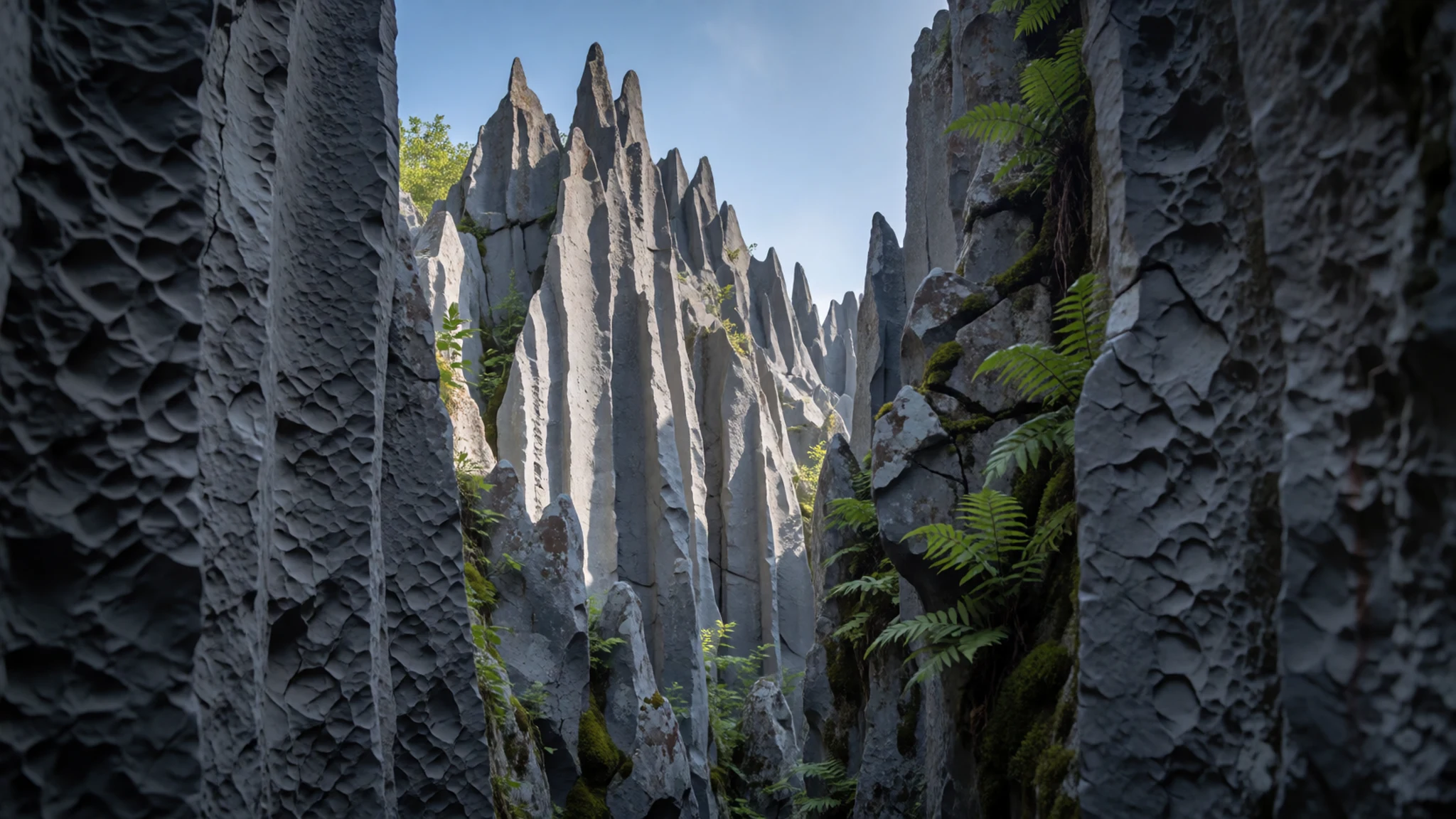
- The view from the top — Summit of Hanging Rock
From the summit, Hanging Rock looks out across a patchwork of farms and paddocks, with Mount Macedon rising to the south. Clear mornings give the longest outlook, and the flat land makes it easy to see how abruptly this dome rose above the surrounding plain.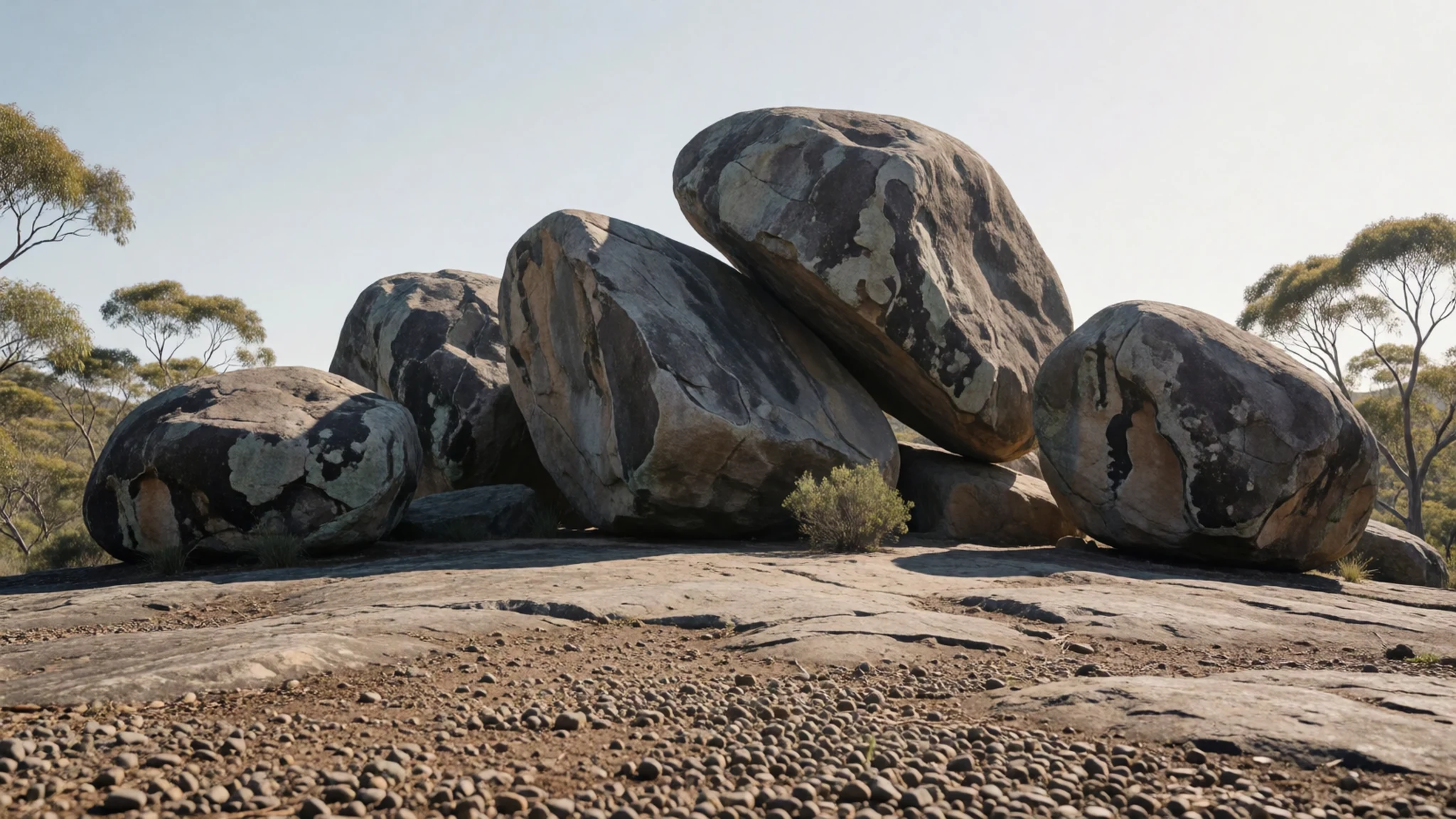
- The reserve entrance and grounds — Entrance area, Hanging Rock Reserve
The entrance leads to open lawns and gum trees at the foot of the rock, where families spread out picnics. It is the best place to get oriented before climbing. Fees and opening arrangements change, so check the official site before travelling rather than relying on old information.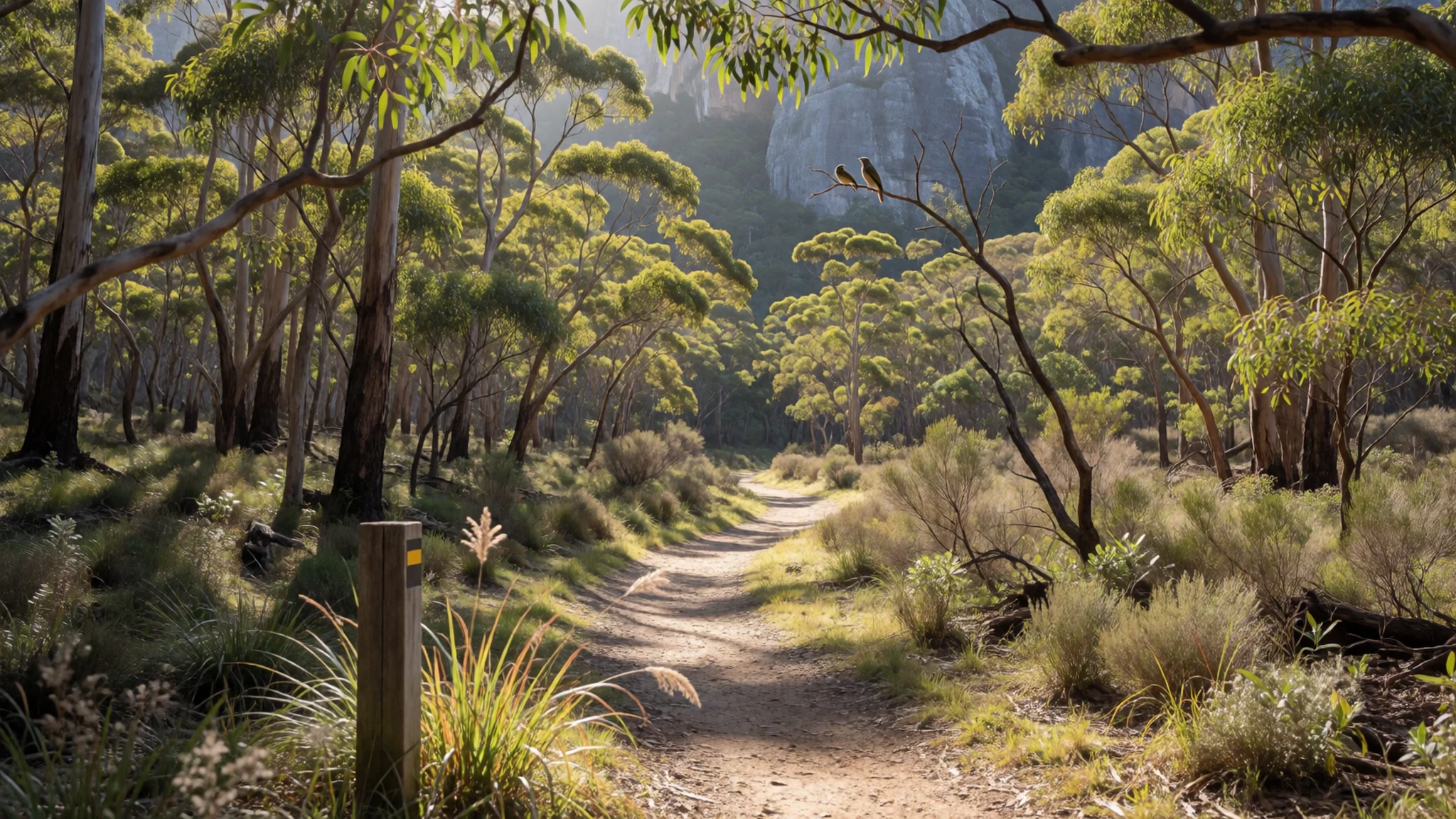
- Carved names in the stone — Rock faces along the climbing path
Some of the rock's surfaces carry initials and dates scratched by nineteenth-century visitors. They are a reminder of how long people have been coming here, and of how the settler era treated the place. Look, photograph, and leave the stone exactly as it is.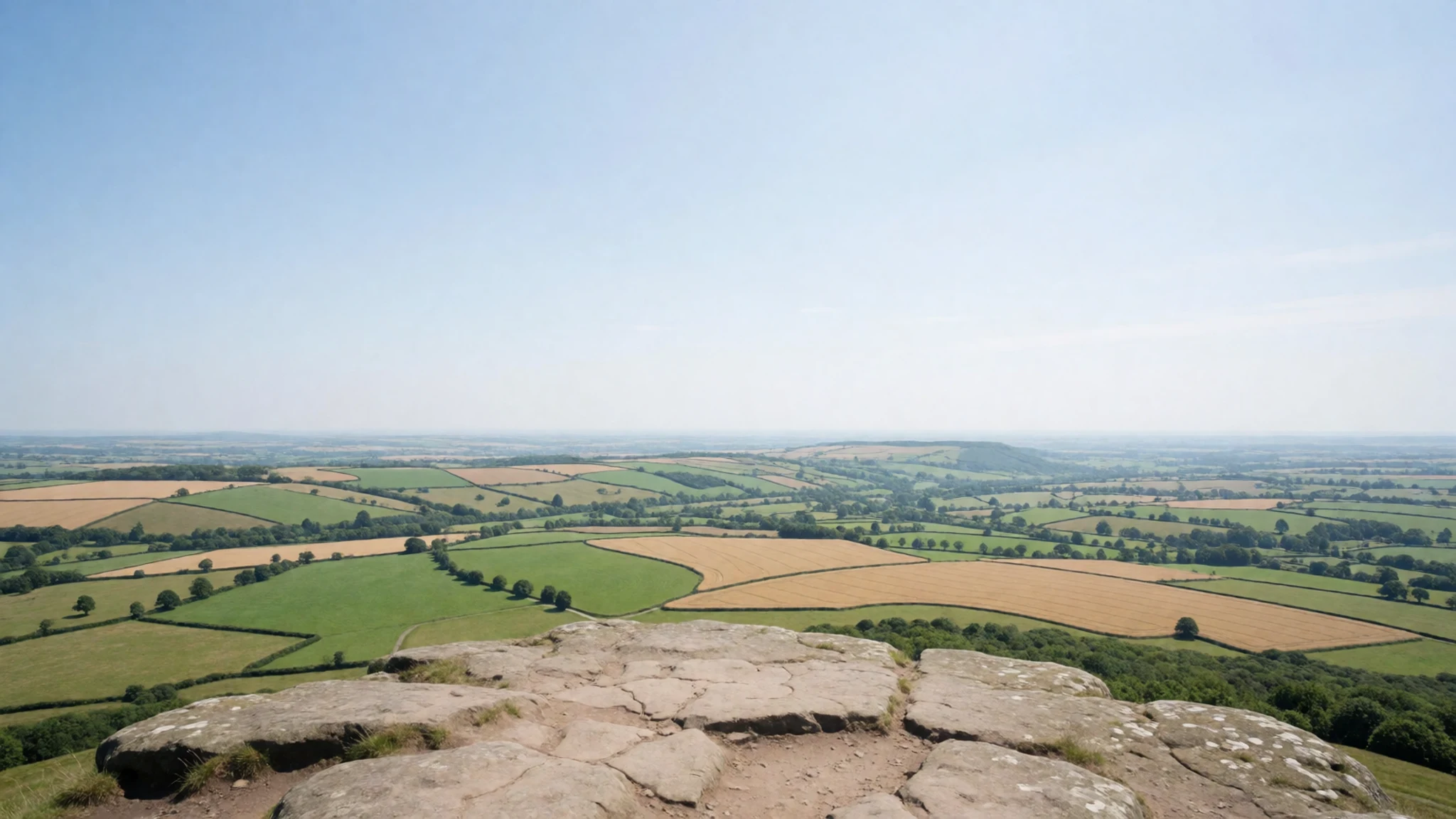
- Camels Hump on Mount Macedon — Mount Macedon, south of Hanging Rock
Camels Hump is Hanging Rock's sister mamelon, made of the same soda trachyte in the same period. It sits on Mount Macedon to the south and suits anyone wanting a second volcanic walk, with a more forested setting than the open reserve below.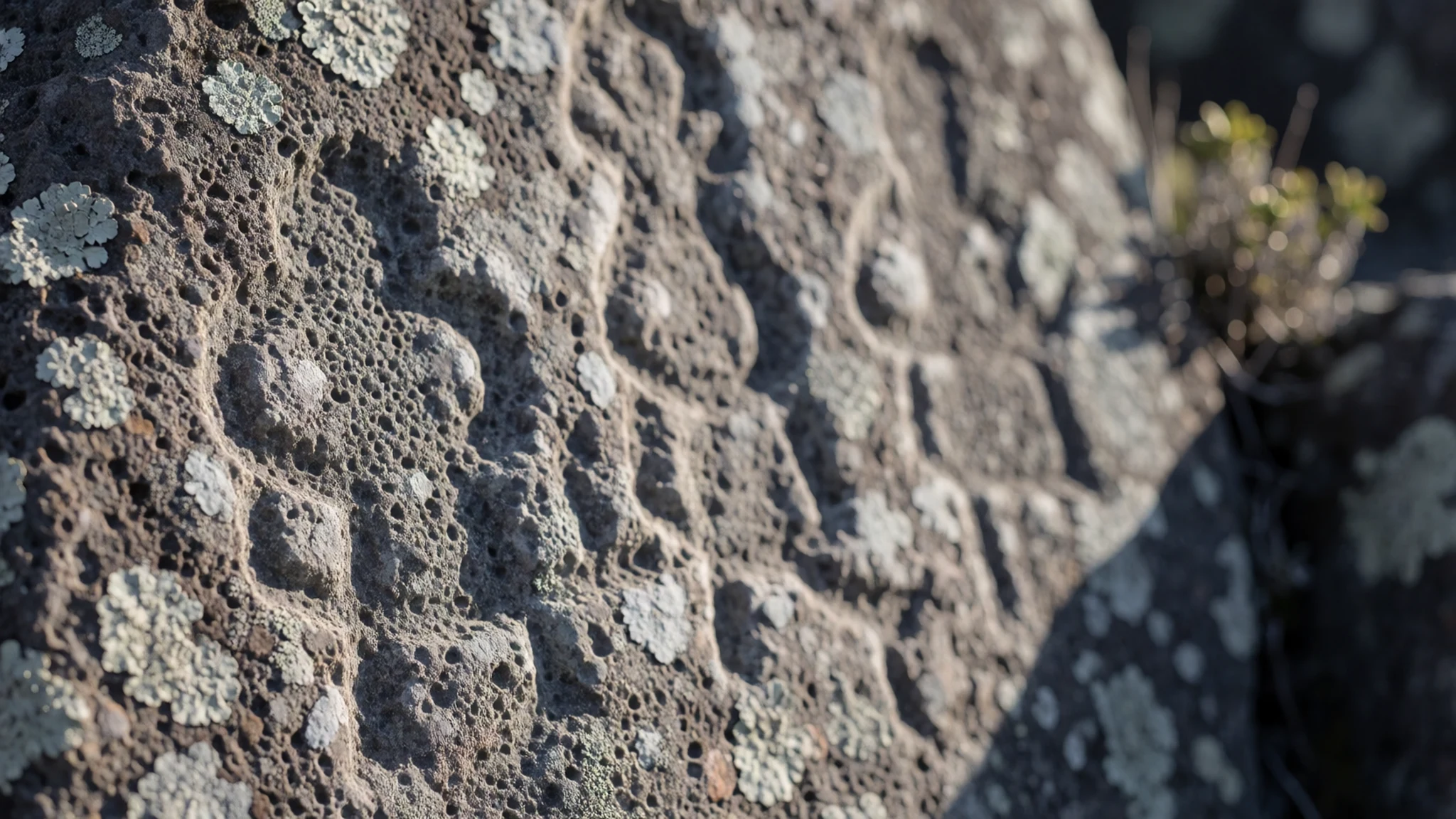
Culture
Hanging Rock is a place of continuing meaning for the Dja Dja Wurrung, Woi Wurrung and Taungurung peoples, who were its occupants for thousands of years and who maintain cultural and spiritual connections to it. That context matters, because many visitors arrive thinking only of the novel. Picnic at Hanging Rock, by Joan Lindsay, is fiction, and the disappearance at its centre did not happen as written, though the book has shaped how the rock is imagined across Australia and beyond. Locals tend to take this in good humour, and the picnic tradition at the foot of the rock is part of everyday Victorian life, with families, school groups and friends spreading rugs on the lawns. The reserve is also a shared outdoor space, so the mood is relaxed but not rowdy, and the climb is quiet enough that voices carry among the pinnacles. Bushfire is a real part of Victorian culture and land management, and on days of high fire danger in summer, closures and warnings are taken seriously by rangers and residents alike. Reading the rock only as a film or book location misses much of what it is, since it is first of all a volcanic landform, a sacred site and a local picnic ground. Keep to the marked paths and never climb on, scratch or move rock beyond the formed track, out of respect for both the landform and the people with a living connection to it.
What to wear
Traditional dress for the peoples of south-eastern Australia, including those connected to Hanging Rock, centred on cloaks of possum skin, sewn together and often decorated on the inner side with incised patterns that told of family and country. Kangaroo skin and woven plant fibres were also used. Cloaks were worn for warmth through cold southern winters and for ceremony, and they have been revived by communities in recent decades. What people wear now around Hanging Rock is plain and practical: jeans or shorts, sturdy trainers or walking boots, wide-brimmed hats, and light layers, with country-style work clothing common in the nearby farming villages. On race days or at festivals in the wider region, dressier outfits appear, and the white cotton frocks of Lindsay's novel sometimes turn up as a nod for photographs. A visitor should dress for rough rock and changeable weather. Wear closed shoes with real grip, since the steps are uneven and can be slippery after rain. Bring a hat, sunscreen and water in warmer months, and a windproof layer for the summit, which can be cool even when the plain below is warm. There are no dress codes as at a temple, but modest, comfortable clothing suits a place with deep spiritual significance. In the summer fire season, avoid synthetic fabrics that melt and check local warnings before setting out.
What to eat
- Bakery pies and pastries — Regional bakeries in Goldfields and Macedon Ranges towns
The Goldfields towns of central Victoria have a long bakery tradition, and a warm meat pie or sausage roll is a classic stop on the drive to the rock. Look for the town bakery on any main street rather than a particular name.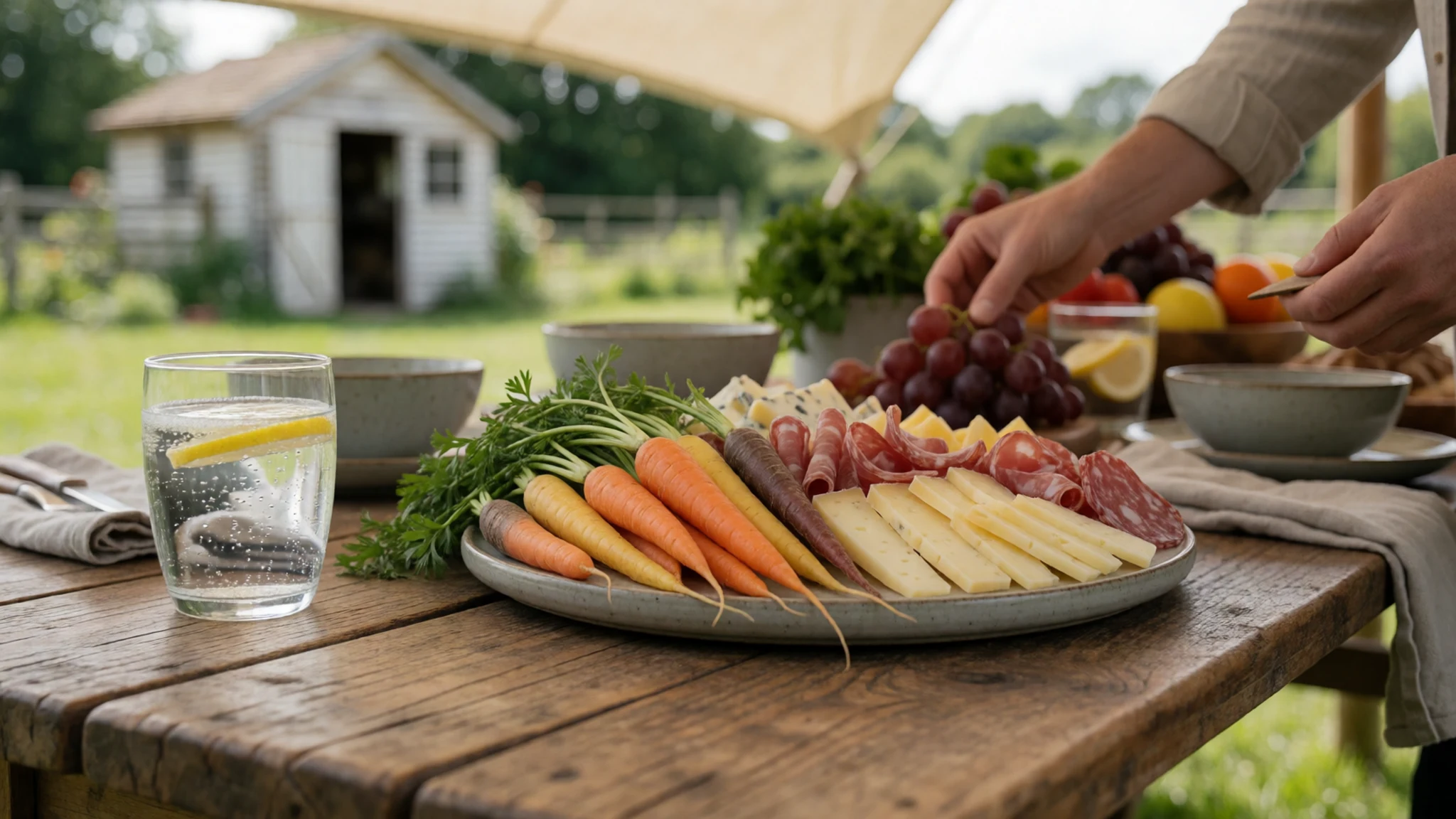
- Gippsland cheeses — Farmers' markets and speciality grocers in Victoria
Gippsland's dairy country supplies artisanal cheeses that suit a picnic at the rock, paired with bread and fruit. Soft and hard varieties appear at farm gates and local grocers, and the choice changes with the season.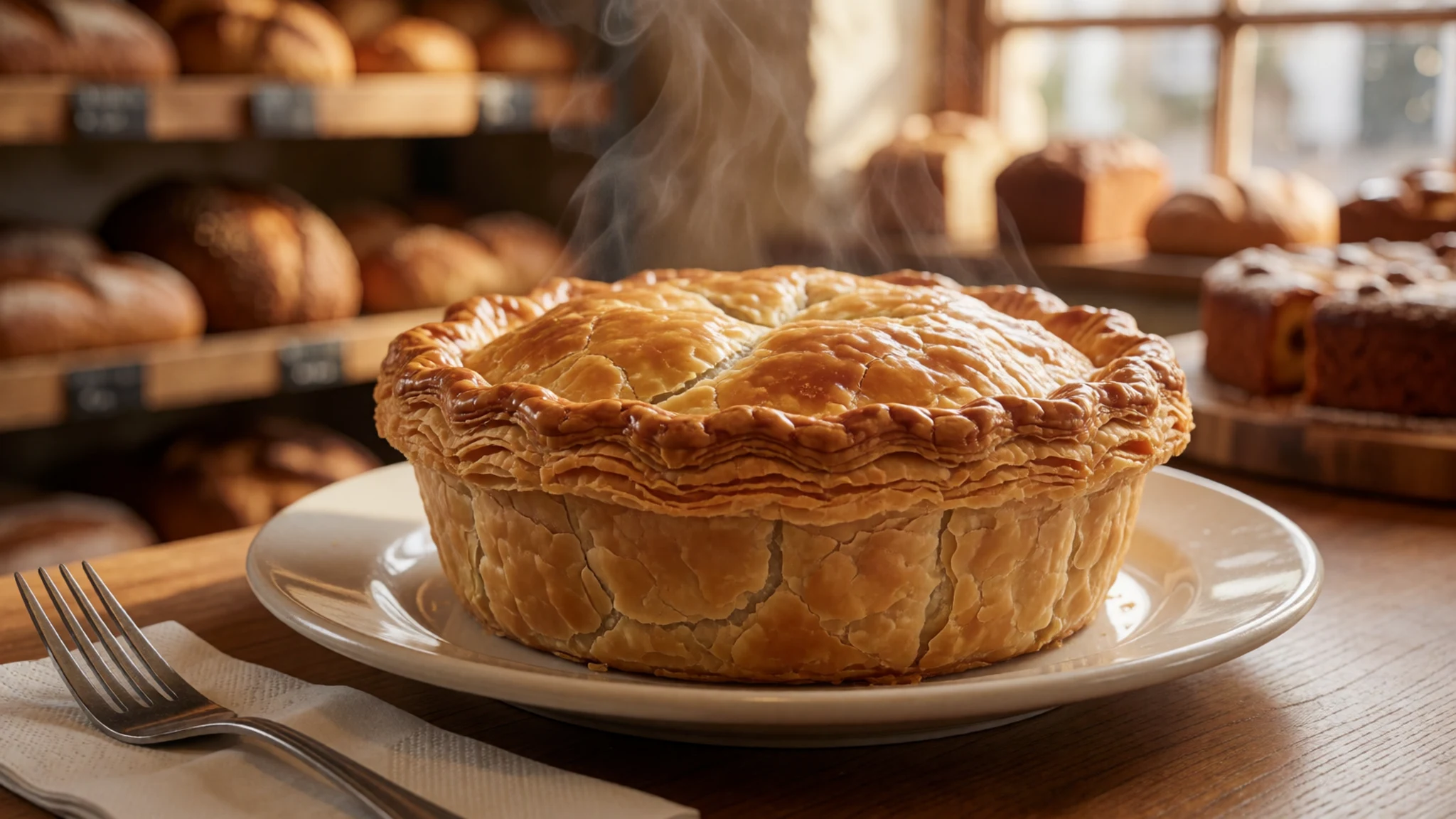
- Farm-to-table lunches with local wine — Cellar-door eateries in the Yarra Valley
The Yarra Valley is known for meals built around local produce, served alongside wines grown in the surrounding hills. It is a longer detour from Hanging Rock, but works well as the second half of a day out from Melbourne. - Italian and Greek in Carlton — Carlton, Melbourne
Melbourne's Carlton suburb is the place for pasta, pizza and Greek dishes, a legacy of mid-twentieth-century migration. It makes a good dinner stop at the end of a day trip back to the city. - Vietnamese in Footscray — Footscray, Melbourne
Footscray in Melbourne's west is known for Vietnamese eateries serving pho, rice dishes and fresh rolls, alongside African restaurants. Small, busy places reward a wander, and prices are modest compared with the centre.
Plan it
Best time. March–April for mild autumn days and clear light, and October–November for spring green and comfortable walking. December to February is the bushfire season and the reserve can close on high-risk days, so check conditions before going.
How long. 1
Getting there. Fly into Melbourne Airport, then hire a car and drive north-west towards Macedon and Newham; the final stretch is on country roads. Public transport is limited, so check the official site for current options.
Budget. low
Tips
- Check the official site for opening arrangements, fees and any fire-danger closures before setting out
- Go early on weekends, as the car park and lawns fill on warm, sunny days
- Carry water and a hat, since there is little shade on the upper rock
- Wear shoes with grip for the uneven steps and slippery stone
- Pair the visit with Mount Macedon or a nearby town for lunch
Etiquette
- Stay on the marked paths and do not climb or carve the rock
- Respect the site's significance to the Dja Dja Wurrung, Woi Wurrung and Taungurung peoples
- Take all rubbish with you and keep noise low on the climb
Nearby
Sources
- Wikidata Q1319209 (CC0)
- Wikipedia: Hanging Rock, Victoria (rev 1384130635) (CC BY-SA 4.0)
- Wikivoyage: Victoria (state) (rev 5327873) (CC BY-SA 4.0)
- Rock Formations - Hanging Rock, Victoria, Australia — Andrew Katsis (Public domain)
- Location map of Victoria, Australia — NordNordWest / Uwe Dedering (CC BY 3.0)
- The 'Hanging Rock' at Mount Diogenes — Stephen Bain (CC BY-SA 4.0)
- William Ford Hanging Rock — William Ford (Public domain)
- Entrance - Hanging Rock, Victoria, Australia — Andrew Katsis (Public domain)
- Engraving on Hanging Rock 2009 — Nick carson (CC BY 3.0)
- View from Hanging Rock — Luke Cooper (CC BY-SA 4.0)
- Donor plaque, Battle of Hanging Rock Confederate Monument — Aet28 (CC0 1.0)


