Hachijō-jima
Hachijō-jima, Japan
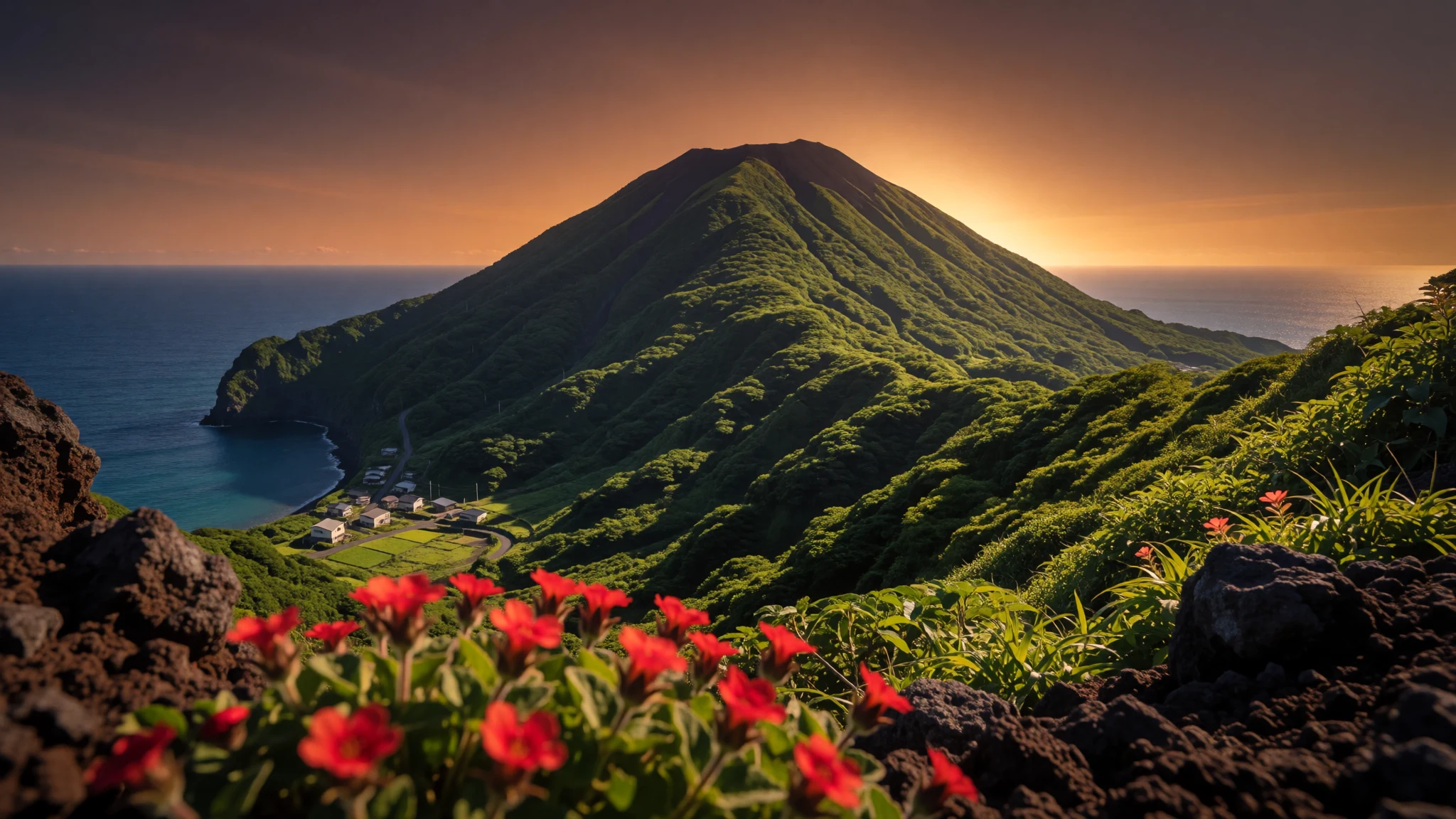
Hachijō-jima is a volcanic island south of Tokyo, with turtles to snorkel beside, open-air hot springs and a past as a place of exile.
The place
Hachijō-jima (八丈島) is a volcanic island in the Pacific, part of the Izu archipelago and inside Fuji-Hakone-Izu National Park, about 287 km south of central Tokyo. It has 7,042 residents and a single municipality, Hachijō, which covers the whole island. Two volcanic cones dominate the skyline, and the higher one reaches 854 m, the highest point in the Izu Islands and still classed as an active volcano. Between the cones lie farmland, small villages, dark rocky coasts and patches of dense subtropical forest. The climate is humid subtropical, with an average high around 21 °C and about 3,000 mm of rain a year, so the island is green, often cloudy and quick to turn wet. The Kuroshio Current keeps the sea warmer than the mainland coast, which is why surfers, divers and snorkellers come, and why corals and tropical fish turn up this far north. Walkers have forested hills and waterfalls tucked into the interior. Some older islanders still speak the Hachijō language, which is considered endangered. This is not a resort island in the Okinawa mould. Tourism boomed in the 1960s and then faded, and the evidence is still visible in an abandoned baroque-style hotel, overgrown and crumbling. What remains is a quieter place, with Japanese-style inns, hot spring lodgings, campsites and a few larger hotels, and a pace set by weather and transport schedules. Low cloud and storms can interrupt both. Reaching the island takes a night on a ferry or a short flight from Haneda, which keeps visitor numbers modest and makes Hachijō-jima feel properly separate from the capital it belongs to.
Its story
Hachijō-jima has been lived on since the Jōmon period, and excavations have turned up magatama beads and other traces of those first settlers. In the early Nara period the island was administered with Suruga Province, then passed to Izu when that province was split off in 680. A semi-legendary tale from the Heian period says the archer Minamoto no Tametomo, exiled to Izu Ōshima after a failed uprising, slipped away to Hachijō-jima and tried to found a kingdom of his own.
The island's best-known chapter is exile. In the Edo period it became a destination for people the shogunate wanted out of sight. The first to be sent were political figures, among them the daimyō Ukita Hideie, who had been on the losing side at Sekigahara. From 1704 the net widened to take in ordinary offenders, and sentences came with no stated end. Escape attempts were frequent and mostly failed, since the mainland lay a long way across open sea. Exiles also left their mark on the landscape, and the dry stone walls known as tamaishigaki, built from rounded stones, are linked with this era. After a general amnesty in 1868 most residents chose to leave for the mainland, although banishment was formally abolished only in 1881.
Later chapters are quieter. Sugarcane was farmed here, and during the Second World War the island hosted a secret submarine base, a reminder that its remoteness could serve the state as well as punish individuals. In 1877 the former American president Ulysses S. Grant stopped by on a world tour and was warmly greeted by islanders who knew of his Civil War reputation. Today the past is told in the island's folk museum, and the old stone walls are still there to be seen.
What to see
- Uramigataki hot spring and waterfall — Southern Hachijō-jima
Uramigataki is a free open-air hot spring where bathing is mixed and swimwear is worn. After a soak, a short walk through lush forest leads to a nearby waterfall. Heavy rain can swell the falls and make paths slippery, so check conditions locally before setting out.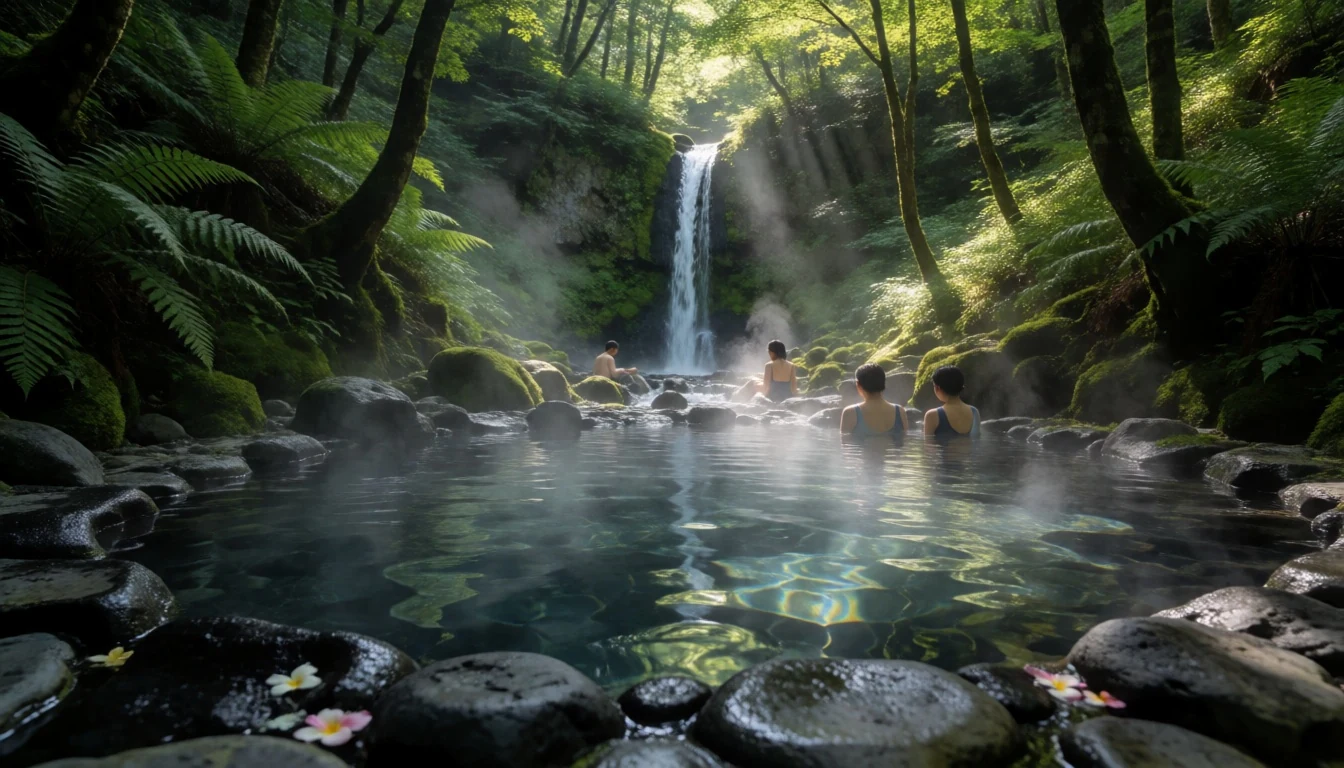
- Sokodo beach — Eastern coast
Sokodo is a sheltered beach popular for snorkelling alongside the local sea turtles. Shallow reefs of hard coral and colourful subtropical fish lie close to shore, which suits beginners. Ask locally about swell and currents first, since the open Pacific can change quickly.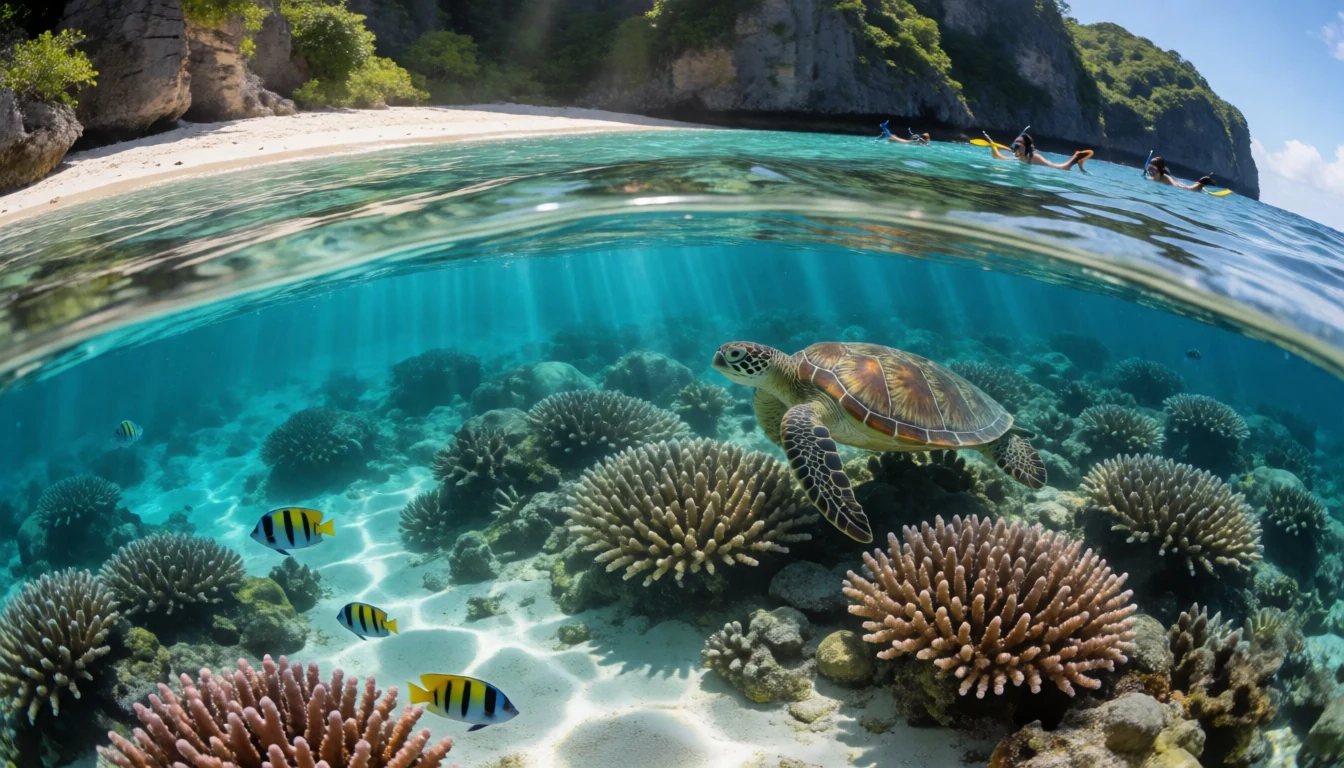
- Nazumado dive site — Western coast
Nazumado is the dive site most often recommended to visitors. Entry over the rocks is slippery, and ropes are fixed to help divers get in. Underwater there is plenty of marine life and a scenic swim-through. Local operators run trips, and some have limited English but plenty of experience with foreign guests.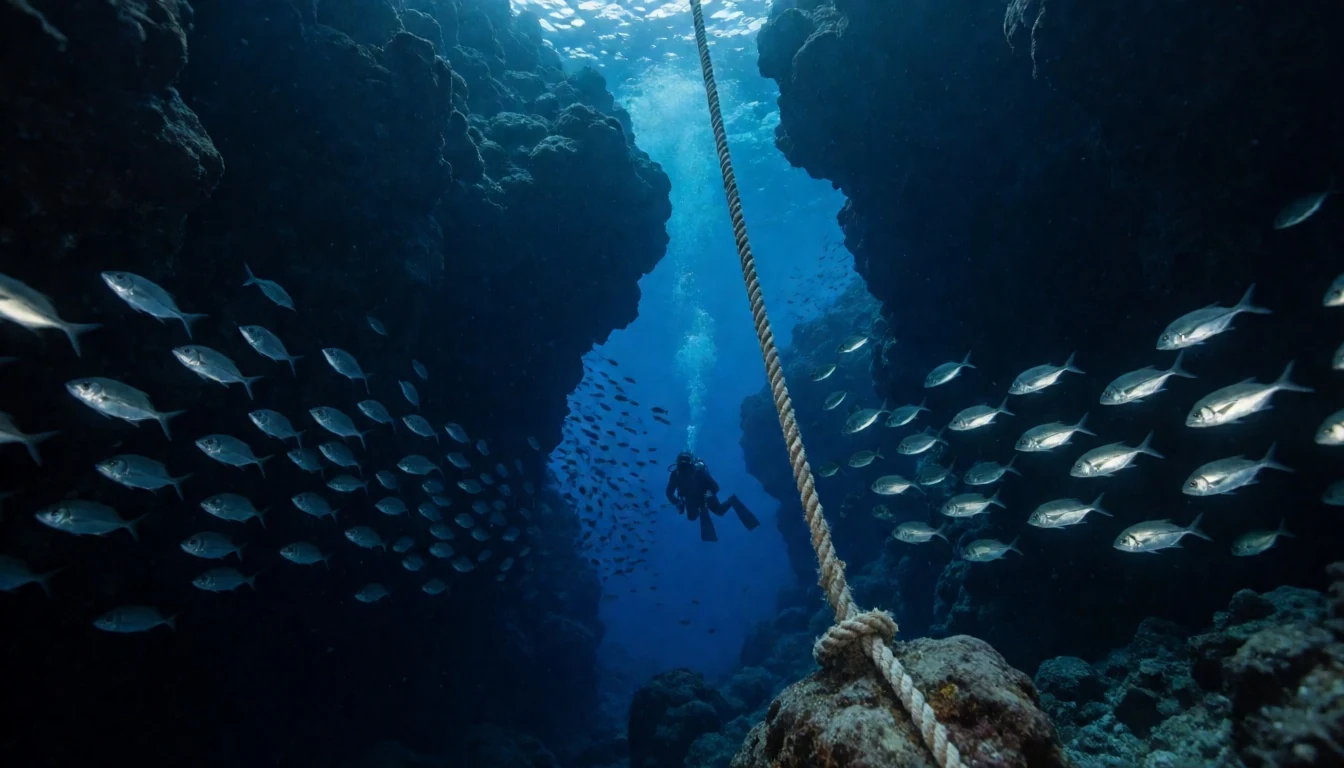
- Hachijō Botanical Park — Next to the Hachijojima Visitors Centre
Hachijō Botanical Park (八丈植物公園) combines gardens with an animal collection. It is also where the glowing mushroom Mycena chlorophos can be photographed, giving off a faint green light in the dark; ask locally about when to look. The History and Folk Museum is a second wet-weather option.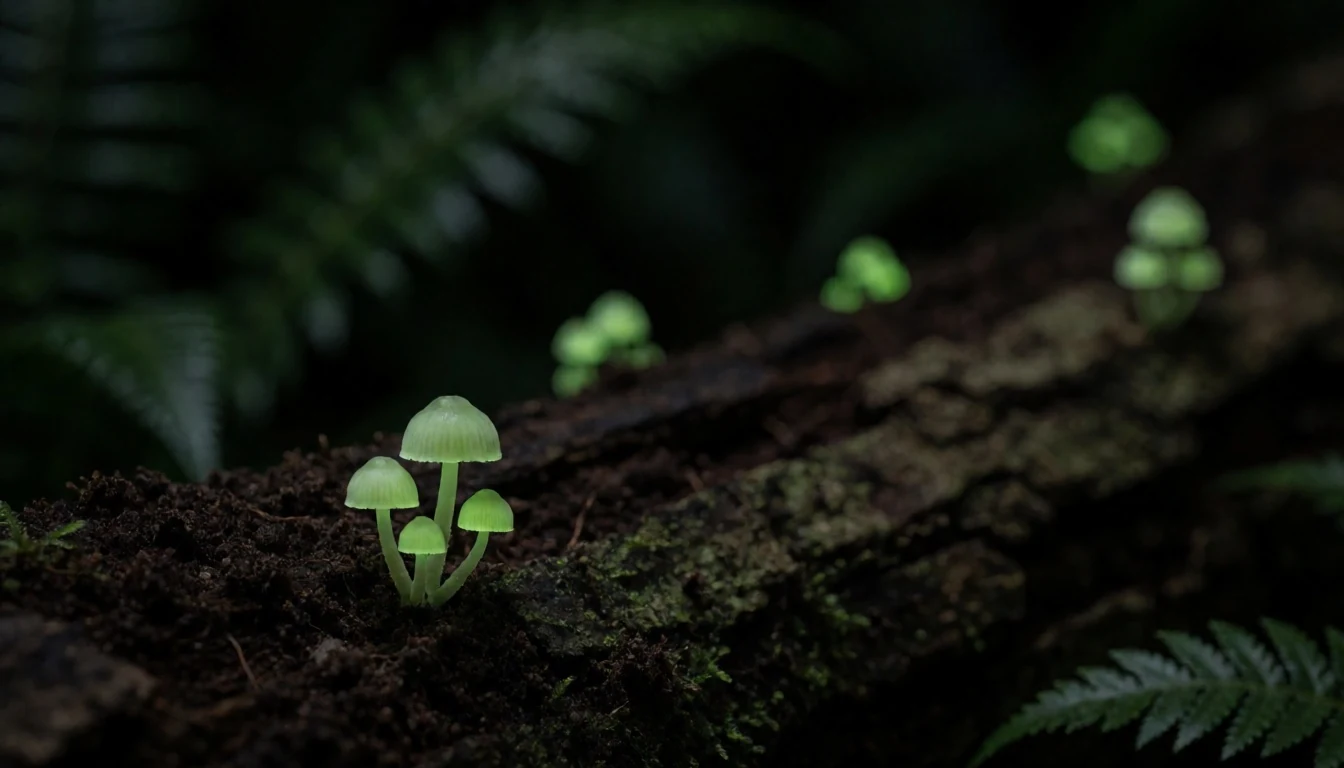
- Osaka Tunnel viewpoint and Nishi-yama — Central Hachijō-jima
The lookout by Osaka Tunnel gives a wide view over the coast and volcanic slopes, and is an easy stop by road. Nishi-yama, the higher cone, has a caldera at its summit. Walk it in clear weather, because cloud closes in often and wet ground is slippery.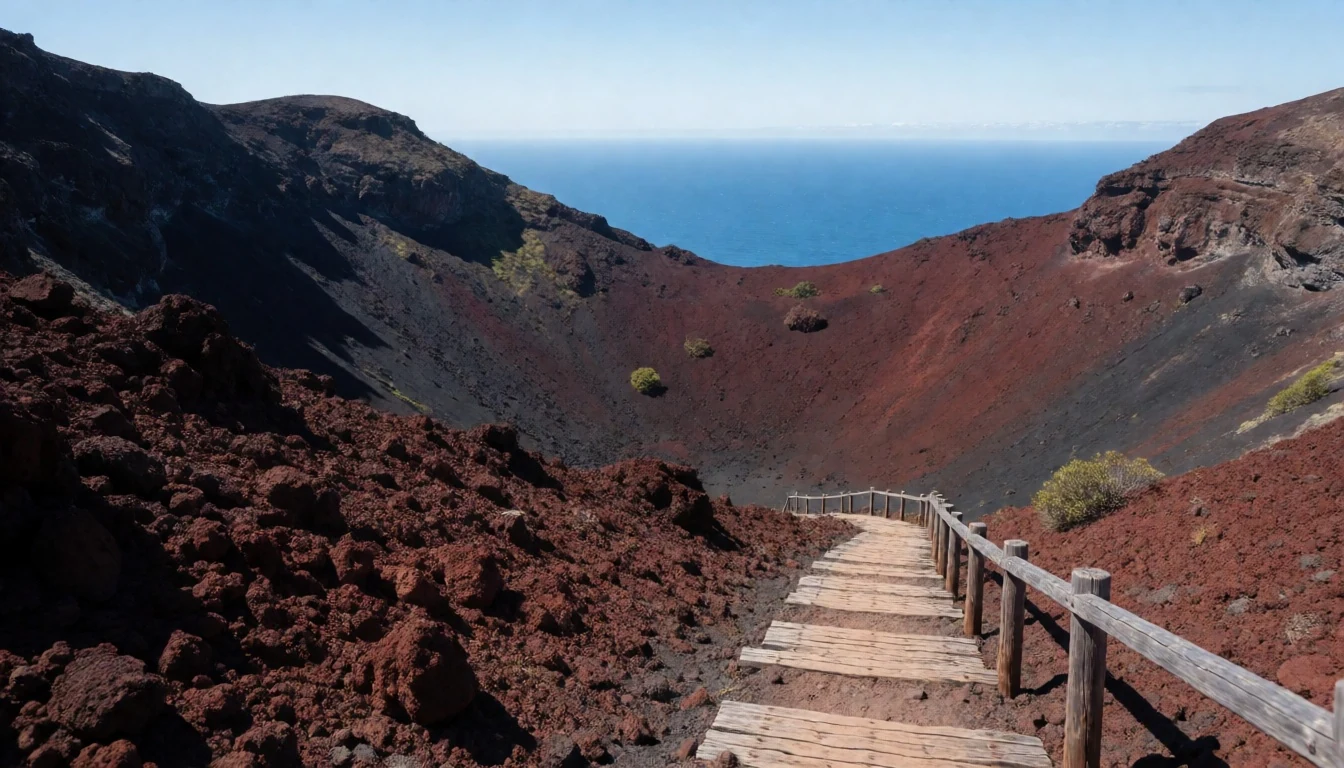
- Tamaishigaki stone walls — Older villages
The tamaishigaki are dry stone walls made of rounded stones, said to have been built by exiles during the Edo period. They line lanes and fields in the older villages and are best seen on foot, slowly. Low morning light flatters them, and since they border private land, stay on the lanes.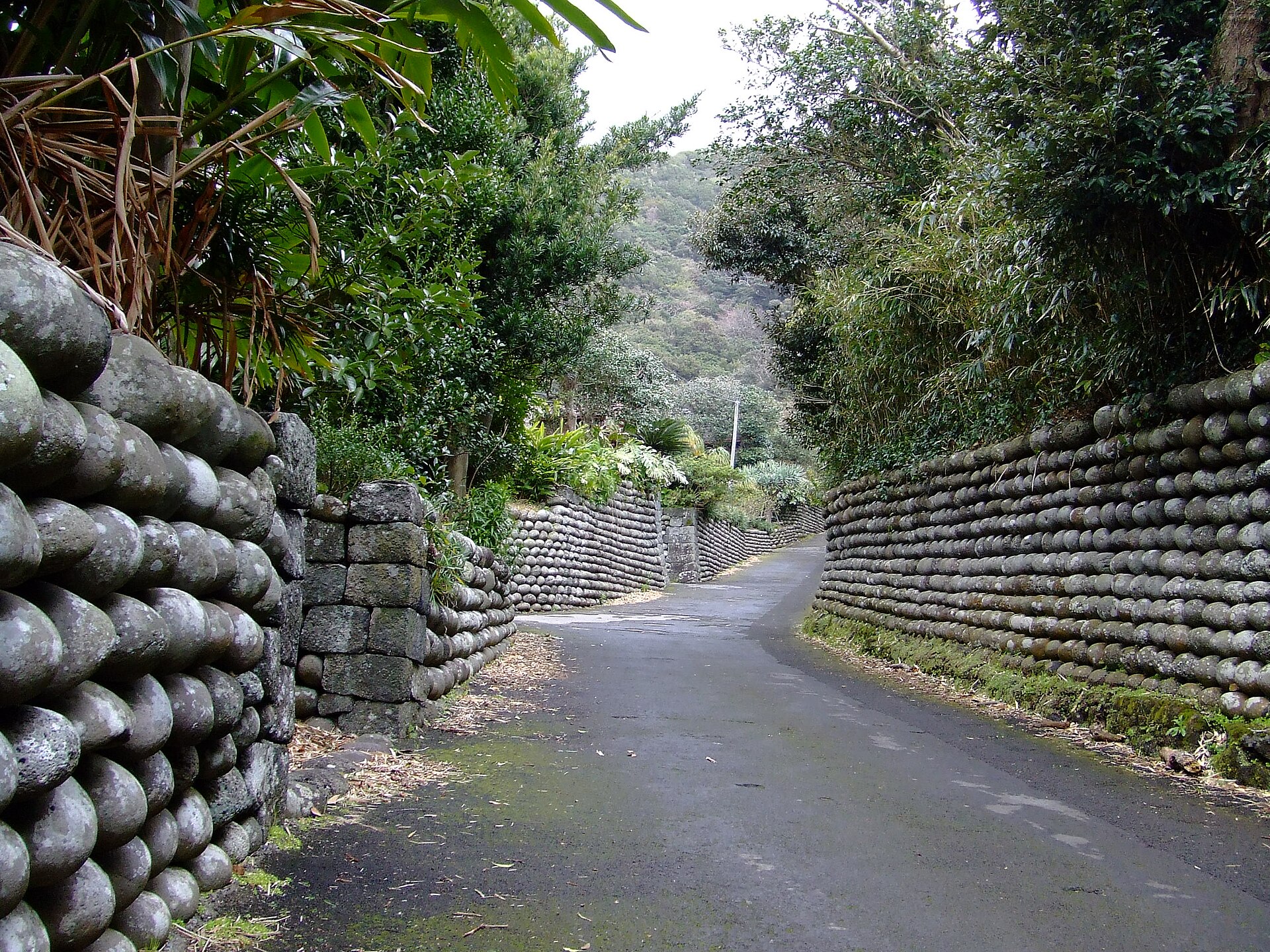
Culture
Hachijō-jima's culture has been shaped by distance. For centuries the island was a place of exile, and people sent from the mainland mixed with local families, so islanders developed customs and a language of their own. The Hachijō language, spoken by some residents, is endangered, and visitors will mostly hear standard Japanese, though a few dialect words survive in food names and greetings. Life follows the weather. Ferries and flights are disrupted by storms, and people plan around the sea. Hospitality is low-key and practical, built around Japanese-style inns where meals feature local fish and the plant ashitaba. Taiko drumming in the island's own style, with a drum struck on both sides, features at festivals and is worth asking about at the visitor centre. Hot springs are everyday places for locals as well as visitors, not just attractions. The island's past is not hidden away: the folk museum covers the exile years, local industries and wildlife, and older residents often speak with pride about the stone walls and farming heritage. Because the community is small, behaviour that would pass unnoticed in a city, such as loud late-night groups or wandering onto farmland, is noticed here. A simple greeting and a slight bow usually open conversation more easily than any phrasebook. At any hot spring, follow the posted rules, wear swimwear where bathing is mixed as it is at Uramigataki, and rinse off before entering shared water.
What to wear
Hachijō-jima's best-known traditional textile is kihachijō (黄八丈), a hand-woven silk dyed with local plants and mud into yellow, deep brown and black, usually in checks or stripes. It is made into kimono and other garments and is now mostly worn for formal or festival occasions, or collected, rather than seen in daily life. Everyday clothing on the island is practical and modern: work jackets and rubber boots for farmers and fishers, wetsuits and rash vests at the beaches, and casual layers in town. Few islanders dress up beyond what the weather allows, and outdoor wear in muted colours is common. For visitors, the humid subtropical climate, with an average high near 21 °C and a lot of rain, means a light waterproof jacket and quick-dry layers matter more than anything else. Add a warm top for ferry decks and breezy evenings. Sturdy shoes with good grip suit forest paths and wet rock, while reef shoes or strapped sandals help at slippery dive entries and rocky coves. Swimwear is needed for mixed hot springs such as Uramigataki, so pack it for the walk, along with a small towel. Sun protection is useful even under cloud. Modest everyday clothing is fine in villages and at any shrine, with shoulders and knees covered if you visit one.
What to eat
- Shimazushi (島寿司) — Island restaurants and Japanese-style inns
Hachijō-jima's version of sushi uses fresh local fish, seasoned in a soy-based dressing and paired with sharp mustard where mainland sushi would use wasabi. It is the island dish most worth ordering, and the fish changes with the catch.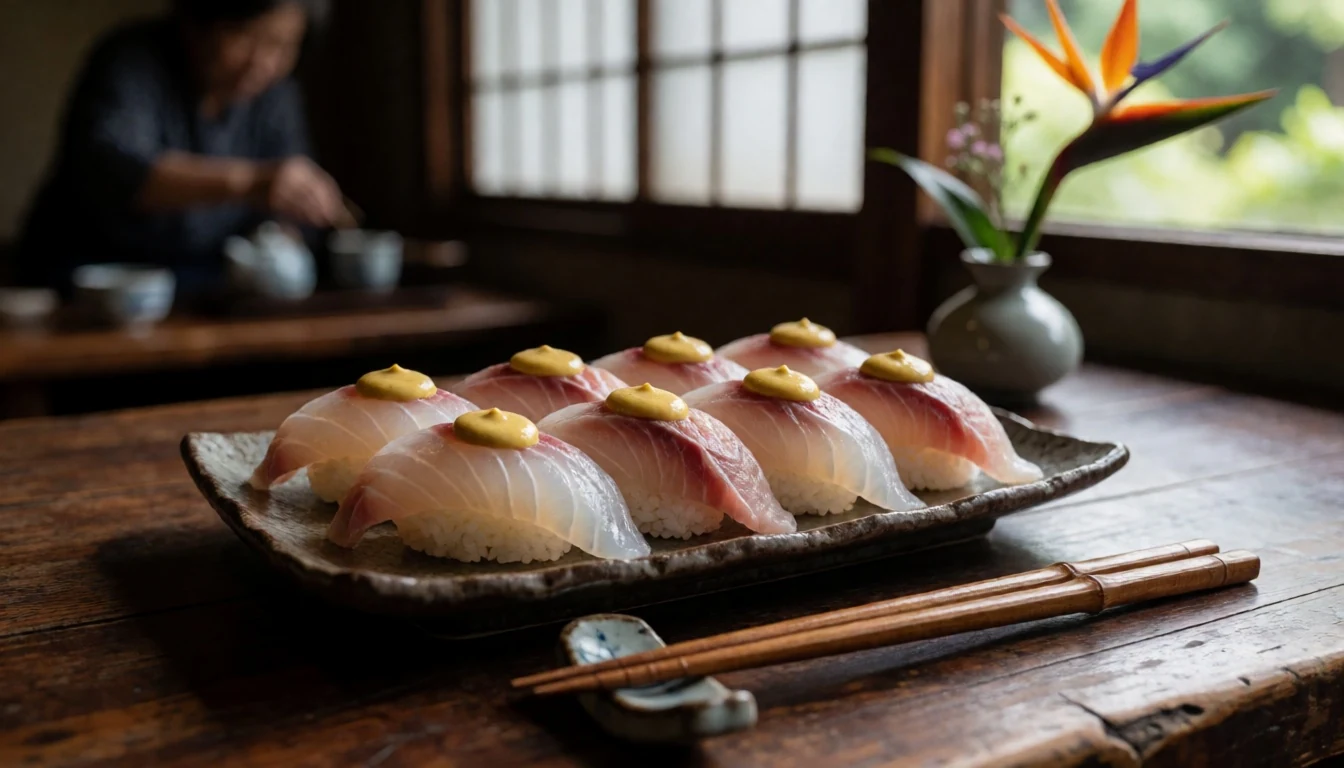
- Kusaya — Island izakaya and shops selling local specialities
Kusaya is fish dried after soaking in a long-used fermenting brine, then grilled. The smell is strong and divides opinion, while the taste is saltier and gentler than expected. Order a small portion first, ideally with a drink and someone local to explain it.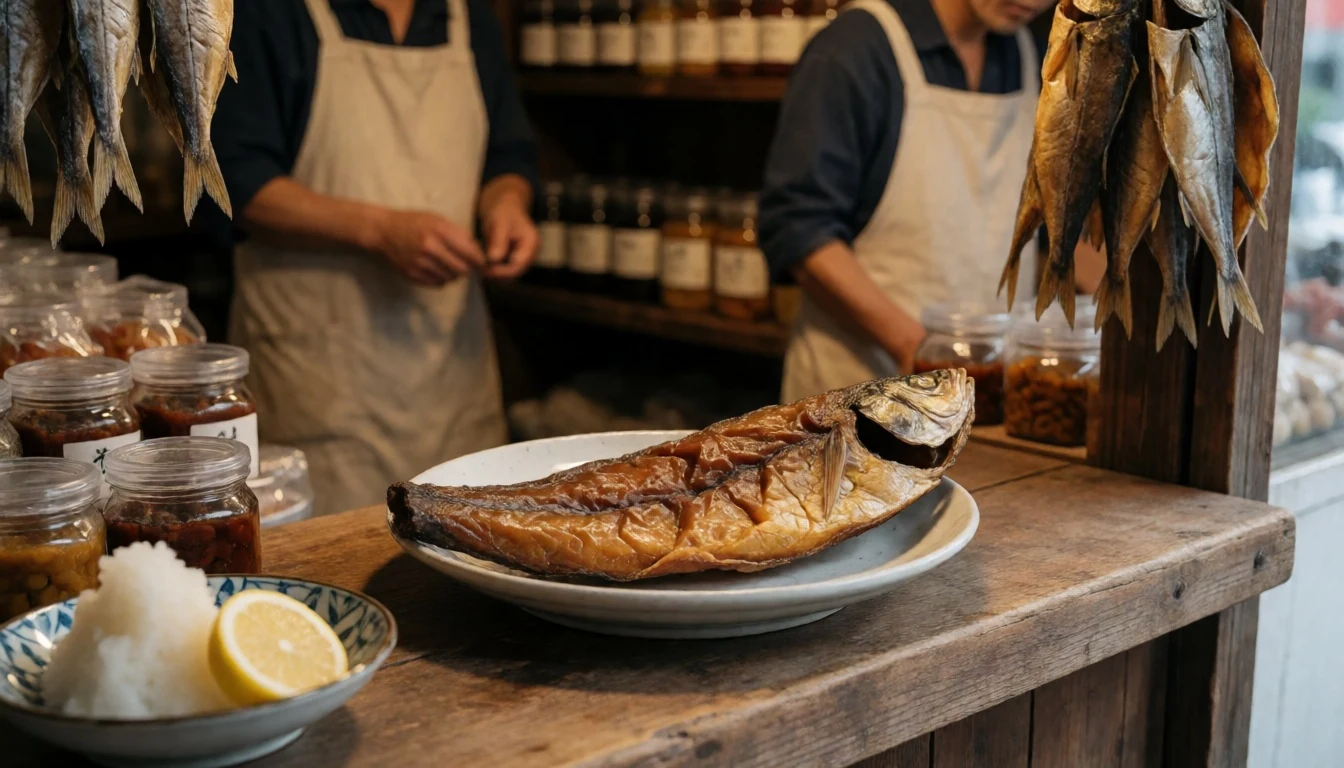
- Ashitaba dishes — Local restaurants, farm shops and inn breakfasts
Ashitaba is a leafy island plant that appears as tempura, in noodles, in tea and in side dishes. It has a green, slightly bitter flavour. Tempura is the easiest introduction, and farm shops often sell it fresh or in packs. - Island shochu — Izakaya and small bars in the main towns
Shochu is a distilled spirit that islanders drink with water, over ice or with hot water in cooler months. Local bottles are made on Hachijō-jima, and bar staff are usually glad to explain the differences. It is a good companion to grilled fish. - Fresh fish set meals — Restaurants near the fishing ports
Near the harbours, set meals of the day's catch come with rice, soup and pickles. Grilled, simmered or raw, the fish depends on the season and the sea, so ask what is freshest. Lunch is usually the easiest meal to find.
Plan it
Best time. April–May and October–November, when it is mild and usually less wet; summer and early autumn are warmer but bring storm risk, and the island gets about 3,000 mm of rain a year.
How long. 2–4
Getting there. Fly from Tokyo Haneda to Hachijō-jima airport on the daily ANA service, or take the Tokaikisen overnight ferry from Takeshiba pier in Tokyo. For the last leg, use local buses, taxis or a hire car, and check current schedules and fares on the operators' official sites.
Budget. mid
Tips
- Check ferry and flight status the day before, since weather cancellations are common, and keep a spare day in the plan.
- Book flights and inns early for holiday periods and summer, using the official English sites where available.
- Carry some cash, as small shops, inns and bus services may not take cards.
- Bring a rain jacket and note indoor options such as the botanical park and folk museum.
- Hire a car or arrange taxis if you want to reach beaches, viewpoints and trailheads in one day.
Etiquette
- Follow posted rules at hot springs: rinse first, and wear swimwear where bathing is mixed.
- Take litter with you, and leave coral, shells and turtles undisturbed.
- Ask before photographing residents or entering farmland.
Nearby
Sources
- Wikidata Q1191120 (CC0)
- Wikipedia: Hachijō-jima (rev 1384202910) (CC BY-SA 4.0)
- Wikivoyage: Hachijojima (rev 5064965) (CC BY-SA 4.0)
- Photo: Hachijojima view from Osaka Tunnel (Nesnad) (CC BY-SA 2.5)
- Photo: Mycena chlorophos at Hachijojima botanical park (CC BY 3.0)
- Photo: Hachijojima and Hachijokojima relief map, SRTM-1 (Batholith) (Public domain)
- Photo: Inside Nishi-yama caldera (Izawa Ryu) (CC BY-SA 4.0)
- Photo: Kaiten Type 1 at the Yūshūkan (Nick-D) (CC BY 3.0)
- Photo: Shima Zushi (Kentagon) (CC BY-SA 4.0)
- Photo: Hachijo Fuji and Hachijo Kojima from Noboryo Pass (CC BY 3.0)
- Photo: Tamaishigaki walls on Hachijo-jima (CC BY-SA 2.0)


