Guwahati
Guwahati, India
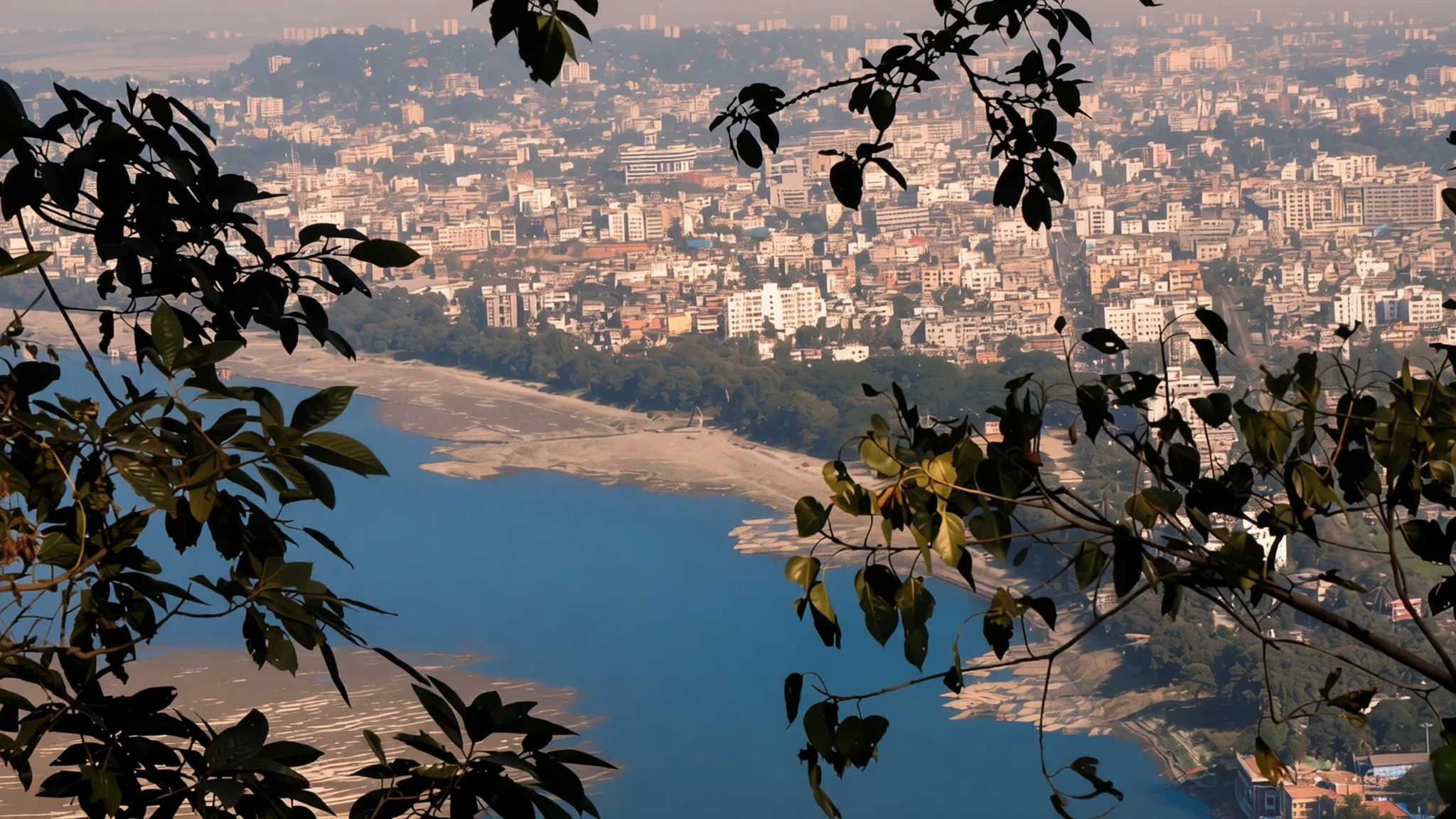
Guwahati is the busy riverside gateway to north-east India, where hilltop temples, Brahmaputra ferries and Assamese food reward a day or two.
The place
Guwahati sits on the south bank of the Brahmaputra, in the Assam valley, at an elevation of about 51 metres. With roughly 1.1 million people, it is the biggest city in Assam and in the whole of north-eastern India. Most travellers meet it as a transit point, since the airport and the main railway station feed buses, jeeps and trains to the rest of the region. That undersells it.
The city is squeezed between the river and the foothills of the Shillong plateau, and small rocky hills poke up in the middle of town. Temples sit on several of them, which is why Guwahati is often called a city of temples. Dispur, the seat of the Assam government, lies within the city's sprawl, so officialdom and pilgrims share the same traffic.
The river is the real organising force. Ferries cross it, cargo boats work it, and evening walks follow its bank. North Guwahati, across the water, is slowly being absorbed into the city. Pandu, on the western side, was once the river port and military base for the Ahom kingdom.
Expect a working city rather than a polished one: noisy, humid for much of the year, with pavements that come and go. The reward is how quickly you can move from a crowded bazaar to a hilltop shrine or a quiet stretch of riverbank. Many visitors use it as a base for Kaziranga, Shillong and Bhutan, but a night or two here is worthwhile in its own right.
Its story
Guwahati's story begins in legend. The ancient city of Pragjyotishpura, associated with this area, was a capital of the old kingdom of Kamarupa, and the story of its founder, Naraka, still shapes how locals see the place. Naraka appears first in the Mahabharata, and later texts add detail. In them he is the son of the earth goddess and Vishnu, a pious king who is corrupted by a bad companion and becomes Narakasura, the demon. Krishna and Satyabhama finally kill him. A hill south of the city still carries his name.
Later Sanskrit writing, including the Kalika Purana, gives him a more elaborate career: he arrives from Mithila, overthrows the last Kirata king and establishes his own kingdom here. His mother asks that her son live long and be powerful, and Vishnu grants the wish, while also foretelling the end that follows.
Whatever one makes of the myths, they matter for Assam's sense of itself, because Naraka is treated as the ancestor of the three dynasties that ruled Kamarupa in historical times. That is why the hilltop temples, above all Kamakhya, carry such weight.
The river tells a more practical later story. Pandu, on the western bank, was fortified with earthen ramparts and served as a river harbour and military base for the Ahoms against invaders. Until the Saraighat bridge was built in the early 1960s, Pandu was the main crossing point and entrepot, and the city's modern growth flows largely from that bridge and the roads that followed.
What to see
- Kamakhya Temple — Neelachal (Nilachal) Hill
Kamakhya crowns Neelachal hill, the highest point in the city, and draws pilgrims from across India, especially during the Ambubachi festival. Expect queues, incense and stalls of offerings. The view over the river and the rooftops is a reason in itself to climb up, ideally early.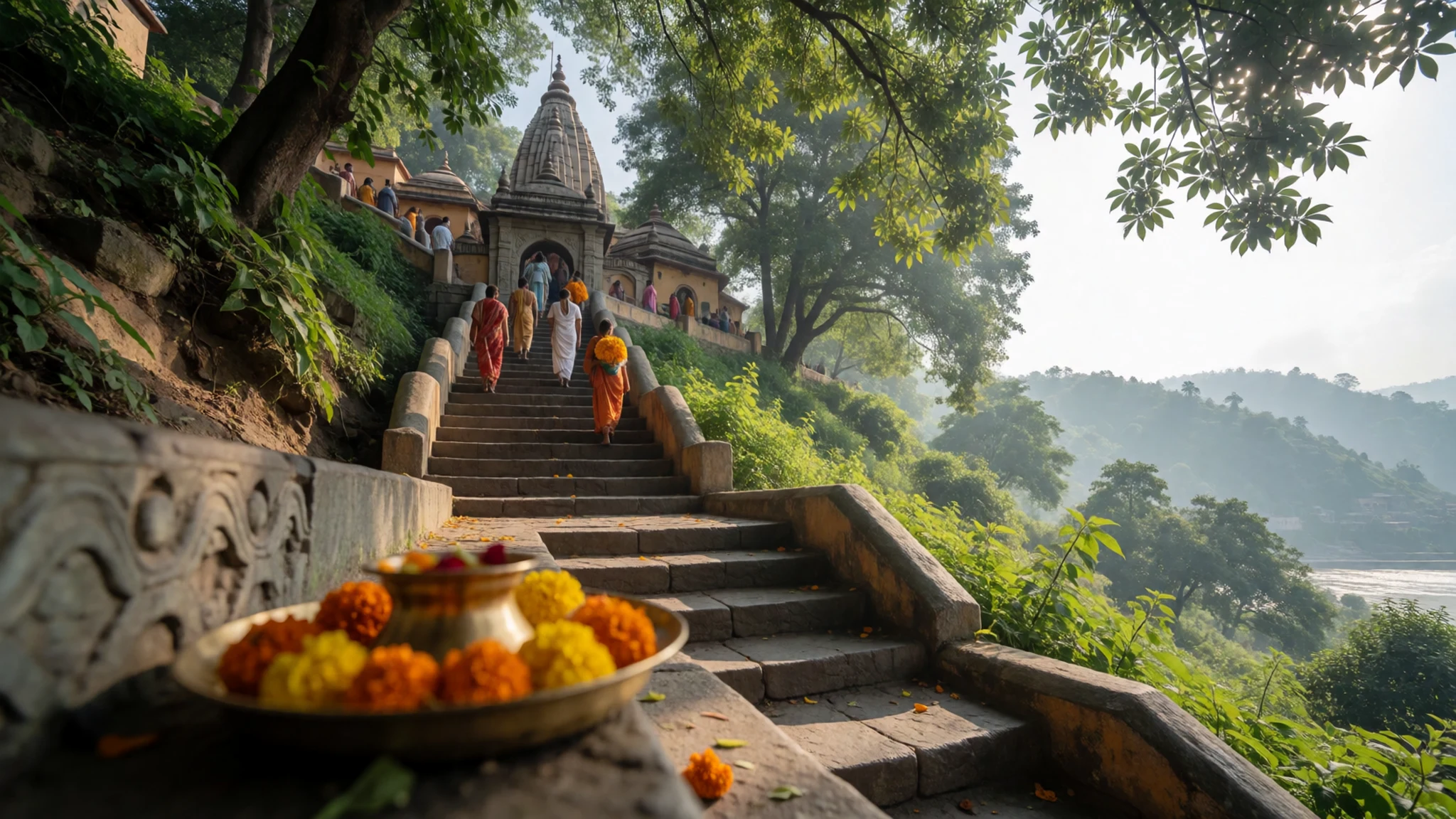
- Umananda Island — Brahmaputra waterfront
A small river island in the Brahmaputra with a Shiva temple, reached by a short public ferry from the city waterfront. It is quiet compared with the mainland, and the crossing gives the best sense of the river's width. Go in the morning, when the light is soft.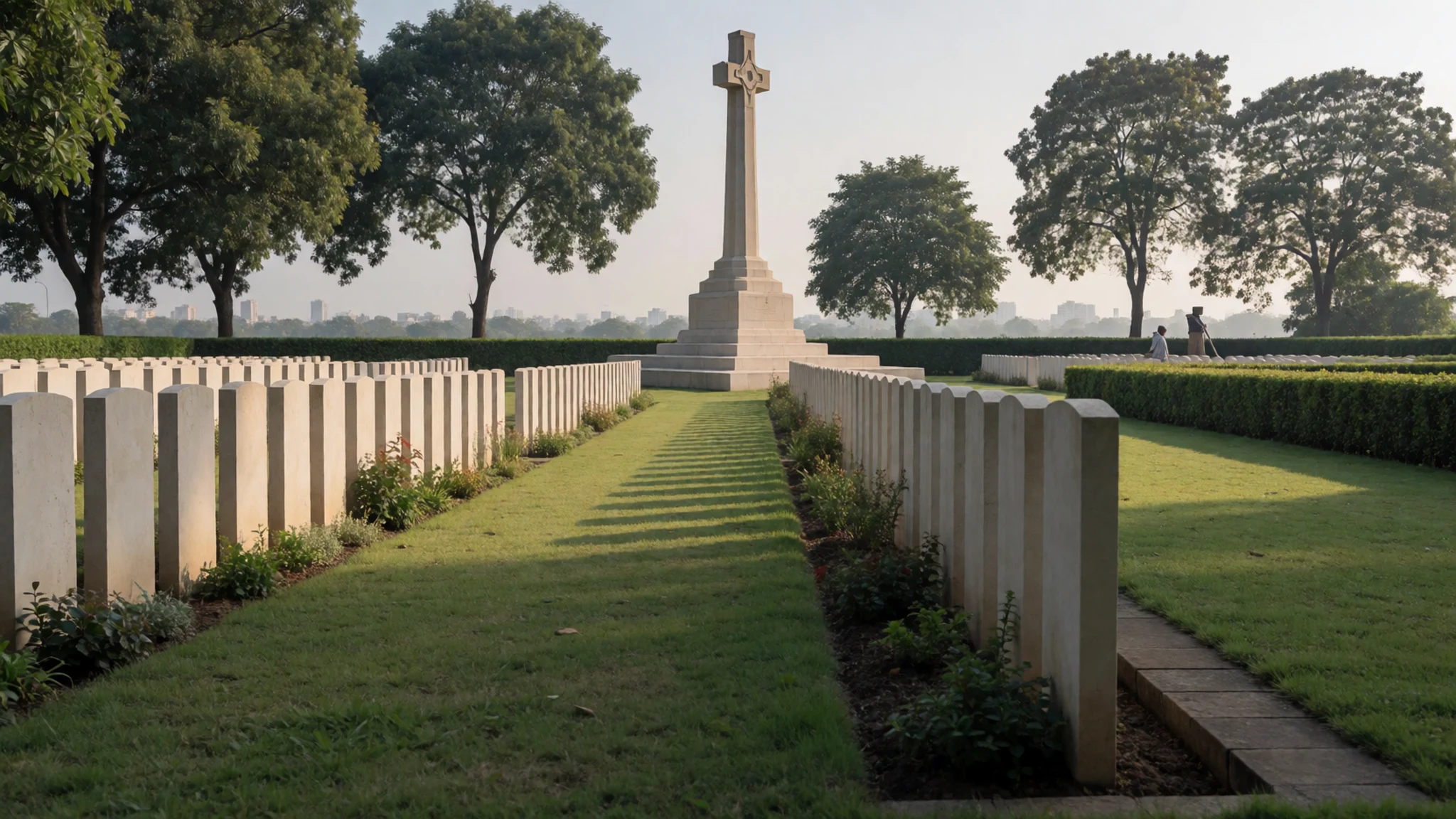
- Guwahati War Cemetery — Central Guwahati
A calm, well-kept Second World War cemetery run by the Commonwealth War Graves Commission, with the Cross of Sacrifice at its centre. It makes a thoughtful pause between temples and markets, and is usually almost empty. Rows of headstones carry names from many regiments and faiths.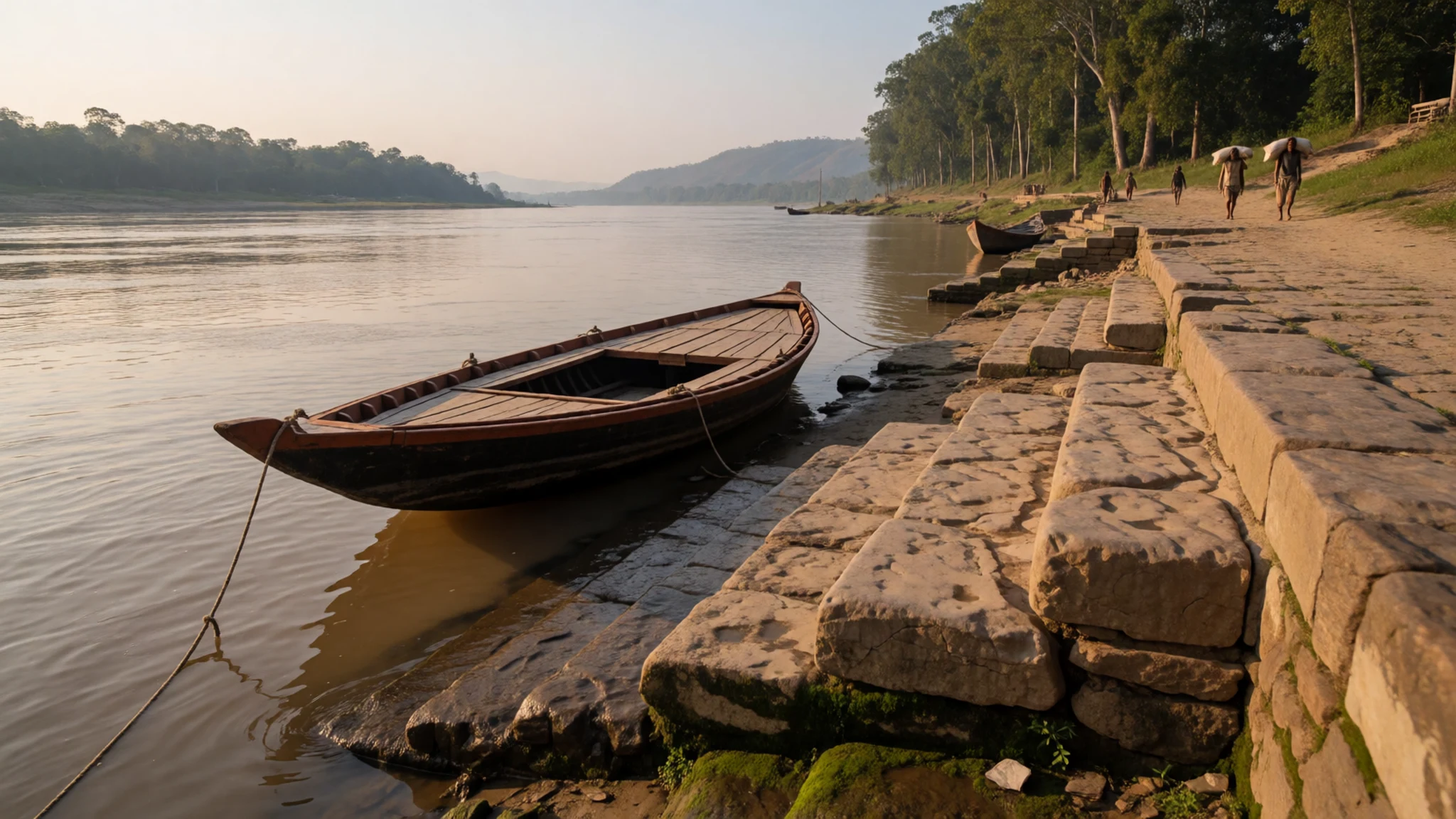
- Dirgheshwari Temple — North of the city
Listed as one of the 51 Shakti Pithas, this temple sits north of the main city, close to the river and rock outcrops. It is far less crowded than Kamakhya, so it suits anyone who wants a slower, more local temple visit.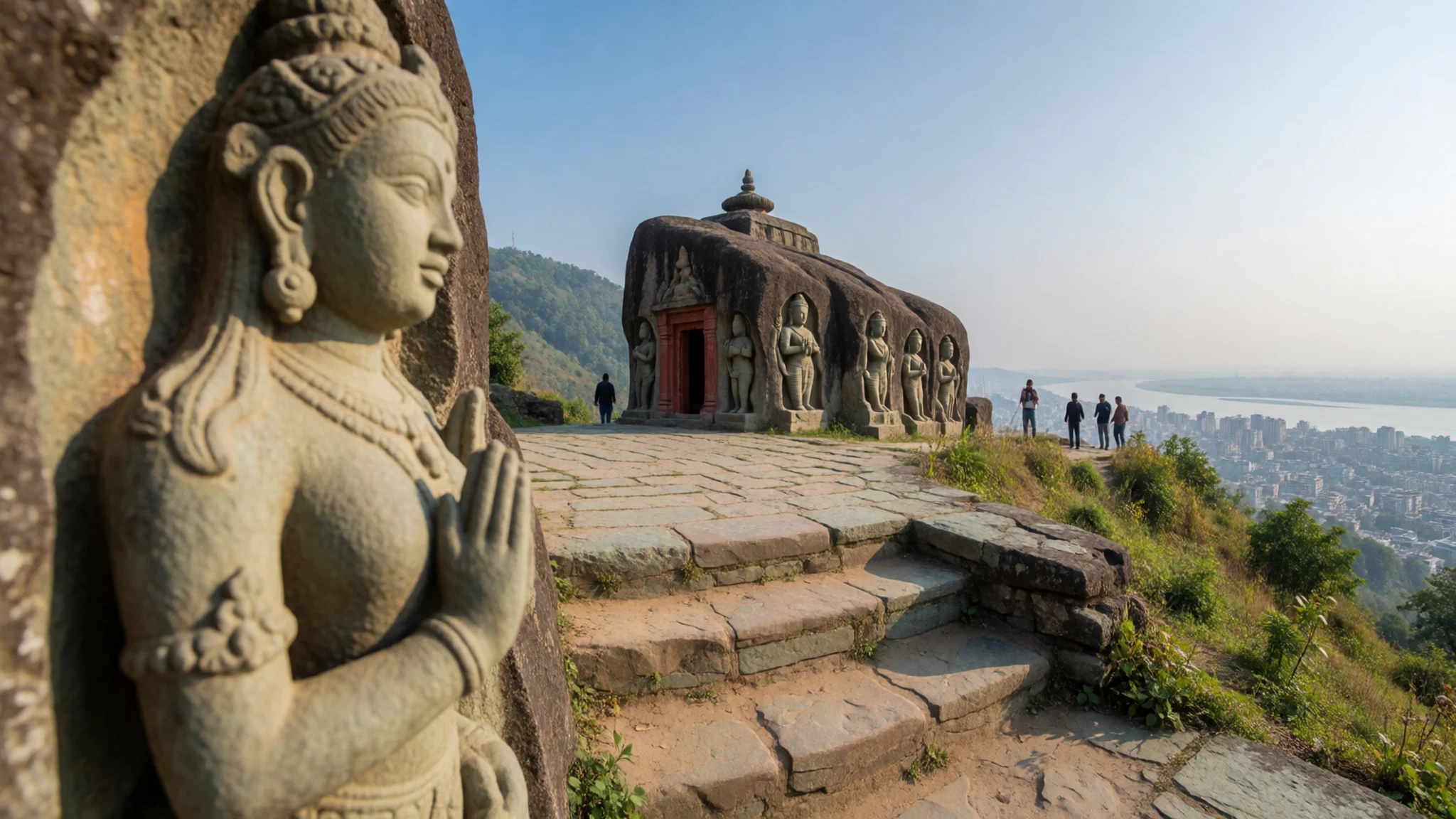
- Doul Govinda Temple — North Guwahati
A Krishna temple on the north bank, known for its Holi celebrations in February–March. Outside the festival it is a modest, peaceful place, and a useful excuse to cross the river and see the less urban side of Guwahati.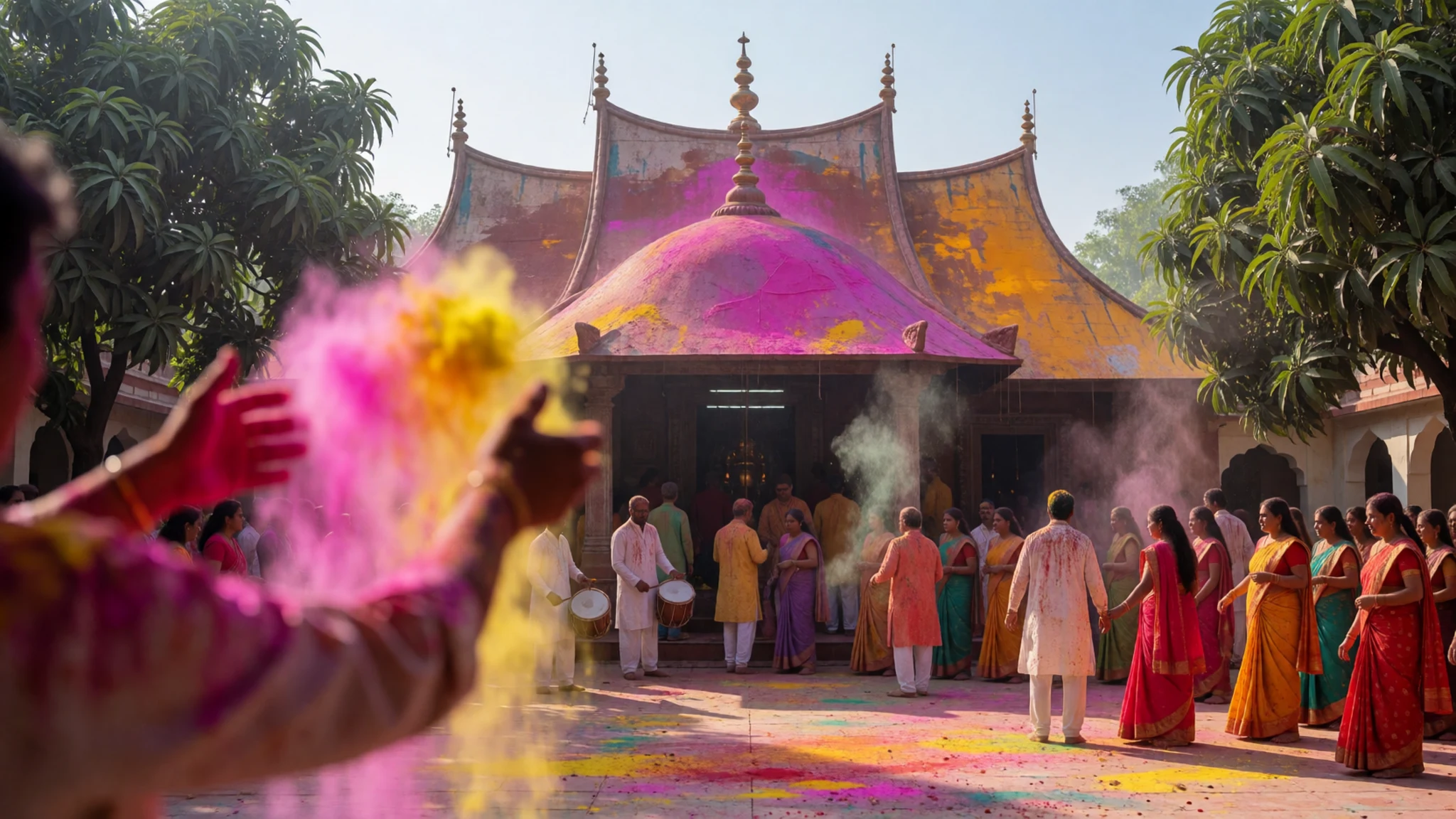
- Pandu Port — West Guwahati
A working river port on the western edge of the city, which was the main entry point before the Saraighat bridge opened. Come for boats, cargo and fishing life rather than monuments. Late afternoon light on the water is the draw.
Culture
Guwahati's culture is Assamese at its core but layered with the many peoples who pass through or settle here, from Bodo, Karbi and Khasi communities to traders and migrants from elsewhere in India. Assamese is the main language, and the city feels distinctly different from the Indian mainland in its rhythms, food and festivals.
Religion is lived loudly. Kamakhya is a centre of Shakta worship, devoted to the goddess, and the Ambubachi festival draws pilgrims in large numbers. Other temples, such as Doul Govinda, mark Holi with their own local customs. Vaishnavite traditions, associated with the saint Srimanta Sankardeva, shape music, dance and drama across Assam, including the Sattriya dance form and the bhaona theatre.
The great seasonal celebration is Bihu, which marks the farming year. Rongali Bihu in April is the most exuberant, with drums, dance and new clothes, and the city's streets and stages fill with performances. Tea is another thread: Assam's plantations shape the economy and the daily cup, and the milk tea served here is strong and sweet.
People are generally courteous and curious about visitors, and conversation comes easily, especially when you show interest in the river, the festivals or local food. Plan around festival crowds, as roads and temples can be packed and transport scarce.
At Kamakhya and other temples, remove your shoes before entering, dress modestly, and ask before photographing worshippers or priests.
What to wear
The signature textile of Assam is silk. Muga, a golden-yellow silk unique to the state, is prized for its sheen and durability. Pat (mulberry) silk and eri, a soft, warm silk often spun into shawls, complete the trio. Women traditionally wear the mekhela chador, a two-piece wrap of a sarong-style lower garment and a draped upper cloth, often with woven floral or temple-border motifs. Men wear the dhoti and kurta, with a gamosa, the white cotton towel with a red woven border, used as a scarf, a welcome gift or a mark of respect. These are worn for Bihu, weddings and religious occasions.
In daily life in Guwahati, most people dress as they would in any Indian city: trousers, shirts, salwar kameez and jeans, with sarees and mekhela chadors common in offices and on formal days. Students and young professionals lean casual and modern, and the cafe scene is relaxed.
Visitors should dress for a hot, humid climate, with light cotton or linen that dries quickly and covers shoulders and knees. That also keeps you within modesty norms at temples. Slip-on shoes are sensible, since you will take them off often, and a small umbrella or light rain jacket is useful in the monsoon. A scarf is handy for covering your head at shrines. For hill walks, such as the climb at Kamakhya, wear shoes with decent grip, as stone steps get slippery when wet. Bring a gamosa home as a souvenir, which is both useful and distinctly Assamese.
What to eat
- Assamese thali — Assamese restaurants, especially in the southeast of the city
A rice-based meal with dal, a light fish curry, seasonal greens, fried vegetables and a tangy side. Flavours are gentle and the oil is light. Look for restaurants advertising ethnic Assamese cuisine, especially in the eastern parts of the city.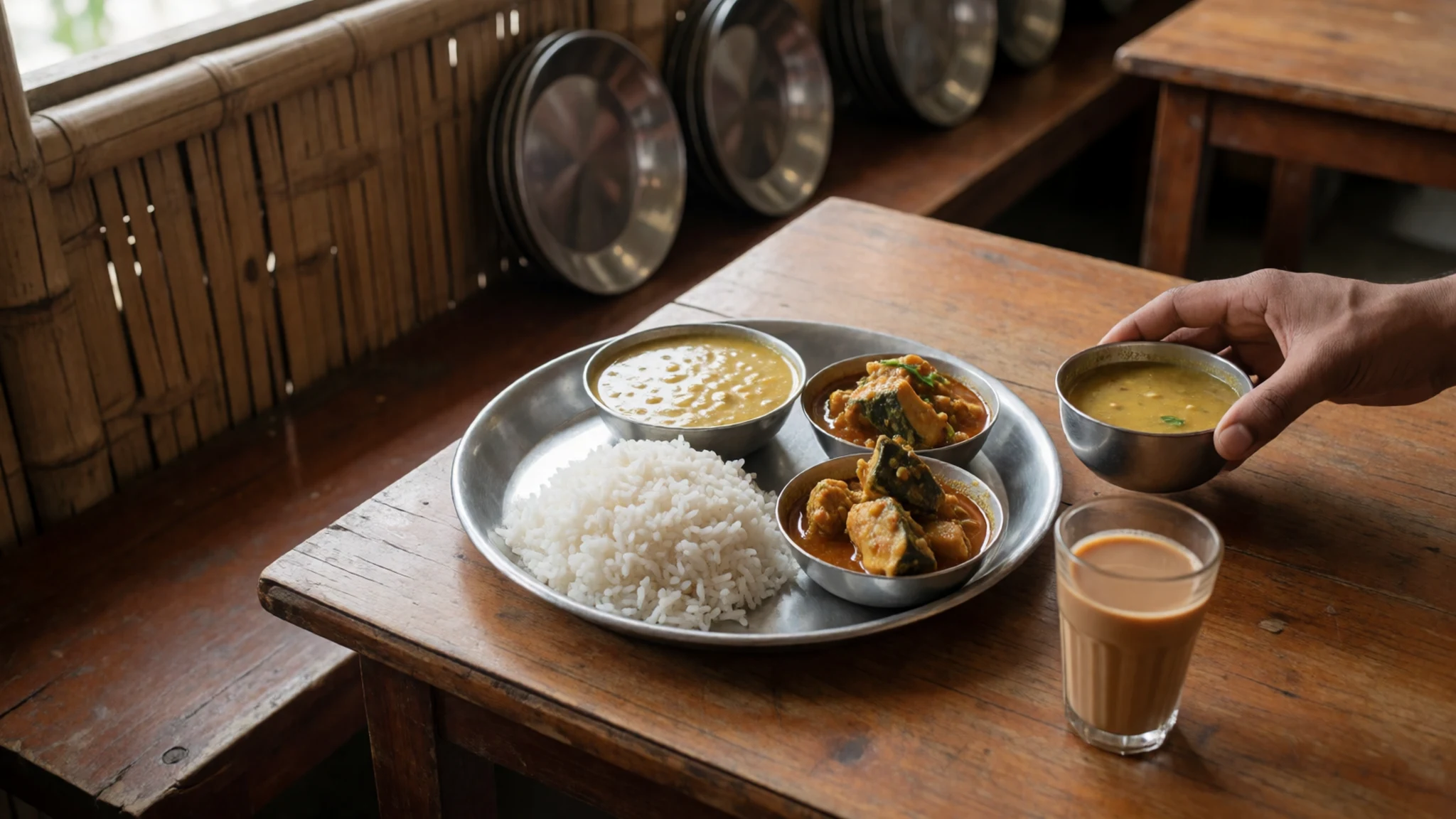
- Masor tenga — Traditional Assamese restaurants and eateries
A sour fish curry, usually made with rohu and tomato or lemon, and the dish many locals will name first. It is light, tangy and eaten with rice. Ask for it at any traditional eatery serving a full Assamese meal.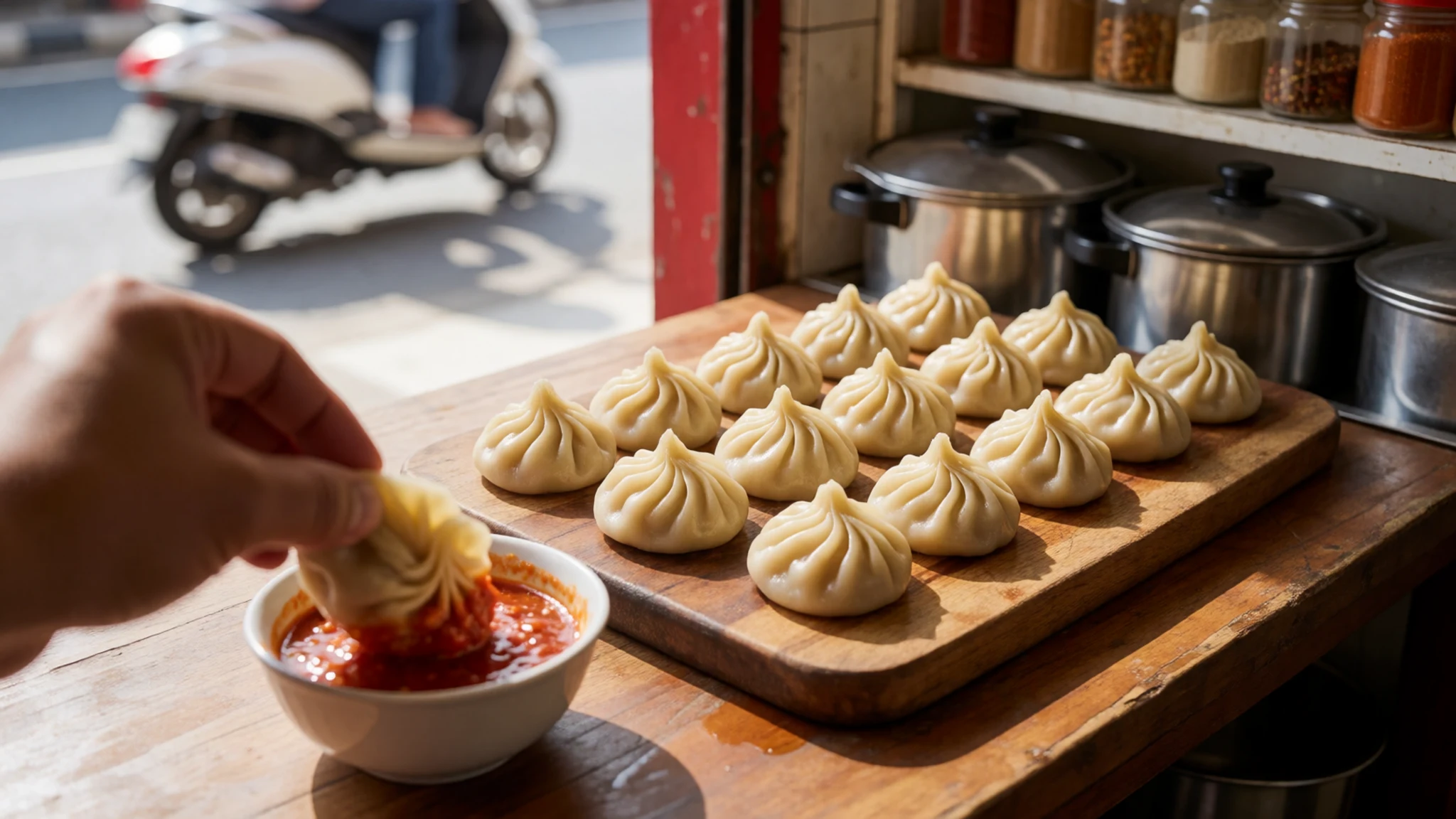
- Pitha — Sweet shops and festival stalls, especially around Bihu
Rice-flour snacks and sweets, steamed, fried or rolled, sometimes filled with coconut or sesame and jaggery. They are especially common around Bihu in January and April. Try them at sweet shops and stalls. - Bakery pastries and cakes — Old bakeries in the central market areas
The city has long-running bakeries well known across the north-east for pastries, cakes, bread and cookies. They are good for breakfast or a cheap snack, and for gifts to take to the next stop. - Momos — Small momo houses and street stalls across the city
Steamed or fried dumplings, a legacy of the region's Tibetan and Himalayan links, served with a fiery chilli dip. A good, cheap break between sights and easy to find across the city. - Dhaba meals — Dhabas on the main roads and city outskirts
Roadside eateries along the main highways and outskirts serve roti, dal, rice and curries at modest prices. They are the practical choice for a quick lunch, particularly if you are heading in or out of town by road.
Plan it
Best time. October to March is the most comfortable, with cooler, drier weather. April brings Rongali Bihu but also rising heat. Summers are hot and humid, and the monsoon brings heavy rain and some flooding, so plan flexibly then.
How long. 2–3
Getting there. Lokpriya Gopinath Bordoloi International Airport is on the western side of the city, with domestic flights from major Indian cities. Guwahati is also well connected by train from across India, and buses link it to Shillong, Kohima, Imphal and elsewhere in the north-east. From the airport, take a taxi or app cab into town.
Budget. low
Tips
- Start temple visits early to beat queues and heat, especially at Kamakhya
- Carry some cash for ferries, small eateries and temple offerings
- Allow extra time for traffic, particularly around the bridges and at rush hour
- Drink bottled or filtered water and carry sun protection
- Foreign visitors should check which budget stays are licensed to host them
- Check the official tourism site for current information: https://eodbassam.in/
Etiquette
- Remove shoes before entering temples and keep voices low
- Ask before photographing worshippers, priests or private ceremonies
- Dress modestly at religious sites, covering shoulders and knees
Nearby
Sources
- Wikidata Q199605 (CC0)
- Wikipedia: Guwahati (rev 1384989803) (CC BY-SA 4.0)
- Wikivoyage: Guwahati (rev 5413572) (CC BY-SA 4.0)
- Photo: Guwahati citysky (CC BY-SA 2.0)
- Photo: Guwahati Planetarium (CC BY-SA 4.0)
- Photo: Guwahati Ropeway car view (CC BY-SA 4.0)
- Photo: Guwahati Club (CC BY-SA 4.0)
- Photo: IIT Guwahati (CC BY 3.0)
- Photo: View from Nilachal Hill (CC BY-SA 4.0)
- Photo: Kamakhya Temple (CC BY-SA 4.0)
- Photo: Peacock Island (CC BY 3.0)


