Great Keppel Island
Great Keppel Island, Australia
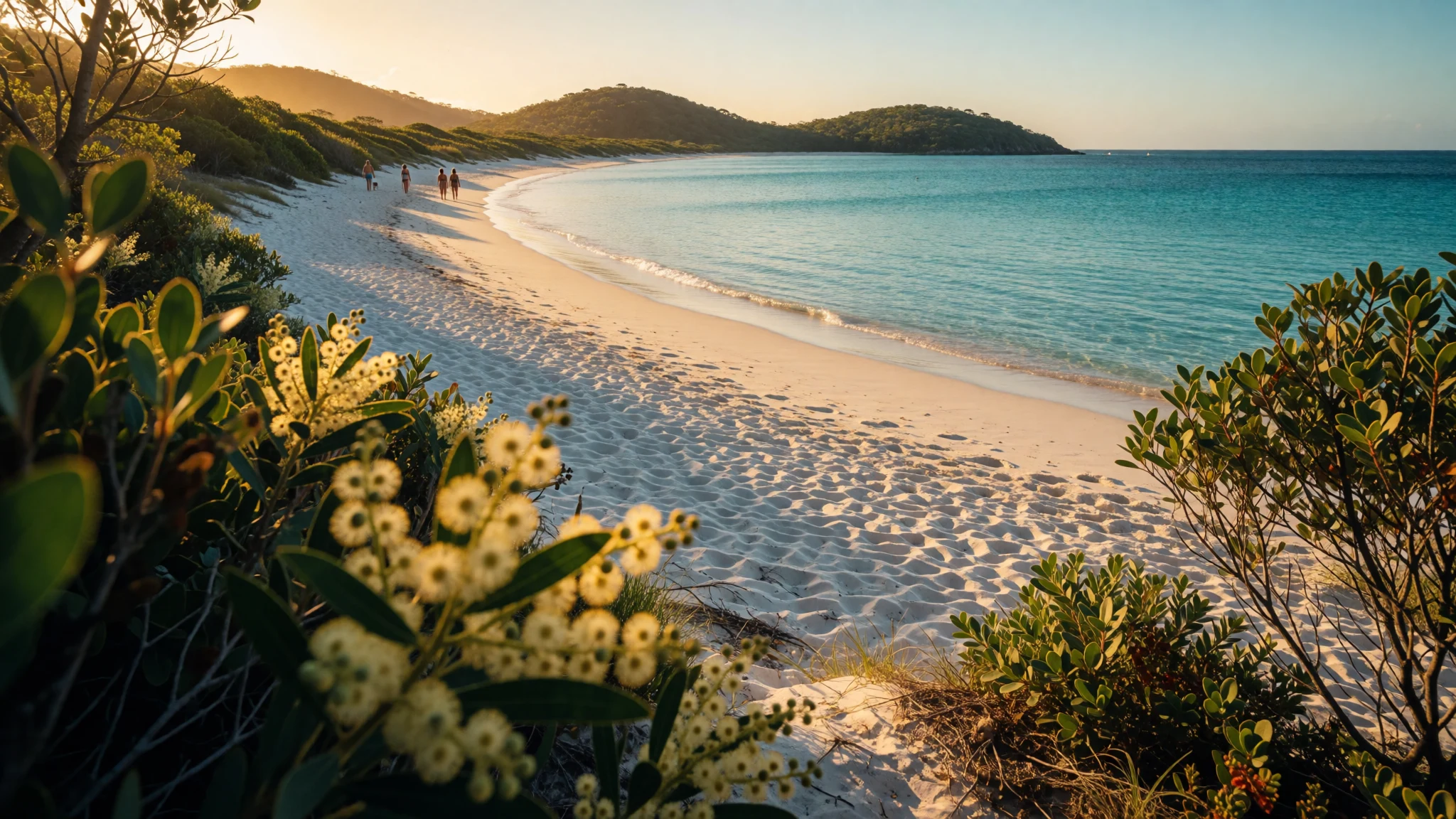
Great Keppel Island offers pale beaches, clear water and reefs off Queensland's Capricorn Coast, with a small, unhurried feel and a deep Woppaburra history.
The place
Great Keppel Island, called Wop-Pa by its traditional owners, the Woppaburra people, lies about 15 km off the Queensland coast, with the mainland town of Yeppoon as its gateway. It belongs to the Capricorn Coast of Central Queensland and sits within the Shire of Livingstone. Covering 1308 hectares, it is the biggest of the eighteen islands in the Keppel Group. The land is low, and the facts record gives an elevation of 43 m.
The draw is the shoreline: 17 white-sand beaches, with coral reefs offshore whose variety is comparable to that of the Whitsunday Islands. The water is clear for much of the year, so snorkelling is the main activity, and the sand is mostly for lying on rather than for rushing between.
Around 50,000 visitors a year come, which keeps the island feeling relaxed rather than packed, though the daily ferry sailings set the rhythm of arrivals and departures. Accommodation leans towards budget cabins, houses and campsites rather than luxury. There is no government-run camping on the island itself, so anyone pitching a tent needs to book with the holiday village.
The climate is tropical, much like Yeppoon's. Summer days typically reach 24 to 30 degrees Celsius, while winter runs cooler, between 12 and 22. On the open beaches in the warm months, sun protection matters more than any other piece of kit.
Its story
Great Keppel Island has been Woppaburra country for roughly 10,000 years, by the usual estimate. Before Europeans arrived, perhaps 60 to 80 people lived there, and old shell middens still show how much seafood the surrounding waters supplied.
James Cook named the group in April 1770, honouring Admiral Augustus Keppel, then First Lord of the Admiralty. The first recorded European landing came in 1847, when the naturalist John MacGillivray visited aboard HMS Rattlesnake.
Pastoral leasing began in 1866, and sheep became the island's business. William Wyndham, the first permanent European resident, worked as stock-keeper and is remembered as fair towards the Woppaburra. The island's highest peak and a cove on the east coast carry his name. He left after the lessee forcibly removed 30 people over some killed sheep. Those who stayed were made to work in poor conditions, and their numbers fell until the last 18 were taken away in 1902. By the end of the nineteenth century most of the Woppaburra had been killed or removed.
The island stood effectively empty from 1903 to 1918, when Michael and Lizzie O'Neill took on the grazing lease and built a homestead in the middle of the island. Michael died in 1923, and Lizzie stayed on. Her second husband was the fisherman Ralph Leeke. The building is now Leeke's Homestead, on the Queensland Heritage Register, and Leeke's Beach and Estuary carry the family name. The Australian Government recognises the Woppaburra as the island's traditional owners.
What to see
- Long Beach — Southern side of the island
Long Beach is the usual first stop for anyone wanting a simple day of sand and swimming. The shoreline is wide and pale, and the water is calm enough for easy paddling. Bring shade of your own, as the open sand offers little relief at midday in the warmer months.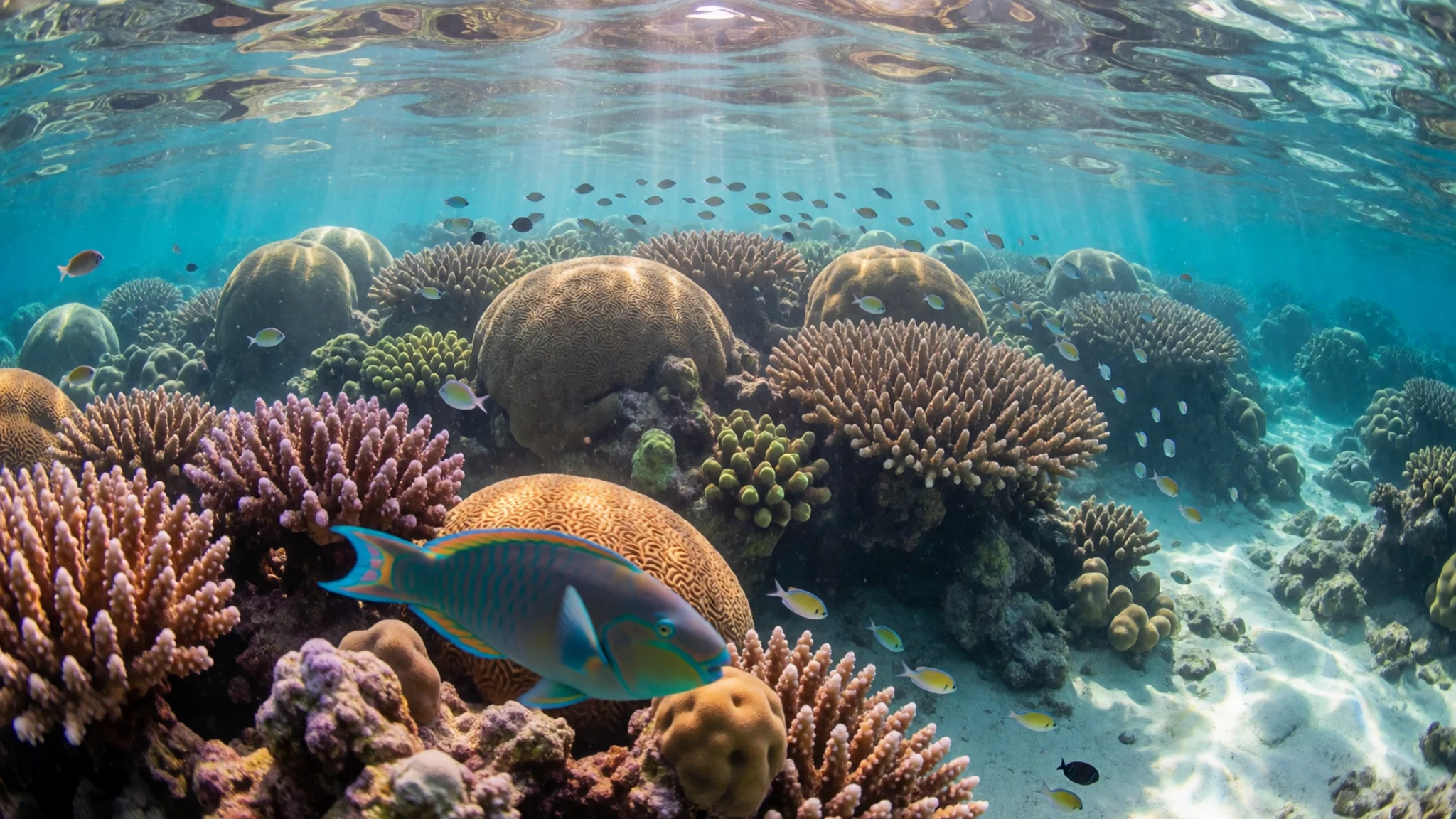
- Leeke's Beach and Homestead — Central island
Leeke's Beach and its estuary are named for Ralph and Lizzie Leeke, who lived here in the 1920s. Leeke's Homestead, the old grazing building, is on the Queensland Heritage Register and gives a rare glimpse of the island's sheep-farming era. It sits close to the beach, so history and a swim fit into one stop.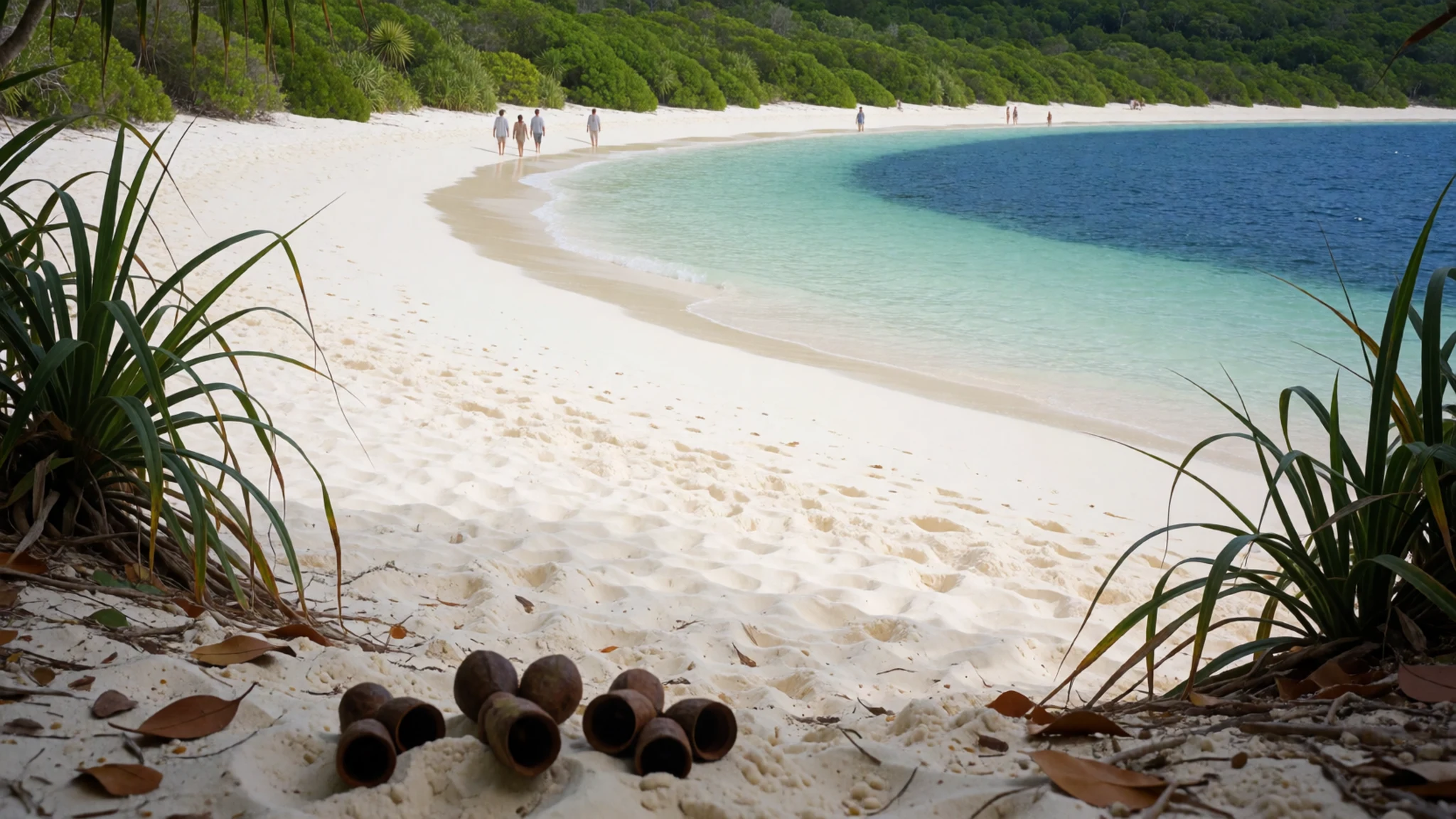
- Mount Wyndham — Interior of the island
Mount Wyndham is the island's highest peak, named for the stock-keeper William Wyndham, remembered for treating the Woppaburra fairly. Walking up gives a wider view of the beaches and the surrounding Keppel Group, and it suits early morning or late afternoon, when the heat is easier to handle. Carry water and wear proper shoes.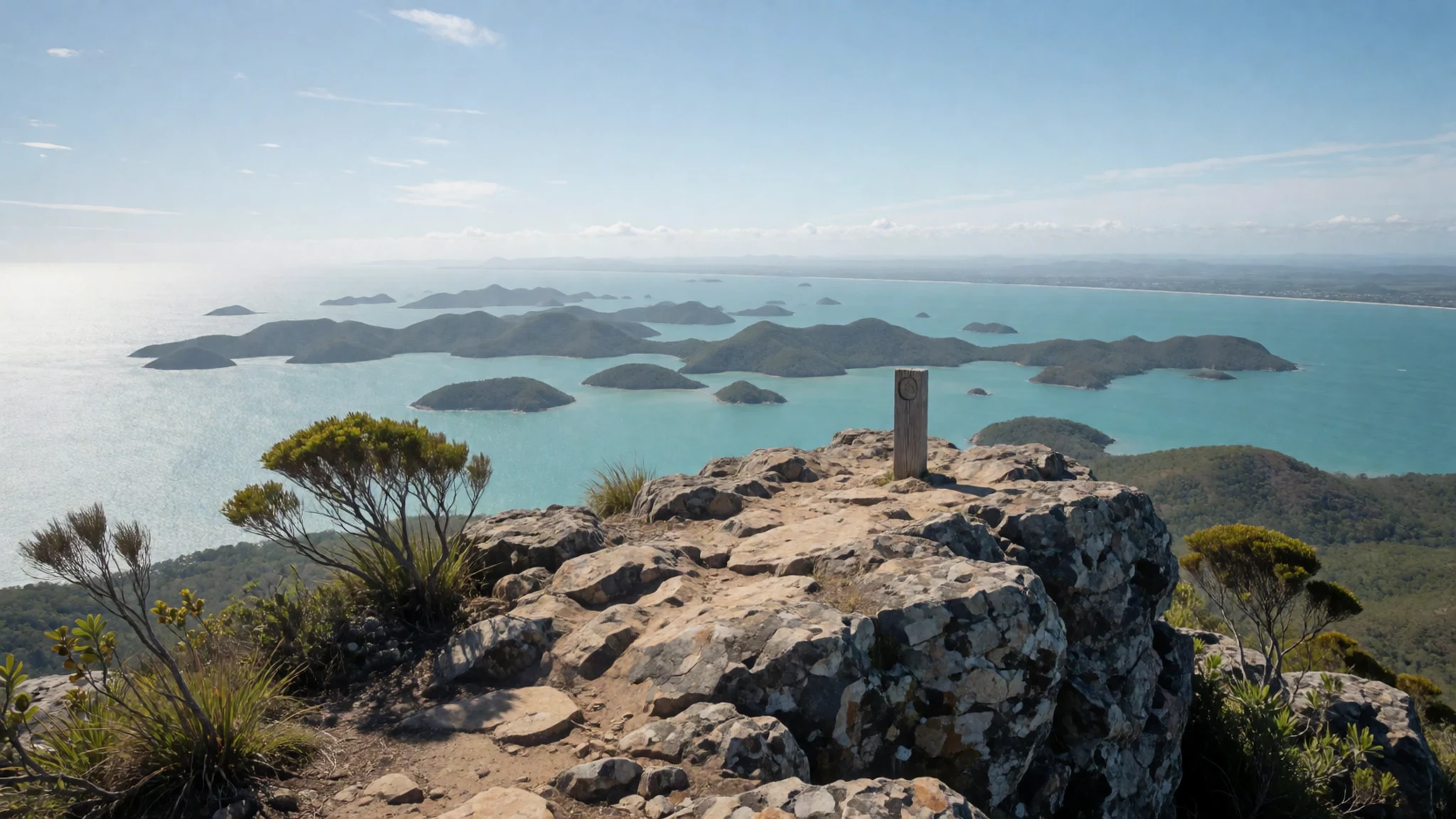
- Reefs around the island — Offshore, around the island's bays
The coral around Great Keppel Island is the main reason many people cross from the mainland. The variety of hard coral is similar to that of the Whitsunday Islands, and the water is clear for much of the year. Snorkelling from the beach is the easiest way in, and a guided trip suits first-timers.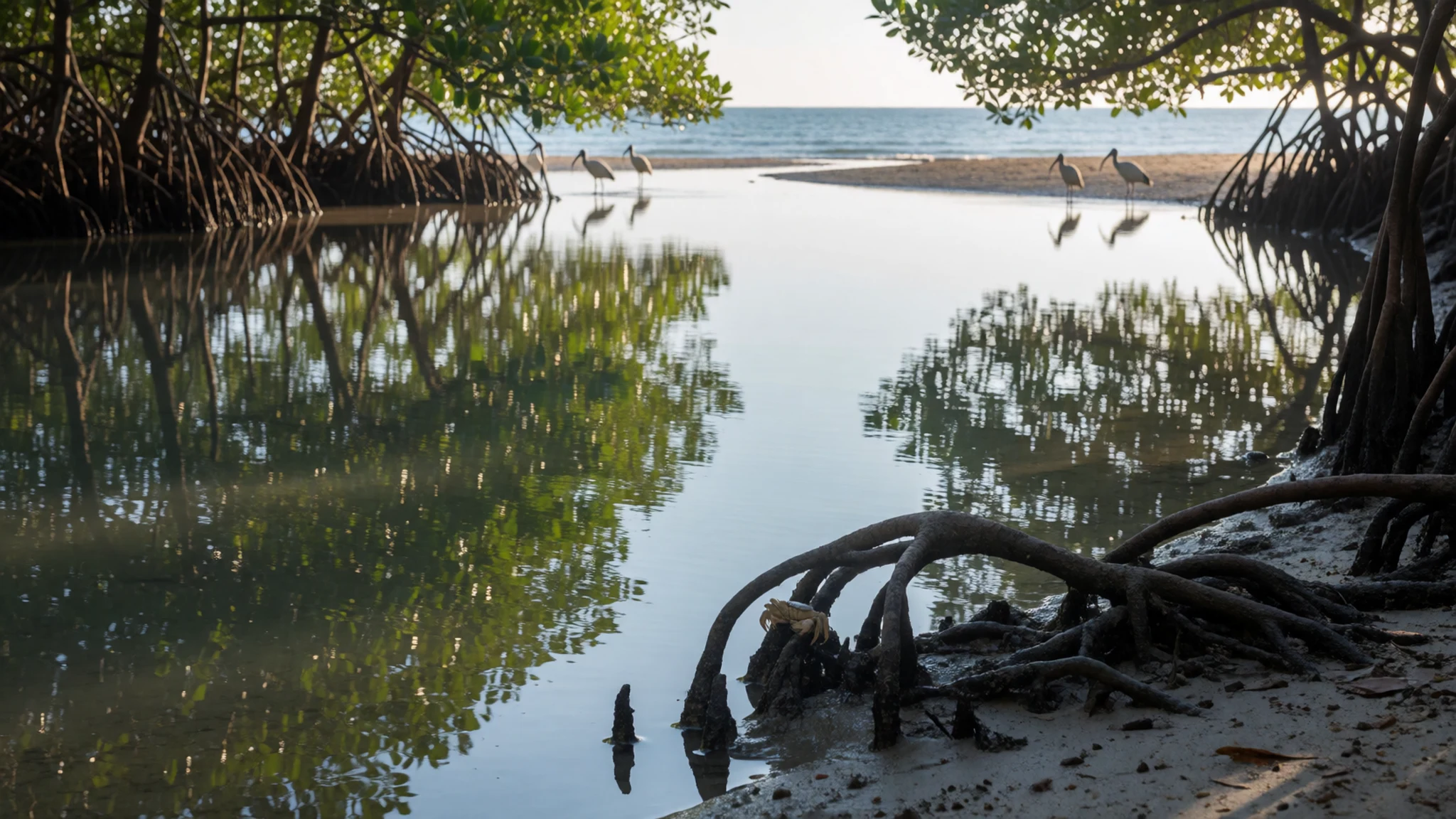
- Woppaburra middens — Coastal sites across the island
Shell middens on the island, some centuries old, are quiet records of Woppaburra life and of how much seafood the surrounding waters held. They are protected cultural sites and are best understood with local guidance rather than by wandering off alone. Ask on the island or on the mainland about respectful ways to learn more.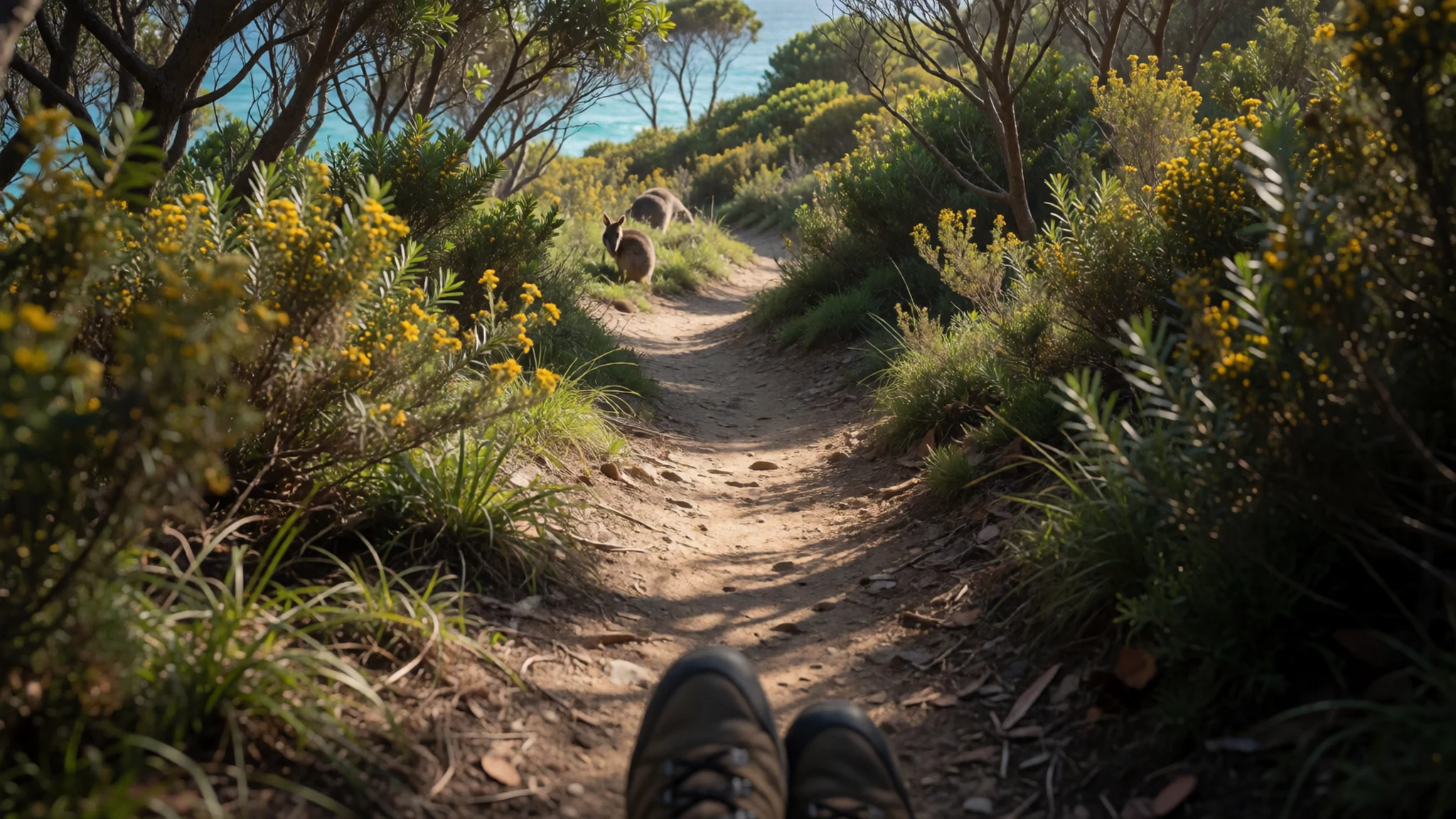
Culture
Great Keppel Island is Wop-Pa, the home of the Woppaburra people for roughly 10,000 years, and that long presence is the first thing to understand about the place. The shell middens along the shore are evidence of generations of fishing and gathering, and the Woppaburra remain the recognised traditional owners. The twentieth-century history of removal from the island is painful and still felt, so descendants' connection to Wop-Pa deserves to be treated with care and not as a footnote to a beach holiday.
Day to day, the island runs on a relaxed Queensland beach rhythm. Visitors arrive by ferry from the Capricorn Coast, cook at campsites or in cabins, and spend most of the day outdoors. Evenings are quiet, and the sense of being a small community on an island, rather than at a resort town, shapes how people behave: neighbours chat, boats come and go, and rubbish is carried out rather than left.
The settler layer of history survives mainly in Leeke's Homestead and in place names such as Wyndham and Leeke, which hint at the grazing years. Reading these names alongside the Woppaburra name, Wop-Pa, gives a fuller picture than either alone.
Please leave shells, coral and any middens undisturbed, keep to marked tracks near cultural and heritage sites, and carry all your rubbish back to the mainland.
What to wear
Great Keppel Island has a long Woppaburra history, but detailed records of traditional Woppaburra dress and textiles are thin, and it would be wrong to guess at them. Anyone curious should look to Woppaburra voices and Queensland cultural centres rather than to travel writing, which tends to repeat generalities about coastal peoples.
What people wear now is straightforward beach wear. Residents and visitors alike live in swimwear, rash vests, shorts, light shirts and wide-brimmed hats, with flip-flops for the sand and a pair of sandals or trainers for the tracks. Nobody dresses up in the evening, and a clean T-shirt and shorts is as formal as it gets.
For a visitor, sun protection is the main item: a hat, sunglasses, and a long-sleeved rash vest or light shirt for snorkelling, since the sun is strong over the water. Summer days typically reach 24 to 30 degrees Celsius, so breathable cotton or quick-dry fabric works best. In winter, when temperatures can drop to between 12 and 22, add a light jacket or jumper for the evenings and the ferry crossing. There are no religious dress rules on the island, though covering up when walking through a campsite or to a shop is courteous. Sturdy closed shoes make the walk up Mount Wyndham more comfortable.
What to eat
- Fresh local fish — Beachside eateries on the island; seafood counters in Yeppoon
Fish caught around the Capricorn Coast, grilled or fried, is the natural thing to order. Menus change with the catch, so ask what came in that day. Look for it at the island's casual beachside eateries or at seafood counters in Yeppoon before the ferry.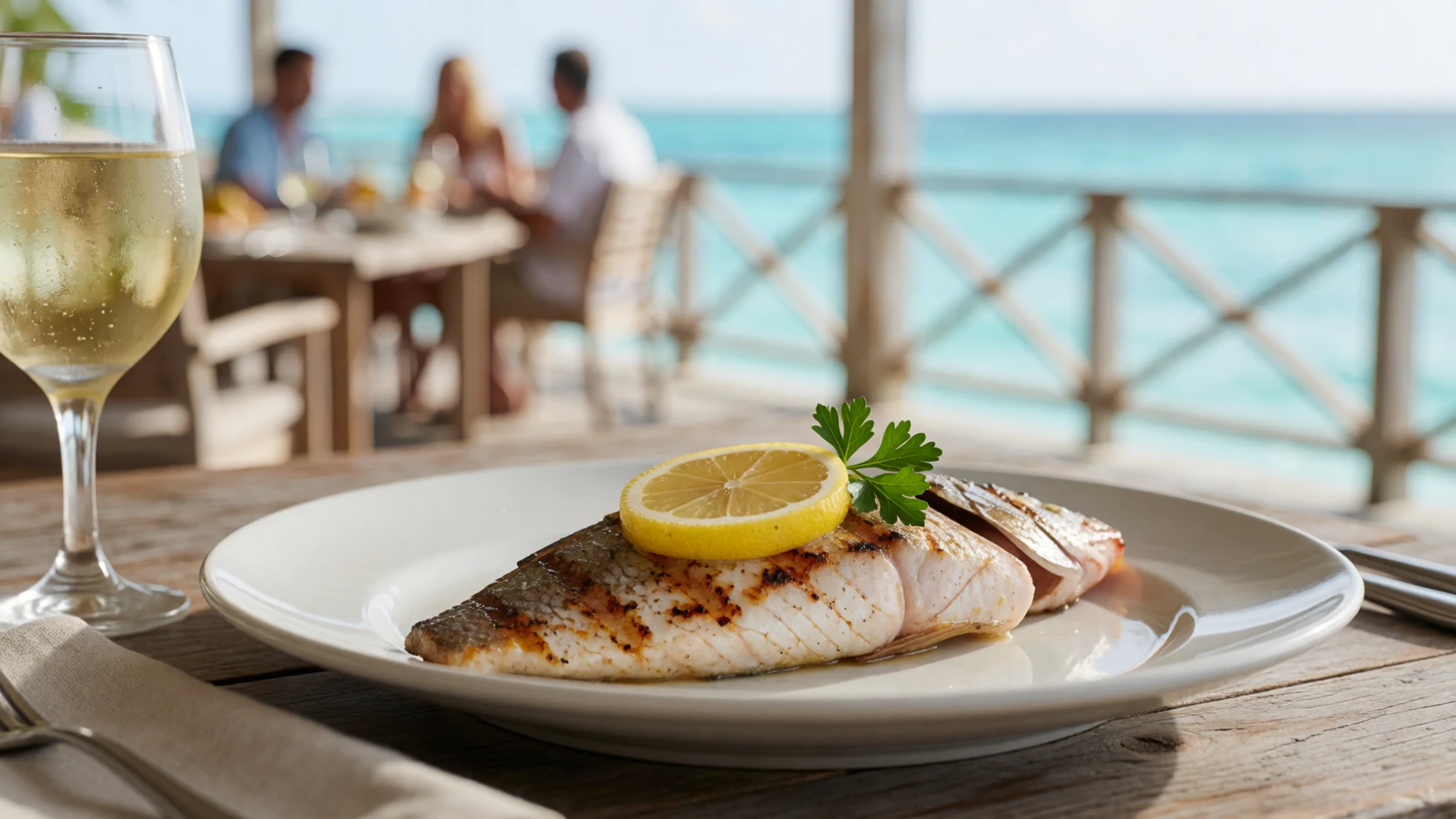
- Fish and chips — Casual cafés near the main beaches; takeaway shops on the mainland
The classic Australian beach meal works well here: battered or grilled fish with chips, eaten outdoors with the sand still on your feet. It is simple, filling and easy to share, and it suits a long day spent snorkelling or walking.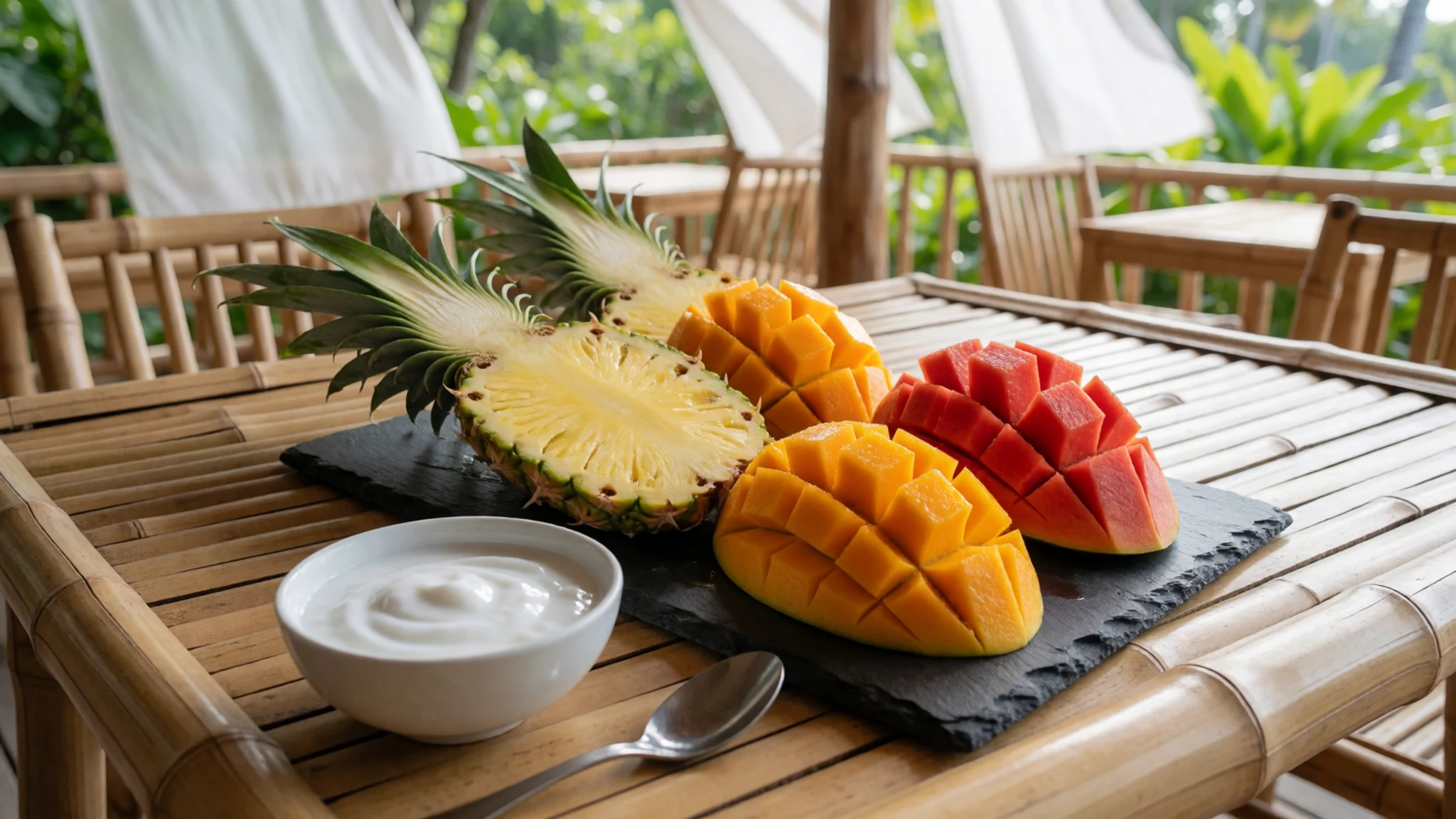
- Beach barbecue — Holiday village campsites and cabins; supermarkets in Yeppoon for supplies
Many visitors cook for themselves, with sausages, steaks, prawns and salad grilled on a barbecue at a campsite or cabin. Supplies are best bought on the mainland before sailing, as the island's shopping is limited and cooking at your own pace suits the unhurried mood. - Meat pie — Bakeries in Yeppoon, near Keppel Bay Marina
A warm meat pie from a bakery is the classic Queensland pick-me-up, handy before a morning ferry or for a day trip. Take it in a bag to the marina, and keep the wrappers out of reach of seagulls. - Tropical fruit — Fruit stalls and greengrocers around Yeppoon and Rockhampton
Mango, pineapple, bananas and watermelon are good for hot days, and they travel easily in a day bag. Buy them in season at a mainland market or greengrocer, then keep them in the shade and eat them cold if you can.
Plan it
Best time. April–May and September–October, when temperatures sit between the warm summer range of about 24 to 30 degrees Celsius and the cooler winter range of about 12 to 22, and the water is typically clear. Summer is hot and tropical, and winter evenings can feel cool.
How long. 2–3
Getting there. Fly to Rockhampton, then travel by road to Yeppoon and Keppel Bay Marina. Ferries to the island leave from the marina with one sailing a day per operator, so check the operators' own sites for current times and fares.
Budget. mid
Tips
- Book ferries and accommodation ahead, as there is one sailing a day per operator and limited beds.
- Buy groceries and snacks on the mainland, since the island's shopping is limited.
- Check the ferry operators' official sites for current times and prices before you travel.
- Bring a hat, sun cream and plenty of water for walks and beach days.
Etiquette
- Take all rubbish back to the mainland.
- Leave shells, coral and middens where they are.
- Ask before photographing people, and respect Woppaburra cultural sites.
Nearby
Sources
- Wikidata Q1571186 (CC0)
- Wikipedia: Great Keppel Island (rev 1381928950) (CC BY-SA 4.0)
- Wikivoyage: Great Keppel Island (rev 5329547) (CC BY-SA 4.0)