Gigantes Islands
Gigantes Islands, Philippines
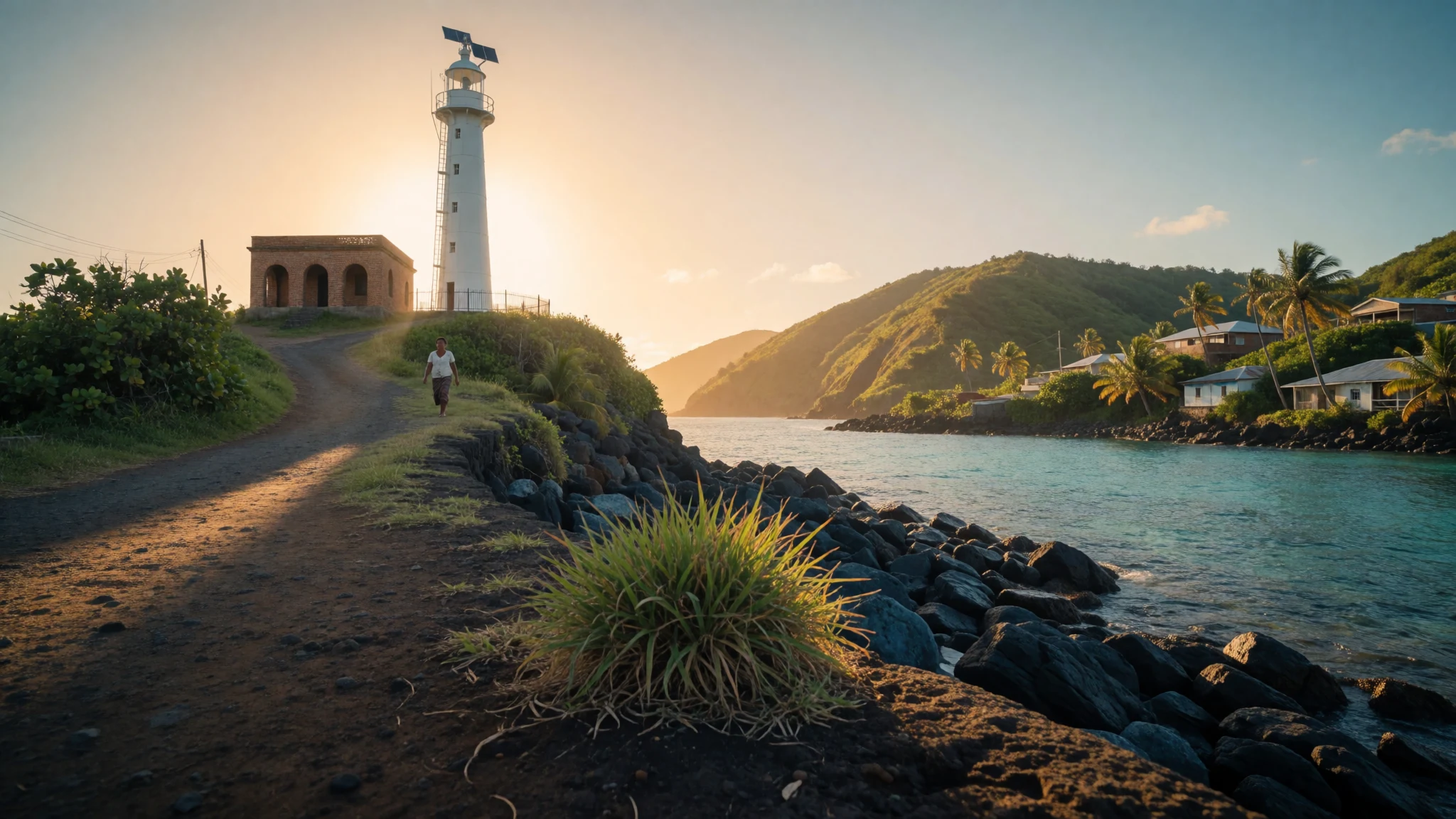
Gigantes Islands offer slow fishing-village life, a rock-ringed saltwater lagoon and pale sandbars, far from the busier beach circuits of the Philippines.
The place
Gigantes Islands sit in the Visayan Sea off the northern tip of Iloilo province, administered from the town of Carles on Panay. The group counts about ten islands, but two do most of the work: Gigantes Norte and Gigantes Sur, separated by a narrow channel that a small boat crosses quickly. Around them are smaller islets and sandbars, among them Gigantillo to the southeast and Cabugao Gamay, Cabugao Daku and Bantigui to the south. Open sea divides the whole group from Panay, so although it is officially part of a mainland municipality, getting here feels like leaving the mainland behind. Four barangays hold the population: Asluman and Granada on the northern island, Lantangan and Gabi on the southern. More than fourteen thousand people live here, mostly in fishing communities strung along the shore beneath steep green hills. That is a lot of residents for a place with no resort strip, and it shapes the experience. Visitors share jetties with working boats, buy from household stalls and eat whatever the day's catch allows. The climate is tropical, so heat, strong sun on the water and sudden rain are normal, and the weather decides whether boats run at all. Facilities are basic compared with better-known island groups such as El Nido, and electricity, mobile signal and cash machines should not be taken for granted. In return the pace is slow, the crowds are thin, and the scenery, from rocky coves to a saltwater lagoon to sand that appears and vanishes with the tide, is varied for such a small area. Patience, small notes and a flexible plan matter more here than any itinerary.
Its story
Gigantes Islands were once known as Sabuluag, or Salauag, after a tree species that grows naturally on them. Under Spanish colonial rule the group was renamed Gigantes, meaning giants, and local legend explains why: coffins in Bakwitan Cave were said to hold enormous human bones. Many islanders still believe the islands are home to engkantos, the spirits of Philippine folklore, so a story told on a jetty may carry real weight. The Spanish also left a lighthouse on Gigantes Norte, one of the original set they built around the Philippines. A white tower with a keeper's house, it flashed across the strait for generations. Typhoon Fengshen, called Frank in the Philippines, destroyed the tower. Japan donated an iron, solar-powered replacement, and the brick keeper's house is all that survives of the old station. Typhoon Haiyan, known as Yolanda, crossed Panay and the Gigantes in November and damaged houses and boats. Unofficial reports said the great majority of homes on the islands were wrecked, and the roof of Lantangan Elementary School on Gigantes Sur was torn off. The school is revealing in another way, since its roll is larger than that of many mainland schools, a reminder that this is a living community and not a postcard. The islands rebuild, and storms remain part of the yearly calendar, which matters to anyone planning a trip in the second half of the year.
What to see
- The channel between Gigantes Norte and Gigantes Sur — Between the two main islands
Gigantes Norte and Gigantes Sur are best understood from the water, where the two hilly islands face each other across a narrow channel. A boat crossing shows how green and steep both are, and where the villages cluster along the shore. Choose a clear morning for the best light and ask the boatman to slow down for photographs.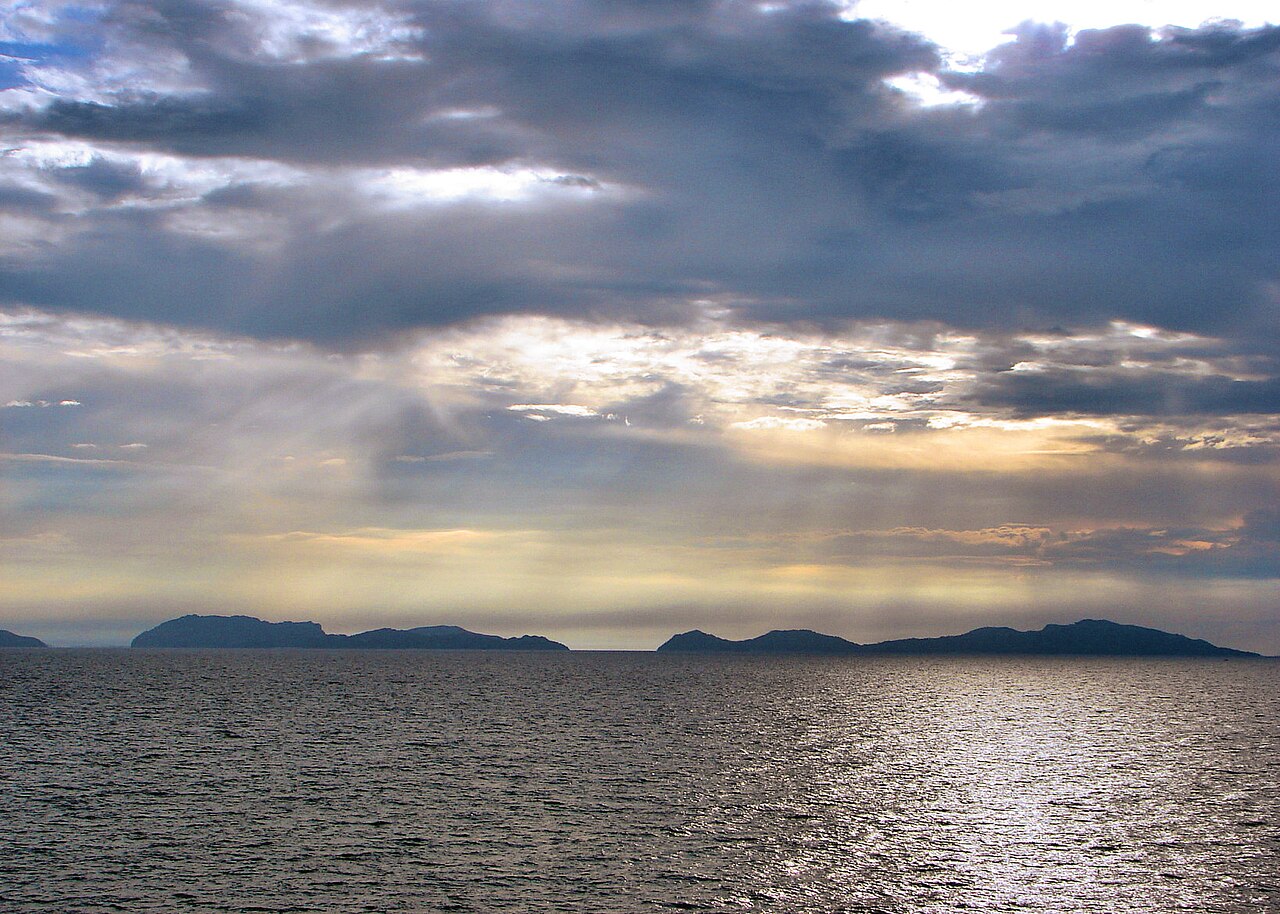
- Tangke Saltwater Lagoon — Gigantes Sur
Tangke is a saltwater lagoon enclosed by rock on Gigantes Sur, fed by the sea and calm enough for a swim. The water is still and green, and the setting feels sheltered from the open sea. Go outside the midday glare, wear water shoes for the rocky edges and follow local guidance on where to enter.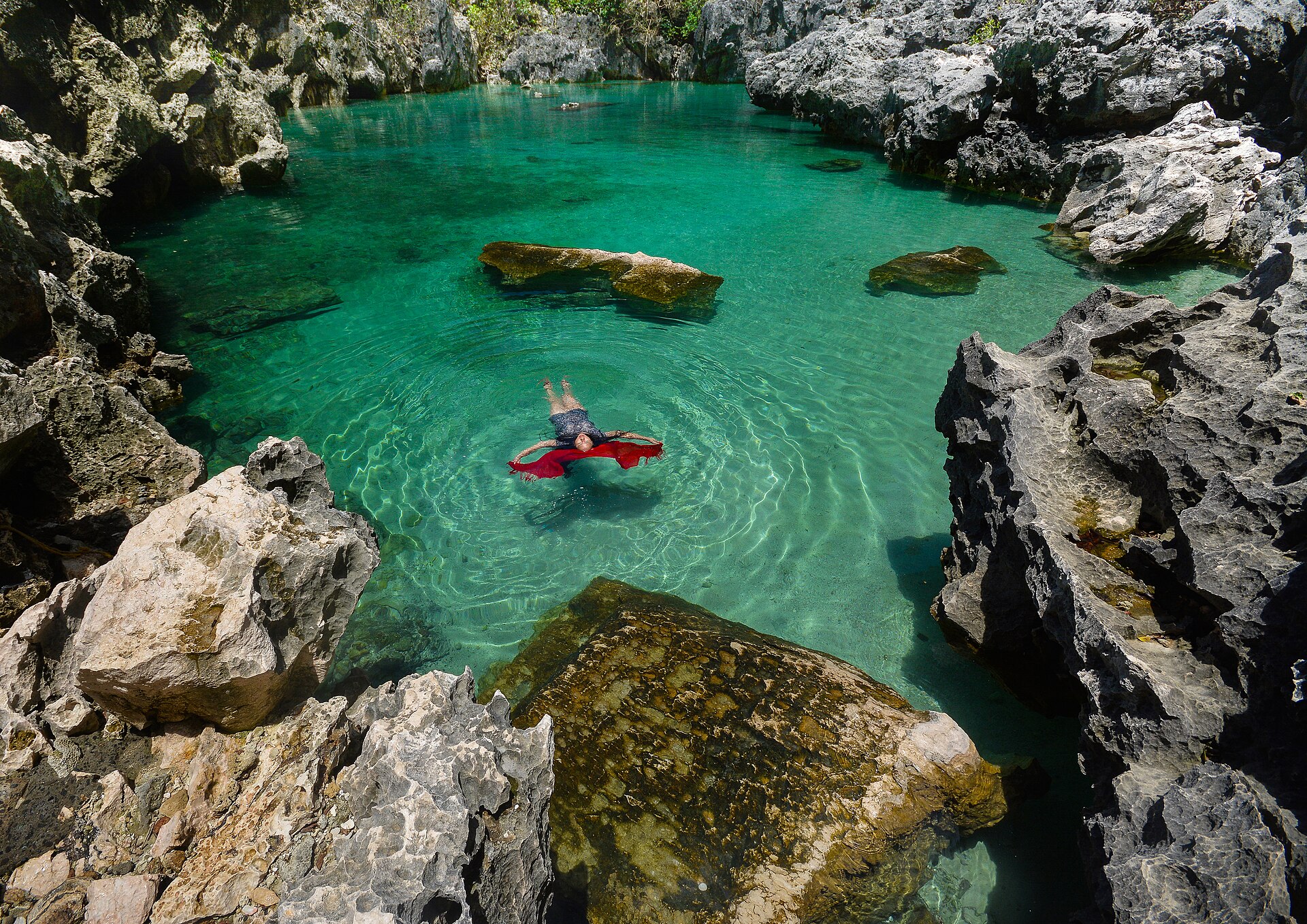
- Gigantes Norte lighthouse and keeper's house — Gigantes Norte
The lighthouse on Gigantes Norte stands where the Spanish-era tower once did; the current iron, solar-powered one was donated by Japan after a typhoon. A path leads to the old keeper's house, a single-storey brick ruin with arched openings. Go early, before the heat builds, and carry drinking water.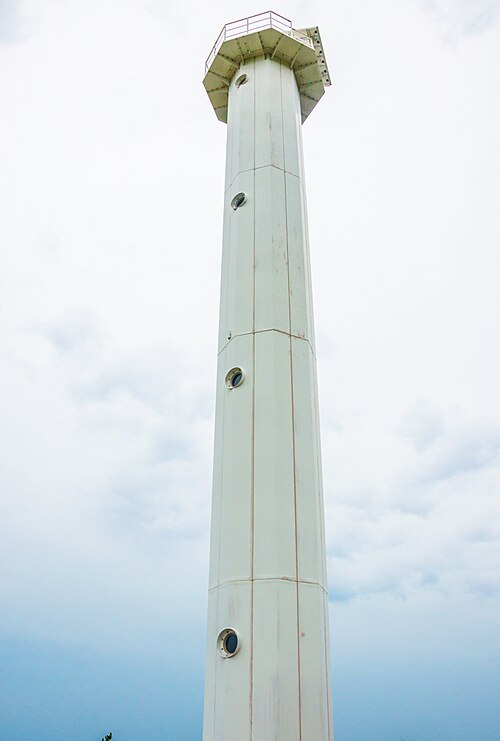
- Cabugao Gamay — South of Gigantes Sur
Cabugao Gamay, also listed as Antonia, is a small island south of Gigantes Sur, reached by boat. Expect a short stretch of sand, clear shallows and little else, which is much of its appeal. Boats and visitors gather here on weekends and holidays, so a weekday morning is the quieter option.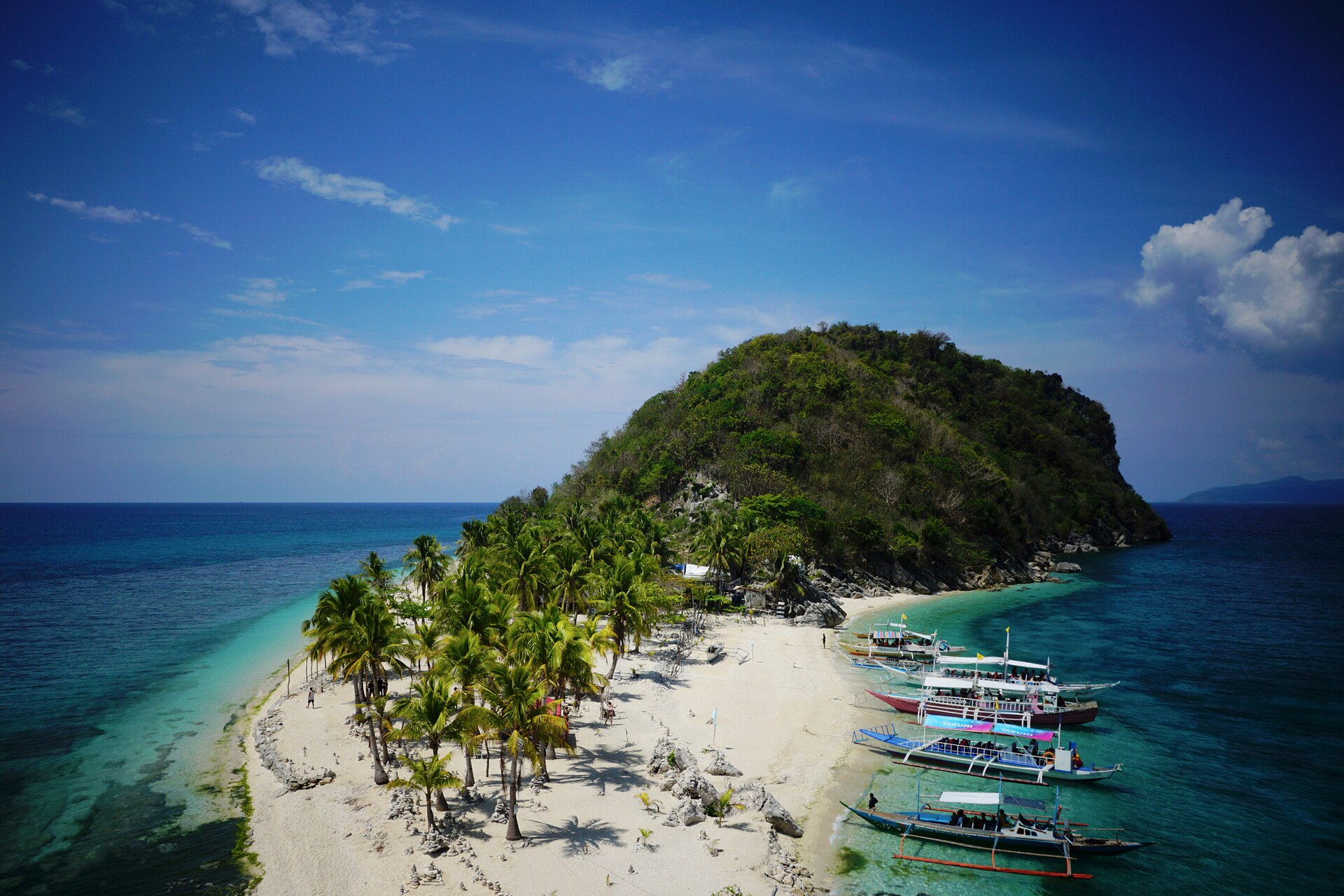
- Bantigue sandbar — South of Gigantes Sur
Bantigue, spelled Bantigui in some listings, is an islet south of Gigantes Sur noted for a long stretch of white sand lying out in the sea. Tides change how much shows, so confirm timing with the boat operator. There is no shade to speak of, so bring a hat, sunscreen and a bag for your rubbish.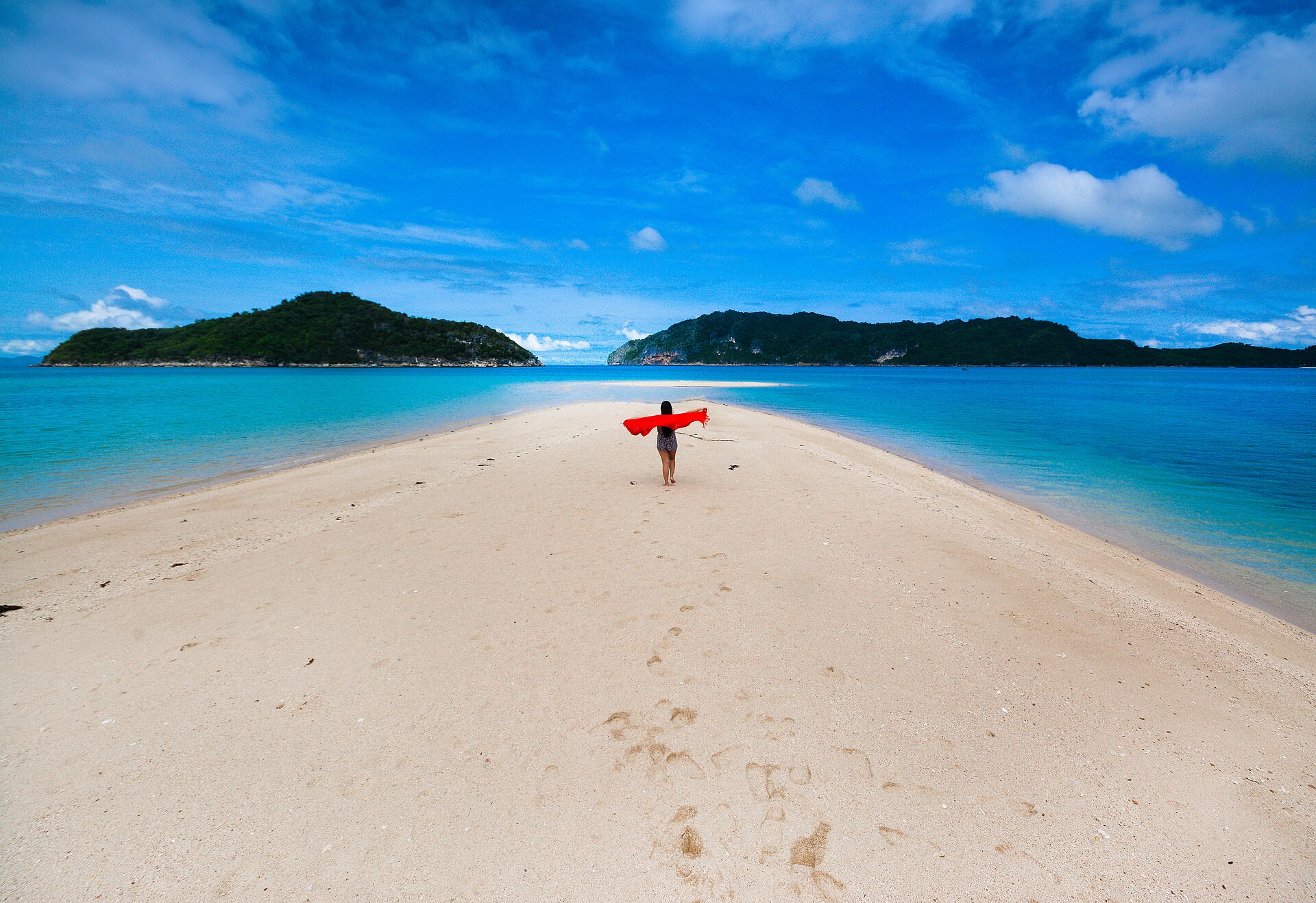
Culture
Gigantes Islands culture is that of Ilonggo fishing communities, where the sea sets the daily rhythm and a boat is as important a family asset as a house. Hiligaynon, the language of Iloilo, is spoken alongside Filipino and some English, and a few words of greeting in Hiligaynon are always appreciated. Catholicism is part of village life, with chapels and fiestas marking the calendar, and belief in engkantos sits comfortably beside it. Folk belief is taken seriously, so speaking politely around caves and old trees is the safe habit. Typhoons have shaped the community too: neighbours rebuild together, and hospitality towards visitors goes alongside a careful respect for supplies that arrive by boat. On the mainland, Iloilo is known for the Dinagyang drum festival and the Jaro Fiesta, and the islands hold their own village celebrations, though dates are best checked locally. Mobile signal is patchy, so plans change with weather and tides, and the cheerful response is to go along with it. Visitors who arrive curious, spend money locally and ask before assuming usually find conversations come easily. Eating where islanders eat, hiring local boatmen and buying from household stalls keeps the benefit on the islands. Ask before photographing islanders, their boats or their homes, and keep voices low and behaviour respectful at any cave, chapel or place that locals describe as the home of spirits.
What to wear
Gigantes Islands share the textile heritage of the wider Ilonggo region, though I know of no costume specific to the islands themselves. The traditional wardrobe includes the patadyong, a checked wraparound cloth worn by women, and the baro't saya, a blouse-and-skirt ensemble. Hablon, the handwoven cloth of Iloilo, is made on wooden looms from cotton, silk, abaca or pineapple fibre, and these garments appear mainly at fiestas, weddings and formal occasions. Day to day, islanders dress for sun, salt and work: cotton T-shirts, shorts or loose trousers, rubber sandals, wide-brimmed hats and long sleeves on the boats. Fishermen often wear whatever dries fastest, and children go to school in uniform even on the remote islands. Visitors should dress for heat and water. Lightweight, quick-drying clothes work best, with a long-sleeved top or rash vest against the sun. Swimwear suits the beaches and lagoon, but cover shoulders and knees when walking through villages or entering a chapel. Water shoes or sturdy sandals help on rocky lagoon edges and slippery jetties, and trainers are better for the lighthouse path. Add a hat, reef-safe sunscreen, a light rain jacket and a dry bag, since boat trips mean spray and sudden showers.
What to eat
- Scallops — Island eateries and household kitchens near the jetties
Scallops are the dish most visitors associate with the Gigantes Islands, usually steamed or grilled in the shell and eaten with little more than garlic or lime. Sweet and briny, they taste best when they have come off the boats that morning, so ask what has just been landed. - Grilled seafood — Seafront stalls and simple eateries in the island villages
Fish, squid and crab are cooked simply over charcoal or boiled, then served with rice and a dipping sauce of vinegar, chilli and soy. The menu follows the catch, so choices vary daily. Ordering a few things to share is the easiest way to taste the range. - Kinilaw — Island eateries, on days when fish has been landed that morning
Kinilaw is the Visayan way with raw fish: cubes cured in vinegar or citrus with onion, ginger and chilli. It is bright, sharp and only worth eating when the fish is very fresh, so choose a place where boats have just come in. - La Paz batchoy — La Paz Market and batchoy eateries in Iloilo City
La Paz batchoy is a hearty noodle soup of pork, offal, crushed crackling and egg, named after a district of Iloilo City. It makes a good first or last meal on the way to or from the boats, and each stall has its own broth. - Pancit Molo — Molo district and local eateries across Iloilo City
Pancit Molo is a clear, savoury soup of pork dumplings in a chicken-based broth, named after the Molo district of Iloilo City. It is comfort food for a rainy evening and a gentler contrast to the bolder seafood of the islands.
Plan it
Best time. March to May is the usual choice, with drier weather and calmer seas for boats, though it is hot. From June the typhoon season brings rough water and cancelled crossings, and storms have struck the islands in June and November.
How long. 2–3
Getting there. Fly to Iloilo airport, which lies well outside the city; Cebu Pacific and Philippine Airlines fly from Manila (about an hour) and Cebu. From Iloilo, travel by road north to Carles on Panay, then take a small boat across the Visayan Sea to the islands. Check boat times with local operators, as sailings depend on the weather.
Budget. low
Tips
- Arrange boat transfers and lodging through a local contact before travelling, since options are limited
- Carry enough cash for the whole stay, as cash machines and card payments may not be available
- Start island trips early, when seas are calmer and the sun is gentler
- Bring drinking water, snacks, sun protection and a dry bag for boat journeys
- Check typhoon forecasts before leaving Iloilo and allow a spare day in case crossings are cancelled
Etiquette
- Ask before photographing people, boats or homes
- Take all rubbish back to the mainland, as the islands have limited waste facilities
- Dress modestly in villages and when visiting a chapel
Nearby
Sources
- Wikidata Q16892764 (CC0)
- Wikipedia: Gigantes Islands (rev 1369697252) (CC BY-SA 4.0)
- Wikivoyage: Iloilo (province) (rev 5243698) (CC BY-SA 4.0)
- North and South Gigante Islands, P199 (CC BY 3.0)
- Floating Happiness at Tangke Salt Water Lagoon, Emman Asuncion Foronda (CC BY-SA 4.0)
- Old Quarters Near the New North Gigantes Medium Lighthouse, Franz Miko G. Verzon (CC BY-SA 4.0)
- New North Gigantes Medium Lighthouse, Franz Miko G. Verzon (CC BY-SA 4.0)
- Entry to the New North Gigantes Medium Lighthouse, Franz Miko G. Verzon (CC BY-SA 4.0)
- Isla de Gigantes beach, SIPAT: View from the Edge (CC BY 2.5)
- Gigantes Island (Cabugao Gamay), Patrick Poculan (CC BY 2.5)
- Bantigue Island Sandbar, Emman Asuncion Foronda (CC BY-SA 4.0)


