Fushoushan Farm
Fushoushan Farm, Taiwan
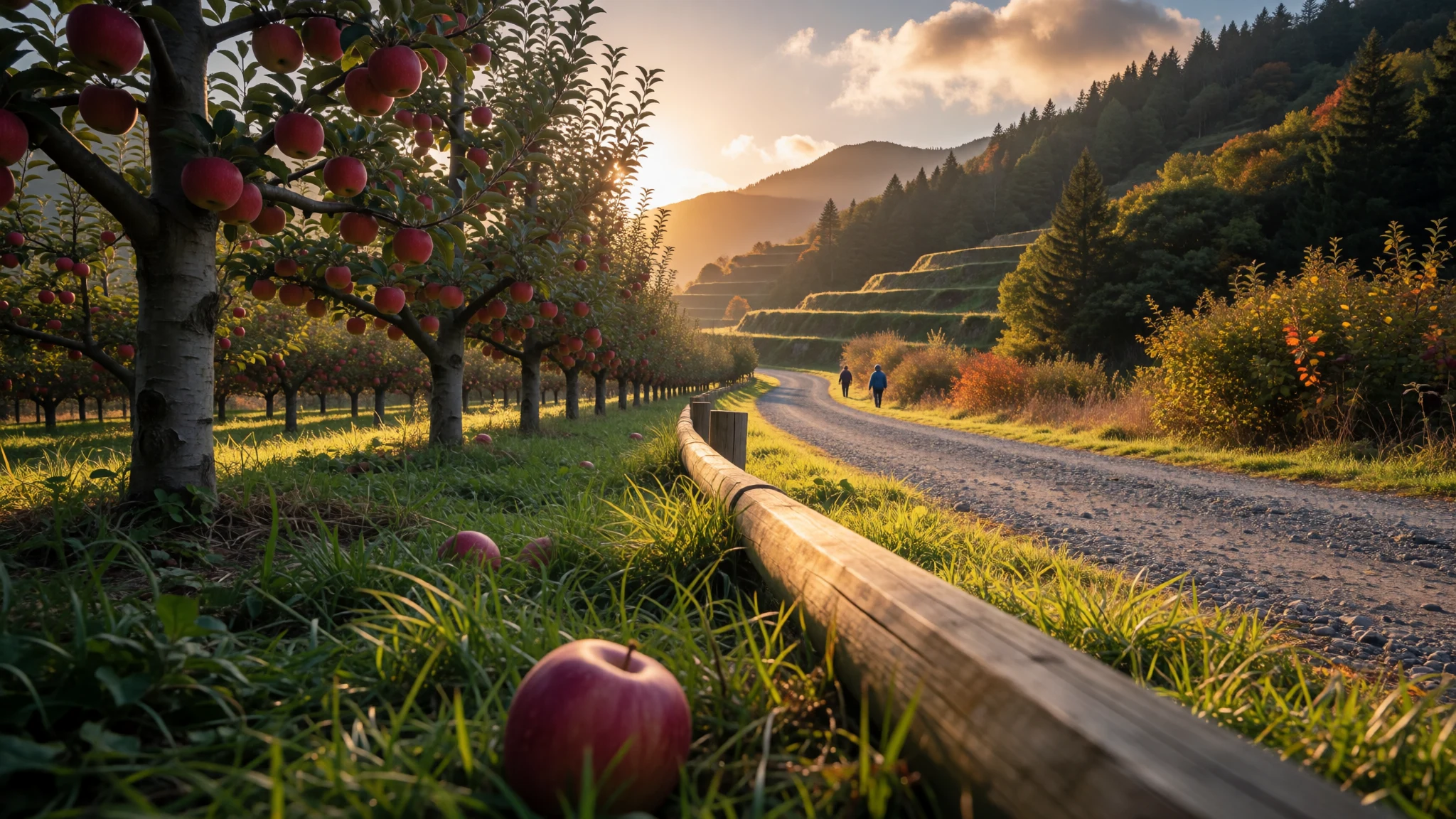
Fushoushan Farm is a cool, high-altitude working farm in Taichung's mountains, where orchards, flower beds and camping sit among ridges above 2,100 metres.
The place
Fushoushan Farm (福壽山農場, Fúshòushān Nóngchǎng) sits in Lishan Village, in Heping District, the mountainous eastern part of Taichung city. It is a working farm that also welcomes visitors, spread over about 800 hectares between roughly 2,100 and 2,614 metres above sea level. That height is the whole point. The air is cooler and thinner than on the Taichung plain, cloud often settles into the valleys, and the crops are ones that like cold: fruit, vegetables and flowers. Wikipedia calls it the highest tourist farm in Taiwan, and it is counted among the three big high-mountain farms alongside Wuling and Qingjing. Ridges ring the land, so the impression is of a bowl of fields and orchards with forest above. Guest houses and camping areas are part of the farm, and the camping areas are described as the highest public ones in Taiwan. It is not a city-style attraction with one gate and a ticket queue, and it is not a nature reserve either. It is farmland on a steep mountain, reached by long winding roads, where a visit means walking between orchards, looking at plants and sitting in clean, cold air. Weekends and flowering seasons are likely to be busier, and the weather can turn quickly. The farm's official site (http://www.fushoushan.com.tw/en/profile/index.php) is the place to check access, rooms and entry arrangements before setting out.
Its story
Fushoushan Farm dates from 1 June 1957, when the Veterans Affairs Council posted a party of 100 former servicemen of the Republic of China armed forces to the mountainside, with a brief to open it up for agriculture. Ex-soldiers, not an old village, were the first workforce, and the place still has the character of a planned settlement rather than a community that grew on its own. The record available here says little more, so it is fair to say the later shift into tourism, with guest houses and camping areas, is known in outline rather than in detail. What is clear is the direction of change: from a development project to a place where the scenery is part of what the farm offers. The wider district has a far longer past. Indigenous peoples lived on the plain where Taichung now stands, eating from millet and taro fields and from hunting deer, and the word for deer survives in town names such as Shalu and Lukang. The settlement later called Dadun, meaning 'large mound', was founded in 1705. The Qing court had taken western Taiwan from the Cheng family in 1682, and a garrison went up near the site in 1721. Those events belong to the lowlands, far below the farm. They are background to the city the farm now belongs to, not part of the farm's own history.
What to see
- The entrance and farm road — Lishan Village, Heping District
Fushoushan Farm announces itself with a signed entrance on the mountain road, and the first stretch inside sets the pace: slow driving, steep verges and fields appearing in gaps between the trees. An early arrival gives a calmer first impression than midday. Many visitors stop at the sign for a photograph, so a little patience helps at busy times.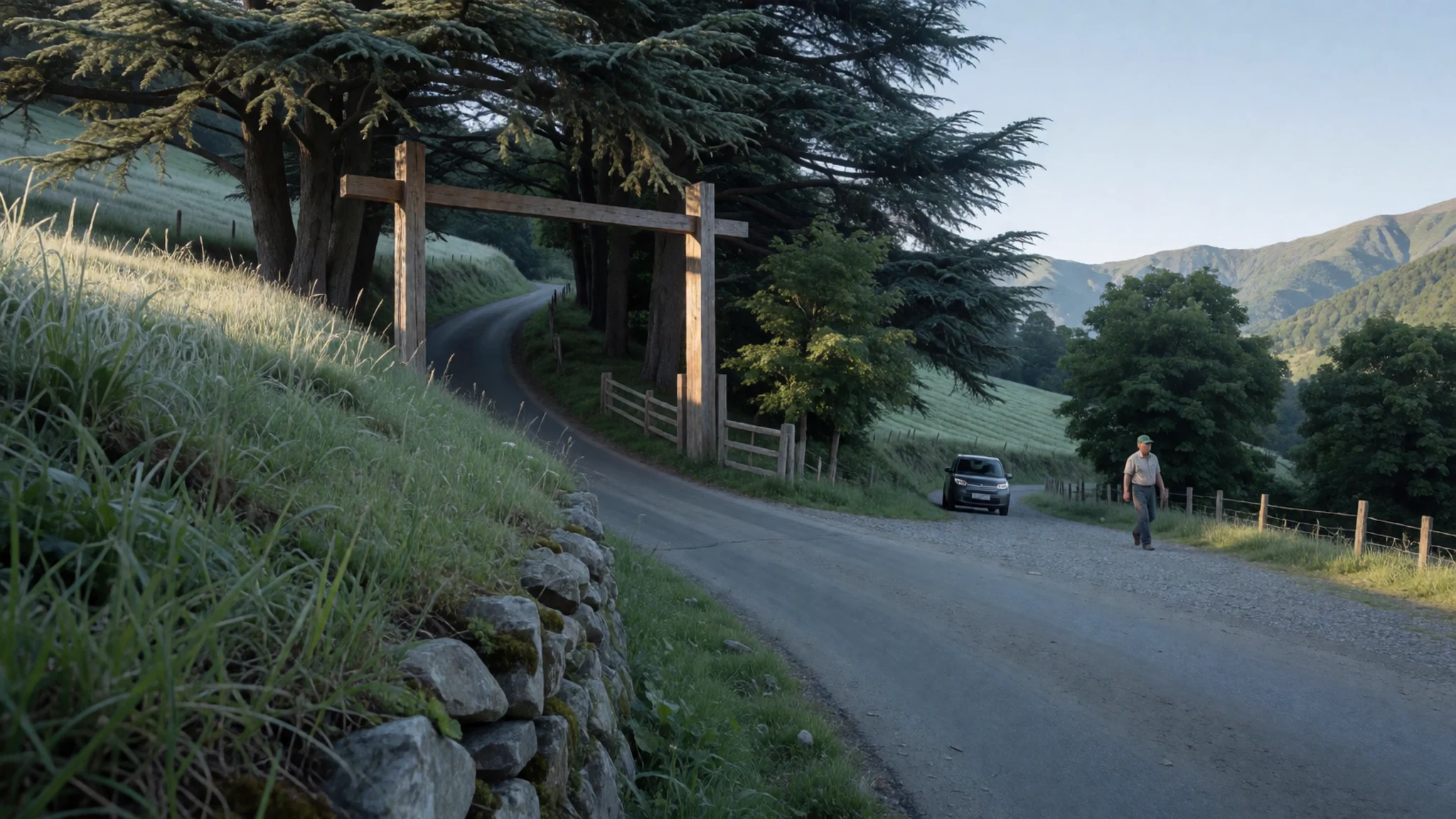
- Apple and fruit orchards — Fushoushan Farm, Heping District
Fruit is the farm's calling card, and apple trees are the easiest to spot, with blossom in spring and fruit later in the year. The orchards suit a slow walk rather than a checklist: rows climb and dip with the slope, and the air smells of leaf and damp earth. Timing shifts from year to year, so ask on arrival what is in flower or fruit.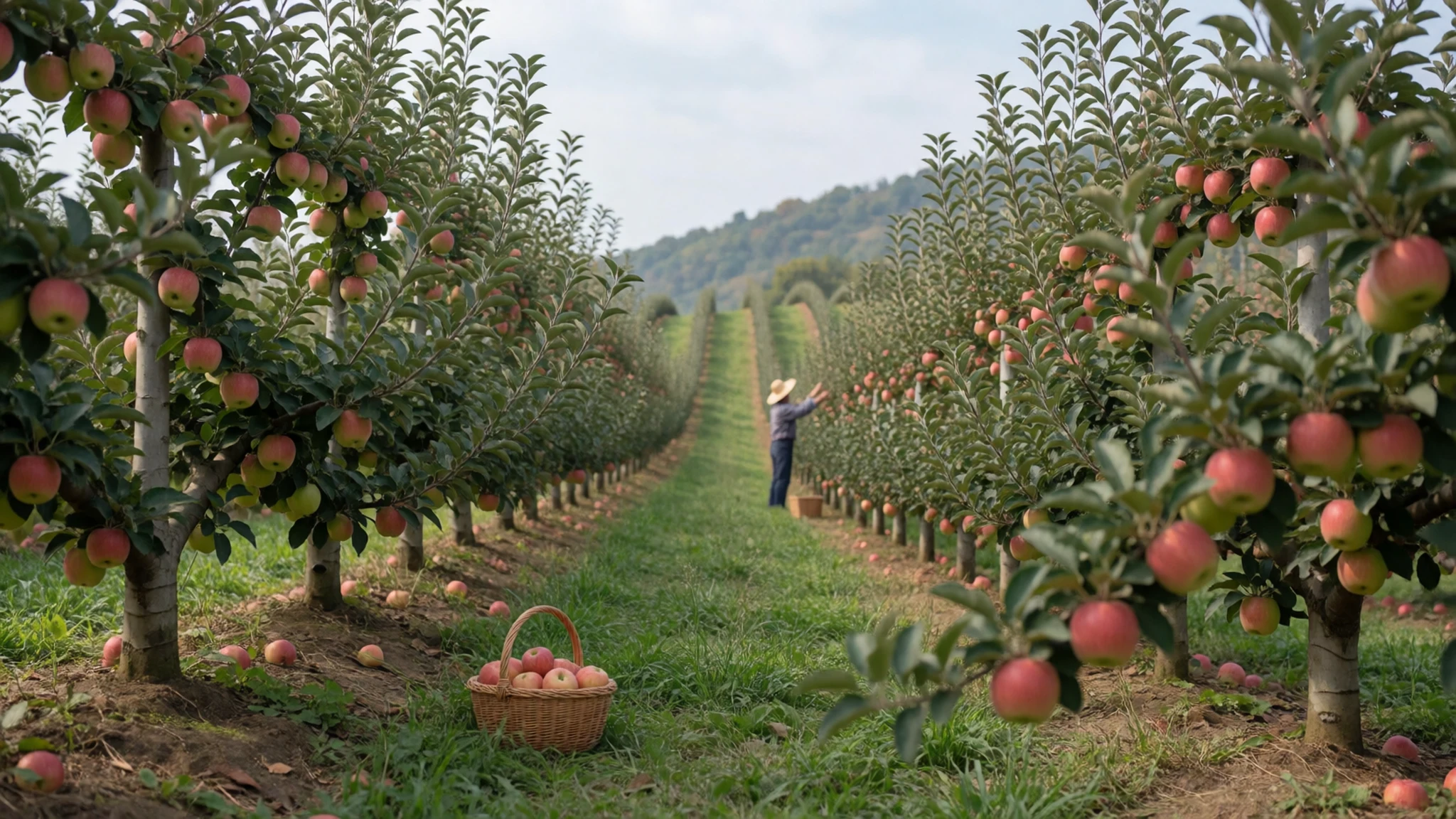
- Ridge views across the valley — Fushoushan Farm, Heping District
From open spots on the farm the land falls away into folded ridges, and cloud often drifts through the gaps. Field edges and farm roads give wide outlooks, best in the morning before cloud builds. Clear days suit cameras, but mist has its own appeal, softening layers of forest into grey and green.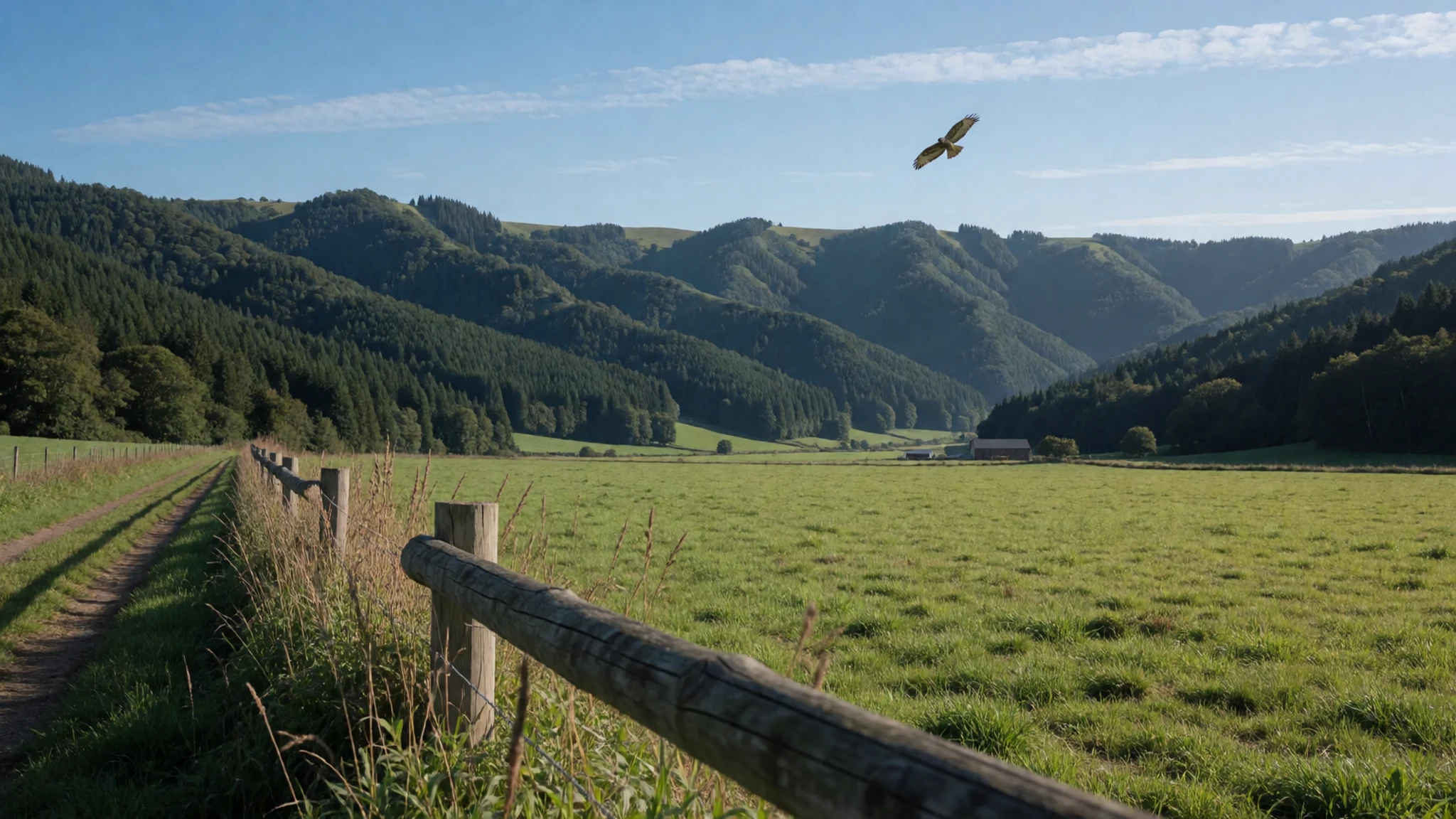
- Flower and vegetable fields — Fushoushan Farm, Heping District
Beyond the orchards, Fushoushan Farm grows vegetables and flowers on sloping ground, and the patchwork changes with the season. This is working agricultural land, so paths and field edges matter: stay on marked routes and watch for farm vehicles. A slow loop through the fields shows how farming adapts to a cold mountain climate.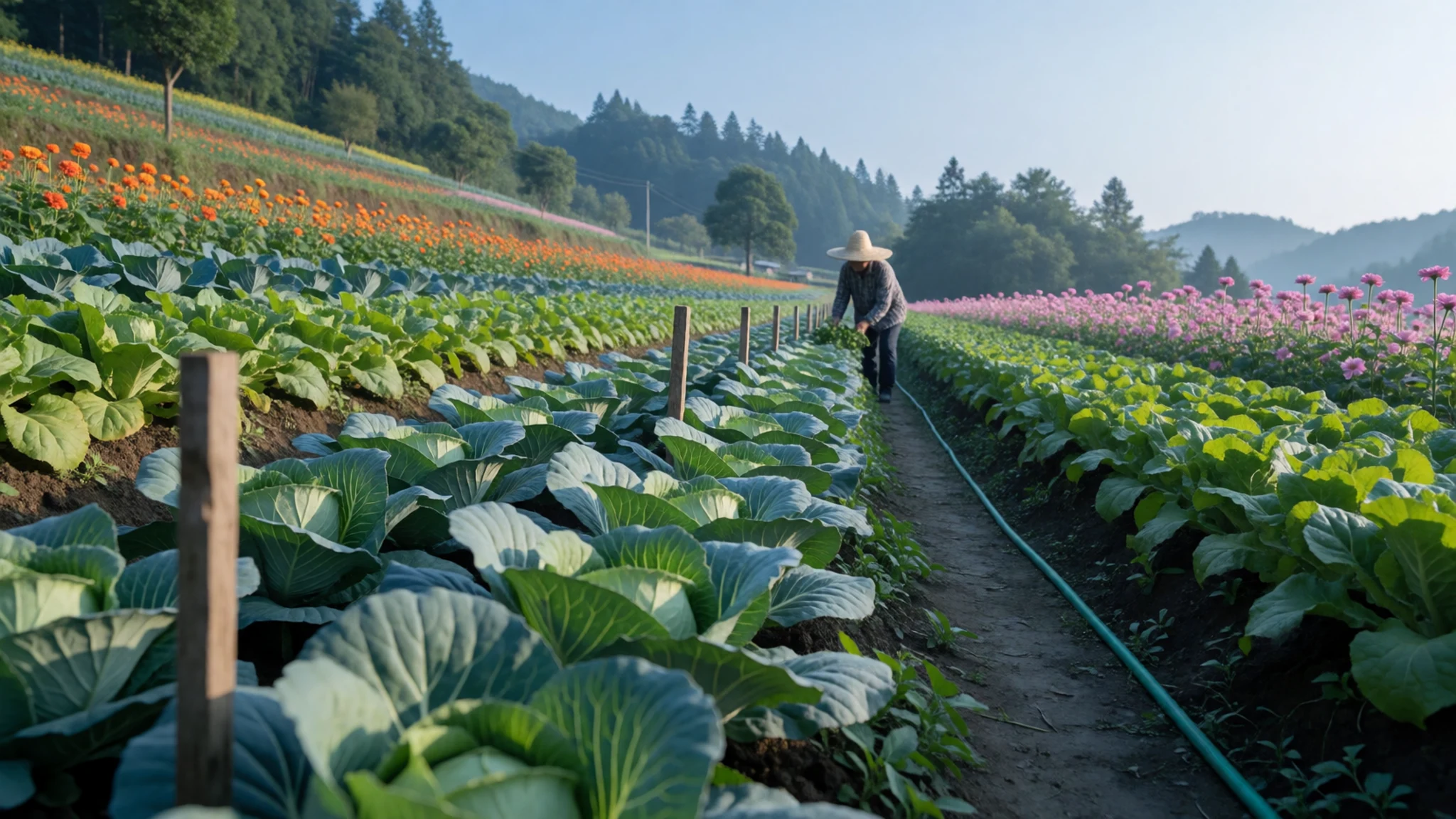
- Guest houses and camping areas — Fushoushan Farm, Heping District
The farm offers guest houses and camping areas, the latter described by Wikipedia as the highest public camping areas in Taiwan. Nights are cold, and a stay turns the farm from a day trip into a quiet evening and an early start. Book through the official site rather than turning up, and bring proper warm layers.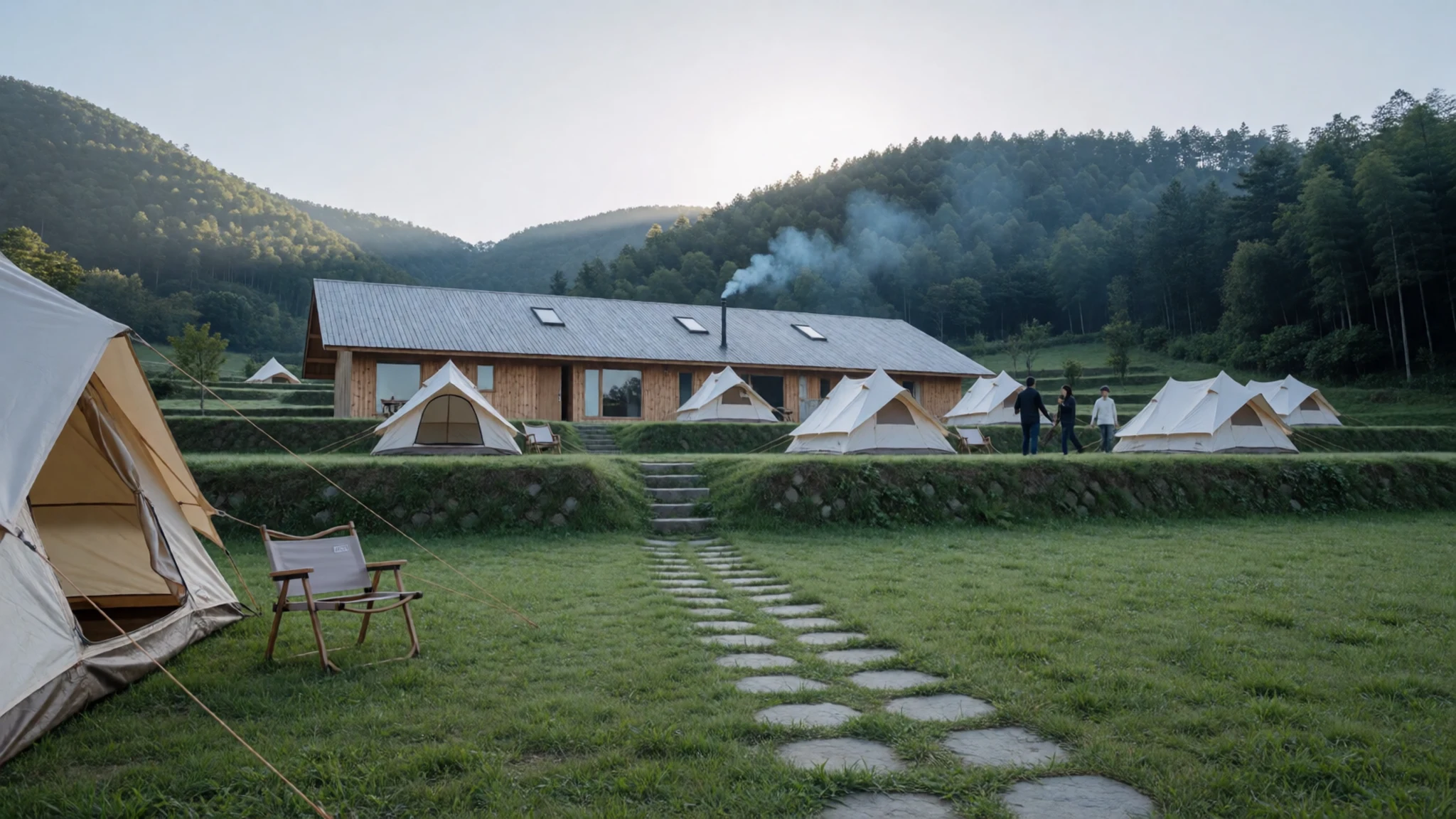
Culture
Fushoushan Farm has a cultural character quite different from Taiwan's temple towns. It began as a veterans' development project, so its roots lie in the post-war story of former soldiers building new lives on the island's mountainsides. The district around it, Heping, is also Indigenous homeland: the Atayal people live in this part of the central mountains, and their traditions of weaving, hunting and highland farming are older than the farm. Mandarin is the common language of visitors, and staff in Taiwan are used to travellers who speak little of it, so a few polite words, a smile and some pointing carry a long way. Mountain-farm tourism has its own rhythm: early starts, hot drinks in cold air, picnics, camping, and families on weekend outings from Taichung and the west coast. Rural Taiwan is relaxed about greetings and generous with small kindnesses, and farm staff are often glad to explain what is growing. Weather and the land set the programme more than any timetable. Fruit and flowers here are crops, not decoration, and each one belongs to someone's livelihood. Leave every flower, fruit and plant where it grows, take all rubbish back down the mountain with you, and ask before photographing farm workers or Indigenous residents.
What to wear
Fushoushan Farm lies in Atayal country, and the traditional dress of that Indigenous people is the textile heritage of the district. Atayal weaving is done on a backstrap loom, traditionally with ramie, a plant fibre, in red and white with darker bands and geometric patterns that carry meaning within the community. Such pieces are worn mainly at festivals, ceremonies and performances now, not daily. What people actually wear on the farm is plain and practical: fleeces, windproof jackets, caps, hiking trousers and walking shoes, with rain jackets and wellington boots in wet weather. Farm workers cover up with long sleeves, hats and gloves against strong sun and cold mornings. Day-trippers from Taichung dress much the same way, often in bright shell jackets that show up well in photographs. A visitor should dress in layers: a base layer, a warm fleece and a waterproof shell. Even in warm months, temperatures at this altitude drop fast with cloud and after dark. Closed shoes with good grip suit steep, sometimes slippery farm paths; sandals do not. A hat and sun protection are worth packing, since ultraviolet light is strong in thin air. There is no formal dress code beyond ordinary modesty, but shoulders and knees should be covered when entering a temple or a private home in the district.
What to eat
- Mountain apples and other cool-climate fruit — Farm shops and roadside stalls around Lishan
Apples and other fruit grown in the cold are what the farm is known for. Fresh apples tend to be crisp and sharp, and sellers often offer a slice to try. Availability depends on the season, so ask what is ripe instead of expecting one particular fruit.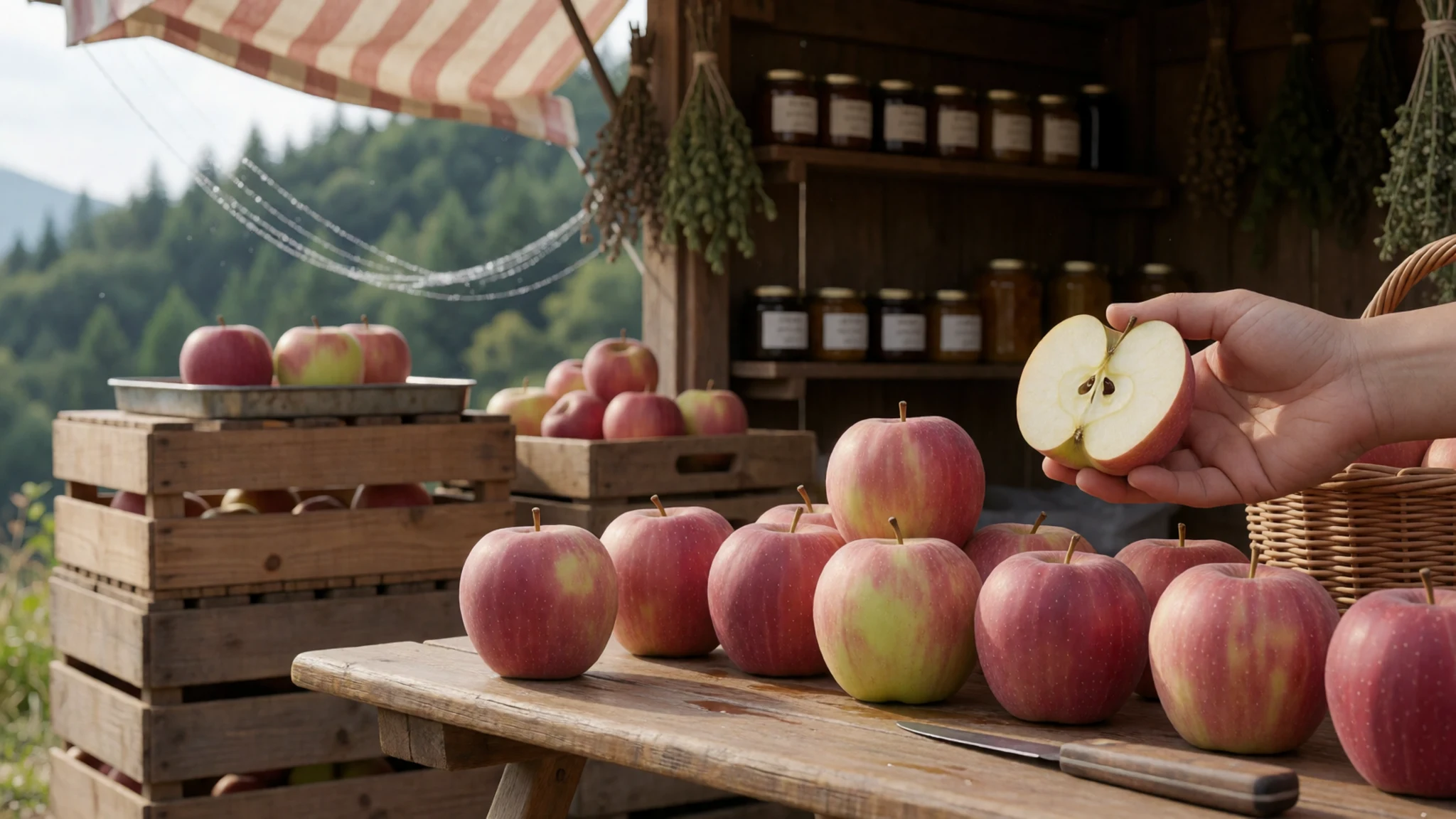
- High-mountain vegetables — Simple mountain eateries and guest-house kitchens
Cabbage, leafy greens and other vegetables from cool highlands are sweet and crunchy, usually stir-fried with garlic or served in soup. A plate of greens beside rice and a bowl of broth makes an easy, warming meal after a cold morning walk.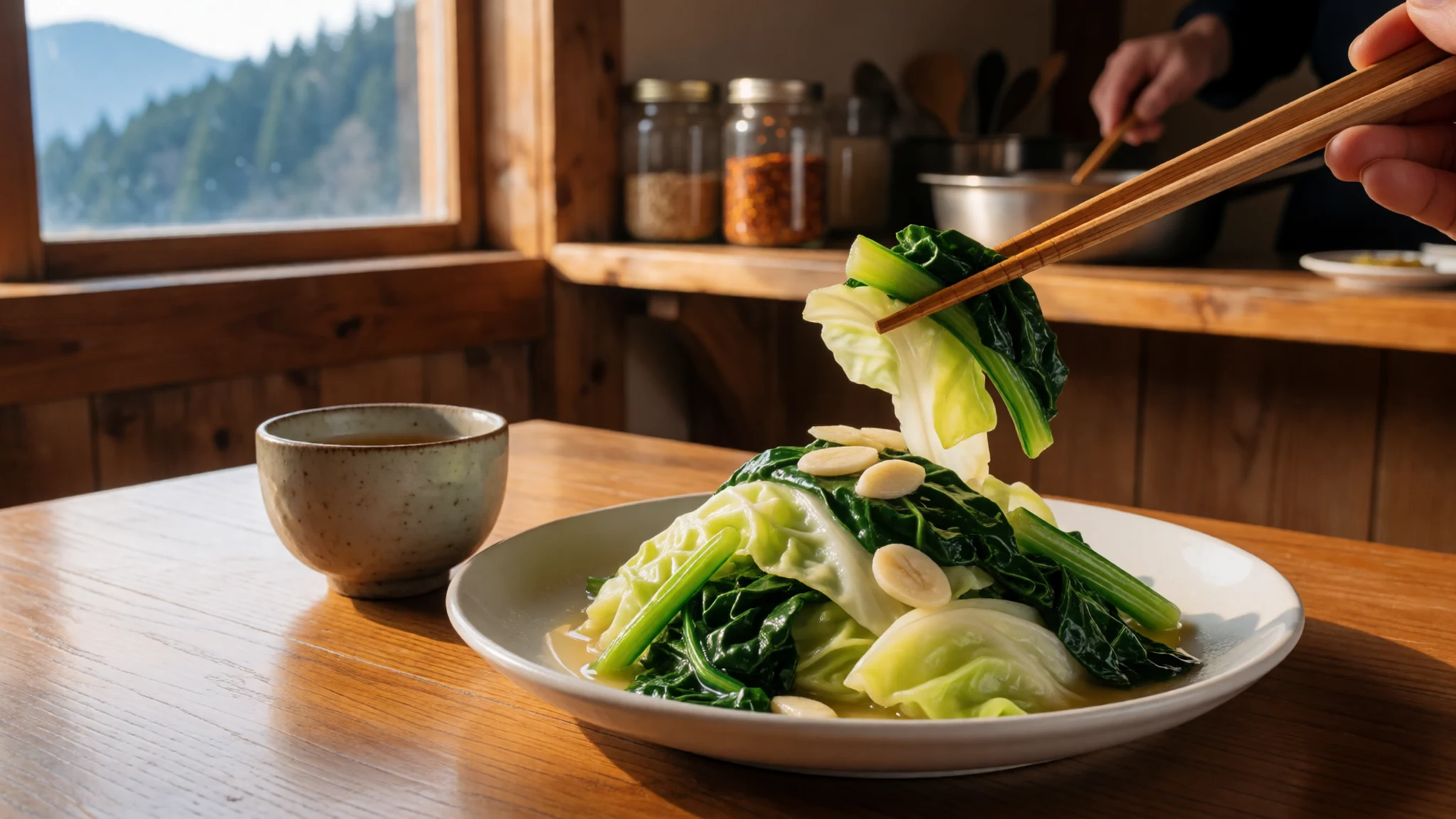
- Sun cakes (太陽餅) — Traditional bakeries in central Taichung, best bought before heading up the mountain
A flaky round pastry with a sweet malt filling, and Taichung's best-known bakery gift. Traditional versions use pork lard in the pastry, so vegetarians, Muslims and Jews should ask specifically for a vegetarian version. - Pineapple tarts (鳳梨酥) — Chinese bakeries across Taichung
Small buttery pastries filled with sweet-sour pineapple paste, sold in neat boxes and easy to carry. They keep well, which makes them a practical snack for a cold camping evening or a long road back down. - Night-market snacks — Feng Chia Night Market, Taichung
Taichung is a city of noodle shops and street vendors, and the night markets are the easiest way to sample a wide spread of local snacks in one evening. A stop here is a good way to finish a mountain trip.
Plan it
Best time. March–April and October–November are the usual choices: cooler, generally clearer than summer, with spring flowering and autumn colour on the farm. Winter is cold at this altitude, and summer afternoons can bring cloud and showers. Check the forecast for the day, as mountain weather changes fast.
How long. 1–2
Getting there. Taichung is the gateway. All Taiwan High Speed Rail trains between Taipei and Kaohsiung stop at Taichung station in Wuri District, and buses from Taipei take about three hours. Taichung International Airport has limited flights and no rail link, only buses. The last leg is a long mountain drive towards Lishan; check the official site (http://www.fushoushan.com.tw/en/profile/index.php) for current access and road conditions.
Budget. mid
Tips
- Check the official site for access, rooms and any road or weather closures before setting out
- Book guest houses or camping ahead, especially for weekends and flowering weeks
- Start early: mornings are usually clearer and quieter than afternoons
- Carry cash, snacks and water, as shops and card facilities may be limited on the mountain
- Pack warm layers and a rain jacket even in sunny months, and drive mountain roads slowly
Etiquette
- Do not pick fruit or flowers
- Keep to paths and stay out of working fields
- Take all rubbish back down with you
Nearby
Sources
- Wikidata Q10446617 (CC0)
- Wikipedia: Fushoushan Farm (rev 1364640499) (CC BY-SA 4.0)
- Wikivoyage: Taichung (rev 5419408) (CC BY-SA 4.0)
- Looking towards Fushoushan Farm — 芳蘭 徐芳蘭 (CC BY 2.5)
- Fushoushan Farm 福壽山農場 — lienyuan lee (CC BY 3.0)
- 424, Taiwan, 台中市和平區梨山里 — 林國揚 (CC BY 3.0)
- 424, Taiwan, 台中市和平區梨山里 — 林國揚 (CC BY 3.0)
- Apple Tree 蘋果樹 — lienyuan lee (CC BY 3.0)
- Entrance sign to the Fushoushan Farm — Jerry Lai (CC BY-SA 2.0)
- Fushoushan Farm 福壽山農場 — lienyuan lee (CC BY 3.0)
- Fushoushan Farm 福壽山農場 — lienyuan lee (CC BY 3.0)


