Franschhoek
Franschhoek, South Africa
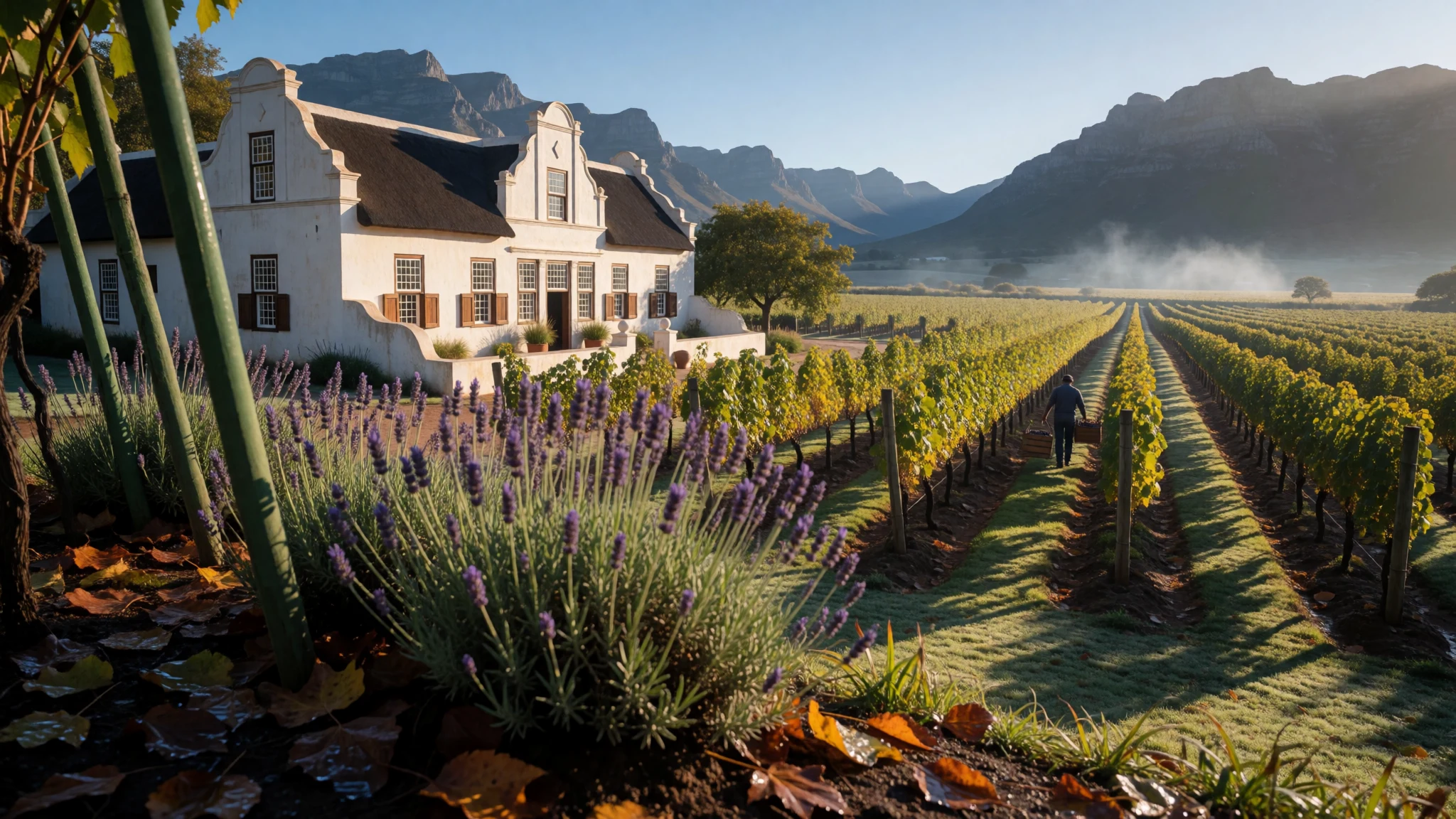
Franschhoek is a compact Winelands town where French Huguenot history, long lunches and mountain-ringed vineyards sit within easy reach of Cape Town.
The place
Franschhoek lies 273 m above sea level in a valley closed in by steep mountains, about 75 km inland from Cape Town. The name is Afrikaans for "French Corner", and the town leans into it: street names, restaurants and wine farms in the central French Quarter often carry French names, though hardly anyone speaks the language day to day. Most visitors drive out from Cape Town, and the trip takes around 45 minutes when traffic is kind.
The centre is compact and made for strolling. One main street holds the galleries, cafés, wine shops and restaurants, with mountains rising close behind every building. Beyond it the valley floor is stitched with vineyards and white Cape Dutch farmhouses, some reachable on foot, others better approached by bicycle or shuttle.
The numbers are small. The old town proper, called Hugenote, has about 1,000 residents, while the wider district, taking in Groendal, Wemmershoek and other neighbourhoods, is home to a little over 20,000. Since 2000 it has been governed as part of Stellenbosch Municipality. Daily life for many residents is tied to the farms and to the hospitality trade that serves visitors.
An honest word on character: this is a tourist town, polished and relaxed, and weekends and school holidays bring crowds and full tables. Summers are hot and dry, winters cool and wet. Only one road, the R45, links the town to Stellenbosch and Paarl, so the approach can slow down at busy times. Weekdays outside the peak season feel noticeably quieter, and the morning light on the slopes is a good reason to be out early.
Its story
Franschhoek's story starts with the Khoisan, the valley's first people. Their descendants still live in the area, many within communities of mixed Khoisan, Dutch and French ancestry that are today described as Cape Coloured. Early colonial settlers called the valley Oliphantshoek, because elephants once moved through it.
The turning point came from Europe. In 1685 Louis XIV outlawed Protestant worship in France, and Huguenots, as French Protestants were known, left the country in large numbers. A party of them reached the Cape by ship in 1688 and were granted land in this valley, which is the date recorded for the town's founding.
The newcomers brought farming know-how and vine-growing habits. They named their farms after places they had lost: La Motte, Cabrière, La Provence, Bourgogne and others. Several of those farms kept their original Cape Dutch homesteads and grew into wine estates. French surnames survived too, among them Du Toit, Marais, Malan, Joubert and Theron.
The language did not. Over generations, Dutch and later British authorities steered French families towards the local language through schooling, and French faded from daily life even as the names stayed.
That heritage is commemorated at the Huguenot Monument at the far end of the town, beside the Huguenot Memorial Museum, which sets out the settlers' journey and their lives in the valley. A newer tradition is the Bastille Festival, held every July since 1994, the year of South Africa's first elections open to all adults, which closed the apartheid period. It blends French heritage with a thoroughly South African street party.
What to see
- Huguenot Memorial and Museum — Eastern end of the town
Set at the far end of the main road, the monument and its neighbouring museum are the place to make sense of the valley's French name. Displays follow the Huguenots from religious flight in Europe to farming at the Cape. Allow an hour or so, and check the official town website for opening times.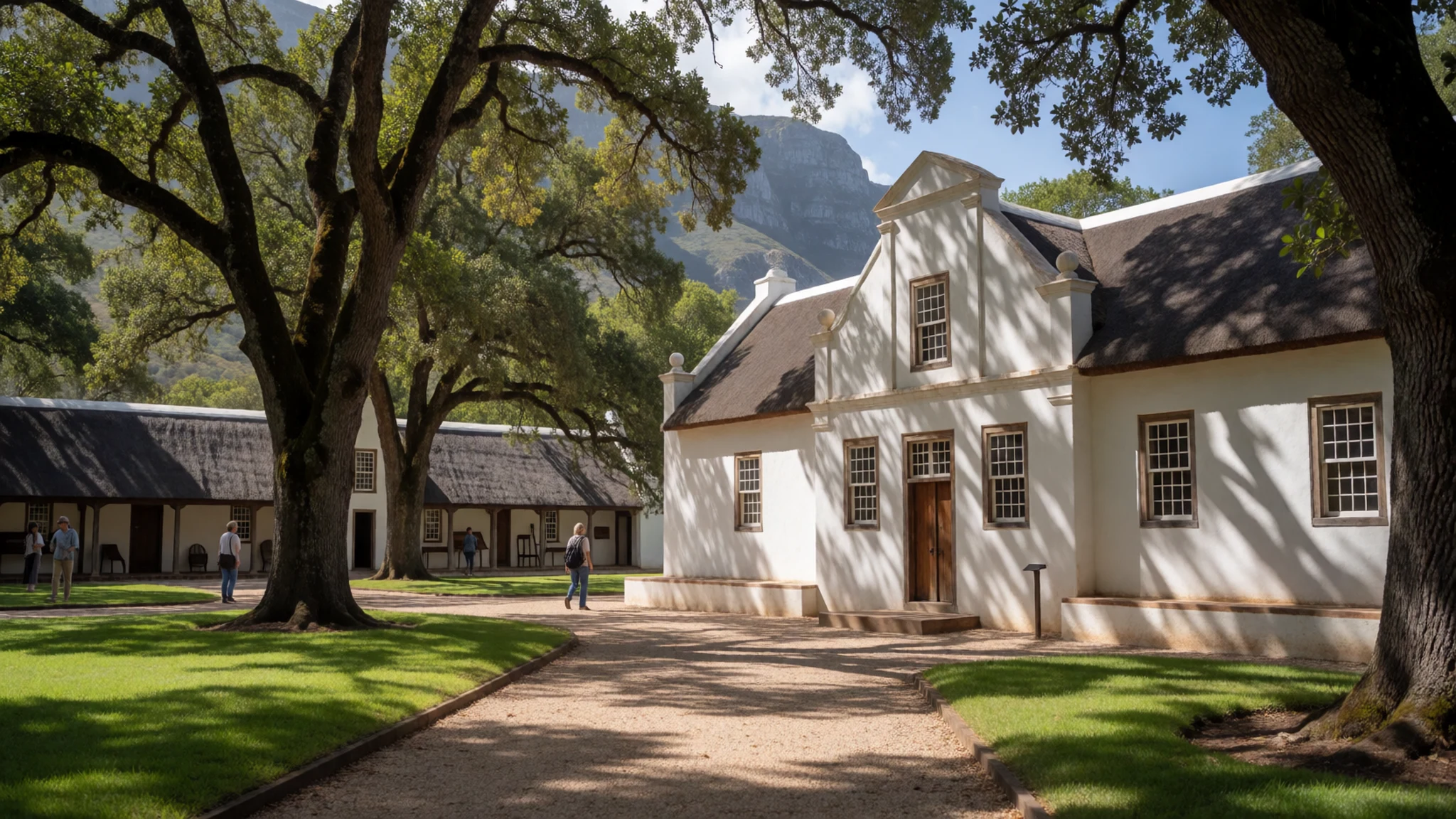
- Dutch Reformed Church and the main street — Main street, town centre
The church on the main road dates from 1847 and gives the street a calm white anchor among the cafés and galleries. Walking the strip end to end takes little time, but browsing, coffee stops and gallery visits stretch it into a relaxed half day, with mountains framing every view.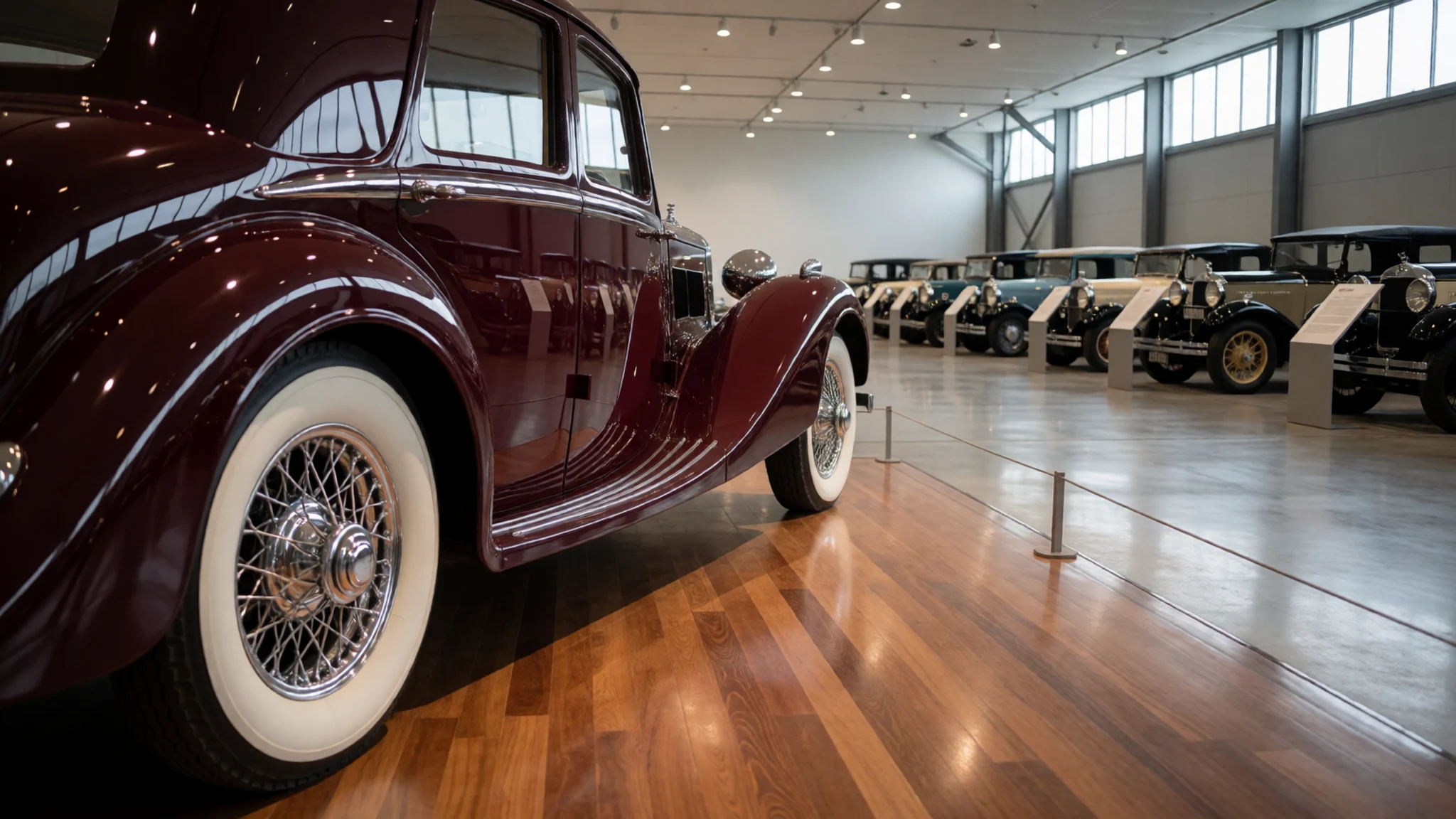
- Boschendal wine estate — Between Stellenbosch and Franschhoek
Boschendal sits on the road between Stellenbosch and Franschhoek, and like several neighbouring estates it welcomes tasting visitors. Cape Dutch buildings, mature trees and vine rows make a typical Winelands scene. Booking rules differ between estates, so confirm tasting times in advance and arrange a driver or shuttle.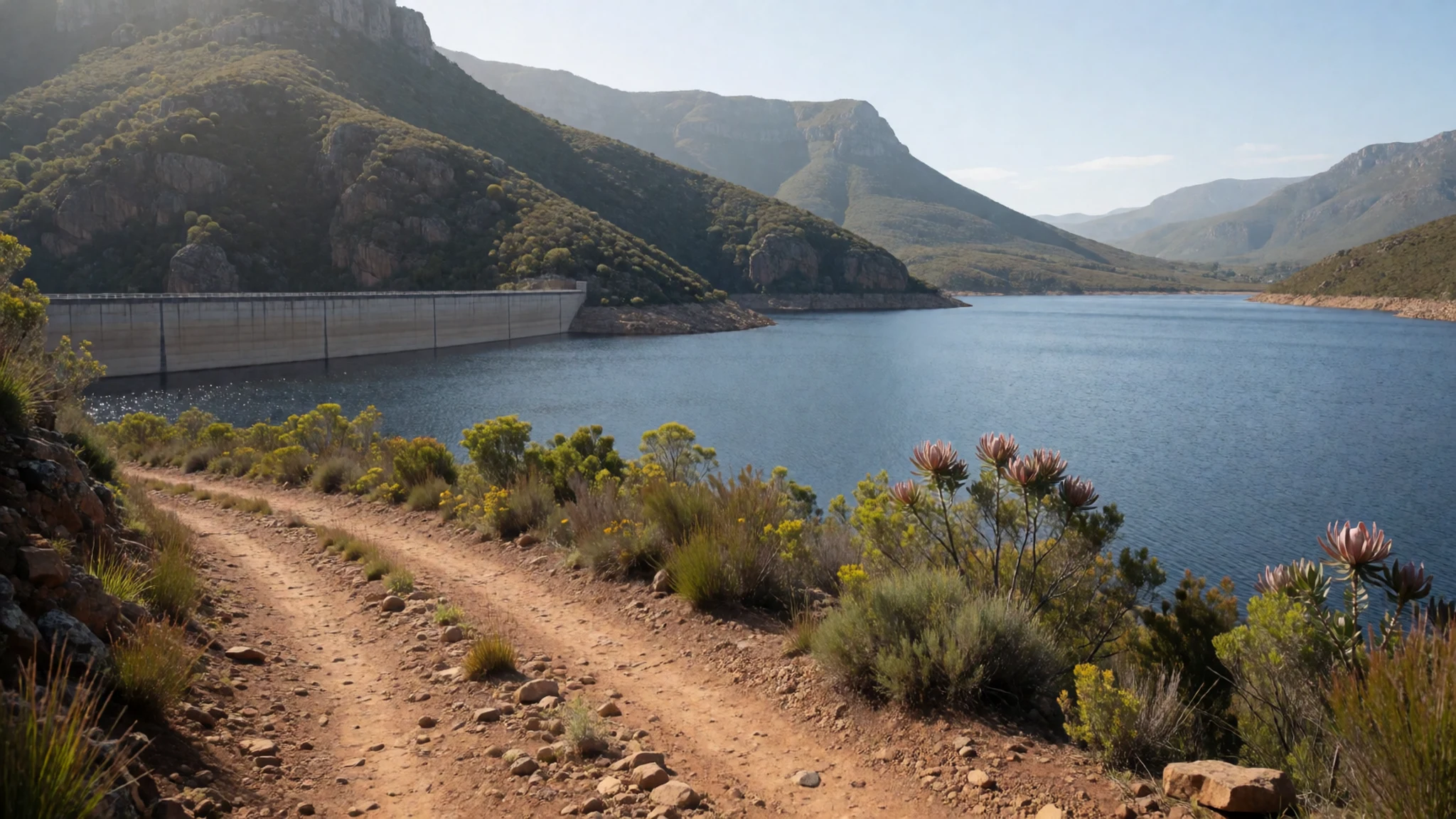
- Berg River Dam — Upper valley, east of town
This reservoir on the Berg River stores water for Cape Town and is reached by an unpaved road up the valley. The reward is mountain scenery and quiet well away from the main street. Road conditions vary with the weather, so a car with reasonable clearance is sensible; ask locally before setting out.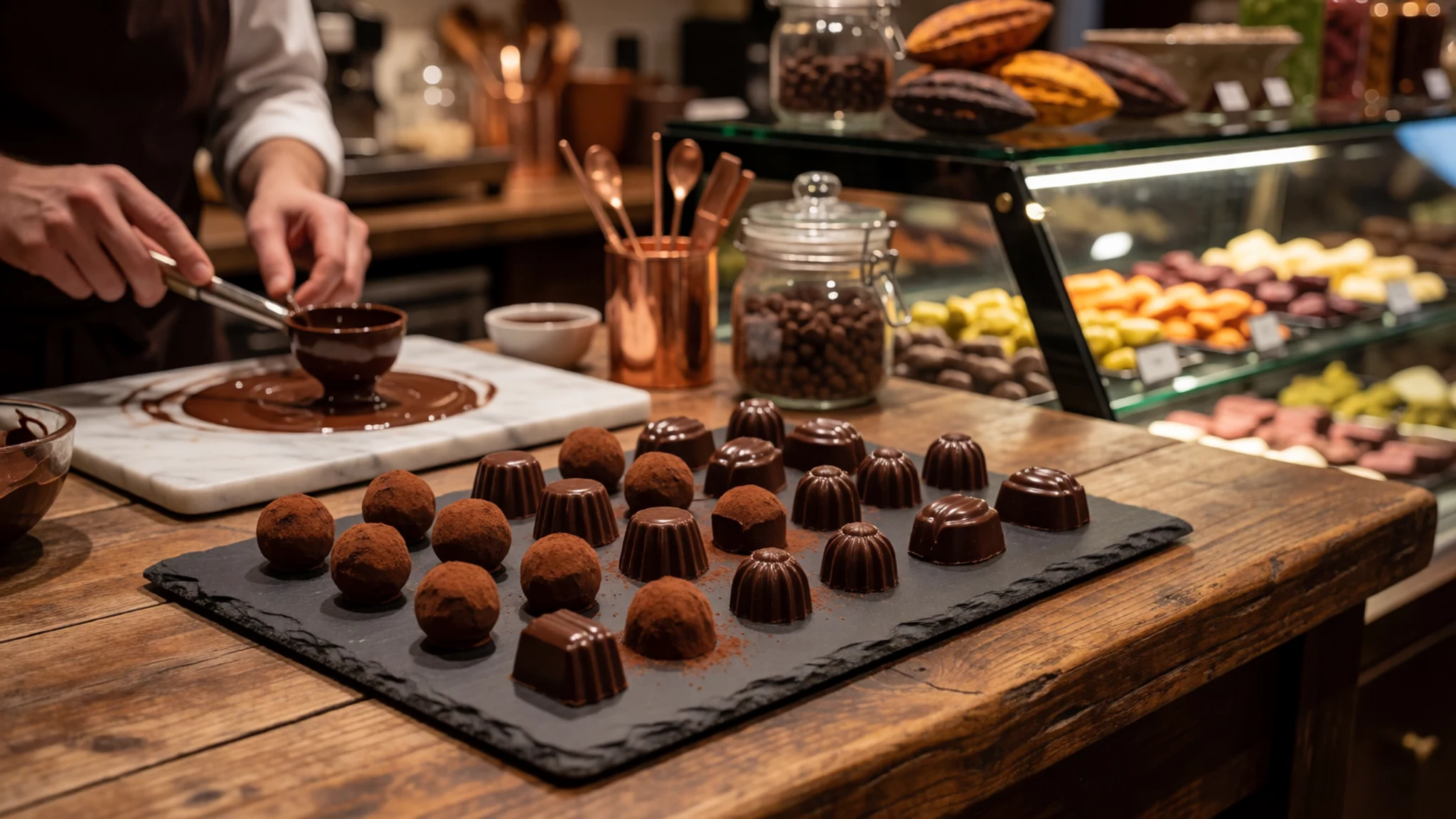
- Franschhoek Motor Museum — Western side of the valley
Out on the western side of the valley, the motor museum is a change of pace from vineyards, and a handy wet-weather option in the cool winter months. Opening hours and entry arrangements can change, so check the official site or ask at the town's visitor information before driving across.
Culture
Franschhoek's culture is layered. French Huguenot heritage is the loudest note, visible in farm names, family surnames and the annual Bastille Festival each July, with its street parade, music and costumes. Underneath sits Afrikaans, the everyday language of much of the Western Cape, alongside English, which works almost everywhere in town. The valley's Khoisan roots and its Cape Coloured communities are part of the story too, though they get less space in the tourist version than they deserve; a museum visit or a conversation with a local guide helps fill the gap.
Wine runs through social life. Estates are working farms as well as visitor attractions, and meals are long, relaxed affairs, often outdoors when the weather allows. Cape Dutch gables, thatch and whitewash define many of the older buildings, and the Dutch Reformed Church on the main road shows the long Protestant thread in the town's history. The mood is polite and unhurried, and greetings matter: a friendly hello to staff, shopkeepers and neighbours goes a long way.
Much of the local economy depends on seasonal farm work and hospitality, so patience in busy periods is appreciated, and so is booking ahead rather than turning up at a full restaurant on a July weekend.
If you are tasting at several estates, spit or share glasses and book a driver or shuttle rather than driving yourself afterwards.
What to wear
Franschhoek has no single local costume, so its dress story is one of layers. The Khoisan, the valley's first people, traditionally wore garments of animal skin, including cloaks, and those leather traditions belong to a wider southern African heritage rather than to this town alone. Settler-era Huguenot and Dutch farm life brought plain wool, linen and cotton clothing. Across South Africa, shweshwe, a printed cotton often in indigo shades, is now widely worn at celebrations and family occasions. At the Bastille Festival, residents and performers dress in French-themed costume, and the parade is a good moment to see it.
Day to day, locals dress casually and practically: jeans, linen shirts, sundresses and sturdy shoes for farm work, with smarter outfits kept for restaurant evenings. The town has a polished, relaxed Winelands look.
For visitors, summers are hot and dry, so pack light cotton or linen, a hat, sunglasses and sun cream. Winters are cool and wet, so bring a waterproof jacket and a warm layer, and remember that valley evenings can feel cooler than expected. Comfortable flat shoes suit paved streets, vineyard tracks and walks between estates. Smart-casual is plenty for restaurants. For a visit to a church, covering shoulders and knees is a courteous choice.
What to eat
- Crispy roast duck — Bistro-style restaurants along the main street
Duck with a crackling skin is a French-leaning classic of the valley's bistro kitchens, a nod to the Huguenot heritage. It tends to arrive with seasonal vegetables and a sauce built to match a local red wine.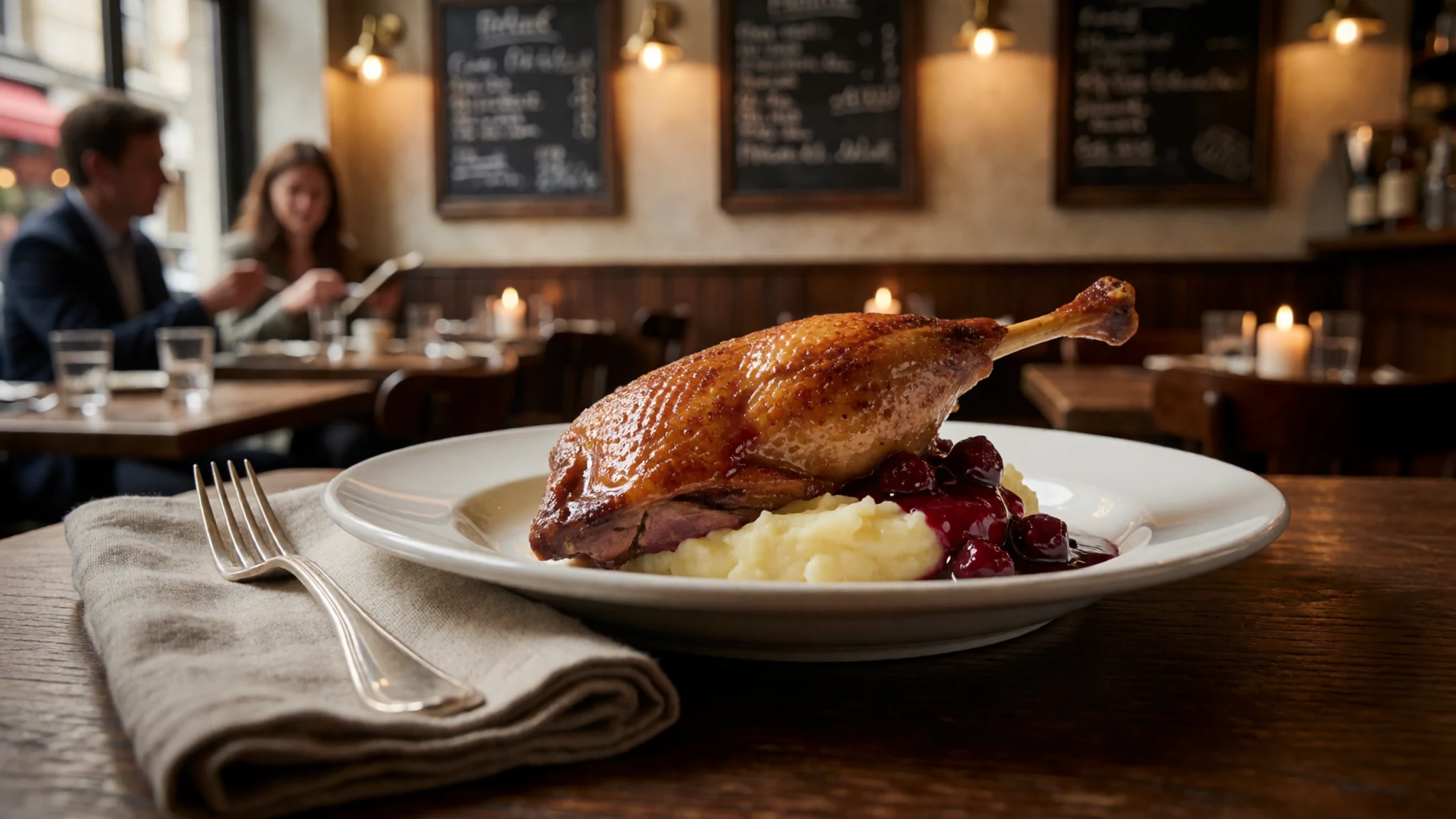
- Fresh mussels — Bistros and wine-estate restaurants
Mussels cooked in white wine, garlic and cream are a regular on Franschhoek menus, sensible with crusty bread and a chilled Cape white. The sea is a drive away, so freshness varies; ask what came in that day.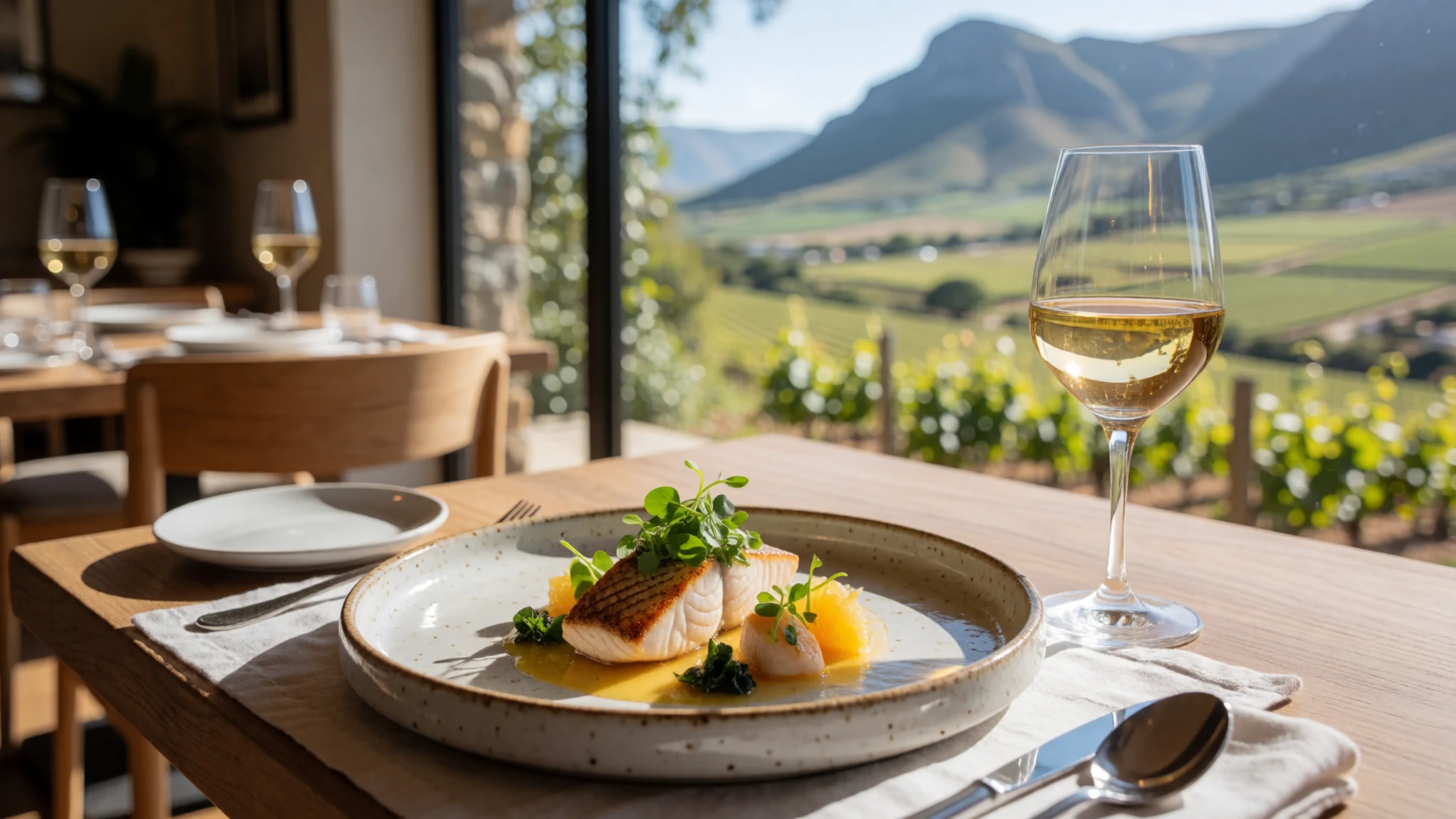
- Steak and the braai tradition — Restaurants on the main road and estate grills
Beef is a staple of South African eating, grilled over open flame at a braai or served as a restaurant steak with chips and salad. Pair it with a Cape red from one of the nearby estates. - Handmade chocolate — Chocolate shops on the main street
Chocolate makers in town sell truffles, slabs and filled confections, and some run short demonstrations on how chocolate is made, with tastes to follow. It makes a portable, easy gift to carry home. - Estate lunch with local wine — Wine estates just outside the village
The valley's signature meal is a long lunch at a wine estate, with vineyard views and wine from the farm itself. Tables fill quickly, so booking is essential at the popular estates, especially at weekends and in the summer months.
Plan it
Best time. Late October to November brings spring greenery and mild days, while February to April is the harvest season with settled, dry warmth. December and January are hot and busy; June to August is cool and rainy, though July has the Bastille Festival and a lively crowd.
How long. 2–3
Getting there. Fly into Cape Town International Airport, then drive about 45 minutes inland by hire car, pre-booked transfer or a Winelands tour operator. There is no train. The R45 links the town to Stellenbosch and Paarl, and the Franschhoek Pass road enters from Villiersdorp. Local minibus taxis also run from Stellenbosch and Paarl.
Budget. mid
Tips
- Book lunches and estate tastings ahead, especially on weekends, in July and over the December holidays
- Arrange a driver, shuttle or guided tour if you plan to taste at more than one estate
- Carry sun protection and water in summer, and a waterproof layer in winter
- Rent a bicycle or walk between nearby estates on cooler days to avoid driving between tastings
- Check the town's official site, http://www.franschhoekweb.co.za/, for events, opening times and tour details
Etiquette
- Do not drink and drive; use a shuttle, driver or tour for estate visits
- Greet staff and shopkeepers before asking questions
- Ask before photographing people, including workers on the farms
Nearby
Sources
- Wikidata Q1025086 (CC0)
- Wikipedia: Franschhoek (rev 1382667215) (CC BY-SA 4.0)
- Wikivoyage: Franschhoek (rev 5402295) (CC BY-SA 4.0)
- Photo: The Franschhoek valley (NJR ZA) (CC BY 3.0)
- Photo: Franschhoek October 2015 (Olga Ernst) (CC BY-SA 4.0)
- Photo: Dutch Reformed Church, Franschhoek (Danie van der Merwe) (CC BY 2.5)
- Photo: Franschhoek 2022 (TapticInfo) (CC BY-SA 4.0)
- Photo: Boschendal 2011 (DocDaysleeper) (CC BY-SA 4.0)
- Photo: Bastille Festival 2014 (HelenOnline) (CC BY-SA 4.0)
- Photo: Flag of Franschhoek (M J Hurter) (CC BY 4.0)
- Photo: Franschhoek October 2015 (Olga Ernst) (CC BY-SA 4.0)


