Flores Island
Flores Island, Indonesia
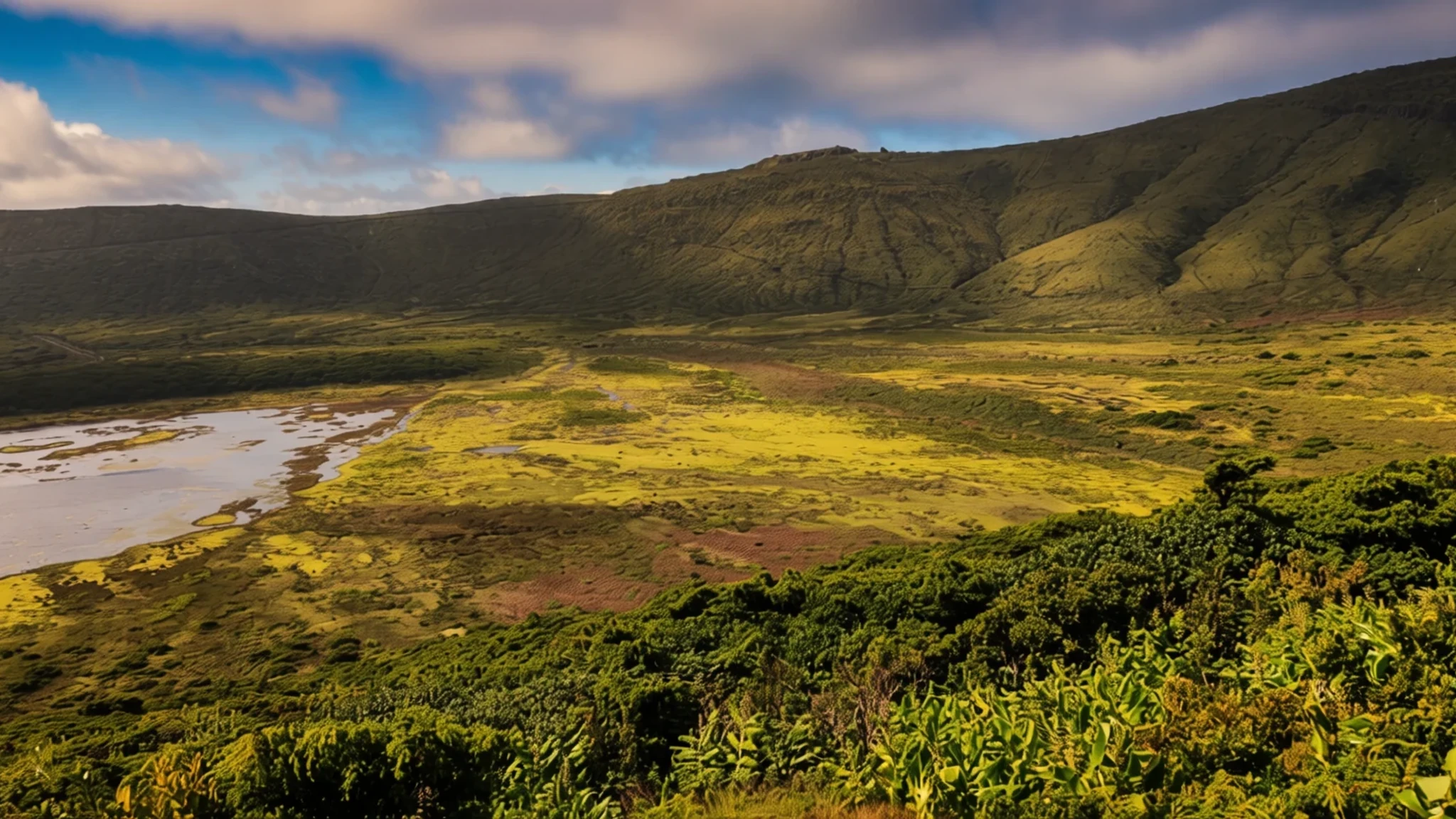
Flores pairs Komodo dragons and three-coloured crater lakes with highland villages, volcano country and the slow pace of eastern Indonesia.
The place
Flores is a long, mountainous island in the Lesser Sunda chain, the arc of islands across the eastern half of Indonesia. It belongs to East Nusa Tenggara Province and is home to about 1.8 million people. Its highest point, at 2,370 metres, is a reminder that this is volcano country rather than a flat tropical beach. The name is Portuguese and means flowers.
The island sits east of Sumbawa and the Komodo islands, with Sumba across the strait to the south and Sulawesi beyond the Flores Sea to the north. Its shape is a narrow east-west spine, so travel mostly means following one winding road through ridges, rice terraces, coffee slopes and small towns. Distances look short on a map and feel long on the ground.
Labuan Bajo in the far west is the gateway for Komodo and Rinca, and it is the busiest corner. Further east the pace drops. Bajawa and Ruteng are cool highland towns, Ende and Maumere are the larger port towns, and Larantuka at the eastern end has a strong Catholic tradition. The west is the most developed for visitors; the middle and east reward anyone with time and patience.
The north coast has reef and clear water, while the interior is a patchwork of languages and village customs. Flores suits travellers who like road journeys, early starts and conversations over coffee more than resort days. Expect warm weather at the coast, noticeably cooler nights in the highlands, and plans that bend around ferries, flights and road conditions.
Its story
Flores has a human story that begins long before any town. Before modern people reached the island, it was home to Homo floresiensis, a small archaic human whose ancestors arrived more than a million years ago. Partial remains of fifteen individuals have been found, and most researchers treat them as a distinct species. The best evidence suggests the species died out around 50,000 years ago, about when modern humans entered the region.
The first modern settlers were probably Melanesian, living on the island since at least 30,000 BC. Over the following millennia the island developed into a mosaic of communities, each with its own language, village layout and ritual life, which is still visible in the highlands today.
Europeans arrived in the 16th century. Portuguese traders and missionaries came mainly to Larantuka and Sikka, and a first Portuguese visit is recorded in 1511. Their legacy survives in Sikka's language, customs and religion, and in the Catholic character of much of the island. Dominican friars were central to this, working across Flores, Timor and Solor.
When the Dutch attacked the fortress on Solor in 1613, the people there, led by the Dominicans, moved to Larantuka on Flores's east coast. The town has kept its devotional identity since. The result is an island where deep prehistory, megalithic village traditions and old Portuguese-era Christianity sit side by side, and where the story is told as much in villages and churches as in museums.
What to see
- Komodo National Park — Off the west coast, via Labuan Bajo
Komodo dragons are the reason most people come, and boat trips leave from Labuan Bajo to Komodo and Rinca. Go with rangers and keep to their instructions. The park's reefs and marine life are described as close to pristine, so a snorkel stop is worth including.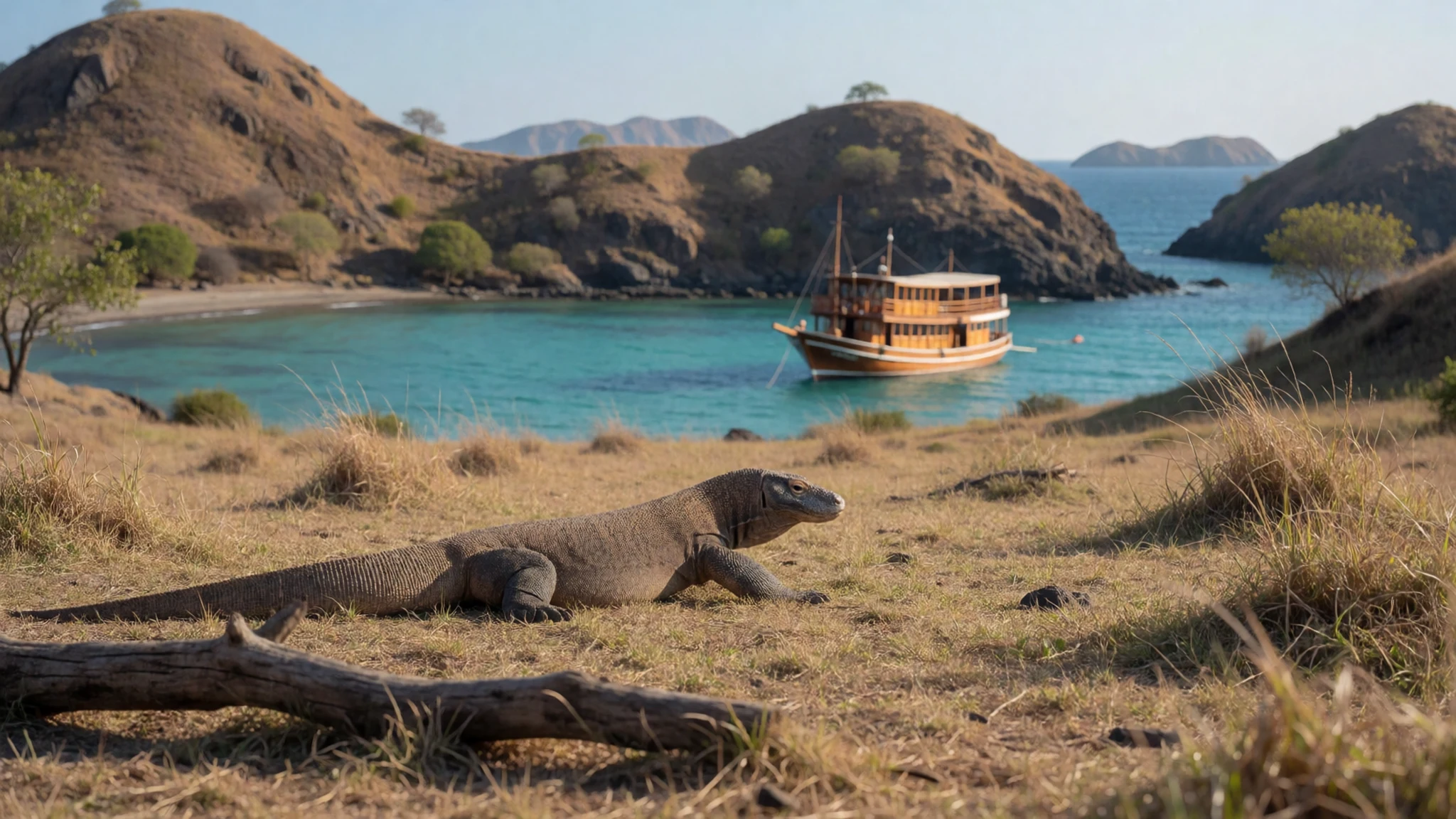
- Kelimutu crater lakes — Central Flores, reached from Ende
Kelimutu is a volcano whose crater lakes shift colour, with turquoise, green, red and chocolate brown all reported. The cause is thought to be mineral reactions driven by volcanic gas. Visitors usually base themselves near Moni, reached from Ende, and climb early before cloud gathers.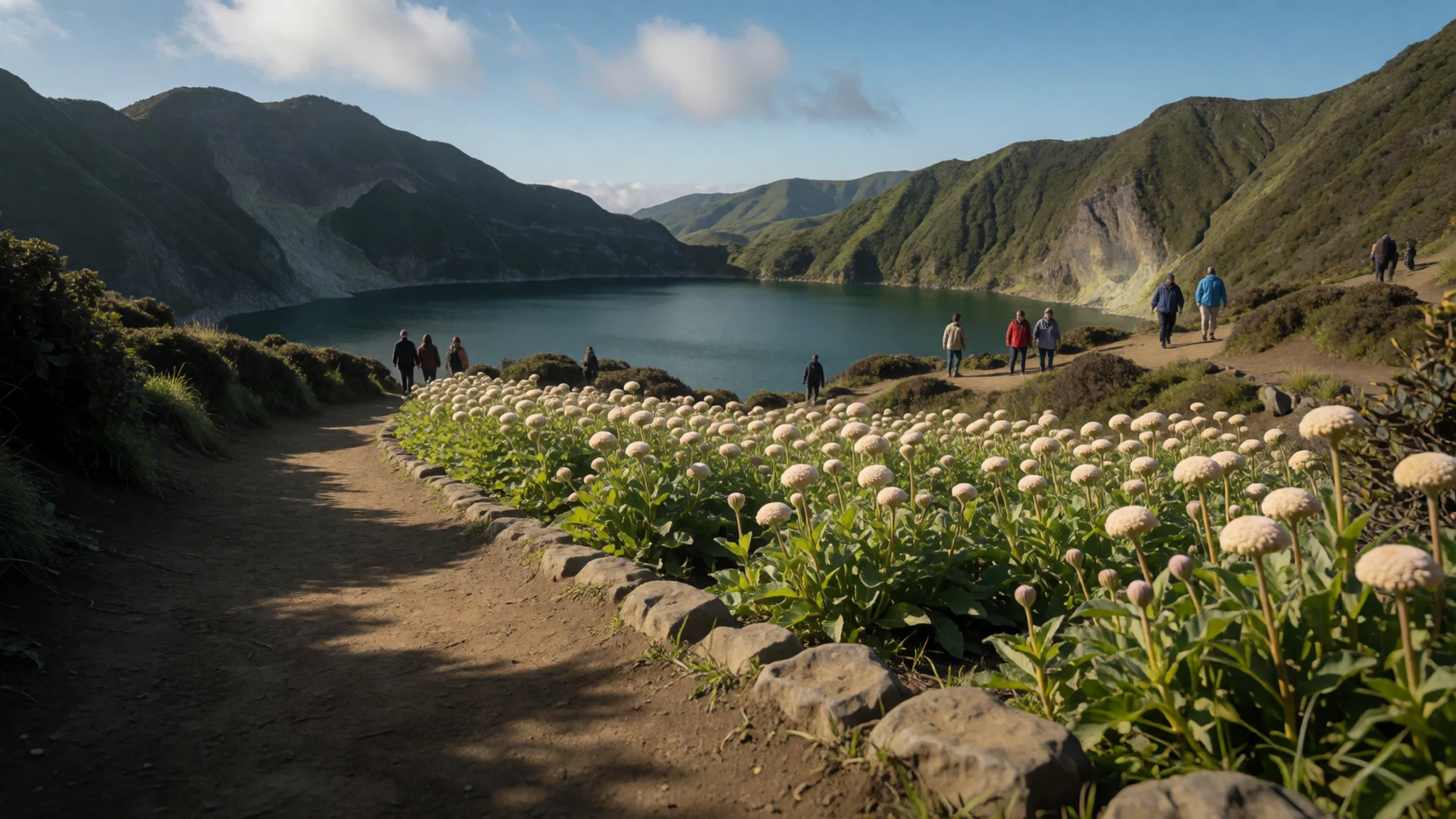
- Bena village — Ngada highlands, near Bajawa
Bena is a traditional Ngada village where ancient megalithic structures stand among the houses. It is a living community, not a museum, so a small donation and a polite greeting matter. The setting, with a volcano rising behind the thatched roofs, rewards a slow walk.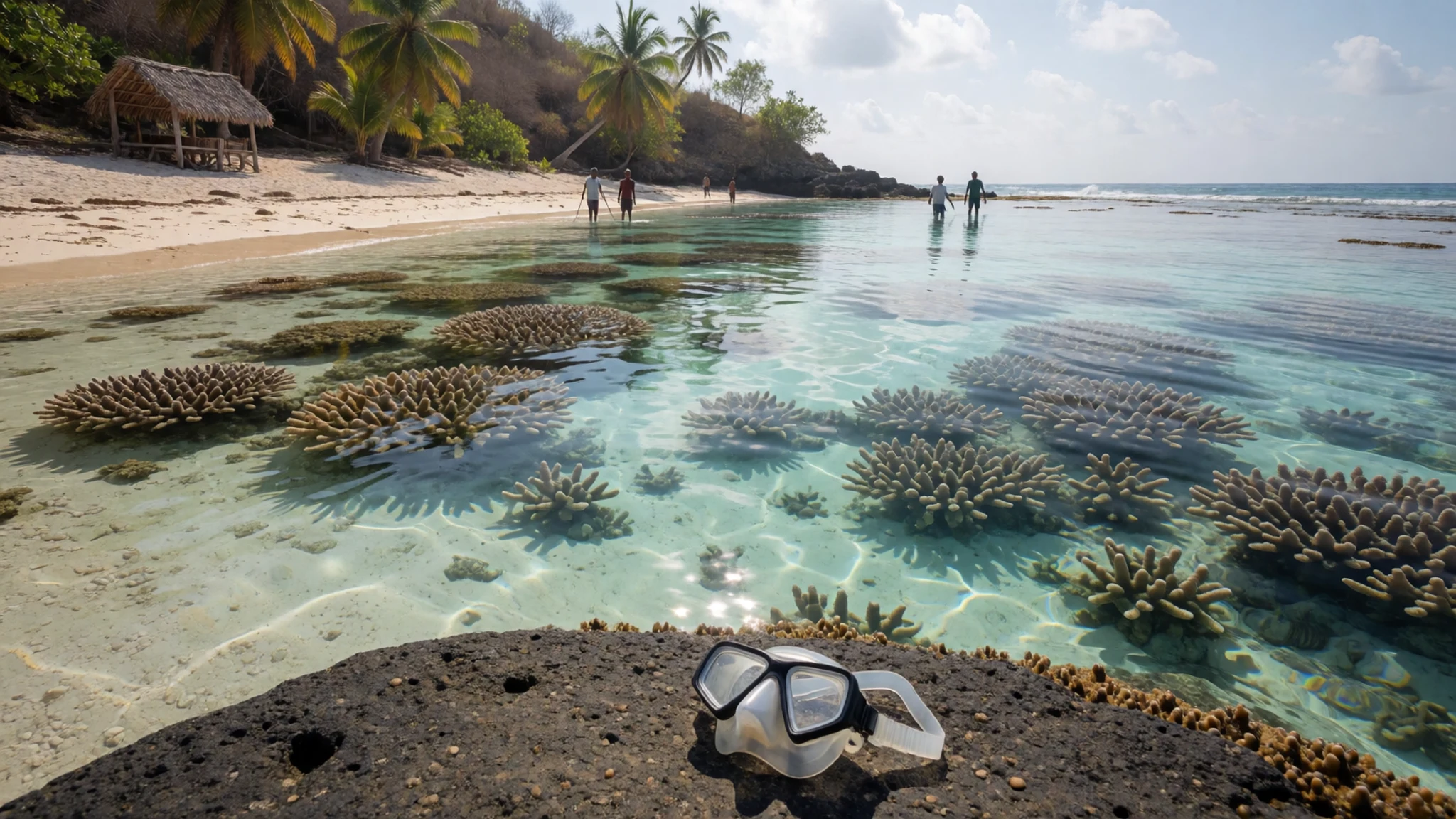
- Liang Bua cave — Near Ruteng, Manggarai region
Liang Bua is the cave where remains of Homo floresiensis were discovered in 2003. It is a modest limestone cave rather than a spectacle, but it gives the island's prehistory a real place. Combine it with a Ruteng stay and a few Manggarai villages.
- Bajawa and its volcanoes — Central highlands, Ngada regency
Bajawa is a small highland town ringed by volcanoes and rainforest. The air is cooler than on the coast, which makes it a comfortable base for village visits, walks and hot springs. Mornings are usually clearest, so plan outdoor time before lunch.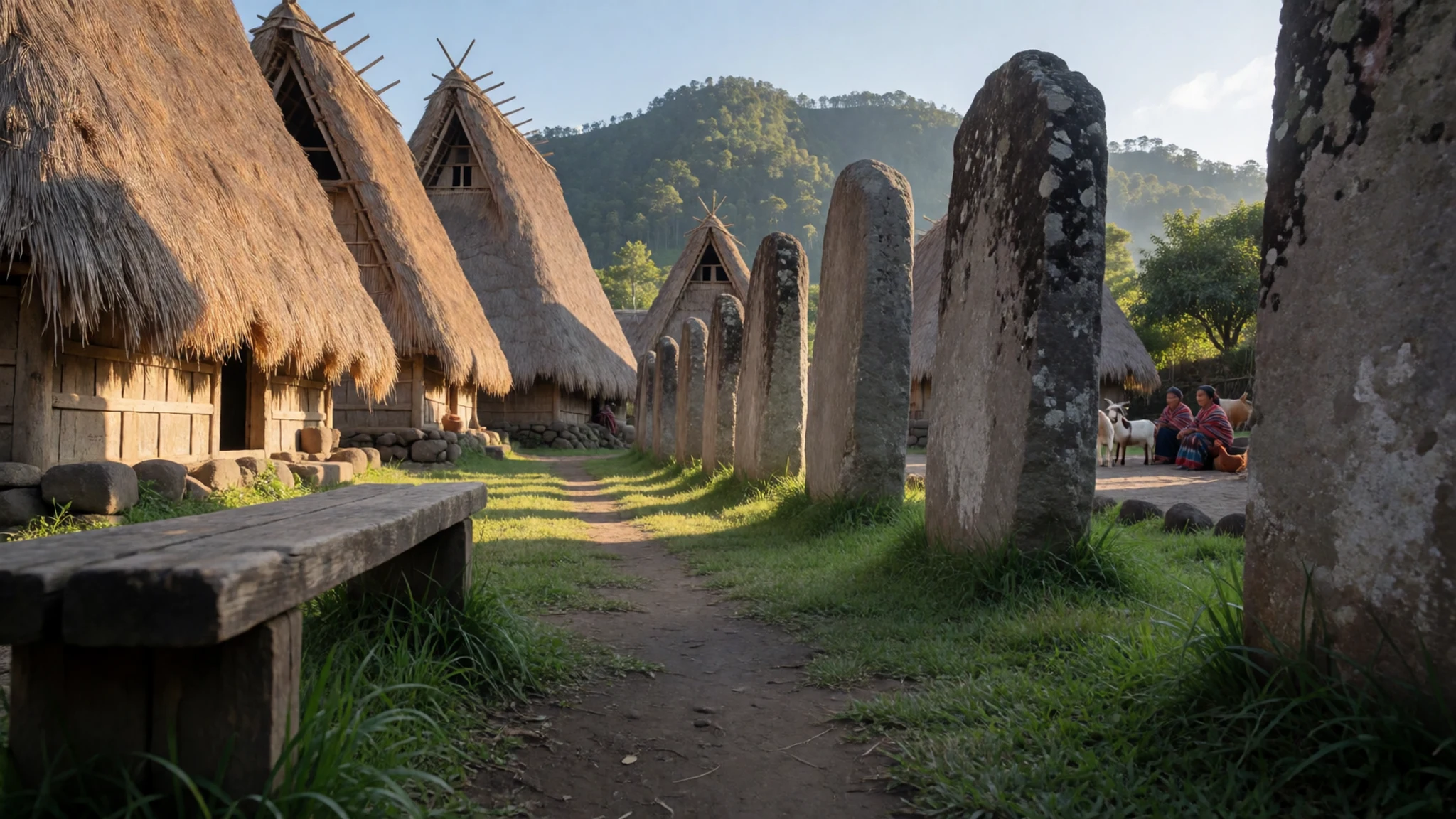
- Riung and the north coast reefs — North-central coast
The north coast around Riung offers snorkelling and diving, and Riung's reefs have suffered from dynamite fishing and the shell trade. Choose operators who do not buy shells, and avoid collecting anything yourself. Komodo has healthier reefs, but Riung is a quieter alternative.
Culture
Flores is a patchwork of cultures rather than one. All the island's languages belong to the Austronesian family, but they differ sharply from region to region. Manggarai is spoken in the west, Riung in the north-central area, and a chain of related languages runs through the centre, including Ngadha, Nage, Keo, Ende and Lio. Almost every village has slight differences of its own, so a greeting in one valley may sound unfamiliar in the next.
Most people on Flores are not Muslim, and Catholic churches are central to town life, with Sunday services shaping the rhythm of the week. Older village traditions continue alongside, including megalithic monuments, clan houses and ceremonies tied to family and land. Dance, weaving and shared meals mark weddings and other gatherings.
Alcohol is part of local culture here, and the usual drink is distilled palm sap, called arak, sopi or moke. Hospitality is strong. An invitation to a wedding or similar event is a good way to learn about Manggarai or Ngadha customs, but it helps to ask beforehand what to bring and what to avoid.
Villages that receive visitors often welcome them with a short formal greeting and a request for a small donation, which supports upkeep and community life.
In villages, greet the elders first, ask before photographing people, ceremonies or sacred stones, and do not step on or sit on megalithic structures.
What to wear
Flores's traditional dress is built on handwoven ikat cloth. Threads are tied and dyed before weaving, so patterns appear in the finished cloth. Designs, colours and motifs differ between regions such as Manggarai, Ngada, Ende-Lio and Sikka, and cloth is traditionally made from cotton with natural dyes, though commercial yarn is common now. Women often wear a tubular sarong, and men a wrapped cloth. Ikat is worn at weddings, funerals, church festivals and clan ceremonies, and it is exchanged as a valued gift.
Day to day, people dress simply and practically in T-shirts, shirts, long trousers, skirts and sandals or flip-flops, depending on the weather and work. On Sundays, church clothes are neat and often smart, with ikat sometimes worn as a sash or skirt. In the highlands, people add jackets and scarves in the cooler evenings.
Visitors should pack light, quick-drying clothing for the coast and a warm layer for Bajawa, Ruteng and early Kelimutu mornings. Cover shoulders and knees in villages and churches, and bring a sarong or scarf that works for both. Sturdy trainers or walking shoes suit rough paths and volcano trails, while sandals are enough for boats. A hat, sun protection and a light rain jacket are all useful, since sun and showers can both arrive without warning.
What to eat
- Kopi Ende — Cafés and small eateries in Ende
A local coffee from Ende, made by toasting coffee beans together with ginger and brewing it like ordinary coffee. The ginger gives it a warm, spicy edge. Try it in a town café or small eatery, especially on a cool highland morning.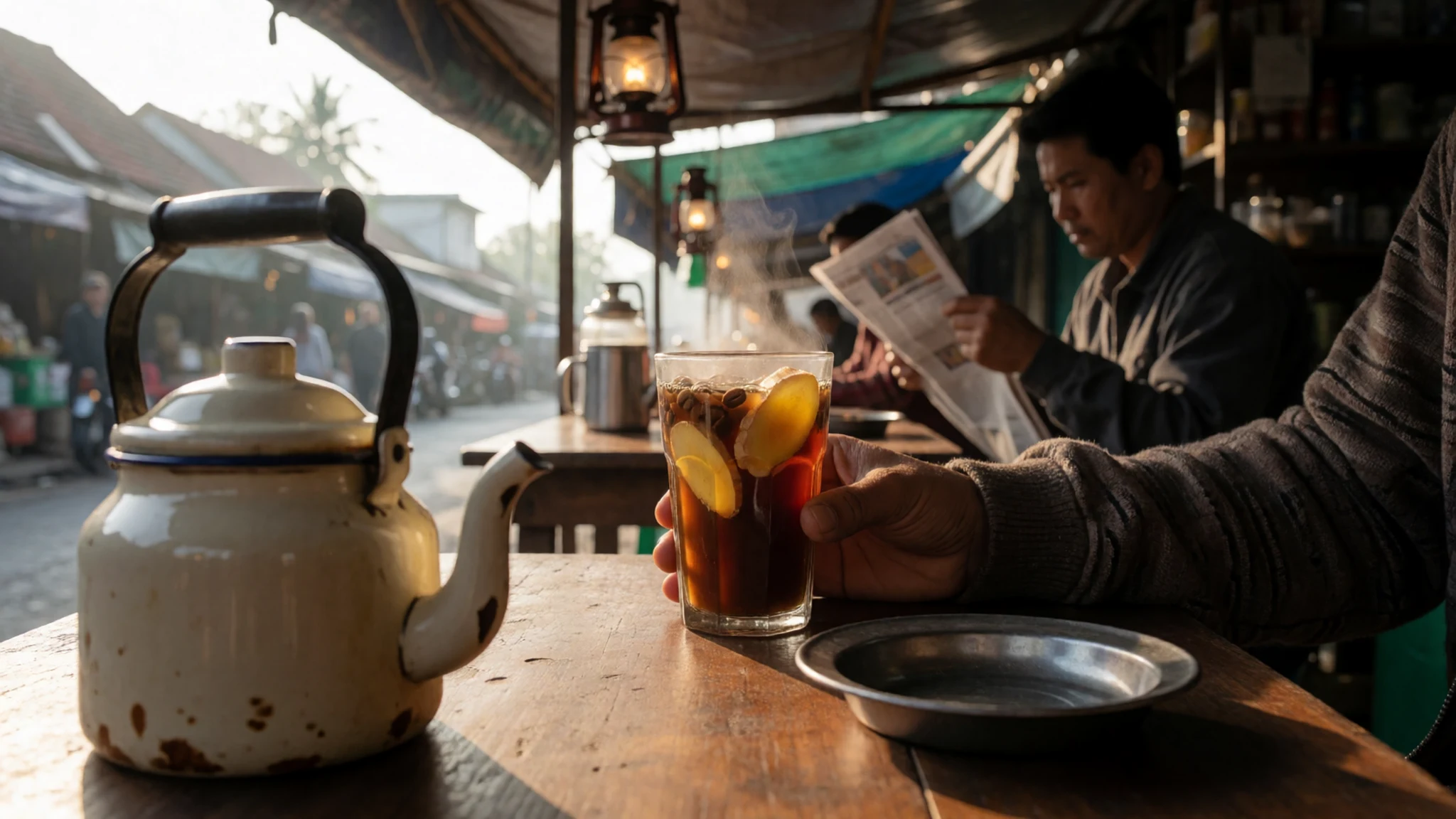
- Ikan bakar — Seafood stalls and waterfront eateries in Labuan Bajo
Grilled fish is the staple of the coast, usually served with rice, chilli sambal and a squeeze of lime. The catch depends on the day. Choose fish that looks fresh and ask how it is being cooked.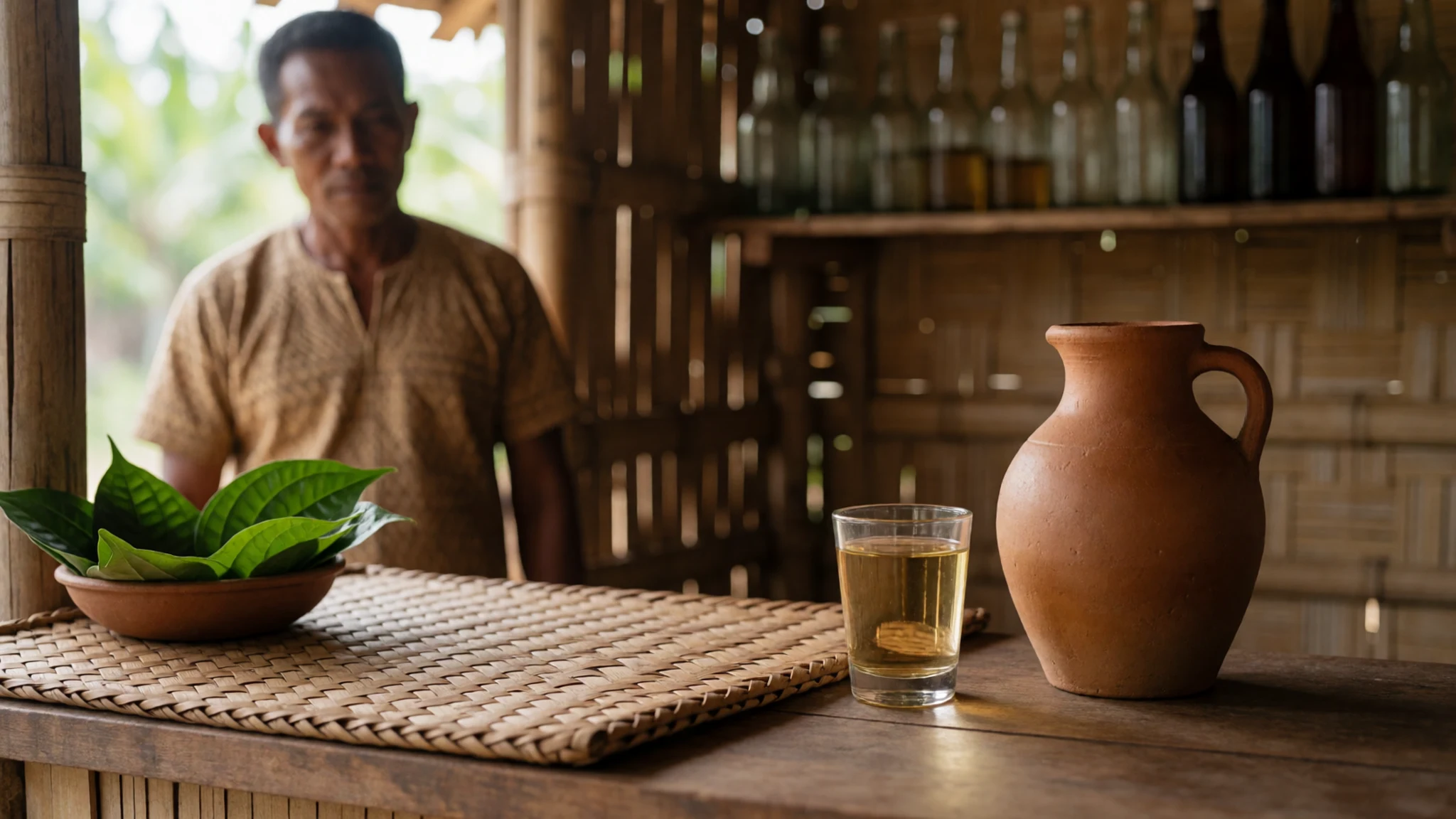
- Jagung titi — Markets and roadside stalls around Ruteng
Pounded, flattened corn that is roasted and eaten as a crunchy snack, a traditional food in the Manggarai region. It is simple and slightly smoky, and often sold in small packets. It travels well and suits long road days. - Nasi campur — Warung and small eateries in any town
A plate of rice with small portions of vegetables, egg, fish or meat, chosen from a display of dishes. It is an easy, cheap way to sample local cooking. Eat where the dishes are busy and freshly refilled. - Sopi, arak or moke — Village gatherings and homes, rarely in shops
A distilled palm sap drink, widely used at gatherings and said to be of good quality in Flores. With no labels or formal quality control, travellers are wise to be cautious. Taste it only when offered by a host you trust.
Plan it
Best time. May to September is generally the more reliable season for travel, with less rain and better sea and road conditions. The wet season brings heavier rain, rough crossings and slippery roads, so check the forecast. Kelimutu is clearest in the early morning at any time of year.
How long. 5–7
Getting there. Fly to Labuan Bajo (LBJ) or Maumere (MOF), both with regular services from Denpasar, Lombok and Kupang. Smaller airports serve Bajawa, Ruteng, Ende and Larantuka. Pelni ships and ferries also link Flores with other islands, but check timings locally because schedules are flexible. The last leg is usually by road, which is slow and winding.
Budget. mid
Tips
- Allow extra time for road journeys; distances are short but the road is slow and twisting
- Book Komodo boat trips with a reputable operator and check the safety equipment on board
- Carry cash for villages, small eateries and markets, as cards are less common outside Labuan Bajo
- Start volcano and lake visits at dawn, before the cloud rolls in
- Carry a refillable bottle and use filtered or bottled water
Etiquette
- Greet village elders first and ask before photographing people or ceremonies
- Dress modestly in villages and churches
- Do not buy shells or souvenirs made from marine life
Nearby
Sources
- Wikidata Q148440 (CC0)
- Wikipedia, Flores (rev 1383452513) (CC BY-SA 4.0)
- Wikivoyage, Flores (Indonesia) (rev 5059066) (CC BY-SA 4.0)
- Photo: Bajawa, Petter Lindgren (CC BY 3.0)
- Photo: Flores topography, Sadalmelik (CC BY 3.0)
- Photo: Homo floresiensis skull, Rama (CC BY-SA 3.0 fr)
- Photo: Liang Bua cave, Rosino (CC BY-SA 2.0)
- Photo: Komodo dragon, Adhi Rachdian (CC BY 2.5)
- Photo: Church, Labuan Bajo, Torbenbrinker (CC BY 3.0)
- Photo: Lesser Sunda Islands, NASA (Public domain)
- Photo: Ngada megalith, Chriswan Sungkono (CC BY 3.0)


Wildlife
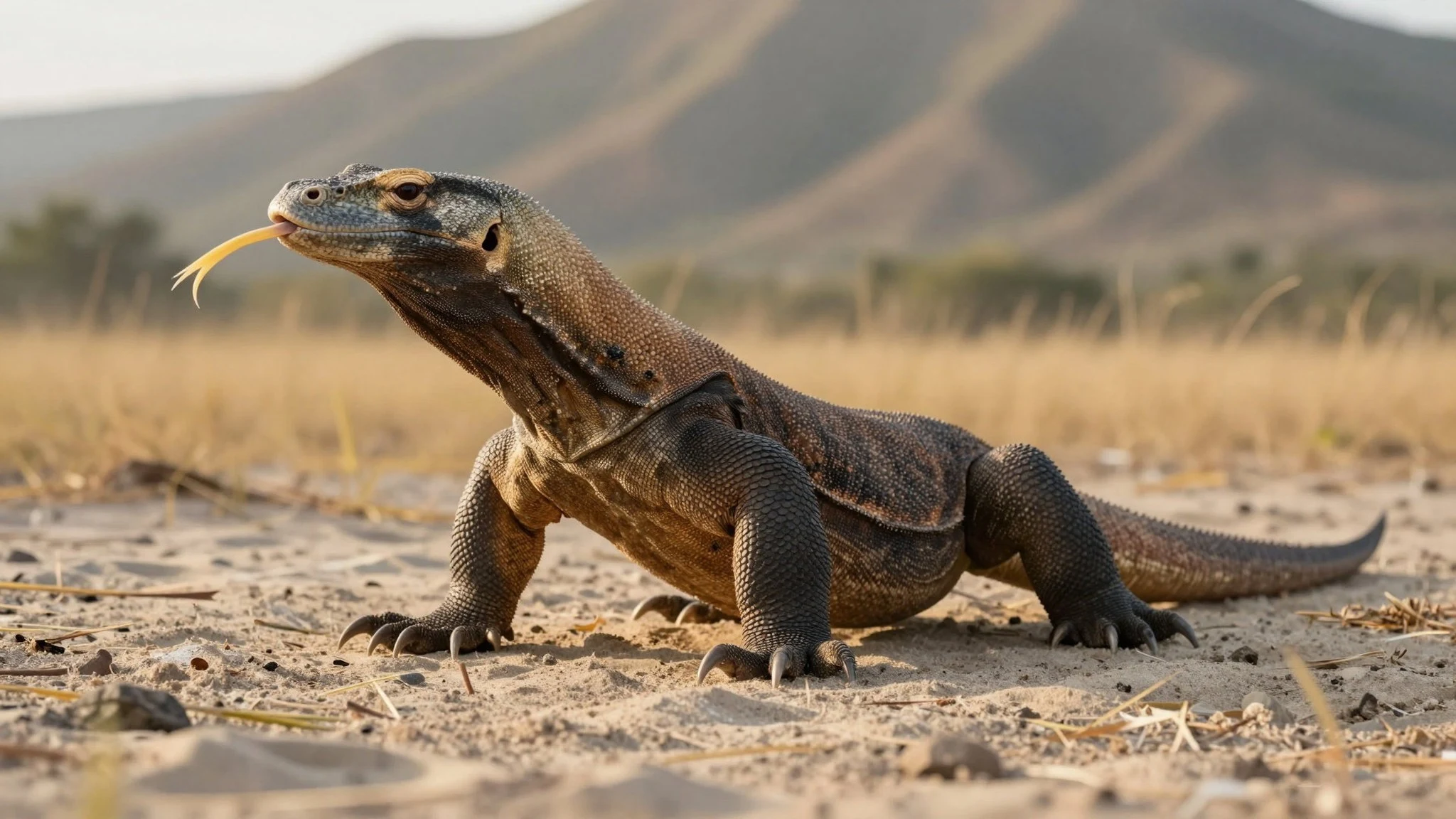
- Komodo dragon (animal)
The Komodo dragon is the biggest lizard in the world, a giant cousin of the monitor lizards that looks like a dinosaur come to life. It lives only on a handful of Indonesian islands, Flores among them, and its largest population is in Komodo National Park. Ask your guide when it is best to look. Watch with a guide, keep well back, stay quiet and calm, and never feed it.