Dongting Lake
Dongting Lake, People's Republic of China
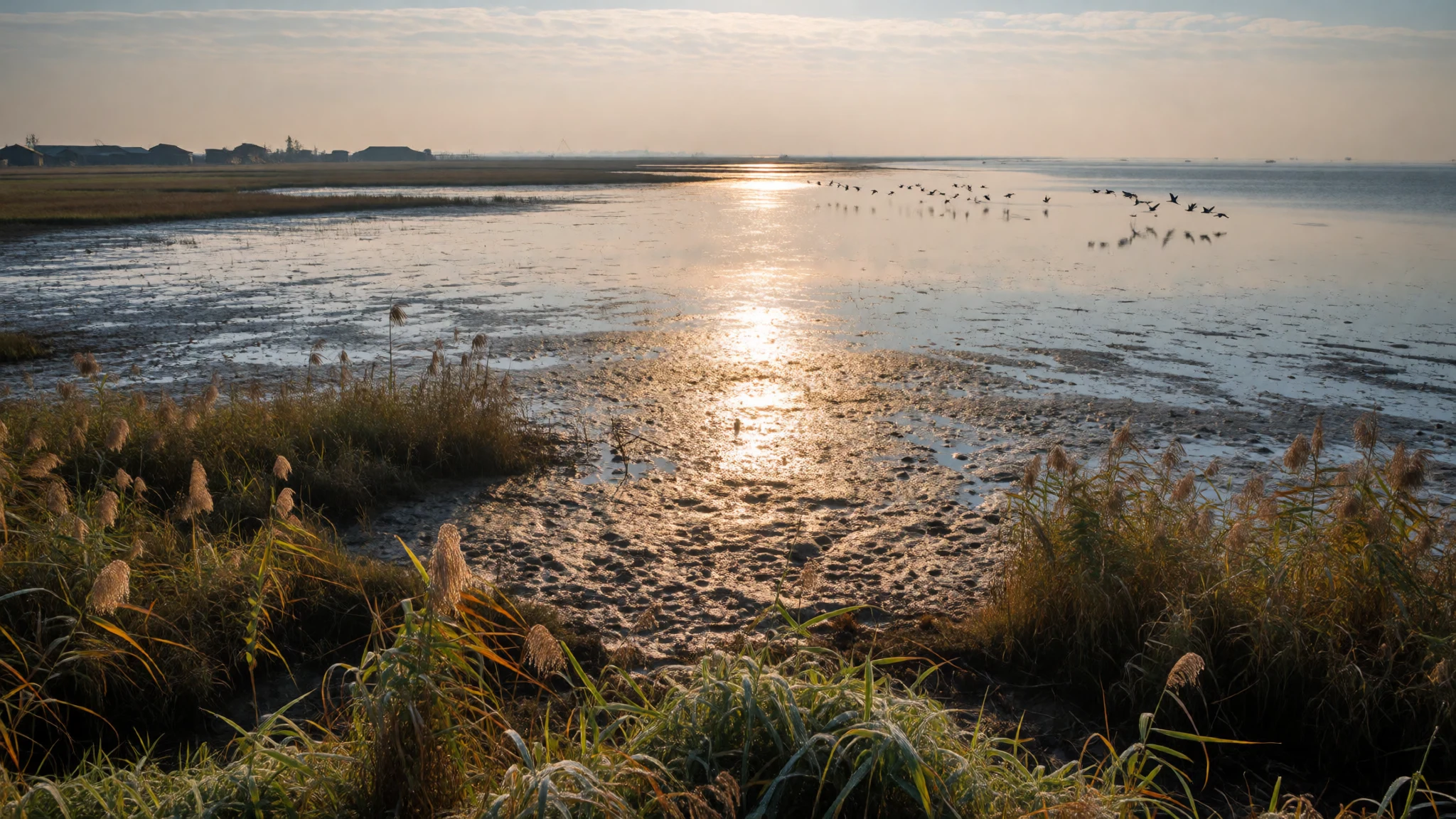
Dongting Lake is a vast, shifting floodplain lake where poetry, dragon boat legend and Hunan cooking meet reedbeds, birds and slow, hazy water.
The place
Dongting Lake sits in the north-east of Hunan province in central China, at an elevation of about 33 metres, and it behaves less like a fixed lake than a breathing floodplain. Its size depends on the calendar. When the Yangtze swells in high summer, water pushes in and spreads across low farmland and reedbeds. By winter it pulls back into channels, mudflats and shallow marsh. Someone who sees it in two different months could easily think they had visited two different places. Several rivers feed it from the south and west: the Xiang, Zi, Yuan and Li, with the smaller Miluo joining from the east. Boats can still travel up the Xiang to Changsha. The lake also explains two provincial names. Hubei means north of the lake and Hunan means south of it, so this water works as a landmark for a large part of central China. Wildlife depends on the changing shoreline. The Yangtze finless porpoise, which is critically endangered, lives in these waters, and the winter wetlands attract many birds. Much of what was once open lake has been walled off as polder farmland, so what remains is a patchwork of eastern and southern lakes with fields and dykes between them. Most travellers come through the city of Yueyang, where towers, promenades and ferry points make the water easiest to see. Expect a flat, hazy, watery landscape rather than a dramatic one; the appeal is scale, light and the slow rhythm of fishing boats.
Its story
Dongting Lake has been shaped as much by people as by rivers. Early rice-growing sites have been found on the plain that once lay along its western edge, which shows how long farming communities have settled here. The kingdom of Chu later held the region, and Qin absorbed it. In the Han period the main overflow area for the Yangtze lay further north, in the Yunmeng marsh of present-day Hubei, known in Chinese as the Great Marsh of Cloud Dream. Its rich silt drew farmers, and as embankments rose along the northern bank of the Yangtze, floodwater that had once spread there was steered southwards. More water reached Dongting, so the lake grew partly because of human engineering. For centuries it was called Eight-hundred-li Dongting, a name that conveys how endless it seemed to travellers crossing it by boat. Then the process reversed. Farmers and planners enclosed parts of the shallows as polders behind dykes, and the open water shrank and divided into separate eastern and southern lakes. Today the lake is still celebrated in poetry and painting, yet its shoreline is a negotiated settlement between flood control, rice, fishing and wildlife. Debate now centres on how much room the water should be given back, since the same embankments that protect farmland also limit the floodplain the lake once used.
What to see
- Yueyang Tower — Yueyang city waterfront
Yueyang Tower stands above the lake shore in the city of Yueyang and is the classic place to look out over Dongting. Its fame rests largely on a celebrated prose piece that a Song-dynasty scholar wrote about it. Go for the view across the water, and check the official site for opening arrangements.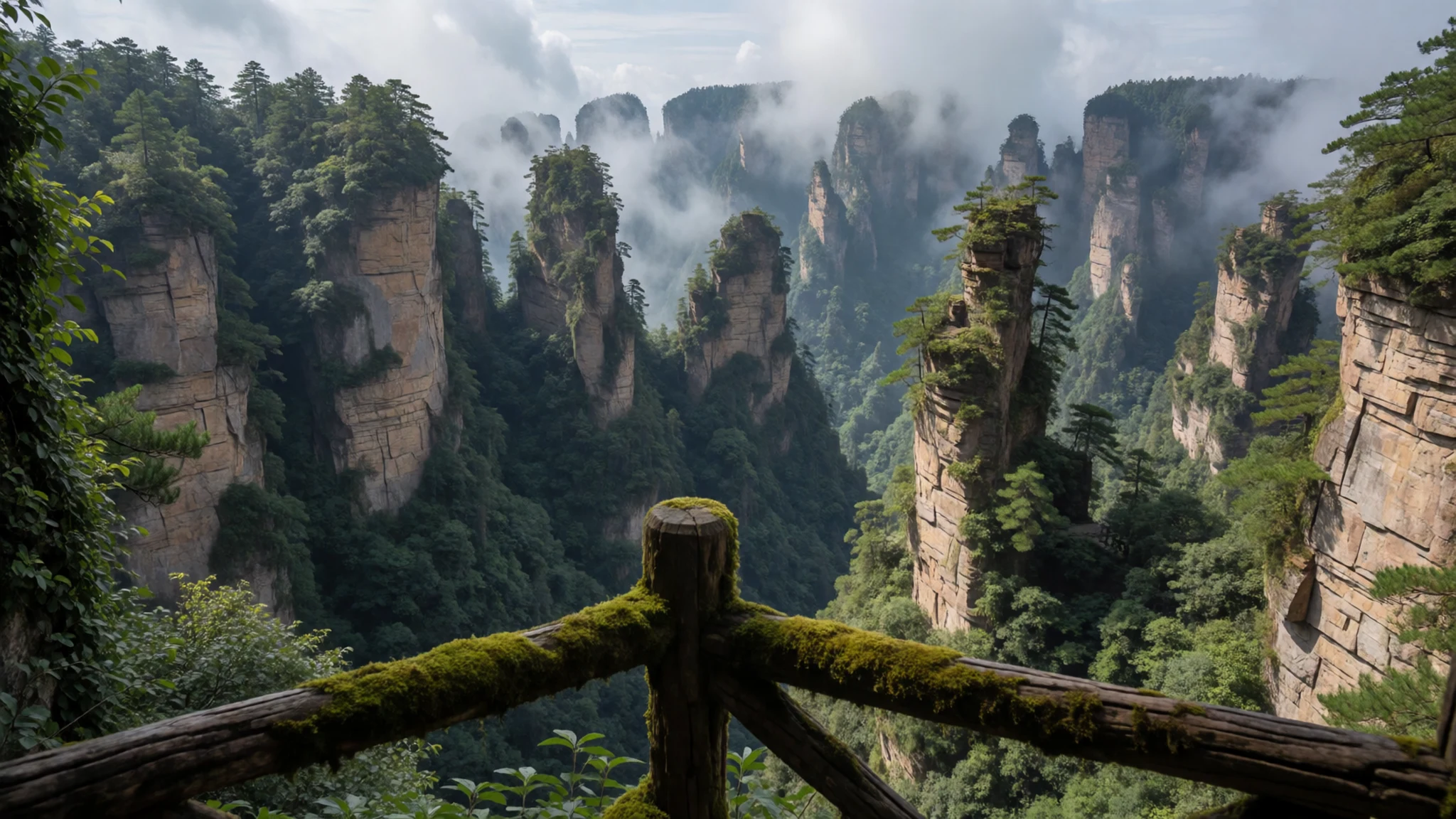
- Cishi Pagoda — Yueyang old town
Cishi Pagoda (慈氏塔) is an old brick pagoda in Yueyang, with a view that looks out towards the lake. It makes a quieter stop than the big tower nearby and combines well with a stroll through the surrounding old streets. Check locally for access before making a special trip.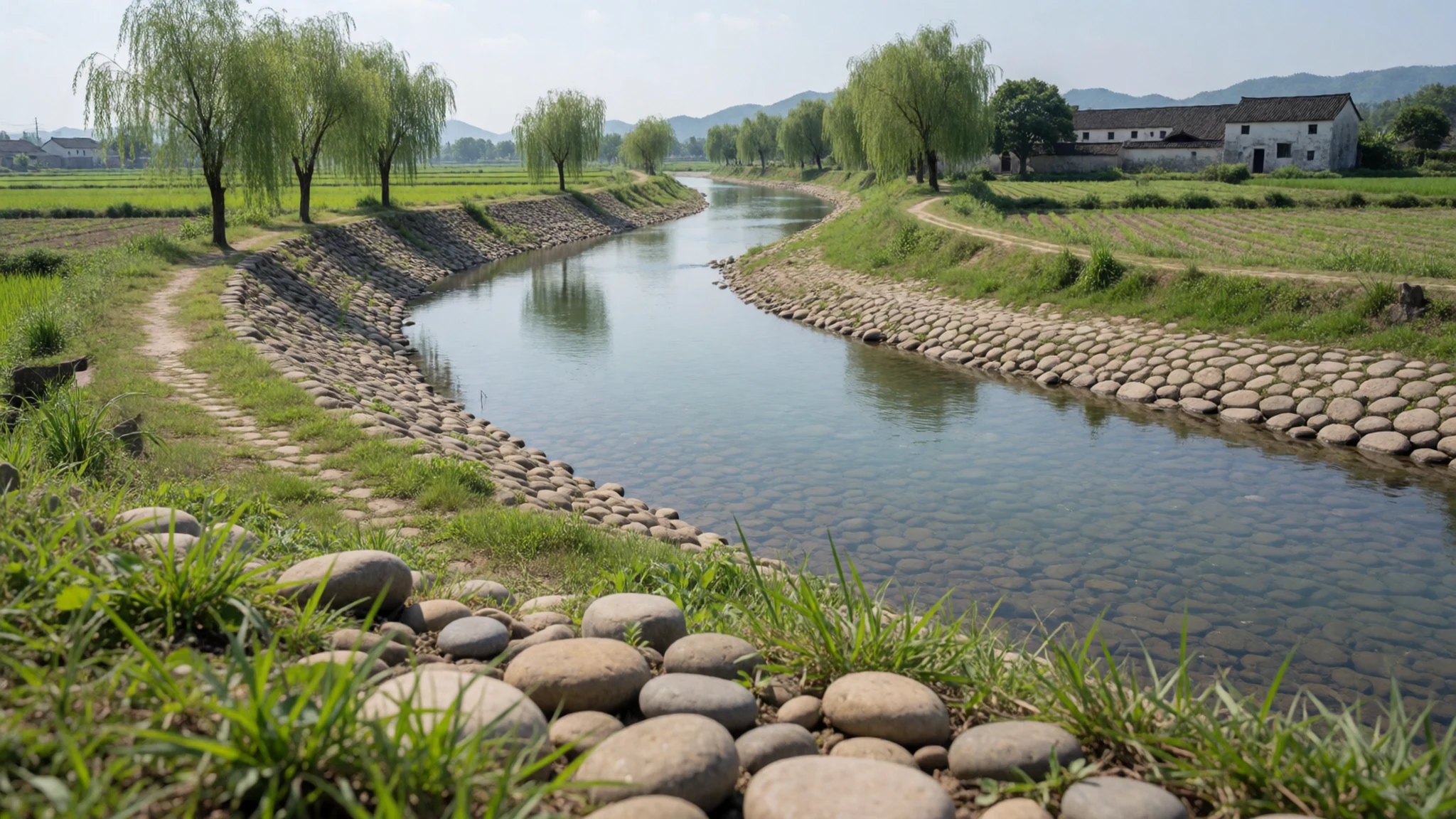
- Junshan Island — Dongting Lake, near Yueyang
Junshan Island lies in the lake near Yueyang and is reached by boat. It is tied to the legend of Shun's wives, and is known for its bamboo and its tea. Allow most of a day, and confirm ferry arrangements locally, since water levels and weather affect crossings.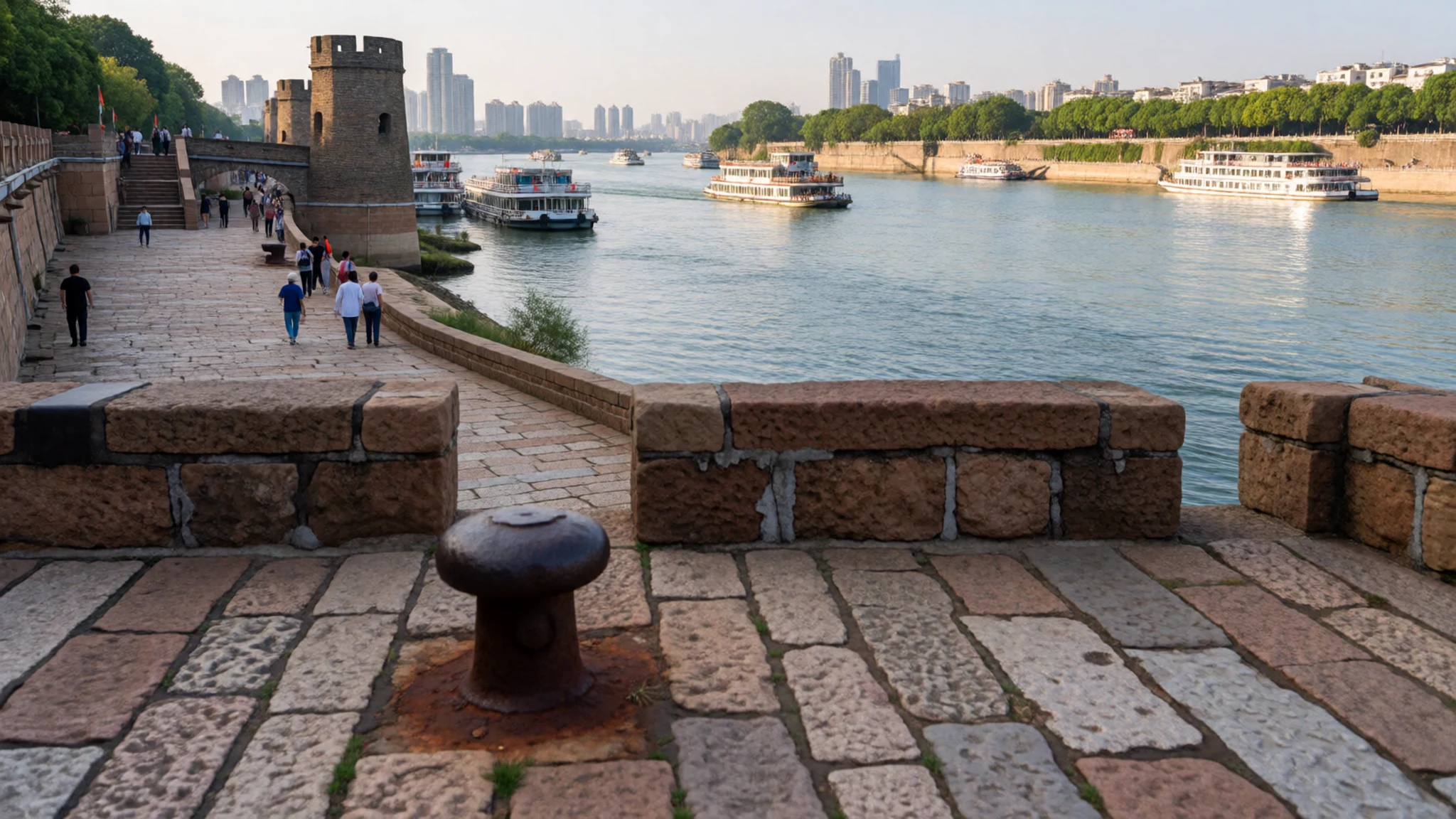
- East Dongting Lake wetlands — East Dongting Lake, Yueyang area
The wetlands at the lake's eastern side are a patchwork of reedbeds, mudflats and shallow pools that draw wintering birds. Winter and early spring suit them best. Binoculars help more than a camera, and access points and any permits should be checked with the reserve before setting out.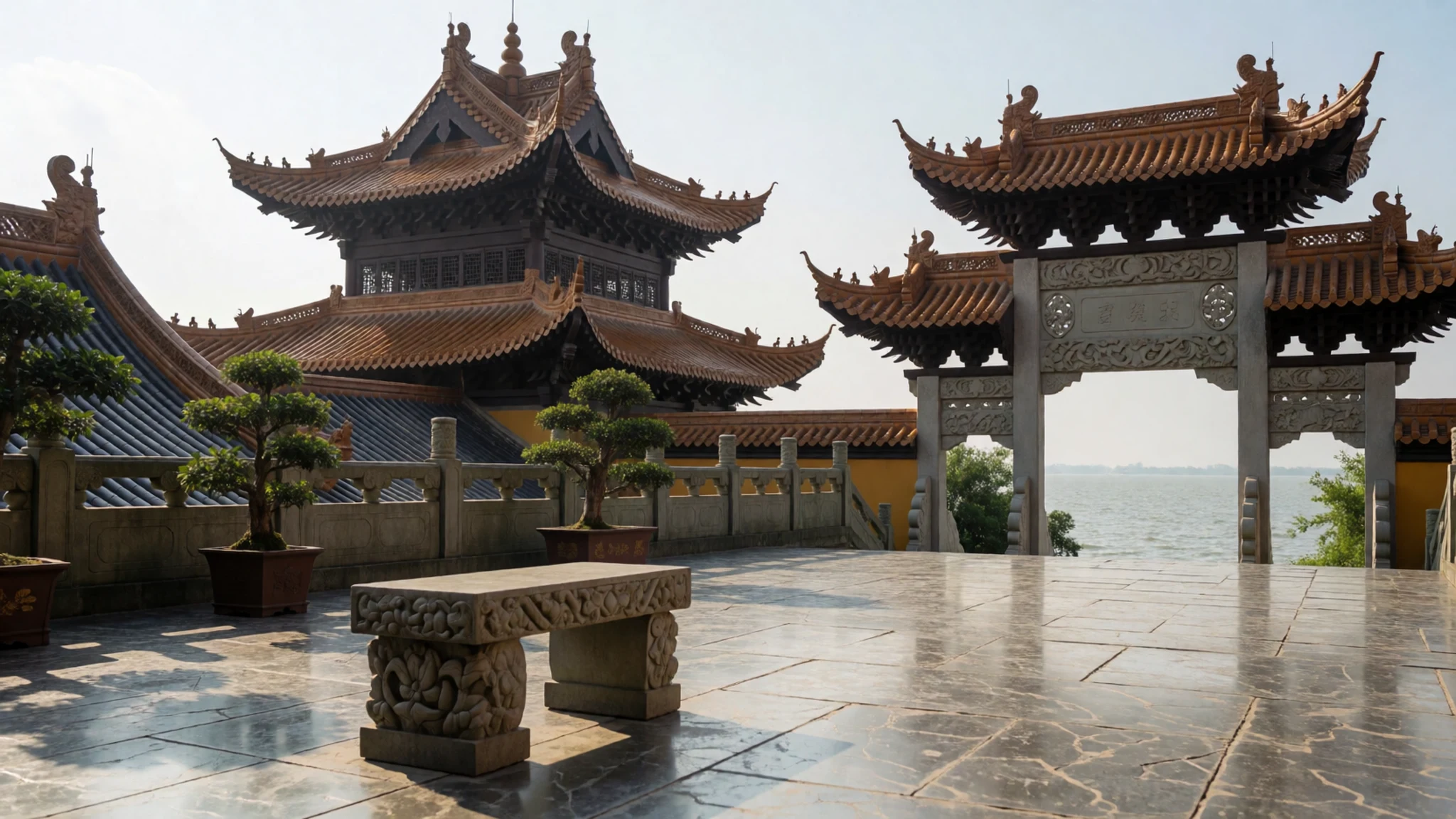
- Miluo River and Qu Yuan memorials — Miluo, east of the lake
The Miluo River joins Dongting from the east and is bound up with the poet Qu Yuan, said to have ended his life here. Memorials around the town of Miluo mark the story, and the river is a focus of dragon boat festivities. Race days draw heavy crowds.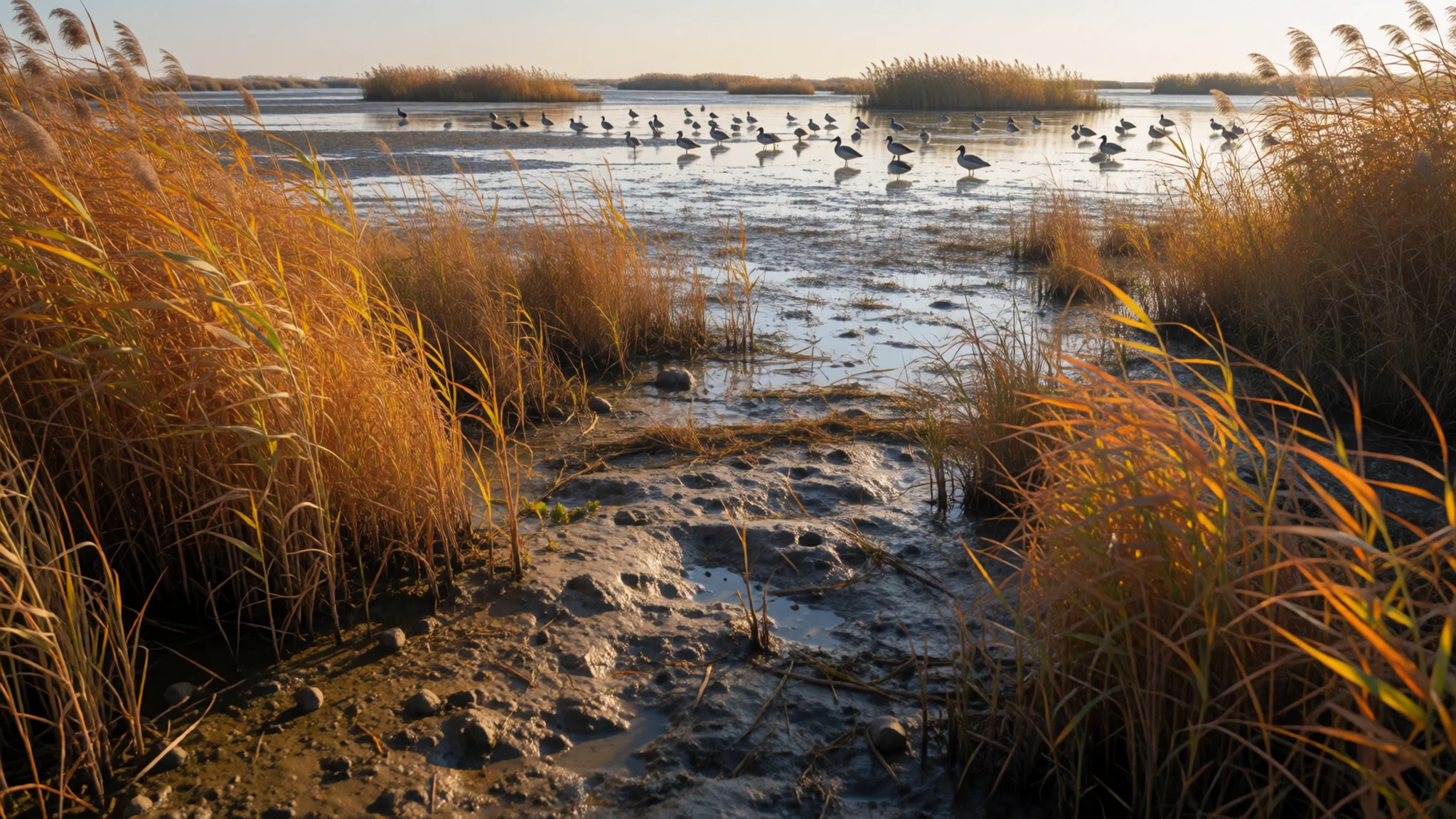
Culture
Dongting Lake carries more legend than most of Hunan's landscape. Its Chinese name means roughly Grotto Court, after a vast hall said to lie beneath the water, ruled by Ehuang and Nüying, the wives of the sage-king Shun, with passages running out to every corner of the empire. A dragon-king is also said to live on the lake bed. The best-known story belongs to Qu Yuan, a poet of the state of Chu. Tradition says he drowned himself in the Miluo River, and the boats that searched for his body are remembered as the beginning of dragon boat racing, with the eastern shore claiming the honour of origin. Racing crews and rice dumplings still mark the festival each year. Poets and painters followed. Verse about the Xiao and Xiang rivers and the hills beyond fills the classical tradition, and Song-period artists settled on a set of eight scenes called the Eight Views of Xiaoxiang. The idea travelled to Japan, where other places took over the formula, and a pond at Daikaku-ji in Kyoto is modelled on this lake. Qu Yuan is also credited with his Ode to the Orange (橘颂), written after he saw hillsides gold with fruit on a boat journey from Dongting, which is why citrus turns up in local imagery. At Qu Yuan memorials and lakeside temples, speak quietly, ask before photographing worshippers, and leave offerings of incense and rice dumplings untouched.
What to wear
Around Dongting Lake, traditional dress is mostly seen at festivals, weddings and staged performances. Han-style historical robes in silk and cotton appear around the dragon boat season, while the hill peoples of western Hunan, such as the Tujia and Miao, wear indigo-dyed cotton with dense embroidery and woven brocade. Xiang embroidery, worked in fine silk thread, is the region's best-known textile craft and turns up on scarves and panels in craft shops. Everyday dress is plain and practical: jackets, trainers, sportswear, and waterproofs for people who work on boats and embankments. Fishing families favour rubber boots and waders, and hats against the sun. Visitors should dress for the weather first. Summers are hot and humid, so light, breathable layers, a sun hat and insect repellent make sense. Winters are damp and chilly, and many buildings are poorly heated, so a warm layer and a rain jacket are useful. Shoulders and knees covered is a sensible default at temples and memorials. Flat, grippy shoes suit wet embankments, slippery ferry decks and long walks across old town paving, and open sandals are a poor choice on muddy wetland paths.
What to eat
- Chopped-chilli fish head (duojiao yutou) — Hunan-cuisine restaurants in Yueyang and Changsha
A fish head steamed under a thick blanket of salted, chopped red chillies, a Hunan classic that suits lake country well. The heat is sharp but the fish stays sweet and soft. Order plain rice alongside and share it between several people.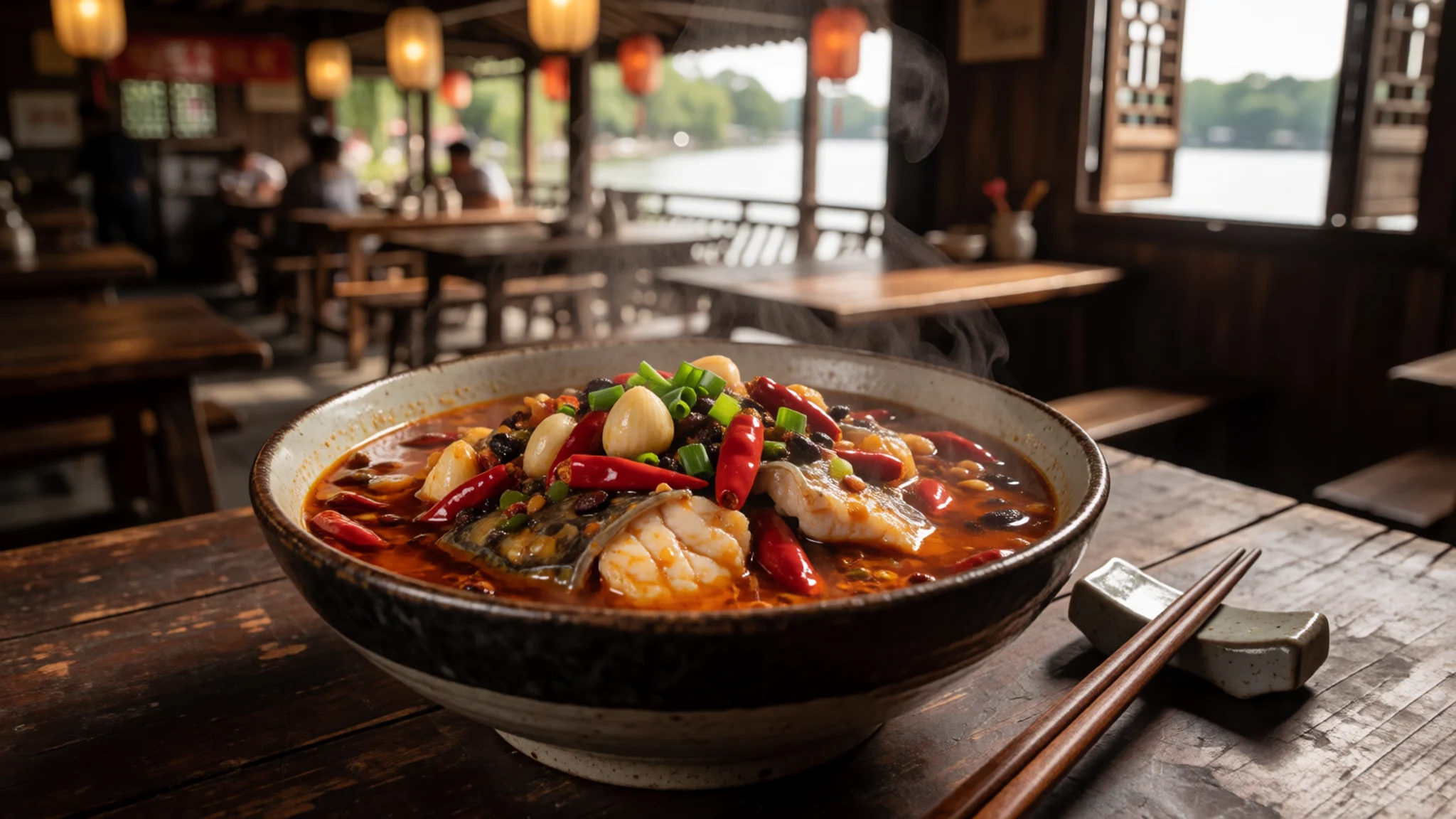
- Smoked cured pork (la rou) — Family restaurants and market food stalls around Yueyang
Hunan's smoked and air-dried pork, sliced thin and stir-fried with leeks, dried beans or bamboo shoots. The flavour is salty, smoky and deep, and it goes well with rice. It is a winter staple, often cooked at home.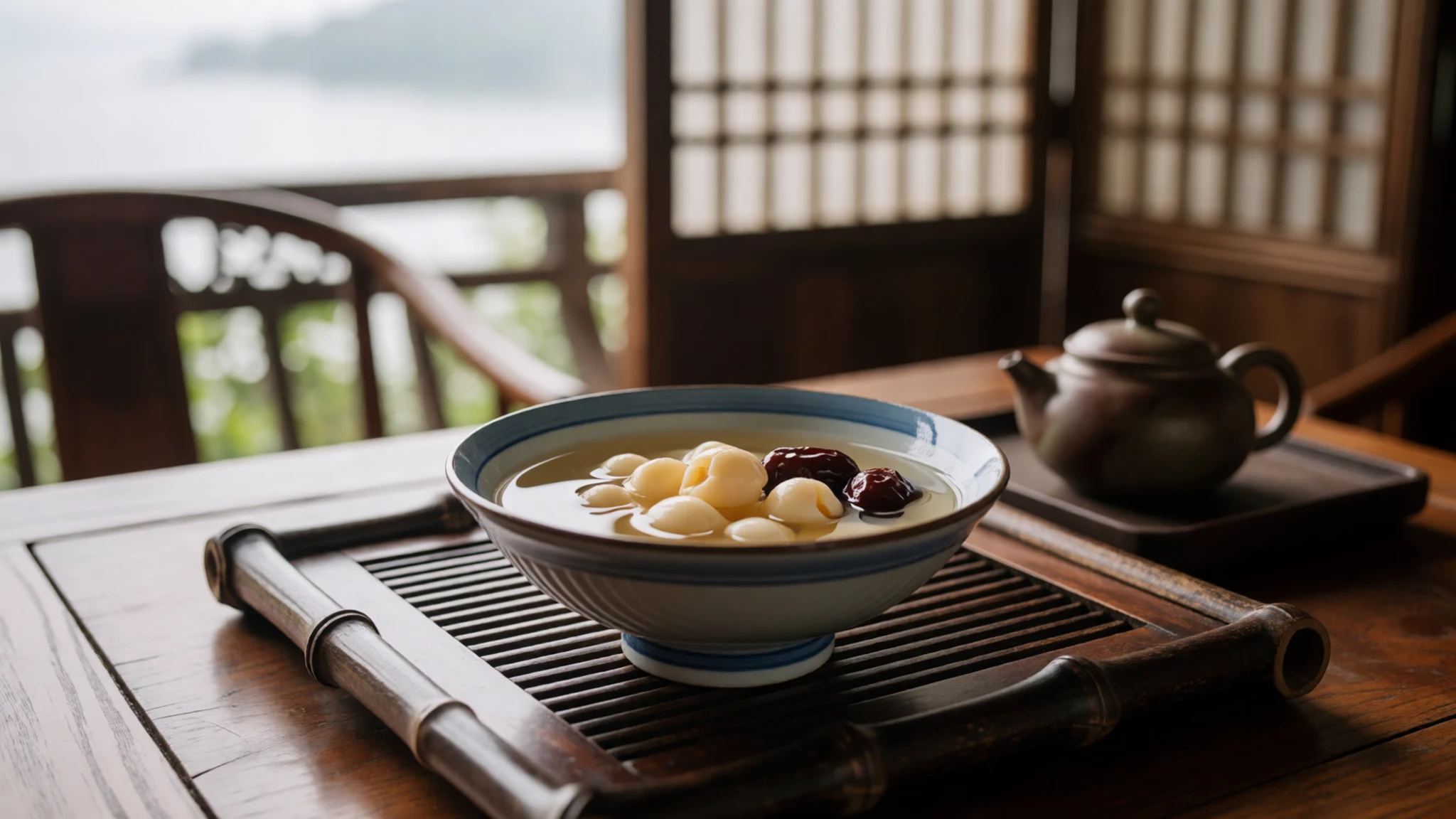
- Lake fish and freshwater shrimp — Eateries along the Yueyang waterfront and in fishing villages
Fresh catch from the lake, often fried with ginger, spring onion and sliced chilli or simmered in a clear broth. The choice depends on the day's catch, and diners often pick fish directly from tanks at the front. - Rice noodles (mifen) — Breakfast stalls and noodle shops in Yueyang and Changde
Soft rice noodles in a rich pork or beef broth, topped with chilli oil, pickles and sometimes braised meat. Eaten at breakfast and as a quick lunch, they are the everyday fuel of the region, and Changde has a noted local style. - Red-braised pork (hongshao rou) — Home-style restaurants in Yueyang and Changsha
Pork belly cooked slowly with soy, sugar and spices until glossy and tender, a rich Hunan home dish with a mild sweetness that gives welcome relief from the region's hotter plates. It is usually served in small bowls with rice.
Plan it
Best time. April–May and October–November are the most comfortable months, with milder weather and clearer views. July–September is flood season, when Yangtze water swells the lake, and summers are hot and humid. Winter suits birdwatching but is damp and cold.
How long. 2–3
Getting there. Fly to Changsha (CSX) or Changde Taohuayuan (CGD), the nearest of Hunan's domestic airports, then continue by train or road to Yueyang on the lake's shore. Check current timetables locally. Hunan also runs a 72-hour transit scheme via Changsha for citizens of eligible countries, so check the latest rules before planning.
Budget. low
Tips
- Base yourself in Yueyang, where the main lake views, ferries and restaurants are within easy reach
- Check ferry and wetland access with local staff, since water levels change what is open
- Carry some cash and a payment app, as small eateries and stalls may not take foreign cards
- Bring insect repellent and sun protection for lakeside walks, and a rain jacket in any season
Etiquette
- Ask before photographing people, especially fishing families and worshippers
- Keep voices low at memorials and temples
- Do not drop litter or feed wildlife in the wetland reserves
Nearby
Sources
- Wikidata Q216083 (CC0)
- Wikipedia: Dongting Lake (rev 1380997495) (CC BY-SA 4.0)
- Wikivoyage: Hunan (rev 5253959) (CC BY-SA 4.0)
- Photo: Waters of central China (Envisat) (CC BY-SA 3.0 igo)
- Photo: Dongting rivers map (Kmusser) (CC BY 3.0)
- Photo: China AMS Topographic Maps (Army Map Service) (Public domain)
- Photo: Dongting Plain map (Cncs wikipedia) (CC BY 3.0)
- Photo: Huquang, Imperii Sinarum provincia septima (Blaeu, 1659) (CC BY 2.5)
- Photo: Hvquang, Atlas Maior (Joan Blaeu, 1667) (Public domain)
- Photo: 洞庭湖, People's Pictorial, 1965 (Public domain)
- Photo: 慈氏塔-望向洞庭湖 (Saigyouji-Noriko) (CC BY-SA 4.0)


Wildlife
- Yangtze finless porpoise (animal)
The Yangtze finless porpoise is a small whale that lives in fresh water instead of the sea, and it is found nowhere else but the Yangtze region of China. Dongting Lake is a vital refuge for this critically endangered animal. Ask a local guide where and when sightings are most likely, as none can be promised. Watch from a respectful distance, keep voices and engines low, and never feed it. Boat traffic and pollution already trouble it, so the gentlest visitors help most.