Dokdo
Dokdo, Japan
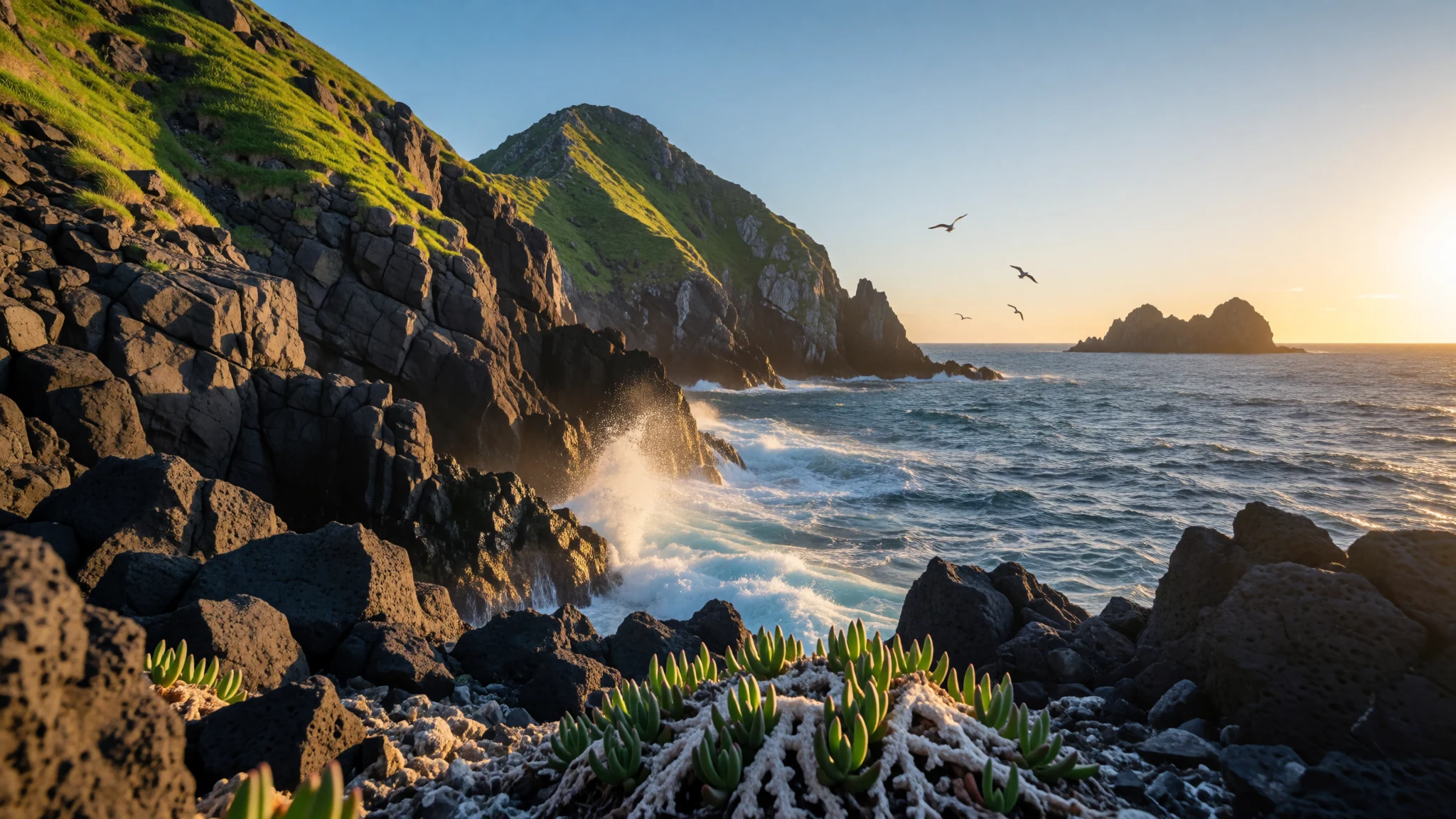
Visit these remote volcanic islets to experience a stark, windswept landscape and a deep sense of geopolitical isolation.
The place
Dokdo consists of two primary rocky islets and dozens of smaller outcrops floating in the Sea of Japan. The landscape is dominated by steep volcanic cliffs and patches of vivid green grass, creating a sharp contrast against the crashing blue surf. It is an environment of extremes; the islands are essentially raw geological formations with very little flat land. The West Islet is higher and more rugged, while the East Islet serves as the primary landing point for the few permitted visitors.
Because the islands are situated where warm and cold ocean currents collide, the surrounding waters are incredibly fertile, attracting a vast array of fish and migratory birds. However, the experience of the place is defined by its isolation. There are no towns, shops, or tourist facilities. Visitors are usually limited to a very brief window of time on shore, often just twenty minutes, which is barely enough to take in the sheer scale of the cliffs and the feeling of being at the edge of the world. The weather is erratic and can change in minutes, with fog often swallowing the islets entirely, making the journey as much a gamble as it is a trip. It is a place of profound silence, interrupted only by the wind and the cries of gulls.
Its story
The story of Dokdo is one of contention and solitude. While the islands are naturally volcanic, their human history is defined by their strategic and symbolic value. In the 19th century, the islets were known to Western whalers; the English name Liancourt Rocks comes from a French whaling vessel that nearly crashed here in 1849. For decades, the islands were a quiet outpost for those brave enough to face the currents, including octopus fishermen who sought a living from the rich waters. One such resident officially registered his address here in the 1980s, cementing a civilian presence on the rocks.
Today, the islets are the centre of a long-standing sovereignty dispute between South Korea and Japan. This political tension has transformed the landscape from a simple nature reserve into a guarded outpost. While it remains a protected area for its unique ecology, the presence of police and security personnel is constant. The transition from a place of isolated fishing to a symbol of national identity means that every visit is layered with political meaning. The islands serve as a physical manifestation of national pride and territorial resolve, making the simple act of landing on the rocks a significant event for those who make the journey.
What to see
- Dokdo Port
The primary landing site on the East Islet where the few permitted ferries dock. It is a functional, rocky area where visitors disembark under the supervision of security personnel to begin their brief exploration of the islets.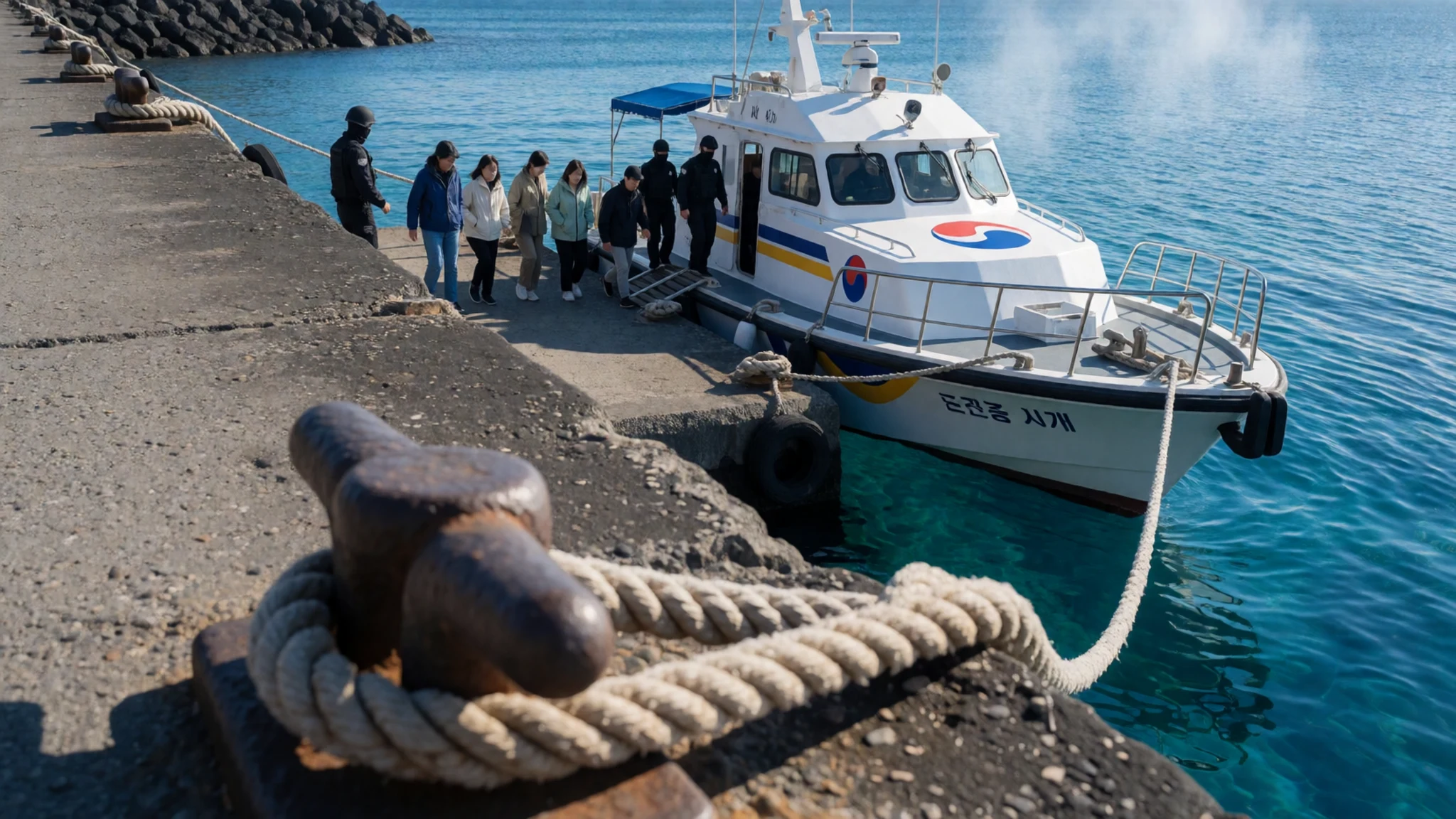
- Elephant Rock
A natural volcanic formation that resembles an elephant, showcasing the erratic and dramatic erosion patterns of the islets. It is one of the more distinct geological landmarks visible during a short walk around the coastline.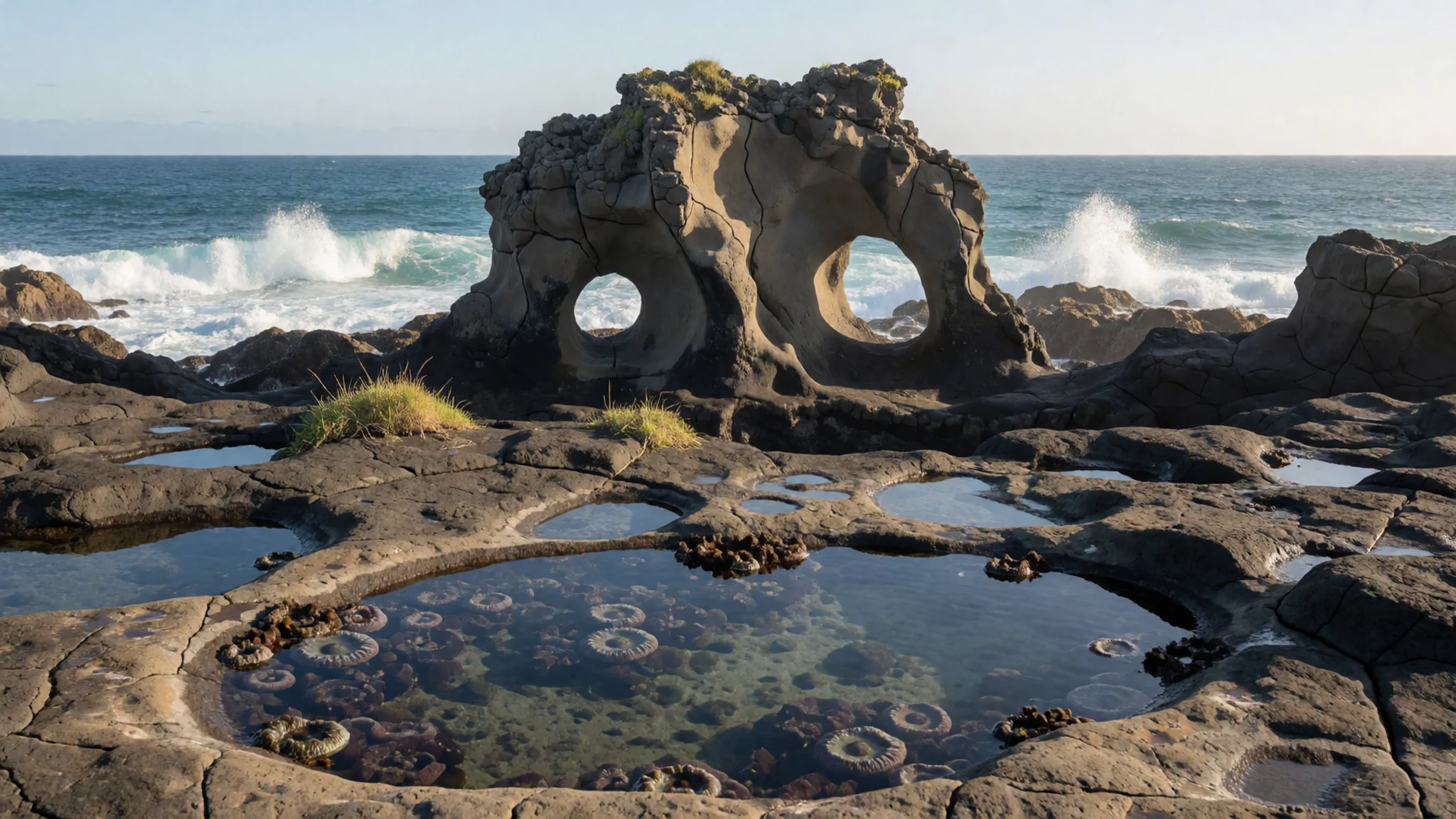
- Candlelight Rock
A striking, slender rock pillar that rises from the sea. Like much of the archipelago, this formation is a result of ancient volcanic activity and is a favourite subject for photographers during the short landing window.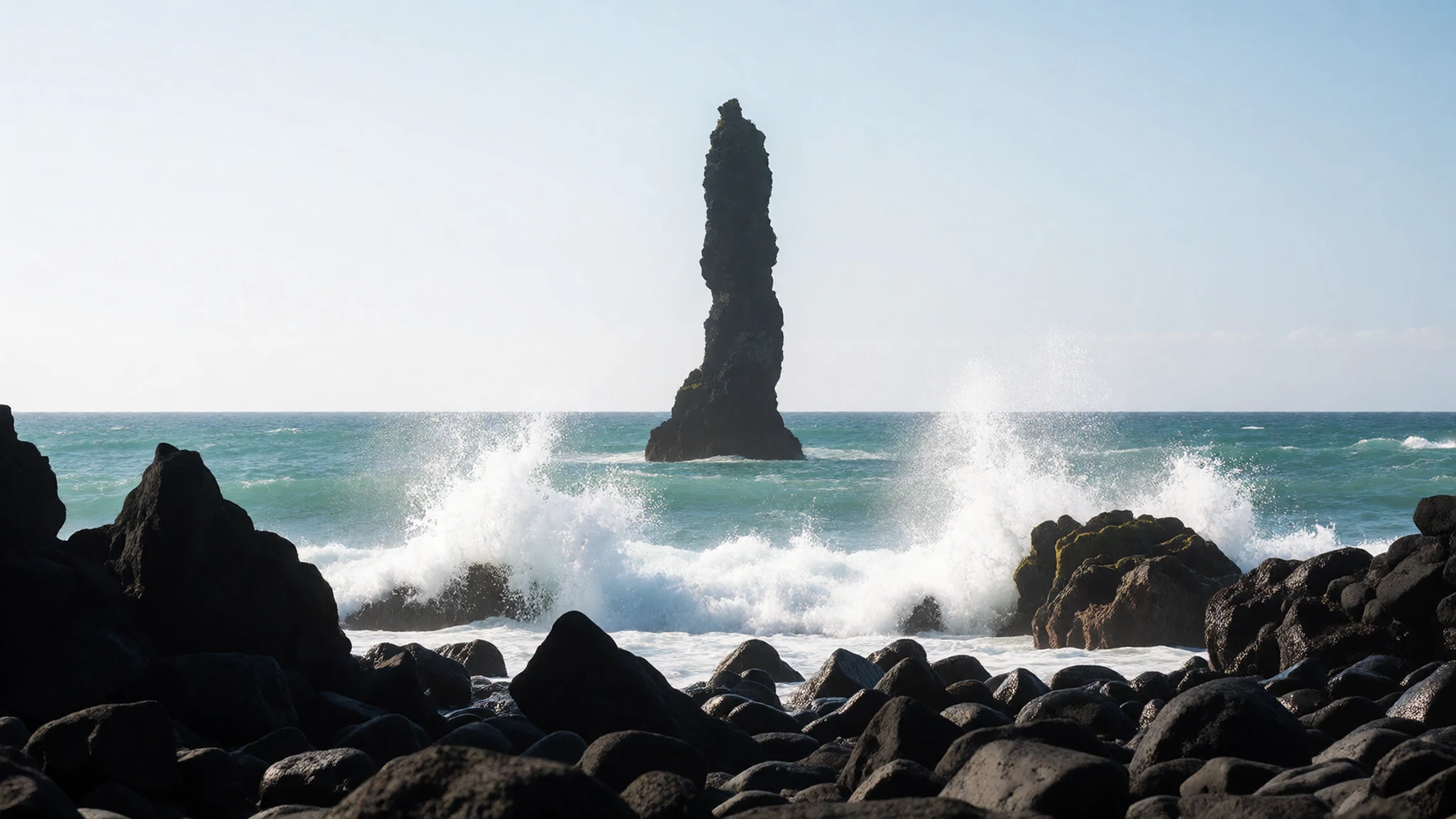
- West Islet Cliffs
The highest point of the archipelago, these steep, imposing cliffs offer a dramatic view of the East Islet and the surrounding ocean. The terrain here is particularly rugged and dominated by volcanic stone and hardy grasses.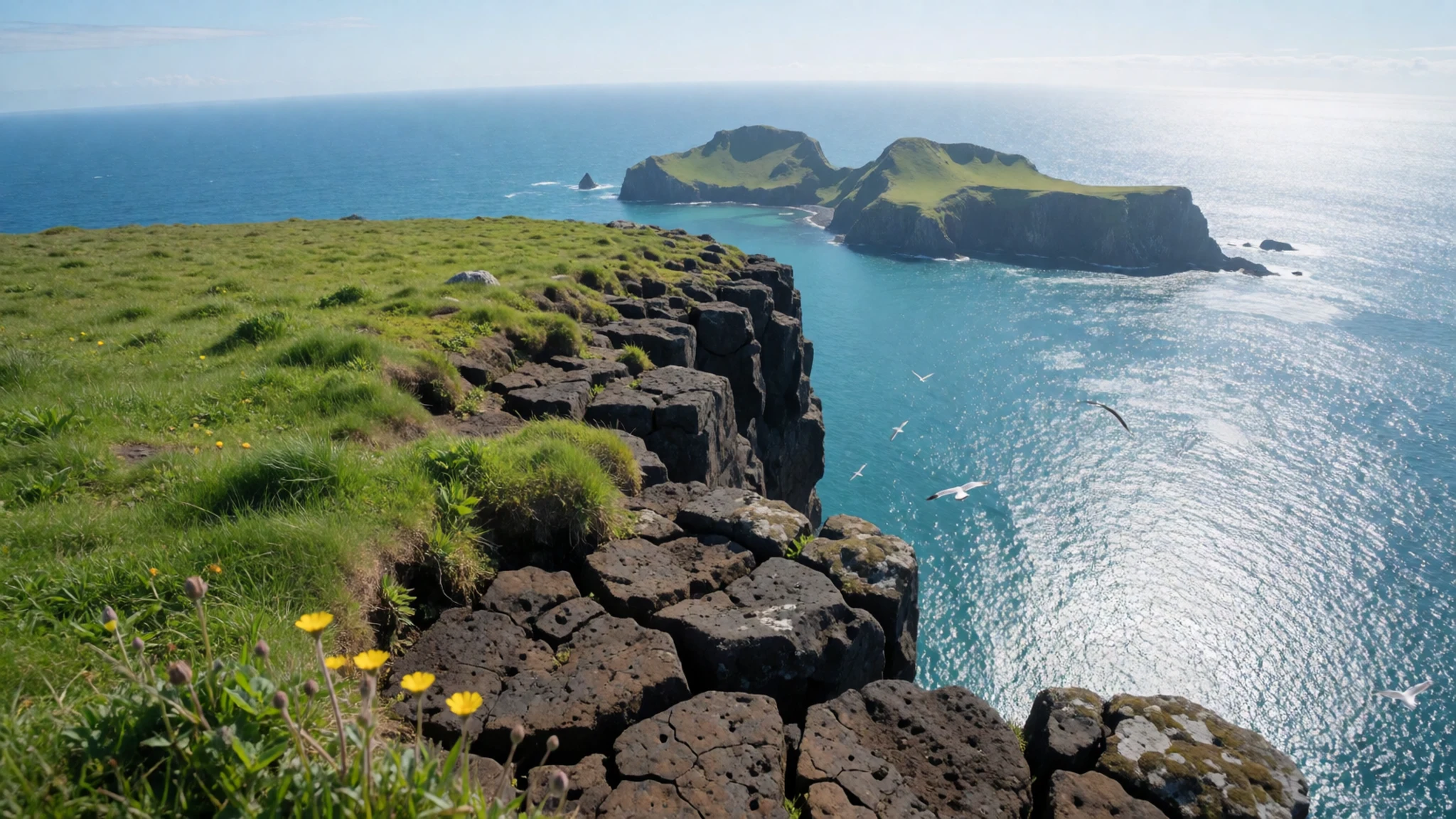
Culture
Culture on Dokdo is not found in museums or theatres, but in the intense national sentiment it evokes. For South Koreans, the islands are a powerful symbol of sovereignty and historical identity. The atmosphere on the islets is more akin to a military outpost than a holiday destination. You will notice the constant presence of the South Korean coast guard and police, whose role is as much about symbolic guardianship as it is about security. There is a palpable sense of solemnity and pride among the few visitors who manage to land. Because the area is a protected nature reserve, the 'culture' here is also one of conservation, with a strict emphasis on leaving the environment untouched. The interaction between the visitors and the resident security staff is polite but formal, reflecting the disciplined nature of the outpost. Please follow all directions from the security personnel and avoid venturing off the permitted paths.
What to wear
There is no traditional dress specific to Dokdo, as it has never been a permanent civilian settlement in the traditional sense. The only 'uniforms' seen here are the tactical gear and high-visibility clothing worn by the South Korean police and coast guard personnel. For the few civilians who have lived here, clothing was purely functional, designed for the harsh maritime climate.
Modern visitors generally wear practical outdoor gear. Because the terrain consists of slippery volcanic rock and steep inclines, sturdy hiking boots with good grip are essential. A windproof and waterproof jacket is mandatory regardless of the season, as the sea spray and unpredictable winds can make the temperature drop rapidly. In summer, light, breathable layers are best, while winter requires heavy thermals and woollens. Modesty is not a religious requirement here, but practical, durable clothing that covers the skin to protect against windburn and salt spray is the standard for anyone visiting the rocks.
What to eat
- Fresh Octopus — restaurants in Ulleungdo
The legendary catch of the surrounding waters, often enjoyed as sashimi or lightly poached, typically found in the eateries of nearby Ulleungdo.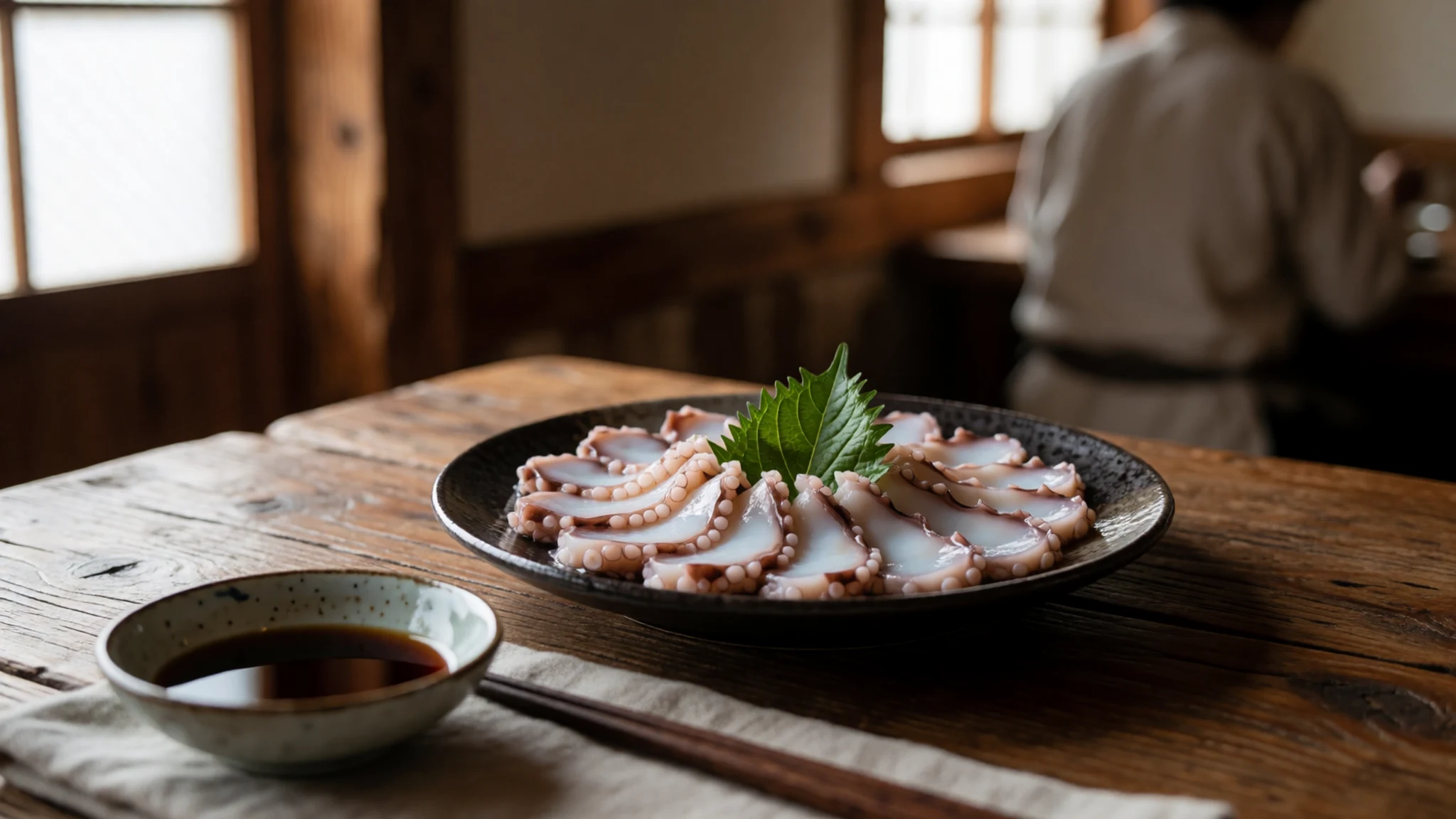
- Seaweed Soup — local eateries in Ulleungdo
A nutritious Korean staple made from locally harvested kelp and sea mustard from the nutrient-rich currents of the east coast.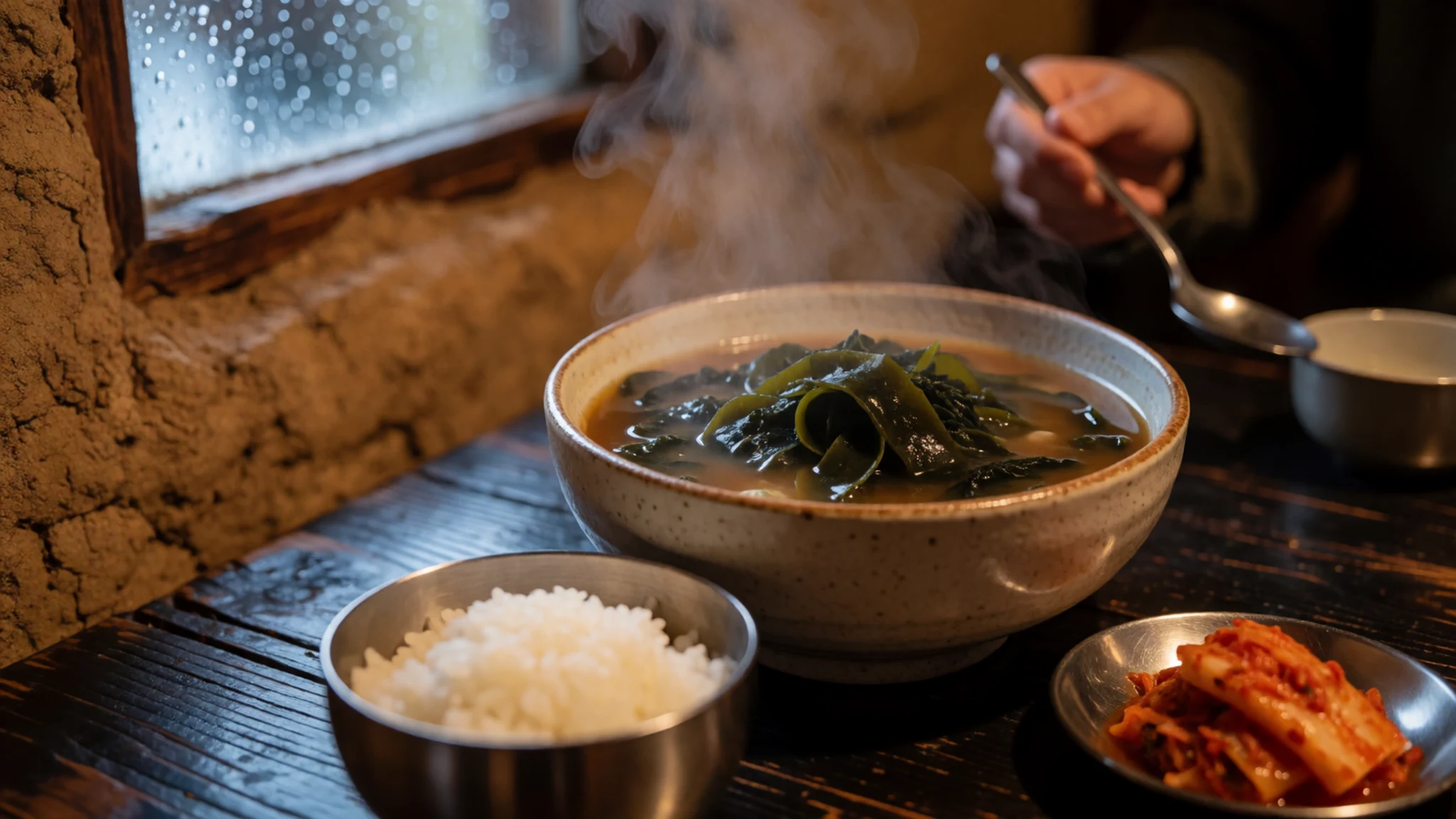
- Grilled Rockfish — harbourside markets in Ulleungdo
Freshly caught fish from the rocky reefs around the archipelago, seasoned simply with salt and grilled over charcoal. - Sanchae Bibimbap — mountain-side restaurants in Ulleungdo
A bowl of rice mixed with wild mountain vegetables, reflecting the rugged terrain of the nearby larger islands.
Plan it
Best time. Spring (April–May) and autumn (October–November) offer the most comfortable weather; summer (July–September) is the hottest and wettest, while winter brings freezing temperatures and wind.
How long. 1
Getting there. Fly or take a ferry to Ulleungdo, then take a charter boat (such as Dae-A-Express) from Ulleungdo to Dokdo.
Budget. mid
Tips
- Book your Dokdo ferry before your Ulleungdo ferry to ensure a spot
- Prepare for sea sickness as the crossing is notoriously bumpy
- Check the official website for landing permissions
- Carry a waterproof bag for your electronics
- Bring a warm layer even in summer
Etiquette
- Obey all instructions from the coast guard immediately
- Do not attempt to climb restricted rocky areas
- Take all litter back to the mainland with you
Nearby
Sources
- Wikidata Q20317 (CC0)
- Wikipedia (CC BY-SA 4.0)
- Wikivoyage (CC BY-SA 4.0)
Wildlife
- Gull (animal)
The black-tailed gull is a seabird that makes its home along the shores of East Asia, so think of it as the voice of the coast. On Dokdo you will notice it by ear as much as by eye, its calls carrying over the wind and breaking the island's deep stillness. Watch from a respectful distance, stay quiet and move slowly so the birds are not disturbed, and go with a guide if you can. Never feed them; wild gulls should find their own food.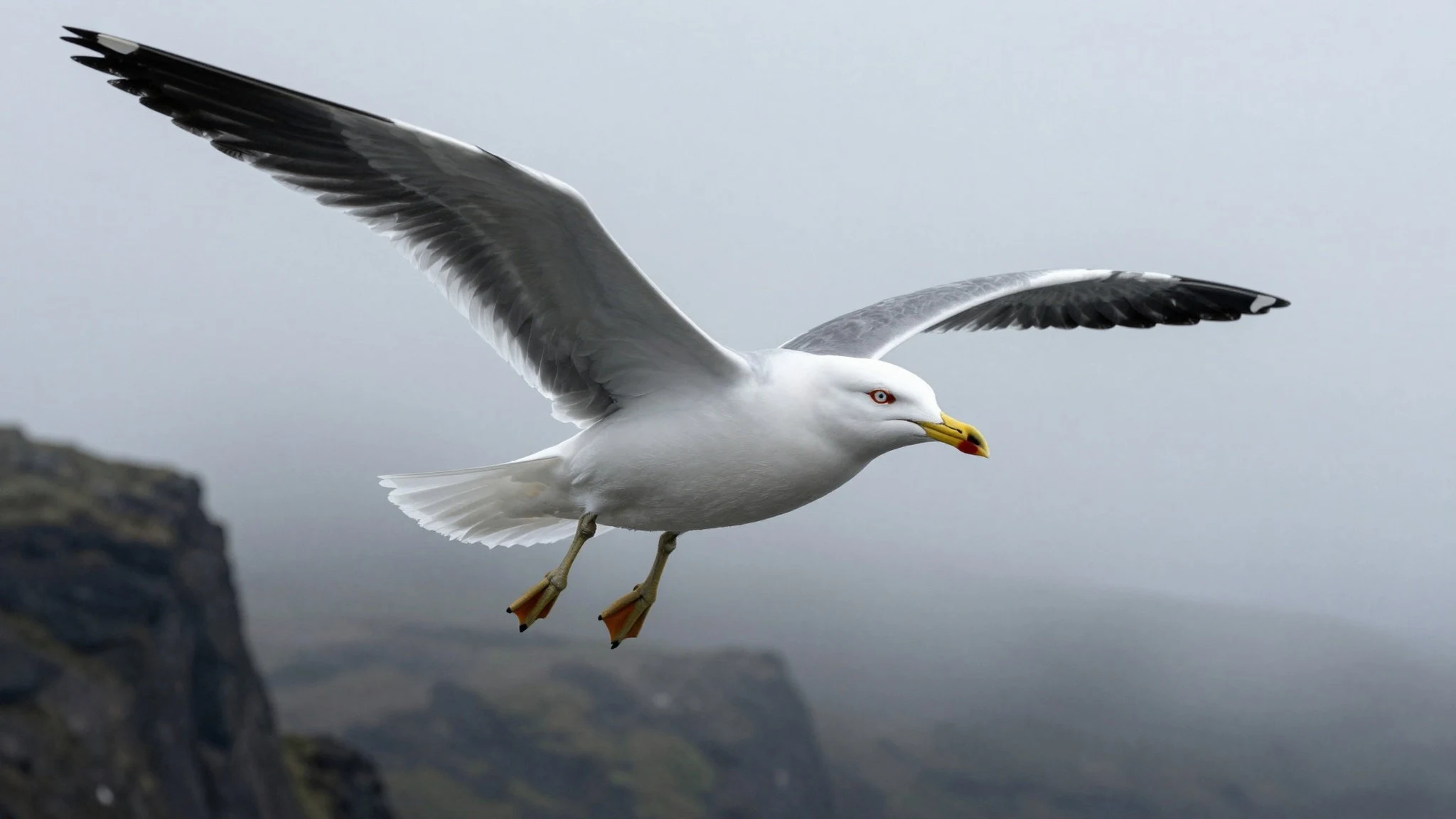
- Gull (bird)
The black-tailed gull is a seabird that makes its home along the shores of East Asia, so think of it as the voice of the coast. On Dokdo you will notice it by ear as much as by eye, its calls carrying over the wind and breaking the island's deep stillness. Watch from a respectful distance, stay quiet and move slowly so the birds are not disturbed, and go with a guide if you can. Never feed them; wild gulls should find their own food.