Diamantina
Diamantina, Brazil
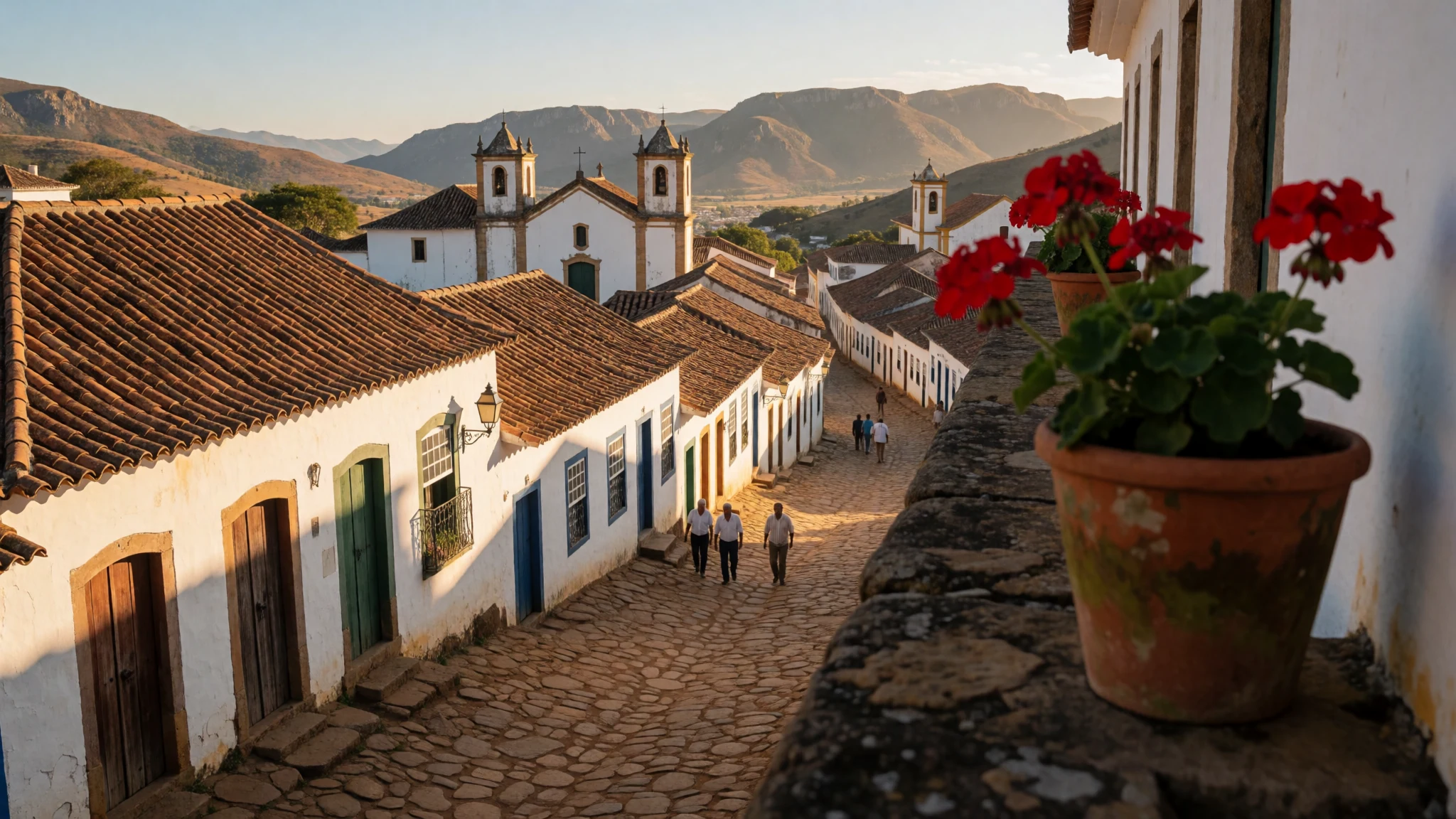
Diamantina is a high, cobbled colonial town in Minas Gerais where diamond money built churches, balconies and a very particular kind of Brazilian music.
The place
Diamantina sits in the mountains of central Minas Gerais, at about 1,113 metres above sea level, roughly 290 kilometres north of the state capital, Belo Horizonte. The municipality has about 49,000 people, and the historic centre feels more like a large village than a city: steep lanes paved in rough stone, whitewashed houses with coloured window frames, and church towers at almost every turn.
The altitude matters. Days are bright and warm, but nights can turn properly cool, and the air has a clean, dry edge that surprises people expecting the Brazilian coast. The old streets climb and drop constantly, so the town is best explored slowly, on foot, with a pause in a café whenever the slope gets serious.
The historic centre was inscribed as a World Heritage Site in 1999, and it still works as a living town rather than a museum. Students, shopkeepers and church brotherhoods share the same lanes, and on quiet mornings the loudest sound may be a bell or a bicycle on the stones.
Beyond the centre, the municipality reaches into rocky highland country. Biribiri State Park, created in 1998, protects a large area of this landscape, along with a small village that once housed a textile works. The Jequitinhonha River, an important Brazilian river, runs to the east. Diamantina is remote enough to feel like a destination in its own right, and close enough to Belo Horizonte to make a long weekend realistic.
Its story
Diamantina began as Arraial do Tejuco, a mining camp whose first chapel, dedicated to Saint Anthony of Padua, went up in 1713. Before the Portuguese arrived, the highlands were home to indigenous peoples speaking Macro-Jê languages, and the old name Tejuco itself comes from Tupi, usually glossed as 'rotten water'.
The settlement changed scale in 1729, when diamonds were officially recognised in the area. The Portuguese Crown took tight control of the trade, and by the end of the eighteenth century Tejuco was the third most populous settlement in the captaincy of Minas, behind only Vila Rica (now Ouro Preto) and with a population comparable to São João del-Rei. Access ran along the Estrada Real, the royal road laid out to link the coast with the mining interior.
The wealth produced elegant houses, richly decorated churches and a small, closely watched society. The best-known figure from that period is Chica da Silva, a formerly enslaved woman who became the partner of João Fernandes de Oliveira, the contractor who held the diamond rights. Her story has been retold in books, films and television, and it is more complicated than the legends: it is also a story about the people whose labour dug the gravel.
The town later took the name Diamantina. In the twentieth century it became known as the home town of Juscelino Kubitschek, the president who built Brasília. National heritage protection came in 1938, and the UNESCO listing followed in 1999.
What to see
- Casa de Juscelino — Historic centre
The childhood home of Juscelino Kubitschek, the president who founded Brasília, now a small museum about his life. It is a modest house, and that is the point: it shows how a politician of national weight started out in a mountain town.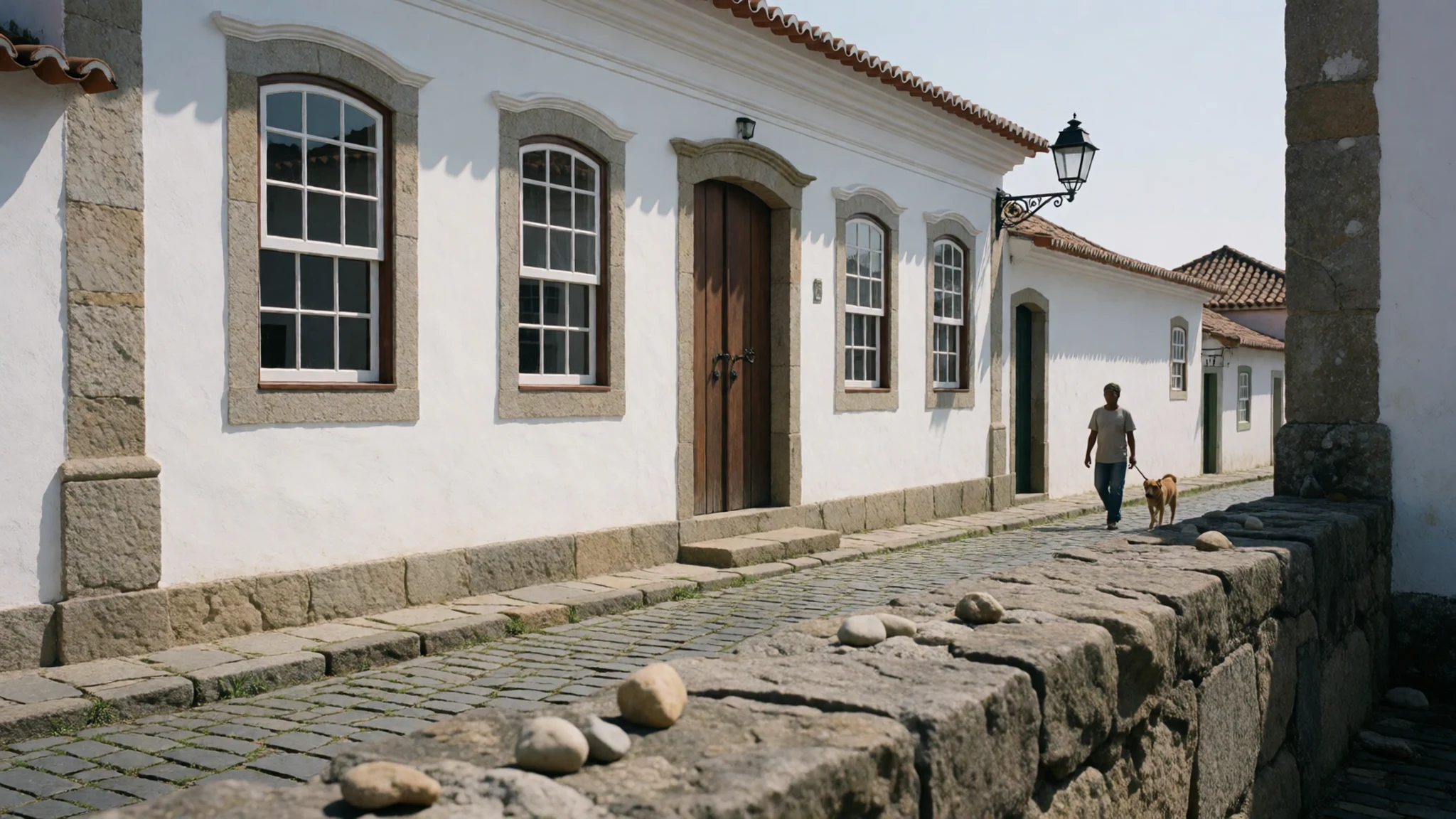
- Capela Imperial do Amparo — Historic centre
A chapel whose construction ran over several decades from the 1770s, reflecting the slow pace and steady money of the diamond years. Look for the proportions and the painted ceiling work typical of colonial Minas, and check locally for opening times.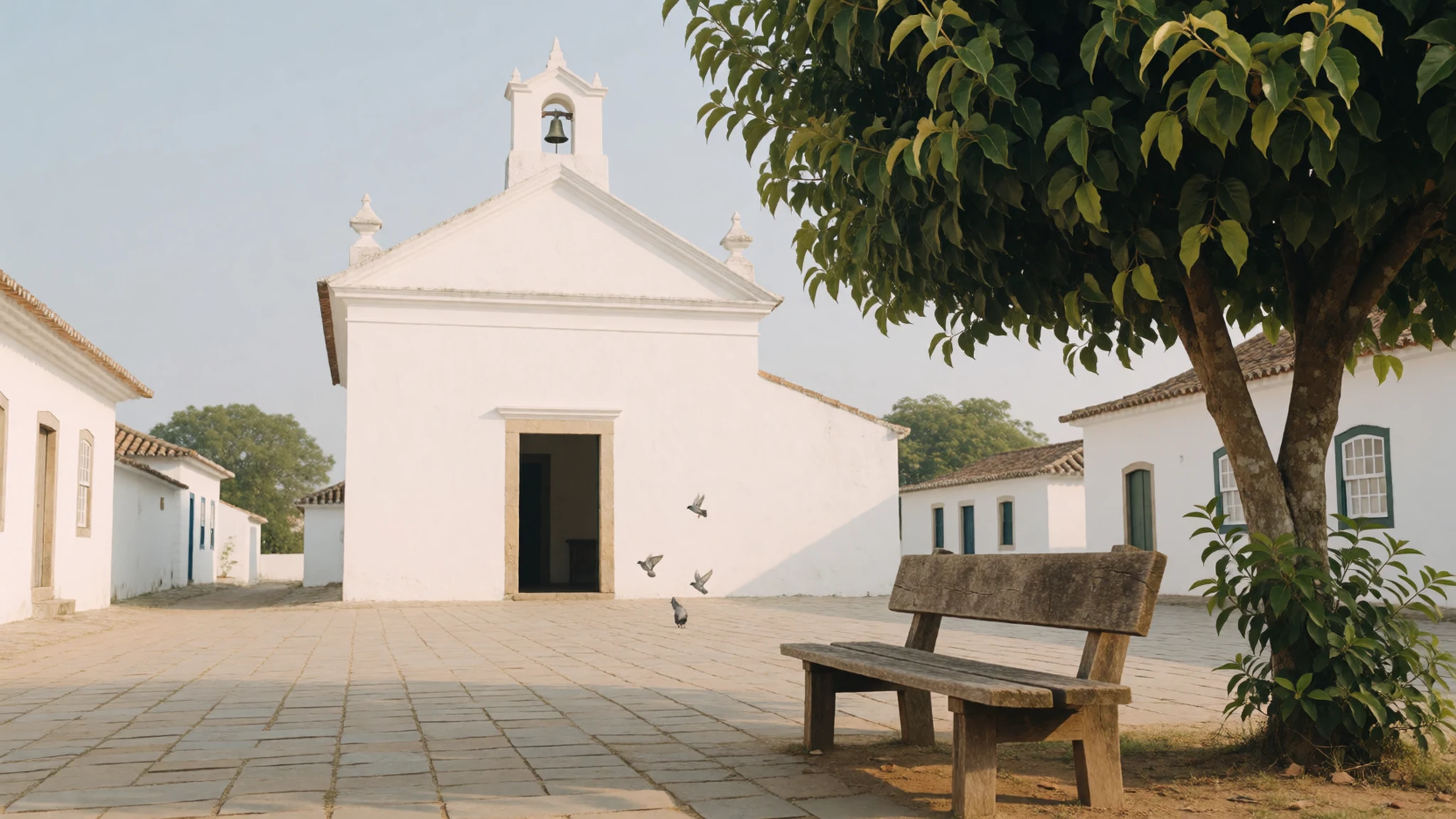
- Igreja do Rosário — Historic centre
Built by and for the Black brotherhood of the town, this is described locally as the oldest church in Diamantina. It tells the other side of the diamond story: how enslaved and freed people created their own religious and social life within a rigid colonial order.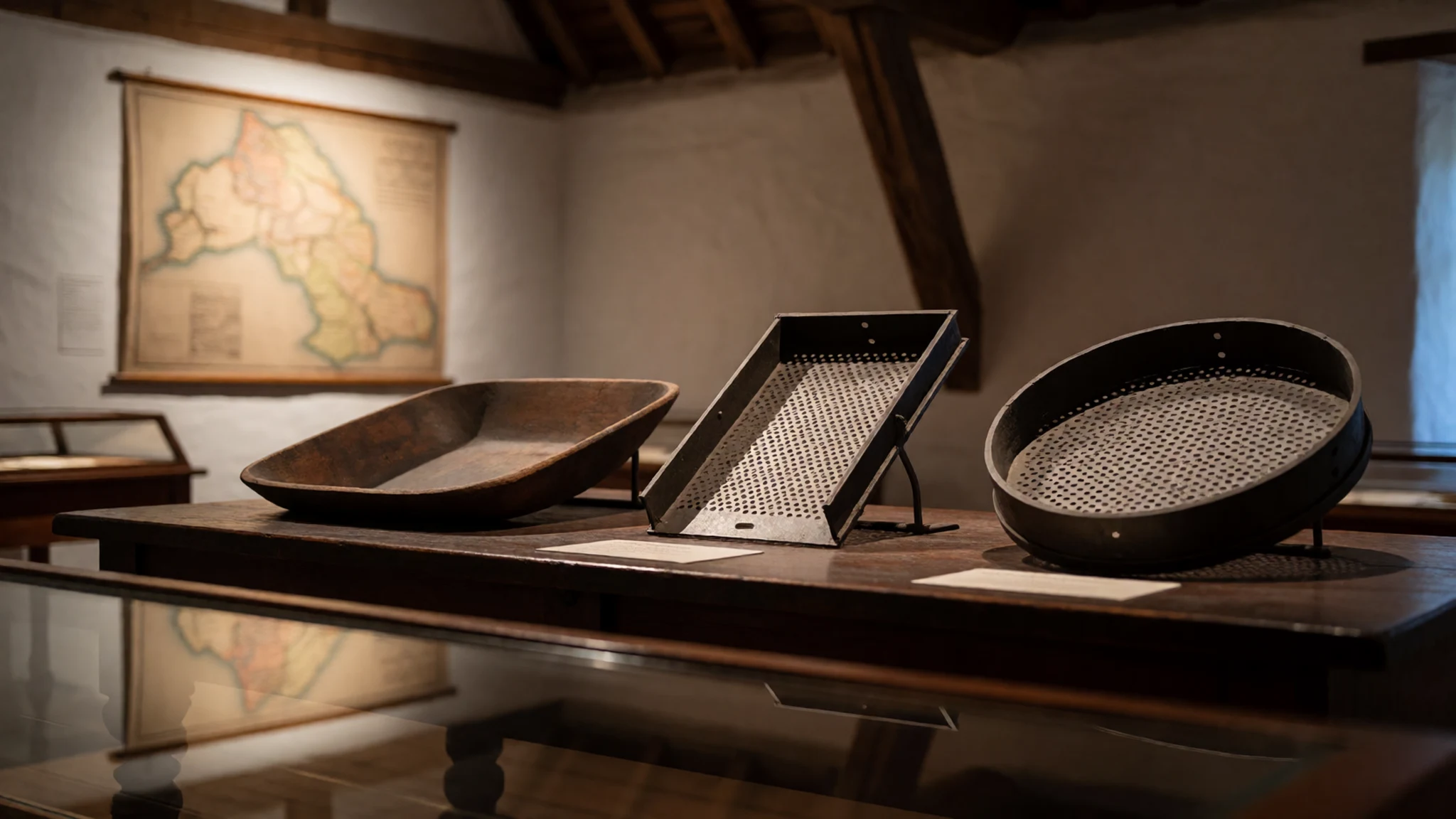
- Igreja de São Francisco de Assis — Historic centre
A Franciscan church from the early 1770s, with a clean white façade set against the hill behind. Interior restoration has been under way, so ask in town before climbing the steps, and note that it is worth seeing from the street either way.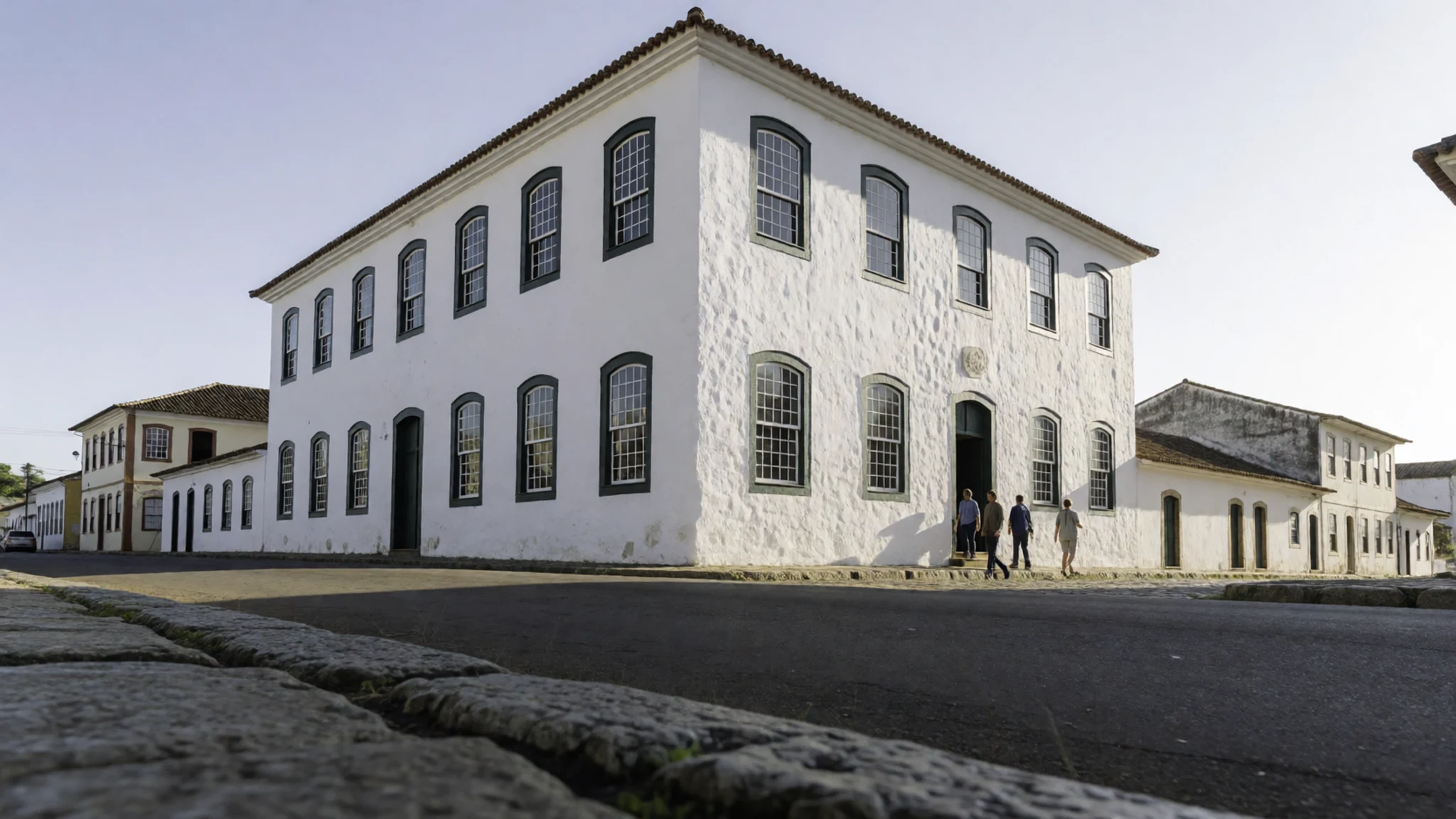
- Casarão do Fórum and the Diamond Museum — Historic centre
Two stops that explain the town's wealth. The Casarão is a fine piece of colonial civic architecture, while the museum holds tools and objects from the mining era. Together they make a good wet-weather morning before lunch.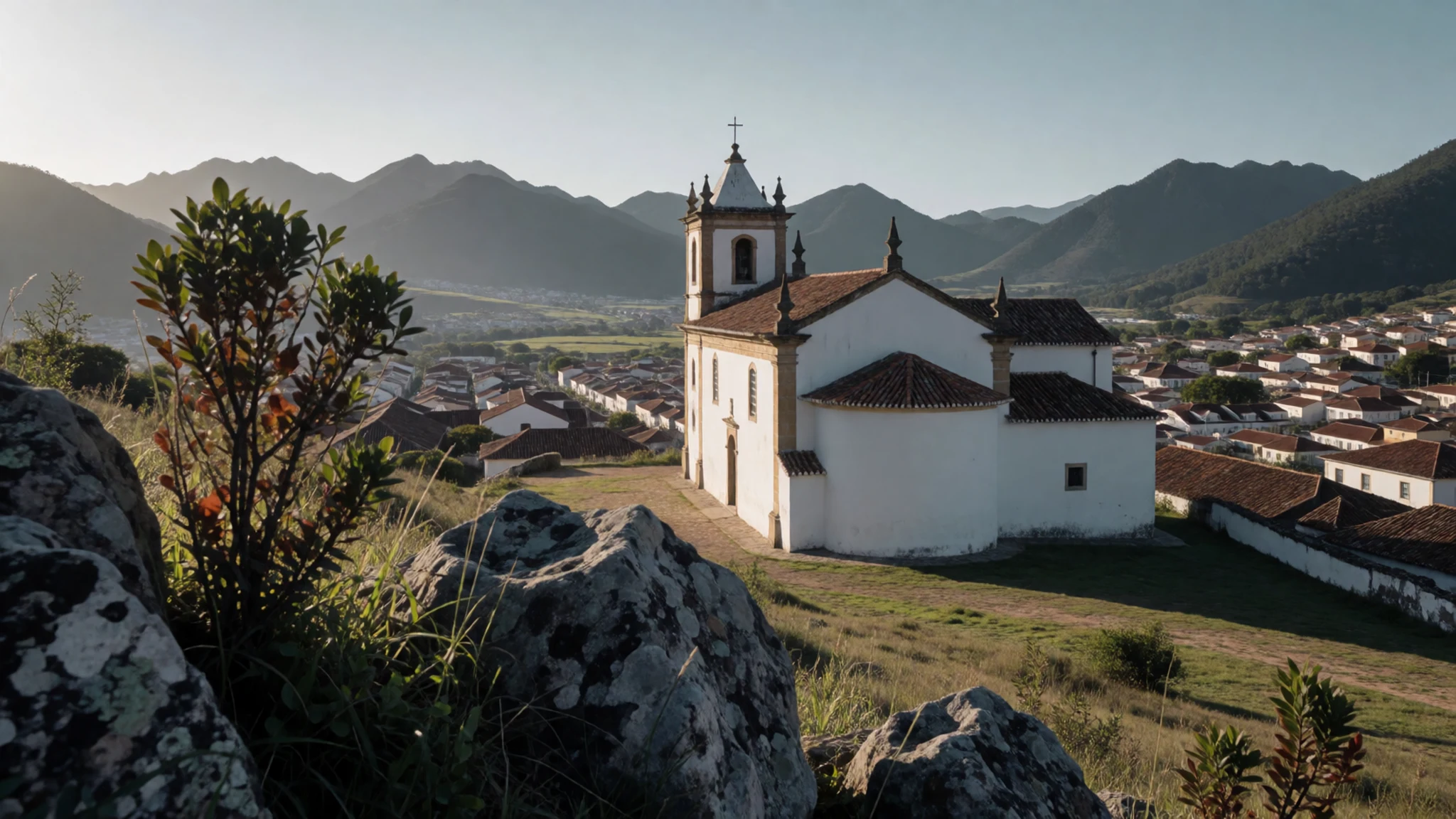
- Vista do Cruzeiro — Hill above the centre
A viewpoint over the town's tiled roofs, church towers and the surrounding hills. Go late in the afternoon for softer light, and wear shoes with grip, as the approach is steep and the stones polish smooth with use.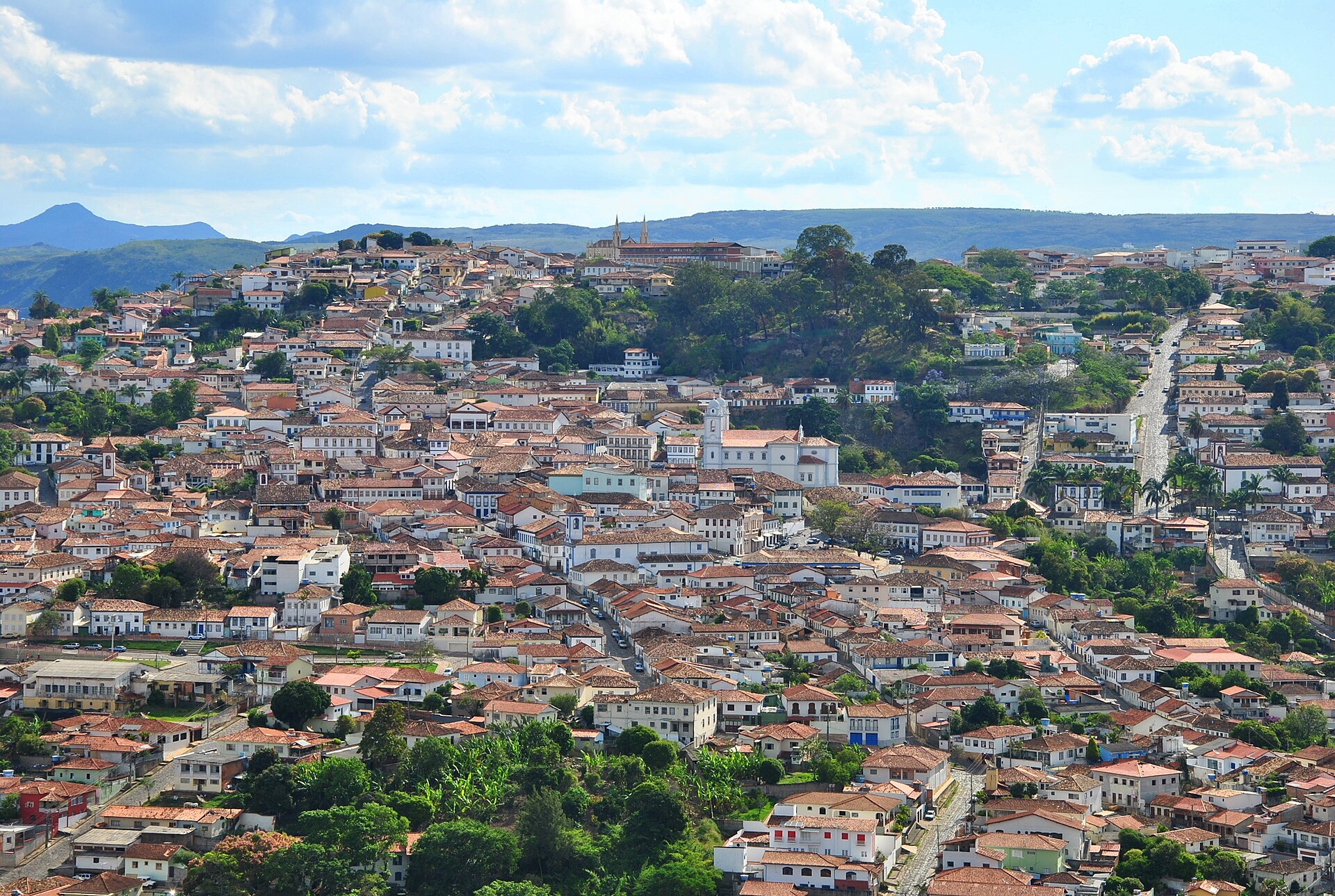
Culture
Diamantina's culture is shaped by three overlapping things: Catholic brotherhoods, Black Brazilian traditions and a long musical life. Lay brotherhoods built and maintained many of the churches, and the Rosário church in particular belongs to the Black community that organised itself around it. Feast days still bring processions, bands and street decoration to the old centre.
Music is the town's best-known cultural export. Serenading is an old habit here, and the Vesperatas, open-air concerts by traditional bands on Rua da Quitanda, take place twice a month from April to October. They are free, social, a little chaotic and very friendly; locals gather on doorsteps and balconies and the street turns into a shared living room.
The memory of Juscelino Kubitschek is everywhere in civic life, and residents are proud of the link to the founding of Brasília. Equally present is the memory of Chica da Silva, whose story is told with a mix of fascination and caution.
People in Minas Gerais are known for being reserved at first and generous once the conversation starts. Greetings matter: a 'bom dia' on entering a shop or café goes a long way. Meals are unhurried, coffee is constant, and conversation often drifts back to family, football and the weather in the hills. When asking to photograph a person, a polite 'posso tirar uma foto?' is always appreciated. Keep your voice low and phone silent inside the churches, and do not walk in during Mass to take photographs.
What to wear
Diamantina has no single regional costume in everyday use, but its dress history follows that of colonial Minas. In the eighteenth century, the wealthy wore imported silks and fine linen, while most people wore cotton and coarse local cloth. Biribiri, nearby, is a reminder that the region had its own cotton textile industry in the nineteenth century, and cotton remains the fabric of the highlands. Traditional dress now appears mainly at festivals, when church brotherhoods wear capes and sashes, and bands wear uniform jackets.
Day to day, people dress casually and neatly: jeans or light trousers, cotton shirts, and a jumper or fleece in the evening, because the altitude makes nights cool. Football shirts are common, and in the dry season you will see scarves and light jackets after dark. Smart clothes appear for Mass, weddings and civic events.
Visitors should plan for layers. Days can be warm and sunny, so bring a hat, sunscreen and a light cotton top, but pack a warmer layer for evenings, particularly from May to September. The most important item is footwear: the old streets are steep, uneven and slippery when wet, so comfortable shoes with a good grip are far better than sandals or smooth soles. For churches, cover shoulders and knees, and take off hats. A light rain jacket is useful in the wetter months.
What to eat
- Tropeiro beans (feijão tropeiro) — Any por-quilo restaurant or family eatery in the historic centre
A staple of Minas cooking: beans mixed with manioc flour, egg, pork and greens. It is hearty, a little smoky and a very good first lunch after a morning on the hills.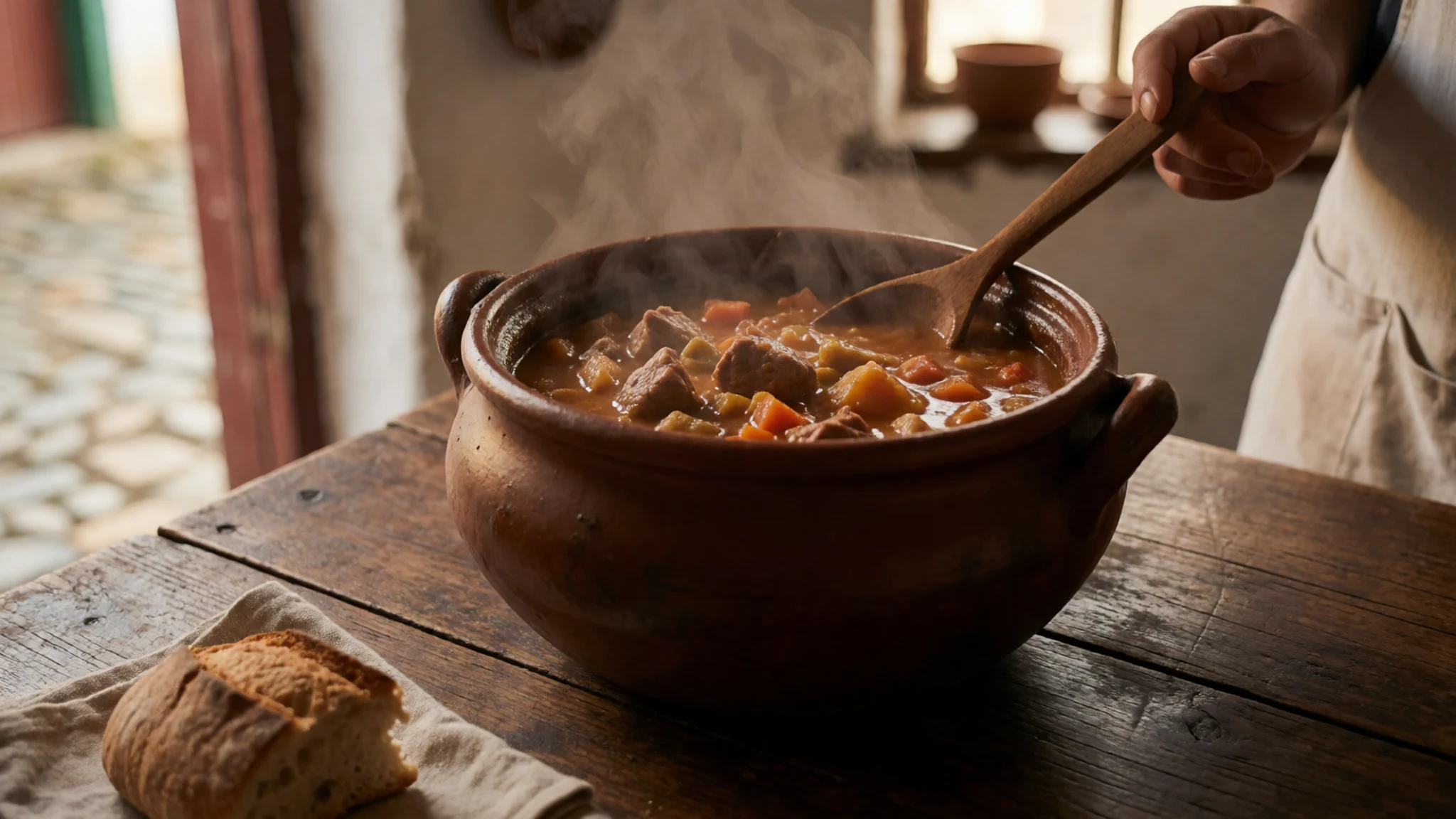
- Pão de queijo — Bakeries and cafés around the central squares
Small, chewy cheese breads made with manioc starch, served warm. They are everywhere in Minas Gerais, and in Diamantina they arrive with coffee at breakfast and again in the afternoon.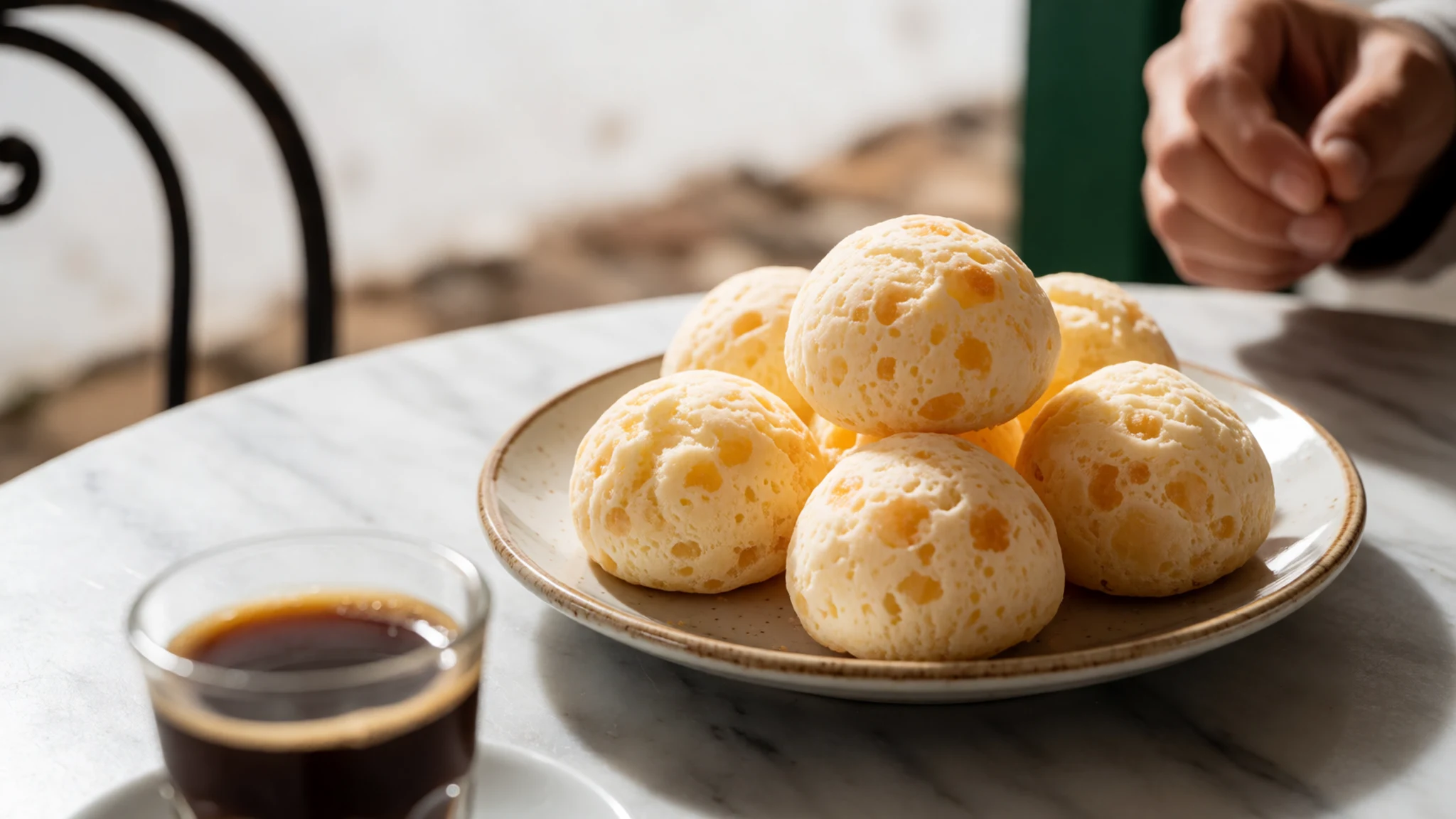
- Frango com quiabo — Traditional Minas-style restaurants and family eateries in the old town
Chicken stewed with okra, a classic of Minas home cooking. The okra thickens the sauce slightly, and it is usually served with rice, beans and angu, a soft cornmeal porridge. It is simple, comforting food for cool evenings. - Cachaça and local sweets — Shops and stalls along the old streets
Minas Gerais is cachaça country, and small producers sell bottles in shops around town. Pair a tasting with doce de leite, fruit pastes or sweets made from local ingredients, which are sold in small paper-wrapped pieces. - Café and cake in a colonial courtyard — Cafés in the lanes off the main squares
Coffee here is strong, sweet and often served with fresh cake, cheese or a slice of bread. Several cafés occupy old houses with courtyards, making a slow afternoon stop especially pleasant.
Plan it
Best time. May to September is the dry season, with bright days and cool nights, which suits walking the steep streets and the Vesperatas that run from April to October. The summer months are wetter and more humid.
How long. 2–3
Getting there. Fly to Belo Horizonte, the main gateway, then take a long-distance bus from the city (several companies run the route) or hire a car for the drive north on the federal highway via Curvelo, which takes several hours. Diamantina Airport has regular flights to Belo Horizonte; check current schedules. Buses arrive at the rodoviária, a short taxi ride from the centre.
Budget. mid
Tips
- Wear shoes with good grip; the cobbles are steep and slippery when wet
- Bring layers, as evenings at this altitude are cool
- Carry some cash for small shops and stalls, and check which places take cards
- Check opening times locally before visiting churches and museums, as these change
- Add a day for Biribiri State Park and the old textile village, about 15 km from town
Etiquette
- Dress modestly and keep quiet inside churches
- Ask before photographing people, especially at festivals and processions
- Greet shopkeepers with a 'bom dia' or 'boa tarde' when you enter
Nearby
Sources
- Wikidata Q34028 (CC0)
- Wikipedia: Diamantina, Minas Gerais (rev 1382246426) (CC BY-SA 4.0)
- Wikivoyage: Diamantina (rev 5383333) (CC BY-SA 4.0)
- Photo 01 Diamantina vista do Cruzeiro, Leandro Neumann Ciuffo (CC BY 2.5)
- Photo 02 Capela do N. Senhor do Bonfim, Leandro Neumann Ciuffo (CC BY 2.5)
- Photo 03 Igreja de São Francisco de Assis, Jeff britto (CC BY-SA 4.0)
- Photo 04 Igreja N. Sra. do Rosário, Halleypo (CC BY 3.0)
- Photo 05 Antiga Estação Ferroviária, Leandro Neumann Ciuffo (CC BY 2.5)
- Photo 06 Diamantina MG, Alex Carvalho (CC BY-SA 2.0)
- Photo 07 Georgia on my mind, Under the same moon... (CC BY 2.5)
- Photo 08 Quite a Pair, Greater Thornbirds, Under the same moon... (CC BY 2.5)


