Cricova
Cricova, Moldova
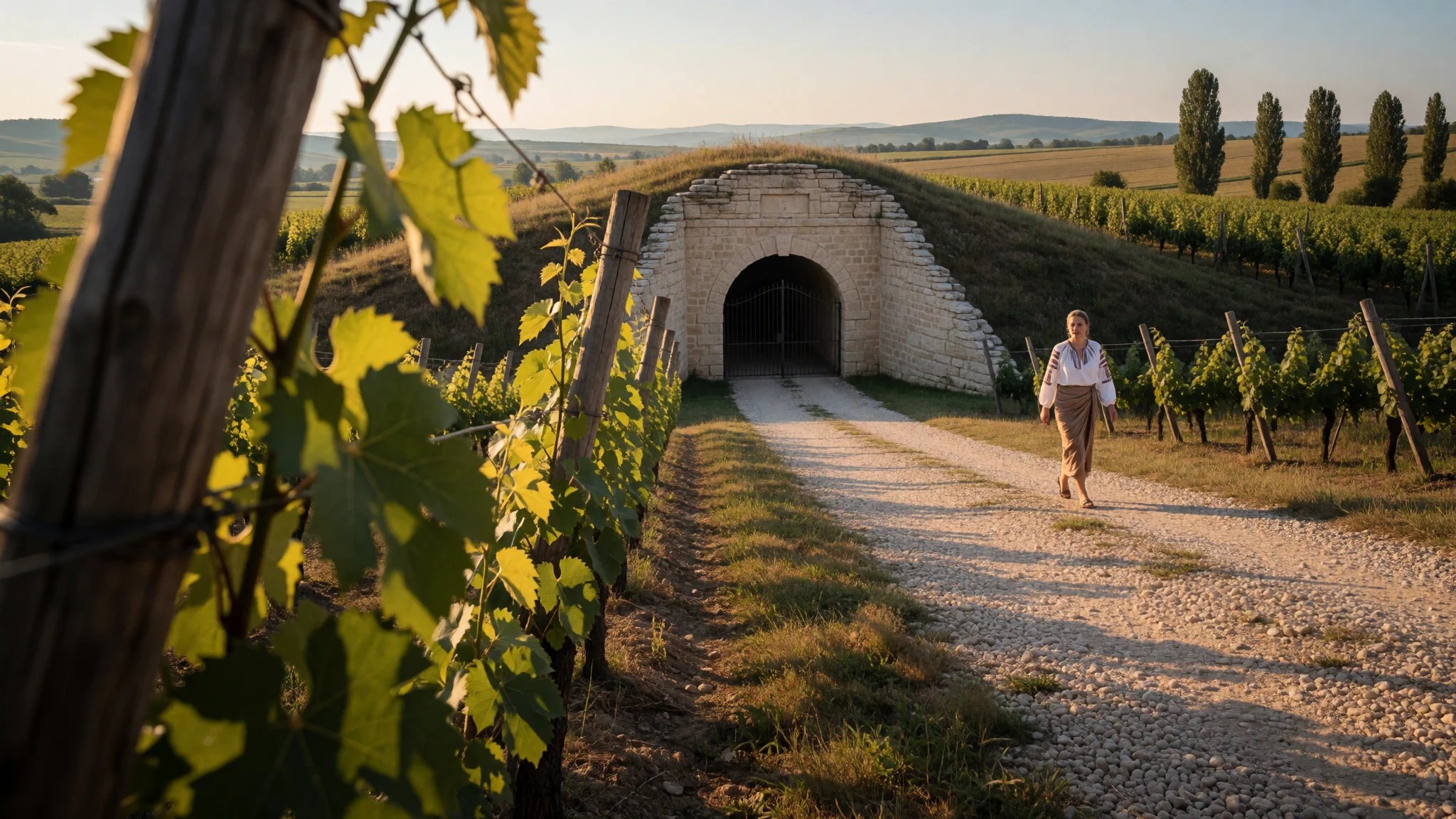
Cricova is Moldova's easiest taste of wine country: a short ride from Chișinău to cool underground galleries, quiet vineyards and a very unhurried town.
The place
Cricova is a small town on the northern edge of Chișinău municipality, Moldova, standing about 122 m above sea level in gently rolling farmland. Its name travels much further than its size, because the ground beneath it is hollowed into a maze of galleries where wine is aged and stored. Above ground the town is calm: low houses, gardens, a main road running south to the capital, and vineyards stretching off in every direction. Most visitors come as a half-day trip from Chișinău, tour the cellars, taste a few glasses and return by evening, so the streets themselves see few foreigners. That suits anyone who likes to wander. A short stroll reaches a wooden church, a small park with a bust of the prince Alexandru Ioan Cuza, and field tracks between the vines. Moldova as a whole receives few tourists, and locals often look at visitors with open curiosity rather than hostility, which is worth knowing before arriving. Wine is the country's calling card, and Cricova is among its simplest introductions because it is close to the capital and organised for guided visits. The cellars stay cool whatever the season, so a tour barely depends on the weather outside, although the vineyards look their best in early autumn. For local information, the town hall's website is primariacricova.md.
Its story
Cricova's story is tied to Moldova's, a small country that has spent most of its history under someone else's flag. For several centuries the region sat within the Ottoman sphere of influence. In the nineteenth century control passed to the Russian Empire, and later the land became part of the Soviet Union. Moldova declared independence in the 1990s. Throughout those changes its fertile soil kept one role constant: farming. Under Soviet rule the republic was nicknamed the garden of the union, a reminder that fruit, grain and grapes were what it was expected to supply. Wine fitted that role well, and the limestone beneath Cricova offered ready-made storage. Old workings where building stone had been cut were turned into cellars, with long galleries that hold a steady cool temperature and a damp, still air that bottles like. After independence the country had to find its footing again, and it faced real difficulty, including inter-ethnic conflict that left Transnistria, in the east, as a self-declared state with its own government and currency, recognised by no UN member. Cricova lies far from that dispute, and today the cellars are a point of national pride and a visible example of how wine has become one of Moldova's best-known exports and a reason for travellers to come at all.
What to see
- Cricova wine cellars — Edge of Cricova, north of Chișinău
The cellars are the reason Cricova is known: long underground roads cut into limestone, lined with bottles, barrels and tasting rooms. Visitors normally tour in a small vehicle, then taste. The temperature is cool and steady, so bring a jumper even in summer. Book ahead through the winery's official site.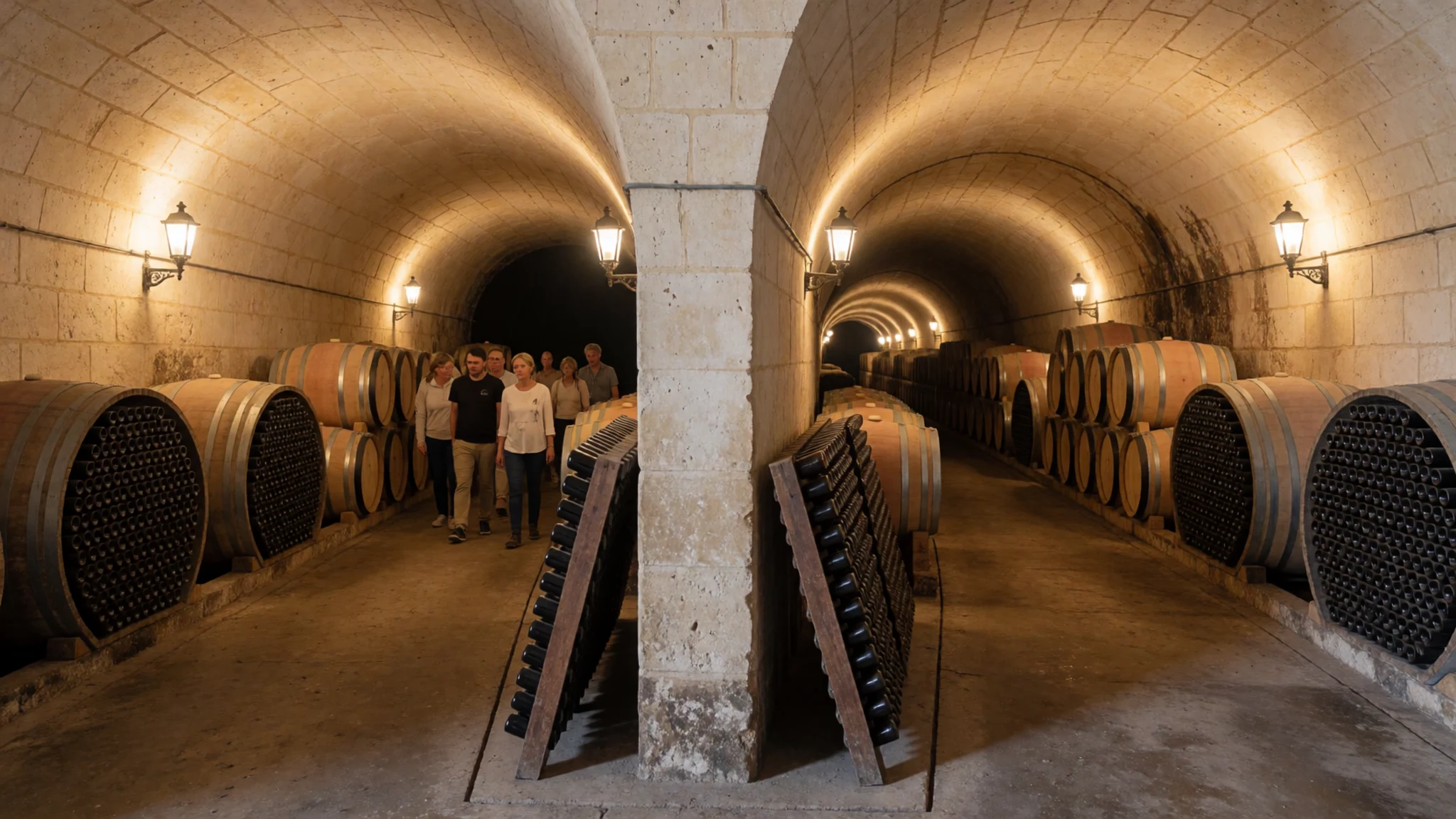
- Vineyards around Cricova — Fields surrounding the town
Vines cover the slopes around the town, and a walk along farm tracks shows how ordinary wine-growing is here. The view is calm and wide, with rows running to the horizon. Early autumn brings harvest activity and heavy bunches; summer gives deep green leaf and dusty paths.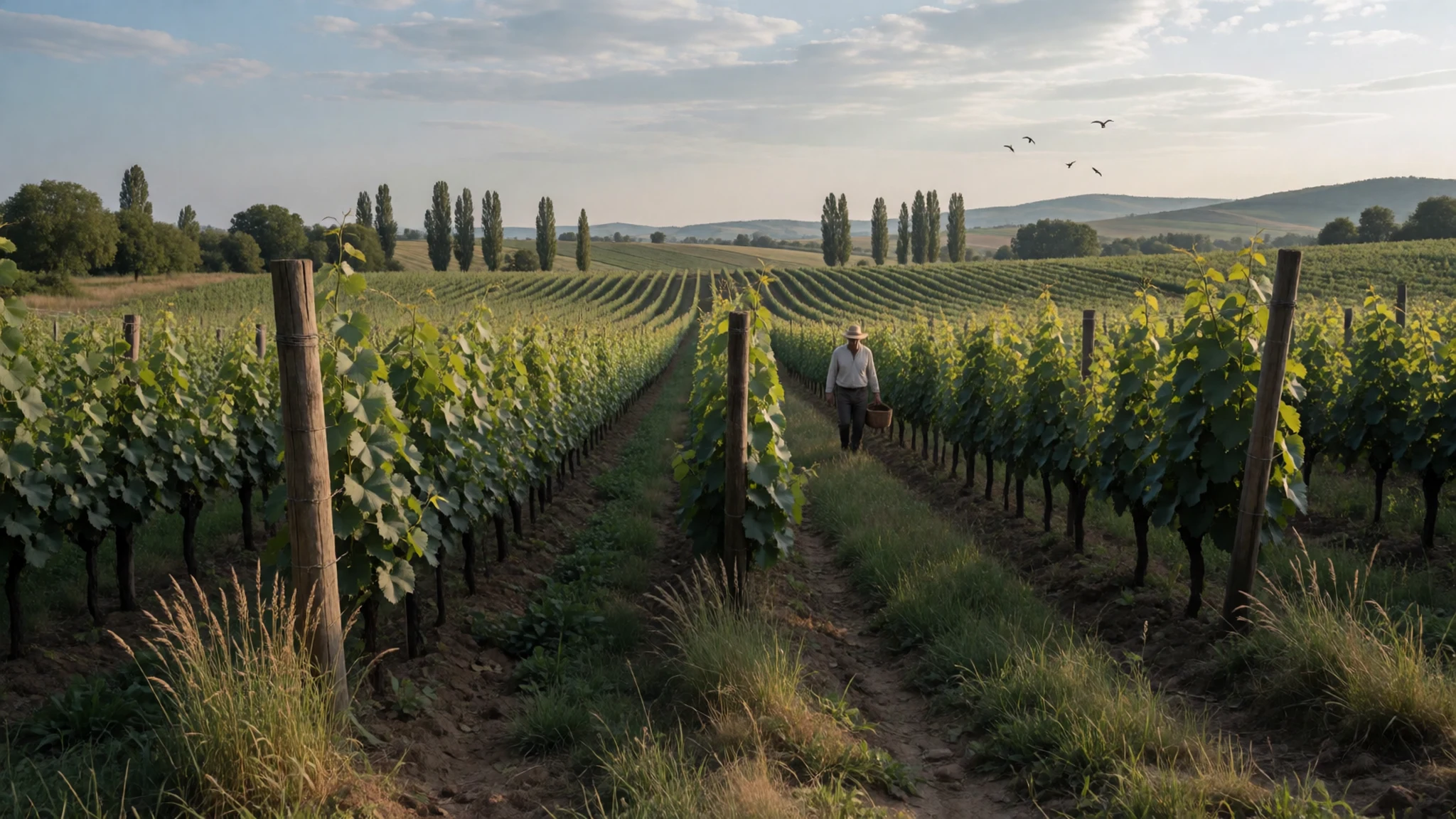
- Wooden church of St Alexander of Svir — Town centre, Cricova
A small timber church in the town, interesting mainly for its modest scale and craftsmanship. It is an active place of worship, so visits are best kept short and quiet. Photographs of the exterior are usually fine, but check before taking pictures inside, and dress respectfully.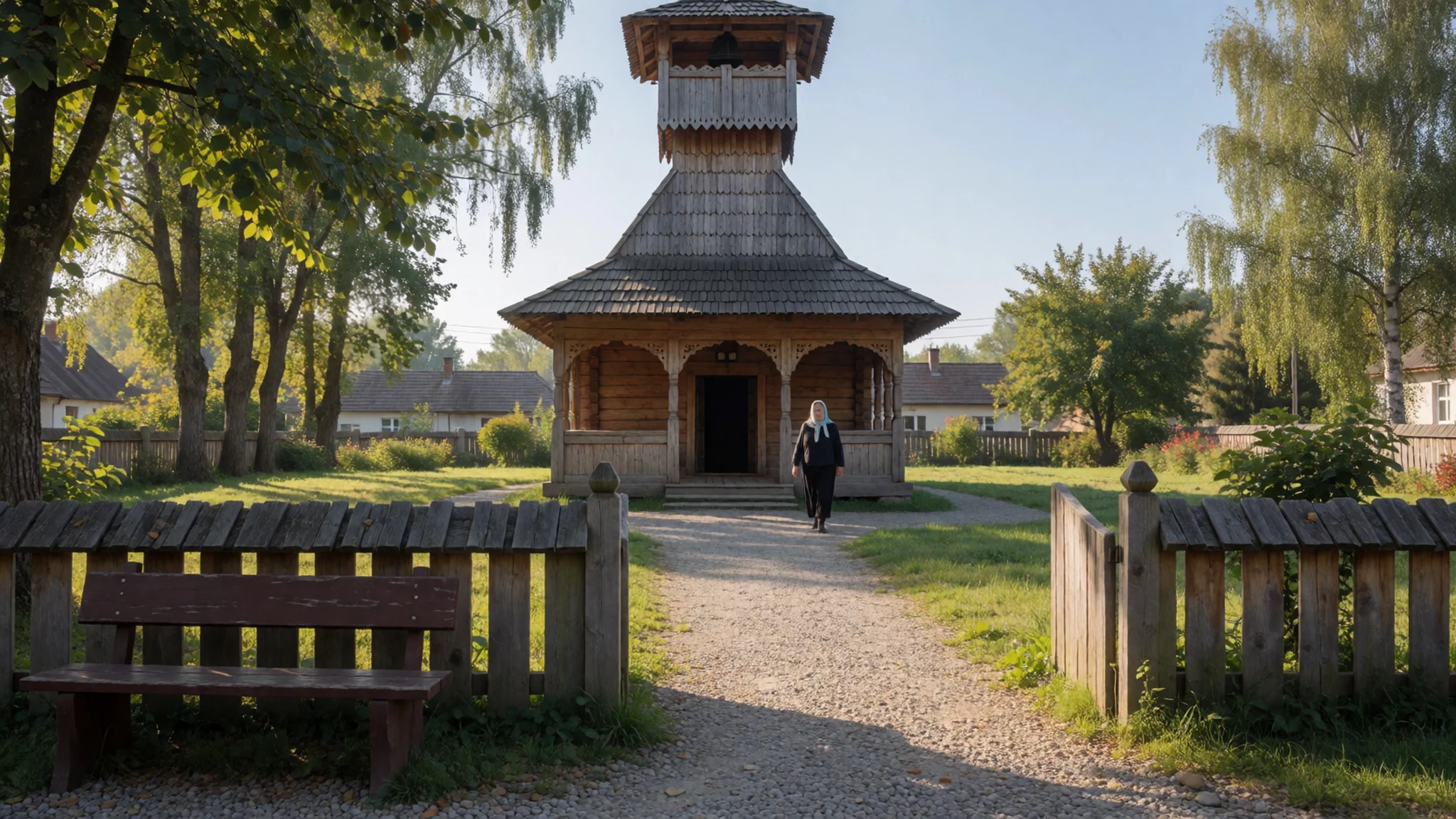
- Town park and the Cuza bust — Town park, Cricova
A small green space in the town holds a bust of Alexandru Ioan Cuza, a prince remembered in Romanian-speaking lands. It is not a big sight, but it is a pleasant bench stop between the church and the cellars, and a chance to see everyday Cricova life: families, dog walkers, schoolchildren.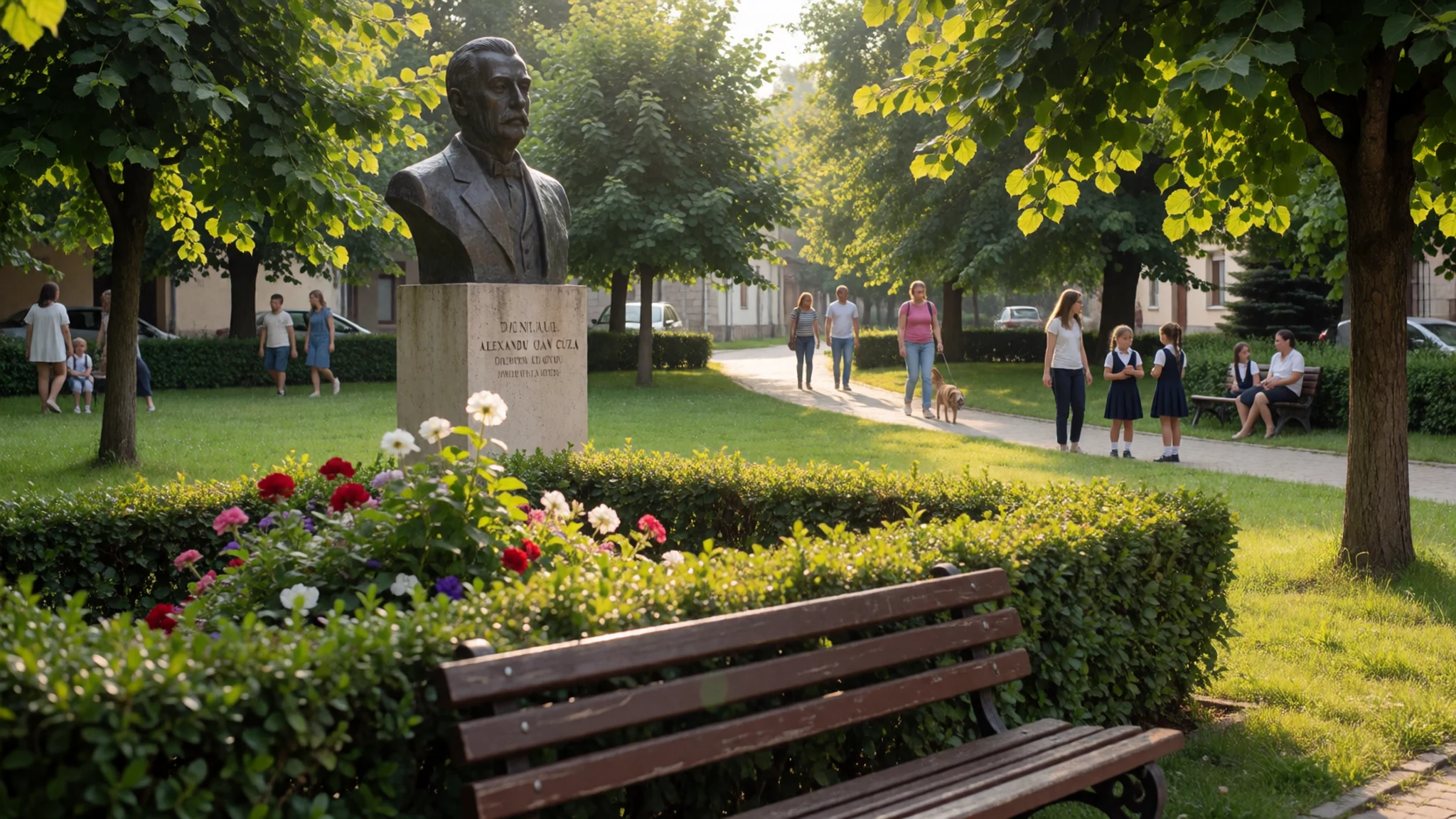
- Orheiul Vechi cave monastery — Orhei National Park, north-east of Cricova
Often named as Moldova's best-known sight, this cave monastery sits in a river gorge within Orhei National Park, around half an hour's drive from Chișinău. It combines well with a Cricova day if starting early. Expect steps, uneven rock and little shade, so wear sturdy shoes and bring water.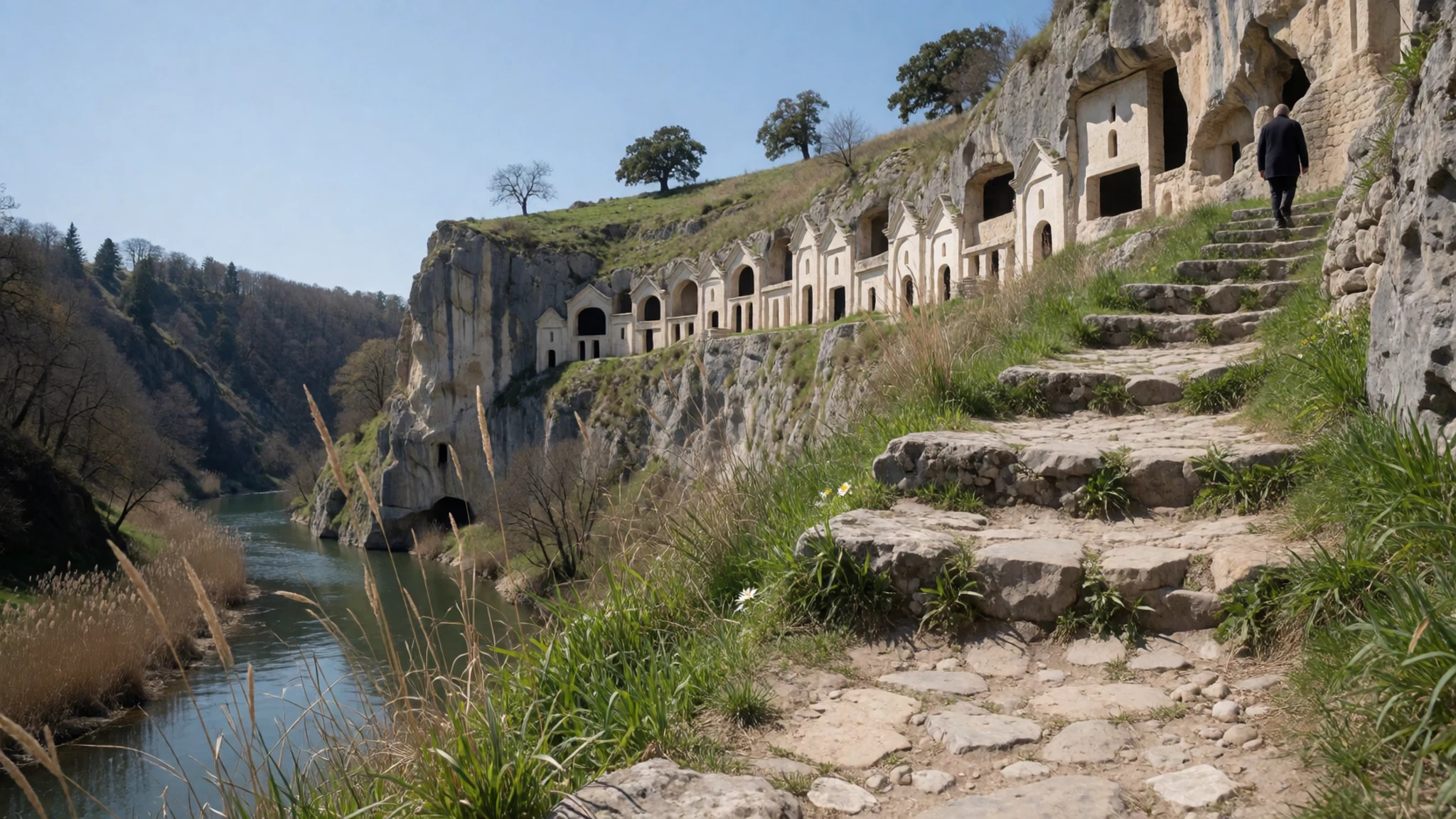
Culture
Cricova sits in a country where wine is part of daily life rather than a luxury, and that shapes how people behave. Hospitality matters: a host who pours a glass expects it to be tasted, and refusing everything can seem cold. Religion is also visible. The town's wooden church is in regular use, and Orthodox customs, such as crossing oneself at the door, are familiar to many residents. Moldova has few foreign visitors, so tourists may draw stares. These generally mean curiosity, not hostility, though a few people may assume a visitor is wealthy and try to sell something at inflated rates; ignoring them or simply saying no firmly is fine. Women are widely respected in Moldovan society, and it is normal for male acquaintances to pay for a meal, open doors or carry bags as a courtesy. Accepting graciously, or offering to pay another time, is usually the smoothest response. Languages vary: Romanian is widely used, and Russian is also common, so a friendly greeting in either helps. Politics and the Transnistria question are sensitive, and local opinion differs, so it is wiser to listen than to argue. Visitors who join a cellar tour should follow the guide's directions, since the galleries are working storage. When tasting, take a sip, not a gulp, and do not wander off from the group or touch bottles in the cellars without permission.
What to wear
Cricova has no dress code of its own, but Moldova has a rich folk tradition, and it is worth knowing about. Traditional costume centres on linen and wool, with white blouses and shirts embroidered in red and black thread, worn with woven belts and, for women, wrapped skirts or aprons. Embroidered towels and tablecloths also carry the same patterns. This clothing now appears mostly at festivals, weddings, folk performances and national holidays, not on ordinary streets. Day to day, people in Cricova and Chișinău dress in a practical, neat, fairly casual way: jeans, shirts, light jackets, and for office or evening outings, smarter outfits than a visitor might expect. Footwear is usually plain and clean. Farm workers in the vineyards wear sturdy boots and work clothes. For visitors, comfort is the guide. In summer wear light cotton, a hat and sunscreen for vineyard walks, and sandals or trainers for dusty tracks. The cellars are cool all year, so a jumper or light jacket is essential, and flat shoes with good grip are safer on damp floors. At the wooden church or any monastery, cover the shoulders and knees, and women may be asked to cover their hair. In spring and autumn pack a light waterproof, as showers can arrive suddenly.
What to eat
- Mămăligă — Traditional restaurants and canteen-style eateries in Chișinău
A soft cornmeal porridge, close to polenta, served with cheese, sour cream or stews. It is simple, filling food and a national staple. Look for it at small family-run eateries in Chișinău or any restaurant offering traditional Moldovan dishes.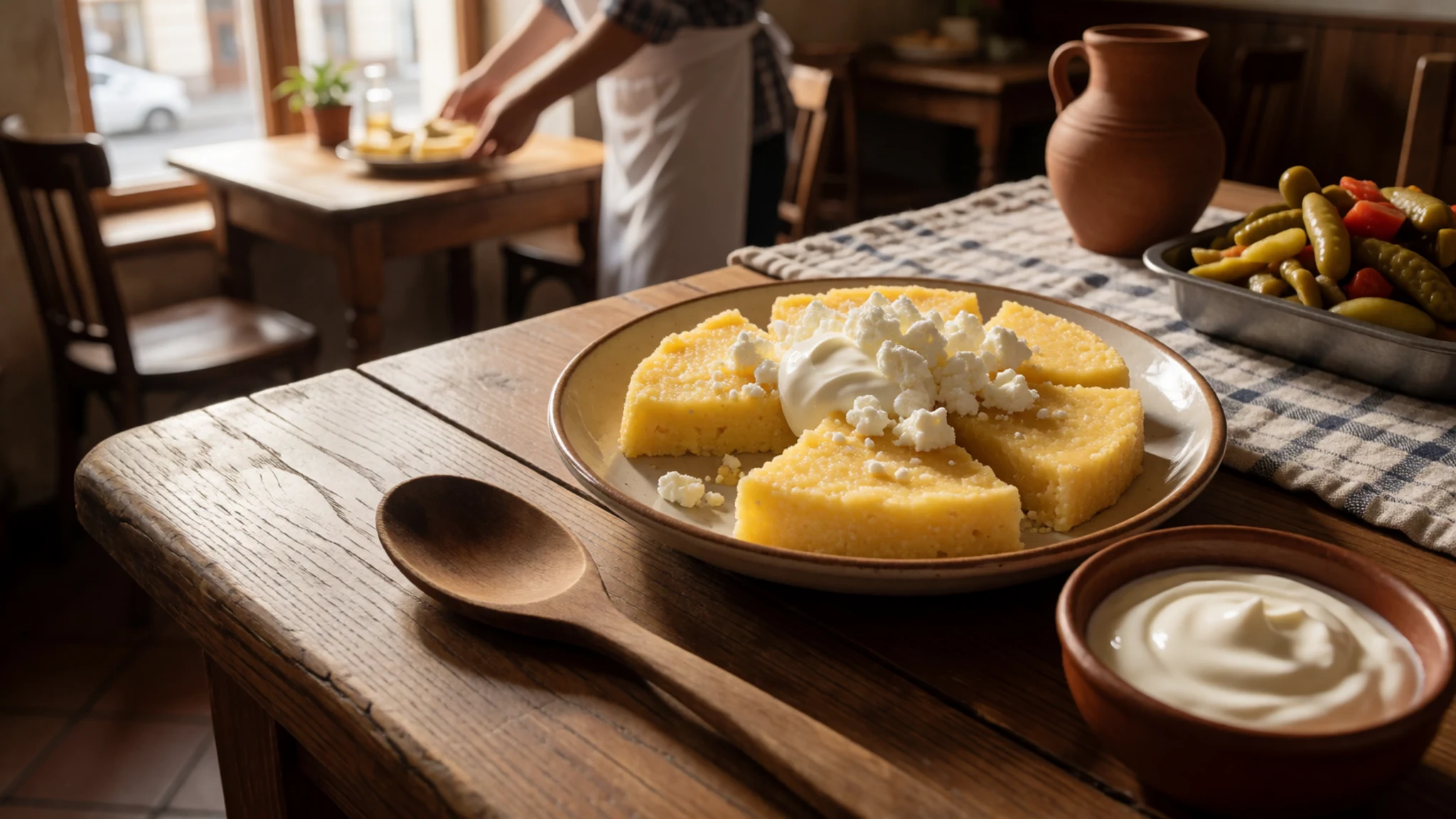
- Sarmale — Home-style restaurants and festival stalls
Minced meat and rice rolled in cabbage or vine leaves and cooked slowly, often with a spoonful of sour cream on top. It appears at festivals and family tables. Vine-leaf versions suit a wine region well; ask what is on offer that day.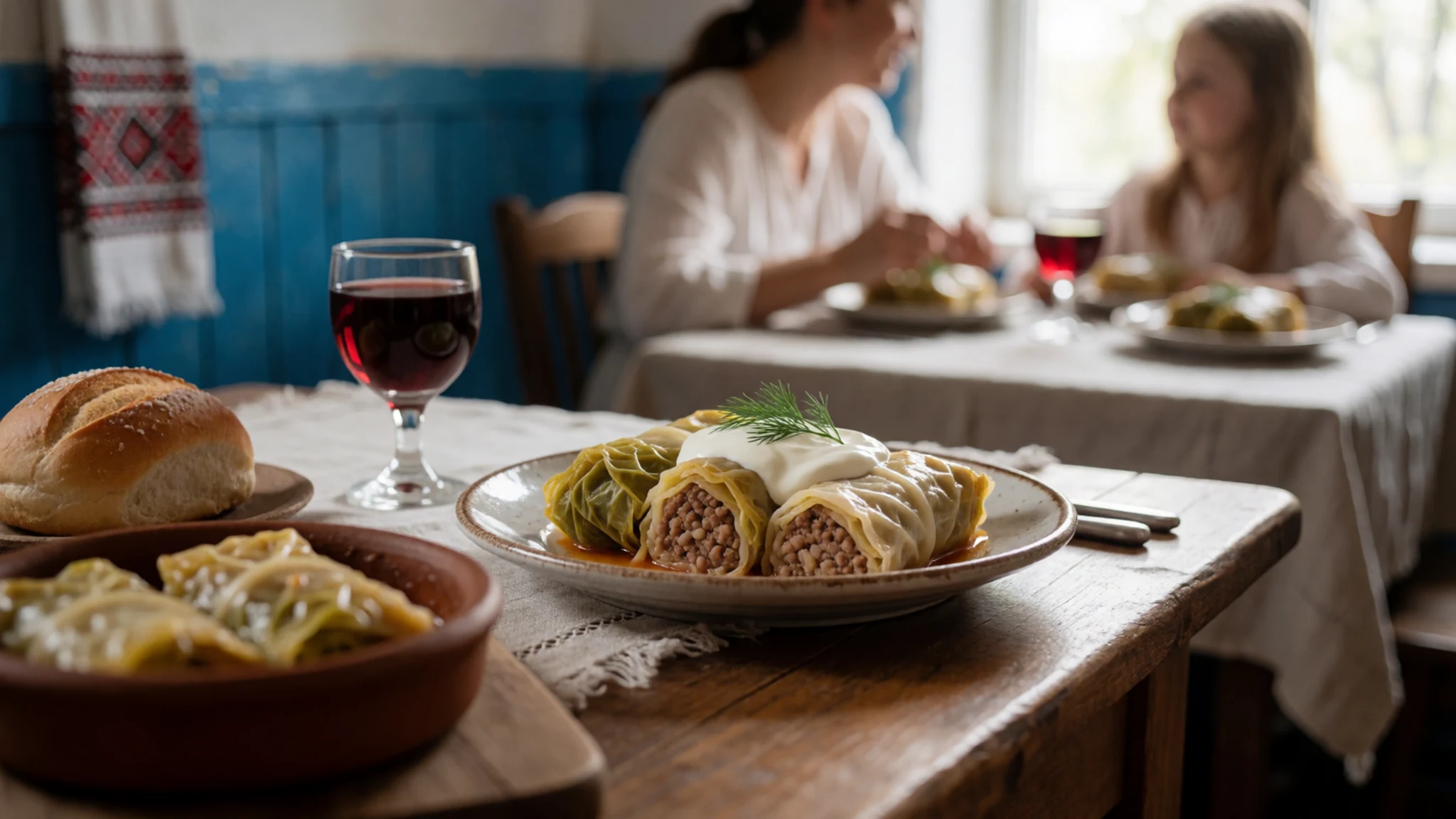
- Plăcinte — Neighbourhood bakeries and cafés around Chișinău
Flat, folded pastries filled with cheese, potato, cabbage or pumpkin, then baked or fried. They are cheap, portable and a good quick lunch between sights. Bakeries and small cafés sell them throughout the day. - Brânză and local cheeses — Fresh produce markets in Chișinău
Fresh and brined sheep or cow cheeses are common on Moldovan tables, served with bread, tomatoes and herbs. They go well with a glass of local wine, and markets often let shoppers sample before buying. - Seasonal fruit and vegetables — The central market and neighbourhood stalls in Chișinău
Markets in the capital sell local produce in season: tomatoes, peppers, grapes, melons, plums and apples. Much of it is grown nearby. It makes an easy picnic for a walk through the vineyards, along with bread and cheese.
Plan it
Best time. May–June and September–October. Spring is green and mild, and early autumn brings the grape harvest and comfortable temperatures. Mid-summer can be hot, and winter is cold, though the cellars stay cool all year, so tours still work.
How long. 1
Getting there. Fly to Chișinău International Airport, then take a taxi, a ride-hailing car or a local minibus north to Cricova; the road is a short drive. Many visitors join an organised wine tour from the capital, which handles the last leg.
Budget. mid
Tips
- Book the cellar tour ahead through the winery's official site, and check opening times and fees there
- Bring a jumper, as the galleries stay cool whatever the weather outside
- Carry some cash, as small shops and markets may not take cards
- Combine Cricova with Orheiul Vechi in one day by starting early
- If tasting wine, arrange a driver or tour transport rather than driving yourself
Etiquette
- Follow your guide in the cellars and do not touch bottles or barrels
- Cover shoulders and knees when entering the wooden church or any monastery
- Ask before photographing people
Nearby
Sources
- Wikidata Q1139983 (CC0)
- Wikipedia: Cricova (rev 1379579989) (CC BY-SA 4.0)
- Wikivoyage: Moldova (rev 5422241) (CC BY-SA 4.0)
- R4, Moldova — Alexander Murvanidze (CC BY 3.0)
- Vineyard at Cricova — David Stanley (CC BY 2.5)
- Strada Chișinăului, Cricova 2084 (1) — Eugen Cernov (CC BY-SA 4.0)
- Strada Chișinăului, Cricova 2084 (2) — Eugen Cernov (CC BY-SA 4.0)
- Moldova, Cricova, the view from the field — CERNOV, OreAnoa (CC BY 3.0)
- Wooden church of St Alexander of Svir, Cricova (01) — Vladikh (CC BY-SA 4.0)
- Wooden church of St Alexander of Svir, Cricova (02) — Vladikh (CC BY-SA 4.0)
- Bust of Alexandru Ioan Cuza, Cricova — Vladikh (CC BY-SA 4.0)


