Chișinău
Chișinău, Moldova
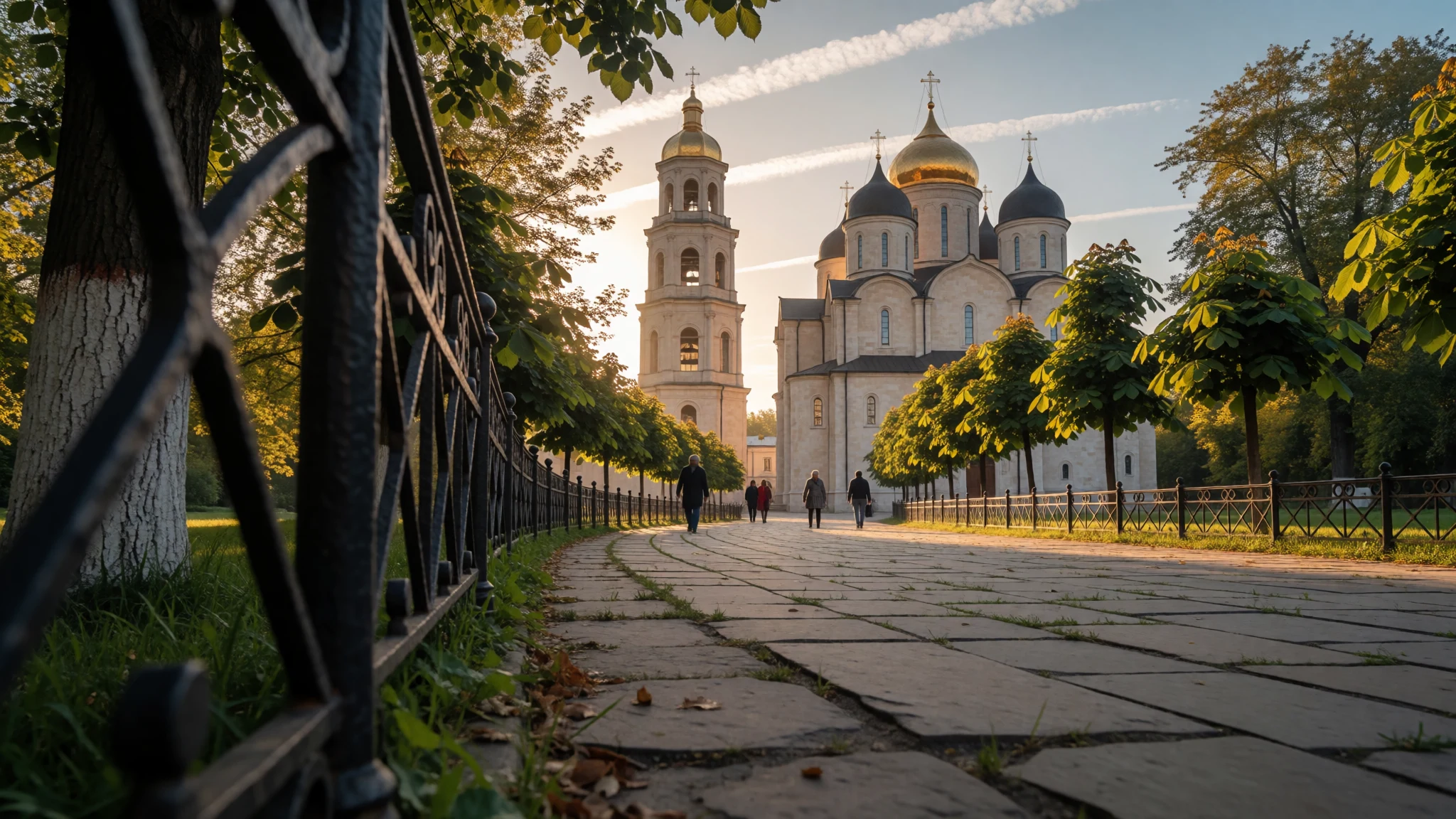
Chișinău is a leafy, unhurried capital where wine, Orthodox churches and Soviet-era boulevards meet, and a good base for Moldova's vineyards.
The place
Chișinău is the capital of Moldova, a city of about 567,000 people, standing 85 metres above sea level on the small river Bîc, a tributary of the Dniester. It sits near the middle of the country, and that position explains much of its role: roads and rail from every region converge here, and government, business, universities and the international airport are all based in the city. Including its suburbs, the wider municipality is home to more than 720,000 people, so a large share of the country lives in or around the capital. The centre follows a regular grid of long, straight avenues shaded by lime and chestnut trees, with a park every few blocks. Pale Soviet-era apartment blocks, low older houses, grand public buildings and newer glass towers stand side by side. War and earthquakes damaged much of the older fabric, so the city feels less like a museum and more like a working capital with scattered survivors. In summer, cafés spill onto the pavements and the markets are busy from early morning. Moldova has made wine for thousands of years, and the capital hosts the national wine festival every October, which gives autumn its own rhythm. Most visitors stay a few days and use the city as a base for cellars and monasteries in the countryside. The core is easy to cover on foot, while trolleybuses and minibuses reach the rest. Summers are hot, winters grey and cold, and the shoulder seasons are the most comfortable.
Its story
Chișinău began in 1436 as a village that grew around a monastery in the Principality of Moldavia. That state later became a vassal of the Ottoman Empire while keeping its own autonomy. For centuries the settlement stayed small, and at the start of the nineteenth century it held only about 7,000 people. The turning point came in 1812, when the Russo-Turkish war ended and the Ottomans handed the eastern half of Moldavia to the Russian Empire. The new territory was named Bessarabia, and the town, known in Russian as Kishinev, became its administrative capital. Imperial planners gave it straight streets, public squares and a cathedral, which is why the centre still has such a regular layout. After the empire fell in 1917, Bessarabia passed briefly through the Russian Republic and the Moldavian Democratic Republic, then joined the Kingdom of Romania in 1918. Soviet rule arrived in 1940, was interrupted by a wartime return of Romanian authority, and settled in again from 1944. The Second World War and earthquakes destroyed much of the old town, and the Soviet rebuilding favoured broad boulevards and housing blocks. Since 1991 Chișinău has been the capital of an independent Moldova. The layers of that history are visible in the street names, the languages heard on the bus, and the mix of monuments around the main squares.
What to see
- Cathedral Park and the Nativity Cathedral — Central Chișinău
Cathedral Park is the green heart of Chișinău, and the Nativity Cathedral, the city's main church, stands at its centre with a separate bell tower. Locals use the paths for strolls and meetings. Services are held regularly, so go quietly, and check the city website for any events.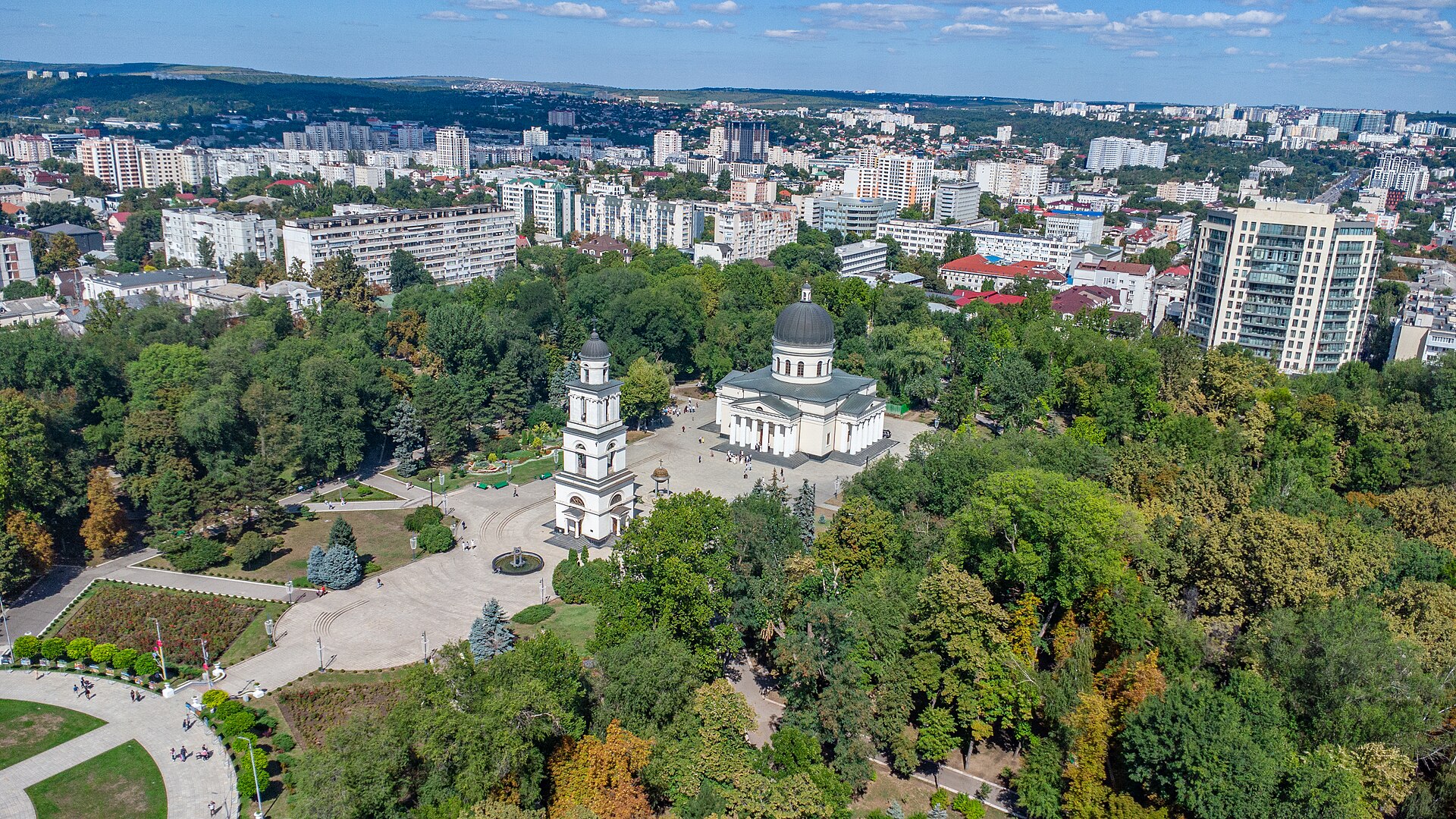
- Triumphal Arch — Great National Assembly Square
The Triumphal Arch, built in 1841, stands at the edge of the Great National Assembly Square, just across from the cathedral. It is a compact, pale gateway that is easy to reach on foot. Visit in the evening, when the light softens and the square fills with people strolling.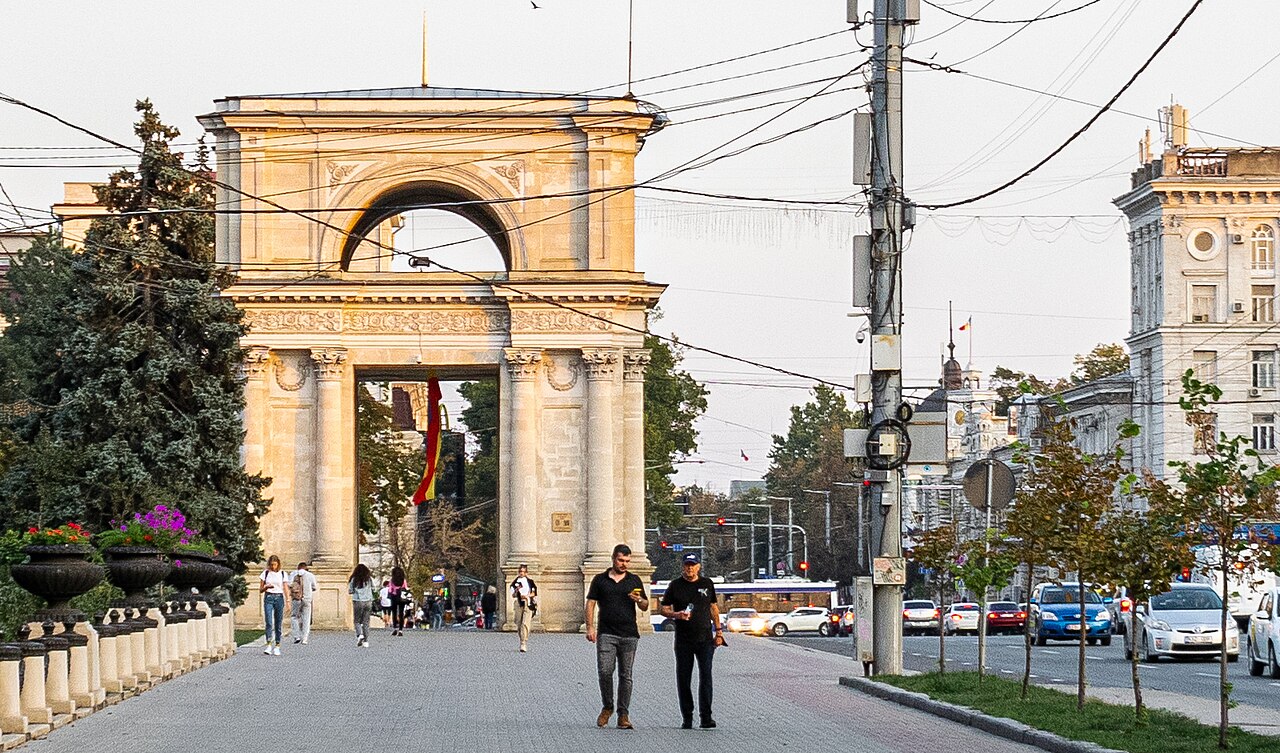
- Ștefan cel Mare Monument — Ștefan cel Mare Boulevard
This statue honours Stephen III of Moldavia, the fifteenth-century ruler remembered across Moldova for resisting Ottoman attacks. It stands at the entrance to the central park on the main avenue. It works as a meeting point and a good place to start a walk through the centre.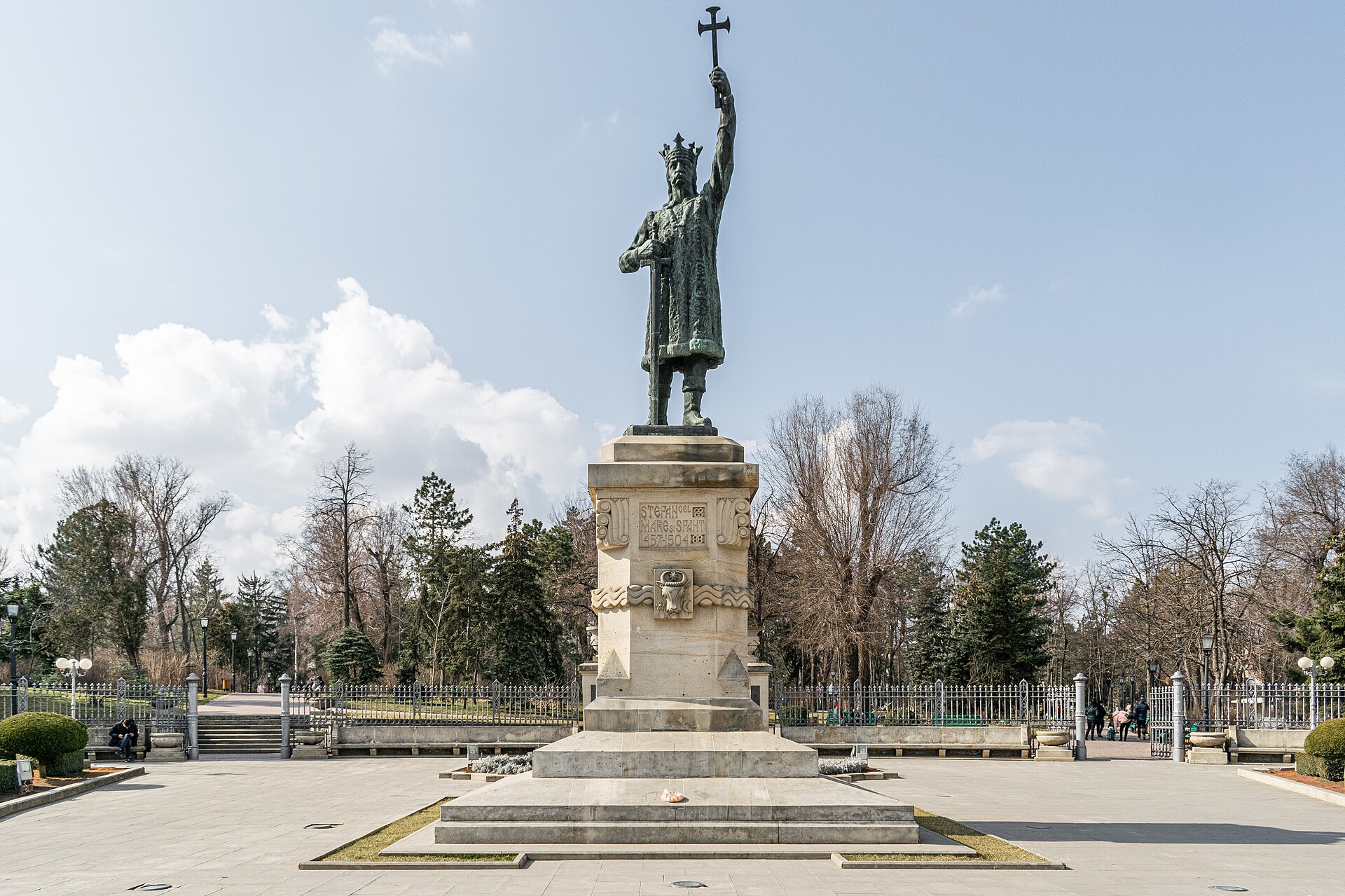
- Valea Morilor (Rose Valley) — Southern Chișinău
Valea Morilor is a park of about 9 hectares on the southern side of town, built around three lakes. Pedal boats, shaded benches and a few restaurants make it a favourite for weekend walks. It is a good place to escape summer heat, and quieter on weekday mornings.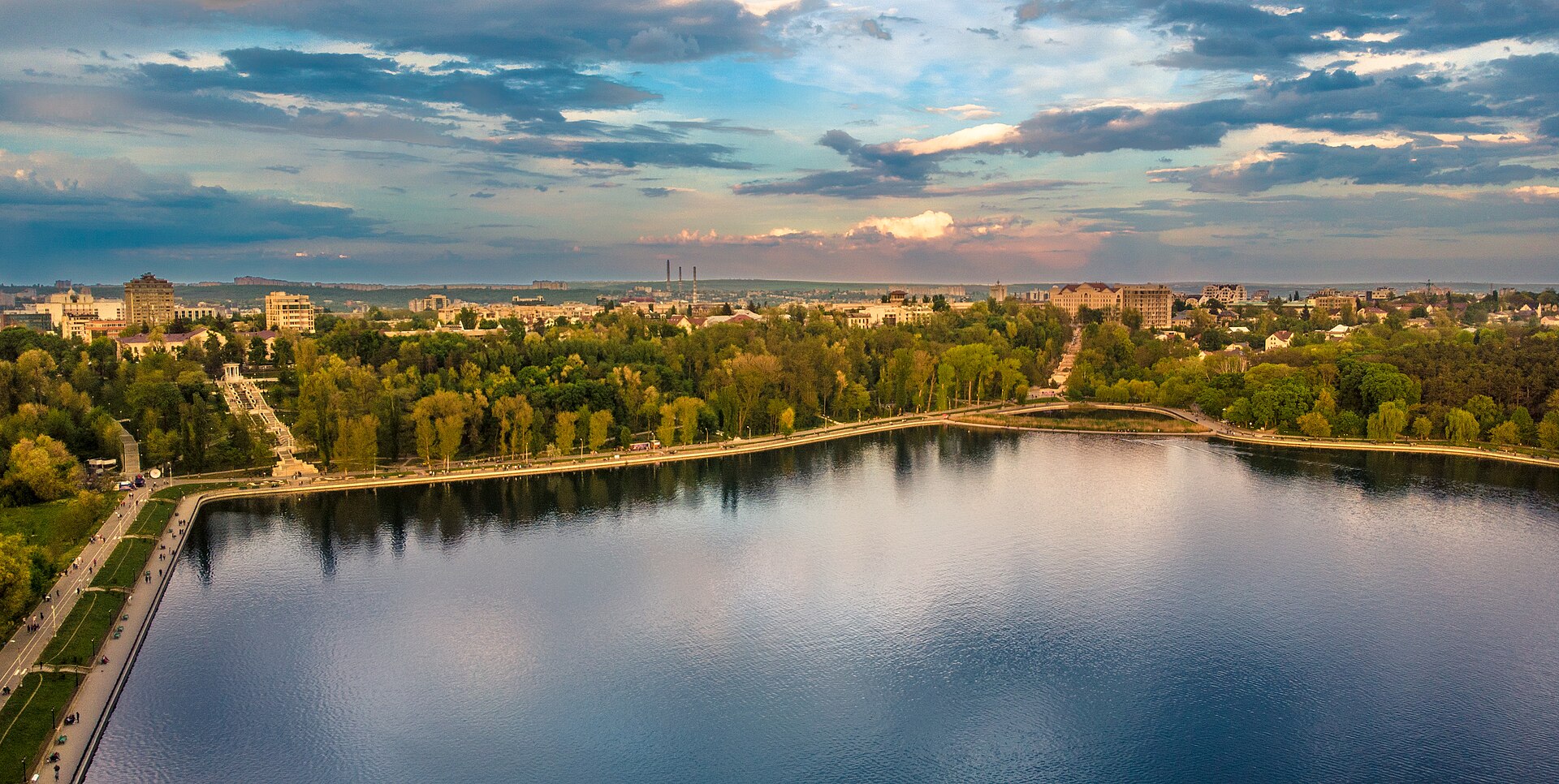
- Mihai Eminescu National Theatre — Central avenues
The Mihai Eminescu National Theatre is named after Romania's national poet and stands on a main avenue near the centre. Its façade is worth a look even without a ticket. Performances are usually in Romanian, so check the theatre's own listings and the language before booking.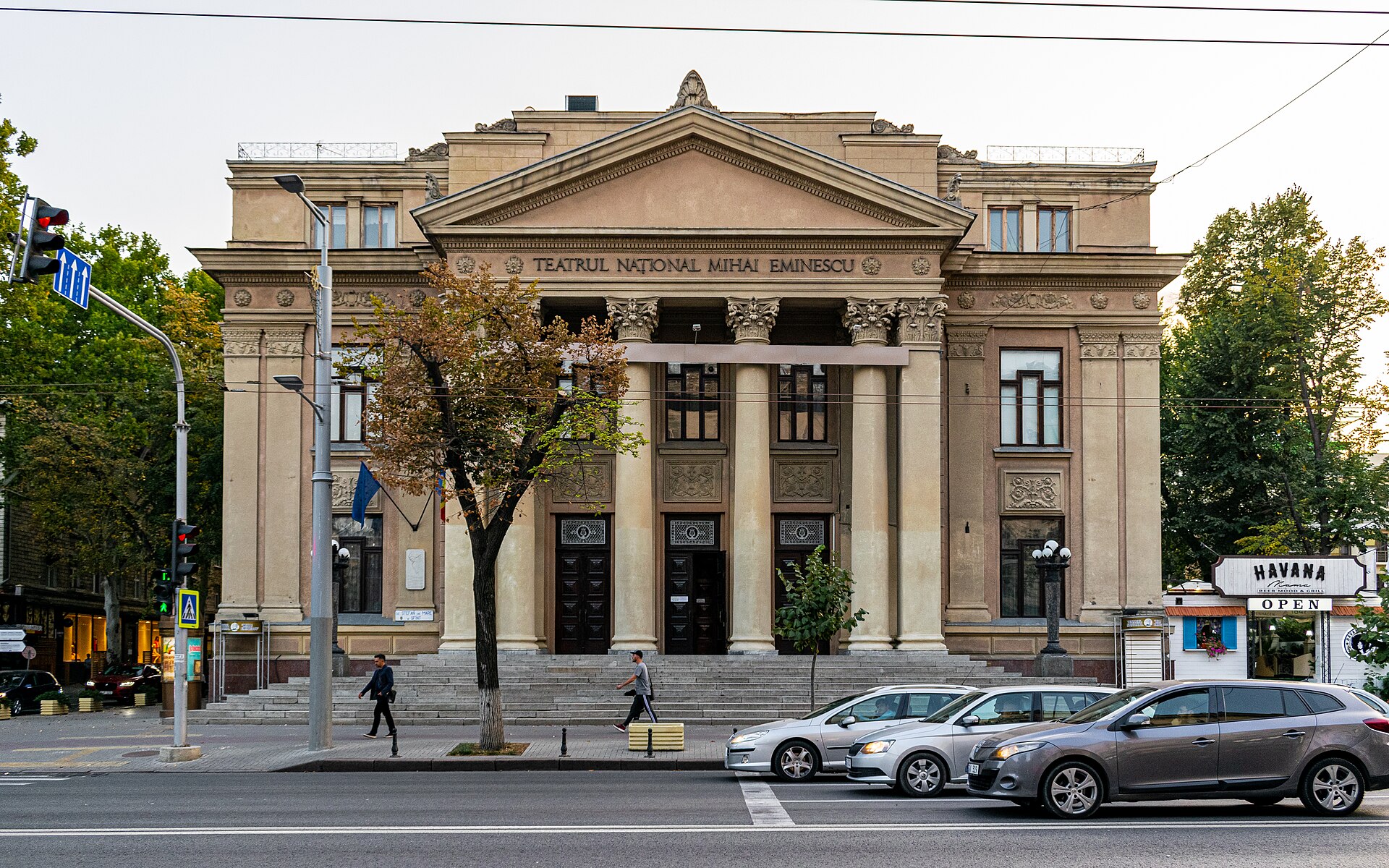
- Water Tower — Older central streets
The old brick water tower is one of the city's quirkier landmarks, a slim industrial structure that served the growing town in the days of the Russian Empire. It stands among ordinary streets rather than in a showpiece square, which makes it a pleasant detour on a wander between the park and the older neighbourhoods.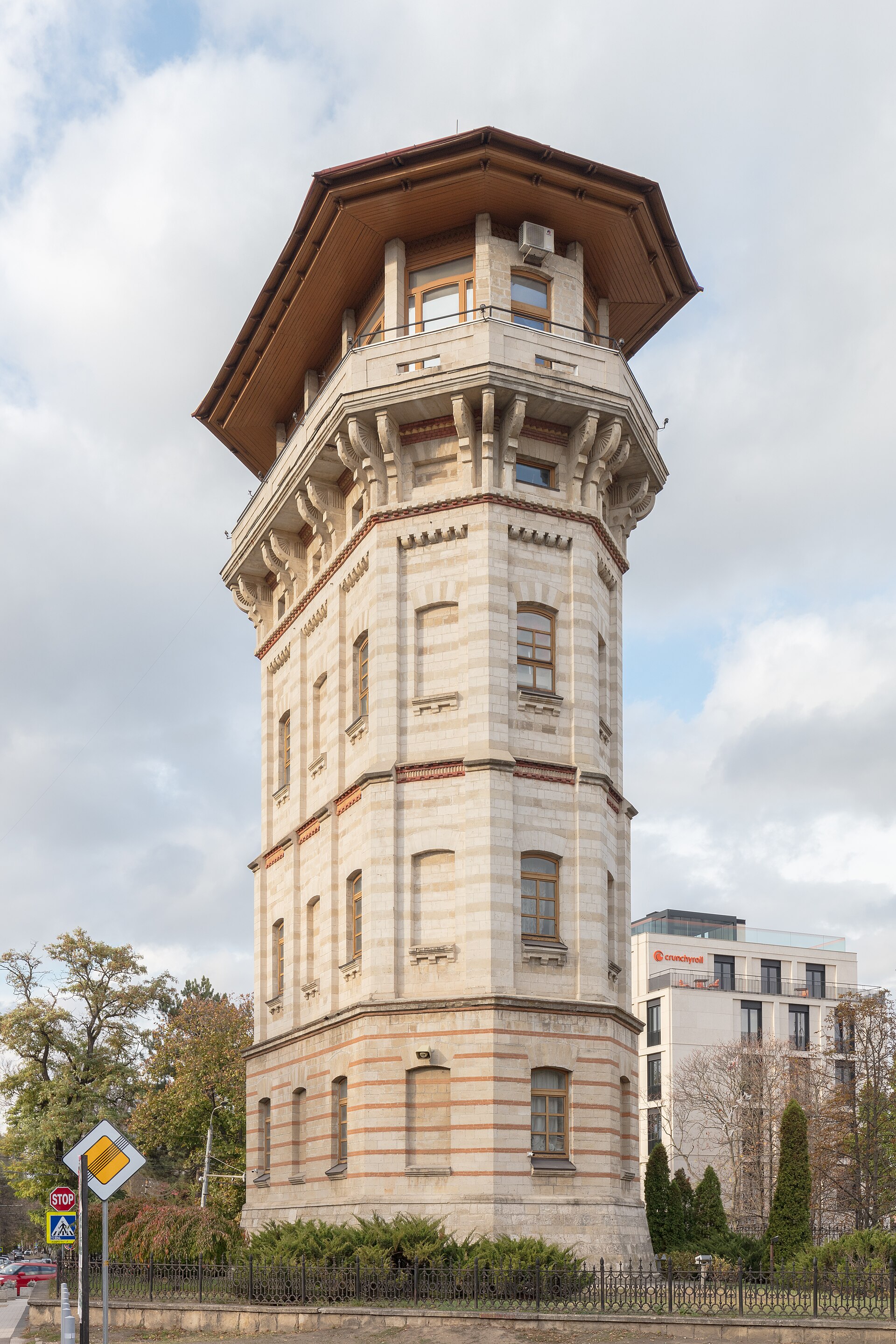
Culture
Chișinău is a city of several languages and several histories. Romanian is the state language, and Russian is still widely spoken in shops, on buses and at home, so it is common to hear both within a single conversation. Most believers belong to the Orthodox church, and the cathedral and neighbourhood churches are busy on Sundays and feast days. Hospitality matters: guests are fed generously, and a table without wine, cheese and something sour or pickled would feel odd. Wine is part of national identity, and the October festival fills the centre with tasting stalls, music and families. In early March people exchange small red-and-white string charms called mărțișoare, a custom shared with neighbouring Romania that marks the arrival of spring. The city is also a university town, with several public and private universities, an academy of sciences and a number of museums, so there is a steady student presence in cafés and parks. The theatre and concert scene is lively, and tickets are often easy to get on the day. Public life is relaxed but polite; people greet shopkeepers on entering, and older residents may give up seats on buses. Remember that this is a country with complicated feelings about its past, so listen before offering opinions. When visiting a working church, cover your shoulders and knees, men should remove hats, and ask before photographing a service or worshippers.
What to wear
In Chișinău, traditional dress still turns up at festivals, weddings and national days. The best-known garment is the ie, a long-sleeved blouse made from linen, hemp or cotton, embroidered at the neck, shoulders and cuffs with red, black or other bright thread in patterns that differ by village. Women pair it with a wrapped wool skirt, a woven belt and sometimes a headscarf, while men wear a white shirt, a sash and a sheepskin vest in colder months. Woven wool carpets and runners, long a part of Moldovan homes, share the same colours and motifs. Day to day, people in the capital dress much as in other European cities: jeans, jackets and trainers by day, and noticeably smarter outfits for evenings, theatre and restaurants. Young people lean towards streetwear, while office workers tend to dress neatly. Visitors will be comfortable in light cotton and a sun hat from late spring to early autumn, with a layer for cool evenings. Winters are cold, so bring a warm coat, hat, gloves and boots with grip. Pavements can be uneven, so wear sturdy, comfortable shoes. Shorts and sleeveless tops are fine on the street, but carry a scarf or light shirt to cover shoulders and knees for churches and monasteries.
What to eat
- Zeamă — Cheap canteens and pancake-and-soup cafés around the centre
Zeamă is a chicken and noodle soup, often soured with fermented bran or lemon and finished with fresh herbs. It is a staple of home cooking and of simple canteens, and a warming lunch when the weather turns cool. - Mămăligă with brânză and smântână — Traditional-style restaurants across the city
Mămăligă is a firm cornmeal porridge, served with salty sheep's or cow's cheese and soured cream. It also comes alongside stews and fried pork. Simple and filling, it is the dish many Moldovans link with childhood and countryside holidays. - Plăcinte — Bakeries and street kiosks near markets and bus stops
Plăcinte are thin, folded pastries filled with cheese, potato, cabbage or pumpkin, then baked or fried. They are sold hot for a quick breakfast or snack and are an easy vegetarian option when travelling on a budget. - Sarmale — Moldovan restaurants and the central market
Sarmale are minced meat and rice rolled in cabbage or vine leaves and simmered slowly, usually served with soured cream and polenta. They appear at family celebrations and holidays, and many restaurants keep them on the menu all year. - Blini — Small pancake cafés and self-service canteens in the centre
Blini are thin pancakes, rolled or folded around cottage cheese, jam, mushrooms or meat, a legacy of the shared Russian and Soviet table. They make a cheap, quick meal, and many cafés serve them with soup.
Plan it
Best time. May–June and September–October bring mild, pleasant weather and long daylight for walking; October also has the national wine festival. July and August can be very hot, and winters are cold and grey.
How long. 2–3
Getting there. Fly into Chișinău International Airport; a trolleybus leaves from just outside arrivals, and taxis are available but fares should be agreed or the running fare switched on before setting off. Flying into Iași in Romania and continuing by intercity bus or train is an alternative worth checking for price and dates.
Budget. low
Tips
- Carry some cash for markets, kiosks and small cafés, though cards are common in larger places
- Settle the fare or ask for the running fare display before getting into any taxi, or use a ride-hailing app
- Visit parks and squares in the early morning or evening in summer to avoid the midday heat
- Pack a layer for evenings, even in warm months, and a proper coat in winter
- Check the official city website, https://www.chisinau.md/, for festival dates and events
Etiquette
- Cover shoulders and knees in churches and monasteries, and ask before photographing services
- Greet staff when entering shops and cafés
- Accept offers of food or wine from hosts, and say thanks warmly
Nearby
Sources
- Wikidata Q21197 (CC0)
- Wikipedia: Chișinău (rev 1382990772) (CC BY-SA 4.0)
- Wikivoyage: Chișinău (rev 5427023) (CC BY-SA 4.0)
- Photo: Arch of Triumph, Chișinău (Photobank MD) (CC0 1.0)
- Photo: Consiliul Municipal Chișinău (Rodion Gavriloi) (CC BY-SA 4.0)
- Photo: Arcul de Triumf din Chișinău (Pelin Oleg) (CC BY-SA 4.0)
- Photo: Stefan the Great Monument (Photobank MD) (CC0 1.0)
- Photo: Mihai Eminescu National Theatre (Photobank MD) (CC0 1.0)
- Photo: Nativity Cathedral ensemble (Rodion Gavriloi) (CC BY-SA 4.0)
- Photo: Water tower, Chișinău (Diego Delso) (CC BY-SA 4.0)
- Photo: Valea Morilor Park (Pelin Oleg) (CC BY-SA 4.0)


