Lake Beleu (Lacul Beleu)
Lake Beleu (Lacul Beleu), Moldova
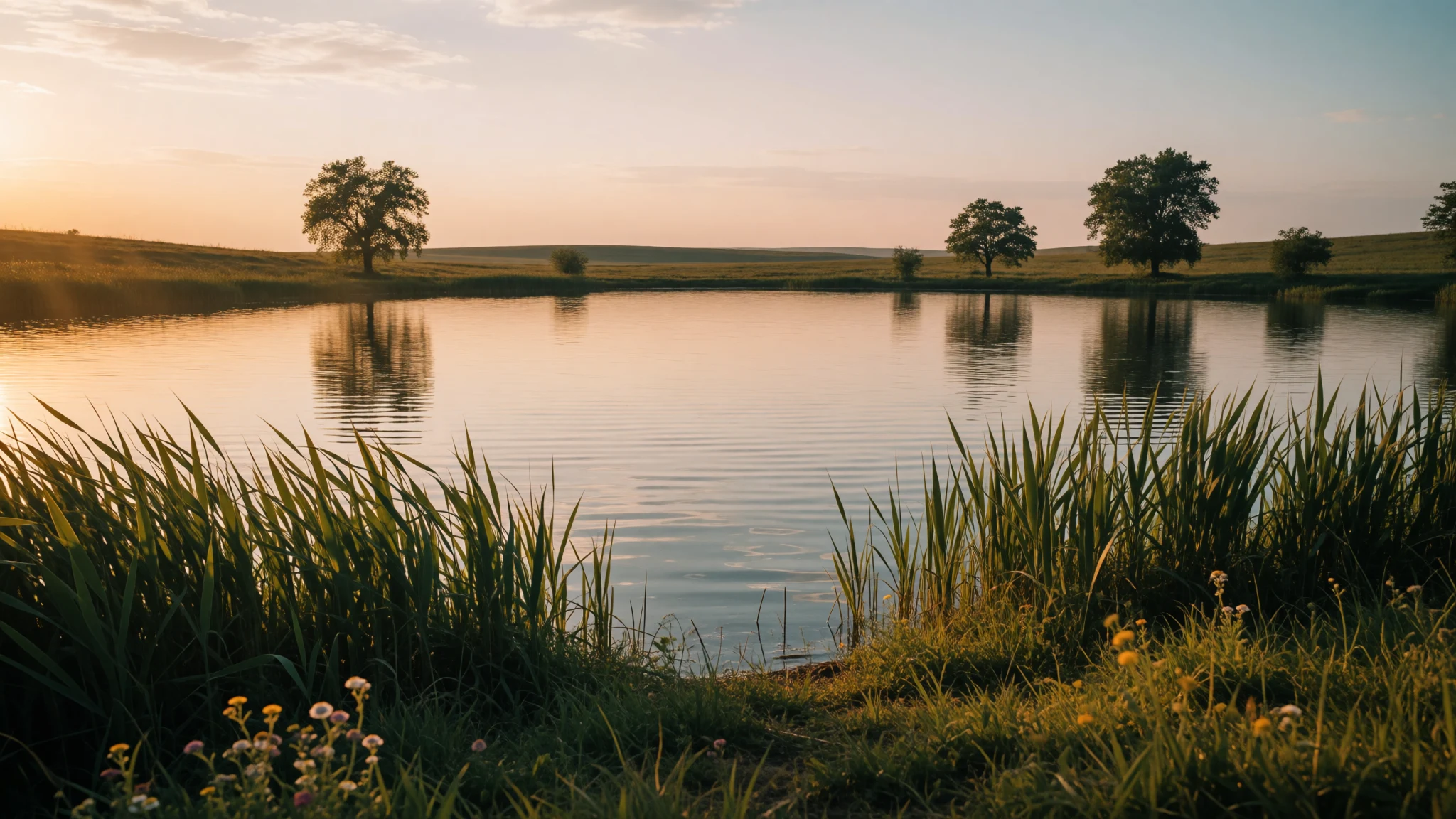
Lake Beleu is for slow walks, soft light and quiet water—ideal when Moldova’s summer heat feels like too much.
The place
Lake Beleu (Lacul Beleu) is a small lake scene in Moldova, set in a country better known for vineyards and cities than for postcard beaches. That’s exactly why it works: the lake experience feels local, simple, and unforced. The terrain in Moldova is mostly rolling steppe with only gentle hills, so the views around Beleu tend to be open but not harsh—like the landscape is holding its breath between seasons.
Moldova’s climate is continental: winters are cold and snowy, springs and autumns are mild, and summers can run warm to hot. In practice, that means the lake is most comfortable when days are not stretched into scorching afternoons. Outside the peak summer spell, early light and late light matter more, because the landscape changes gradually rather than dramatically.
Crowds are not the point here. Moldova as a whole is less visited, and that shows around smaller natural spots: you’re more likely to have conversation-with-a-stare moments than queues. The benefit is freedom—people come, look, take photos, and move on.
As for costs and logistics, the honest advice is to plan flexibly and expect to do some things “the local way” rather than follow a perfect tourist timetable. Bring what you need for a few hours out—water, a snack, and layers—then enjoy the lake as a pause in a country of history, pride, and everyday hospitality.
Its story
Lake Beleu (Lacul Beleu) is the sort of place that makes sense after a long drive through Moldova’s wider story. The country has moved between empires—Ottoman influence, Russian rule, the Soviet era—and even today the landscape carries that layered identity. You can feel it in how people talk about the present while their stories still echo the past.
In that context, a quiet lake stop feels more meaningful than a checklist item. It’s not about “seeing everything”; it’s about letting the day slow down so Moldova’s textures come through. The steppe-like openness around the lake helps—there’s usually enough space to step back from the water, watch the light change, and notice the small rhythm of nature rather than fighting for the best angle.
Moldova also has a reputation for being less frequented by travellers, and that shapes the experience at Beleu. Locals may look, ask questions, or simply observe what you’re doing. It can be flattering, or slightly awkward—sometimes both in the same minute. If that happens, it helps to stay calm, smile, and keep your plans grounded (short walks, sensible timing, and no rush).
Seasonal timing makes the difference. In milder months, the lake feels like an outing. In warmer weather, it’s easier to enjoy early and later in the day, when the light is softer and the air isn’t pressing down.
Lake Beleu won’t “solve” your holiday, but it can anchor it—one peaceful, local hour that makes the rest of Moldova feel less hurried.
What to see
- The lakeside viewpoint — Lake Beleu shoreline
Lake Beleu is best enjoyed from the margins—walk a little, find a safe spot above the waterline, and watch how the surface reflects the sky. Sunrise and sunset tend to look softer here, especially in mild spring and autumn.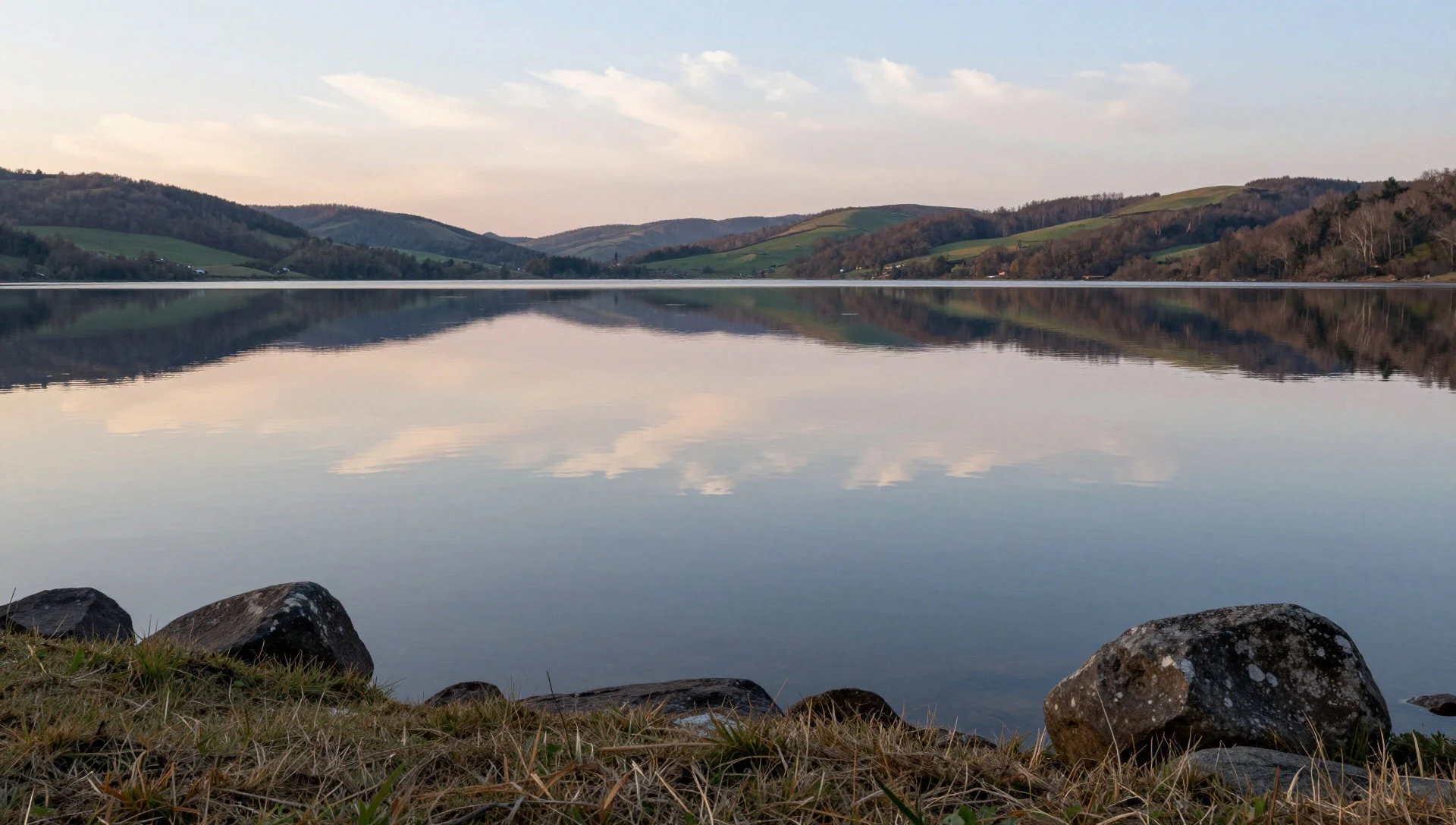
- Golden-hour water and tree edges — Lake Beleu perimeter
A simple, very photogenic moment at Lake Beleu is when the sun drops and the tree line starts to silhouette. Look for calmer patches of water and try a couple of angles rather than one “perfect” frame.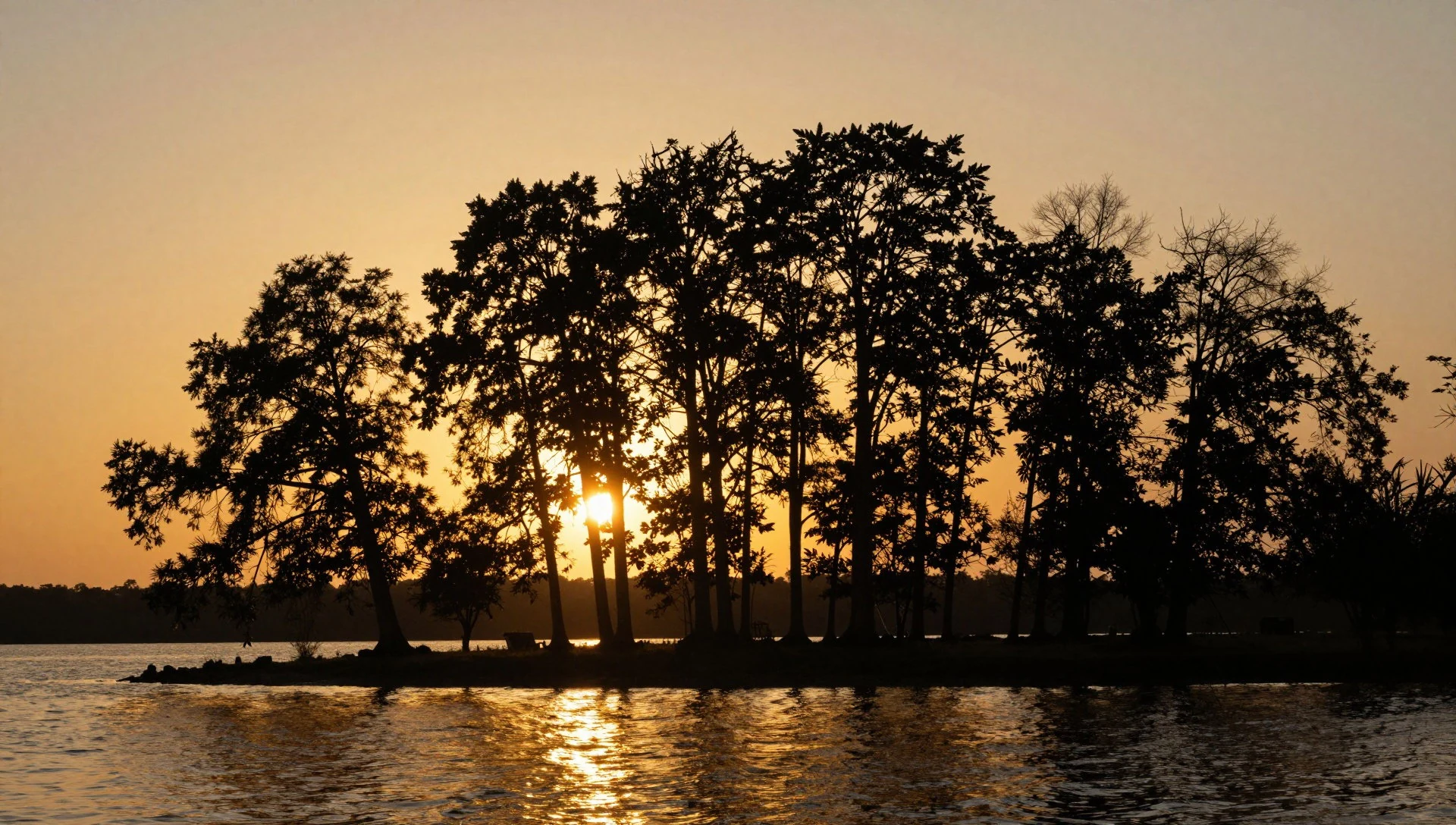
- Slow lakeside walk — Around Lake Beleu
Lake Beleu is ideal for an unhurried loop: wander, pause, and let the landscape guide the pace. The rolling, gently sloping country around Moldova usually makes these walks manageable, as long as paths are dry.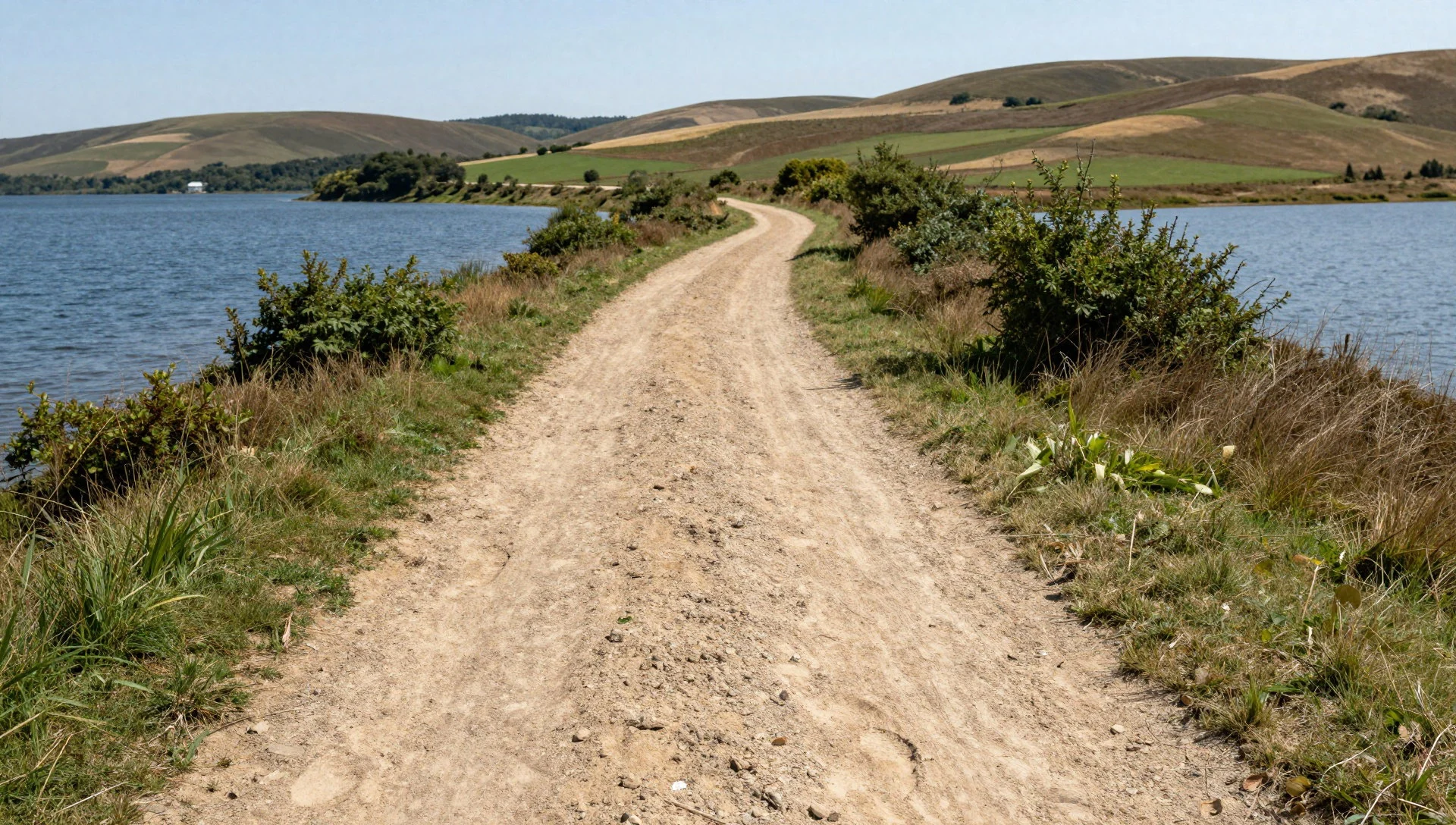
- Quiet observation spot — Shaded edges near the lake
If the day is warm, pick a spot with some shade nearby and stay there for a while. The point is not constant movement; it’s soaking up the stillness and the way the light changes over the water.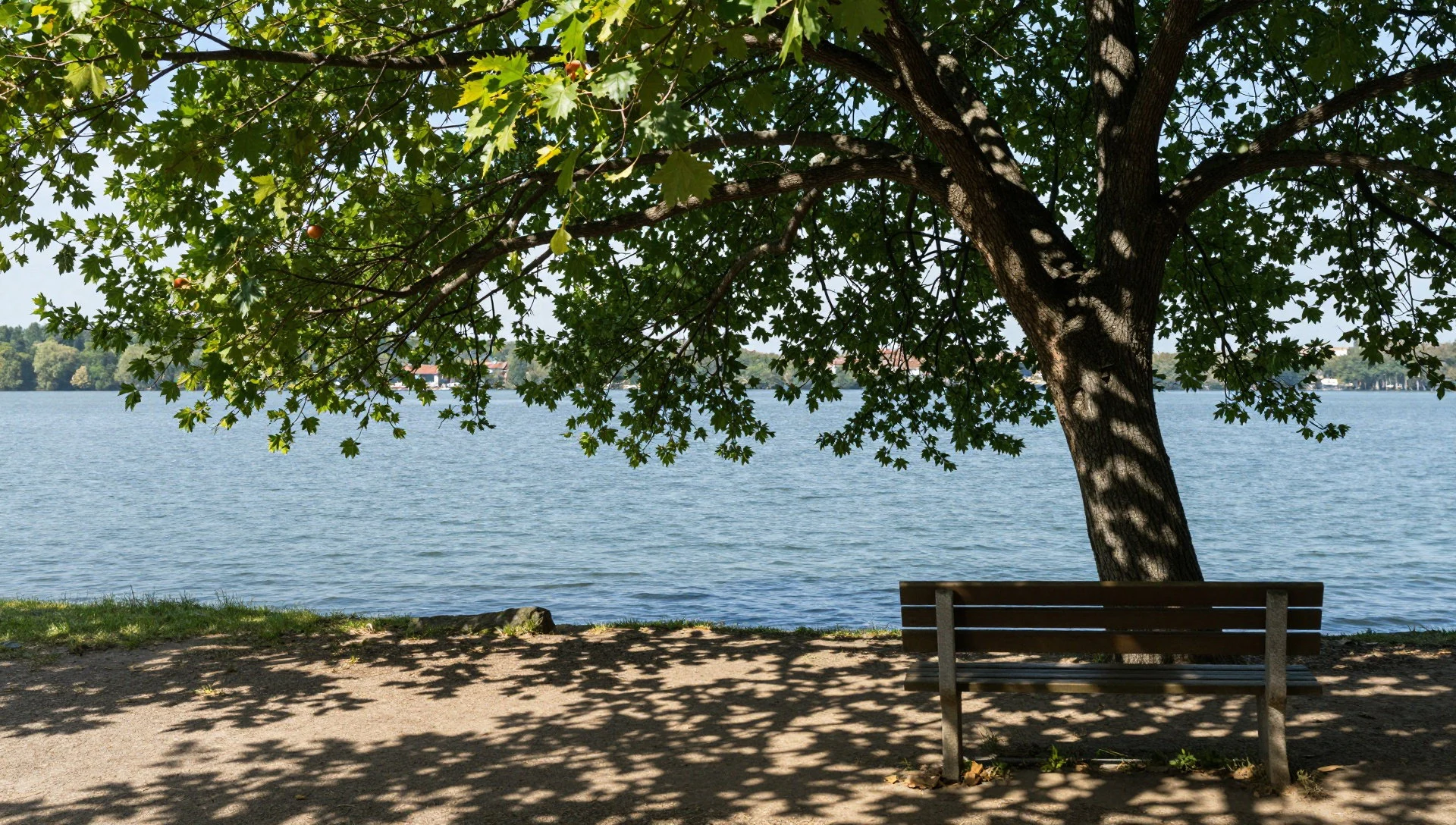
Culture
Moldova around Lake Beleu (Lacul Beleu) is the kind of place where visitors may notice curiosity from locals. That doesn’t automatically mean hostility—often it’s simply interest, especially in a country that still attracts relatively few travellers. You might get stares, questions about where you’re going, or people trying to figure out how you ended up at a small lake.
If you sense you’re being treated as a “walking wallet”, keep it simple: stay friendly, don’t over-explain your plans, and avoid getting pulled into complicated conversations. For travellers, the practical approach is to be calm and discreet—short answers, a polite smile, and moving on when something feels off.
Moldovans are generally used to everyday life continuing around them, even when politics in the broader region can be sensitive. Near smaller natural spots, conversation is more likely to be about daily routines than big arguments. Still, if the topic turns political or tense, it’s okay to steer back to neutral ground.
Women are traditionally treated with chivalry in Moldova, so group dynamics at social moments can be a little formal compared with some Western expectations. In rural areas, smoking or drinking alcohol can be a taboo for women—so it’s sensible to match the local pace and avoid making showy gestures.
Visitor etiquette: if locals stop to look or ask questions, respond politely and keep things low-key; don’t argue, and walk away calmly if you feel pushed into an unfair exchange.
What to wear
Lake Beleu (Lacul Beleu) doesn’t demand anything fancy, but Moldova’s seasons do. For a traditional touch, Moldova is associated with embroidered folk garments and crafted textiles, with patterns often inspired by regional motifs. In everyday modern life, you’ll mostly see people in practical clothes, so visitors should treat “traditional dress” as something you might see during festivals or in cultural settings rather than on a lakeside walk.
What people actually wear now near Lake Beleu is typically straightforward: T-shirts or light tops for warm days, comfortable long trousers or skirts, and a layer for cooler mornings and evenings. If you travel in spring or autumn, temperatures can feel mild yet change quickly, so a light jacket helps.
What to wear as a visitor: sturdy shoes with grip for uneven ground, long sleeves or a hat if the sun is strong, and a wind layer for the calmer-but-not-warm moments by the water. If you plan to enter any nearby community spaces (rather than staying purely outdoors), go for modest, covered shoulders and avoid anything too revealing.
Lastly, keep your clothing choices comfortable and practical—this is about walking, pausing, and taking your time around the lake.
What to eat
- Mămăligă — Local restaurants and cafés in Chișinău
Mămăligă is a staple in Moldova and shows up in many casual meals. Look for it in local eateries around Chișinău, where you can often find it as a warm, filling side or main.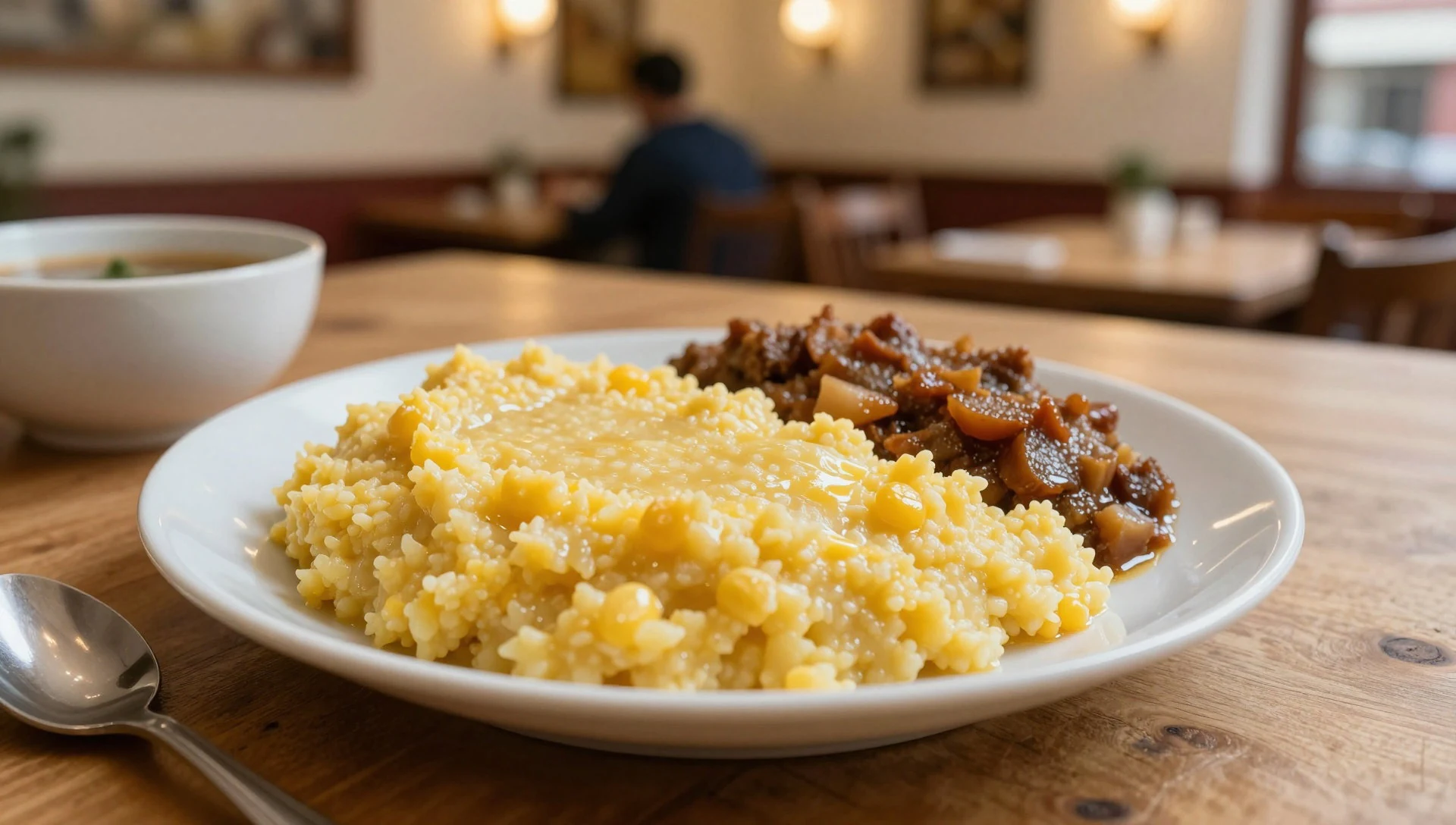
- Plăcintă — Bakeries and casual food stops in towns
Plăcintă is a filled pastry that’s common for snacking or a light meal. You’ll see it at food stops and bakery-style spots in the main towns rather than only in formal restaurants.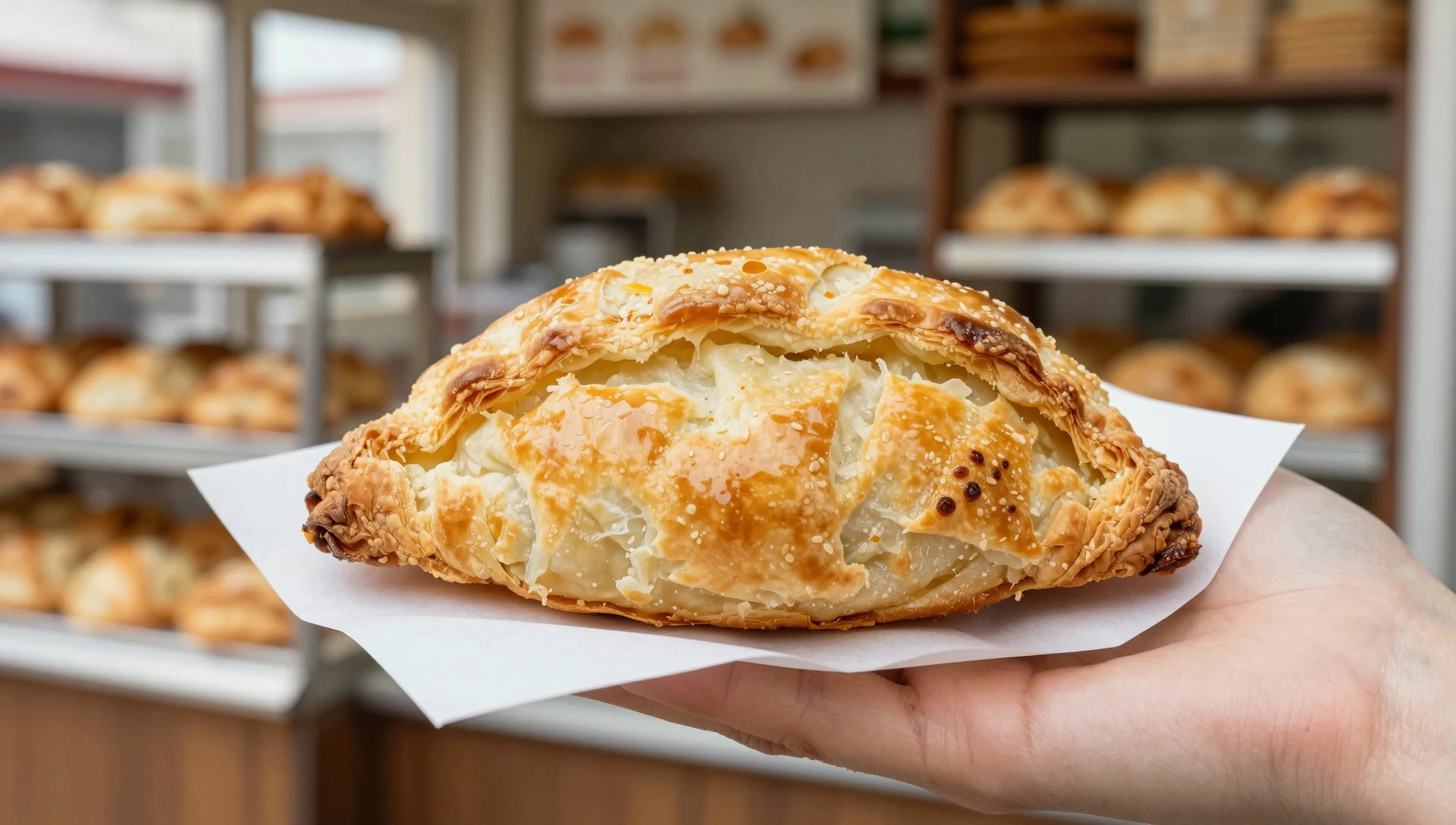
- Sarmale — Local restaurants across Moldova’s towns
Sarmale are popular, hearty parcels often served during colder or celebratory meals. If you’re heading into the cities before or after Lake Beleu, try them at local restaurants for a traditional comfort-food feel. - Fresh market fruit and veg — Markets (especially in and around Chișinău)
For something simple and travel-friendly, pick up fruit and vegetables at markets. It’s a good way to add variety to a day trip and keep snacks sorted without relying on a single eatery. - Homemade wine — Meals at locally run restaurants and home-style settings
Moldova’s wine culture is part of the wider experience, and homemade options can show up alongside traditional dishes. Ask locally about what’s being offered with meals, especially if the setting feels informal.
Plan it
Best time. Spring and autumn suit Lake Beleu best: Moldova has mild springs and autumns, while June can feel rainy and August can be hot and humid. For calmer outings, March–April and late October–November are usually comfortable choices.
How long. 2–3
Getting there. Start with travel into Moldova (commonly via Chișinău). From there, plan the last leg to Lake Beleu with a car or a local arrangement, keeping enough buffer for rural roads and changing conditions.
Budget. low
Tips
- Aim for early or late parts of the day in warmer months to avoid the strongest heat
- Pack a small amount of food and water so the outing stays flexible if options nearby are limited
- Bring layers: even mild seasons can feel cooler by the water in the morning
- Keep cash handy for small purchases around local communities and markets
- Don’t lock into a strict timetable—small natural spots are better enjoyed slowly
Etiquette
- If locals stop to ask questions, be polite and brief, and disengage calmly if the conversation turns uncomfortable
- Avoid pushing back or escalating if you feel a sales pitch is turning into something sketchy
- Dress for comfort and modesty if you enter any nearby community areas
Nearby
Sources
- Wikidata Q571052 (CC0)
- Wikipedia (CC BY-SA 4.0)
- Wikivoyage (CC BY-SA 4.0)