Soroca Fort
Soroca Fort, Moldova
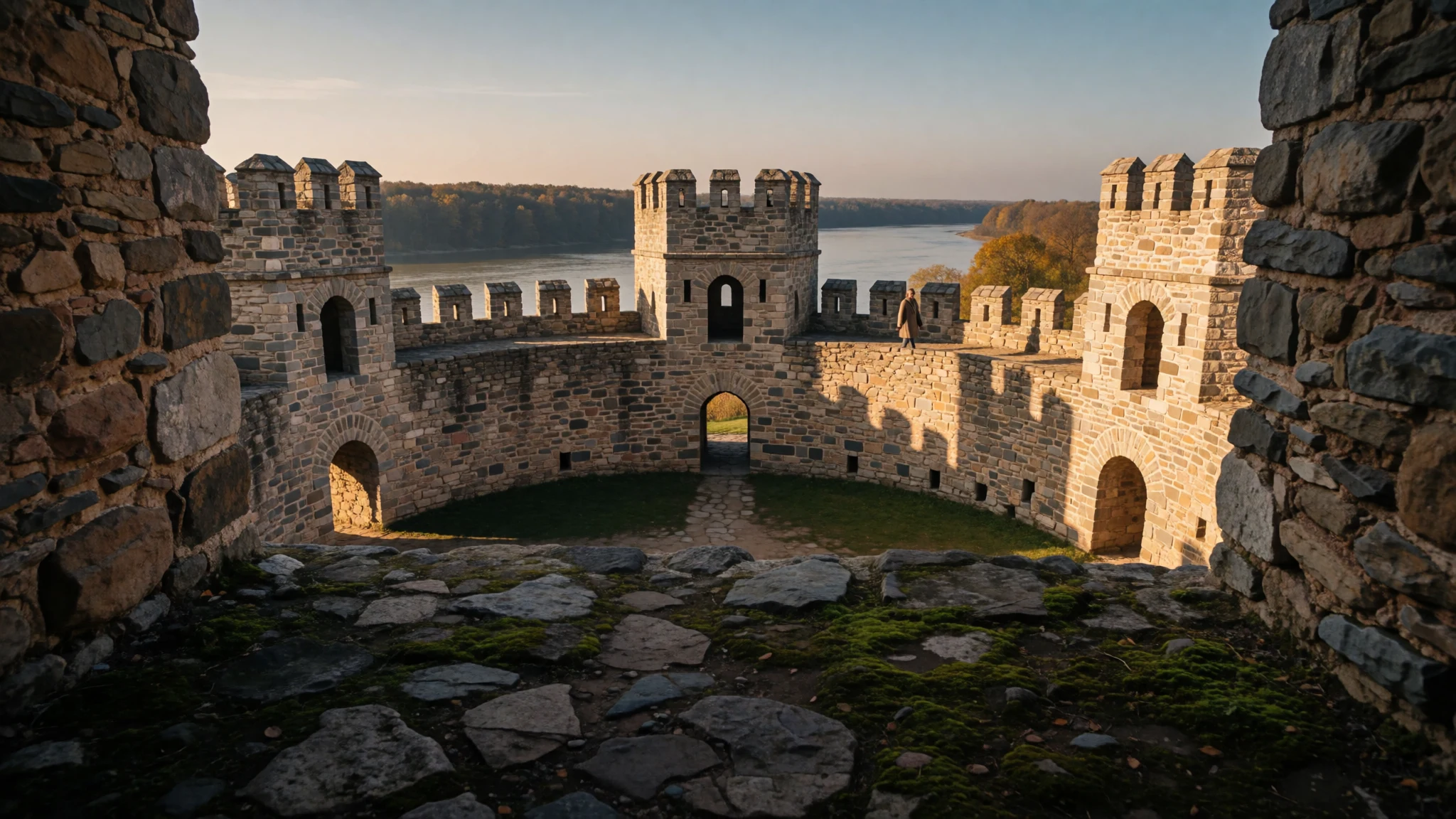
Soroca Fort is a round stone citadel on the Dniester, where Moldova's medieval defences face Ukraine across the water.
The place
Soroca Fort stands on the west bank of the Dniester (Romanian: Nistru), in the town of Soroca in northern Moldova. The river here doubles as the border with Ukraine, so the walls look across the water at another country. The fort is a compact ring of stone with five bastions spaced evenly around it, and that geometry is its main appeal: from the courtyard the whole design reads at a glance, with none of the sprawl of a castle that grew piecemeal over centuries. Visitors enter through a gate tower, climb to the wall-walks where they are open, and look up and down the river.
The town around it is small and unhurried. Soroca is the administrative centre of its district and is sometimes called the Romani capital of Moldova, and the hill on the western side is known for ornately decorated Romani houses. Along the river, fishermen work the bank, and a few bars and cafés have terraces facing Ukraine. Nothing here is polished; the riverfront could use more care, and that is part of its honesty.
The fort has been under renovation, so scaffolding, bare courtyards and closed sections are possible on any visit. Wikidata describes it as a historical and architectural monument of national importance in Moldova. It does not fill a whole day; most travellers pair it with the town's other sights or treat it as a stop between Chișinău and the north. Summer brings heat, while spring and autumn are milder. The setting is open and riverside, so wind off the water can be a surprise outside high summer.
Its story
Soroca Fort grew out of a river crossing. The Dniester could be forded here, and whoever held the ford controlled movement between Moldova and the lands beyond. The town is linked to a medieval Genoese trading post, Olchionia or Alchona, which shows the crossing mattered to merchants as well as soldiers.
In 1499 Prince Stephen the Great (Ștefan cel Mare) had a wooden fort raised here as one link in a chain of defences along the Dniester, with Akkerman, Khotyn and Tighina as its neighbours, plus forts on the Danube and the northern frontier. Wood burns and rots, and the first design did not last. Between 1543 and 1546, under Petru Rareș, the fort was rebuilt in stone as a ring with five bastions spaced evenly around it, the form still visible today.
Later centuries kept testing it. Sobieski's troops kept the Ottomans out during the Great Turkish War, and in 1711 the fort mattered again during Peter the Great's Pruth campaign. In the Russo-Turkish War of 1735–1739 it was plundered by Russian forces. Across these years the town served as a military post and was shaped by wars involving Tatars, Cossacks, Poles and Russians, and at times it lay under Polish or Russian control.
What remains is less a palace than a working machine: a ring built to hold a river crossing. The present restoration continues a long habit of repair and rebuilding, and it keeps the fort's story open to the next chapter.
What to see
- Soroca Fort courtyard and walls — Soroca town centre, on the Dniester
Soroca Fort's circular plan is the reason to come. From the courtyard, the five bastions can be read in one sweep, and the gate tower shows how a single entrance controlled access. Renovation may leave scaffolding or closed sections, so treat the visit as a work in progress and check the official site before travelling.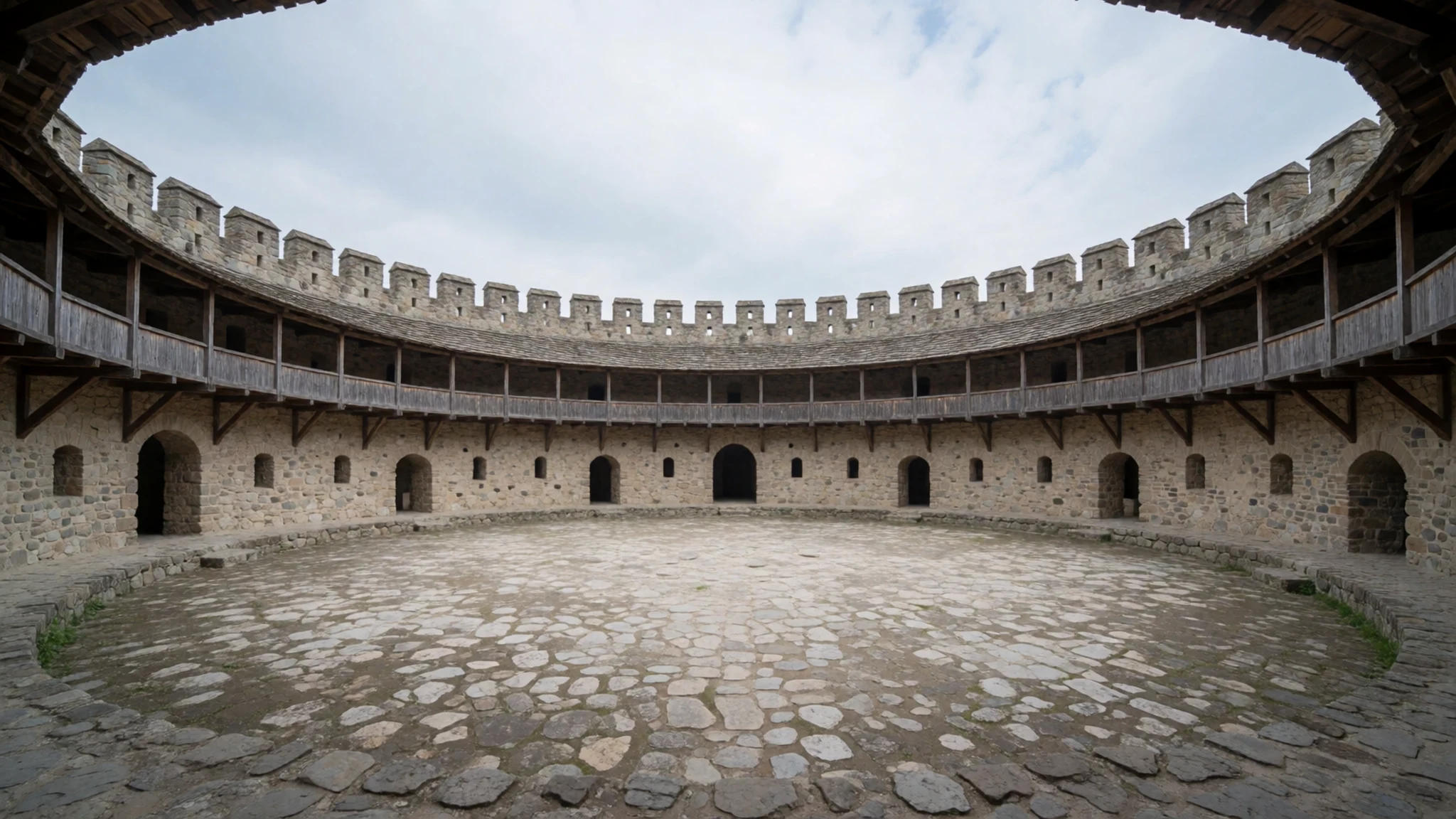
- The Candle of Gratitude — Southern approach road to Soroca
The Candle of Gratitude is a monument on the road into Soroca, about 5 km south of the centre. Visitors can climb about 600 steps to a summit of 29.5 m. It suits a short stop on the way into or out of town, and a good stretch for legs stiff from the bus.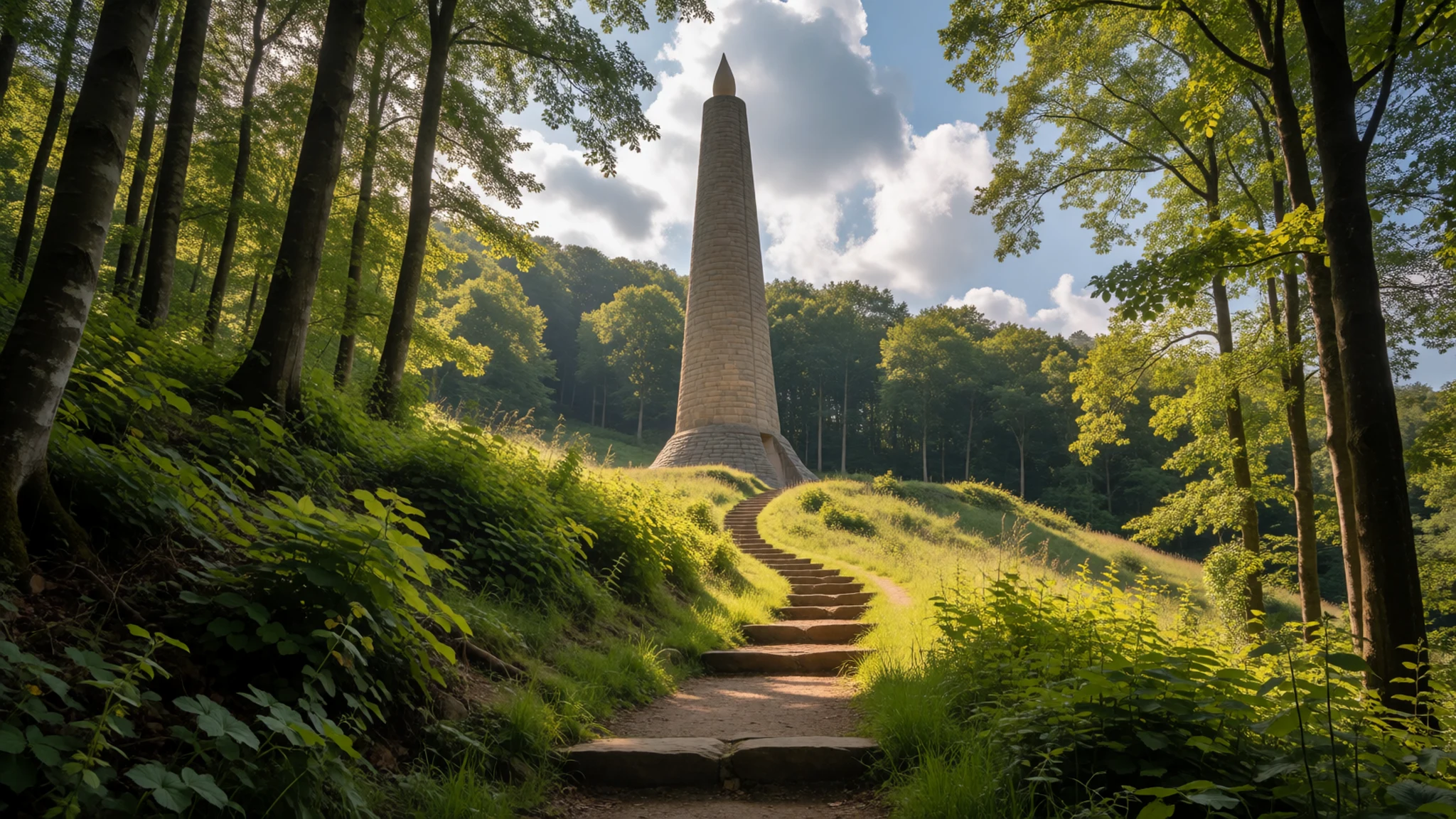
- Romani houses on the western hill — Western hill of Soroca
The hill on the western side of Soroca is known for numerous Romani houses with elaborate decoration, tied to the town's nickname as the Romani capital of Moldova. These are family homes, not exhibits, so walk the streets quietly and ask before photographing people or doorways.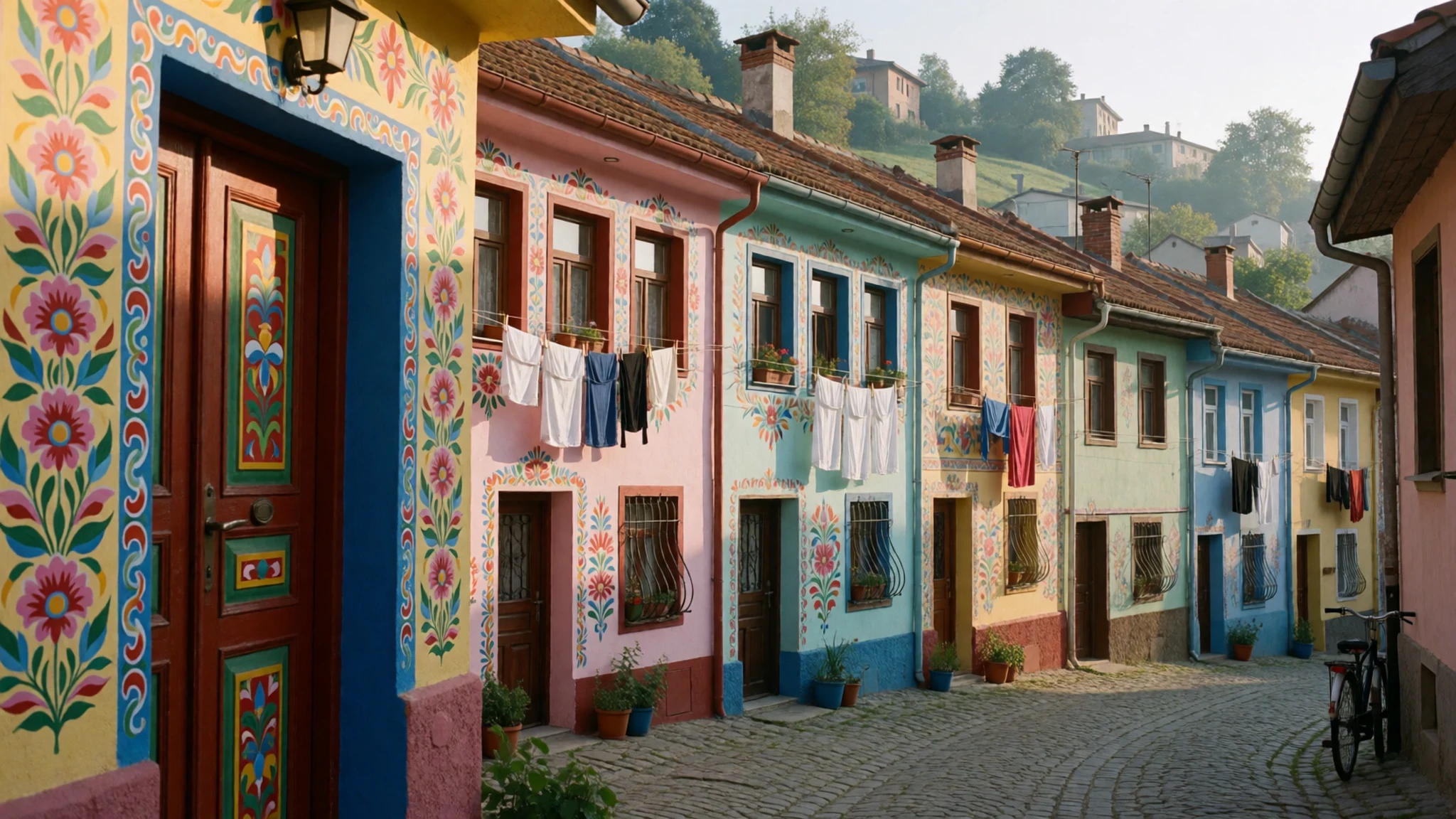
- Dniester riverfront — Riverbank below the town
The Dniester riverfront in Soroca is a simple walk rather than a managed promenade. Fishermen work the bank, the water marks the border with Ukraine, and the edge is untended in places. It is worth an hour near the fort at the end of the day, with a drink on a terrace afterwards.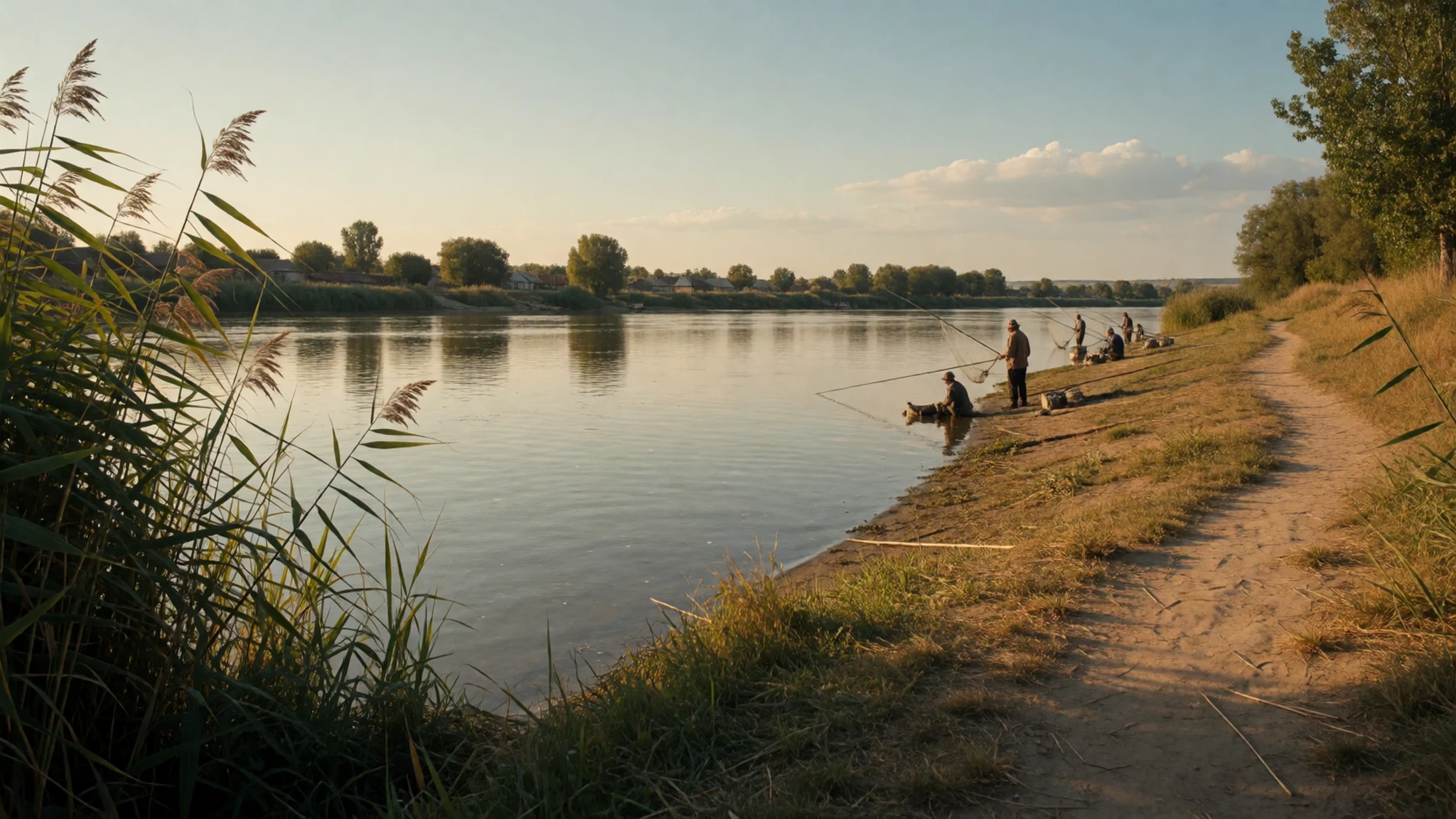
- Struve Geodetic Arc marker at Rudi — Near Rudi village, north-west of Soroca
The Struve Geodetic Arc marker near the village of Rudi lies about 30 km north-west of Soroca, just off the Otaci–Soroca highway. A side road and a short path lead to a modest site: a white plinth carrying a globe, a survey stone set into the ground and a signboard explaining both. It is a quiet stop for anyone curious about surveying history.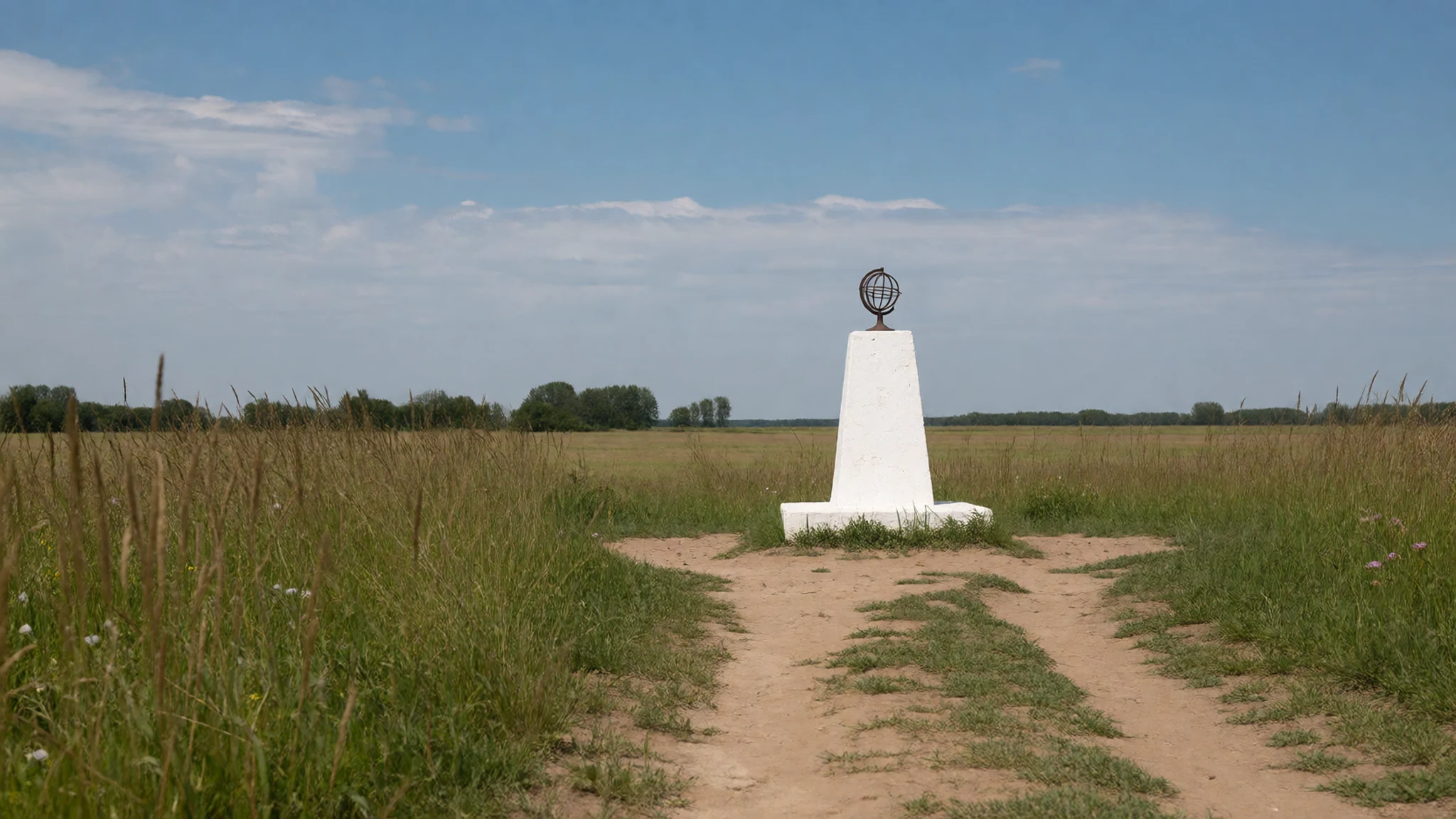
Culture
Soroca Fort stands in a town where several communities have shared the Dniester bank, so its culture is layered rather than tidy. The fort belongs to the story of medieval Moldavia, while the town is often called the Romani capital of Moldova, and the western hill is known for its decorated Romani houses. The river frontier with Ukraine adds another layer: the fort was once part of a line of defences, and today the water is a quiet border where people fish and watch the far bank. Local life is small-town and unhurried, built around bus stations, markets, cafés and long conversations over a drink. English is not widely spoken in everyday places, so a few words of Romanian or Russian go a long way, and a translation app helps with menus. The fort's restoration reflects a wider effort to look after historic sites in Moldova, which means a visit can feel unfinished but also alive, with work and heritage side by side. Visitors who treat Soroca as a living town rather than a set usually find it friendlier. Ask before photographing Romani families or their homes, and keep to the open areas of the fort rather than climbing on unfinished masonry or restoration works.
What to wear
Soroca Fort sits in a region where traditional Moldovan dress survives mainly at festivals, weddings and folk performances. The classic outfit is built from home-woven linen, hemp or cotton: a white embroidered blouse, a woollen skirt or wrap for women, a woven sash at the waist, and a sheepskin waistcoat in colder months. Embroidery carries regional patterns in red, black and other dark thread, and the same motifs appear on towels and tablecloths. Romani communities in the area often favour long, full, brightly coloured skirts and headscarves, still seen on special occasions. Day to day, people in Soroca dress as in most small European towns: jeans, jackets, trainers and plain shirts, with smarter clothes for church or an evening out. Visitors should plan for the terrain and weather rather than for formality. Wear sturdy flat shoes for uneven stone and dusty paths; carry a windproof layer, since the river can be breezy; and bring a hat and sun protection in summer, and a warm coat, gloves and waterproof boots in winter. If an Orthodox church or monastery is on the itinerary, cover shoulders and knees, and carry a scarf for women who wish to cover their hair.
What to eat
- Mămăligă — Home-style restaurants and eateries in the town centre
Mămăligă is a firm cornmeal porridge served in place of bread, often with cheese, sour cream or a stew. It is the plain, filling base of much Moldovan cooking, and a plate of it suits a cold evening after walking the river.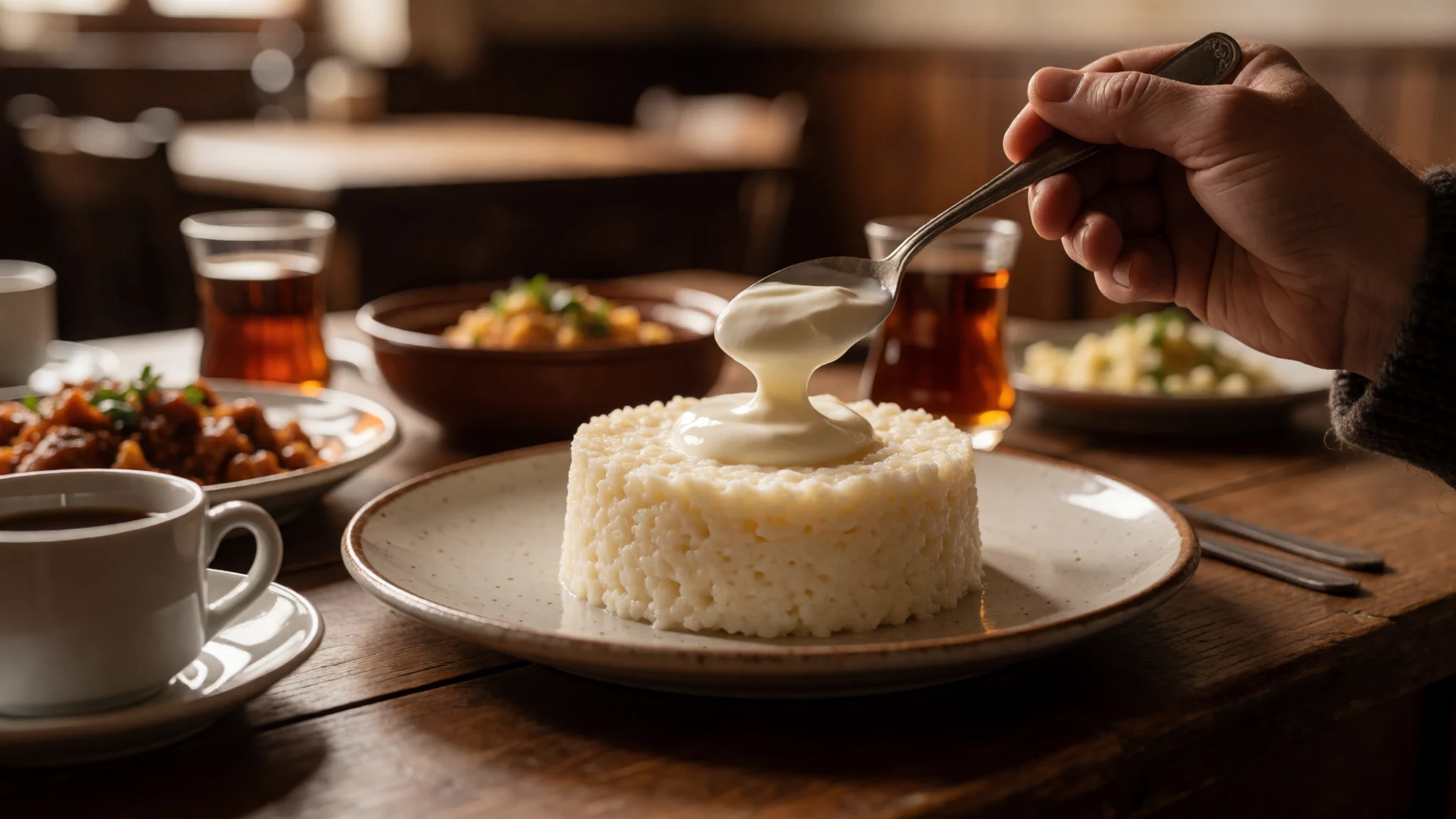
- Sarmale — Local eateries near the main streets
Sarmale are minced meat and rice rolled in cabbage or vine leaves and simmered slowly, usually with sour cream alongside. They appear at family tables and in everyday eateries, and are a dependable choice for anyone unsure what to order from a menu without English.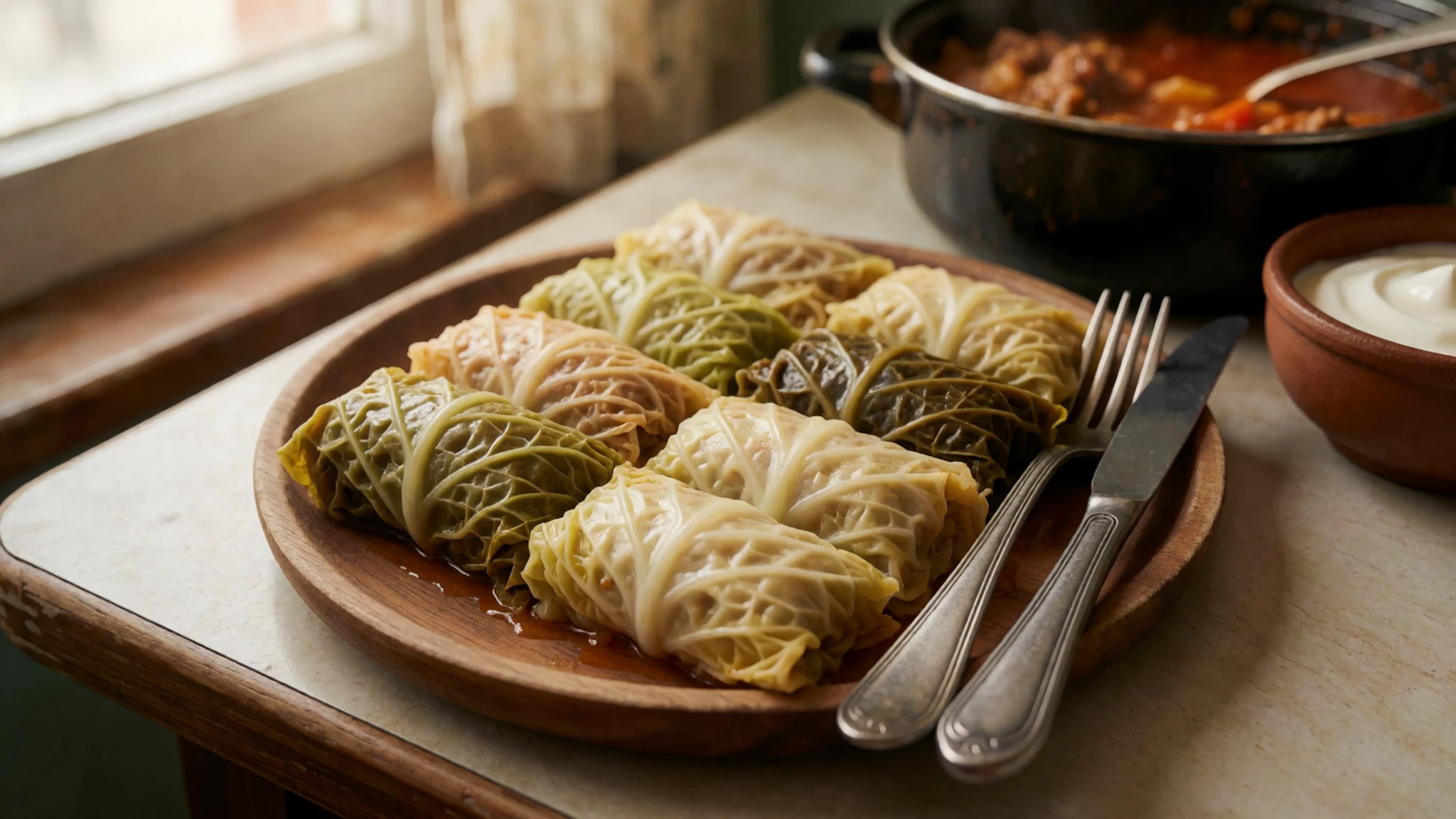
- Plăcinte — Bakeries and market stalls near the bus station
Plăcinte are flat or folded pastries filled with cheese, potato, cabbage or pumpkin, baked or fried until golden. They are sold as a quick snack and eaten warm, so a bakery counter or market stall near the bus station is an easy place to try one. - Zeamă — Home-style restaurants in town
Zeamă is a sour chicken noodle soup, brightened with a splash of fermented bran or lemon juice and fresh herbs. It is a common lunch in home-style restaurants and works as a restorative meal on a wet or windy day by the Dniester. - River fish — Riverside eateries and home-style restaurants
River fish is a reasonable thing to ask for in a town where fishermen work the bank, usually fried or in soup. Availability depends on the season and the day's catch, so ask rather than expect it.
Plan it
Best time. Soroca Fort is most comfortable in May–June and September–October, when days are mild for walking the walls and the riverbank; July–August can be hot, and winter is cold with wind off the river.
How long. 1
Getting there. Chișinău, the capital, is the usual gateway. Buses run from Gara de Nord in Chișinău to Soroca, a ride of roughly 2.5 hours (about 150 km); check current times locally. From the bus station, the fort is a short taxi ride or a walk through town.
Budget. low
Tips
- Check locally before travelling, as renovation can close parts of the fort
- Carry cash in lei for small eateries, buses and taxis, as card acceptance can be patchy
- In summer, go in the morning, when the courtyard is cooler and the light is good for photographs
- Wear sturdy shoes and bring a windproof layer for the riverside
- Check current bus times at Gara de Nord in Chișinău before setting out, as timetables change
Etiquette
- Ask before photographing people, especially in the Romani neighbourhood on the western hill
- Stay out of closed or restoration areas and do not climb on the walls
- Cover shoulders and knees if you visit a church
Nearby
Sources
- Wikidata Q2374273 (CC0)
- Wikipedia: Soroca Fort (rev 1374994793) (CC BY-SA 4.0)
- Wikivoyage: Soroca (rev 5071345) (CC BY-SA 4.0)
- Photo: Сорокская крепость / Cetatea Soroca / Soroca Fortress (Photobank MD) (CC0 1.0)
- Photo: Сорокская крепость / Cetatea Soroca / Soroca Fortress (Photobank MD) (CC0 1.0)
- Photo: Soroca Fort, Eastern Walls, from the outside (Baptiste Dauphin) (CC BY-SA 4.0)
- Photo: Soroca Fort, Main Tower & Entrance, from the outside (Baptiste Dauphin) (CC BY-SA 4.0)
- Photo: Soroca Fort, Inside in Renovation, The Court (n°2) (Baptiste Dauphin) (CC BY-SA 4.0)
- Photo: Soroca Fort, Main Tower, from the inside (n°2) (Baptiste Dauphin) (CC BY-SA 4.0)
- Photo: The Soroca fortress (Andrey) (CC BY 2.5)
- Photo: Tower with gate of the fortress (Andrey) (CC BY 2.5)


