Căpriana Monastery
Căpriana Monastery, Moldova
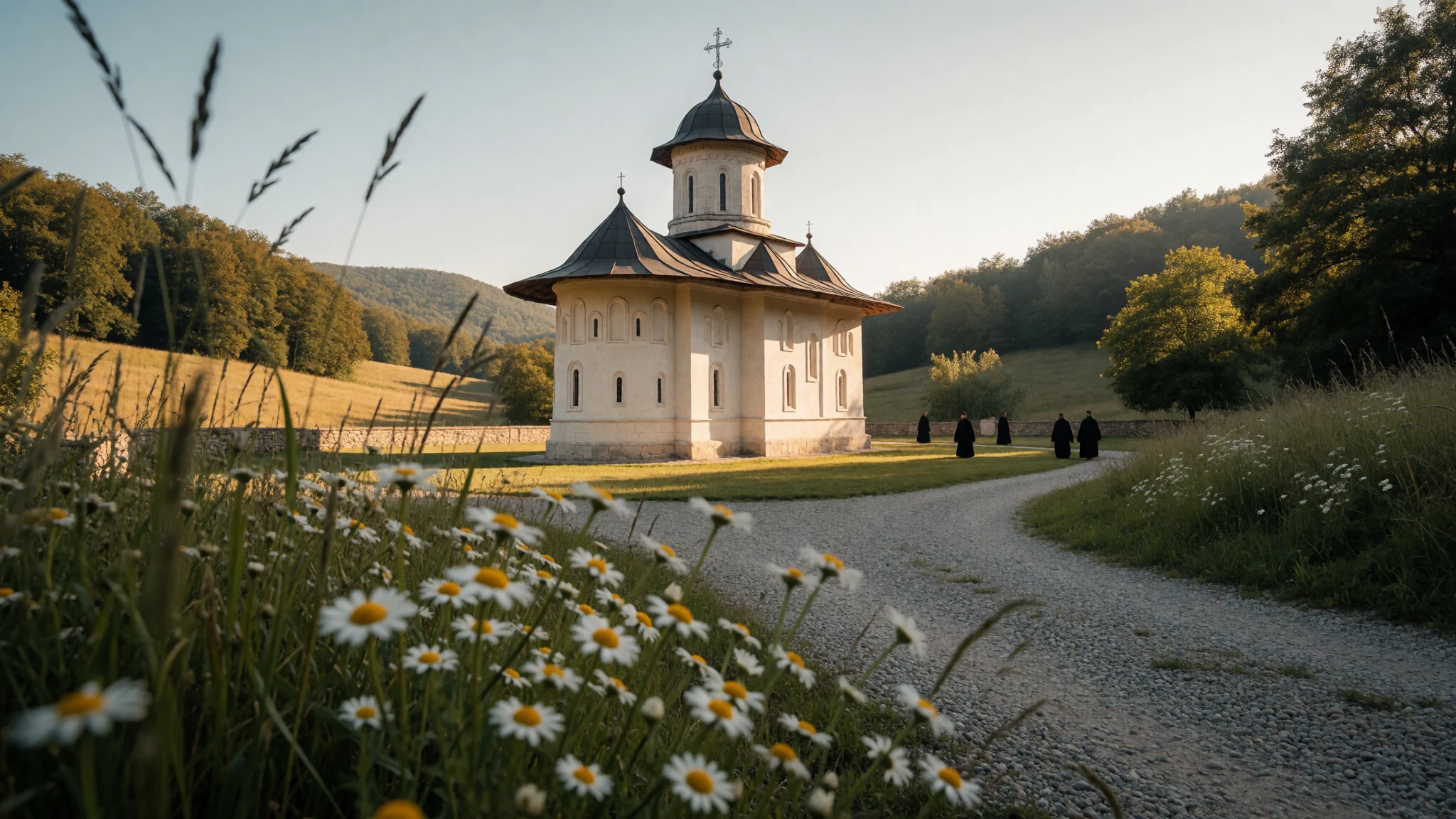
Căpriana Monastery is a working Orthodox monastery in quiet wooded hills, close enough to Chișinău for a calm half-day away from the capital.
The place
Căpriana Monastery (Mănăstirea Căpriana) stands in the village of Căpriana, about 40 km north-west of Chișinău, in rolling, wooded country that feels a long way from the capital's traffic. The community dates from around 1401, and Moldovan sources count it among the country's oldest monasteries. It is still a working Orthodox monastery: a walled compound of churches, a bell tower, living quarters for the monks and tended gardens, all kept quiet and orderly. Church domes rise above the tree line, and in late autumn the surrounding woods turn copper and gold. Nothing here is grand in scale. The interest lies in atmosphere: candle smoke, low chanting, bells carrying across the hills and a sense of continuity that has little to do with sightseeing. Most visitors are Moldovans, whether families on a day trip from the capital, pilgrims, or couples seeking a blessing, with the odd foreign traveller fitting a monastery in beside a wine-cellar tour. Moldova receives few foreign tourists, so a stranger may attract curious stares, but inside the gates the usual response is quiet courtesy. The monastery is pictured on the reverse of the 2010-series 1 leu banknote, a small sign of how firmly the country claims it as its own. Facilities are modest, so it works best as a half-day outing rather than a destination in itself.
Its story
Căpriana Monastery traces its beginnings to around 1401, a period when the medieval principality of Moldova was taking shape and Orthodox monasteries served as places of prayer, learning and refuge. Sources place it among the country's oldest monasteries, and its long life follows the turns of the region's history. Ottoman influence, then Russian rule, then the Soviet Union shaped the land around it over the centuries, and independence arrived only in the 1990s. The Soviet decades were hard on religious communities across the region, and many monastic houses were closed, repurposed or left to decay. When Moldova became independent, monasteries such as Căpriana were able to return to their older role as active centres of worship, and pilgrims came back in numbers. What stands today is probably a layering of buildings from different periods rather than an untouched medieval site, so it is wise not to expect a single, preserved age. The sources used for this reading give only the broad outline, and details of individual churches and rebuildings are best checked with the monastery itself or a local guide. What the history does explain is the place's standing. Having outlasted several rulers and a period of official hostility to religion, Căpriana has become a symbol of Moldovan continuity, which is why it appears on the national banknote and why many Moldovans visit with a sense of pilgrimage rather than tourism.
What to see
- Monastery churches and grounds — Căpriana village
The heart of Căpriana Monastery is its walled compound, where several churches stand among lawns, flowerbeds and old trees. Step inside the main church for candlelight and icons, then walk the paths slowly, because the grounds reward lingering more than ticking off buildings. Services shape the day, so check with the monastery about visiting arrangements before travelling.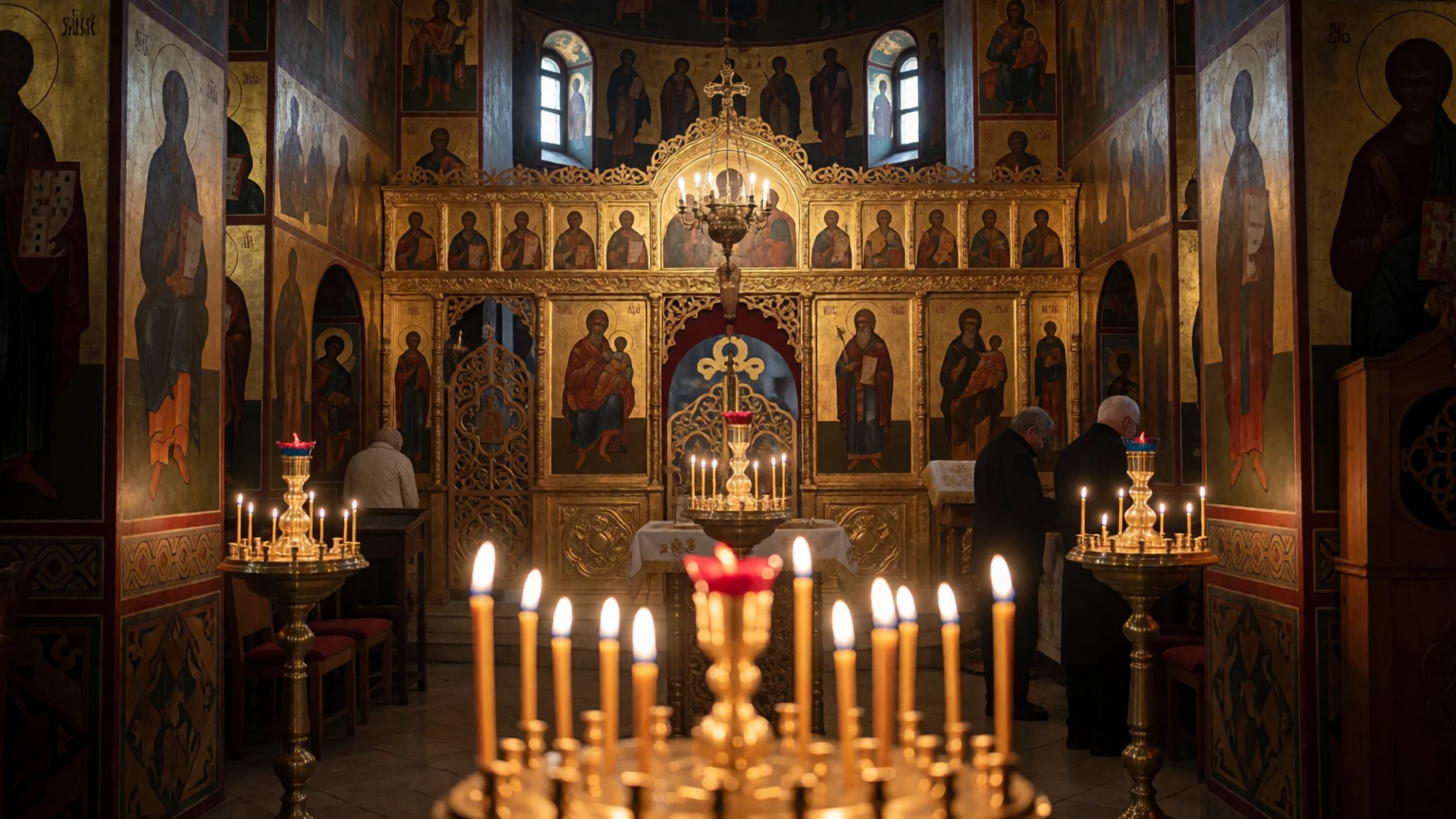
- Wooded hills around Căpriana — Căpriana village and surroundings
The countryside around Căpriana village is soft, forested and farmed, good for an unhurried walk before or after the monastery. Paths are informal, so wear sturdy shoes and ask monastery staff or villagers which tracks are pleasant. Autumn colour and spring greenery both suit photographs, and the lanes are quiet apart from the occasional tractor or cart.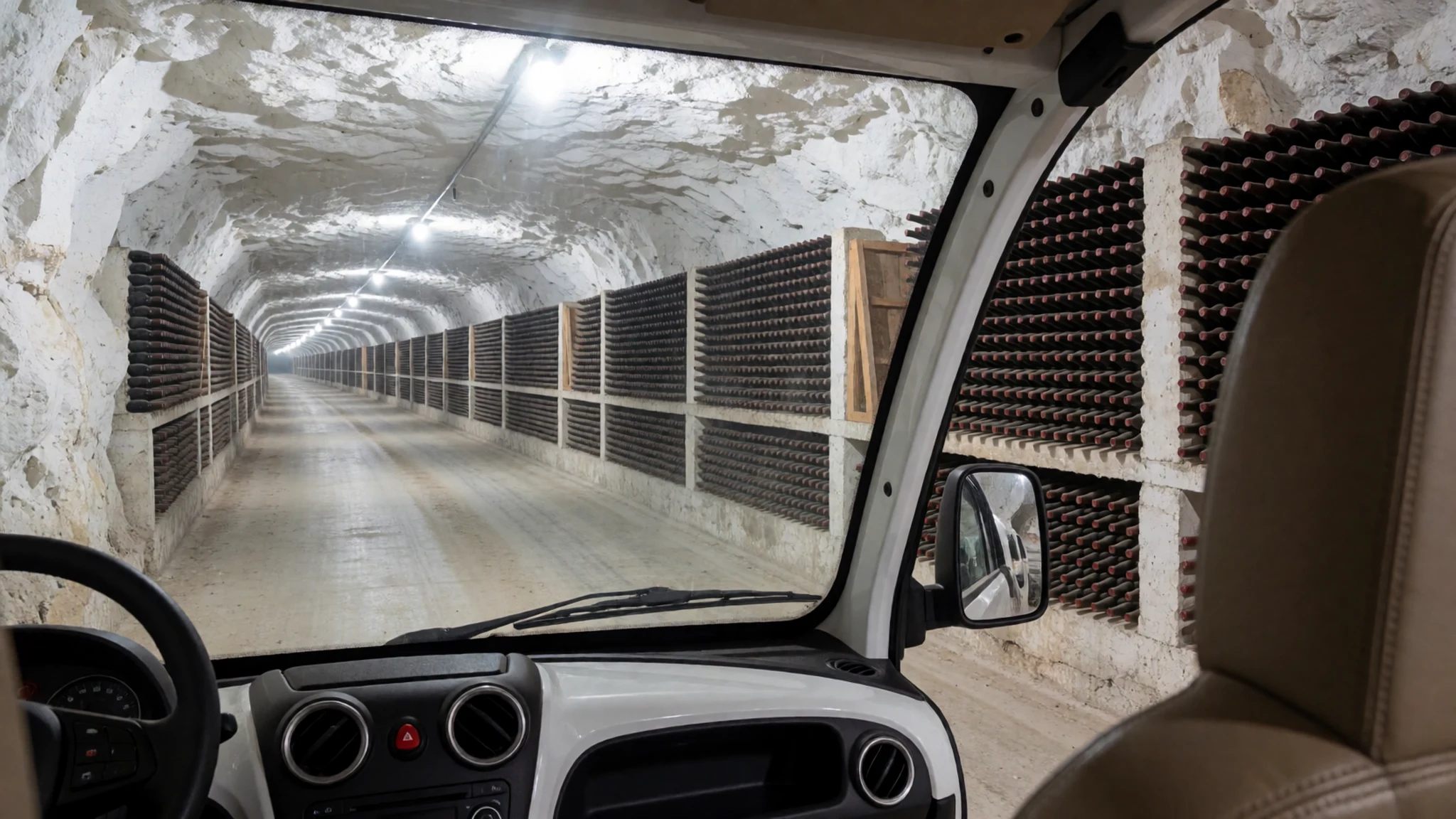
- Orhei National Park — North-east of Căpriana
Orhei National Park has been protected since 2012 and covers 337 km² of rolling country north-east of Căpriana. It is a natural second stop for travellers who want landscape alongside the monastery. Give it a separate day if possible, and arrange transport in advance, since public services between the sights are limited.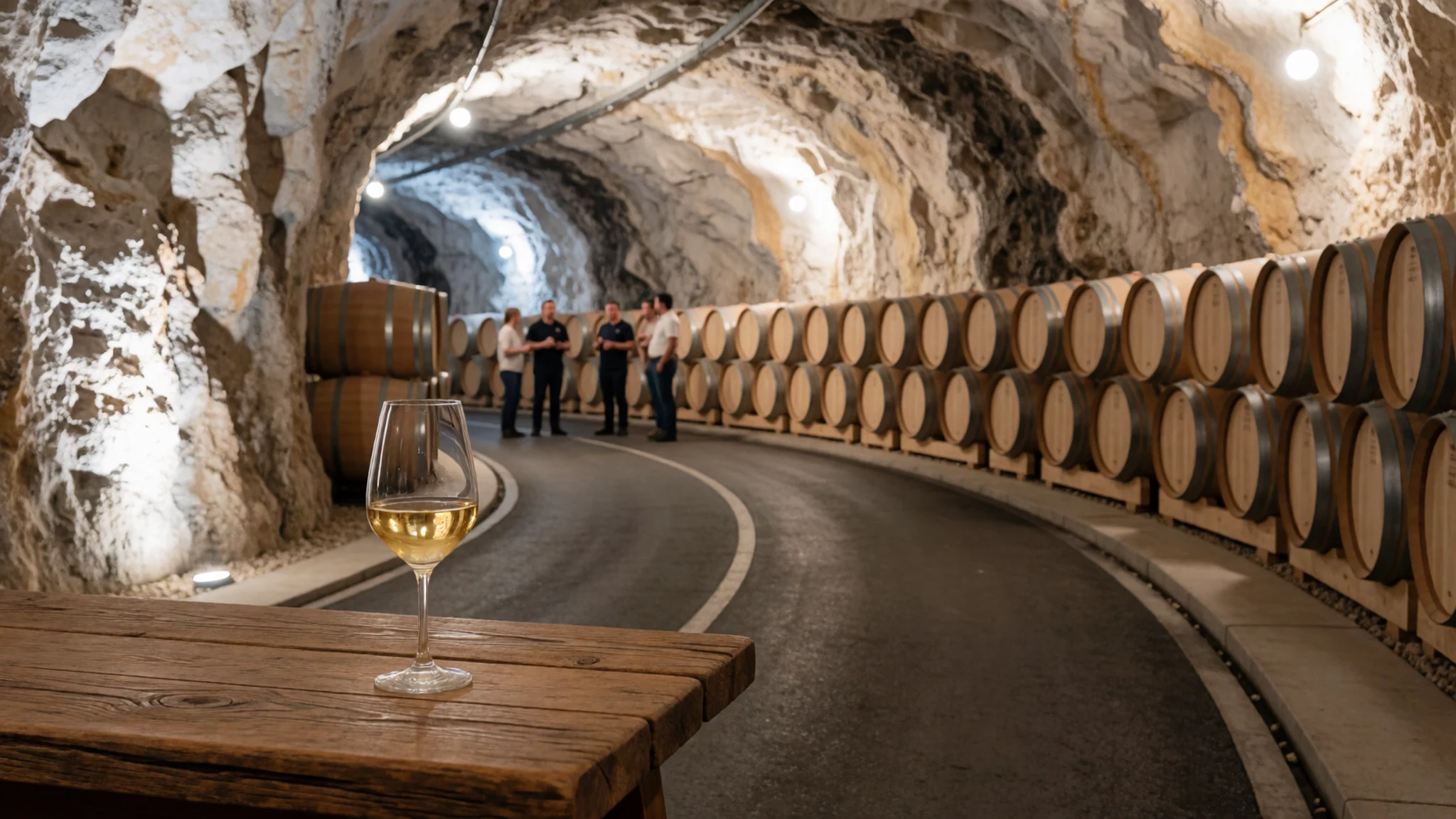
- Cricova wine cellars — Near Chișinău
Cricova is a wine cellar with long underground roads, about a fifteen-minute drive from Chișinău and popular with visitors who want to taste Moldovan wine. Tours usually need booking, so contact the winery or a travel agency beforehand and check current arrangements. It combines easily with the monastery if a car is available.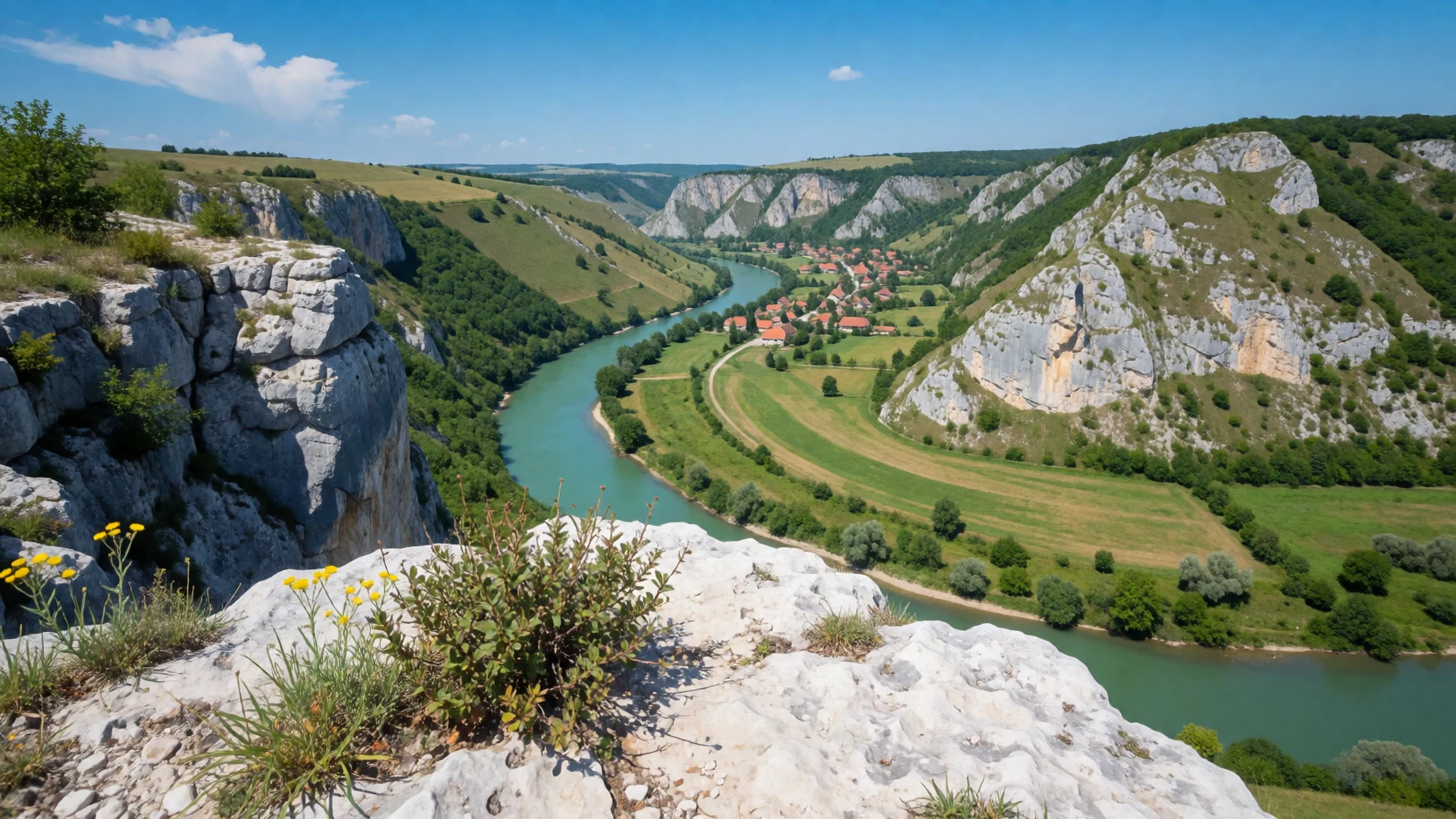
- Chișinău museums — Central Chișinău
Central Chișinău holds the Museum of Archaeology and Ethnography, the Museum of Natural History and the National Museum of Fine Arts. Together they give the wider context of Moldovan history, crafts and art that a monastery visit alone cannot. They suit a morning in the capital before or after a trip out to Căpriana.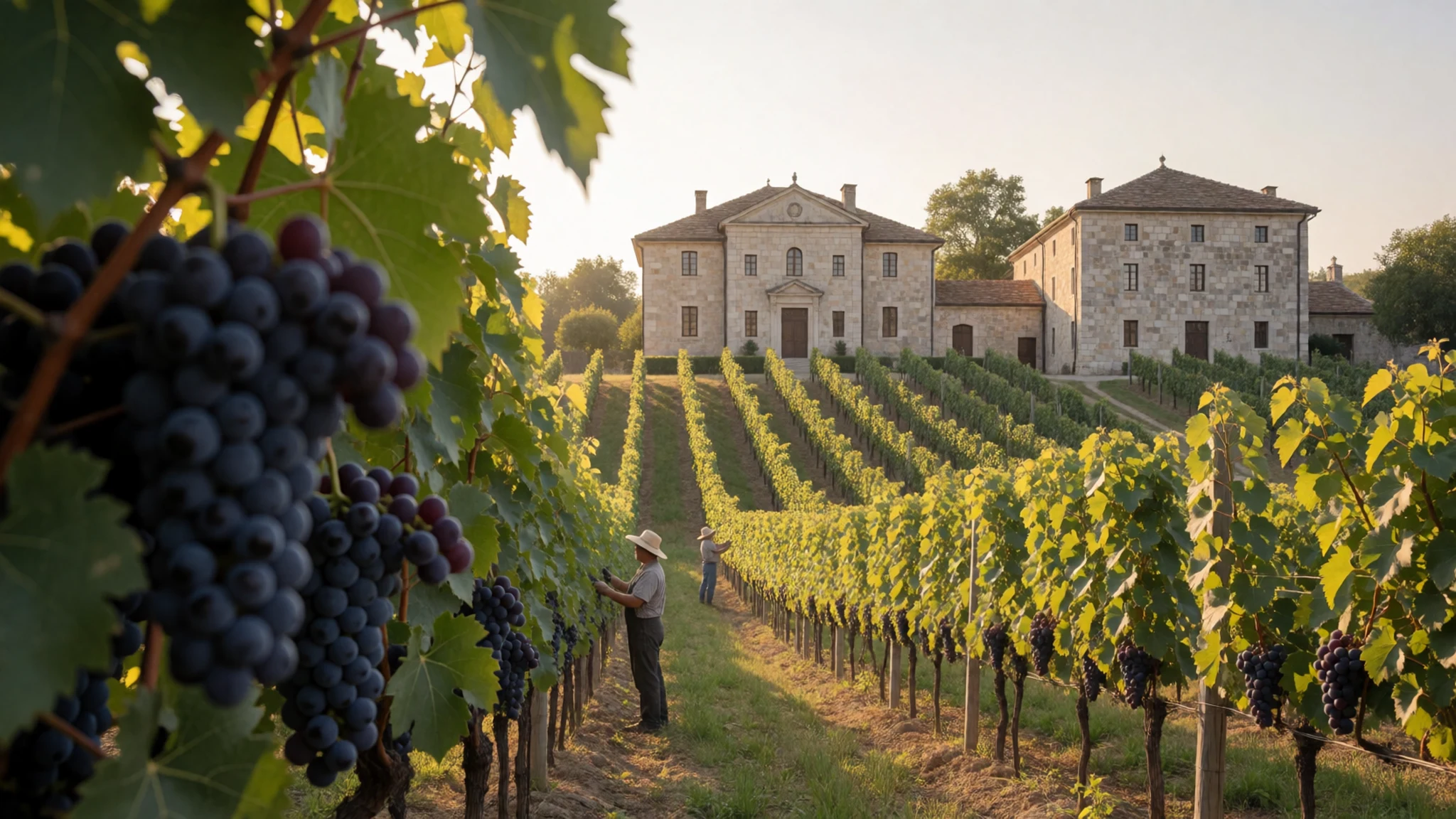
Culture
Căpriana Monastery sits within a deeply Orthodox culture, where faith shapes the rhythm of the week more than many outsiders expect. Bells, services and feast days set the tempo, and many Moldovans visit monasteries to light candles, ask for blessings and mark family occasions. The country has been shaped by Ottoman and Russian influence and a long Soviet period, and its mix of Romanian-language heritage, Slavic neighbours and Orthodox practice shows in food, speech and manners. Hospitality is genuine: guests are offered food, wine and conversation, and refusing outright can seem cold, so accept a little with thanks. Because few foreigners visit, being stared at is normal and is curiosity rather than hostility. A stranger is occasionally taken for someone wealthy, so ignore anyone pushy and decline firmly without feeling obliged to be polite. Chivalry is common: men may open doors, carry bags or insist on paying, and it is usually meant as courtesy and nothing more. Romanian is the main language, Russian is widely understood, and a few words of Romanian are warmly received. Wine is a matter of national pride, and conversation turns to it readily. At Căpriana, cover shoulders and knees, women should wear a headscarf inside the churches, and always ask before photographing monks or worshippers.
What to wear
Around Căpriana Monastery, traditional dress survives mostly as festival and feast-day wear rather than daily clothing. Moldovan folk costume draws on homespun linen, hemp and wool: women's embroidered blouses worked in red, black and blue thread, wrap skirts, woven belts and white headscarves, and men's long linen shirts, wool waistcoats and sheepskin hats. It appears at weddings, folk festivals and some church celebrations, and embroidery patterns vary from village to village. Everyday clothing is plain and practical: jeans, jackets and trainers in Chișinău, and work clothes and rubber boots in the villages. At the monastery, the monks wear black robes and caps, and devout women often cover their hair with a scarf. Visitors should dress modestly: shoulders and knees covered, no shorts or sleeveless tops, and a scarf for women to wear in church. Men should remove hats indoors. Choose flat, comfortable shoes that are easy to slip off, because paths can be muddy after rain and icy in winter. Layers help, as spring and autumn mornings are cool, summer afternoons can be warm, and winter is cold. A light waterproof is worth carrying in any season.
What to eat
- Mămăligă — Village family tables, roadside eateries and traditional restaurants in Chișinău
Mămăligă is a thick cornmeal porridge, Moldova's everyday staple, served with salty sheep's cheese (brânză) and sour cream. It often comes alongside fried pork, mushrooms or stews. It is filling, simple and best eaten hot, with a glass of local wine.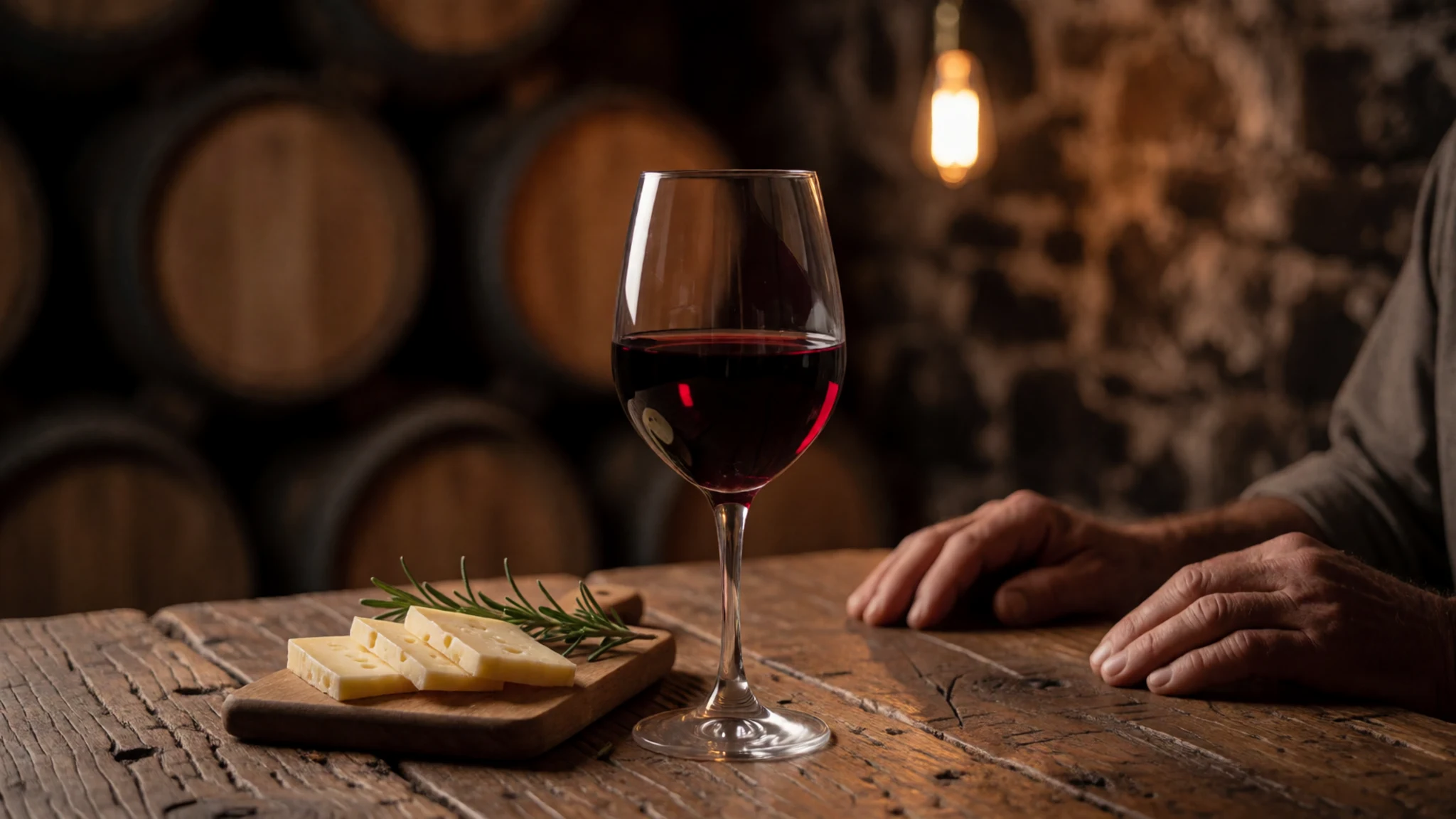
- Sarmale — Traditional restaurants and home-style eateries in Chișinău
Sarmale are small rolls of cabbage or vine leaf stuffed with rice and minced meat, simmered slowly and usually served with sour cream and a slab of mămăligă. They are a festive dish, common at family gatherings and on feast days.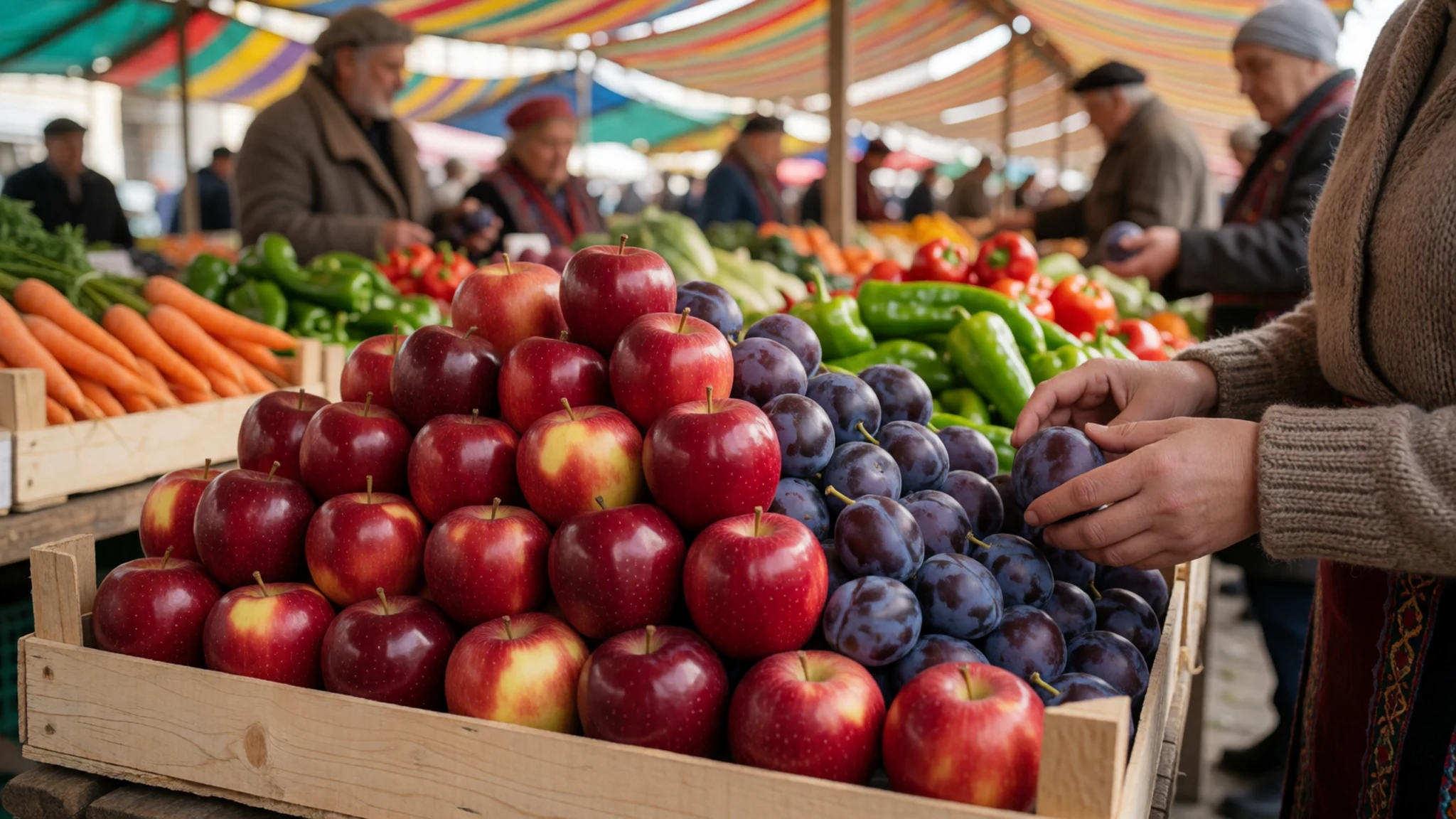
- Plăcinte — Bakeries and market stalls in Chișinău
Plăcinte are thin, folded pastries filled with cheese, potato, cabbage or pumpkin, then baked or pan-fried. They are cheap, portable and good for a quick lunch between sights. Fillings vary by season and by baker. - Zeamă — Home kitchens, cafés and traditional restaurants
Zeamă is a clear chicken soup with homemade noodles and vegetables, soured with a splash of fermented bran liquid or lemon. It is the sort of dish served to guests and to anyone feeling under the weather, and it suits cooler days. - Local wine — Cellar tasting rooms near Chișinău and local restaurants
Moldova is known for wine, and good bottles are inexpensive by European standards. Reds, whites and sweeter styles are all made, and many families produce their own. A tasting is an easy way into the local food culture.
Plan it
Best time. May–June and September–October for mild weather and green or golden woodland. July and August can be hot, and winters are cold, though the monastery is quiet then and the setting still has its own calm.
How long. 1
Getting there. Fly to Chișinău International Airport, then cover the roughly 40 km north-west to Căpriana by taxi or hired car, which is the simplest option. Ask locally about minibus links for the final stretch, as village services are limited.
Budget. low
Tips
- Go on a weekday morning for the quietest atmosphere
- Carry some cash in Moldovan lei, as village shops may not take cards
- Bring water and snacks, since services around the monastery are limited
- Check with the monastery before travelling, as services can affect when parts of the grounds are open to visitors
- Combine the visit with Cricova or central Chișinău if a car is available
Etiquette
- Cover shoulders and knees, and wear a headscarf in church if you are a woman
- Keep voices low and phones silent inside the churches
- Ask before photographing monks, nuns or worshippers
Nearby
Sources
- Wikidata Q1692322 (CC0)
- Wikipedia: Căpriana monastery (rev 1363753526) (CC BY-SA 4.0)
- Wikivoyage: Moldova (rev 5422241) (CC BY-SA 4.0)
- Photo 01: Poco a poco, via Wikimedia Commons (CC BY-SA 4.0)
- Photo 02: Poco a poco, via Wikimedia Commons (CC BY-SA 4.0)
- Photo 03: Poco a poco, via Wikimedia Commons (CC BY-SA 4.0)
- Photo 04: Valerica, via Wikimedia Commons (CC BY 3.0)
- Photo 05: Poco a poco, via Wikimedia Commons (CC BY-SA 4.0)
- Photo 06: Poco a poco, via Wikimedia Commons (CC BY-SA 4.0)
- Photo 07: Poco a poco, via Wikimedia Commons (CC BY-SA 4.0)
- Photo 08: 1 Moldovan leu banknote reverse, scan by Zenwort, via Wikimedia Commons (Public domain)


