Old Orhei (Orheiul Vechi)
Old Orhei (Orheiul Vechi), Moldova
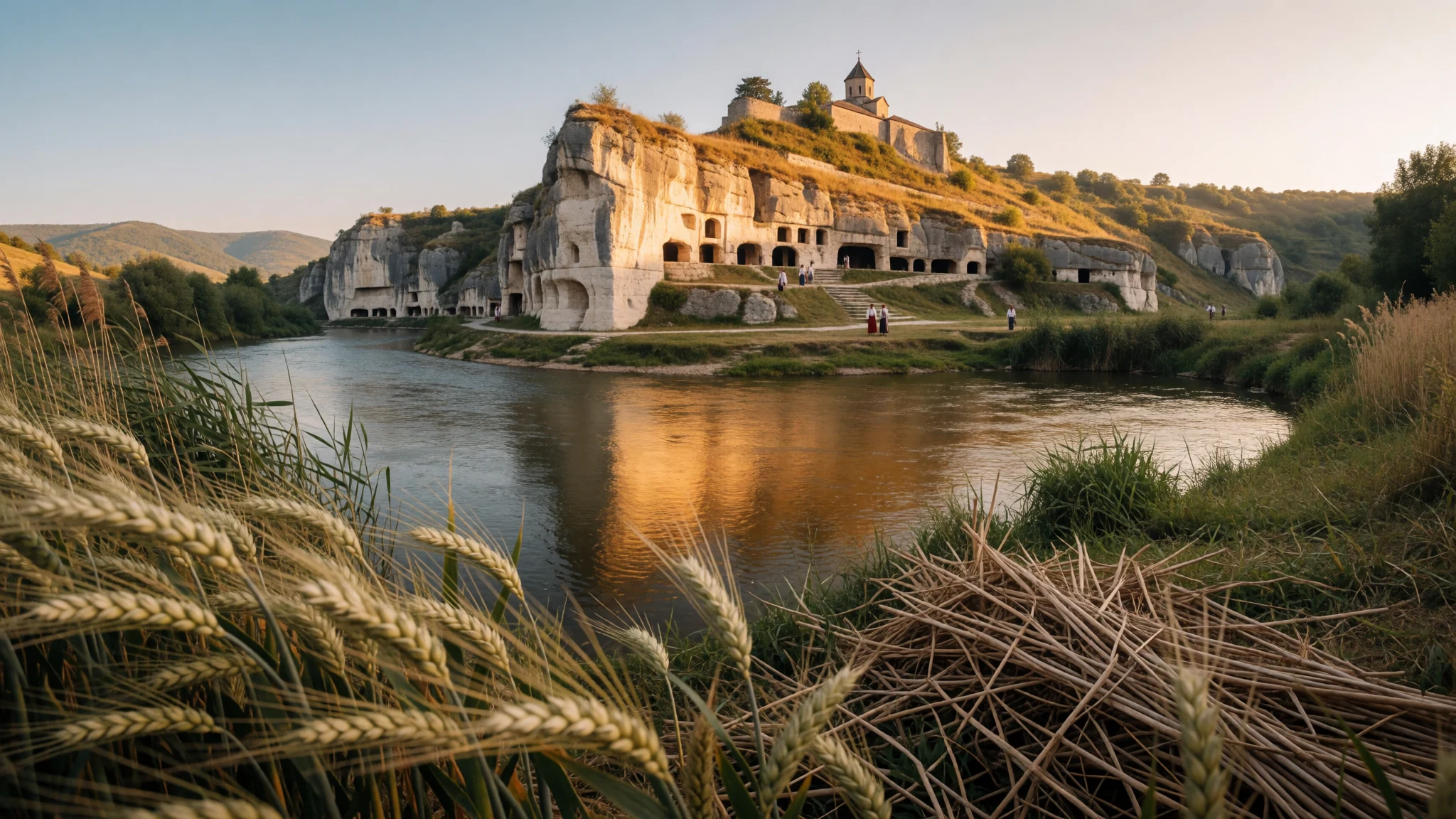
Old Orhei blends river-carved limestone, cave chapels and layered fortifications into one dramatic archaeological landscape in Moldova.
The place
Old Orhei (Orheiul Vechi) is a historical and archaeological complex tucked in Trebujeni, set on a narrow bend of the Răut River in Moldova. The setting is doing half the work: limestone rock forms steep banks that the river has cut and worn over time, shaping lookouts, terraces and natural shelters.
What makes the site feel different from “just ruins” is how many eras overlap in the same view. Archaeological work has turned up cultural layers spanning the Paleolithic, Eneolithic and Iron Age, and then a sequence of later arrivals. You can still trace defensive thinking in the earthworks and fort-like layouts, then switch to religious life with a monastery on the hill and smaller, rock-cut spaces nearby. At street level it’s quiet; on the limestone edges it’s all angles, shadows and distant fields.
Expect a half-day to a full-day wander depending on pace. The site is spread out, with paths that can get dusty in dry weather and slick in wet spells. Summer is hottest from June through August (about 38–41°C highs, with warmer nights), while winter is the coldest from December through February (often below freezing even at night). Wettest months tend to be June and July (around 69 and 60 mm of rain on average), with spring and autumn usually gentler for walking—especially April and October. If you’re visiting from Chișinău, the trip is usually a day outing rather than a long-stay stop—plan around getting there early enough to enjoy the calm before tour groups arrive.
Old Orhei doesn’t give you a neat museum timeline; it gives you a lived-in landscape where geology and human history constantly answer each other.
Its story
The story of Old Orhei starts with the Răut River and limestone. Over time, the water carved a narrow bend and left rock faces that naturally offered routes, hiding places and viewpoints. Archaeology has revealed that this landscape drew people long before the later fortresses—cultural layers include the Paleolithic, Eneolithic and Iron Age.
As centuries turn, the complex reads like a palimpsest of borders and faith. Evidence points to an early Geto–Dacian fortress phase, with remnants of earthen and wooden strongholds dated from the 6th–1st centuries BC. Later, the Golden Horde is associated with a fort known as Shehr al-Jedid or Yangi-Shehr in the 14th century. A Moldavian fort followed in the 14th–16th centuries, and an Orthodox monastery came along around the 14th century, with a small number of Orthodox monks still inhabiting the hilltop church.
The rock-cut spaces are part of the legend as well as the layout. Nearby caves function as chapels, and they hold historical artifacts alongside Old Church Slavonic inscriptions. The caves also connect to a survival narrative: during periods of pressure, hajduks are said to have taken shelter inside them to hide from Ottoman authorities. Standing in the valley, you can see why—limestone curves create natural cover, while the heights give a watchful line over the river bend.
Old Orhei works as a single place, not a timeline box: you move between fortress remnants, monastery spaces and cave chapels, and the layers feel present rather than labelled.
What to see
- Răut River valley bend — Răut River edge (valley approach)
Old Orhei sits on a tight bend of the Răut River, where limestone cliffs rise straight from the waterline. The viewpoint rhythm is the key: terraces lead the eye along the curve, making the whole site feel like it was designed around the river.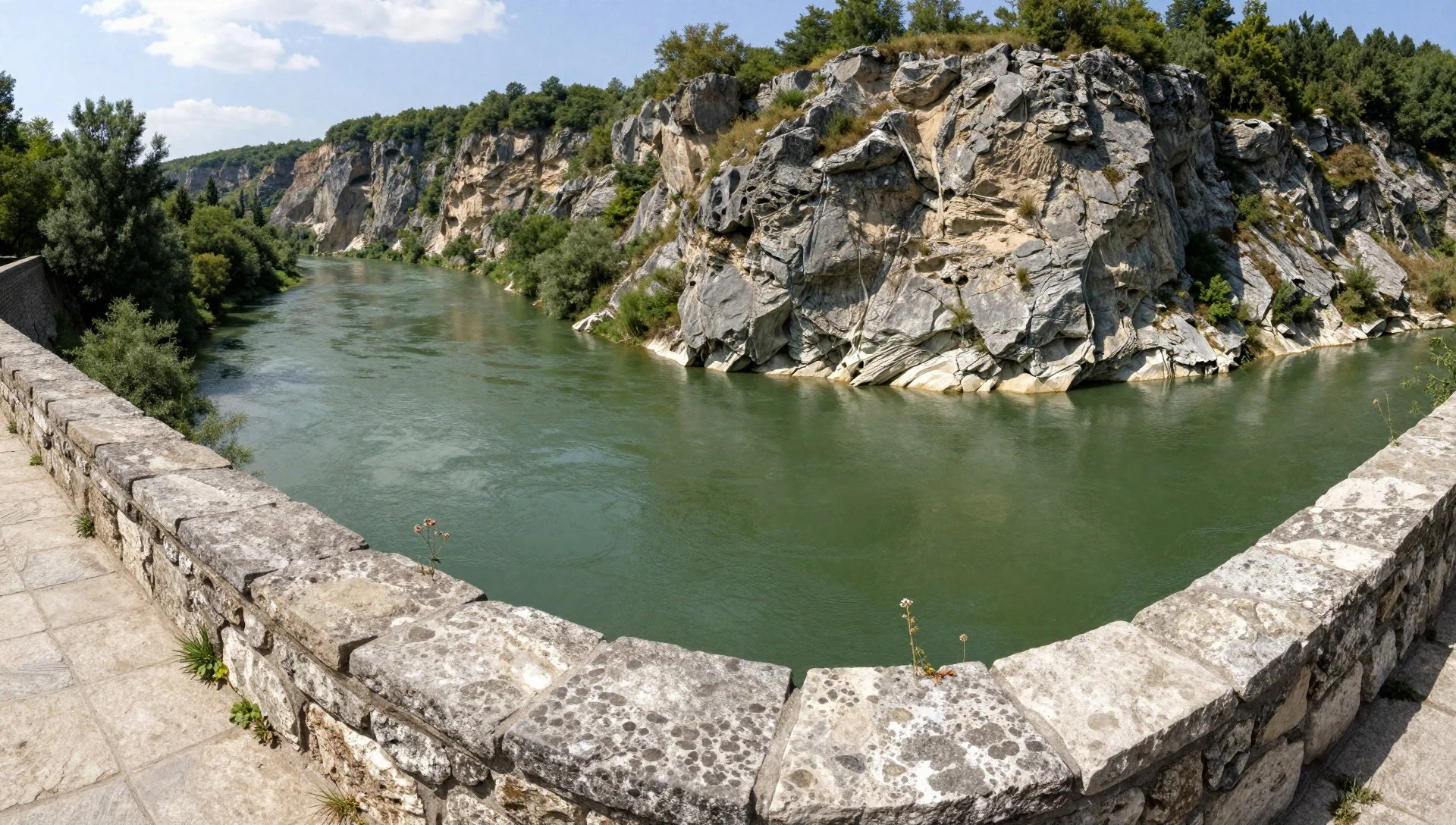
- Hilltop Orthodox monastery area — Top-of-the-hill monastery zone
The monastery complex crowns the hill above the valley. From the approach paths, the church sits higher than the surrounding rock, giving it a watchman feel over the bend. The setting is calm, with a working religious space in the background.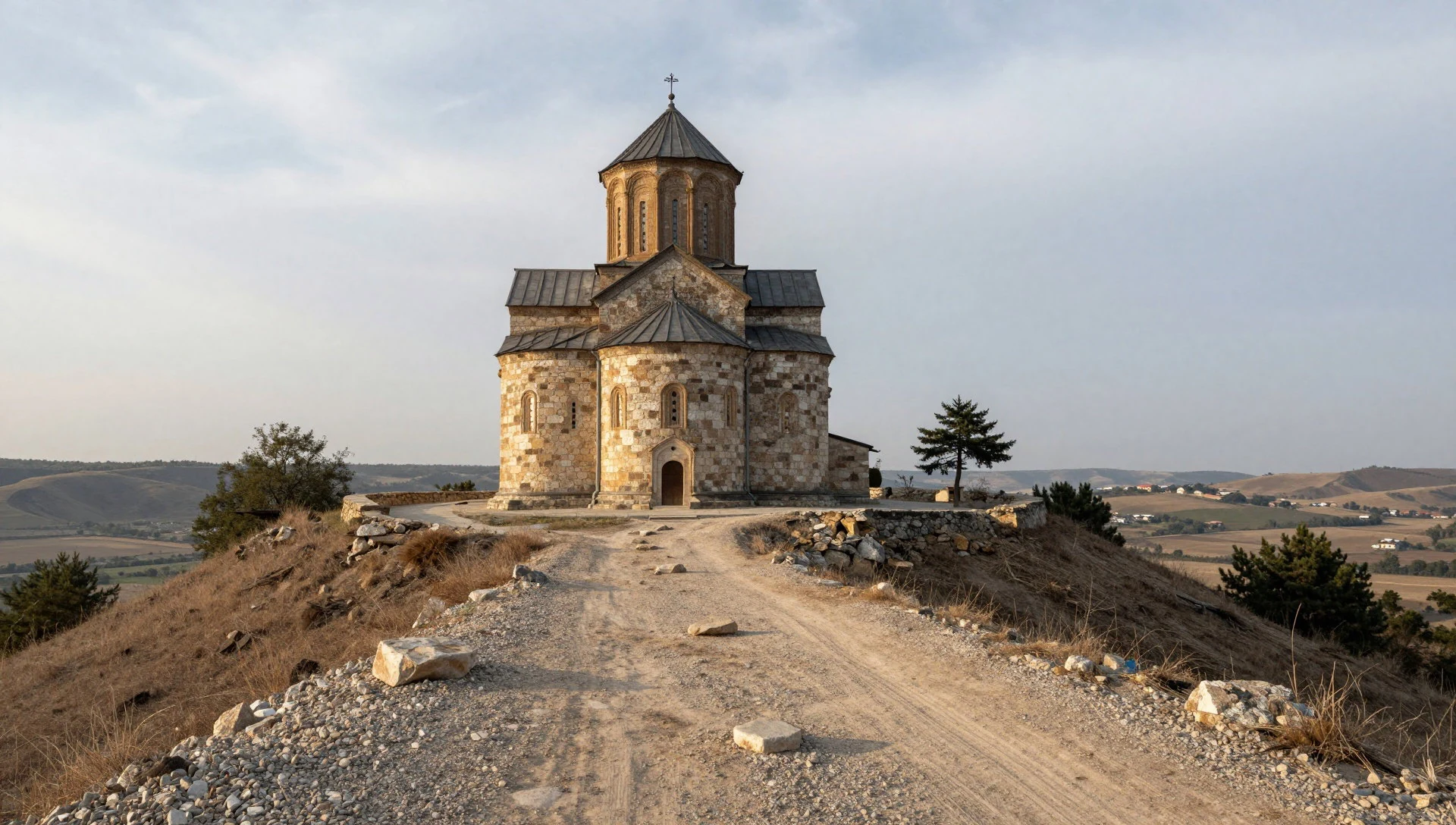
- Cave chapels and rock shelters — Cave chapel cluster
Old Orhei’s caves are still used as chapels, cut into the limestone and fitted for quiet prayer. Their surfaces are practical rather than grand, and the setting makes the inscriptions feel grounded in lived history. It’s a moving stop for anyone who likes architecture carved by nature.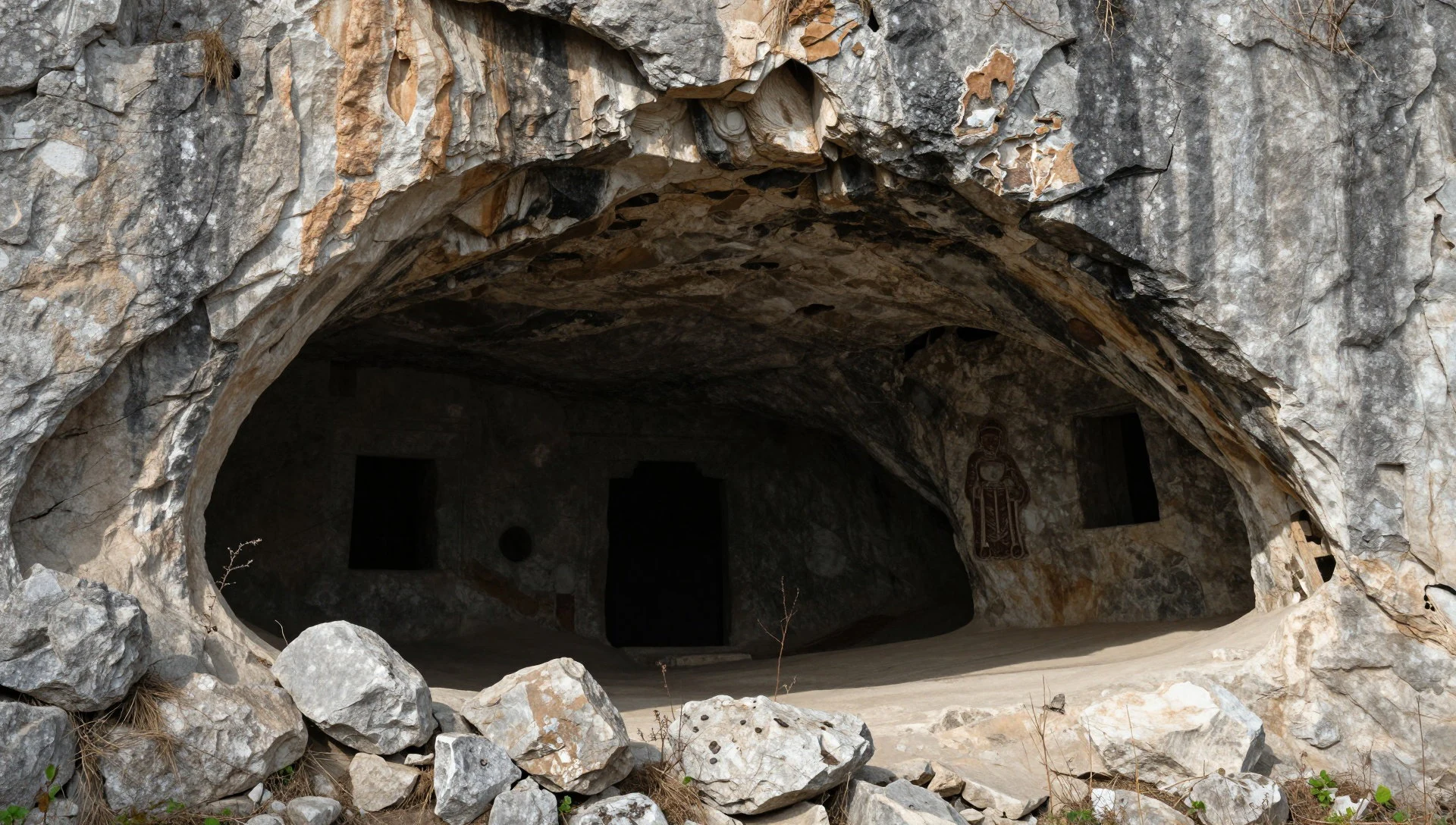
- Fortress remnants and layered earthworks — Main open-air archaeological zones
Defensive traces are scattered through the open-air complex: earthworks and shapes that read like they were built to control movement along the river bend. In places, the layers feel like they’re stacked in the ground itself, reflecting different periods of settlement and protection.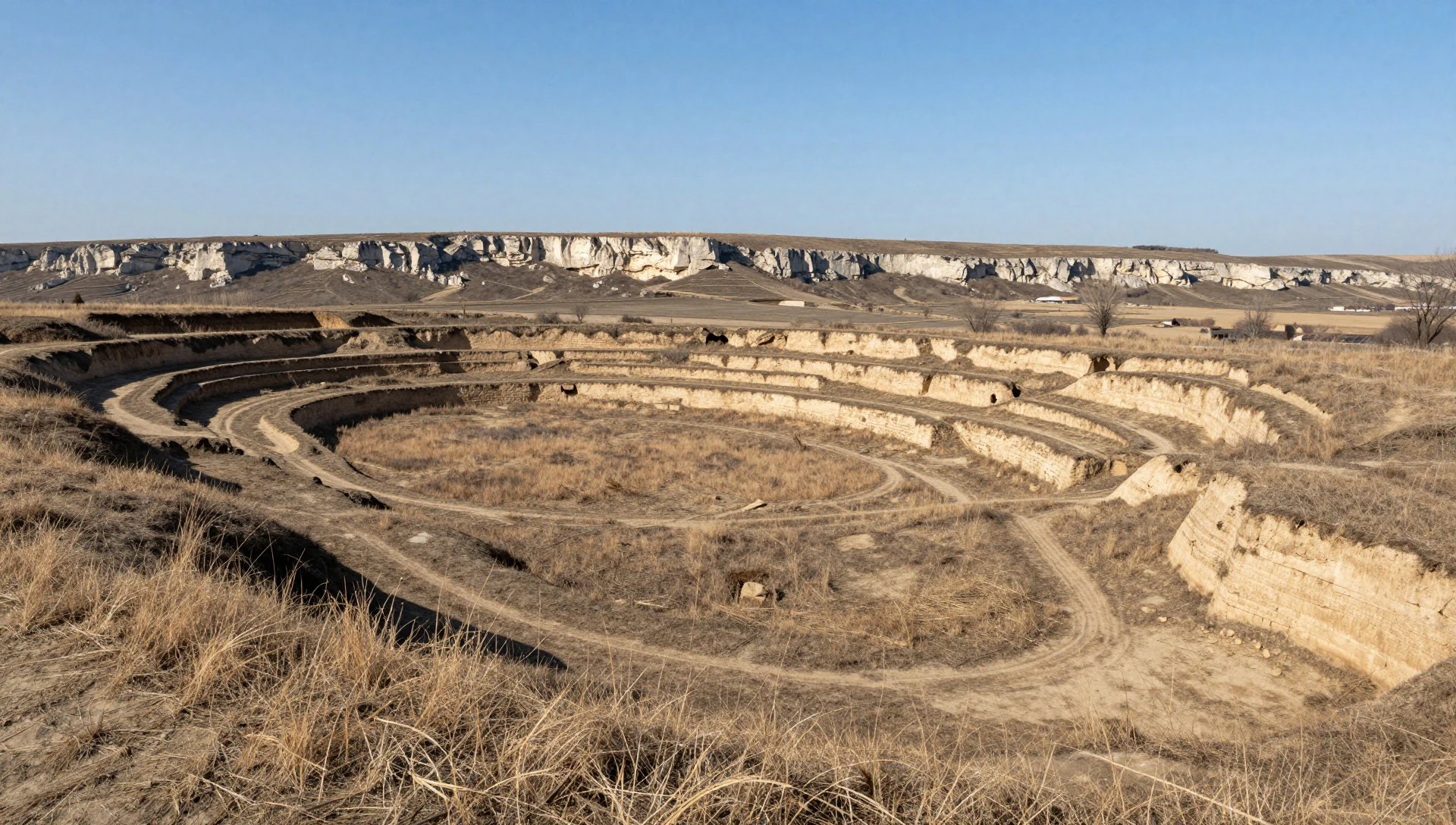
- Trebujeni surrounds within the wider complex — Trebujeni-side areas of Orheiul Vechi
Old Orhei is associated with Trebujeni and sits within a wider landscape of archaeological remnants and paths. Near the village side, you get a clearer sense of how the “site” is more than one viewpoint—ruins, rock and pathways spread out so a slower walk helps you notice details.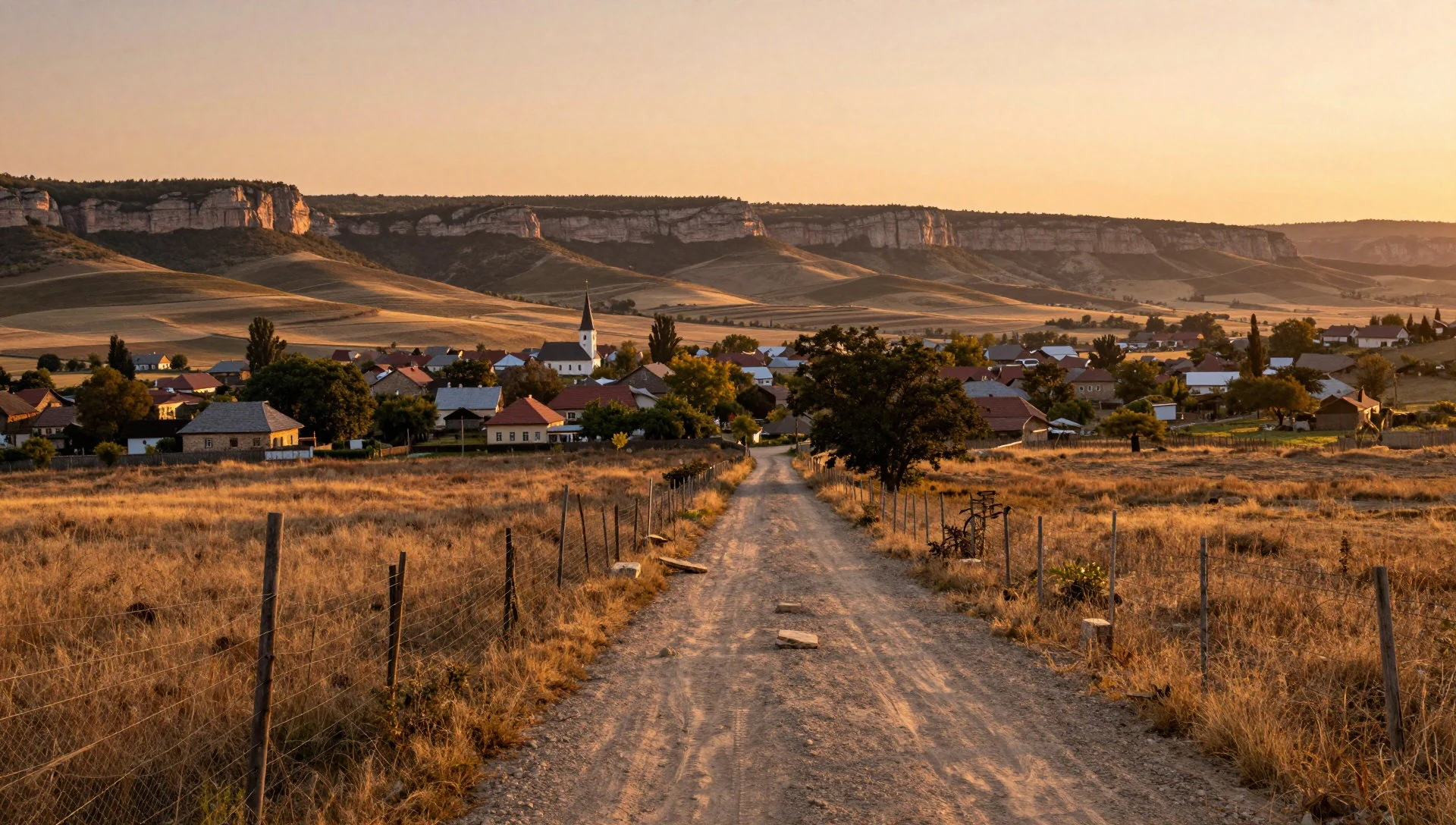
Culture
Old Orhei is a mix of archaeology and active religious life, so the tone on site is quieter than you might expect from a famous ruin. A handful of Orthodox monks still live here, and the cave chapels are functional spaces. That means some areas will feel more like a place of worship than a photo set.
Photography is usually possible outdoors, but keep a respectful approach around prayer spaces. If monks are present, treat them the way you would in a small church: speak softly, avoid blocking doorways and don’t linger in someone’s line of movement. Dress tends to be modest and practical—this is a rocky, sometimes uneven landscape, and people often stay comfortable rather than “tour-swag” it.
Expect uneven footing and a bit of dust or mud depending on weather, so bring footwear that grips. The site’s beauty comes from time and texture—limestone, carved hollows and layered earthworks—so slow down rather than sprinting between points. Crowds are usually manageable compared to major capitals, but arriving in the middle of the day in warmer months can make walking feel tiring.
Visitor etiquette: dress modestly and keep voices low, especially in the monastery and cave chapels.
What to wear
At Old Orhei, clothing is mostly about comfort, modesty and practicality. The monastery and cave chapels are religious spaces, so it helps to cover shoulders and keep legs reasonably covered rather than going too bare. It’s also sensible to plan for changing light across limestone walls and for steps and uneven ground.
Traditional dress in this part of Moldova can be seen during local festivities, but day-to-day life tends to be everyday wear: simple shirts, trousers or long skirts, and light layers for walking. Textiles and handcraft details show up in folk-style outfits—embroidered patterns and woven fabrics—but most visitors won’t need to dress in full traditional costume to fit in.
For a visit, wear breathable layers for the valley climate and bring something that covers the basics for religious areas. Closed-toe shoes with grip matter here because the terrain can be rocky and slippery in damp weather. A hat and sunglasses help on bright days; a light rain layer helps if weather flips quickly. If you’re visiting in March, April, October or November, a warmer layer is useful for early or late shade near the river.
In short: modest, comfortable and grippy—save the glamorous outfits for somewhere flat.
What to eat
- Moldovan-style plăcinte (baked pies) — Markets and bakeries around Orhei and Chișinău
Look for plăcinte-style baked pies at local bakeries and markets around Orhei and in the wider Chișinău area. They’re often filled with cheese, potatoes or fruit, and make an easy, grab-and-go snack during a long day outdoors.
- Mămăligă with simple toppings — Local restaurants and family-run eateries in the region
Mămăligă (cornmeal polenta) is a common comfort food in Moldova. For a quick meal, find it in family-run eateries and lunchtime plates in the surrounding towns, usually served with cheese, sour cream or other hearty additions.
- Soup starters like borș or vegetable soup — Everyday restaurants in Chișinău and Orhei area
A warming bowl of soup can be ideal when you’ve walked in the valley. In Moldova, you’ll often see seasonal vegetable soups and sour-style soups on restaurant menus, especially around lunch time and dinner. - Grilled meats and seasonal sides — Casual restaurants in nearby towns (Orhei / Trebujeni area)
When the weather is good, look for grilled dishes served with simple sides—something filling enough after a hike. These are widely available in town restaurants and casual eateries, particularly at lunch. - Fruit and pastries from local stalls — Local market stalls en route and near town centres
If you’re travelling by day, grab small sweet things—fruit, nut mixes or pastries—from market stalls. They’re practical for picnicking and keep energy up between the viewpoints.
Plan it
Best time. April and October are best for Old Orhei because walking conditions are usually gentler; summer can feel hot in a river valley, and winter can be cold for long outdoor stretches.
How long. 2–3
Getting there. Fly into Chișinău (the nearest major airport), then travel by road to Trebujeni and the Old Orhei complex; the last leg is typically a local drive or taxi from the Chișinău area.
Budget. mid
Tips
- Start earlier in the day for softer light on the limestone cliffs and a calmer pace between viewpoints
- Wear shoes with grip—valley paths and rock surfaces can be uneven
- Bring water; even on comfortable days, the walk adds up across the open-air zones
- Set aside time to pause in the cave chapels rather than rushing through them
- Carry some cash for small purchases at markets or roadside stalls
Etiquette
- Dress modestly around the monastery and cave chapels
- Keep voices low and avoid blocking entrances or prayer areas
- Be mindful with photography in religious spaces
Nearby
Sources
- Wikidata Q2382751 (CC0)
- Wikipedia — Old Orhei (rev 1382884995) (CC BY-SA 4.0)
- Photo photos/01-orhei-vechi-08.jpg (CC BY-SA 4.0)
- Photo photos/02-stanca-deasupra-rautului-butuceni.jpg (CC BY-SA 4.0)
- Photo photos/03-map-of-orheiul-vechi.jpg (Public domain)
- Photo photos/04-remains-of-the-tatar-bath.jpg (Public domain)
- Photo photos/05-orhei-vechi-moldova-flickr-dave-proffer-14.jpg (CC BY 2.5)
- Photo photos/06-trebujeni.jpg (Public domain)
- Photo photos/07-orhei-vechi-moldova-flickr-dave-proffer-12.jpg (CC BY 2.5)
- Photo photos/08-remains-of-the-governor-palace.jpg (Public domain)
- Wikivoyage (CC BY-SA 4.0)


