Bălți
Bălți, Moldova
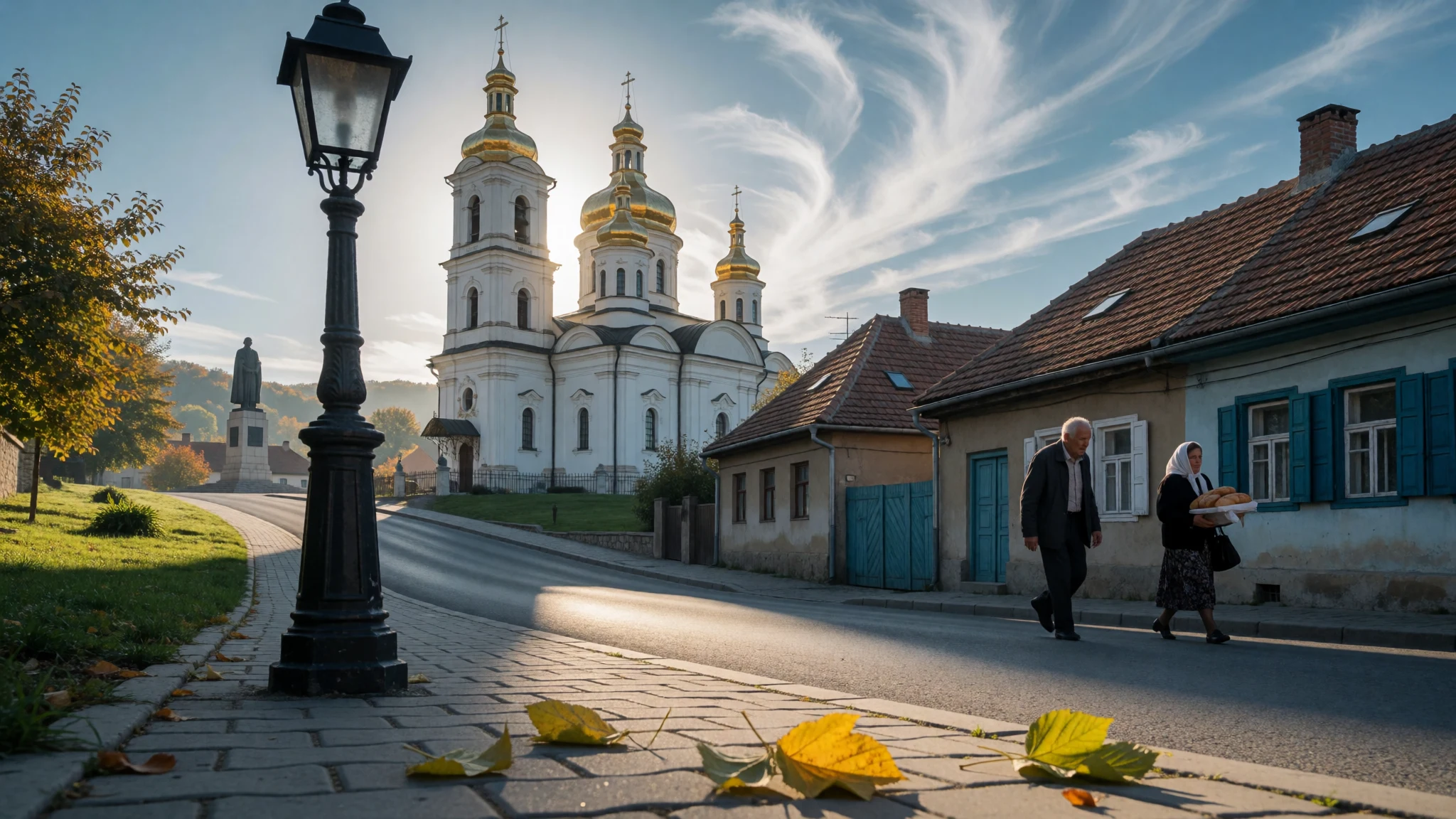
Bălți is Moldova's northern city of theatres, black-earth farmland and everyday life, a calm, unpolished stop for travellers who want the country beyond the capital.
The place
Bălți is a city in northern Moldova, set on the river Răut, a tributary of the Dniester. By population, area and economic weight it ranks third in the country, behind Chișinău and Tiraspol, and the city proper has 90,954 people. It stands about 102 m above sea level, on the tops and slopes of three hills with two small valleys between them, in a rolling stretch of steppe. The soil around town is chernozem, the deep black earth that makes the north good farmland, and small creeks, the Răuțel, the Copăceanca and the Flămândă, run through the municipality to join the Răut. The city works for a living. Its plants turn out flour, sugar and wine, furniture and agricultural machinery are made here too, and roads and rail make it the transport hub of the north. That gives Bălți a practical, lived-in feel rather than a postcard one: housing and boulevards from the Soviet decades, leafy parks, a walkable pedestrian zone around the central square and an older quarter worth wandering. Russian is widely heard alongside Romanian, and the city has long been a base for theatres, schools and civil society groups. Travellers mostly pass through on the way between Chișinău and the Romanian border at Ungheni, or come on purpose to see the north. It suits a quiet, unhurried visit of slow walking rather than a checklist of sights.
Its story
Bălți has changed hands more often than most towns of its size, and the list of states attached to it in the records reads like a summary of the region's past: the Principality of Moldavia, the Russian Empire, the Russian Republic and the short-lived Moldavian Democratic Republic, the Kingdom of Romania, the Soviet Union and today's Moldova. Before the Russian Empire absorbed the area, the land belonged to the county of Iași, and the white horse became a regional emblem. The city's coat of arms, adopted by the municipal council in recent decades, keeps that layered memory. Alternating silver and blue stripes stand for water and earth, which together echo the town's name. At the centre is an archer in red, dressed in the yellow military outfit of Stephen the Great's time in the fifteenth century, a nod to the free peasants who formed the medieval levy. Above the shield sits a crown shaped like a fortress wall with seven towers, a number only Chișinău, Tiraspol and Bălți are entitled to. Two rearing white horses hold the shield up, and a ribbon carries the Latin motto Cedant arma togae, let arms yield to the toga. The economy tells its own story. Bălți was once known for tobacco, vineyards and orchards. In Soviet times a vast works, called Lenin until the end of that era and Răut afterwards, employed thousands and made everything from irons and telephones to sonar equipment for submarines. Since the Soviet collapse, services have grown to fill the gap.
What to see
- Central square and pedestrian zone — City centre
Independence Square (Piața Independenței) is the heart of Bălți, with the town hall close by and a pedestrian zone spreading out from it. It is the easiest place to start: benches, cafés and people going about their day. Walk on into the older streets nearby for a less polished view.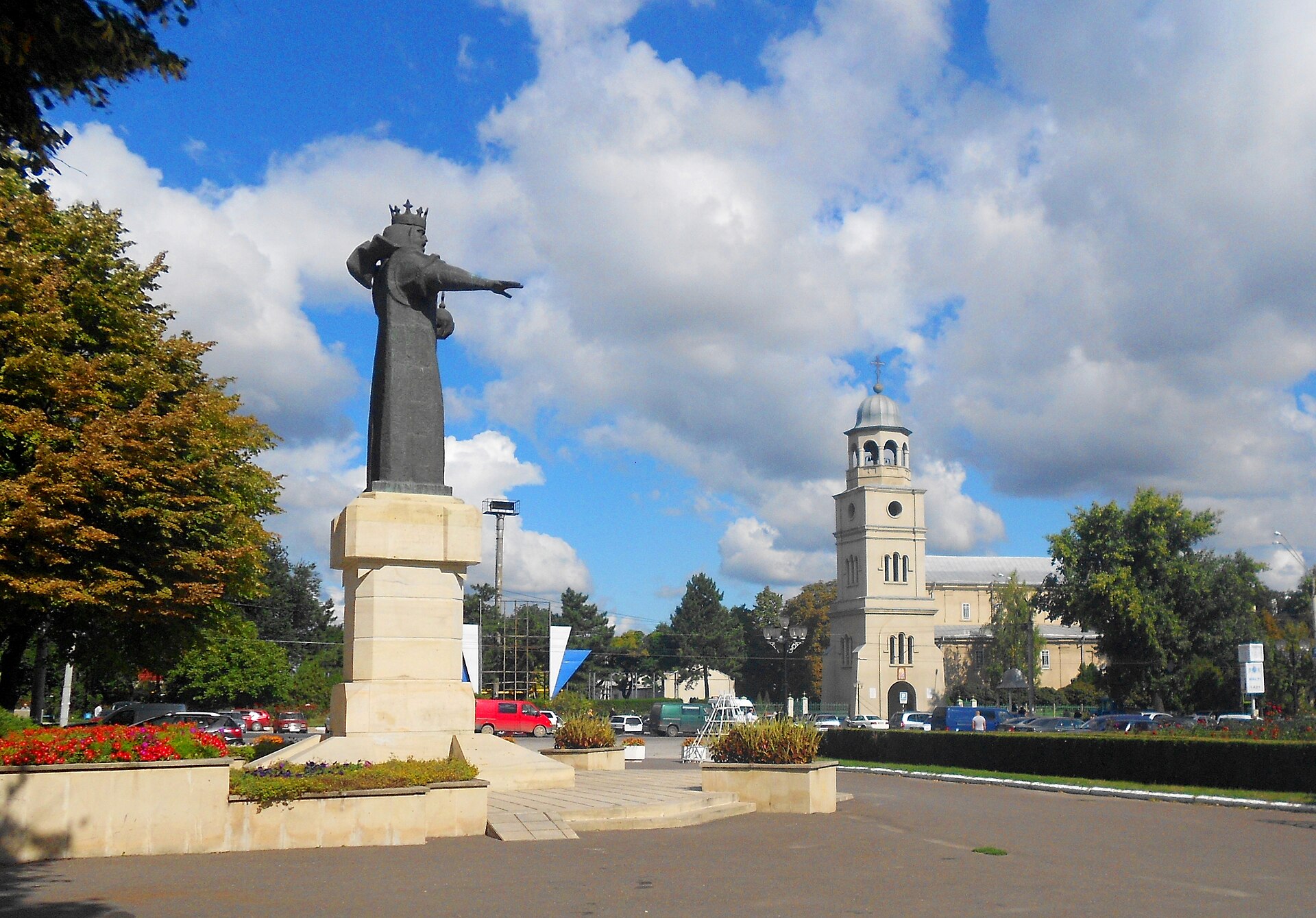
- St Nicholas Cathedral — Central Bălți
This Orthodox church dates from the late eighteenth century, which makes it old by the standards of a city that has been rebuilt many times. Inside it is usually quiet, with candles and icons. A monument to Stephen the Great stands just across the street, so the two sights pair neatly. - St Parascheva Church — Western Bălți
An Orthodox church from the interwar years, set a little west of the centre. It is worth the walk for a sense of how the city's religious life carried on through the twentieth century. Services are the best time to see it in use, though a quiet visit outside them is also fine. - Museum of History and Ethnography — Central Bălți
The city's museum is the place to put the steppe, the farming year and the layers of rule into context. Collections of this kind usually cover local crafts, costume and daily life. Opening days change, so confirm them through the city website before making a special trip. - Vasile Alecsandri National Theatre — Central Bălți
The main stage of a town that takes theatre seriously. A board outside advertises the programme, and there are usually a few performances a week. Tickets are sold from a counter on the ground floor, under the stairs. Even a play in a language you do not follow makes an evening.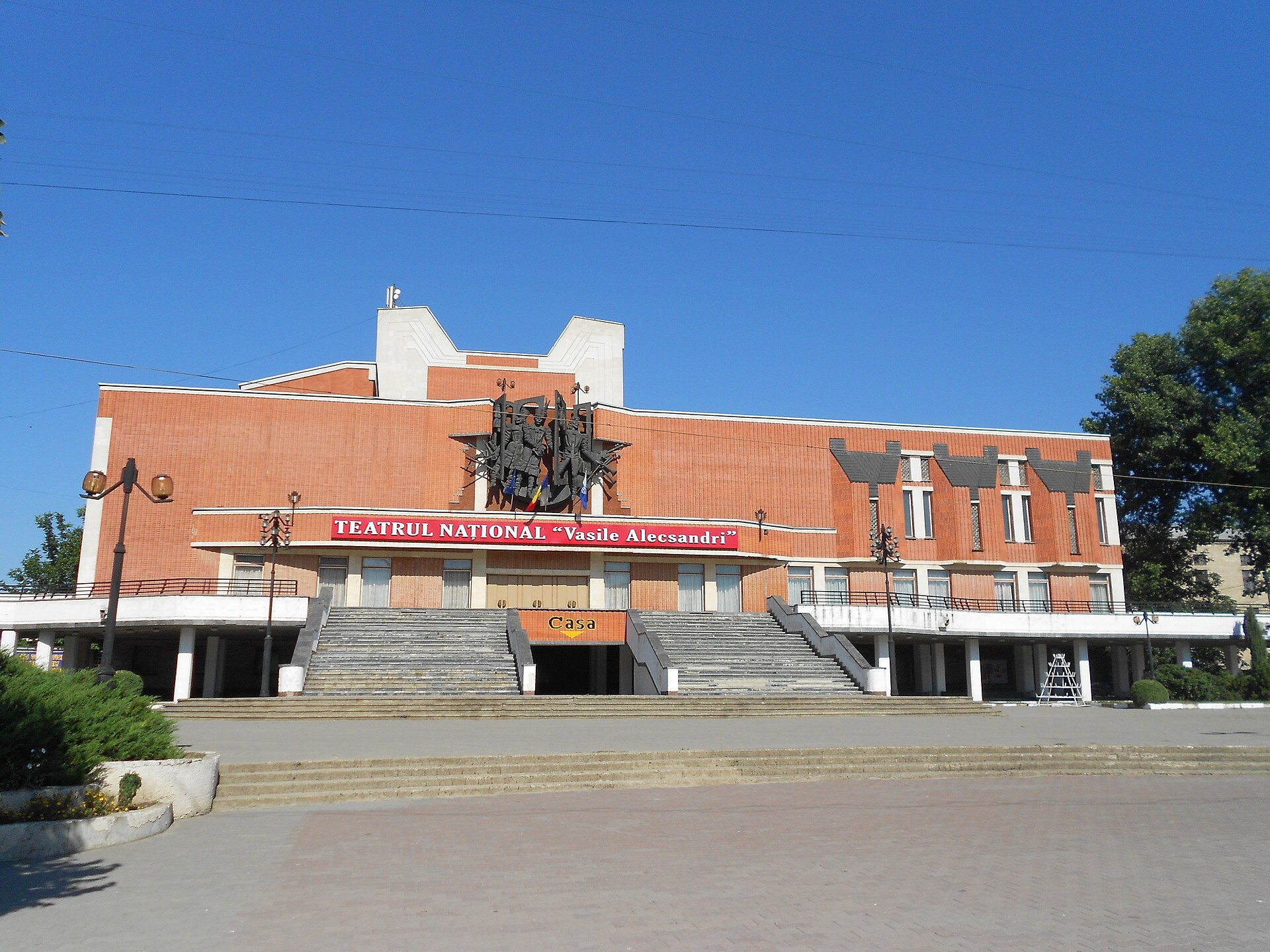
- Andrieș Park — Central Bălți
A modest park with a small amusement area, popular with local families. It is a gentle place for an hour of rest between sights, and a good spot to watch weekend life in Bălți. Expect simple rides and shade rather than anything grand.
Culture
Bălți has a cultural life out of proportion to its size. The city counts several theatres, among them the Vasile Alecsandri National Theatre, a puppet theatre and a drama and music house, and names such as Eugène Ionesco, Mihai Eminescu and I. L. Caragiale are attached to its stages. Visual art is shown in smaller spaces, including the Artum gallery and exhibitions by a painters' union named after Constantin Brâncuși. The press is bilingual in spirit. Russian-language and Romanian-language titles share the newsstands, and the Russian-language daily Spros i Predlojenie serves much of the north, while the city paper, Golos Bălți, has been printed for decades. Bălți is also a base for civil society, with groups working on local and national issues, which gives the town a thoughtful, argumentative streak. Language is a quiet marker of identity here: some people speak Romanian at home, others Russian, and many switch between the two without thinking. Football is a regular weekend pull, as FC Bălți play in the top Moldovan league at the municipal stadium near the bus station. Hospitality follows eastern European habits: guests are fed, toasts are made, and refusing a second helping may need some polite persistence. In churches, dress modestly, with covered shoulders and knees, keep your voice low, and ask before photographing worshippers or services.
What to wear
Bălți sits in a part of Moldova where traditional dress is built around the embroidered blouse. Women's ie is cut from linen, hemp or cotton and worked with geometric or floral stitching, often in red and black, worn with a woven wool wrap-skirt, and men's shirts follow a similar pattern, with a sheepskin waistcoat in cold weather. These pieces appear on feast days, at weddings, at folklore festivals and on national days, and many families keep a good blouse passed down by a grandmother. Day to day, people in Bălți dress much as in any European provincial city: jeans, jackets, practical shoes, and smarter clothes for the theatre, church or an evening out. Winters are cold enough for proper coats, hats and boots, and summers are warm enough for light cotton. A visitor should plan for layers, because the steppe can be windy and the weather changes quickly between seasons. Comfortable walking shoes matter, as pavements can be uneven and some parks are muddy after rain. Inside Orthodox churches, women usually cover their heads with a scarf and everyone covers shoulders and knees, so a light scarf and a long-sleeved top earn their space in the bag. For the theatre, neat casual clothes are fine, and many locals dress up a little. Bring waterproofs from spring to autumn, and a hat and gloves in winter.
What to eat
- Mămăligă with brânză — Local canteens and family-run eateries
Mămăligă is cornmeal cooked thick and served in wedges or slices, often with salty sheep's or cow's cheese and sour cream. It is plain, filling, and the base of home cooking across Moldova. Look for it in local canteens and family-run eateries. - Plăcinte — Bakeries and the central market
These are flat or folded pastries filled with cheese, potato, cabbage or pumpkin, baked or fried, and eaten warm. They are a standard snack in Moldova and cost little. Try them from bakery counters and market stalls, ideally in the morning when they are freshest. - Sarmale — Traditional restaurants and eateries
Minced meat and rice rolled in cabbage or vine leaves and simmered slowly, usually served with sour cream and a side of mămăligă. It is a feast-day dish, so it appears on menus at weekends and holidays. Order it at traditional restaurants and eateries. - Zeamă — Traditional eateries and homes
A clear chicken soup with noodles, soured with borș or lemon and brightened with fresh herbs. It is simple, comforting and a sensible choice on a cold day. Most Moldovan eateries serve it as a first course, and home versions are common. - Local wine — Wine shops and restaurants in the centre
Moldova is a wine country, and Bălți's food plants have long handled wine alongside flour and sugar. Ask for a local red or white by the glass with dinner, or a bottle to share. Shops and restaurants carry regional labels, and staff are usually happy to recommend one.
Plan it
Best time. May–June and September–October are the most comfortable months, with mild weather for walking the hills and parks. Summer can be hot and winter is cold on the open steppe, so pack accordingly.
How long. 1–2
Getting there. Fly to Chișinău International Airport, then take a bus, minibus or train north to Bălți. Trains stop at the main north station, Gara de Nord (ticketed as Bălți Sloboziya), and some also at the more central Gara de Sud (ticketed as Bălți Orash). Buses arrive near the stadium and bus station.
Budget. low
Tips
- Check the theatre programme on the board outside, as performances run on only a few evenings a week
- Confirm museum opening days through the city website, balti.md, before making a special trip
- Note that train tickets name the stations Bălți Sloboziya and Bălți Orash, so check which one you are heading for
- Carry some cash for markets, bakeries and small eateries, though larger places take cards
- Allow time to walk the pedestrian zone and the older streets, as the city rewards slow exploring
Etiquette
- Dress modestly and keep quiet inside Orthodox churches, and ask before photographing worshippers
- Greet people in Romanian or Russian if you can, and ask which language they prefer
- Accept offers of food and drink politely, and reciprocate where you can
Nearby
Sources
- Wikidata Q37801 (CC0)
- Wikipedia: Bălți (CC BY-SA 4.0)
- Wikivoyage: Bălți (CC BY-SA 4.0)
- Piața Independenței din Bălți, Avereanu (CC BY 3.0)
- Primăria Bălți, Avereanu (CC BY 3.0)
- Eparhia Bălți, Vadim Șterbate (CC BY-SA 4.0)
- Catedrala Sf. Constantin și Elena din Bălți, Sandhu (CC0 1.0)
- Teatrul Vasile Alecsandri, Bălți, Sandhu (CC BY-SA 1.0)
- Alecu Russo State University, Photobank MD (CC0 1.0)
- Flag of Bălți (Public domain)
- Coat of arms of Bălți (Public domain)


