Chapada dos Guimarães
Chapada dos Guimarães, Brazil
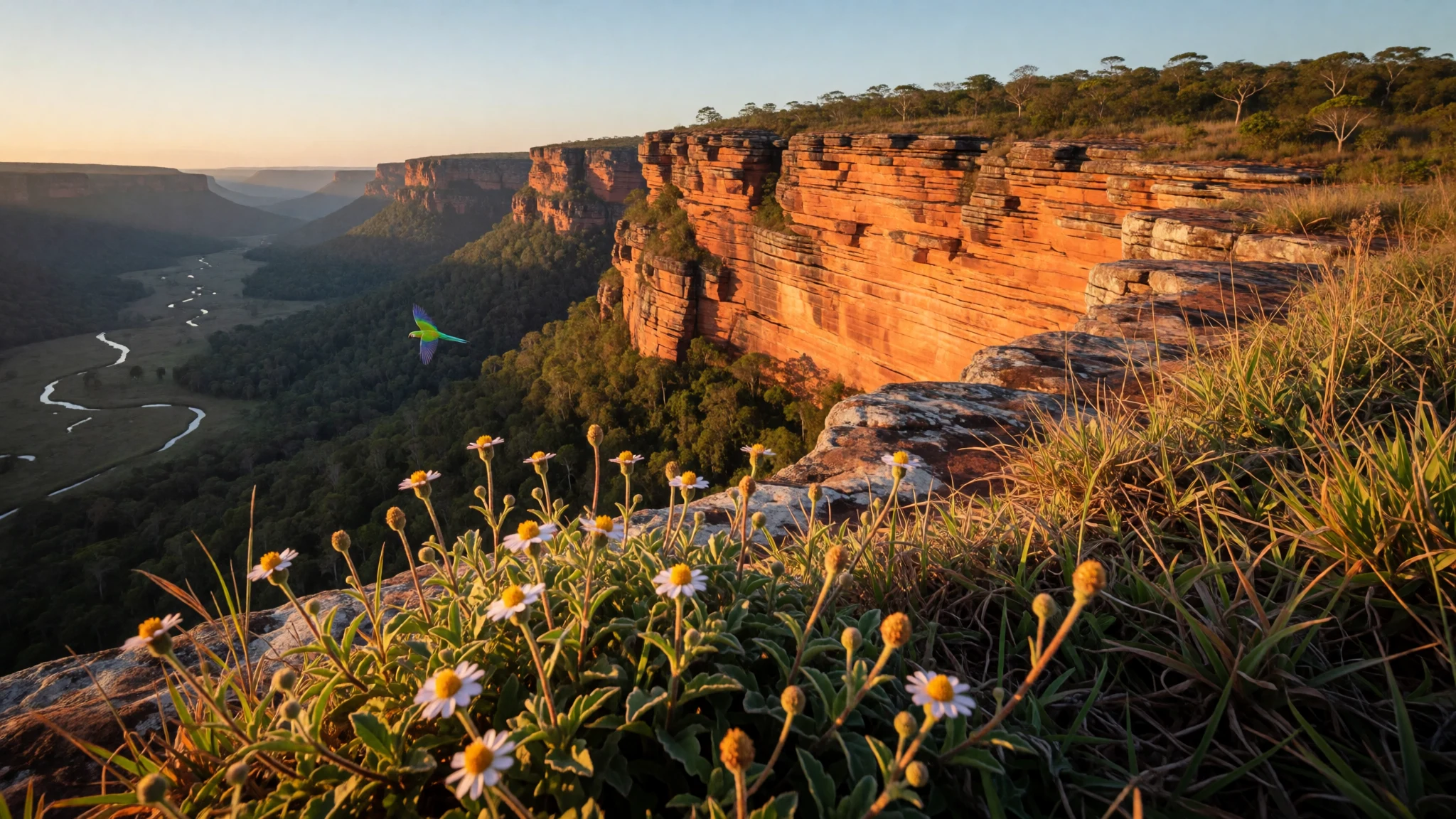
Chapada dos Guimarães offers dramatic tabletop sandstone plateaus, plunging waterfalls, and vibrant birdwatching right at the geographical heart of South America.
The place
Perched across the highlands of Mato Grosso State in central Brazil, Chapada dos Guimarães acts as a cool, elevated refuge from the stifling heat of nearby Cuiabá. The settlement sits high upon ancient tabletop plateaus carved by water and wind over millennia, creating sheer red sandstone cliffs that drop dramatically into forested valleys. Beyond the municipal seat, protected reserves encompass diverse Cerrado ecosystems, meandering rivers, and remarkable biodiversity that draws naturalists from across the globe. Visitors arrive to find a relaxed highland atmosphere where cobblestone streets, colonial-style pastel houses, and small squares reflect a quiet interior pace of life. Rivers with crystal-clear swimming areas thread through the surrounding countryside, offering locals and travellers alike a refreshing escape during warm afternoons. While tourism brings a steady stream of weekenders from the state capital, the expansive geography easily absorbs travellers seeking quiet trails, dramatic vistas, and uninterrupted horizons under vast tropical skies.
Its story
The history of Chapada dos Guimarães is deeply rooted in the search for precious minerals and the shifting frontiers of Brazil's vast interior. The word chapada refers to a high plateau or tableland, a fitting descriptor for the geological formations that dominate the landscape, while the suffix honors early Portuguese settlers who established a foothold in the remote hinterlands. Long before European mapping, indigenous groups traversed these high savannas and sheltered beneath the massive sandstone overhangs. During the colonial era, prospectors pushed westward into Mato Grosso in search of gold and diamonds, establishing temporary camps that gradually coalesced into permanent settlements. In more recent decades, the establishment of federal and state conservation units transformed the local economy, shifting the focus from mineral extraction and cattle ranching to ecological preservation and sustainable tourism. Today, the municipality balances its rural heritage with its status as a premier gateway for nature conservation, safeguarding rare endemic species and geological treasures for future generations.
What to see
- Véu de Noiva Waterfall — Chapada dos Guimarães National Park
A stunning waterfall where a river plunges over a sheer red sandstone cliff into a deep green pool below. You can easily access the viewpoint via a short trail from the park entrance, offering fantastic morning light for spotting green-shouldered macaws nesting along the canyon walls.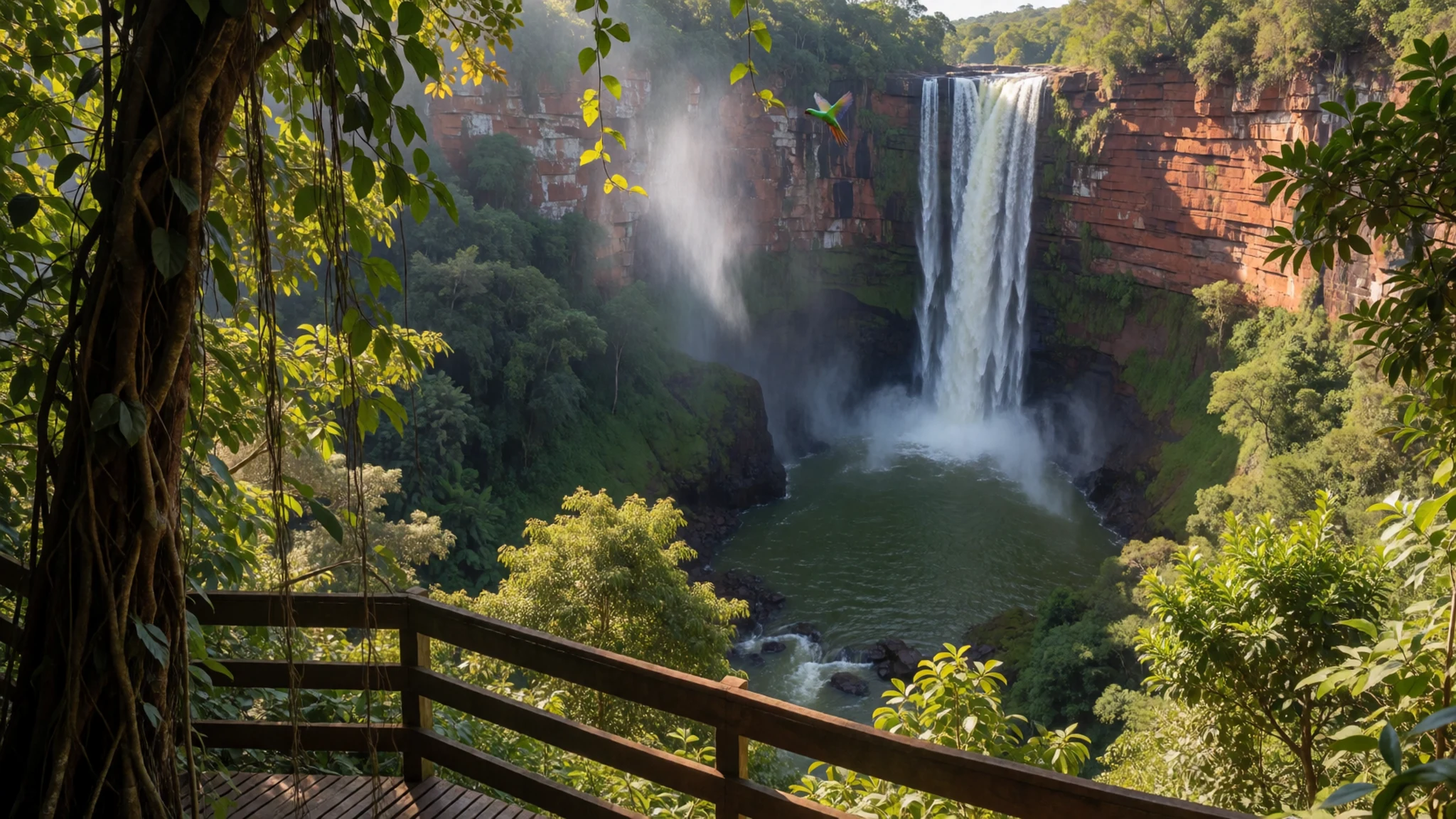
- Cidade das Pedras — Remote National Park Sector
A surreal landscape of eroded rock formations resembling ancient stone cities perched dramatically on the edge of the plateau. Exploring these labyrinths requires a four-wheel-drive vehicle and an authorized local guide, revealing breathtaking drop-offs and rare highland hummingbirds flitting through the scrub.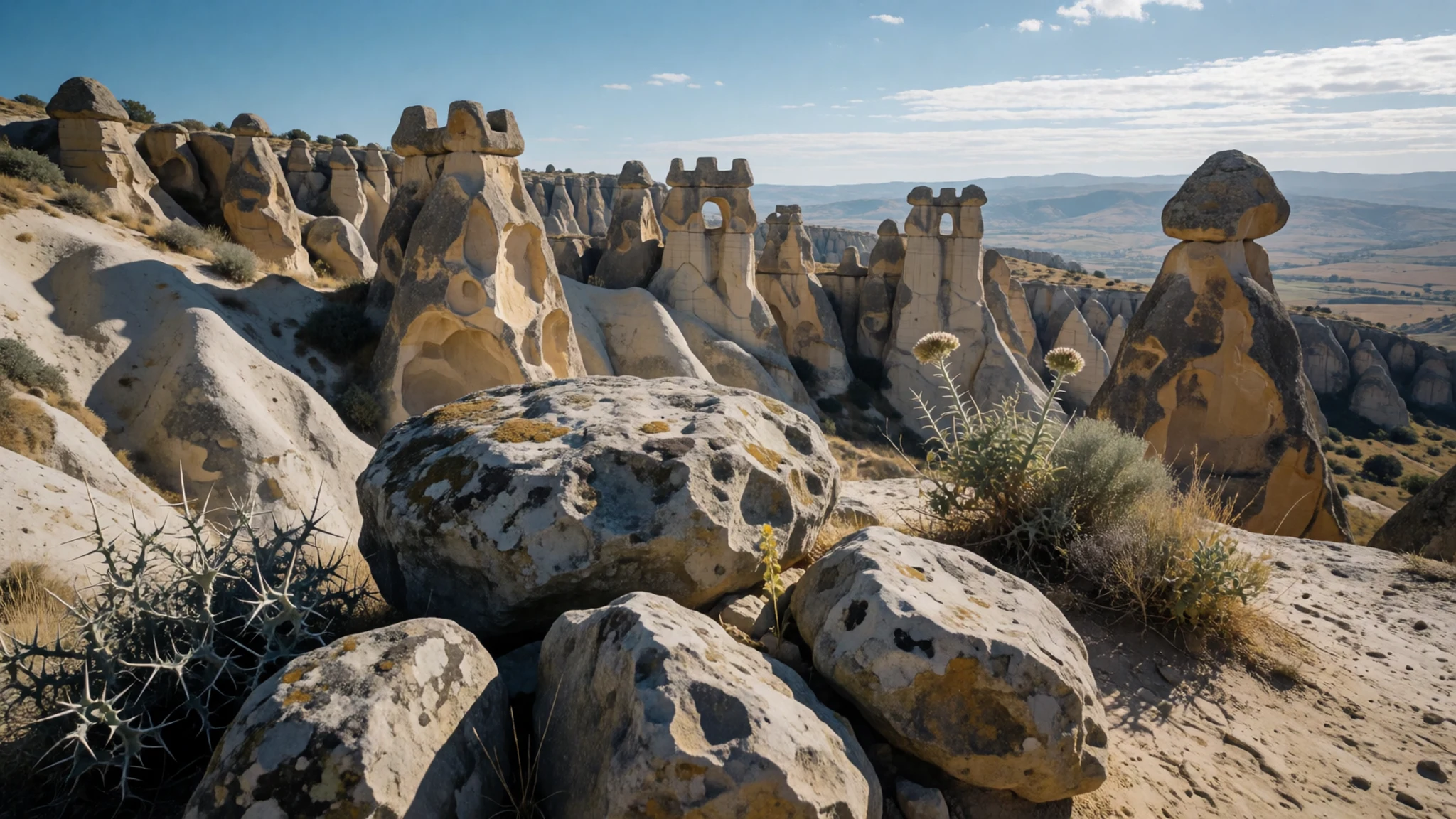
- Quineira State Park — Municipal Seat
A protected green sanctuary located right within the municipal seat, safeguarding natural springs and dense gallery forest. Shaded walkways wind alongside clear streams, providing a peaceful escape to observe native flora and cool off under the leafy canopy close to town.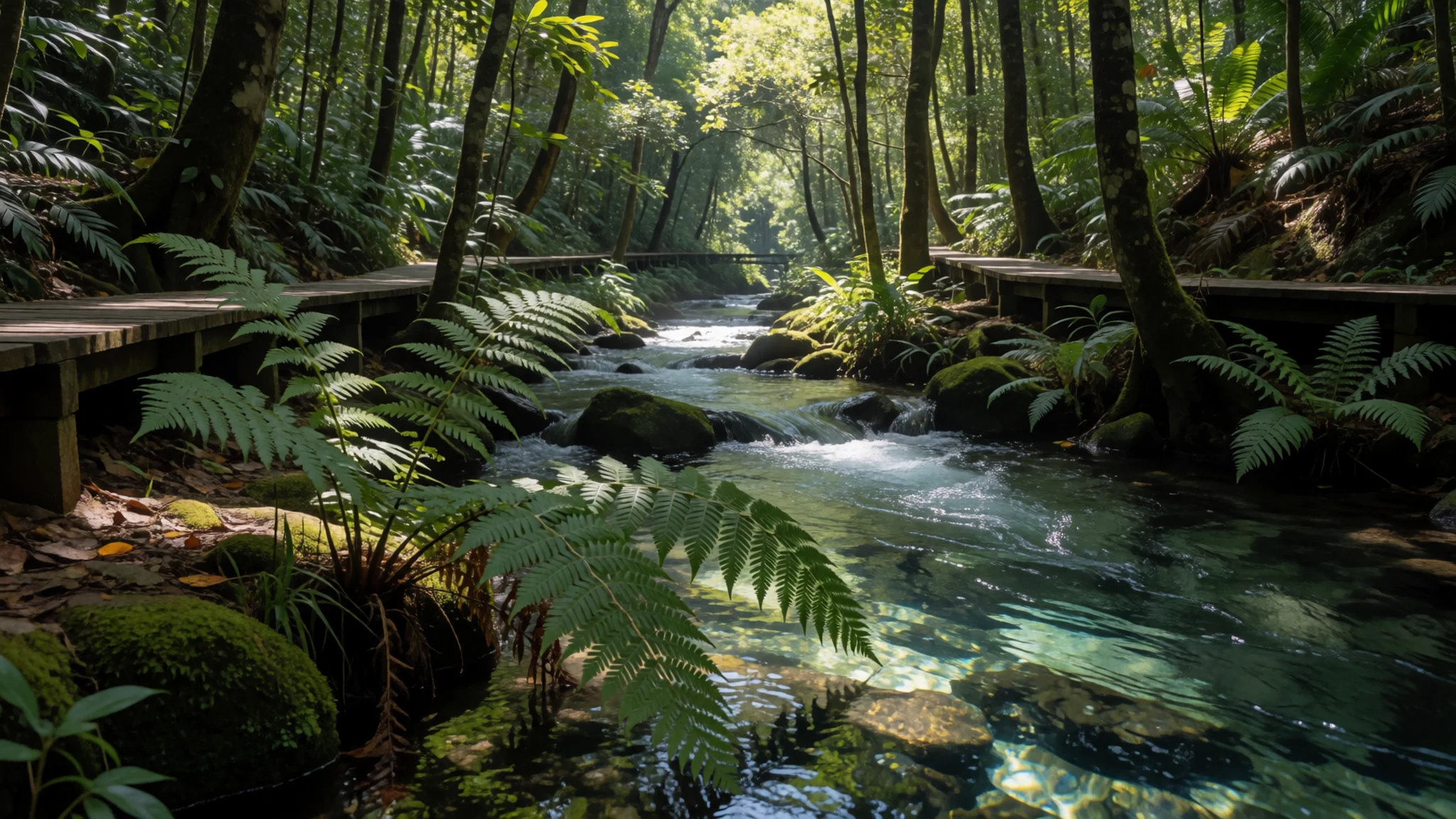
- Aroe Jari Cavern Complex — Outer Rural Area
Home to extensive sandstone caves and subterranean watercourses situated on private land outside the town. Guided walks through the cavern lead to shaded pools and refreshing waterfalls, making it an ideal full-day excursion for geology enthusiasts and hikers.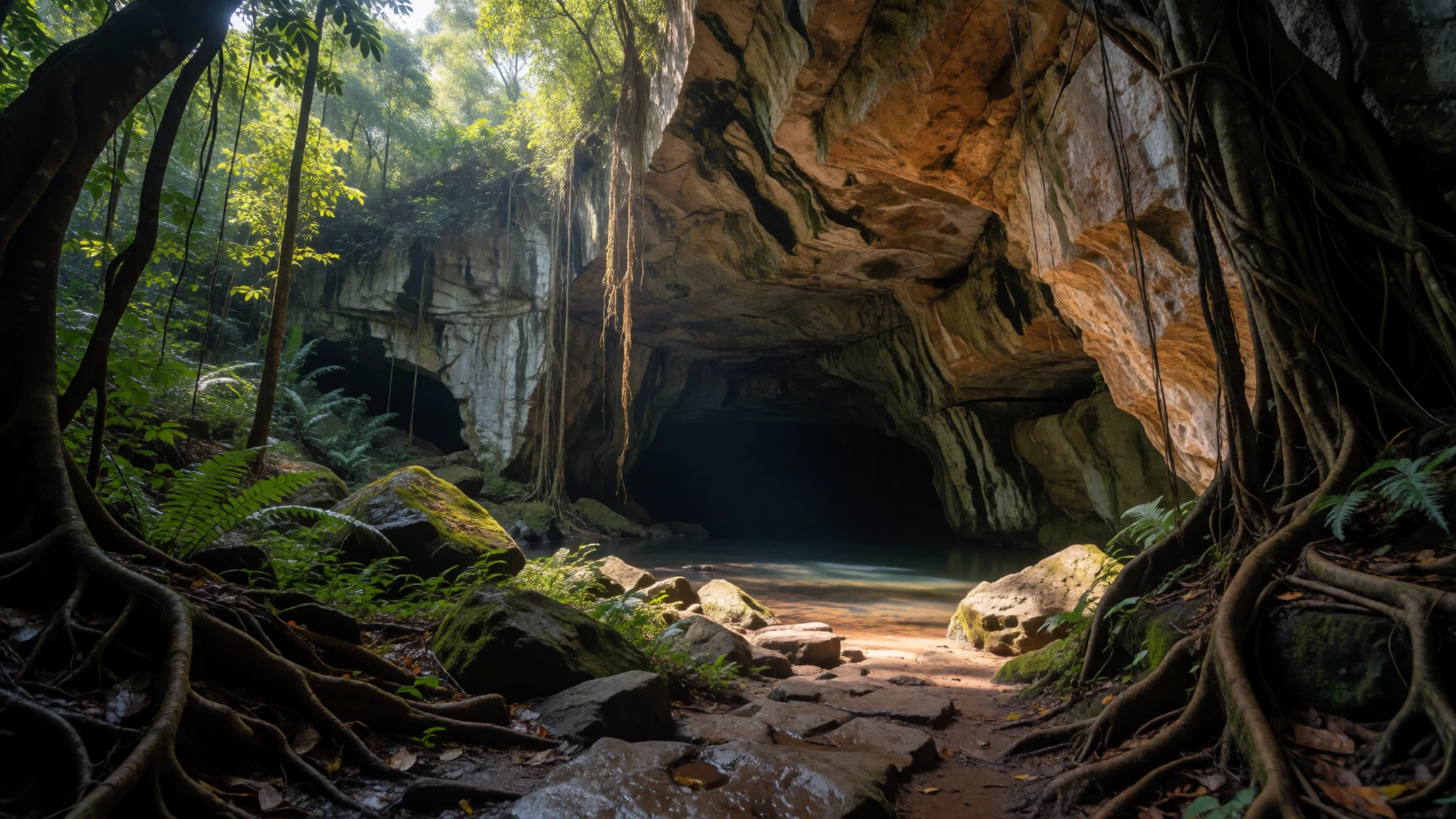
- Rio Claro — Access Road to Chapada
A scenic rural river featuring shallow swimming areas, riverside eateries, and relaxed floating spots along the valley road. It is especially popular with visitors from the capital looking to unwind in cool waters and sample hearty local dishes after exploring the highlands.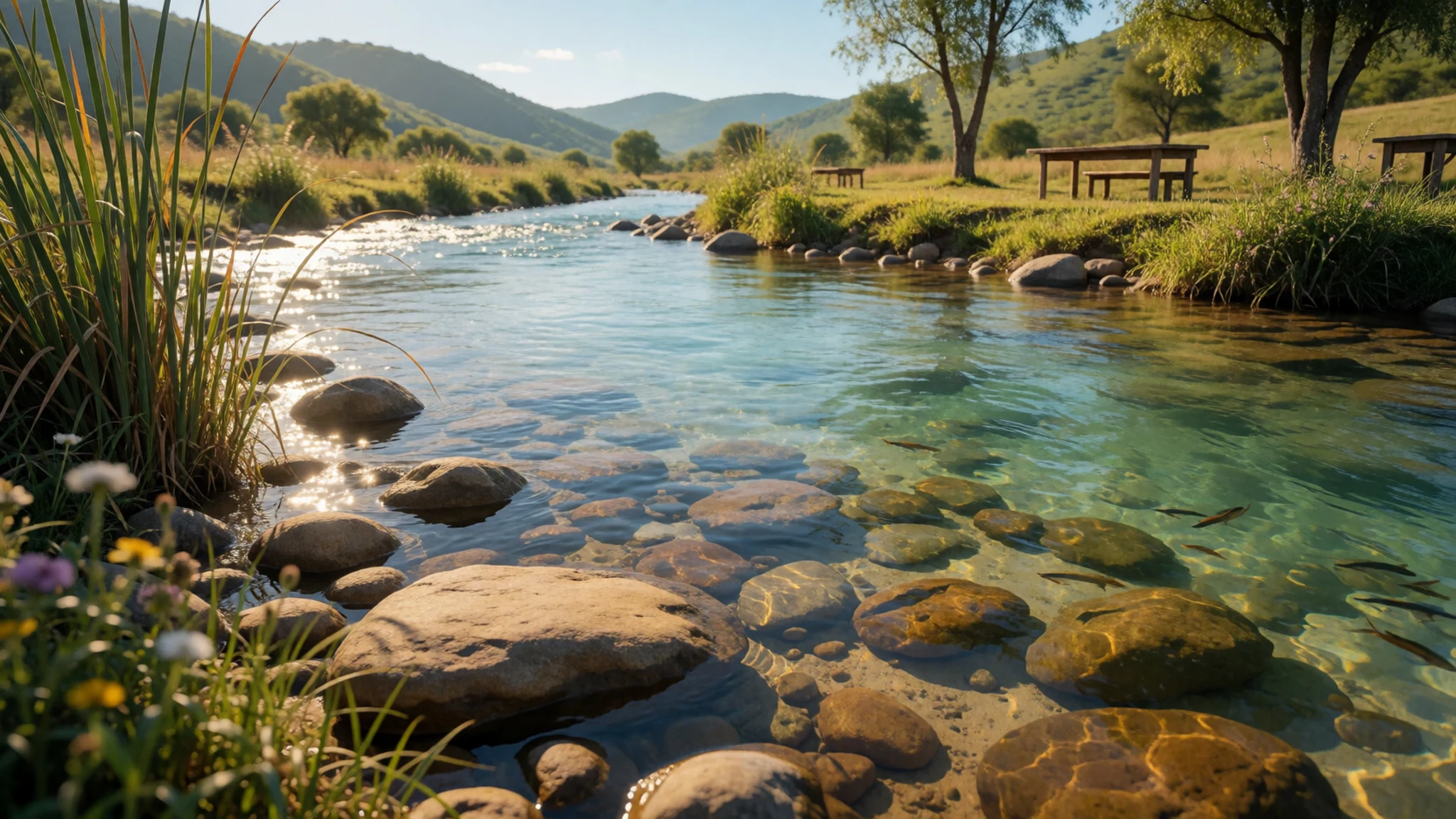
Culture
The cultural fabric of Chapada dos Guimarães blends traditional interior Brazilian traditions with a deep appreciation for the natural environment. Residents, known locally as chapadenses, maintain a welcoming, unhurried pace that contrasts sharply with the bustling coastal metropolises. Music, regional folklore, and outdoor festivals fill the calendar, drawing crowds to the central square for celebrations, culinary fairs, and acoustic performances throughout the cooler months. Birdwatching culture thrives here, uniting local expert guides with international naturalists in a shared passion for conservation and wildlife spotting. Traditional hospitality shines through family-run establishments where recipes are passed down through generations. Visitors should always hire a licensed, park-authorized guide before venturing onto remote trails or protected geological reserves.
What to wear
Everyday wear in Chapada dos Guimarães is entirely practical and geared towards outdoor exploration in a warm climate. Locals and travellers alike opt for lightweight, breathable fabrics such as cotton and linen to cope with the tropical sun and high humidity. Sturdy walking shoes or trail boots are essential for navigating rocky paths, uneven canyon floors, and sandy paths around the waterfalls and cave systems. Sun protection is a daily necessity, making wide-brimmed hats, sunglasses, and lightweight long-sleeve layers standard attire for daytime hikes. In the evenings, as temperatures drop slightly on the high plateau, visitors often pull on a light jumper or denim jacket while dining in the town square. Traditional regional attire is reserved for cultural festivals and folk celebrations, where colourful dresses and embroidered garments highlight Mato Grosso's diverse heritage.
What to eat
- Galinhada — Roadside restaurants leading into Chapada
A hearty, communal dish featuring free-range Brazilian chicken simmered with saffron-infused rice and herbs. Served family-style in restaurants lining the roads leading into town, it is designed for sharing among groups returning from a morning hike.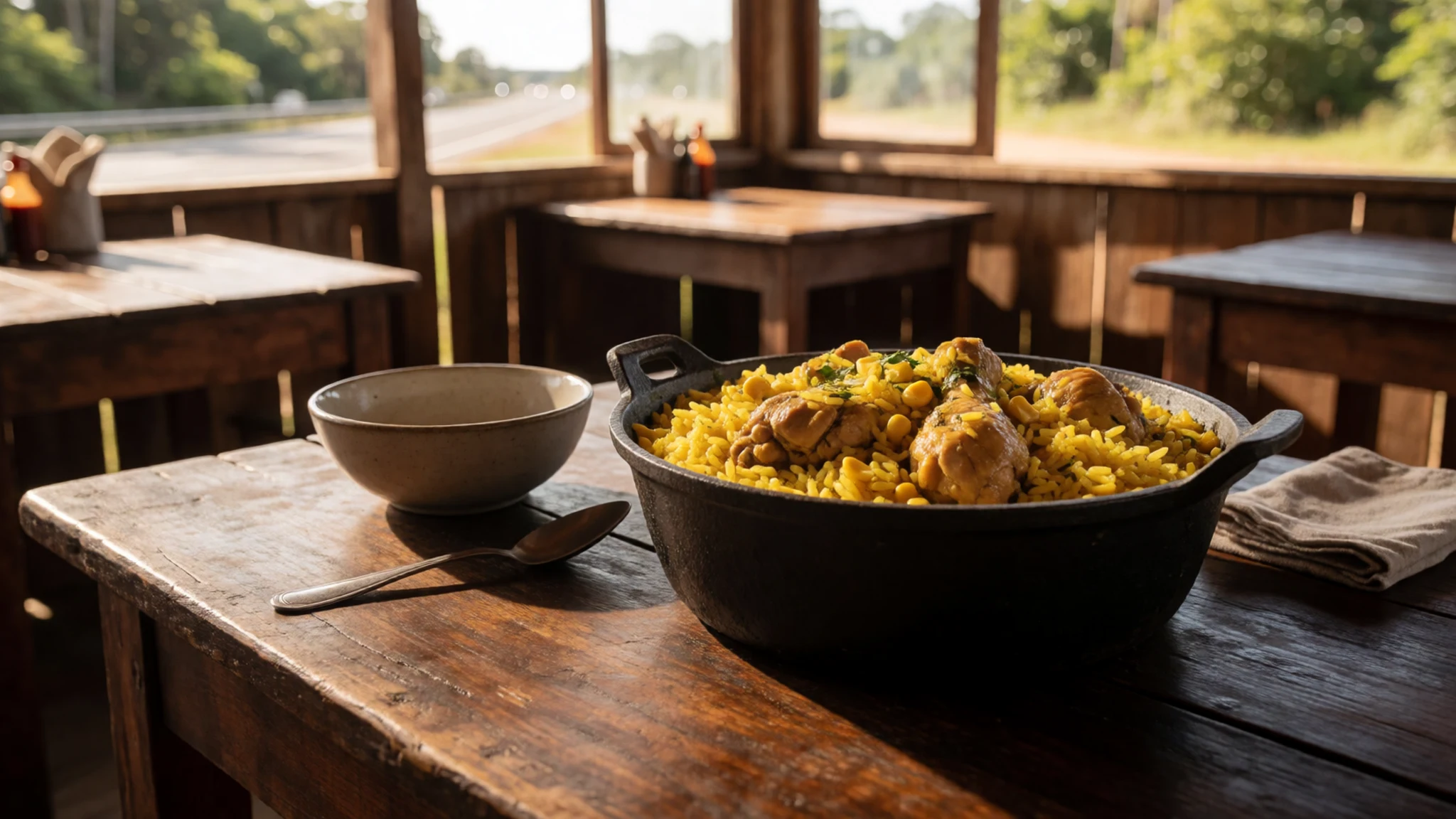
- Authentic Italian Pasta — Village of Chapada
Handmade pasta dishes prepared with care in family-run eateries tucked away near the village center. These comforting European recipes offer a surprising culinary contrast in the Brazilian highlands, often served by local guides during their off-season.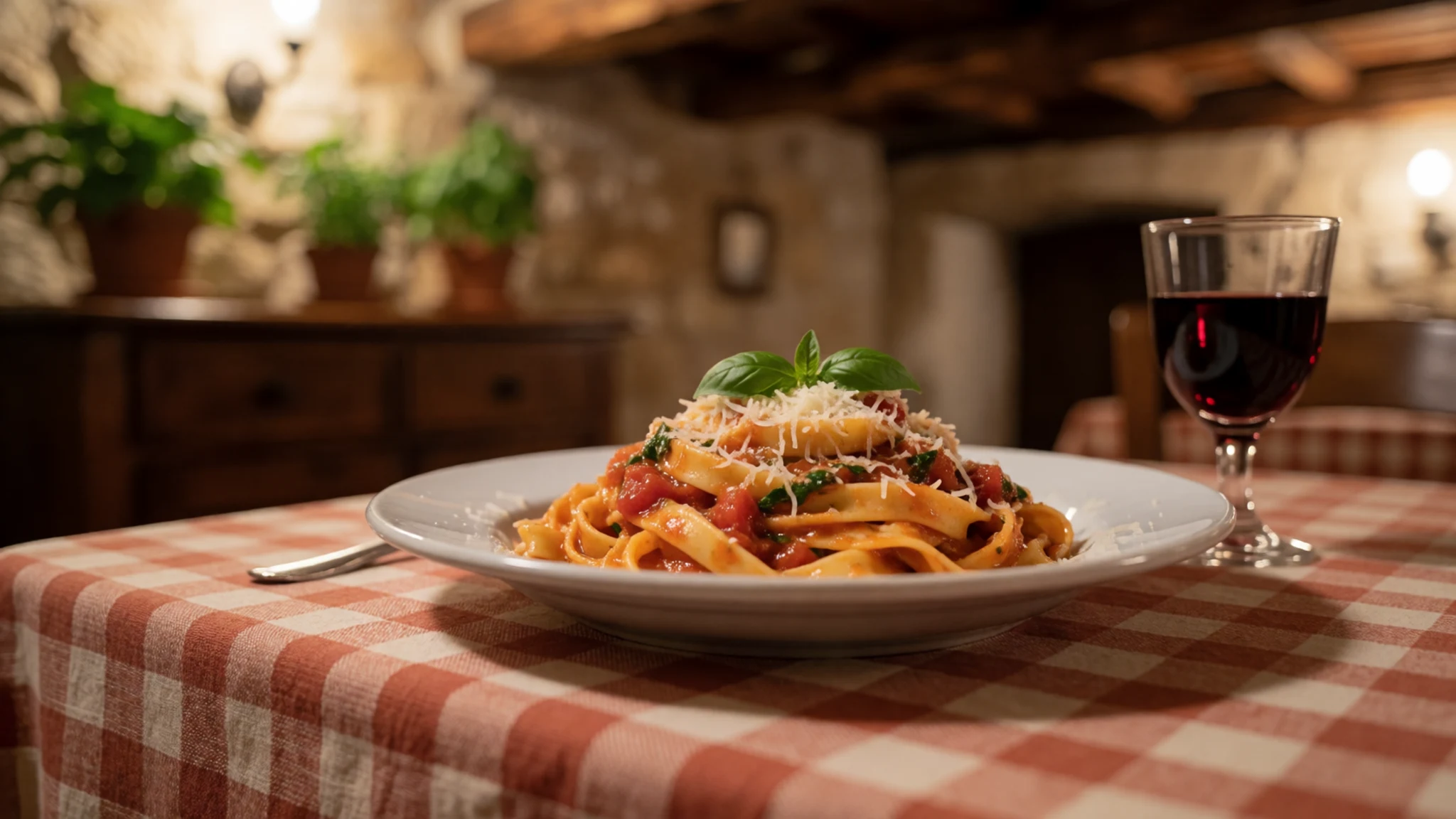
- Square-side Street Burgers — Town Square
Brazilian-style street burgers and loaded hot dogs prepared by enterprising vendors who set up mobile trailers along the town square as evening falls. They provide a quick, casual meal after local merchants close their shops for the day. - River Fish Lunch — Rural property restaurants near cave complexes
Freshly caught local fish seasoned simply and grilled or fried to perfection, usually accompanied by cassava flour and rice. It is typically enjoyed at rural property restaurants near cave complexes after completing a morning trail.
Plan it
Best time. May to September during the drier months when trails are stable, skies are clear, and humidity is lower.
How long. 2–3
Getting there. Fly into Cuiabá International Airport, then take a daily hourly bus or hire a private transfer for the one-hour journey up the escarpment.
Budget. mid
Tips
- Schedule remote park tours such as Cidade das Pedras well in advance to secure mandatory authorized guides.
- Carry sufficient cash, as smaller shops and independent street vendors may not accept cards.
- Start waterfall hikes early in the morning to beat the midday tropical heat and afternoon downpours.
- Check restaurant opening schedules ahead of time, as many family-run eateries close on major holidays.
Etiquette
- Always hire a licensed, park-authorized guide before venturing onto restricted trails.
- Respect local conservation rules by staying on designated paths and packing out all litter.
Nearby
Sources
- Wikidata Q986247 (CC0)
- Wikipedia (rev 1378952858) (CC BY-SA 4.0)
- Wikivoyage (rev 5397295) (CC BY-SA 4.0)
Wildlife
- Green-shouldered macaw (animal)
The red-and-green macaw is a big, mostly red parrot, with green on its wings, like a flame that can fly. At Chapada dos Guimarães, macaws nest along the canyon walls, and you can reach the viewpoint by a short trail from the park entrance. Morning is the time to go, when the light is lovely. Watch from the viewpoint rather than creeping closer, keep your voice low, and ideally go with a local guide. Never offer food; wild birds should find their own.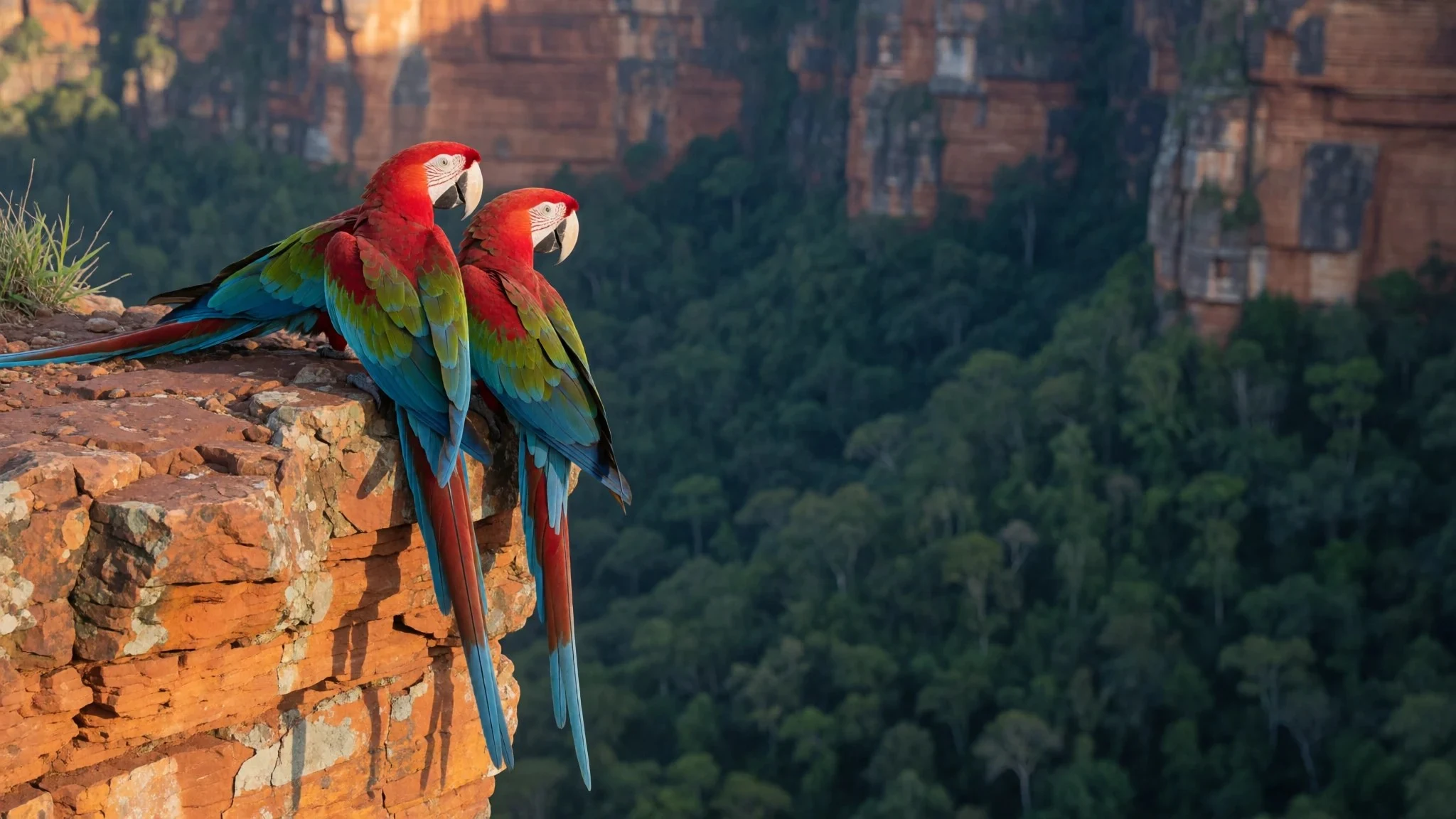
- Green-shouldered macaw (bird)
You can remember the green-shouldered macaw by its name: it is a macaw, a bird, with green on its shoulders. In Chapada dos Guimarães, take the short trail from the park entrance to the viewpoint, where these birds nest along the canyon walls. Go in the morning, when the light is at its best for spotting them. Stay back at the viewpoint, speak softly, and consider a guide to help you find them. Please never feed them.