Catalão
Catalão, Brazil
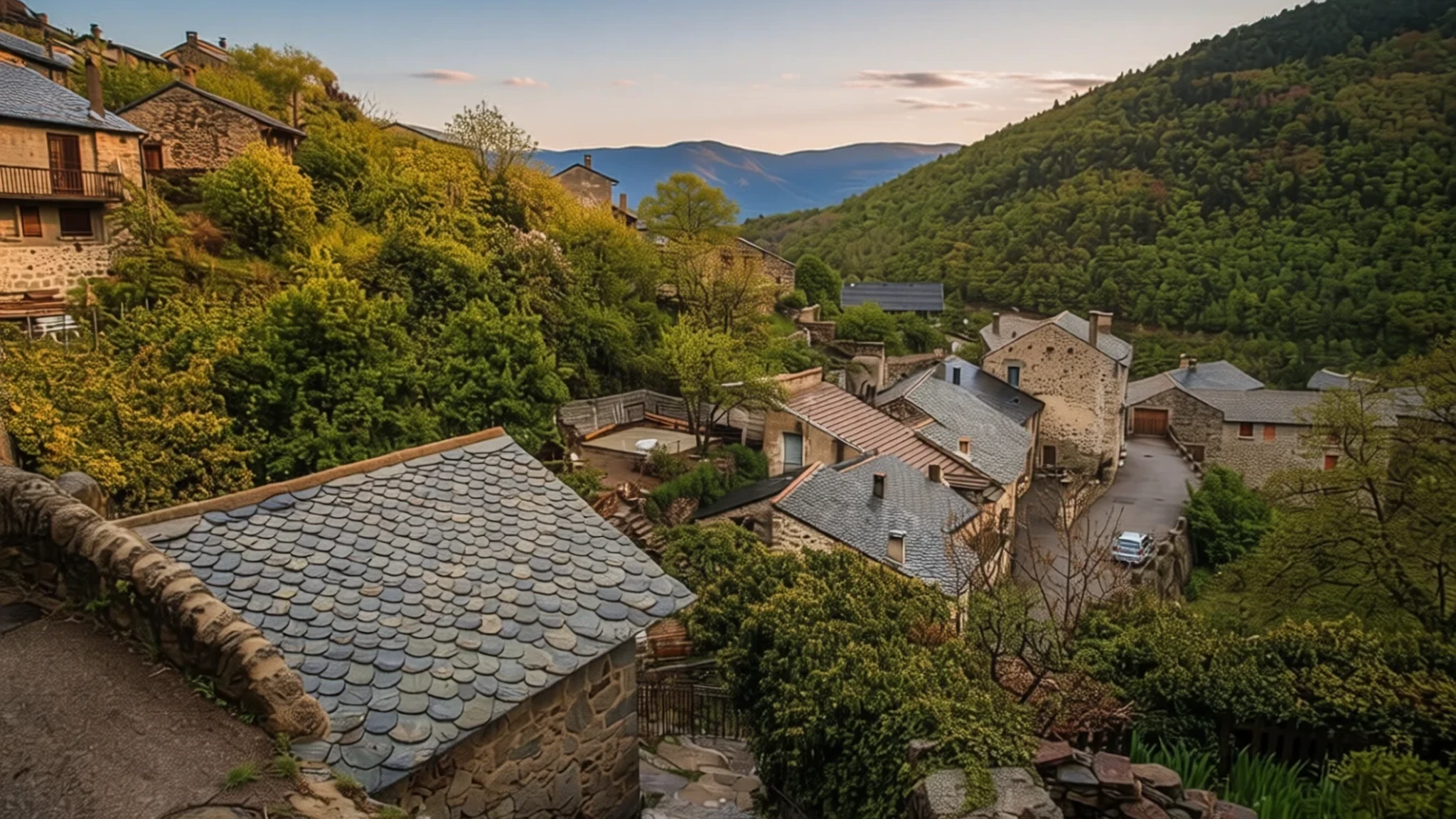
Catalão combines rich agricultural frontier history with the vibrant energy of Brazil's largest festival of Congadas.
The place
Catalão sits in the southern part of the state of Goiás in Brazil, rising on fertile terrain watered by several regional rivers. As a major inland municipality, the settlement functions as an important regional hub supported by extensive grain cultivation, cattle rearing, and phosphate mining industries. The landscape around the urban centre transitions between rolling green fields and modern industrial zones, connected smoothly by major highways and railway links that tie the municipality to nearby state borders. Just a short distance south, the wide expanse of the Paranaíba River forms a natural boundary with neighbouring Minas Gerais, held back by a large hydroelectric dam that shapes local geography. Within the municipal borders, everyday life moves at a steady pace influenced by both traditional rural roots and contemporary industrial growth. Visitors arriving in the area encounter wide avenues, busy commercial districts, and green open spaces maintained under a tropical savanna climate. While the city functions primarily as an economic engine for the region, producing substantial state tax revenues and hosting manufacturing plants, it remains deeply rooted in the cultural traditions of Brazil's central highlands. The surrounding rural districts contribute heavily to the national supply of soybeans, corn, and dairy, giving the entire territory an industrious yet welcoming character quite distinct from coastal tourist centres.
Its story
Catalão traces its origins to the early decades of the eighteenth century, when Portuguese explorers known as bandeirantes first penetrated the interior highlands. Around seventeen hundred and twenty-two, pioneering leaders established initial agricultural plots to supply passing troops, laying the groundwork for a permanent settlement. A few years later, a chaplain from Catalonia known simply as Frei Antônio set up a resting post beside a small local stream to support expeditions traversing the region, inspiring the moniker that eventually became the city's name. For generations, the outpost grew slowly, counting only a handful of tiled houses alongside simple grass-roofed huts well into the nineteenth century. Official municipal status arrived in eighteen hundred and fifty-nine, marking a turning point for the developing community. A profound cultural shift occurred when semi-free workers arrived to labour on regional plantations, carrying with them ancestral heritage, particularly the devotion to Our Lady of the Rosary. This spiritual practice merged Catholic liturgy with traditional African rhythms and beliefs, giving birth to the distinctive Congada celebrations. Over the decades, these dance troupes evolved into a massive annual gathering, transforming local streets into vibrant spectacles of song, colour, and drumming that honour their patroness and preserve centuries of resilient cultural memory.
What to see
- Morro de São João — Morro de São João
Perched atop Morro de São João hill, this whitewashed chapel offers panoramic aerial views over the urban sprawl and surrounding green valleys. The elevated site serves as a peaceful lookout point and a prominent landmark visible from across the municipality.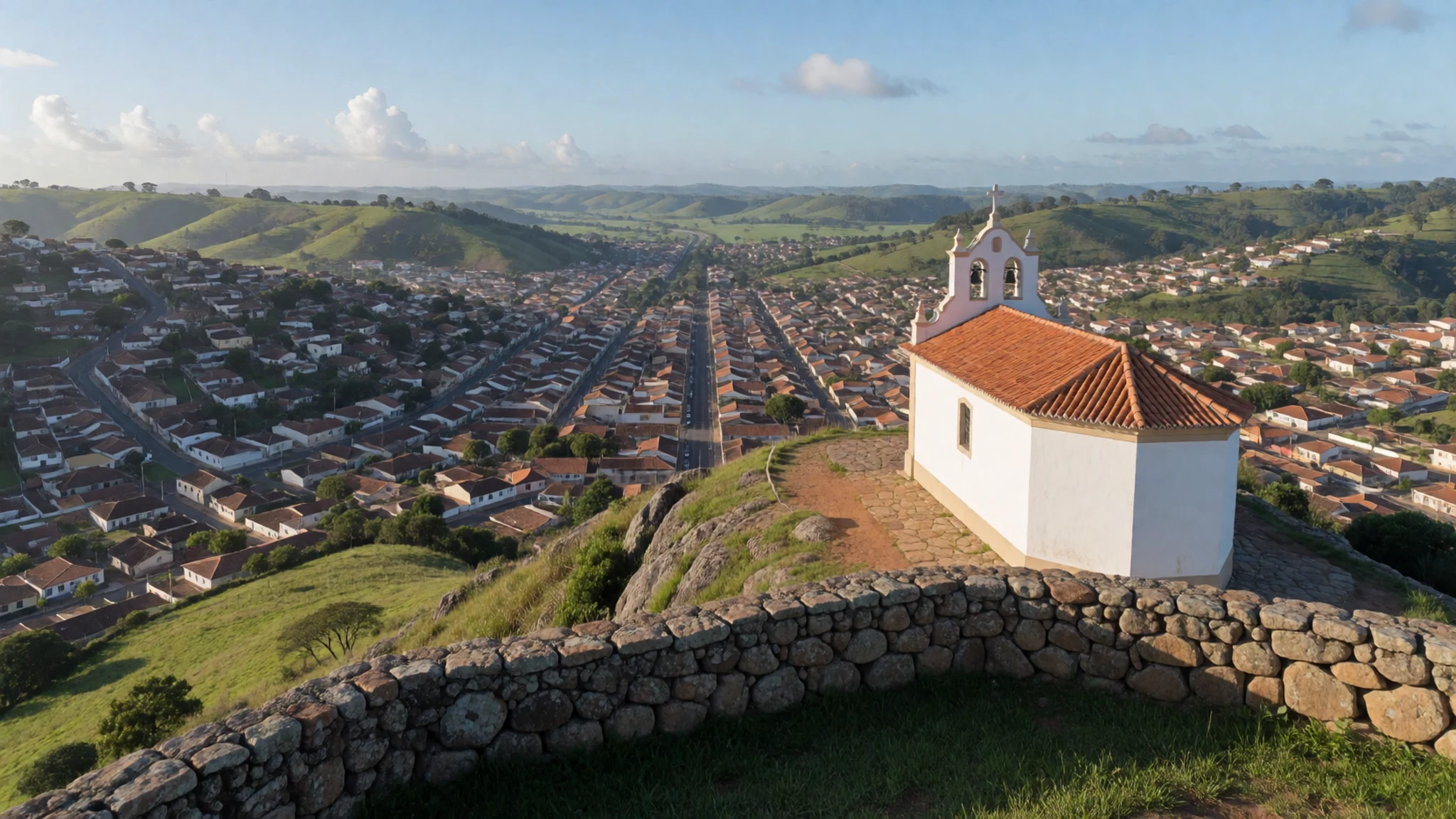
- Cidade da Paz — Central Catalão
A civic gathering space in the municipality, with open grounds and nearby public buildings surrounded by greenery.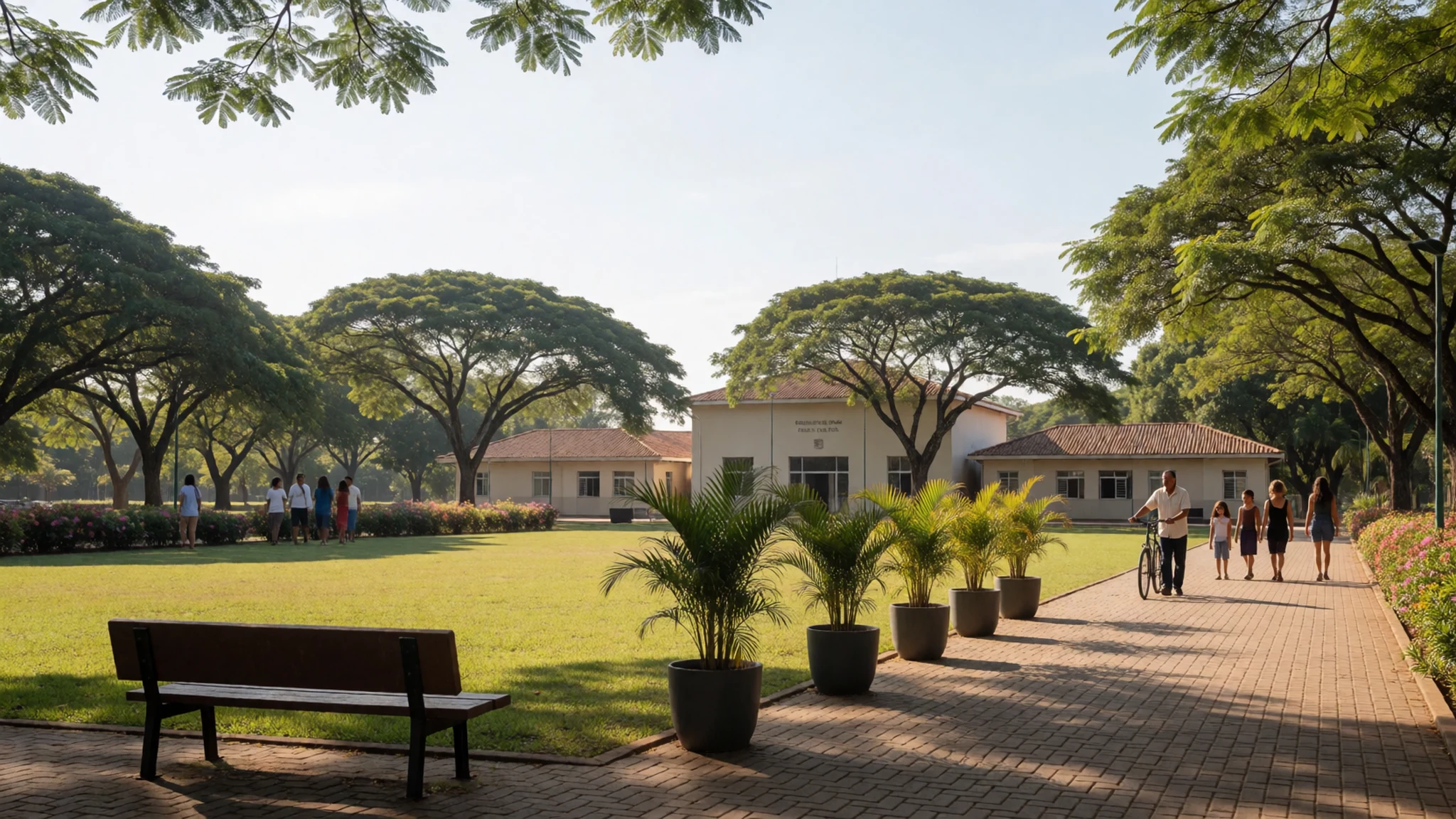
- Capela de São José — Catalão
A charming historical chapel showcasing traditional regional religious architecture from earlier eras. Its simple yet elegant proportions stand as a quiet testament to the enduring faith and community life of early settlers.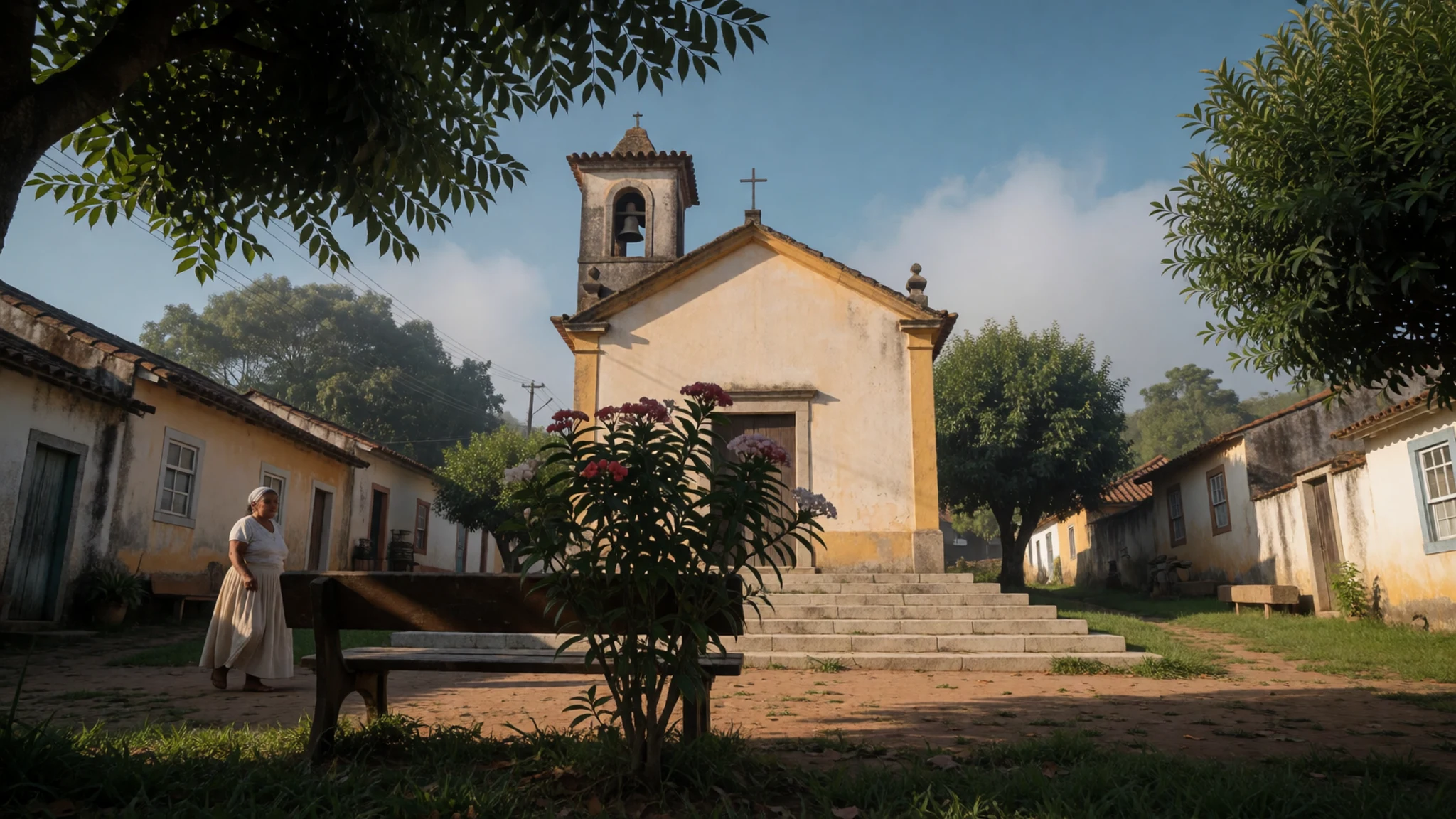
- Industrial and Mining Complexes — DIMIC District
While not traditional tourist attractions, the extensive phosphate and chemical complexes surrounding the city highlight the economic vitality of the local plateau. These sites illustrate the heavy industrial backbone that drives the modern regional economy.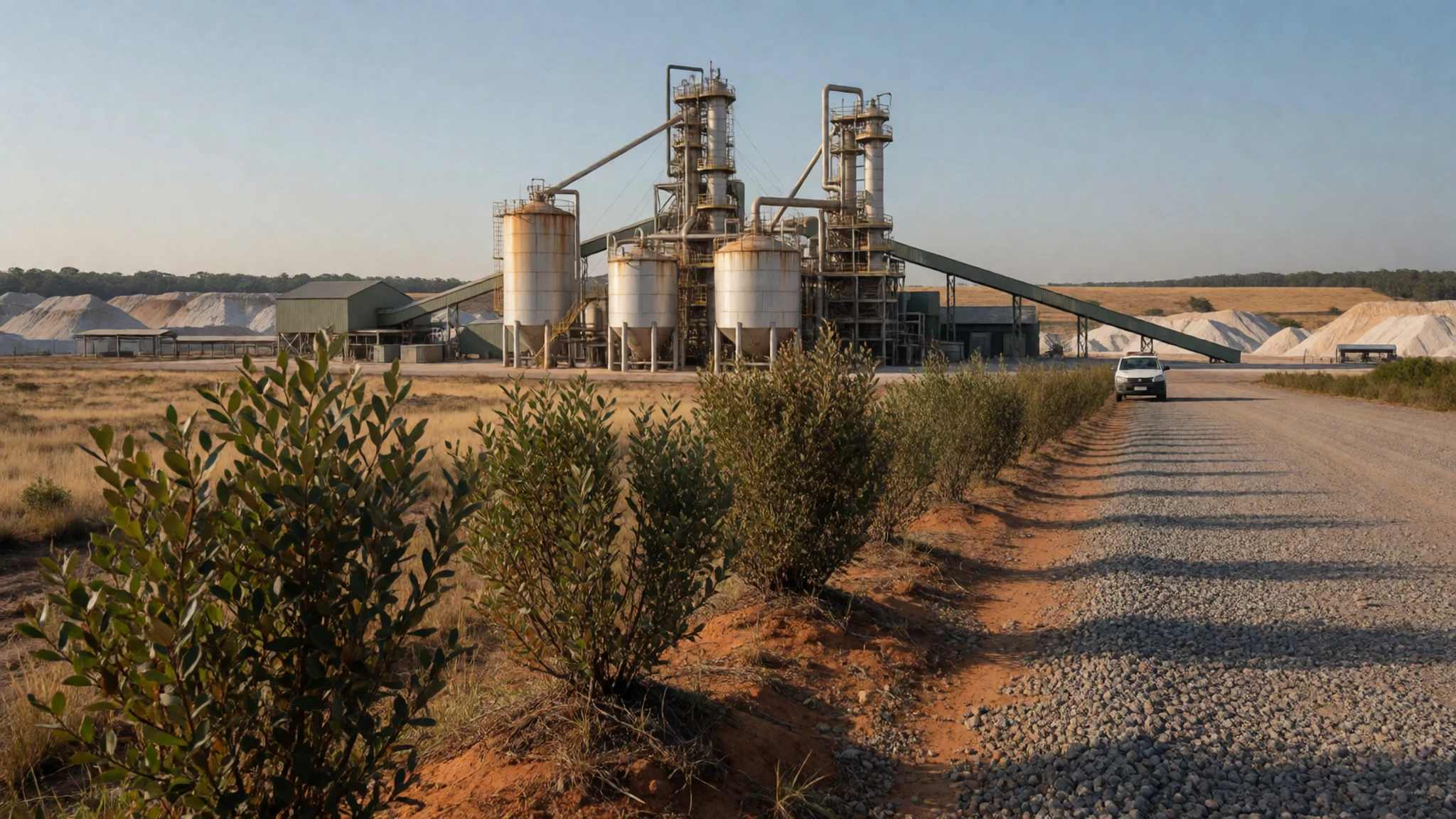
Culture
Cultural life in Catalão is deeply intertwined with religious devotion, agricultural rhythms, and Afro-Brazilian heritage. The pinnacle of the cultural calendar is the annual Festa do Rosário, featuring the renowned Congada troupes who perform elaborate dances wearing bright costumes and feathered headpieces while playing traditional percussion instruments. This celebration fills the streets from late September through the second Sunday of October, demonstrating a powerful synthesis of Catholic tradition and African ancestry that has been preserved across generations. Music, community gatherings, and shared meals form the bedrock of social interaction here, reflecting the warmth typical of the interior of Goiás. Visitors are welcomed warmly into these spaces, but respect for local religious customs and community elders is paramount during festival processions. Always ask for permission before photographing performers in traditional costume during festival events.
What to wear
Traditional dress in Catalão is most visibly brought to life during cultural festivals, where dance troupes don elaborate, colourful regalia inspired by African heritage, featuring vibrant fabrics, feathered headdresses, and embroidered sashes that reflect centuries-old symbolism. In daily life, residents dress for a practical, warm climate, favouring light cotton shirts, denim, and comfortable footwear suitable for navigating busy commercial streets and uneven terrain. Visitors should pack breathable, lightweight clothing for daytime warmth, alongside a light jumper or jacket for cooler evening breezes on the plateau. Modest, casual attire is entirely appropriate for exploring the town and visiting local chapels, while sturdy walking shoes are recommended if you plan to hike up to the hilltop viewpoints.
What to eat
- Pamonha — Local markets and traditional eateries throughout the city
A beloved local corn delicacy prepared in various styles. Savoury versions often include fillings of sausage and cheese, while sweet variations or 'Romeu and Julieta' pair guava paste with fresh cheese.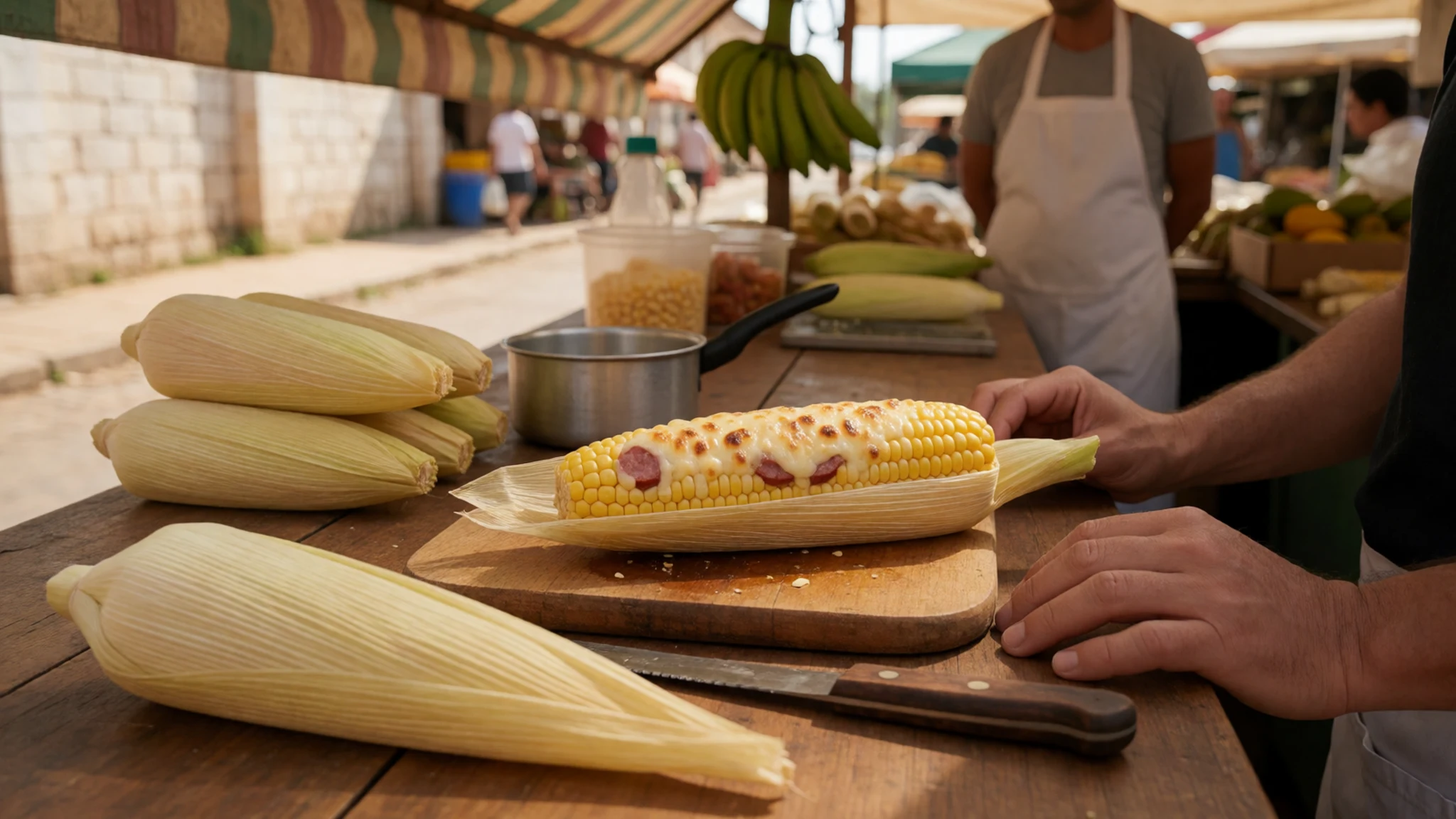
- Pequi — Traditional regional restaurants and family kitchens
A distinctive yellow fruit unique to the cerrado region, celebrated for its pungent aroma and rich flavour. It is typically cooked with rice or chicken; remember to gnaw the fruit gently rather than biting through, as the stone features sharp thorns.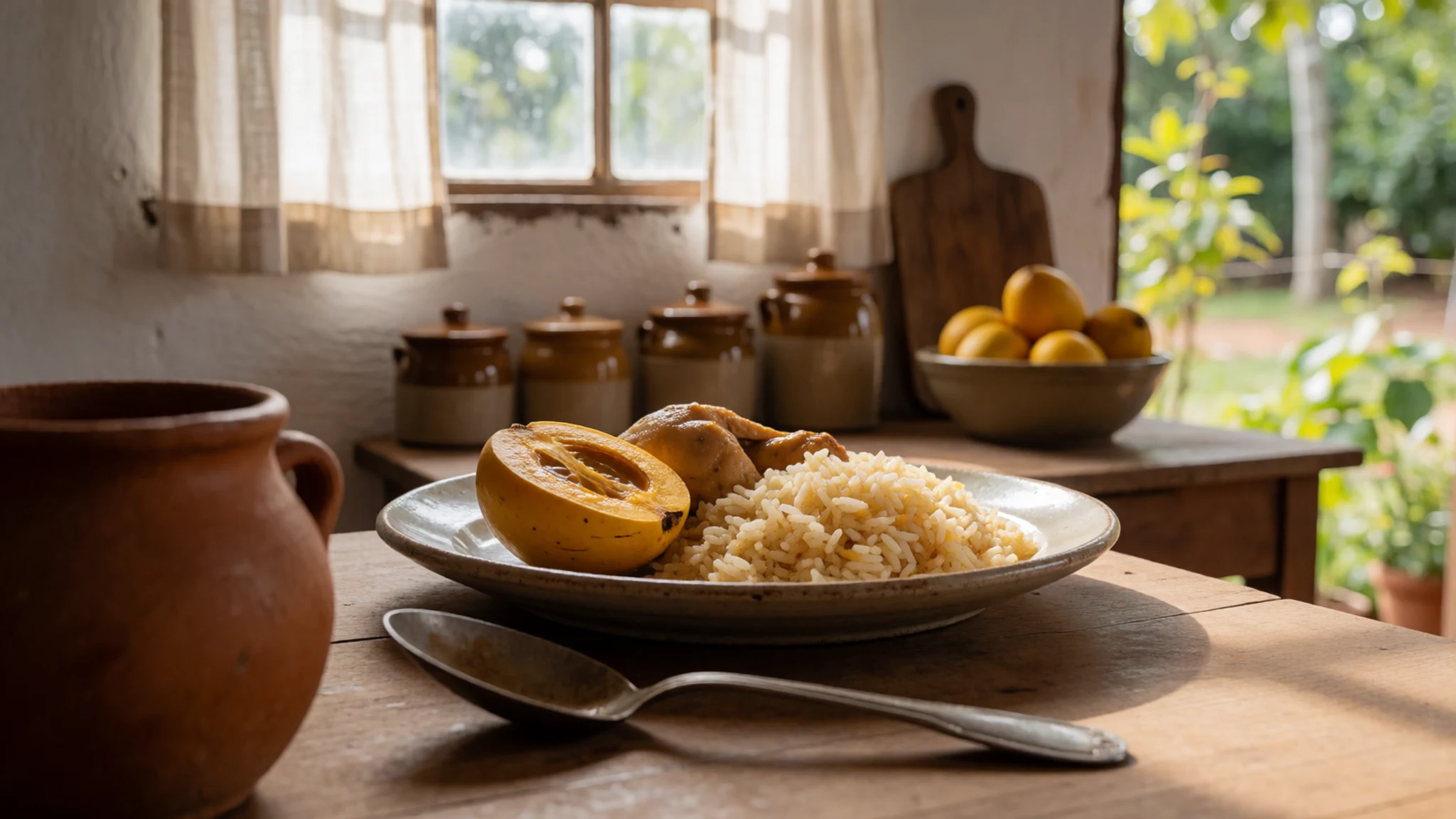
- Suã com Arroz — Local family-run diners and rustic eateries
A hearty, traditional dish combining tender pork meat from the backbone with seasoned rice, representing the robust home cooking style typical of the state of Goiás. - Guariroba Casserole — Traditional restaurants specialising in Mineiro and Goiano cuisine
A savoury casserole incorporating bitter native palm shoots, known locally as guariroba, which adds a distinctively earthy vegetable element to everyday regional menus. - Mané Pelado — Local bakeries and street markets
A delicious traditional cassava cake baked in banana leaves, offering a slightly sweet and comforting snack enjoyed throughout the afternoon.
Plan it
Best time. May through September is the driest stretch, with very low rainfall from June to August, making it the most comfortable time for outdoor exploring and late-year events—August is warm and among the lowest-rain months.
How long. 2–3
Getting there. Fly into Goiânia or Brasília, then travel onward by long-distance bus or rental car along well-paved federal and state highways.
Budget. mid
Tips
- Book accommodation well in advance if visiting during the Congada festival in September and October
- Carry cash for small purchases at local markets and independent stalls
- Drink plenty of bottled water to stay hydrated in the dry interior heat
- Wear comfortable walking shoes when exploring hilltop viewpoints and historical chapels
Etiquette
- Always ask permission before photographing festival participants in traditional costume
- Dress modestly when visiting local churches and religious sites
Nearby
Sources
- Wikidata Q35135 (CC0)
- Wikipedia (rev 1378507008) (CC-BY-SA 4.0)
- Wikivoyage (rev 5218380) (CC-BY-SA 4.0)