Cahuita
Cahuita, Costa Rica
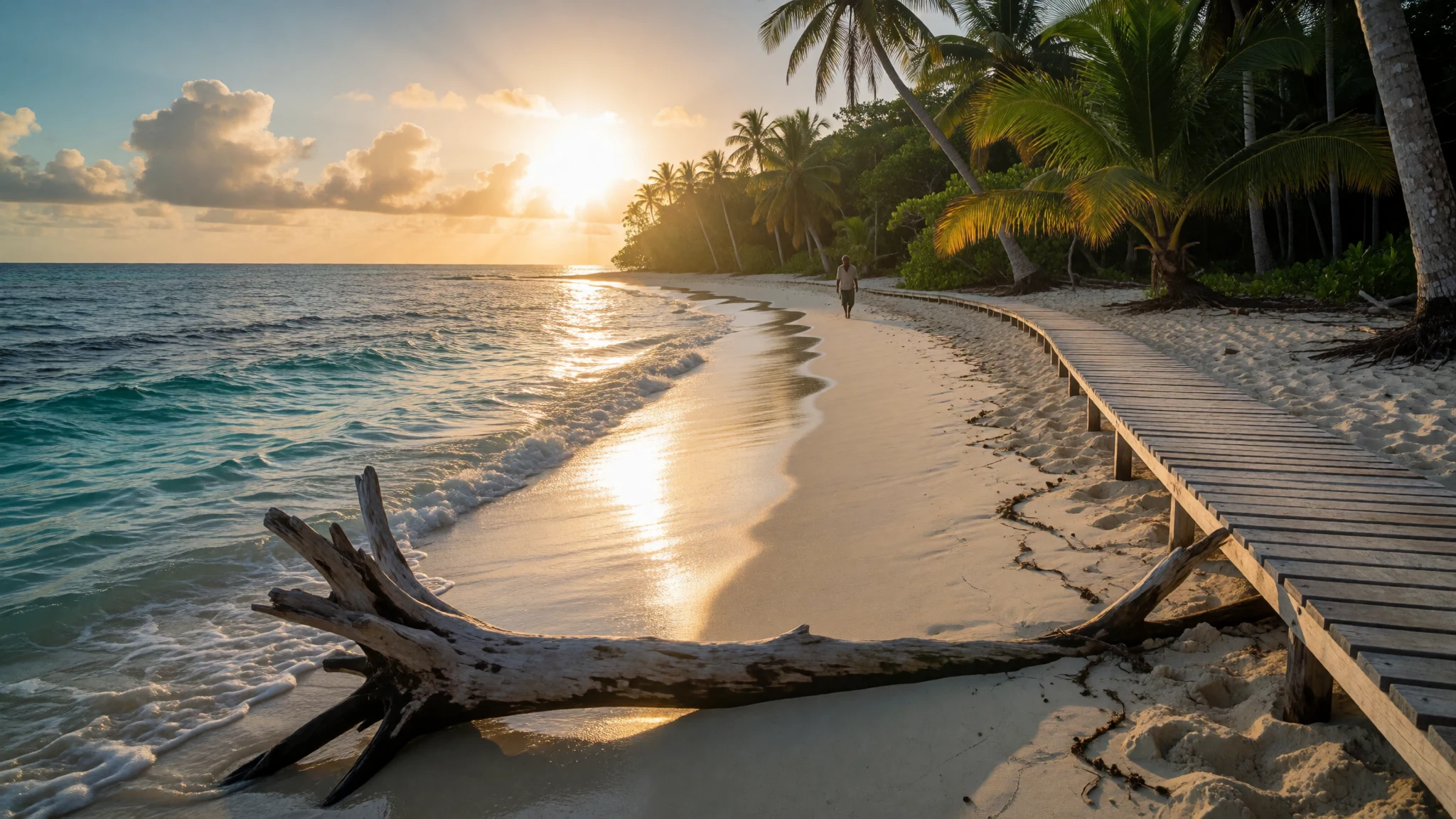
Cahuita is a Caribbean-coast national park where rainforest trail meets coral reef, with sloths, monkeys and a slow, unpolished beach town beside it.
The place
Cahuita sits on the southern Caribbean coast of Costa Rica, in Limón Province, where a small beach town and a national park share one shoreline. The park covers land and sea: a strip of coastal rainforest and beach behind, and a protected marine area in front that includes coral reef and turtle nesting grounds. It belongs to the La Amistad Conservation Area and was founded in 1978. The town is the practical side of the place. Cabinas, small eateries and bars line a few sandy streets, and the park trail starts at the edge of town, so everything is manageable on foot. A second entrance at Puerto Vargas, further south, is reached by road. The reef offshore runs for about 4 km along its outer edge and holds a long list of corals, molluscs, crustaceans and fish. It has also been damaged: live coral cover fell sharply over a couple of decades, blamed on sediment washing off the land, bleaching and other pressures. Visitors should expect a recovering reef rather than a pristine one. On land the forest is busy with monkeys, reptiles and birds, and sloths, coatis, agoutis and raccoons turn up as well. The mood is humid, green and unhurried, closer to a fishing village than a resort, and the main season for clear water is February to April.
Its story
Cahuita's protection began in 1970, when the site was set up as a national monument. It was reformed as a national park, with 1978 as the founding year in the records, and that change was ratified in 1982. The park later became unusual in Costa Rica for how the town entrance is run: there is no set admission, and visitors are asked for donations instead. That arrangement has shaped how locals talk about the place, as a shared coast rather than a ticketed attraction, though policies can change and it is worth asking on arrival. The reef has its own story. Researchers recorded a steep fall in live coral after the early years of protection, a reminder that a park boundary cannot stop silt, warming water or storms. Beneath the water lies a darker chapter. In 2025 two Danish slave ships, the Fridericus Quartus and the Christianus Quintus, were identified as wrecks dating from 1710 inside the park. Their presence had been known locally for years, but the identification ties this quiet shore to the Atlantic slave trade. It also sits beside the Afro-Caribbean heritage of the wider Limón coast, whose communities shaped the town's music, cooking and speech, and whose history is part of why Cahuita feels different from the rest of Costa Rica.
What to see
- The coastal trail — Cahuita town entrance
The main walk follows the shoreline from the edge of town, with about 2.1 km of well-marked trail and boardwalks over the wet stretches. It passes beach and forest edge and is the easiest way to meet wildlife. Walkers should go slowly, look up into the trees, and leave plenty of time to be back before dusk.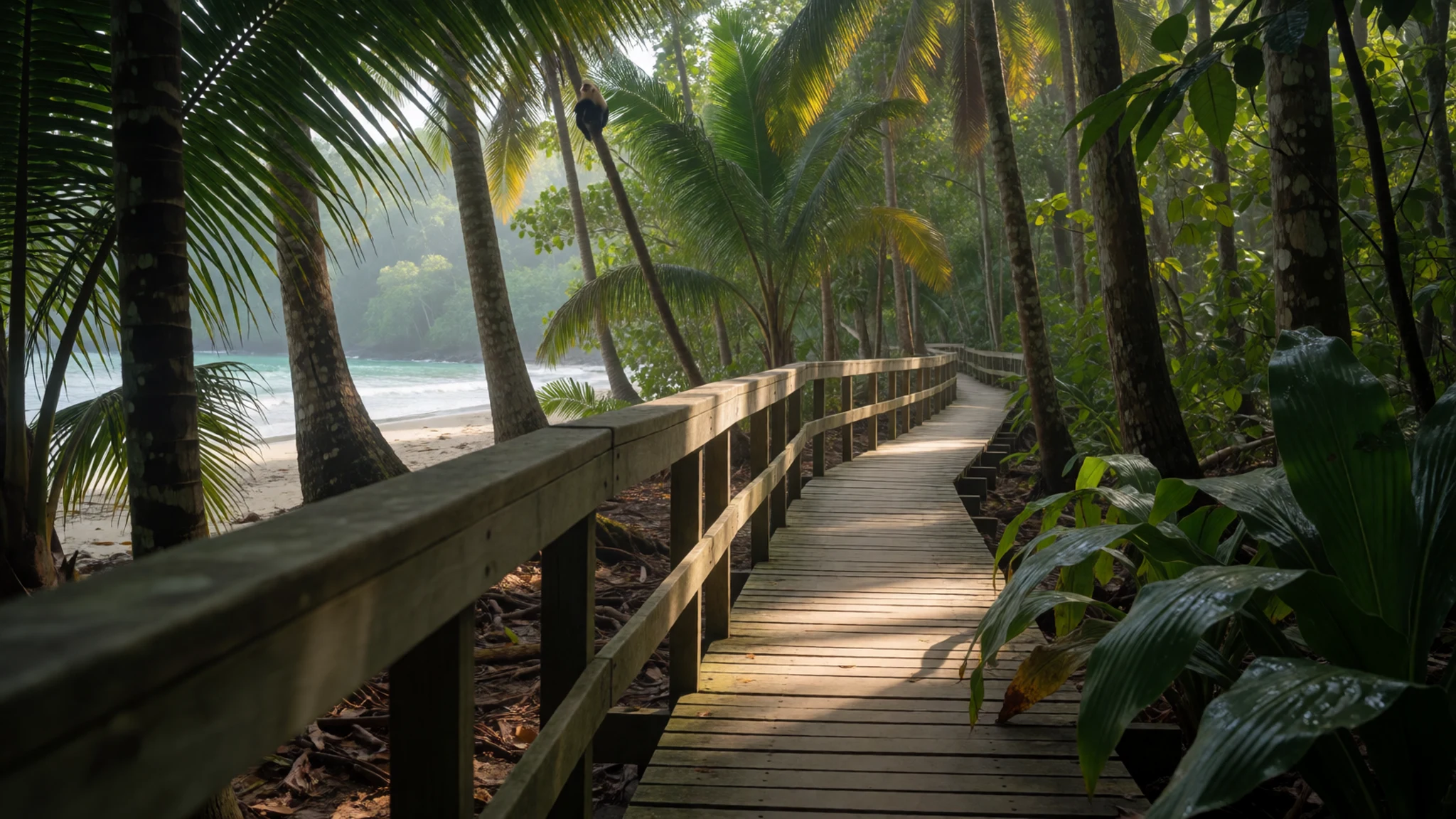
- Snorkelling the reef — Offshore, Cahuita National Park
The protected marine area holds the coral reef, and snorkelling is the main reason many visitors come. Visibility is usually best from February to April, and boat trips can be arranged in town. Expect a recovering reef with fish and invertebrates rather than a showpiece, and choose operators who keep boats and fins off the coral.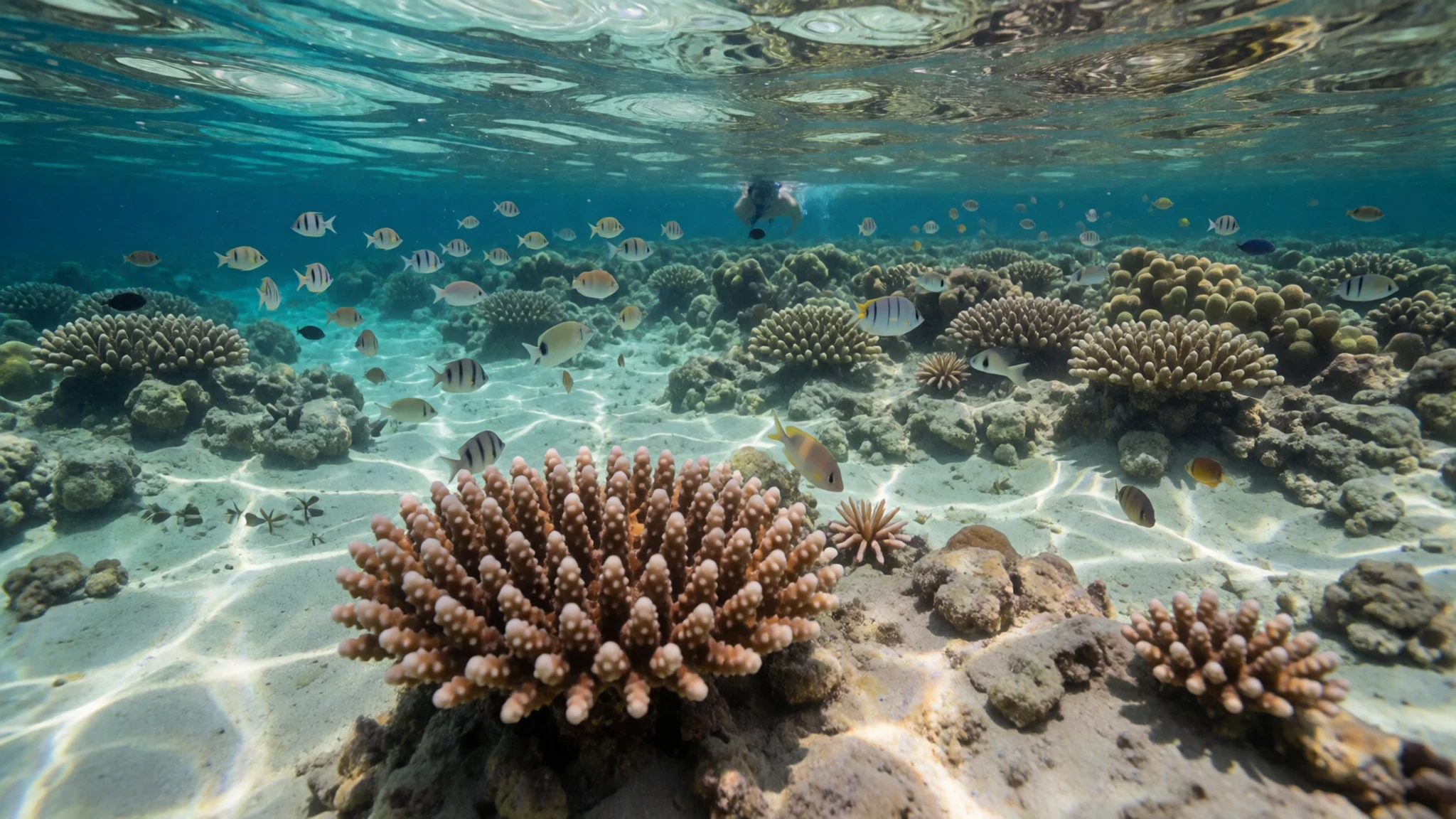
- Playa Blanca — Inside the park, along the trail
Playa Blanca is the pale beach inside the park, backed by forest and reached along the trail. It suits swimming and sunbathing, but red flags mean stay out of the water. Look down as well as out: leaf-cutter ants stream across the sand and into the vegetation in long, purposeful lines.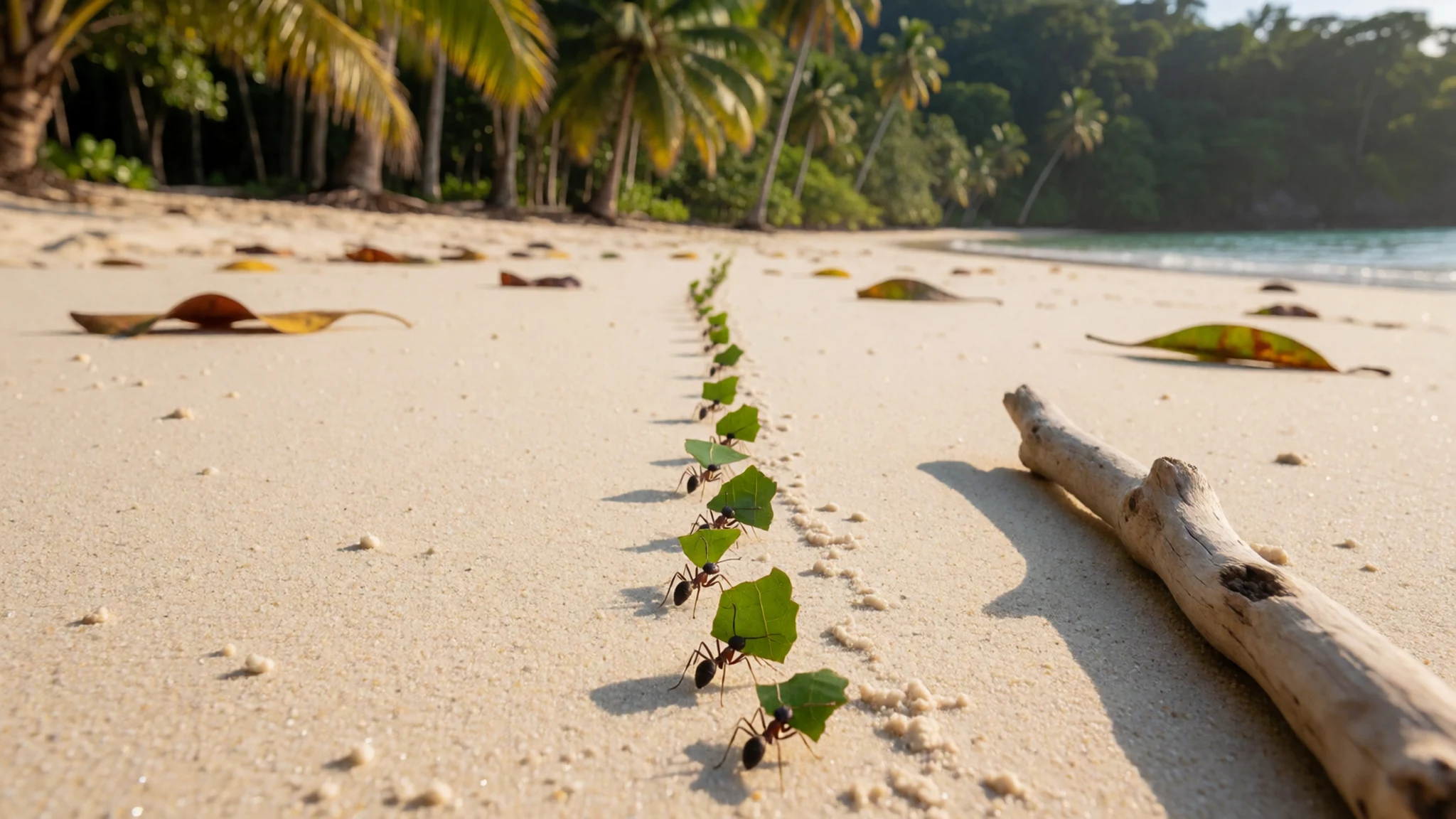
- Monkeys, sloths and birds — Forest trail
White-headed capuchins, mantled howler monkeys, sloths, coatis and agoutis live in the park forest, and keel-billed toucans and green ibis are among the birds. Early morning is quietest. Snakes, including the eyelash viper, also live here, so keep to the path and never reach into foliage. A local guide will spot sloths that walkers pass beneath.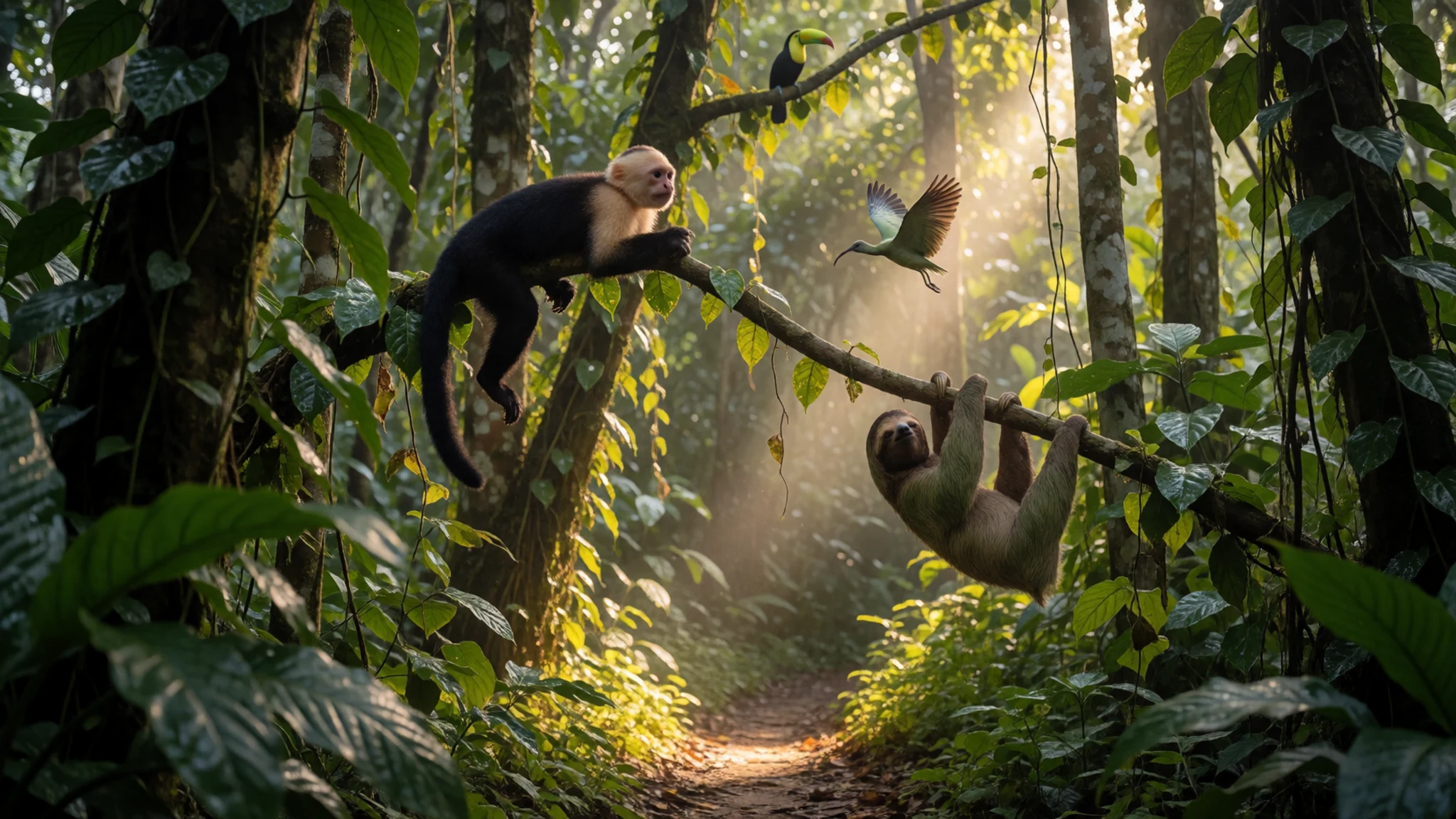
- Playa Negra — North of Cahuita town
North of town, Playa Negra is a dark-sand beach where camping is allowed for one night, although there is no official campsite. It is quieter than the town front and good for a long, unhurried walk. Take care with swimming here and heed any flags, since conditions on this coast can change quickly.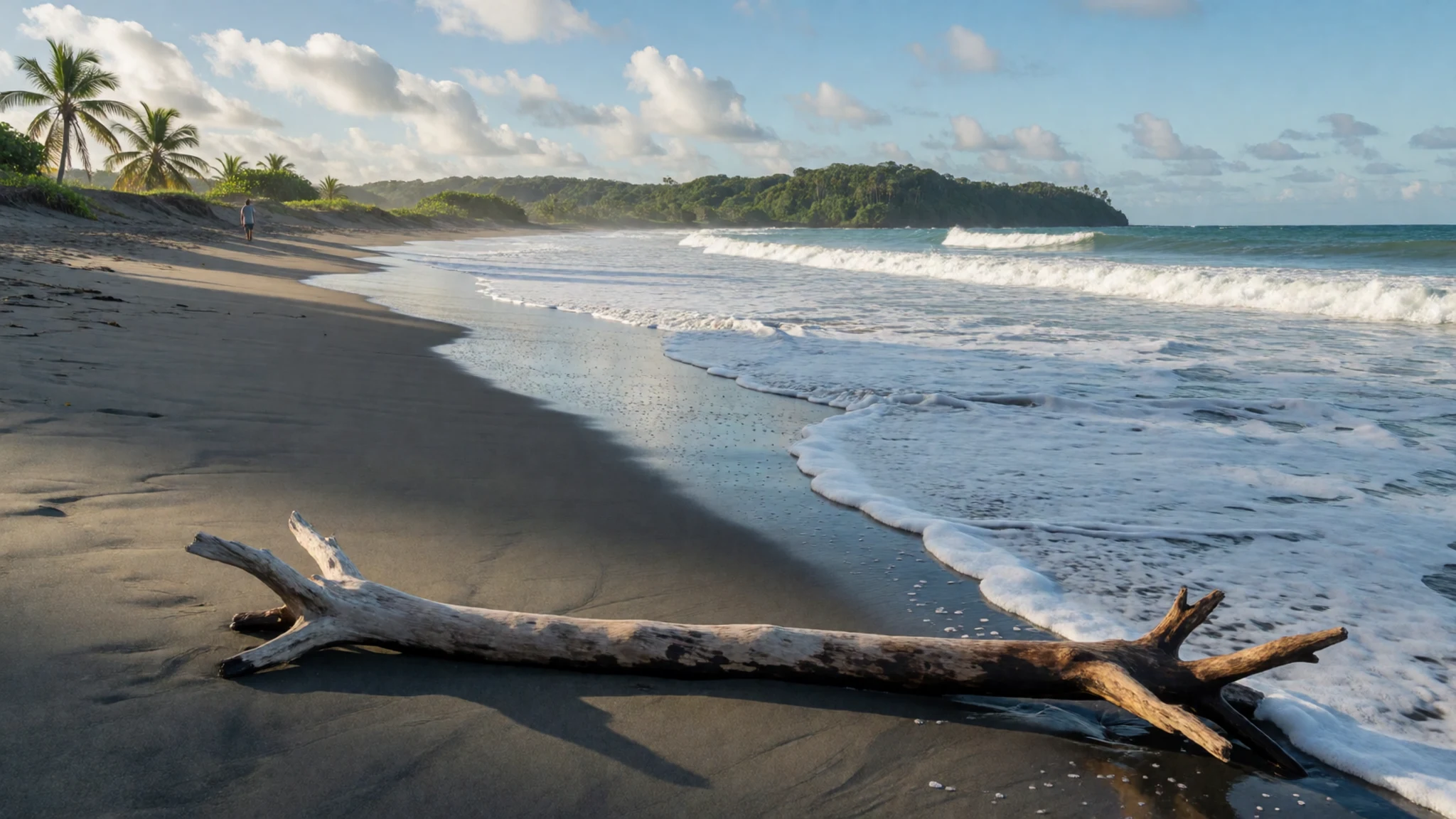
- Puerto Vargas sector — Southern edge of the park
The southern sector of the park, Puerto Vargas, has its own entrance and road access. Starting here lets walkers begin in the middle of the park and cover less ground than an end-to-end walk. Ask at the entrance about current conditions and whether a donation or fee applies on the day.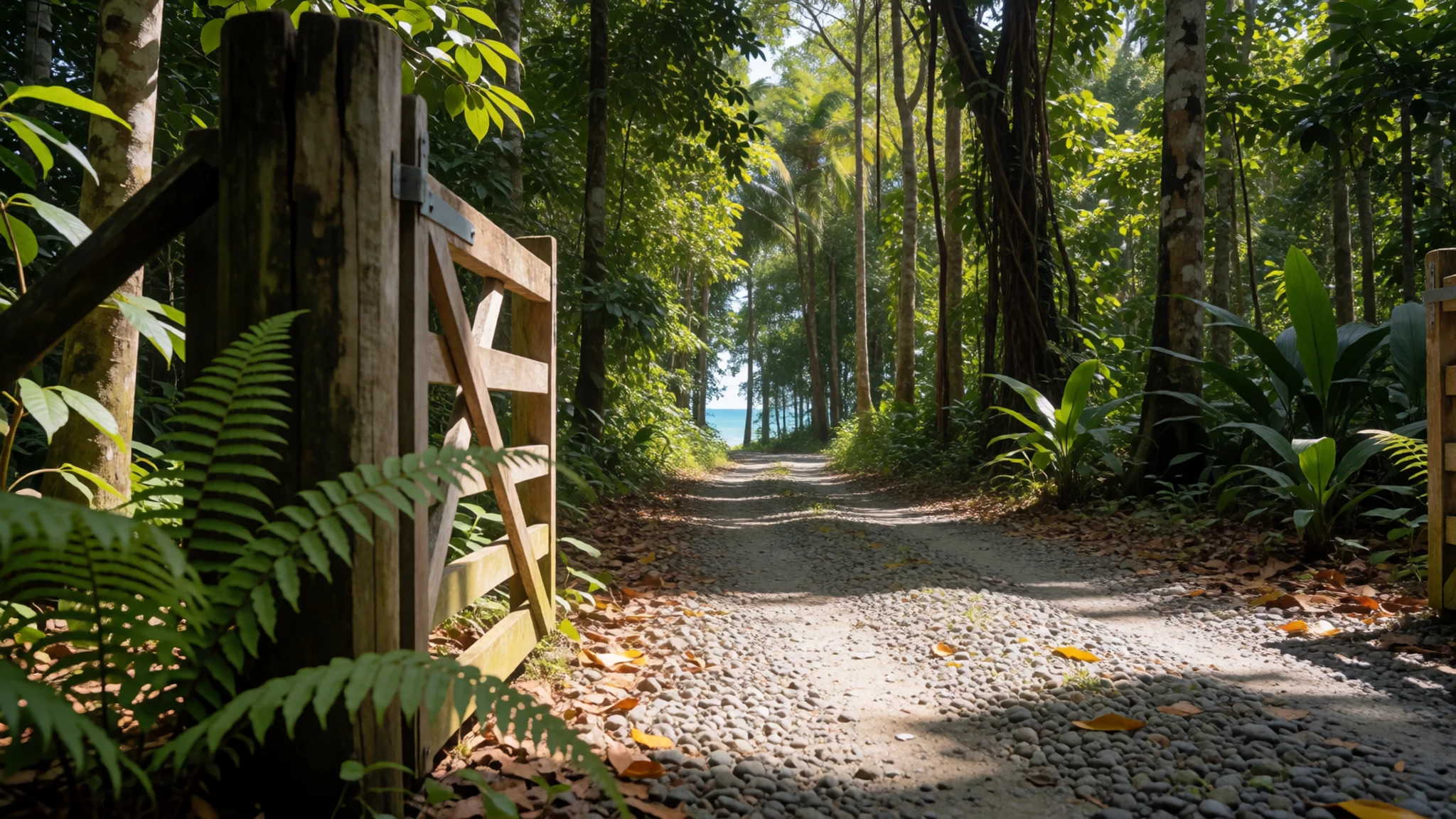
Culture
Cahuita's culture comes from the Afro-Caribbean communities of the Limón coast, whose ancestors arrived over generations from other Caribbean islands, alongside Spanish-speaking Costa Ricans and Indigenous people from the nearby Talamanca area. Visitors may hear Spanish, English and Limonese Creole in a single street. Calypso and reggae drift out of bars, and the pace is slower than in the highlands. Cooking built on coconut, spice and fish is the clearest everyday expression of that heritage. The coast also carries the memory of slavery: the Danish slave ships identified in the park's waters link this quiet shore to the Atlantic trade, and many locals treat the wrecks as history rather than a novelty. Evenings centre on small bars and porches, with karaoke on some nights, rather than staged shows. The park itself is part of daily life, because people walk, fish and swim along the same shore, and the donation system at the town entrance keeps it feeling like a shared space instead of a gated attraction. Respecting that routine matters more here than ticking off sights. Ask before photographing local people, keep to the marked trail, take your rubbish out with you and never feed the monkeys.
What to wear
Cahuita has no everyday costume, and traditional dress here is mostly a festival matter. Costa Rica's folk dress, with white cotton blouses and wide, bright skirts for women and white shirts, dark trousers and straw hats for men, appears at school events, dance performances and national holidays, and it is more linked to the central highlands than to this coast. Afro-Caribbean communities have their own celebration clothes, often in bold colours, and Indigenous communities in Talamanca keep separate craft and textile traditions. Day to day, people in Cahuita wear shorts, T-shirts, light cotton and sandals, with swimwear on the beach and neater clothes for church or an evening out. Nobody dresses formally. Visitors should pack for heat, humidity and sudden rain: light, quick-drying shirts and trousers, a sun hat, a thin waterproof, and swimwear for the reef. Long sleeves and trousers help against insects and sun on the forest trail. Footwear matters more than clothing: sturdy sandals or trail shoes cope with boardwalks, sand and mud, while water shoes help on rocky entries. Throw a cover-up over swimwear when walking through town or going into a shop or eatery.
What to eat
- Rice and beans in coconut milk — Small family eateries in Cahuita town
Caribbean-style rice and beans, cooked in coconut milk and often seasoned with local spice, is the everyday plate on this coast. It usually arrives with fish, chicken or plantain on the side, and tastes quite different from the plainer version eaten inland.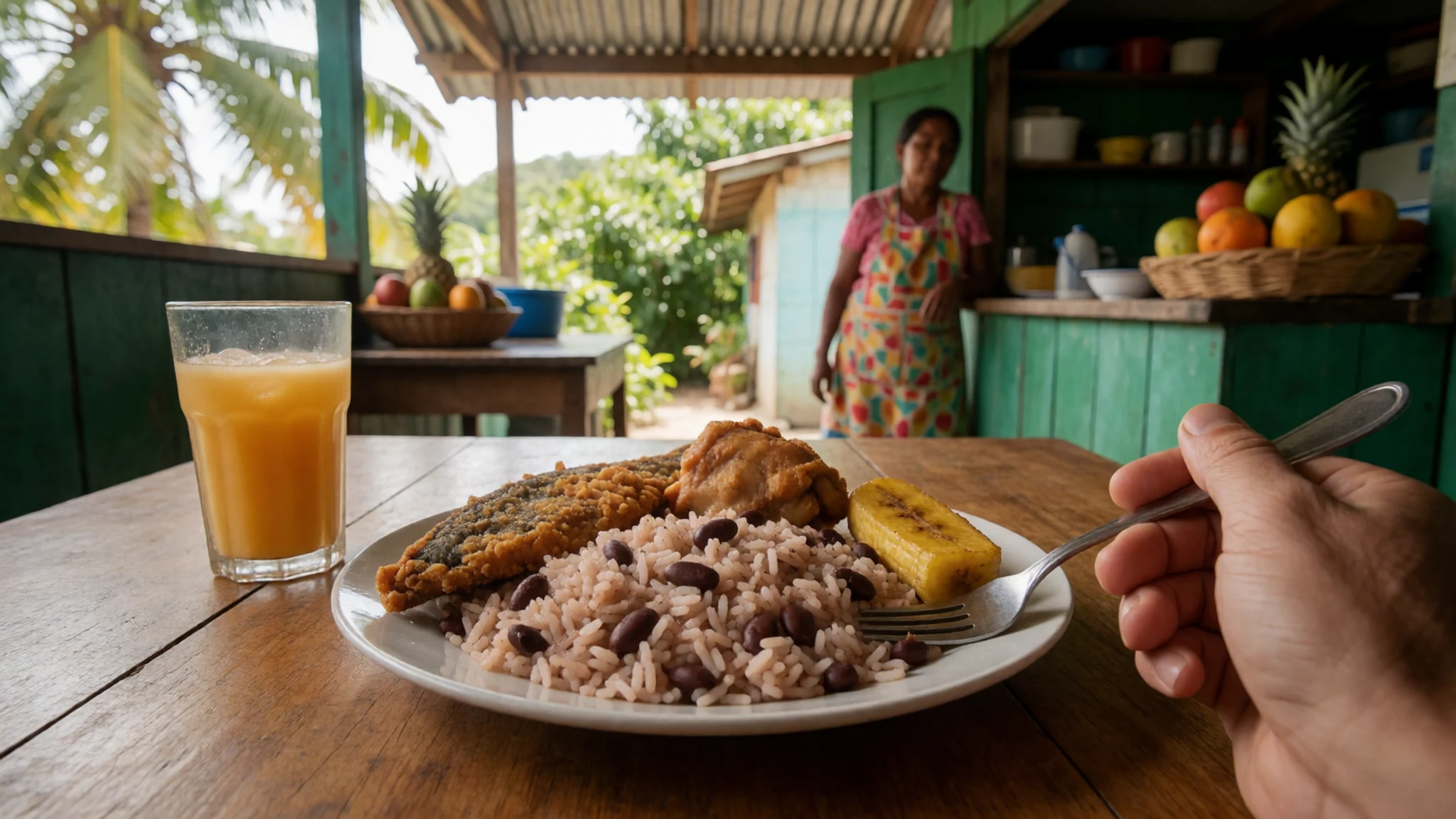
- Rondón — Local eateries along the main streets of town
Rondón is a slow-cooked stew built on coconut milk, with fish or other seafood, root vegetables and plenty of spice. It is a Limón Province dish with Afro-Caribbean roots, filling and rich, and best eaten unhurriedly with a cold drink.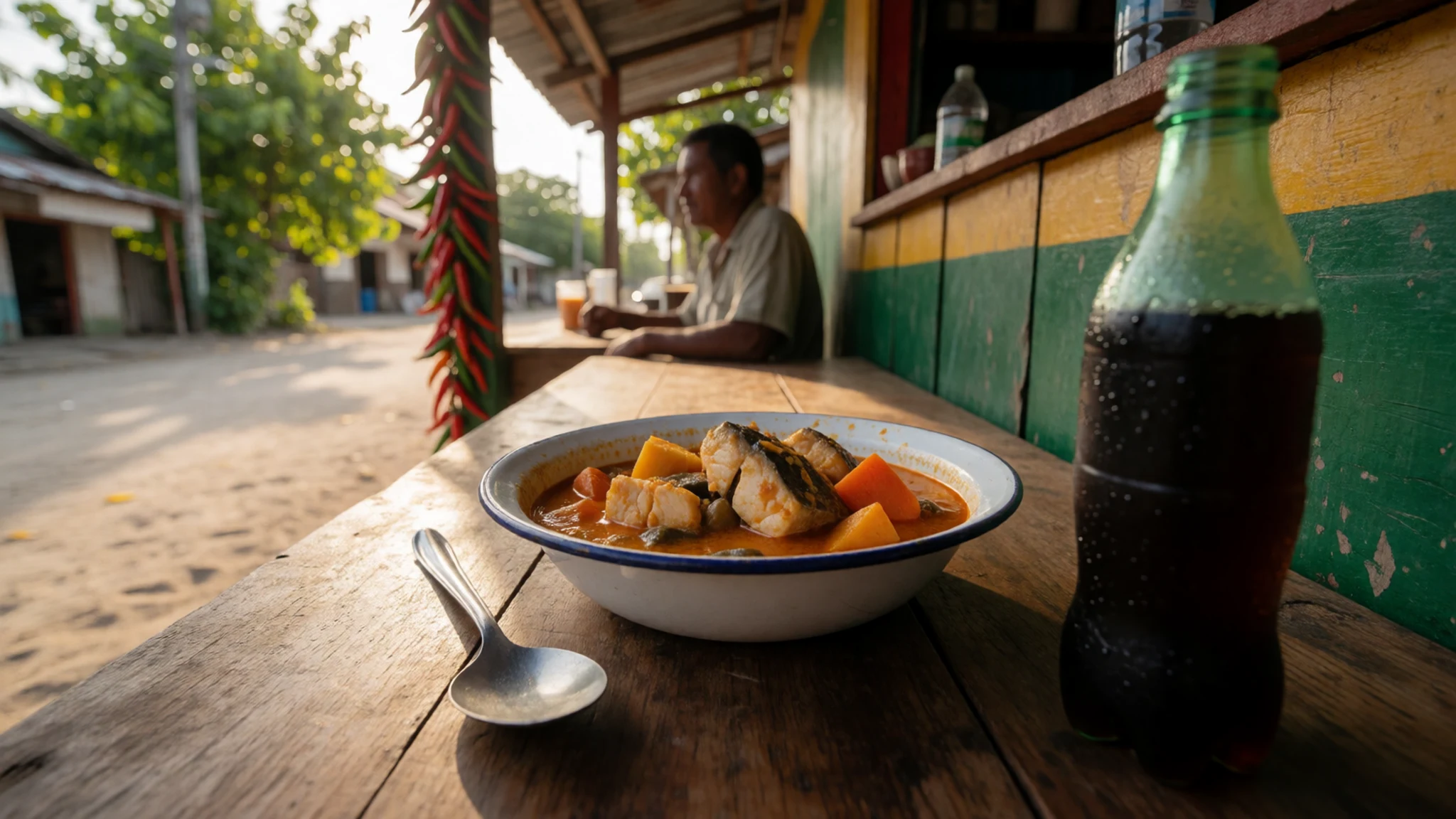
- Fresh fish in coconut sauce — Seafront restaurants and small beach eateries
Fish caught along this coast is often grilled or simmered in a coconut-based sauce with garlic and pepper. Ask what came in that day, as the choice changes with the catch and season, and it is usually served with rice and salad. - Patacones — Snack stalls, bars and everyday eateries
Patacones are green plantain pressed flat and fried until crisp, then salted. They work as a snack, a side dish or a base for toppings, and turn up in almost every kitchen on the Caribbean coast of Costa Rica. - Pan bon — Bakeries and home sellers around Limón Province
Pan bon is a dense, spiced, sweet bread with dried fruit, linked to the Afro-Caribbean cooking of Limón Province. It is often made at home and sold around festive times, so finding it depends on the season and a little local asking.
Plan it
Best time. February to April, when underwater visibility is typically best for snorkelling. The coast is humid and green all year and rain can arrive in any month, so pack for both sun and downpours.
How long. 2–3
Getting there. Fly into San José, then take a bus heading toward Puerto Viejo de Talamanca; these stop in Cahuita. From Limón, buses run frequently until early evening. By car, take the main highway from San José toward Limón Province, passing through the Zurquí tunnel, and turn right at the petrol station on the edge of Puerto Limón for Cahuita. The last leg is on foot, as the town and park trail are side by side.
Budget. low
Tips
- Do not swim on beaches showing red flags
- Be back in town before dark, because it gets dark early and the forest is hard to navigate at night
- Bring some cash for small eateries and trail-side sellers, and ask about card use before ordering
- Pack insect repellent, a hat and water, and wear footwear that copes with boardwalks and mud
- Book snorkel trips and guides in town, and ask the park entrance about donations and conditions
Etiquette
- Keep to the marked trail and never feed or touch wildlife
- Take all rubbish out of the park with you
- Ask before photographing local people
Nearby
Sources
- Wikidata Q2546988 (CC0)
- Wikipedia: Cahuita National Park (rev 1362706442) (CC BY-SA 4.0)
- Wikivoyage: Cahuita National Park (rev 5106092) (CC BY-SA 4.0)
- Photo: Cahuita national park, Costa Rica — Haakon S. Krohn (CC BY 3.0)
- Photo: White-headed Capuchin at Cahuita — Hans Hillewaert (CC BY 3.0)
- Photo: Eyelash viper, Cahuita — Ryskas (CC BY 3.0)
- Photo: Red Button Ginger, Cahuita — Hans Hillewaert (CC BY 3.0)
- Photo: Atlantic Ghost Crab, Cahuita — Hans Hillewaert (CC BY-SA 4.0)
- Photo: Yellow-crowned Night Heron, Cahuita — Ryskas (CC BY 3.0)
- Photo: Leaf-cutter ants at Playa Blanca — Hans Hillewaert (CC BY-SA 4.0)
- Photo: Three-toed sloth, Cahuita — Christian Mehlführer (CC BY 2.5)


Wildlife
- Mantled howler monkey (animal)
The mantled howler is a monkey you will often hear before you see it, and its name comes from the long hairs hanging down its sides like a cloak. In Cahuita it lives in the forest of the national park. Stand quietly beneath the trees and listen, then look up with binoculars rather than creeping closer. A local guide can help you find where the group is resting. Please never feed it, and let it stay wild.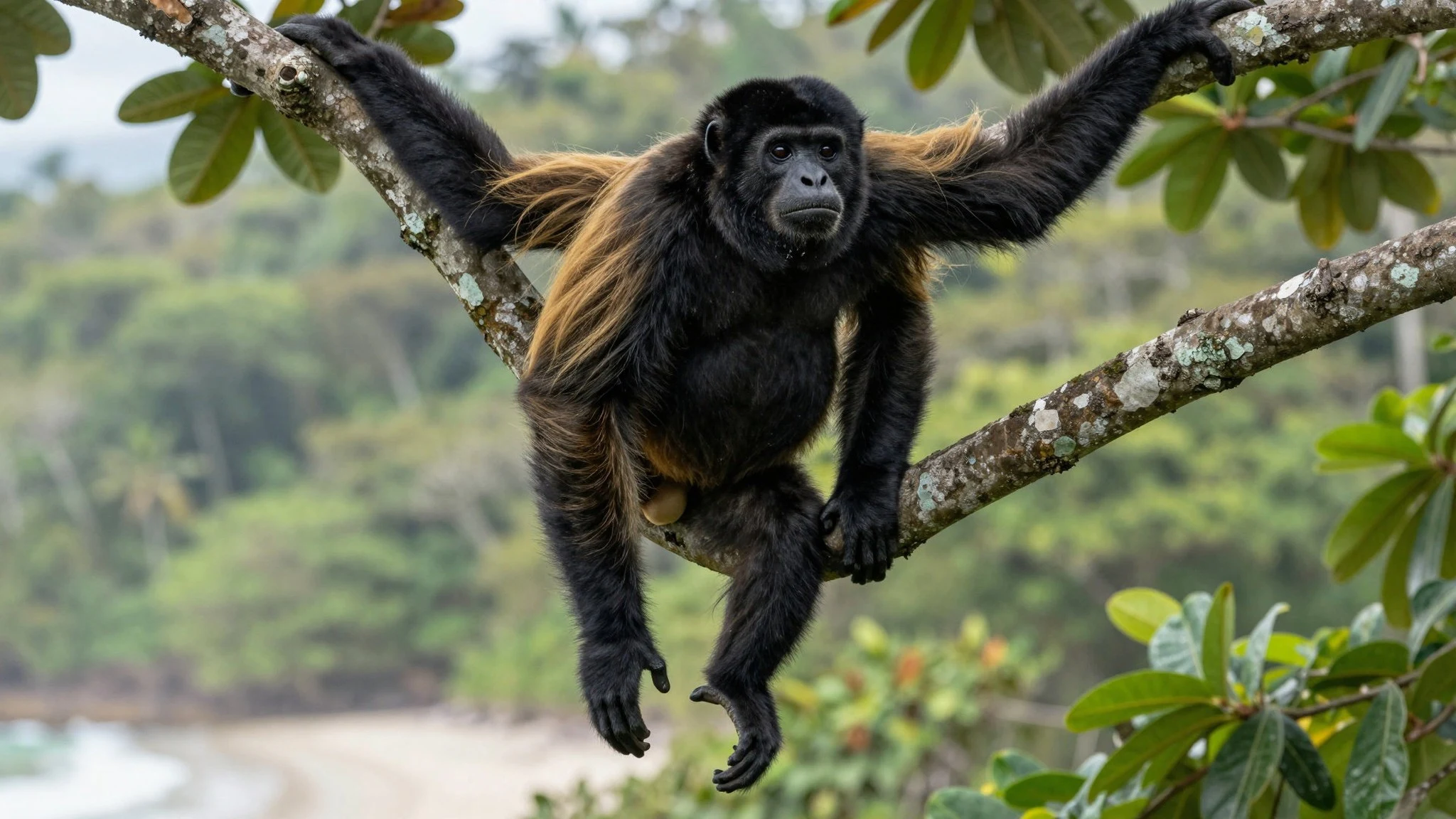
- Keel-billed toucan (bird)
The keel-billed toucan is the bird with the enormous, rainbow-coloured bill, rather like a flying paintbox. In Cahuita it is one of the birds of the national park forest. Look high in the trees, where it feeds on fruit, seeds and insects, and stay still and quiet so it does not fly off. Binoculars bring it close without you moving nearer, and a guide's sharp eyes will help. Never feed it; let it find its own meals.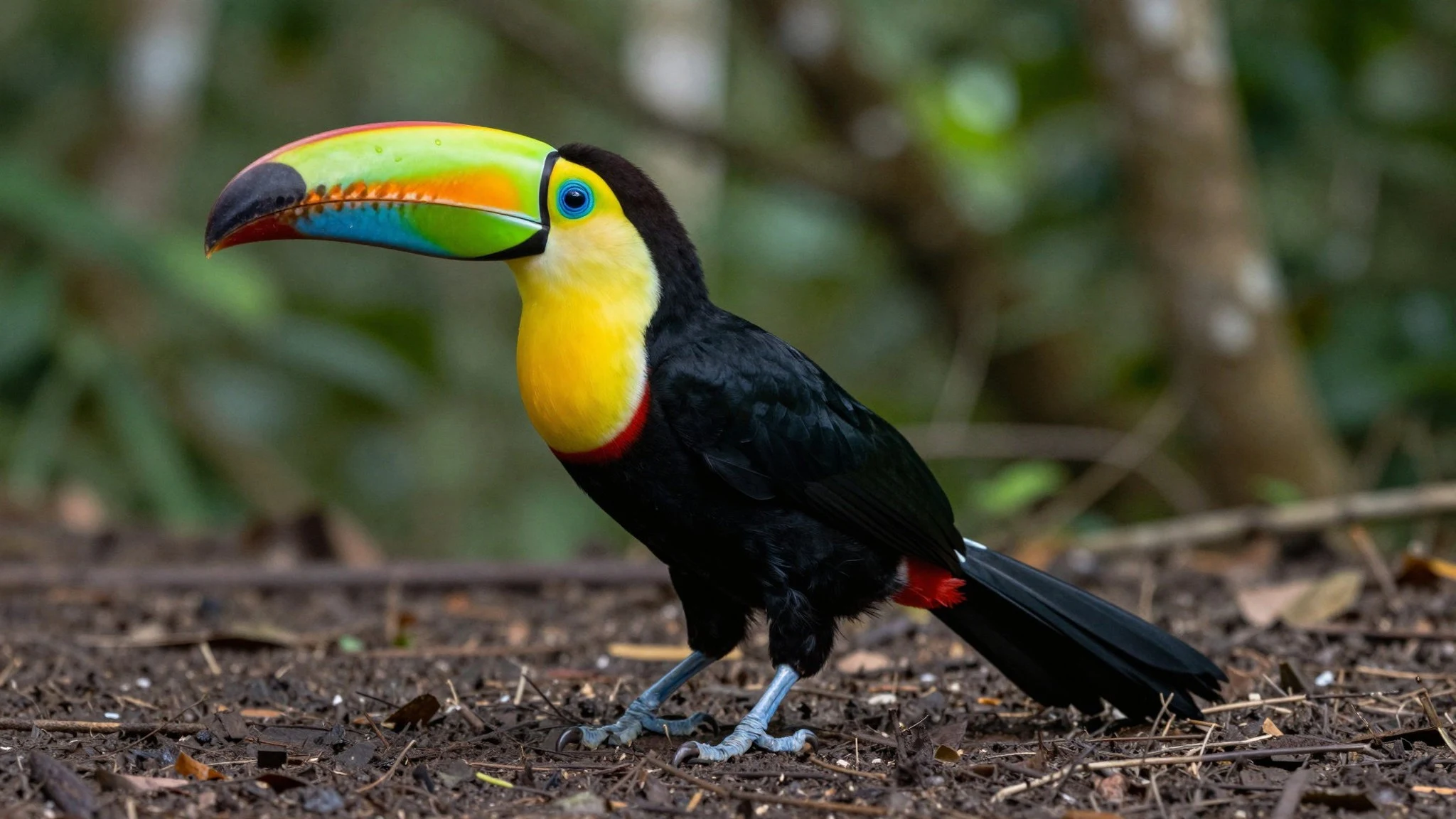
- White-headed capuchin (animal)
The white-headed capuchin is a small, clever monkey with a pale face, rather like a cheeky little person in a fur coat. In Cahuita it lives in the forest of the national park, so that is where to look. Watch from a respectful distance, keep your voice low and let the troop go about its day. A local guide will help you find them. Never offer food, however much they seem to ask, because wild monkeys are best left to feed themselves. - Green ibis (bird)
The green ibis is a wading bird, the long-legged sort you might expect to find near water, and it belongs to the ibis family. In Cahuita it is among the birds of the national park. It is easy to miss, so go slowly, keep your voice low and scan with binoculars from a comfortable distance rather than walking towards it. A local guide will spot it far sooner than you will. Never feed it, and leave it undisturbed.