Cabo Blanco
Cabo Blanco, Costa Rica
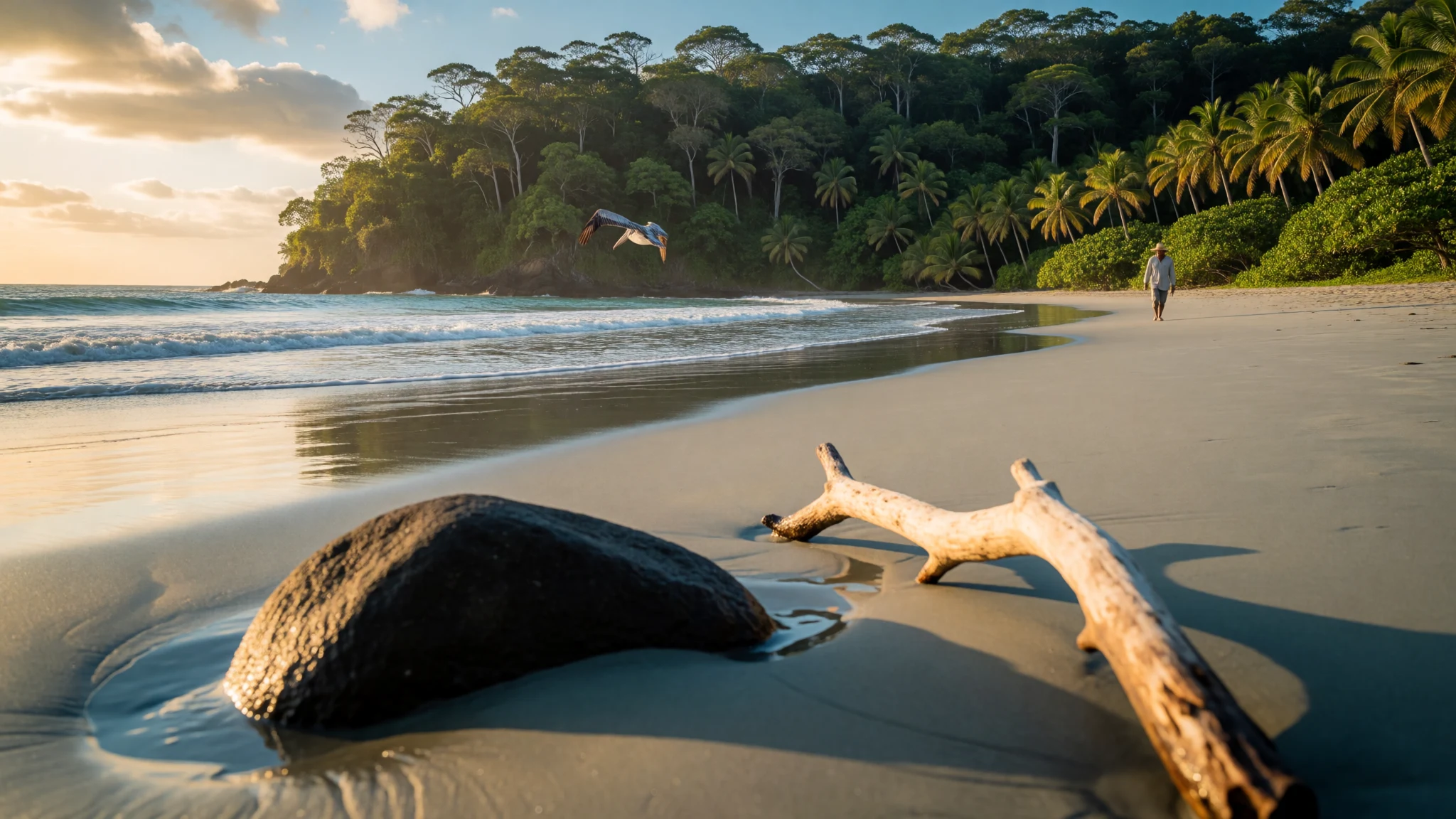
Cabo Blanco is a forested cape on Costa Rica's Nicoya Peninsula, where a long jungle walk ends at a nearly empty beach.
The place
Cabo Blanco sits at the southern tip of the Nicoya Peninsula in Puntarenas province, Costa Rica, a short distance from the beach villages of Montezuma, Cabuya and Mal País. It is an absolute natural reserve, and the word "absolute" in its title signals that protection and research come before recreation. The land section covers about 12.7 sq km and the marine section another 17.9 sq km, so the sea matters as much as the forest. The reserve belongs to the Tempisque Conservation Area. Inside, the San Miguel Biological Station supports teaching, fieldwork and environmental education, with classrooms, laboratories and a reference library. For a visitor the experience is simple: one main trail through humid tropical forest, down to a beach. Howler monkeys and birds are often heard before they are seen, hermit crabs work the sand, and the tide decides how much shore is left. Facilities inside are basic, so water, food and sun protection need to be carried in. It is hot and sticky for most of the year, and the walk is the main event rather than a lead-in to something else. The villages outside supply the rest: guesthouses, small eateries, surf schools and yoga studios. Crowds are modest compared with Costa Rica's volcano and cloud-forest parks, though the trail fills up on dry-season weekends. Mornings are cooler and better for wildlife.
Its story
Cabo Blanco has a conservation story that starts with a landscape being cleared. Until the 1960s, forest on this part of the Nicoya Peninsula was being felled for cattle pasture and small farms. The national priority was higher farm output, and little thought went to protecting habitat. Nils Olof Wessberg, known as Nicolás, and Karen Mogensen reached Costa Rica in 1955, hoping to live in step with nature, and settled on a farm near Montezuma. Looking for native tree seeds to replant that farm, Nicolás walked down to the cape and found tall trees and plentiful wildlife standing amid ranchland stripped of cover. The contrast fixed their purpose. With support from international conservation groups, the couple bought about 1,250 hectares in 1963, and the reserve that grew from that purchase became Costa Rica's first protected area. Nicolás was killed in 1975 while campaigning for the Osa Peninsula, where hunting, logging and gold mining were eating into the forest. Karen died in 1994. Both are buried on their original farm near Montezuma, now a small reserve in its own right and named after him. Walking the cape today, it helps to remember what the surrounding hills looked like when he arrived. The forest here is a deliberate survivor, and the trail is a way of seeing what that choice protected.
What to see
- The forest trail to the beach — Inside the reserve, reached from the Cabuya side
Cabo Blanco's main trail runs through shaded, humid forest before opening onto the coast. Allow a few hours each way at a gentle pace, with stops for birds, monkeys and fallen fruit. Mud and roots are normal in the green season, and the shade is welcome in the heat.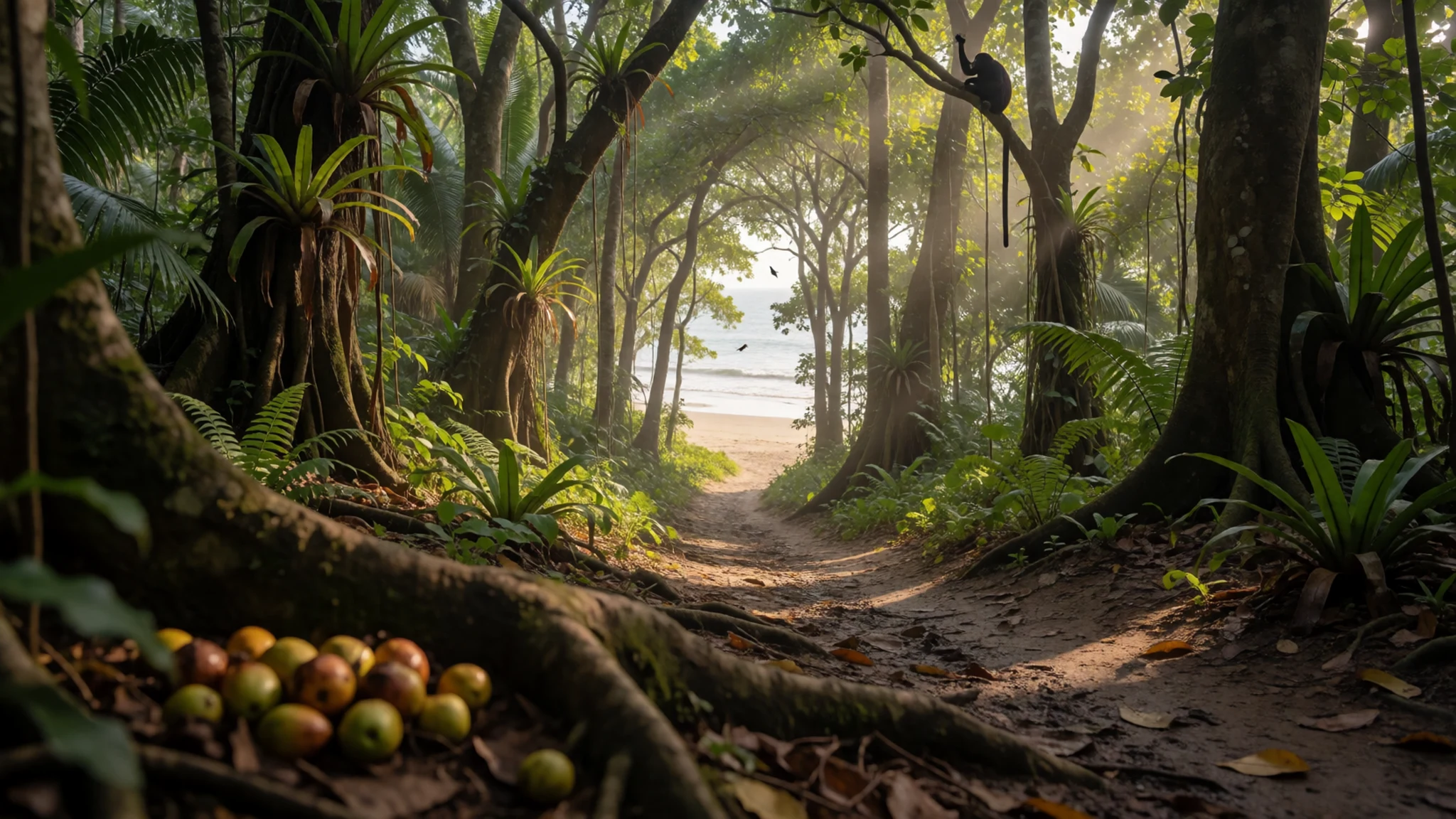
- Cabo Blanco beach — Southern tip of the reserve
The beach at the end of the trail is wide, rocky at the edges and usually quiet. It is a place to rest, eat a packed lunch and watch pelicans and other seabirds. Swimming depends on tide, surf and local advice, so ask the rangers before getting in.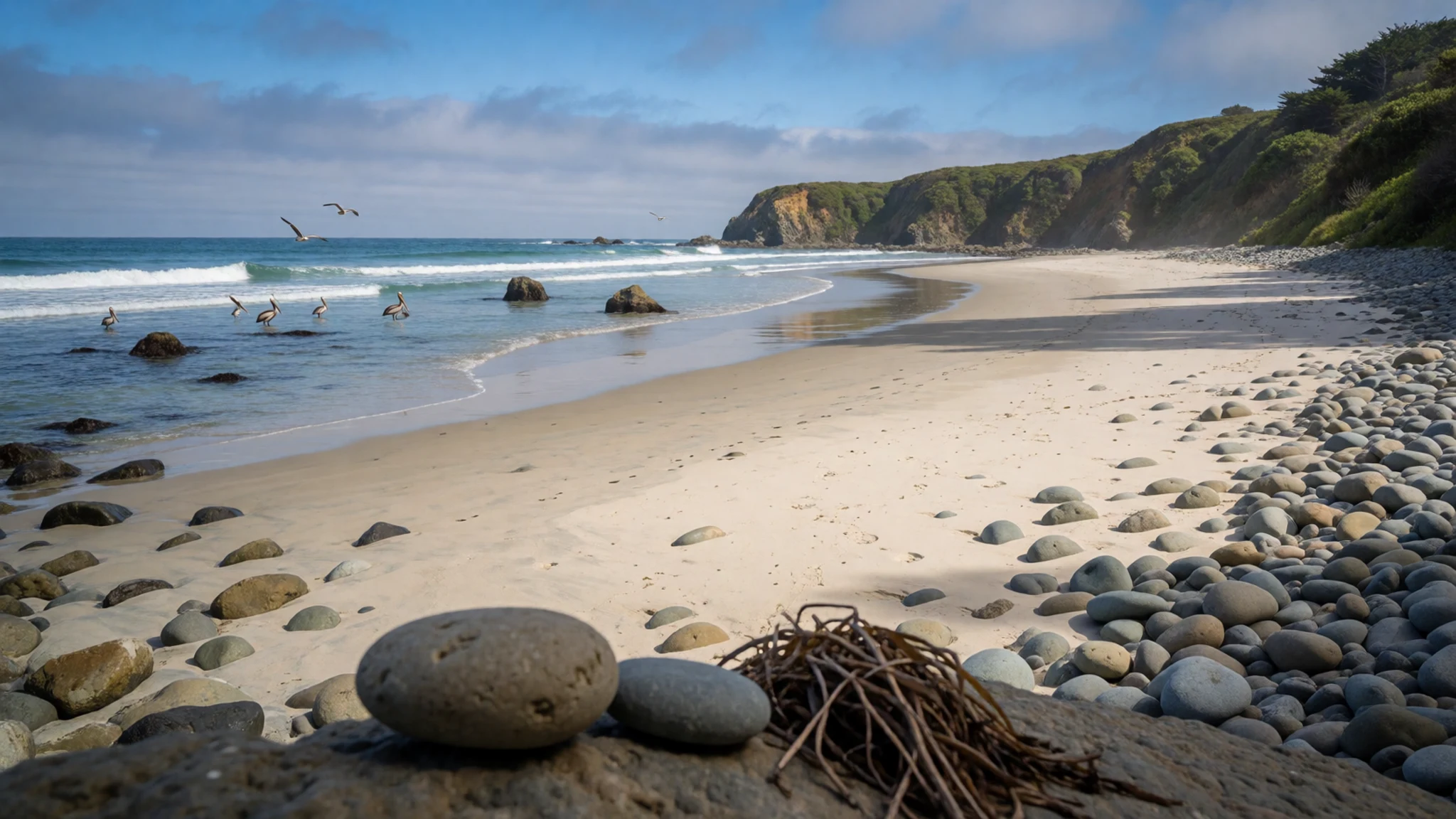
- Hermit crabs at the tideline — Beach and forest edge inside the reserve
Land hermit crabs of the Coenobita compressus kind scuttle across the upper beach, borrowing shells that are often too small or too large. They are easiest to watch by sitting still near the vegetation line. They are wild animals, not toys, so photograph them where they are.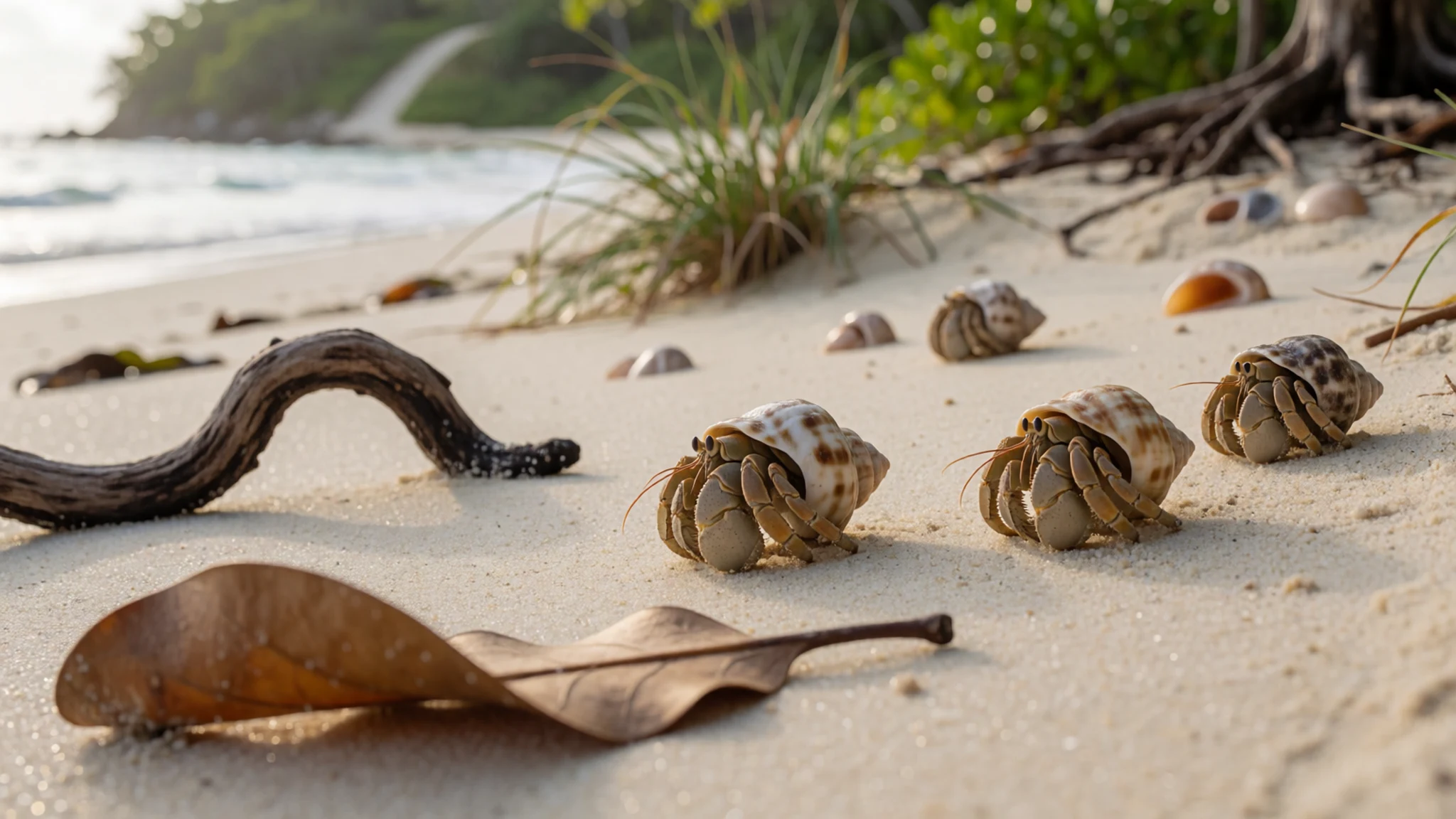
- Cabuya village and its tidal island — Cabuya, just outside the reserve
Cabuya is a small, relaxed village near the reserve entrance, with eateries, a few guesthouses and a short beach. A little island offshore can sometimes be reached on foot at low tide. Ask locally about the tide first, because the sea returns faster than it looks.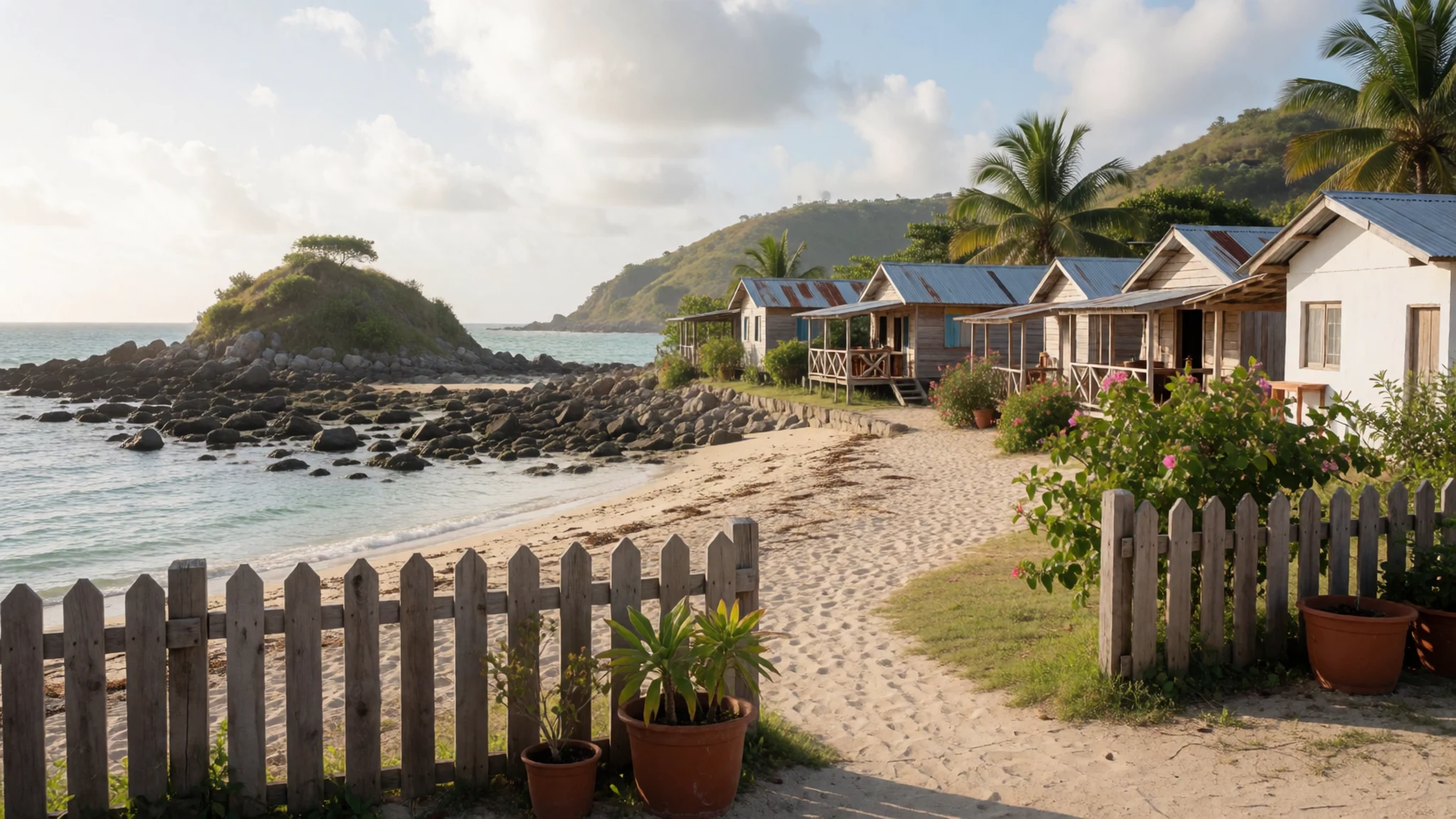
- Montezuma and its waterfalls — Montezuma, north-east of the reserve
Montezuma is the area's liveliest village, a mix of surfers, locals and long-stay travellers, with shops, cafés and tour offices along a short main street. A short walk inland leads to river pools and waterfalls. Rocks are slippery, and rain upstream can raise the water quickly.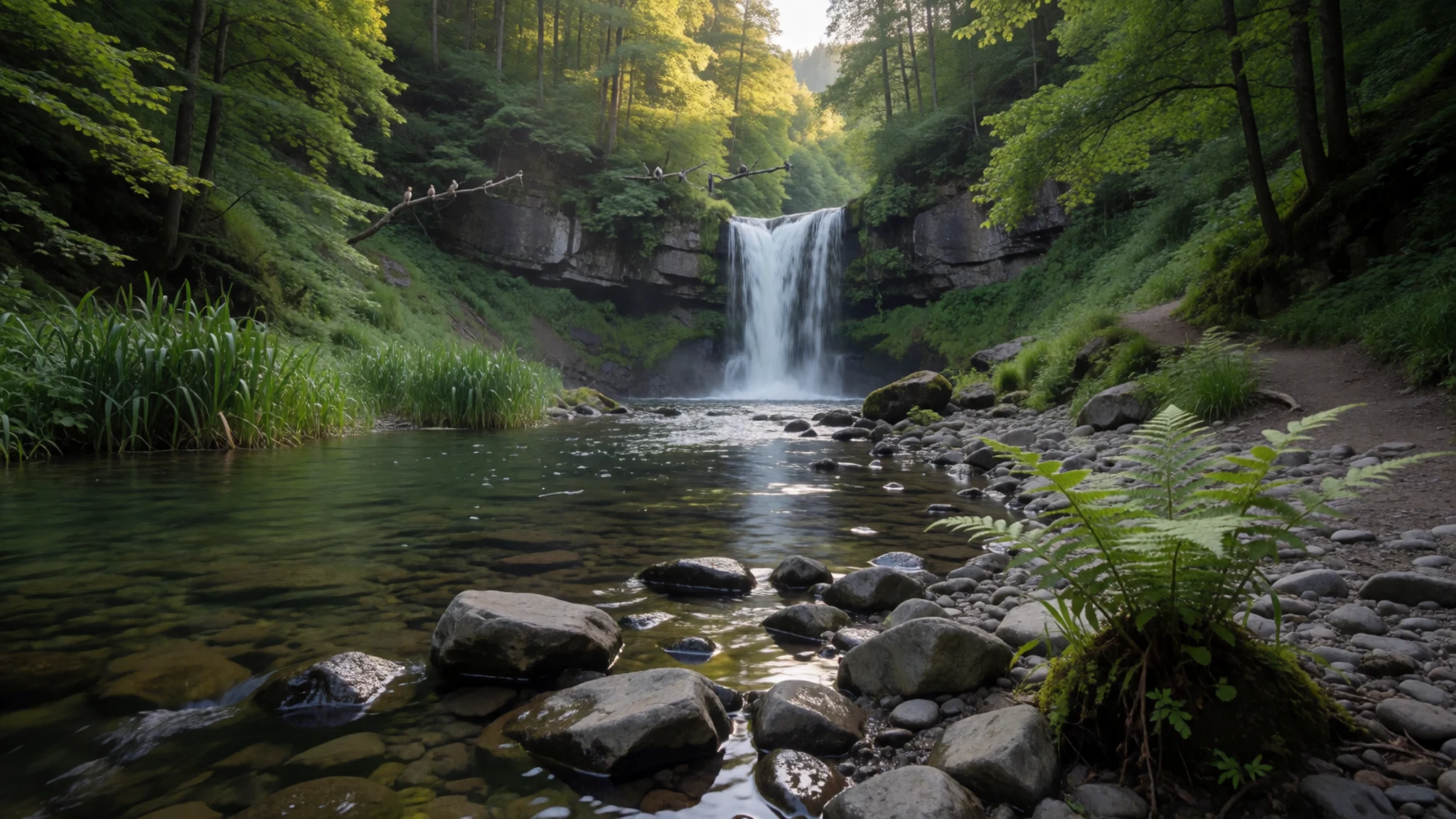
Culture
Cabo Blanco belongs to a region that Costa Ricans call the Nicoya Peninsula, part of a country whose people often call themselves ticos. The greeting you will hear everywhere is "pura vida", used for hello, goodbye, thanks and "all is well", and it sets the tone: unhurried, friendly, a little casual about time. In the villages around the reserve, life mixes long-established farming and fishing families with newer arrivals who came for surf, yoga or quiet. Most meals are eaten at small family-run eateries called sodas, and a polite greeting before ordering is normal. Cabo Blanco itself carries a particular cultural weight: it was the country's first protected area, and the idea behind it, that forest can be worth more standing than cleared, helped shape how Costa Ricans think of their wild places today. Many locals take real pride in that, and it is worth asking a ranger or guide about the reserve's history. Spanish is the everyday language, and a few words go a long way, though English is common in the beach towns. Sundays and holidays bring Costa Rican families to the coast, so weekends feel busier and more social. Stay on the marked trail, carry out every scrap of rubbish, and never feed or handle the monkeys, crabs or any other wildlife.
What to wear
Cabo Blanco's surrounding region shares Costa Rica's traditional costume, the traje típico, which is now worn mainly for folk dances, school parades and national festivals. Women wear a wide, brightly coloured cotton skirt with a white blouse, often with ribbons or flowers in the hair, while men wear a white cotton shirt, dark trousers, a straw hat and a red neckerchief. It is a festive outfit rather than daily dress. In everyday life, people on this coast wear what suits the heat: shorts, vests, light cotton shirts, sandals and rubber boots in the wet months. Around Montezuma and Mal País, surf brands, sarongs and loose linen dominate, and nobody dresses up for dinner. A visitor should plan for heat, humidity and mosquitoes. Quick-dry long sleeves and light trousers cover the skin on the trail, and a hat and reef-safe sun cream protect on the open beach. Closed shoes with a good grip handle the roots and mud, with sandals kept for the sand. A thin waterproof jacket is useful in the green season. In the villages, a shirt over swimwear is expected away from the beach, and there are no strict modesty rules.
What to eat
- Gallo pinto — Any soda or family eatery, usually at breakfast
Rice and black beans fried together with onion, sweet pepper and coriander, often served with eggs, fried plantain and a spoonful of sour cream. It is the standard Costa Rican breakfast and a good fuel before a long trail walk.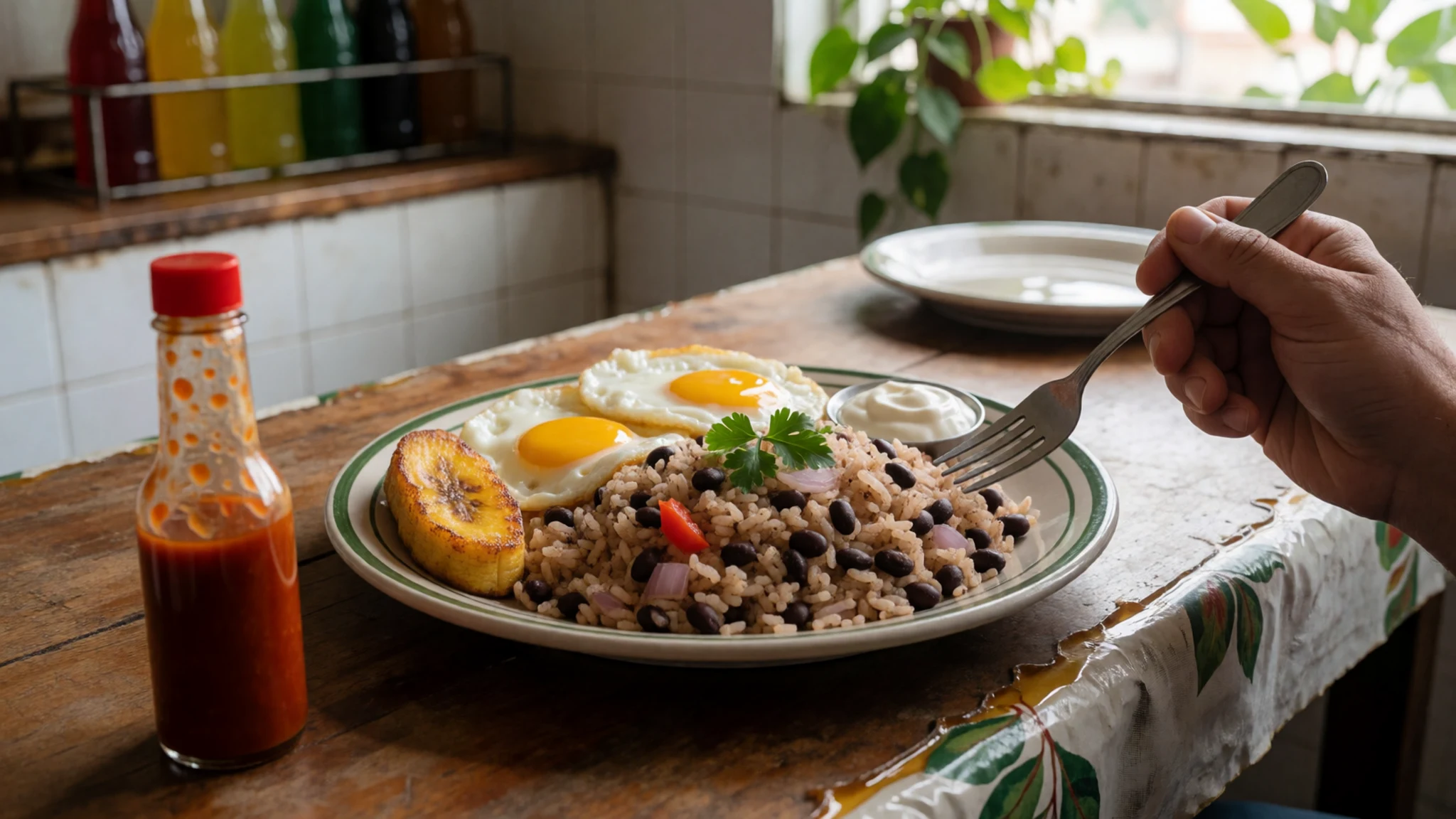
- Casado — Sodas in Cabuya, Montezuma and Mal País
A plate that sets rice and beans beside a salad, plantain and a choice of fish, chicken or beef. The word means "married", for the pairing on the plate. It is filling, cheap by local standards and found almost everywhere.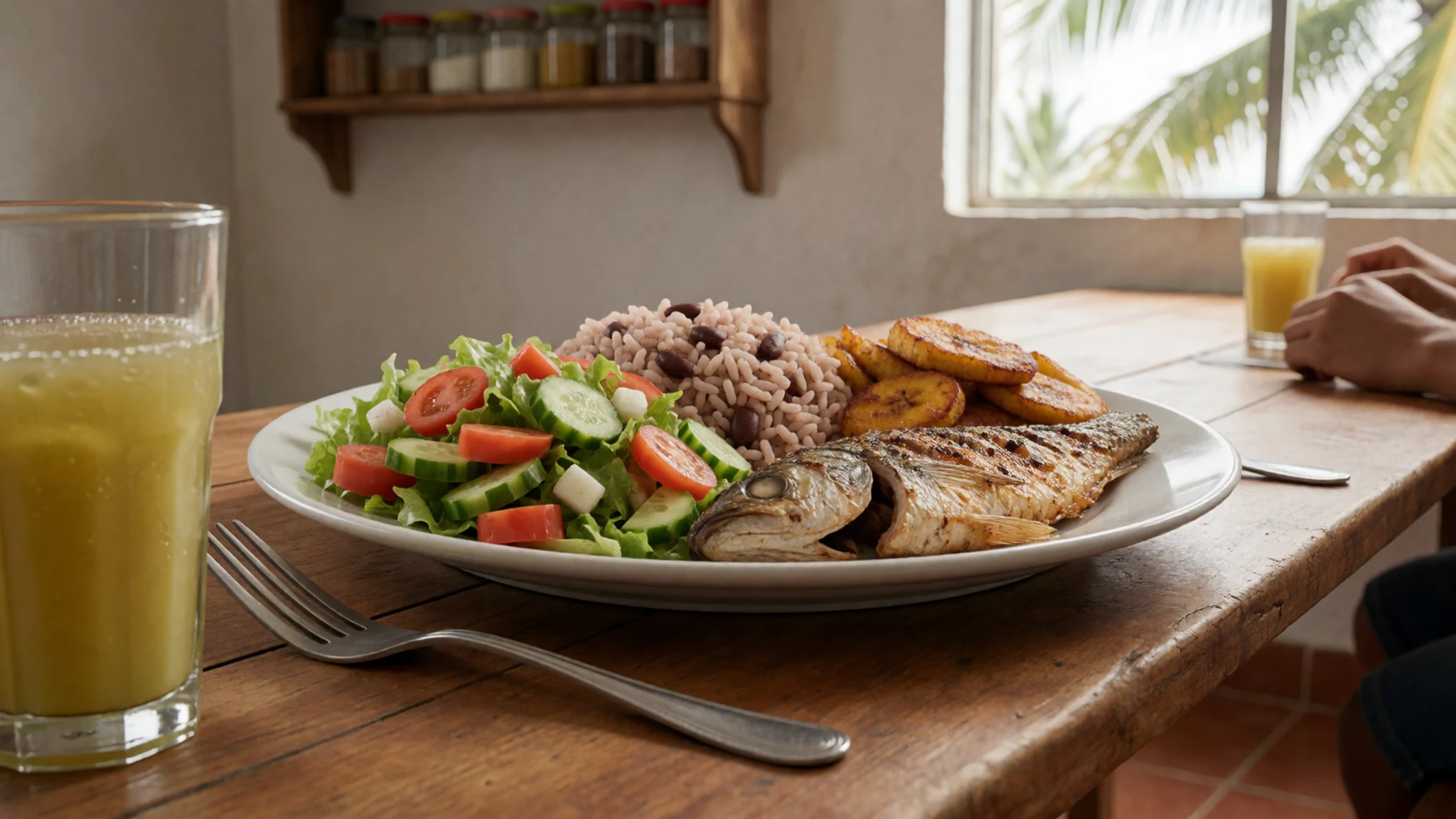
- Ceviche — Beach-side eateries and fishing-village stalls
Raw fish cured in lime juice with onion, coriander and chilli, eaten cold with crackers or tortilla chips. It is best where the catch is local and fresh, so choose a busy spot and avoid it in the midday heat if unsure. - Whole fried or grilled fish (pescado entero) — Seafront eateries around Montezuma and Cabuya
A whole local fish, often snapper, fried or grilled and served with rice, salad and fried plantain. It is a coastal treat, and the best choice is whichever fish the cook says came in that morning. - Fresh fruit and batidos — Roadside stalls and village juice bars
Pineapple, mango, papaya and watermelon are sold by the roadside and blended into fruit shakes with water or milk. They are a welcome cold break in the humidity, and a good way to try fruits that taste different when ripened locally.
Plan it
Best time. December to April is the dry season, with the clearest skies and firmest trails, but also the heat and the biggest crowds. May to November is the green season, with heavy afternoon rain, muddier paths and a more vivid forest. Mornings are best in any month.
How long. 2–3
Getting there. Fly to San José's international airport, then travel by road to Puntarenas and take the ferry across the Gulf of Nicoya to Paquera, with a bus, shuttle or taxi for the last leg to Montezuma or Cabuya. Small domestic flights to the Tambor area shorten the journey. Check the ferry operators and the national parks service for current times and entry details.
Budget. mid
Tips
- Start the trail early, before the heat and the weekend crowds build up
- Carry plenty of water, snacks, insect repellent and sun cream, as facilities inside the reserve are basic
- Check with the national parks service, SINAC, for opening days and entry arrangements before travelling, since these can change
- Bring some cash for small village eateries and shops, as not every place takes cards
- Ask about tides and surf before swimming or crossing to any tidal island
Etiquette
- Stay on the marked trail and carry all rubbish out with you
- Keep a respectful distance from wildlife and never feed it
- Greet people politely in villages and shops, and keep noise down in the reserve
Nearby
Sources
- Wikidata Q5015721 (CC0)
- Wikipedia: Cabo Blanco Absolute Natural Reserve (rev 1362706146) (CC BY-SA 4.0)
- Photo: Cabo Blanco Strict Nature Reserve, Hans Hillewaert (CC BY 3.0)
- Photo: Cabo Blanco, unknown author (CC BY 3.0)
- Photo: Costa Rica relief location map, Sting (CC BY 3.0)
- Photo: Cabo Blanco Nature Reserve (26889723236), abram (CC BY 2.5)
- Photo: Cabo Blanco Nature Reserve, abram (CC BY 2.5)
- Photo: Cabo Blanco, Costa Rica, kirybabe (CC BY 2.5)
- Photo: Coenobita compressus (group), Hans Hillewaert (CC BY-SA 4.0)
- Photo: Coenobita compressus (habitus), Hans Hillewaert (CC BY-SA 4.0)
- Wikivoyage (CC BY-SA 4.0)


Wildlife
- Mantled howler monkey (animal)
The mantled howler is a big-voiced monkey, named for the long hairs along its sides that hang like a cloak. It is among the monkeys most often seen and heard in Central America. At Cabo Blanco, listen first: howlers and many birds usually make themselves known by sound before they come into view, so stop, stay quiet and let the calls guide you. Keep well back, speak softly, walk with a guide if you can, and never offer food.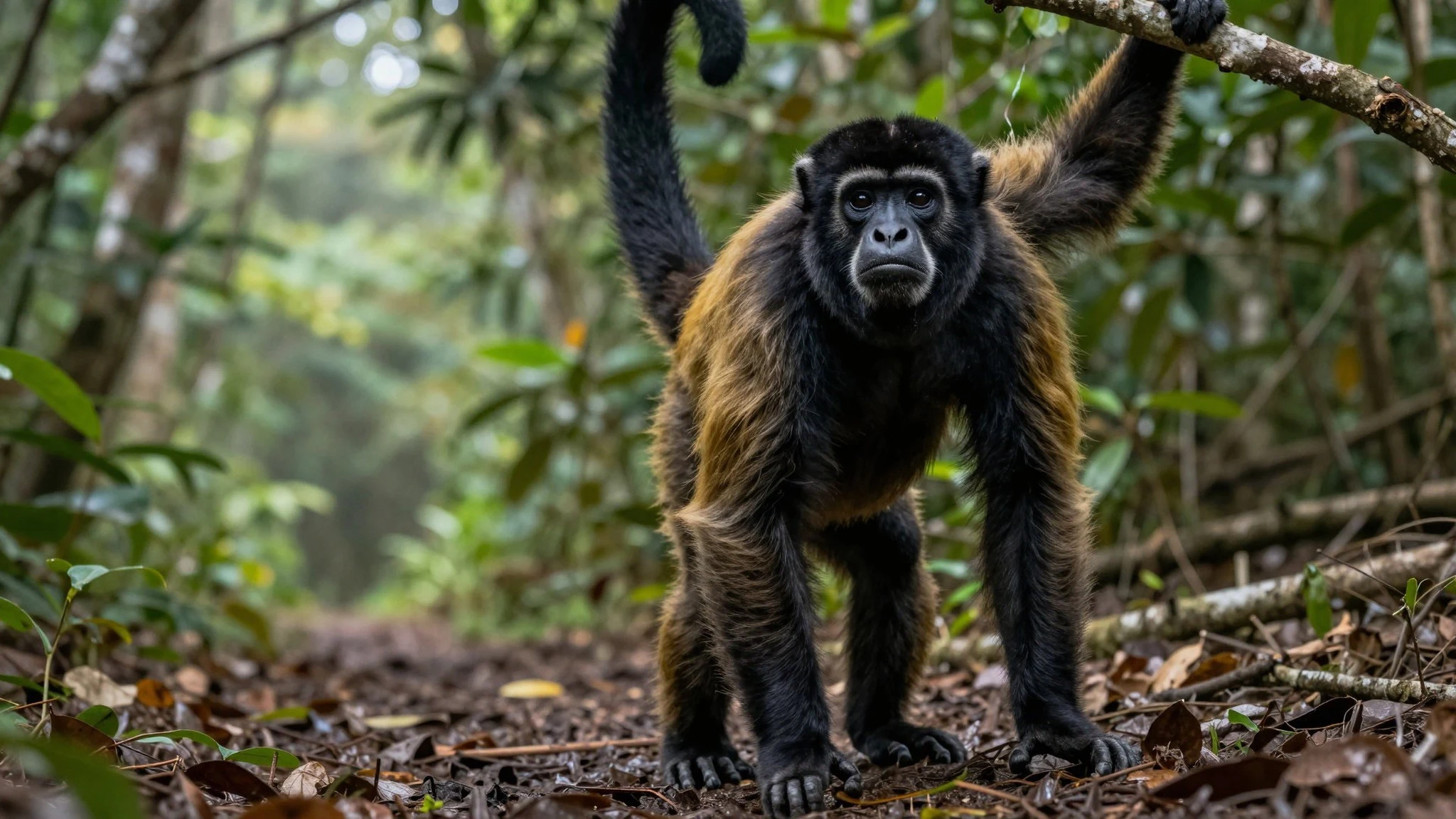
- Brown pelican (bird)
The brown pelican is a large seabird with a roomy throat pouch, and it plunges into the sea to catch its dinner. At Cabo Blanco, pause for a sit-down and a picnic, and you can enjoy pelicans alongside other seabirds. In breeding dress the head is white with a yellowish wash and the neck is dark maroon-brown; at other times the head and neck are white. Watch from afar, stay quiet, and never toss it food.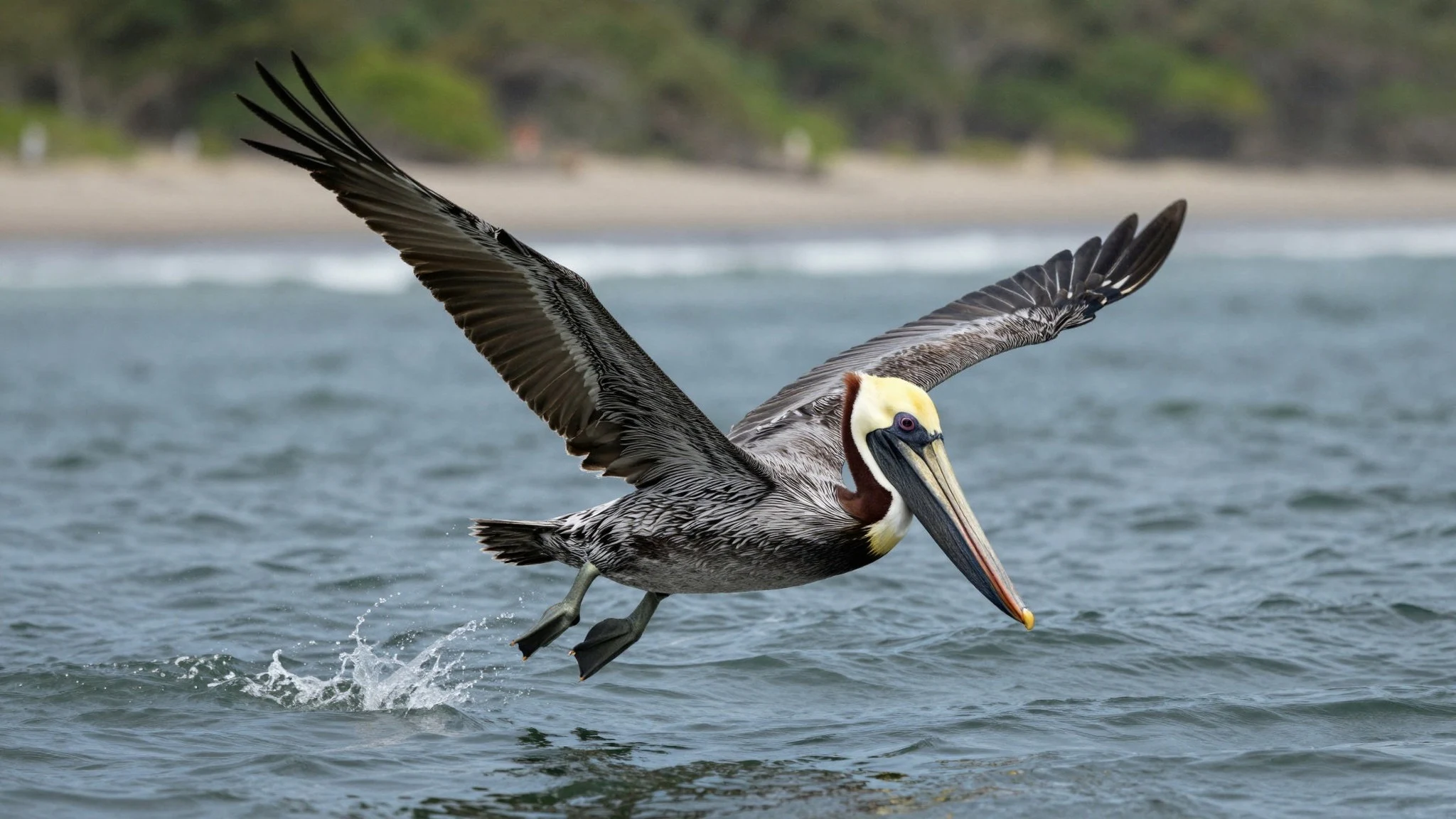
- Land hermit crab (animal)
The Pacific land hermit crab is a small crab that carries a borrowed shell as its house, rather like a snail's home on legs. At Cabo Blanco, look for it hurrying over the higher part of the beach, often wearing a shell that fits badly, either too snug or too roomy. Keep your eyes low as you stroll. Watch from a respectful distance, step softly, and never pick one up or feed it; let it keep its shell and its dignity.