Cradle of Humankind
Cradle of Humankind, South Africa
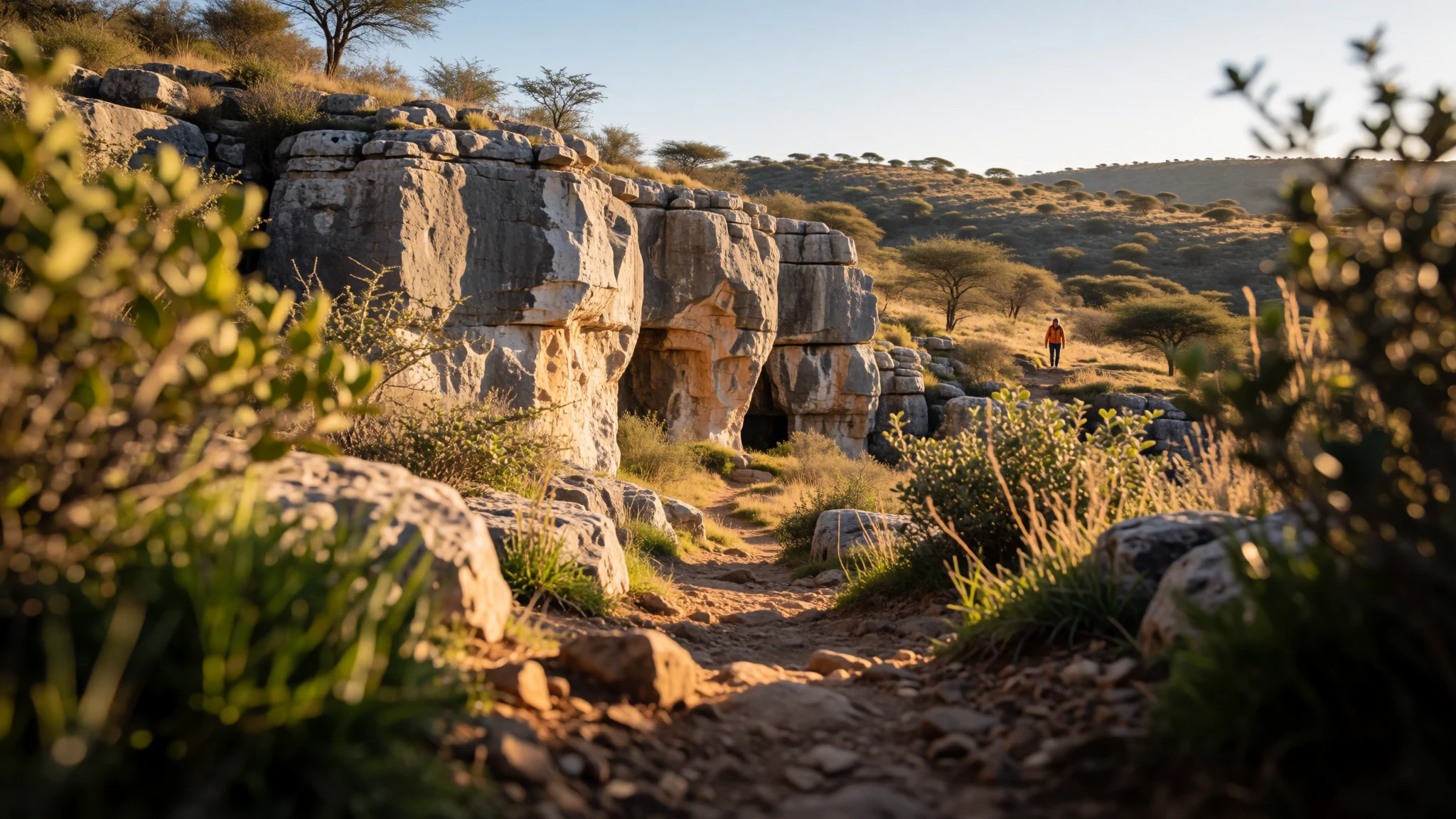
Cradle of Humankind turns deep time into something you can walk through: caves, fossils and the story of human ancestry.
The place
Cradle of Humankind is a paleoanthropological treasure sitting about 50 km (31 mi) northwest of Johannesburg, in Gauteng, South Africa. It’s a UNESCO-listed world heritage area, officially registered as Fossil Hominid Sites of South Africa, and it’s famed for the sheer density of human-ancestral remains found in the region.
What makes the area feel different from a typical museum is that you’re not just seeing objects—you’re moving through the landscape that produced them. The ground here is limestone, and the caves form a complex network that has trapped and preserved fossils for extraordinary spans of time. Even if a day trip means you only sample a couple of sites, the sense of place is immediate: rolling countryside around you, then suddenly the story drops underground.
Cradle of Humankind also has multiple key locations, rather than one single ‘main cave’. Sterkfontein Caves are where many visitors start, thanks to guided routes through cave passages connected to major fossil discoveries. Maropeng adds the context and the human story in a more structured, visitor-friendly way. If you’re curious about how caves are studied and explored, the feeling of being in a living research landscape is part of the experience.
Timing matters. In peak visiting periods, you can feel the crowding at entrances and during popular tours, and the walk to reach cave viewing areas can be steady rather than strenuous but still tiring. Plan for warm daylight and time indoors for the more enclosed parts of the day.
Its story
Cradle of Humankind’s story is written in discoveries—some patient, some surprising, and some simply because people were looking in the right places at the right time. The fossil hunt began in earnest at Sterkfontein when Robert Broom found the first human fossils there in 1935, and his fieldwork continued as more clues emerged. The momentum carried on through the late 1930s: in 1938, Gert Terrblanche brought in fragments of a skull from nearby Kromdraai, later identified as Paranthropus robustus, and in the same year a human tooth was uncovered at Cooper’s Cave between Kromdraai and Sterkfontein.
The discoveries weren’t limited to one site or one country. In 1948, the Camp-Peabody Expedition worked at Bolts Farm and Gladysvale in search of fossil hominids, but that effort didn’t produce finds there. Robert Broom found the first hominid remains in Swartkrans cave during the same era, which highlights just how patchy the fossil record is across this broader region.
In 1954, C. K. Brain began long-running work at multiple Cradle sites, including Cooper’s Cave, and later he led a multi-decade focus at Swartkrans. Later, Phillip Tobias started excavations at Sterkfontein in 1966 that have continued for generations—unusually long for fossil fieldwork. Then, in 1991, Lee Berger discovered new early hominid specimens from Gladysvale, and in 1994 Andre Keyser found fossil hominids at Drimolen.
Put together, the history reads like a chain of field decisions: which hillside to sample, which cave entrance to open, and how carefully to document what turns up.
What to see
- Sterkfontein Caves — Sterkfontein area
Sterkfontein Caves are approached via a guided route through an extensive cave system where early hominids and other ancient ape fossils were discovered. The walking segment to reach the main areas is about 2 km, so wear comfortable footwear and expect a steady pace on uneven ground.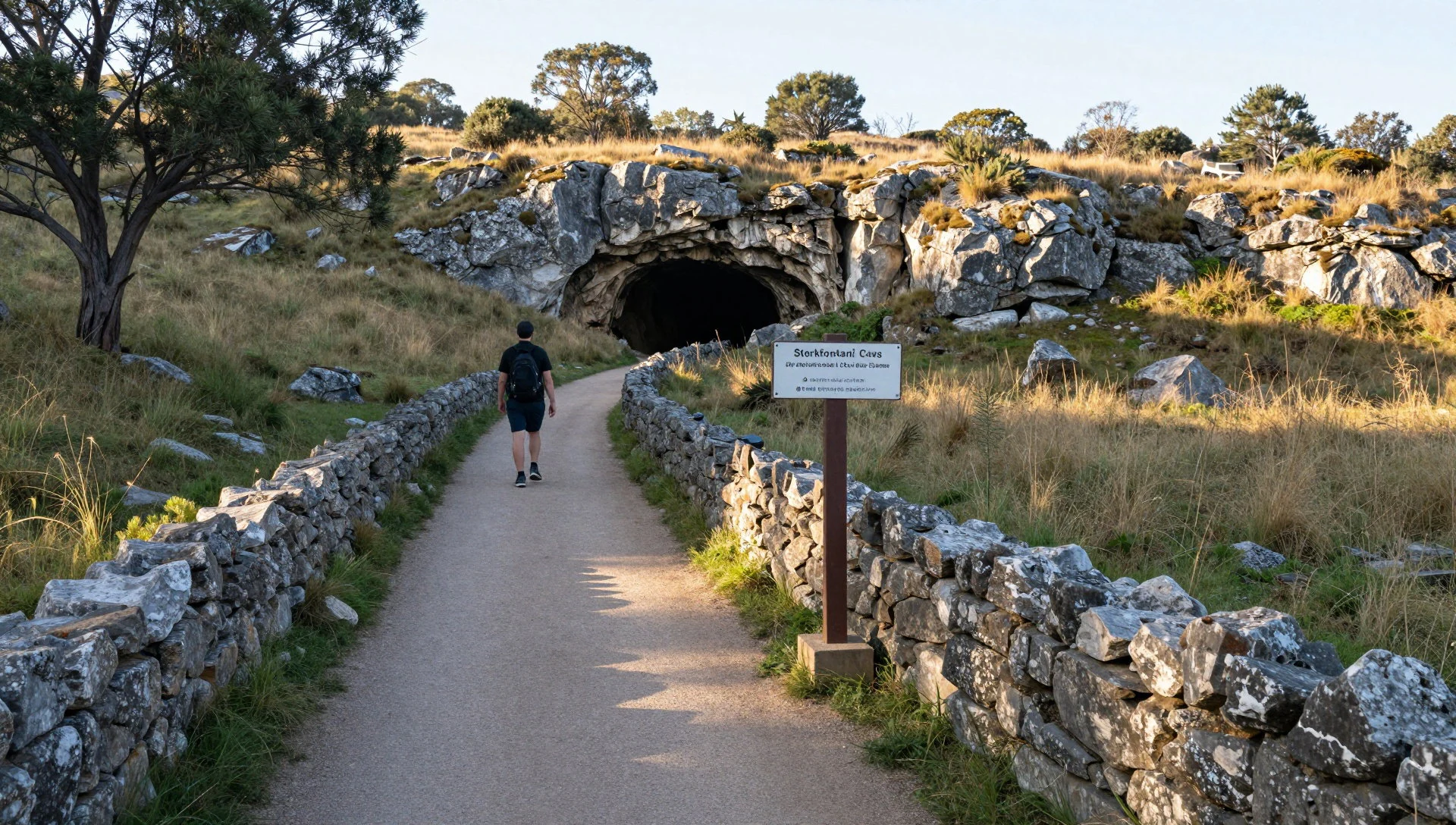
- Maropeng — Maropeng visitor area
Maropeng is the Cradle of Mankind exhibition and education centre, set up to connect the fossil evidence with how scientists interpret human origins. It’s particularly engaging for anyone who likes short, structured explanations, and the underground boat ride is a standout activity that keeps the day varied.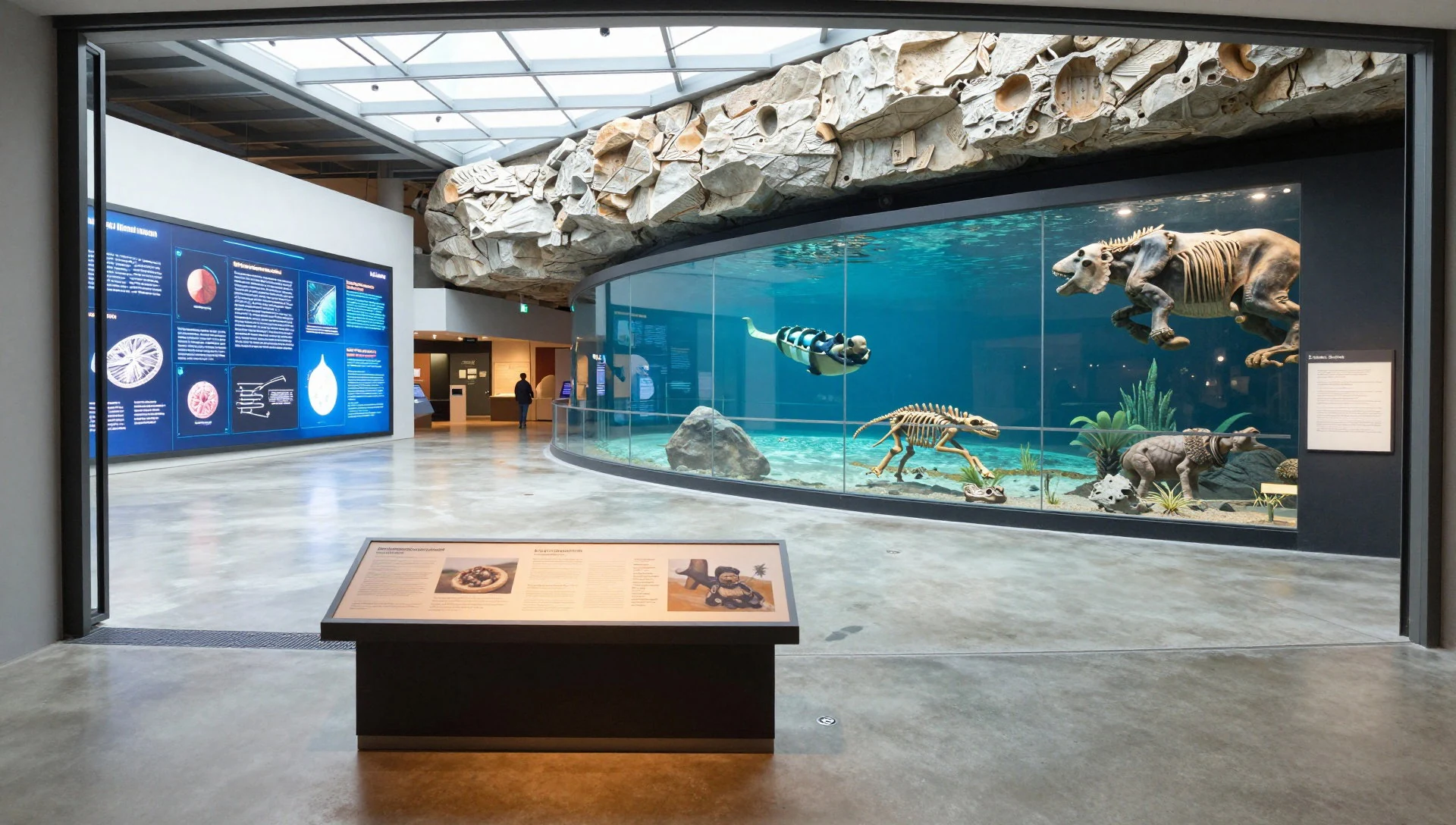
- Rhino & Lion Nature Reserve (Wonder Caves) — Reserve sections within the Cradle
The Rhino & Lion Nature Reserve includes the Wonder Caves, giving you a blend of wildlife reserve atmosphere with a cave visit option. It’s a good contrast day-plan: step away from the excavation story and spend time in the reserve’s open areas before heading back to cave exploration.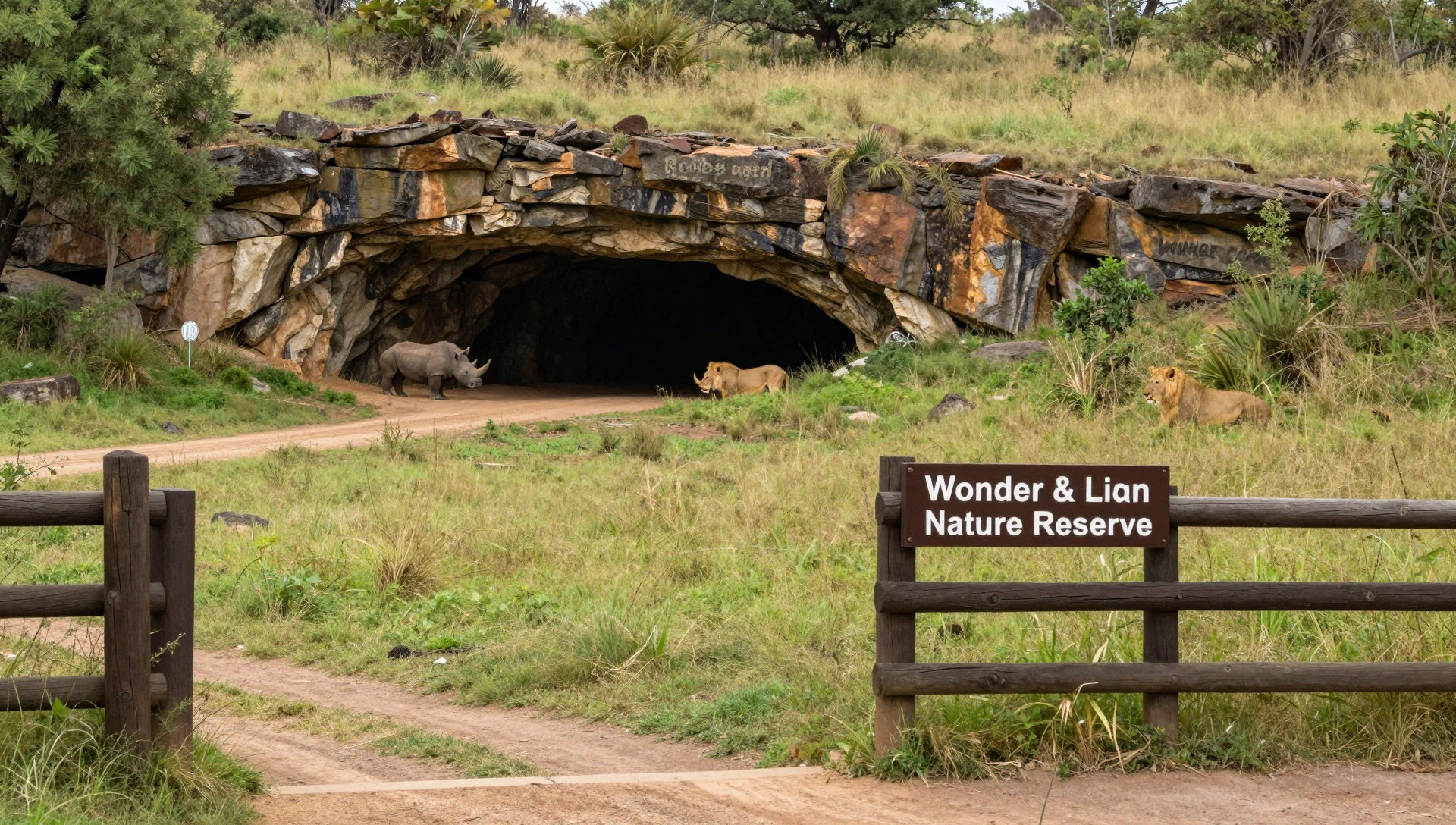
- Bolt’s Farm and the cave landscape — Bolts Farm area
Bolt’s Farm is part of the wider Cradle of Humankind story, including early primate discovery context mentioned in scientific reporting. Historically, parts of the area were heavily mined for speleothem—so you’re walking through a landscape where geology and human activity have long interacted.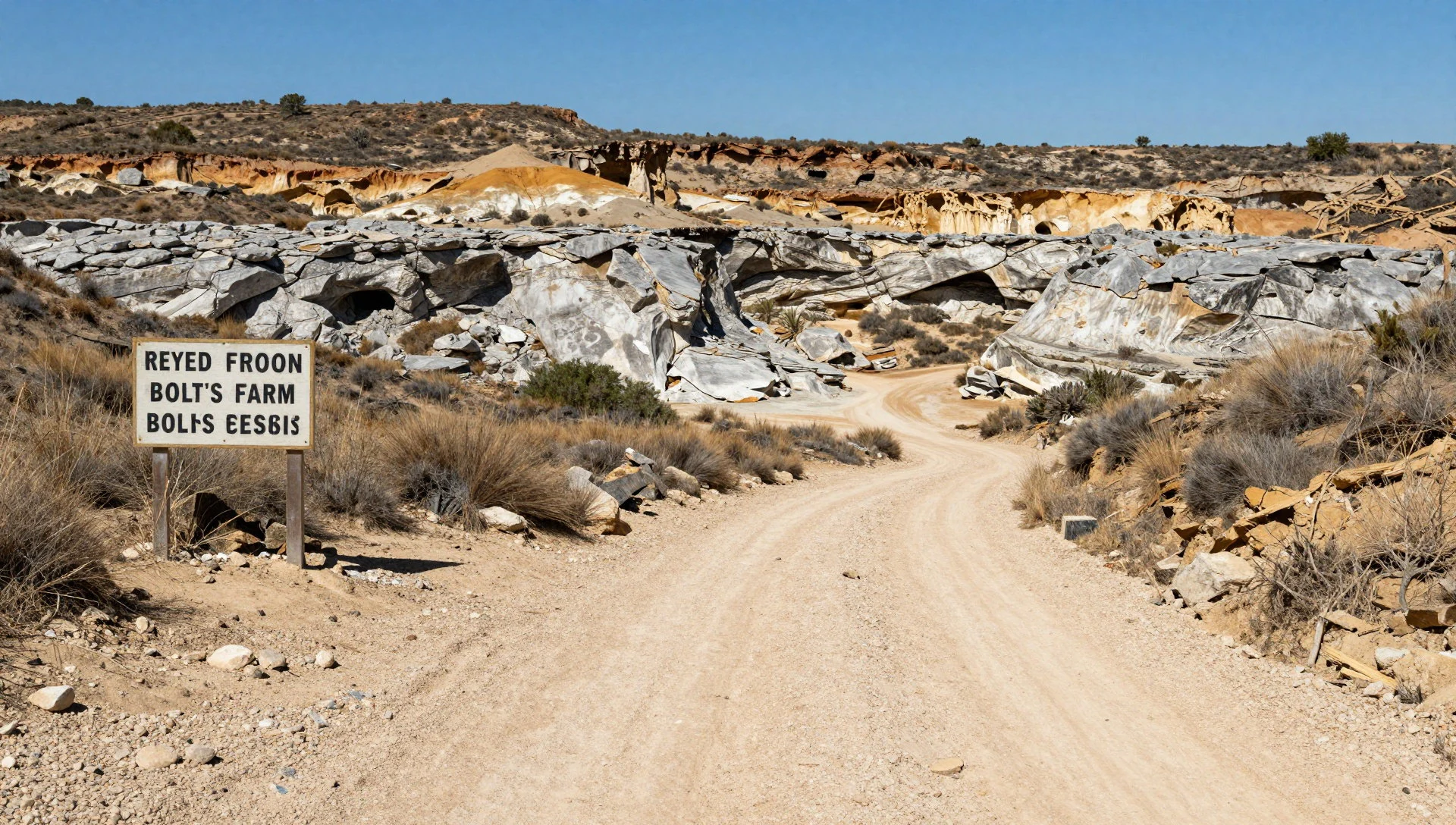
- Swartkrans cave context — Swartkrans area
Swartkrans cave matters in the Cradle narrative because it’s tied to later identifications of hominid remains and significant discoveries associated with controlled fire evidence. Even when you’re not directly inside that cave, the interpretive material helps tie the wider region together.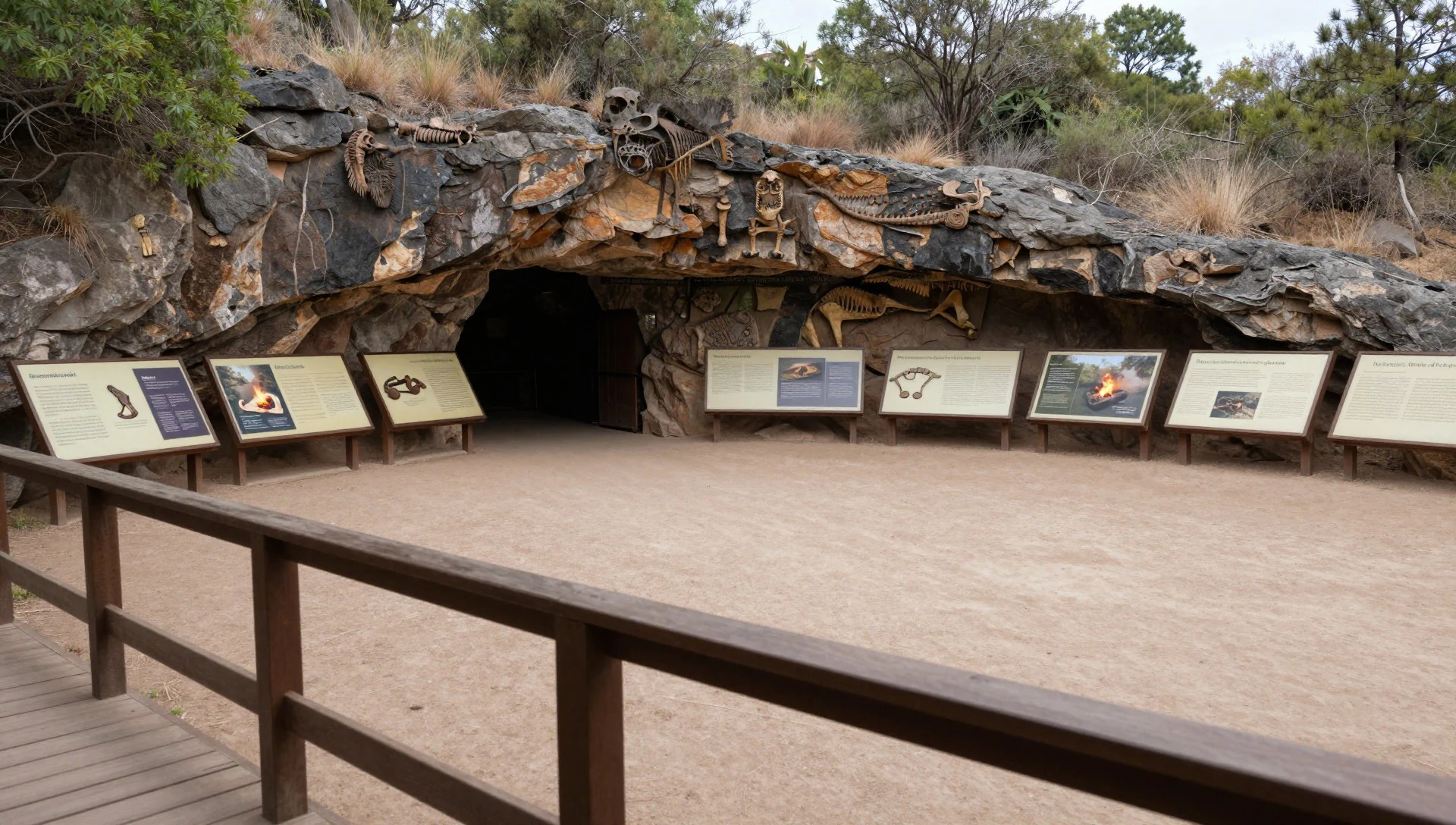
Culture
Cradle of Humankind isn’t a single “temple-like” site with one simple rulebook; it’s a working heritage landscape made of caves, interpretive centres and reserve areas. That means visitor behaviour is mostly about respecting guided spaces and keeping movements smooth.
Inside cave environments, the biggest “culture” factor is your impact on the route: listen to guides, keep to marked paths, and avoid lingering where others need to pass. Speleological spaces can feel echoey and close, so talk at a normal voice—there’s usually no need to shout, and keeping audio down also makes it easier to hear safety briefings.
At Maropeng and other exhibition areas, the vibe is more museum-like: read the signage, don’t rush through hands-on or interactive sections, and be mindful that many visitors arrive with school groups and families. If you’re carrying a bag or a camera rig, be conscious of walkways where people may be moving in both directions.
Wildlife reserve areas add another layer: stick to provided viewpoints, don’t chase animals for photos, and be ready for the fact that sightings are never guaranteed. The site’s purpose is education and preservation, and the best visitor “style” is calm curiosity.
Visitor etiquette: follow guide instructions in caves, keep noise low, and don’t block walkways or photography viewpoints.
What to wear
At Cradle of Humankind, dressing is less about style and more about comfort across a day that mixes walking, cave interiors and reserve settings.
Traditional dress isn’t central to the everyday visitor experience here, but South African cultural textiles are common across the country in general—think of vibrant patterns and woven fabrics worn for occasions. On the actual site visits, what matters is modesty and practicality around heritage spaces.
What people typically wear now is casual: T-shirts or light layers, breathable trousers or shorts, and closed footwear. That’s because the caves and cave approaches involve uneven ground and a walk that can feel longer than expected. For outdoor reserve sections, you’ll want a hat and sunglasses.
For what a visitor should wear: bring a light rain layer if travelling in wetter months, and wear shoes with grip (no slippery soles). Cave areas can feel cooler than the sun outside, so a thin layer helps. If you plan to do a lot of walking—especially routes that lead towards cave viewing—prioritise comfort over sandals. For exhibition areas, you can travel in the same layers; just keep your bag secure and hands free for any guided movement.
Finally, keep clothing respectful: there’s no need for anything fancy, but avoid overly revealing outfits when moving through educational and indoor spaces.
What to eat
- Dining at The Cradle
The Cradle restaurant sits within the Cradle of Humankind area, making it an easy lunch stop between caves and exhibits. If you’re visiting on a busy day, reserving ahead is wise because bookings can fill up.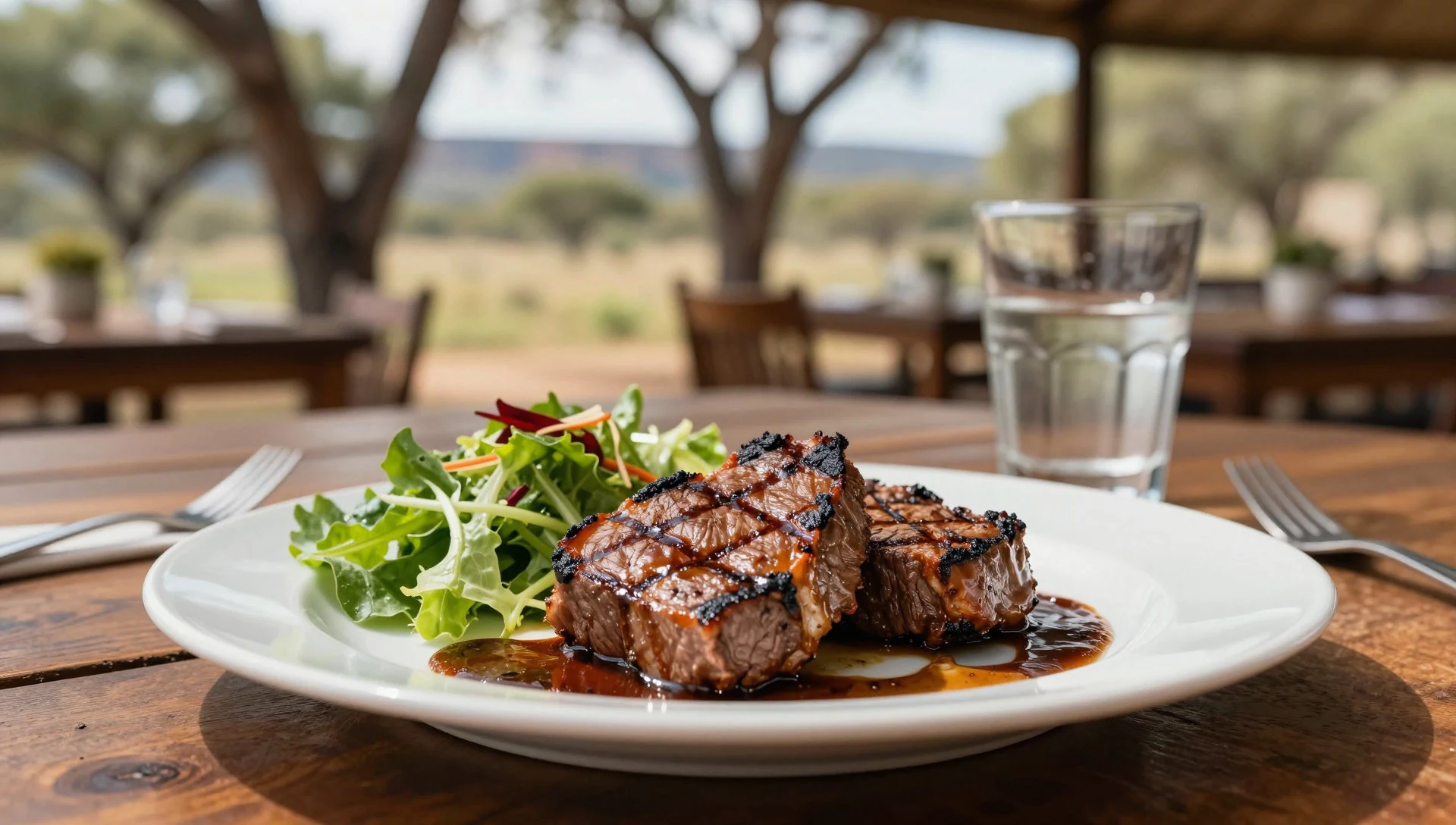
- Greensleeves restaurant (medieval-themed)
Greensleeves is a medieval-themed restaurant option inside the wider area. It’s not a “quick bite” style place—booking essential is the takeaway—so use it when you want a planned sit-down lunch rather than improvising.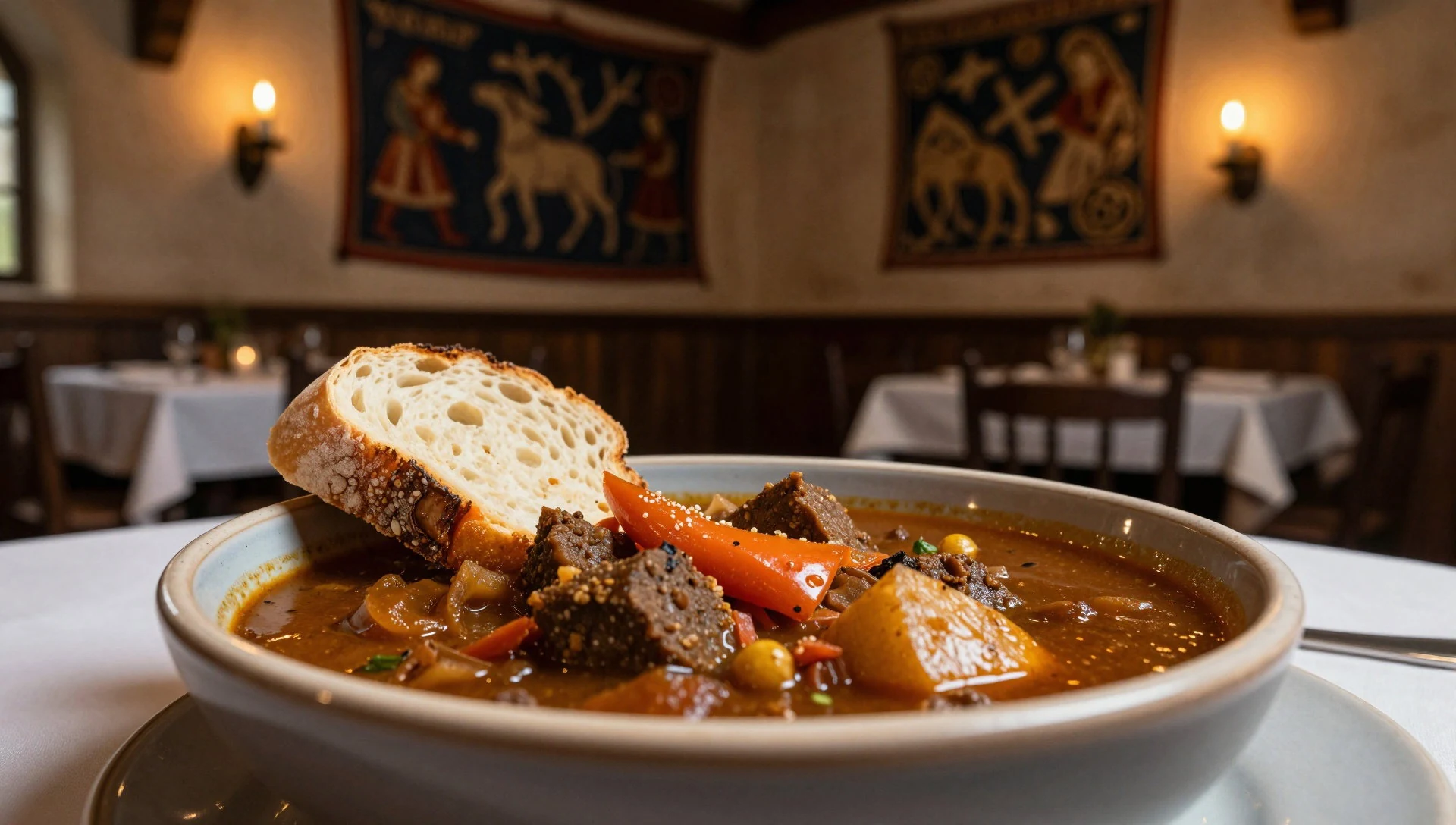
- Tumulus buffet lunch
Tumulus offers a buffet lunch. It’s known for the view: you eat while looking out over the Magaliesberg and the Witwatersberg mountains, which makes it a good pick if you’re timing your visit for clearer light. - Picnic timing between sites
If you don’t want to wait for a sit-down meal, treat lunch as flexible by timing it around shorter transfers. A practical approach is to plan a quicker eatery meal, then keep the afternoon for the longer cave route. - Coffee and snacks at Maropeng
Maropeng’s education-centre setup usually makes it simple to grab refreshments during breaks. Use it as a reset point before or after your underground activity, especially if you’re moving between indoor exhibits and the cave-focused parts of the day.
Plan it
Best time. March–April for blossom, late October–November for maple colour; June is the rainy season and August is hot and humid.
How long. 3–4
Getting there. From Johannesburg, use the N1 and take exit 80 Roodepoort (M8 14th Ave), then join Hendrik Potgieter Road (M47) north. Hendrik Potgieter becomes the N14 and leads directly into the Cradle of Humankind area.
Budget. mid
Tips
- Start with Maropeng early to get context before heading for the caves
- Use daylight to buffer travel time, especially if you’re also visiting more than one site
- Expect cave routes to involve walking; wear shoes with grip
- If a reserve or restaurant is on your schedule, lock in bookings early—popular slots go quickly
- Carry water for the day, particularly in hotter, more humid months
Etiquette
- Follow the guide’s instructions closely in cave sections
- Keep to marked paths and avoid lingering where others need to pass
- In reserve areas, don’t chase animals for photos—use provided viewpoints
Nearby
Sources
- Wikidata Q1130112 (CC0)
- Wikipedia (rev 1367518466) (CC BY-SA 4.0)
- Wikivoyage (rev 5403870) (CC BY-SA 4.0)
- Photo photos/01-cradle-of-humankind-in-gauteng-map.jpg (CC BY 4.0)
- Photo photos/02-australopithecus-africanus-cast-of-taung-child-face.jpg (CC BY 3.0)
- Photo photos/03-australopithecus-sediba.jpg (CC BY-SA 2.5)
- Photo photos/04-south-africa-gauteng-maropeng01.jpg (CC BY 3.0)
- Photo photos/05-maropeng-visitor-centre-cradle-of-humankind-south-africa.jpg (CC BY-SA 4.0)
- Photo photos/06-maropeng-visitor-centre-cradle-of-humankind-south-africa.jpg (CC BY-SA 4.0)
- Photo photos/07-africanus-south-africa.jpg (CC BY-SA 4.0)
- Photo photos/08-cradle-of-humankind-map.jpg (CC BY-SA 4.0)


