Xuan Thuy National Park
Xuan Thuy National Park, Vietnam
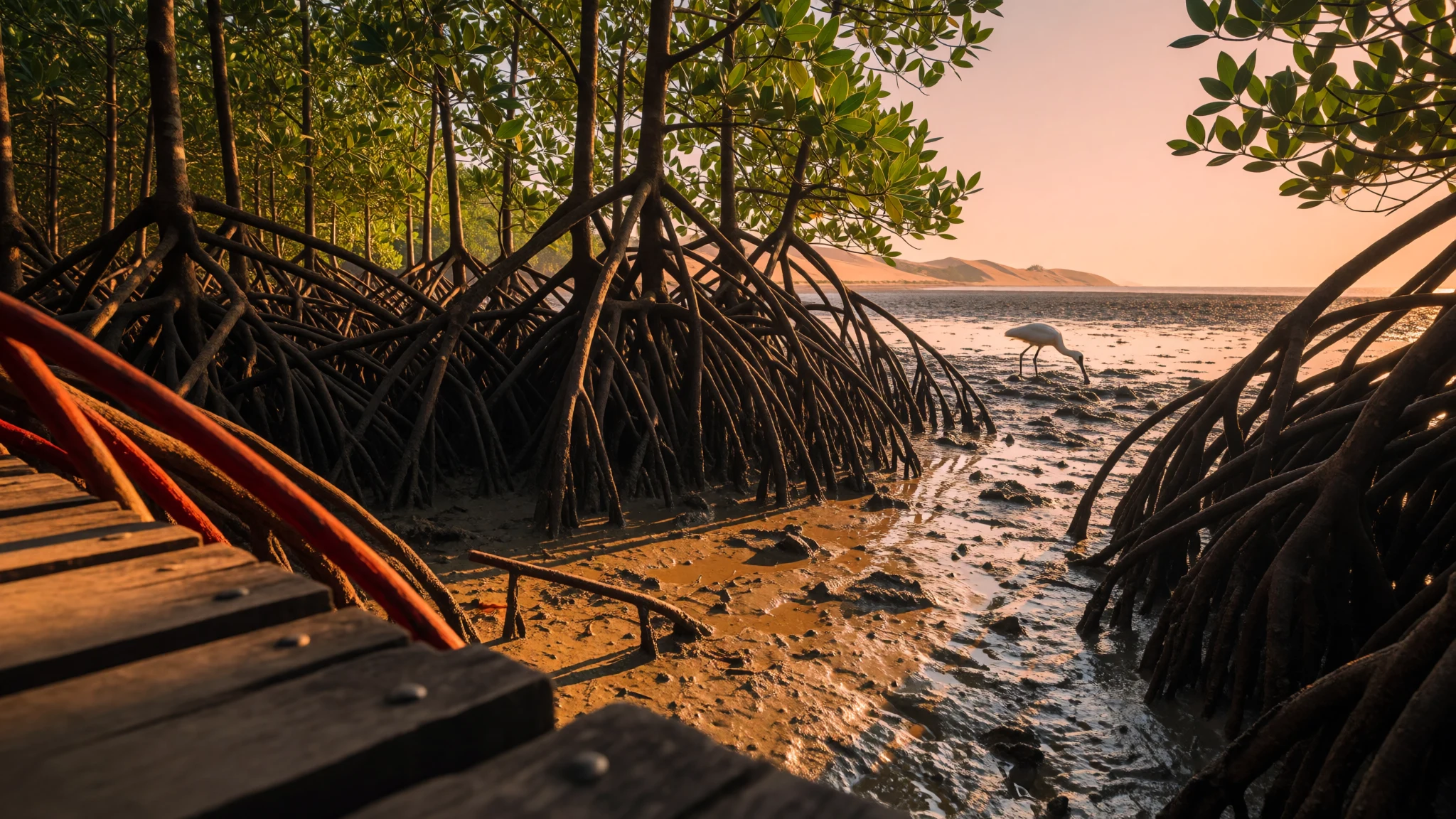
Xuan Thuy National Park is a quiet river-mouth wetland in northern Vietnam where migrating waterbirds, mangroves and working fishing villages share the same tidal flats.
The place
Xuan Thuy National Park sits in Giao Thuy District, Nam Dinh Province, where the Red River finally spreads out and meets the Gulf of Tonkin. It is not a beach destination in the postcard sense. The landscape is made of silty tidal flats, shifting sandbars, channels, brackish ponds and belts of mangrove, and it changes with every tide. At low water the mud stretches out in glossy sheets and flocks of waders move across it. At high water the same ground disappears and the birds crowd onto whatever stays dry.
That tidal rhythm is why the park matters. Migratory waterbirds travelling along the East Asian coast use these flats to feed and rest, and the black-faced spoonbill is the species most often mentioned by visitors and conservationists. The mangroves also shelter young fish and crabs, and they take some of the force out of storms, which is a real concern on this flat, low-lying coast.
People live right up against the protected area. Villages around the edges farm clams, catch fish and shrimp, and run small boats out of the river channels. The park office, a plain administrative building, is the usual starting point for permissions and local guidance. The feel is rural and unhurried, with very little tourist infrastructure. Visitors who enjoy patient watching, mud, wind and big skies will get on well here. Those wanting resorts, nightlife or swimming beaches should look at other parts of the Vietnamese coast.
Its story
The story of Xuan Thuy National Park is about land that keeps being made and then argued over. The Red River carries sediment down from the north, and for a long time that silt has built up sandbars and flats at its mouth. Local people learned to work with the shifting ground, collecting shellfish, setting nets and planting mangroves and other coastal vegetation to hold the shoreline.
What made the area stand out for wildlife was the arrival, season after season, of migrating birds that depend on exactly this kind of muddy, food-rich shore. As wetlands elsewhere along the flyway were drained or built over, a place like this became more important to them. That led to formal protection, and the area now has national park status.
Protection has not been simple, because the people around the park depend on the same resources. One photograph from the park shows water buffalo grazing in the core zone, and the damage they did to the mangroves. After the animals were removed, the forest began slowly regenerating, and that recovery is visible in the young growth. Alongside enforcement, the park has supported projects that give villagers other ways to earn a living. A mushroom-growing group, run largely by local women, is one example. The result is an ongoing negotiation between conservation and livelihood, and it is worth knowing about before a visit, because the people you meet are part of it.
What to see
- Tidal flats and spoonbill watching — Outer flats and sandbars, Giao Thuy
The open mudflats are the main reason to come. At a falling or rising tide, waders and spoonbills feed in flocks, and the black-faced spoonbill is the bird that bird-watchers hope to see. Bring binoculars, go slowly, and keep well back so the birds keep feeding.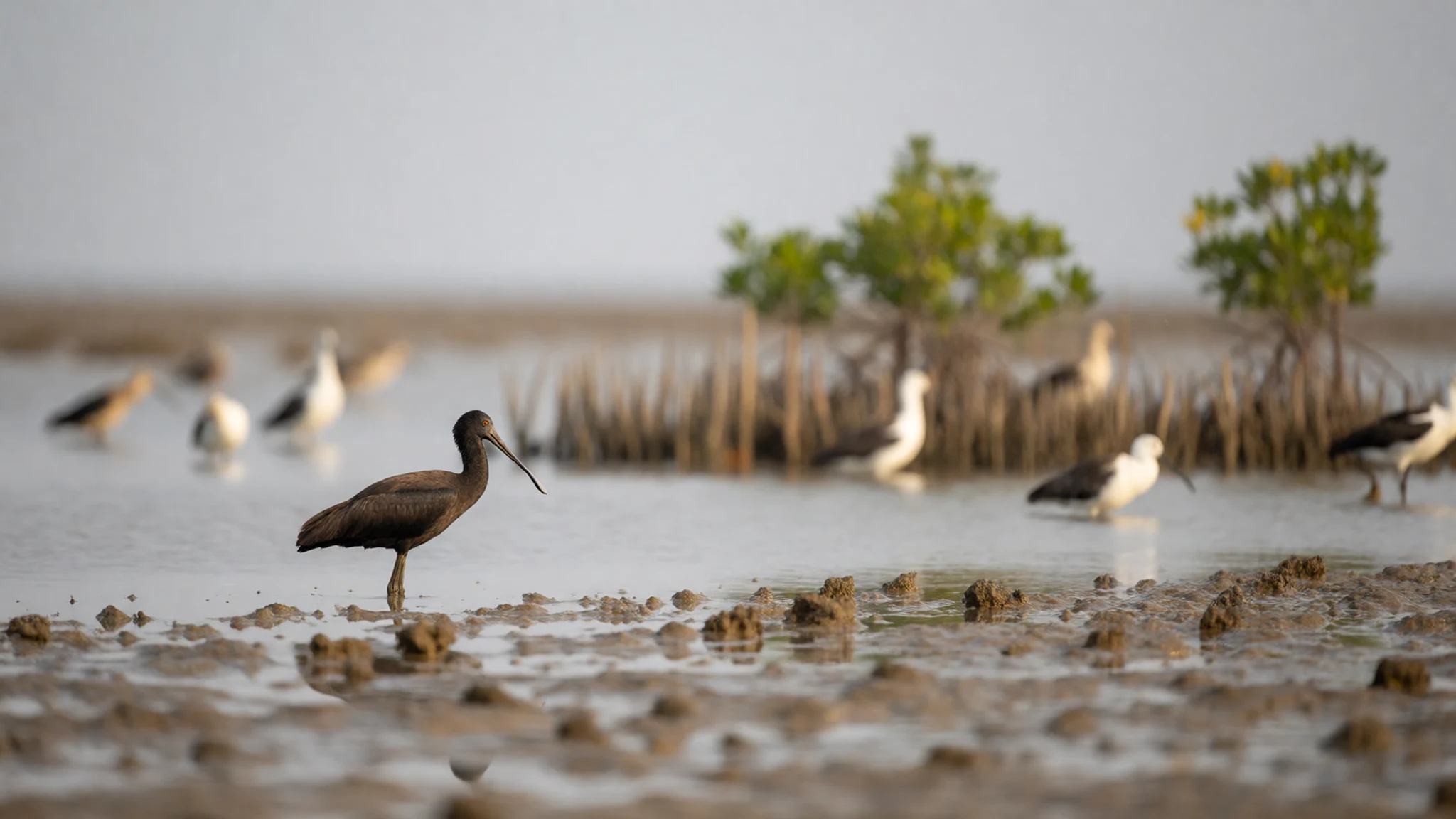
- Regenerating mangrove forest — Core and buffer zones of the park
Mangroves line the creeks and shelter young fish, crabs and nesting birds. Parts of the forest were damaged by grazing and are now recovering, so the age of the trees varies from tall stands to young green thickets. Walkways and boat channels let visitors see the roots up close.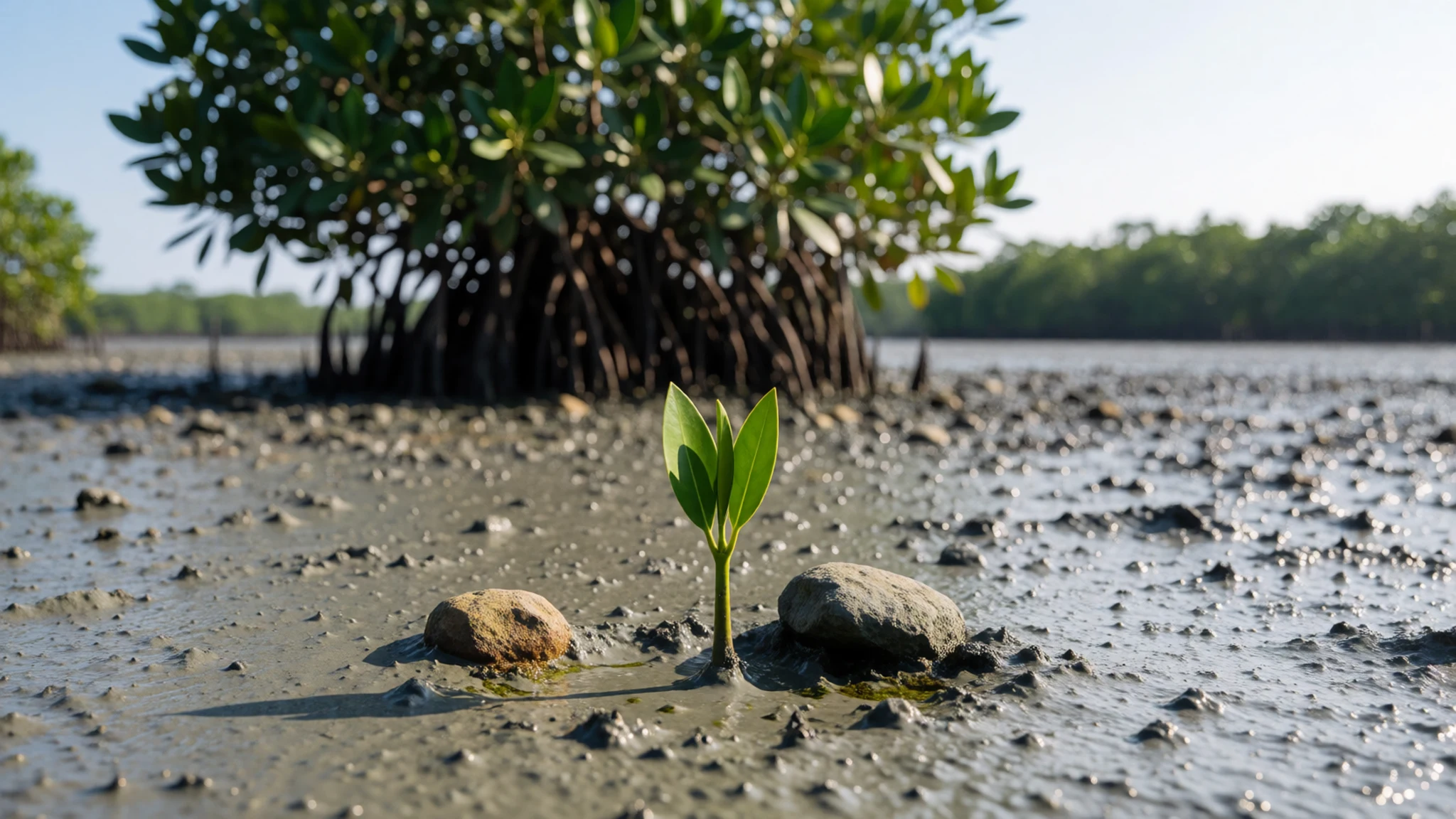
- Traditional fishing boats near the river mouth — River mouth and fishing landings
Small wooden and fibreglass boats work the channels where the Red River meets the sea. Early morning is best, when crews head out or unload, and the tide, mud and light make good photographs. Ask before photographing people, and expect a short, plain conversation rather than a staged show.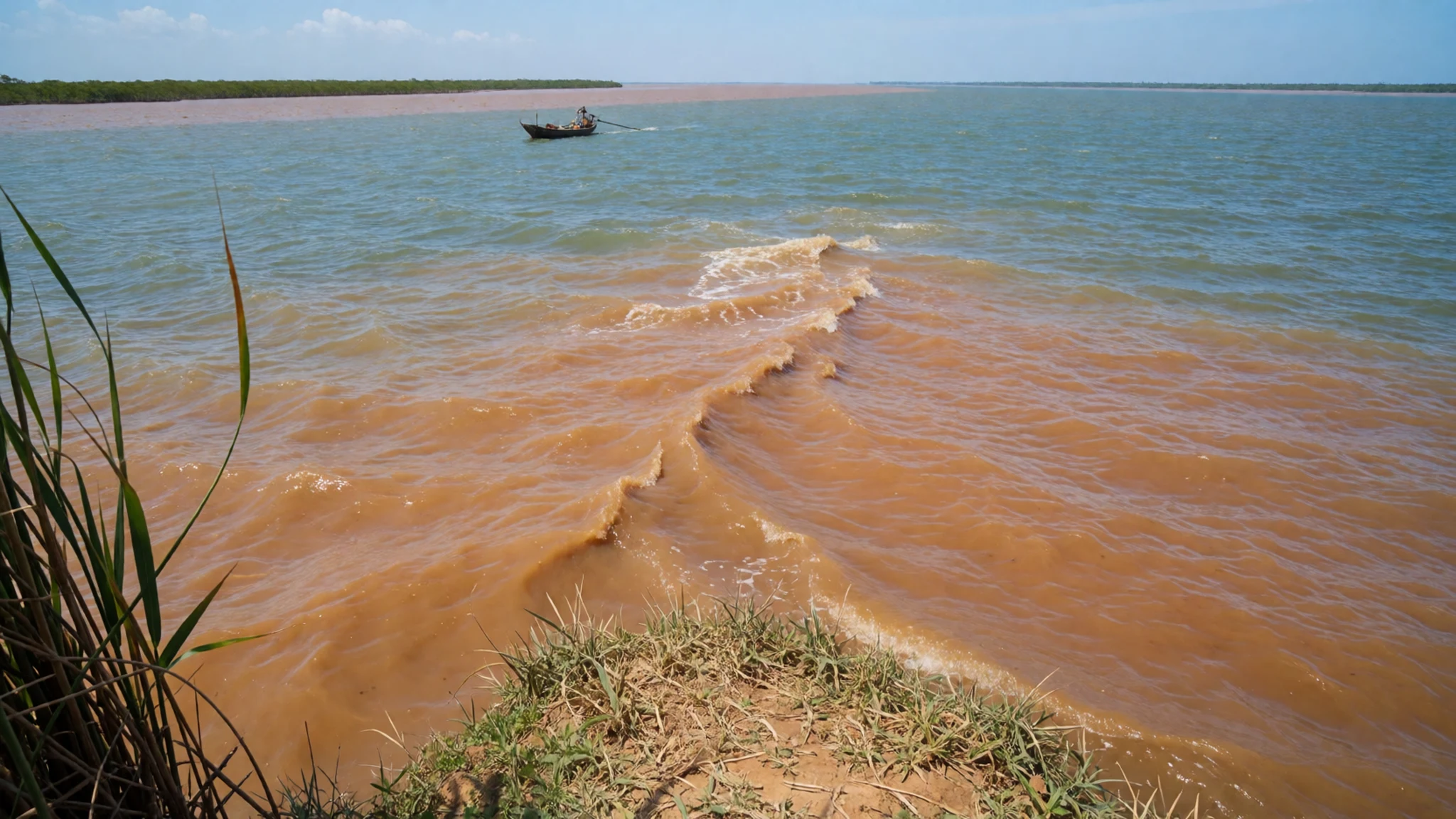
- The Mushroom Club — Villages beside the park
This community project gives local women an income that does not depend on grazing or harvesting inside the protected area. It is a small, practical workplace, not an attraction. Visiting through the park office, if arranged, is a good way to see how conservation and village life are linked.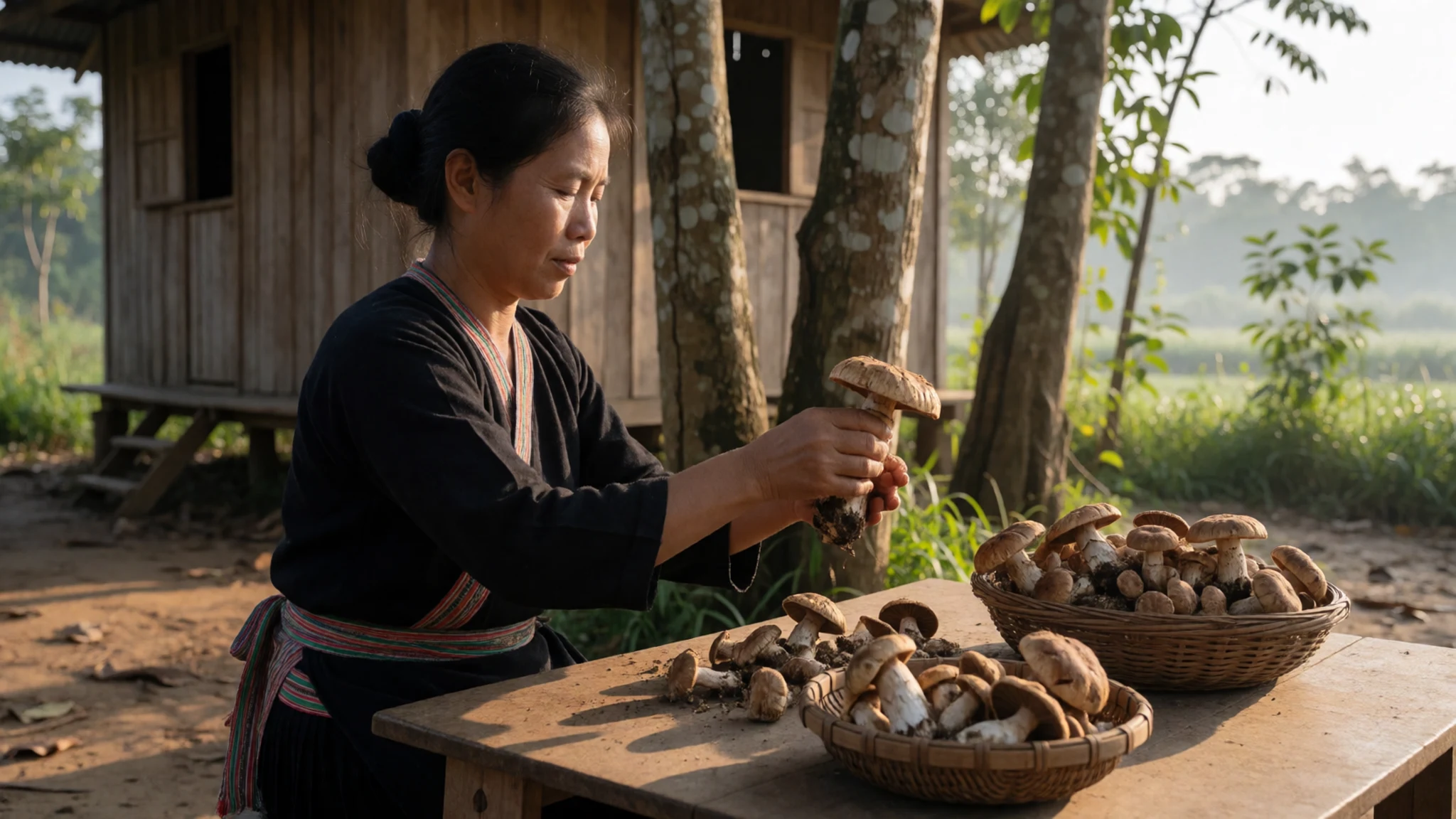
- Park administration office — Giao Thuy District, Nam Dinh Province
The park's main office in Giao Thuy is the practical first stop. Staff can explain what is open, which areas are protected and when the tides suit bird-watching. It is a working building, so go with a clear question and some patience. The official site or the office itself is the place to check current access.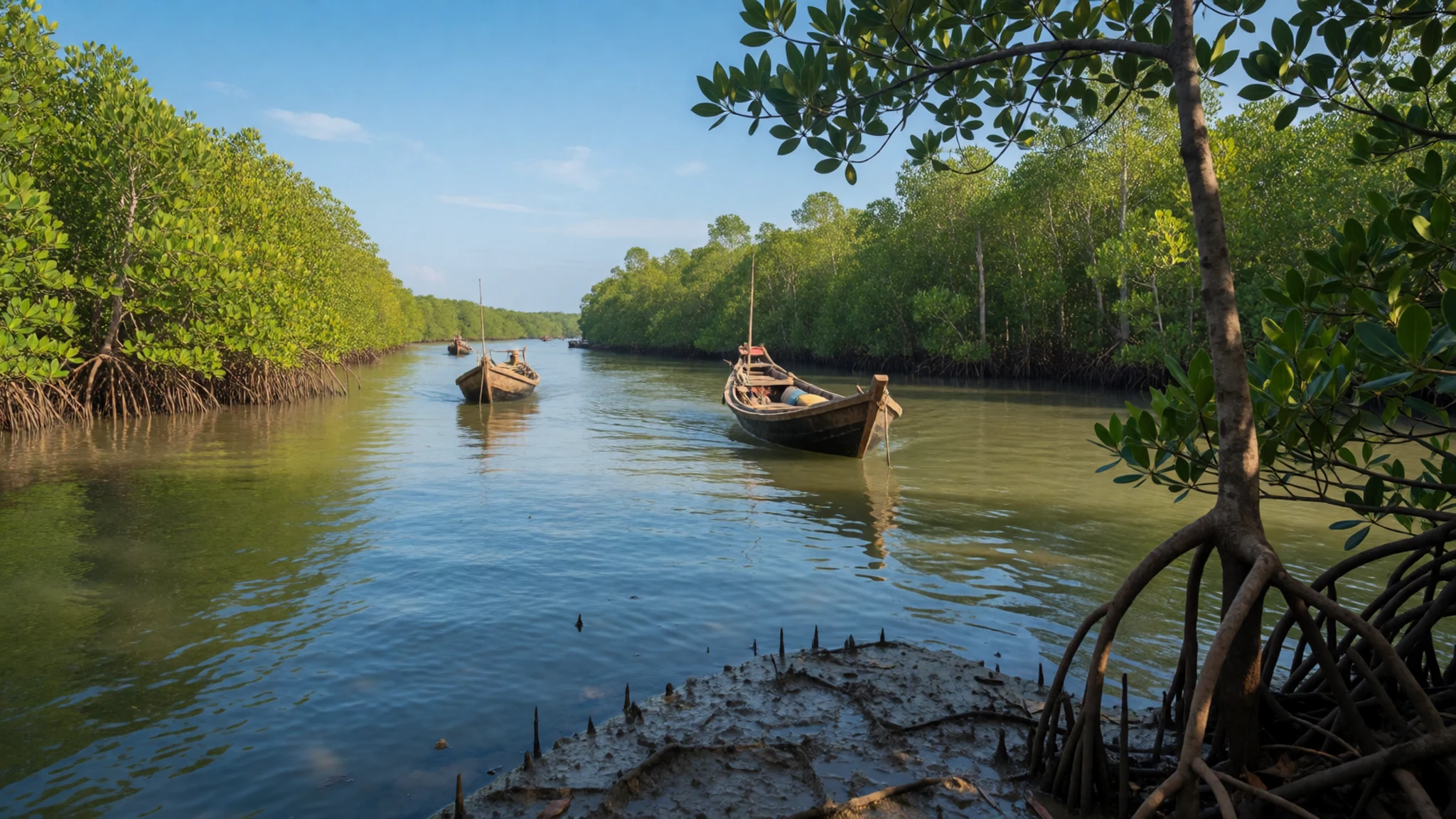
Culture
Xuan Thuy National Park lies in the Red River delta, the long-settled rice and fishing heartland of northern Vietnam, and the culture around it is that of coastal villages rather than tourist towns. Families here have worked tides, mudflats and shallow water for generations, harvesting clams, catching fish and shrimp and mending nets. Knowledge of tides and weather is practical and handed down, and it shapes the day far more than the clock does.
Village life in the delta is organised around family, the local community house or temple and the seasonal calendar. Many households keep ancestral altars, and small shrines to local spirits and sea protectors are common near the water. Lunar New Year, Tet, is the biggest holiday, and during it many small businesses close and families travel home, so the area can feel quiet and services can be limited.
The park itself has added a newer layer: rangers, researchers and bird-watchers working alongside fishing households. Conservation here depends on goodwill from neighbours, which is why projects that give local people alternative income matter so much. Visitors will find people polite, curious and often shy with English. A few words of Vietnamese, such as xin chào for hello and cảm ơn for thank you, are warmly received.
When birdwatching or photographing, stay on marked paths and boats, keep your distance from roosting birds, and ask permission before photographing villagers or their boats.
What to wear
Xuan Thuy National Park is in a part of Vietnam where traditional dress is for ceremony rather than daily life. The áo dài, a long fitted tunic worn over trousers, is usually made of silk or silk-like fabric and appears at weddings, Tet and school or official events. Older rural women may still wear the simpler áo bà ba, a loose cotton shirt, and the conical nón lá hat, woven from palm leaves, is still a practical sun shield for farmers and fishing families.
Day to day, people around the park wear what suits wet, muddy work: long-sleeved cotton shirts, loose trousers, rubber boots or sandals, a hat or scarf against the sun, and waterproof layers. In villages, clothes are modest and practical, and in town, shirts and jeans or trousers are normal.
Visitors should dress for mud, wind, sun and mosquitoes. Wear lightweight long sleeves and trousers in muted greens, browns or greys, which are less likely to startle birds. Bring a wide-brimmed hat, sunscreen and a light rain jacket. Closed shoes that can get dirty, or waterproof boots, are better than sandals on the flats and boardwalks. If you visit a village temple or shrine, cover shoulders and knees. In winter, the northern coast can be cool and windy, so pack a warm layer.
What to eat
- Steamed or grilled clams (ngao) — Seafood eateries around Giao Thuy and the coastal roads
Xuan Thuy National Park is surrounded by clam-farming villages, and the shellfish arrive fresh. They are usually steamed with lemongrass or ginger, or grilled with spring onion and oil. Eat them with a sharp dipping salt and chilli.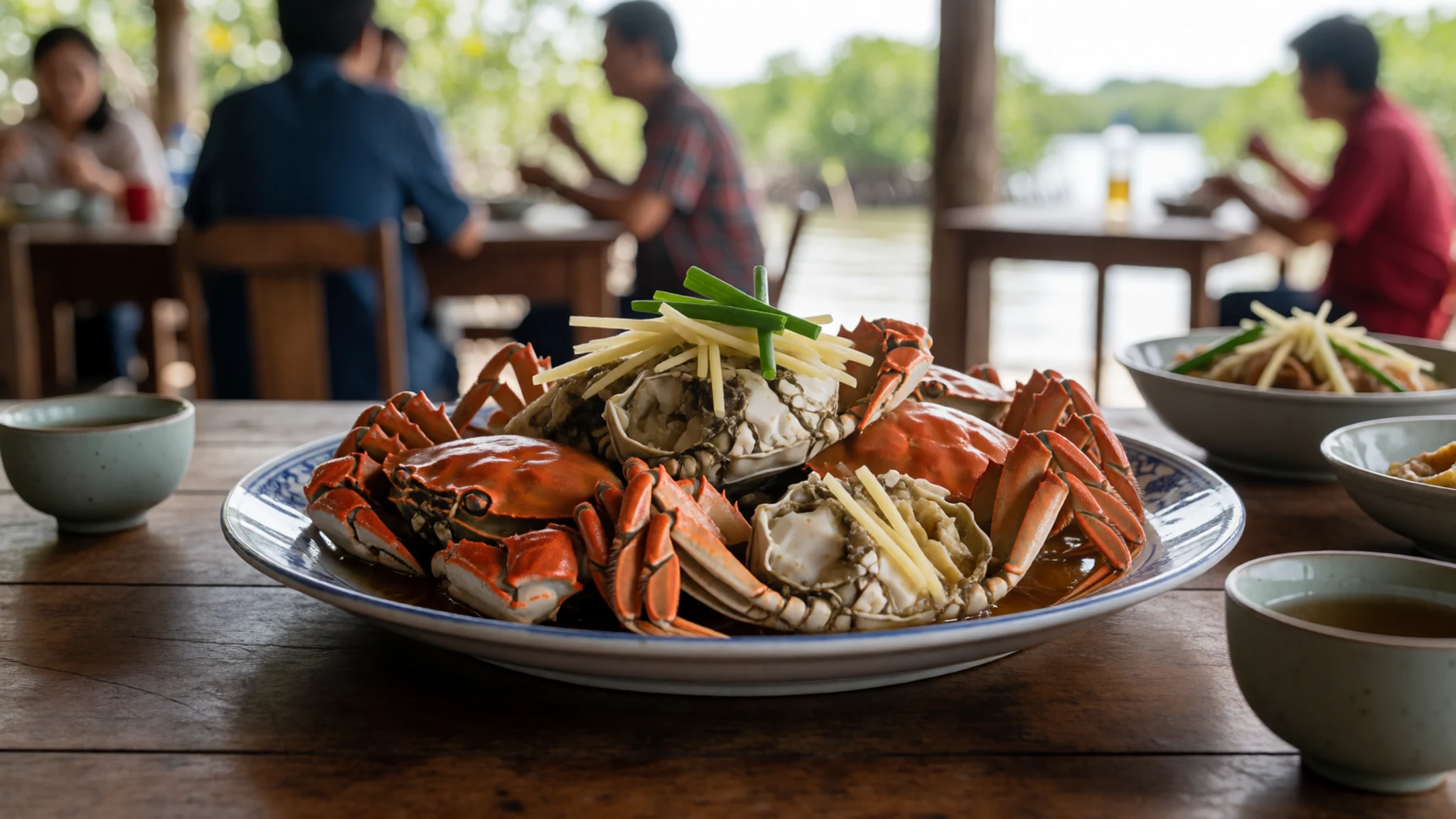
- Stir-fried or boiled crab and shrimp — Family seafood eateries and landing-point stalls
Crab and shrimp from the river mouth and brackish ponds are simply cooked, often boiled, steamed or stir-fried with garlic. The best results depend on what came in that morning, so ask what is freshest.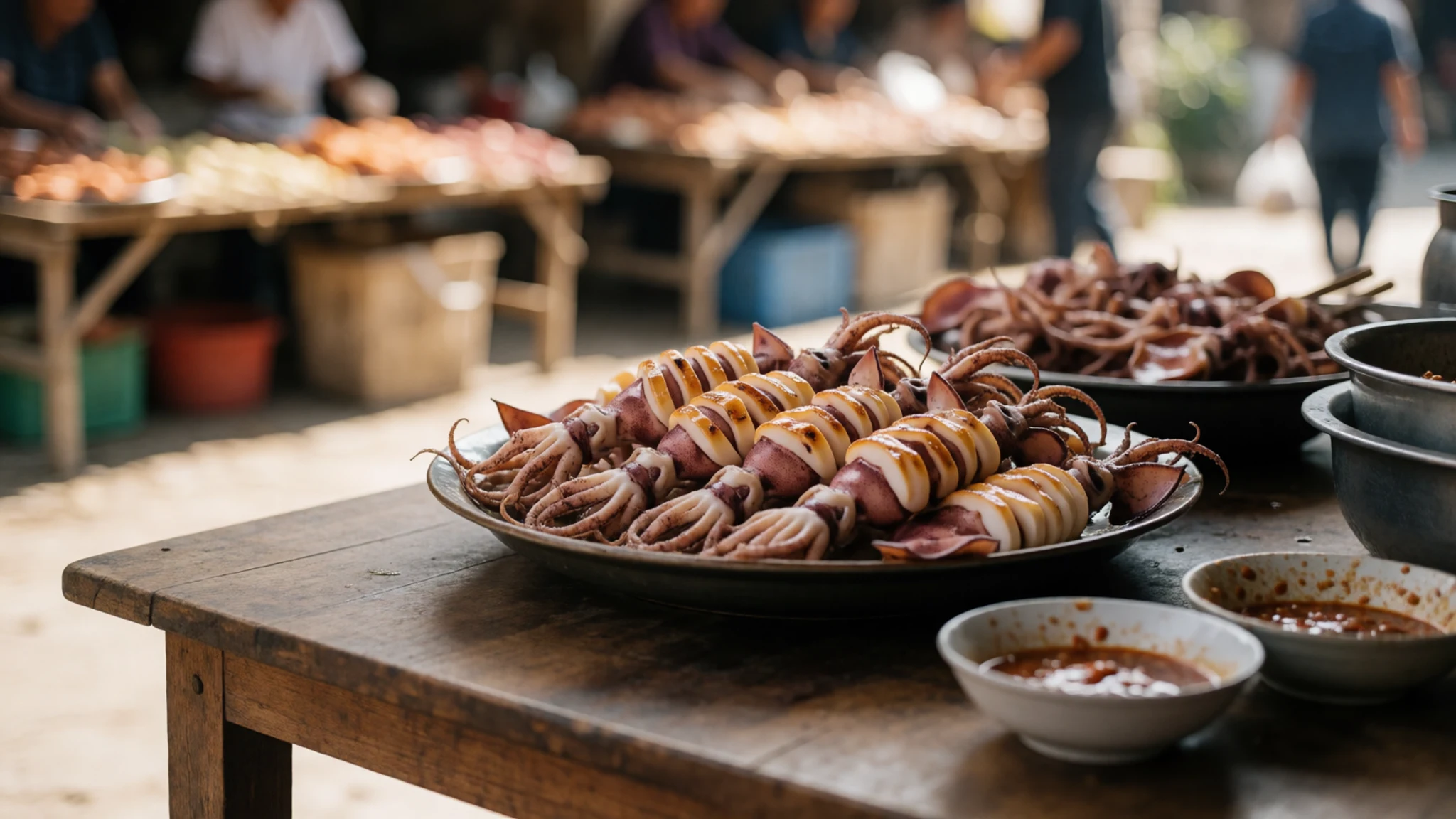
- Phở Nam Định — Noodle shops in Nam Dinh city and market towns
Nam Dinh province is known for its phở, a rice-noodle soup in a clear, savoury beef or chicken broth. It makes a sensible breakfast before an early tide. Herbs, lime and chilli are added at the table. - Gỏi nhệch — Specialist eateries in Nam Dinh and nearby towns
A regional speciality made from a type of eel, sliced and mixed with herbs, spices and sometimes banana flower or fruit. It is a dish for adventurous eaters. Ask the staff to describe it before ordering. - Seafood congee (cháo) — Morning eateries and market stalls in delta towns
A bowl of rice porridge cooked with fish, clams or shrimp is warming on a windy morning or after hours on the flats. It is light, simple and easy on the stomach, and usually finished with herbs and pepper.
Plan it
Best time. October to March, when migratory waterbirds are on the flats; the northern winter is cool, often grey and sometimes windy, so bring layers. Summer is hot, humid and stormy, with typhoon risk, and fewer birds are present.
How long. 1–2
Getting there. Fly to Hanoi's Noi Bai airport, then take a train or road transport to Nam Dinh and continue by road to Giao Thuy and the park office. The last leg is on local roads, so a hired car and driver or a motorbike taxi is the practical choice. Check the park's official channels for current access.
Budget. low
Tips
- Check the tide table before going: low and rising tide are best for birds on the flats
- Arrange a local guide or contact the park office ahead, since facilities and English are limited
- Carry cash, as small villages and eateries may not take cards
- Bring water, sun protection and insect repellent
- Start early: light is better, it is cooler and birds are more active
Etiquette
- Stay on marked paths and boats, and keep your distance from roosting birds
- Ask before photographing villagers, their homes or their boats
- Take all rubbish away with you and never collect shells or plants inside the park
Nearby
Sources
- Wikipedia: Xuan Thuy National Park (CC BY-SA 4.0)
- Wikidata (Xuan Thuy National Park) (CC0)
- Wikimedia Commons staged photographs (items 01–08) (CC BY 3.0 / CC BY-SA 4.0)
- Wikivoyage (CC BY-SA 4.0)
Wildlife
- Black-faced spoonbill (animal)
Picture a tall water bird with a built-in spoon: the black-faced spoonbill sweeps its flattened bill from side to side and feels for food. It lives in eastern Asia, and Xuan Thuy National Park now welcomes it back as a shared success for nature and neighbouring communities. Look for it within the park, keeping well back and speaking softly. A guide will help you watch without disturbing it, and you should never offer it food. - Black-faced spoonbill (bird)
Picture a tall water bird with a built-in spoon: the black-faced spoonbill sweeps its flattened bill from side to side and feels for food. It lives in eastern Asia, and Xuan Thuy National Park now welcomes it back as a shared success for nature and neighbouring communities. Look for it within the park, keeping well back and speaking softly. A guide will help you watch without disturbing it, and you should never offer it food.