White Mountains
White Mountains, United States
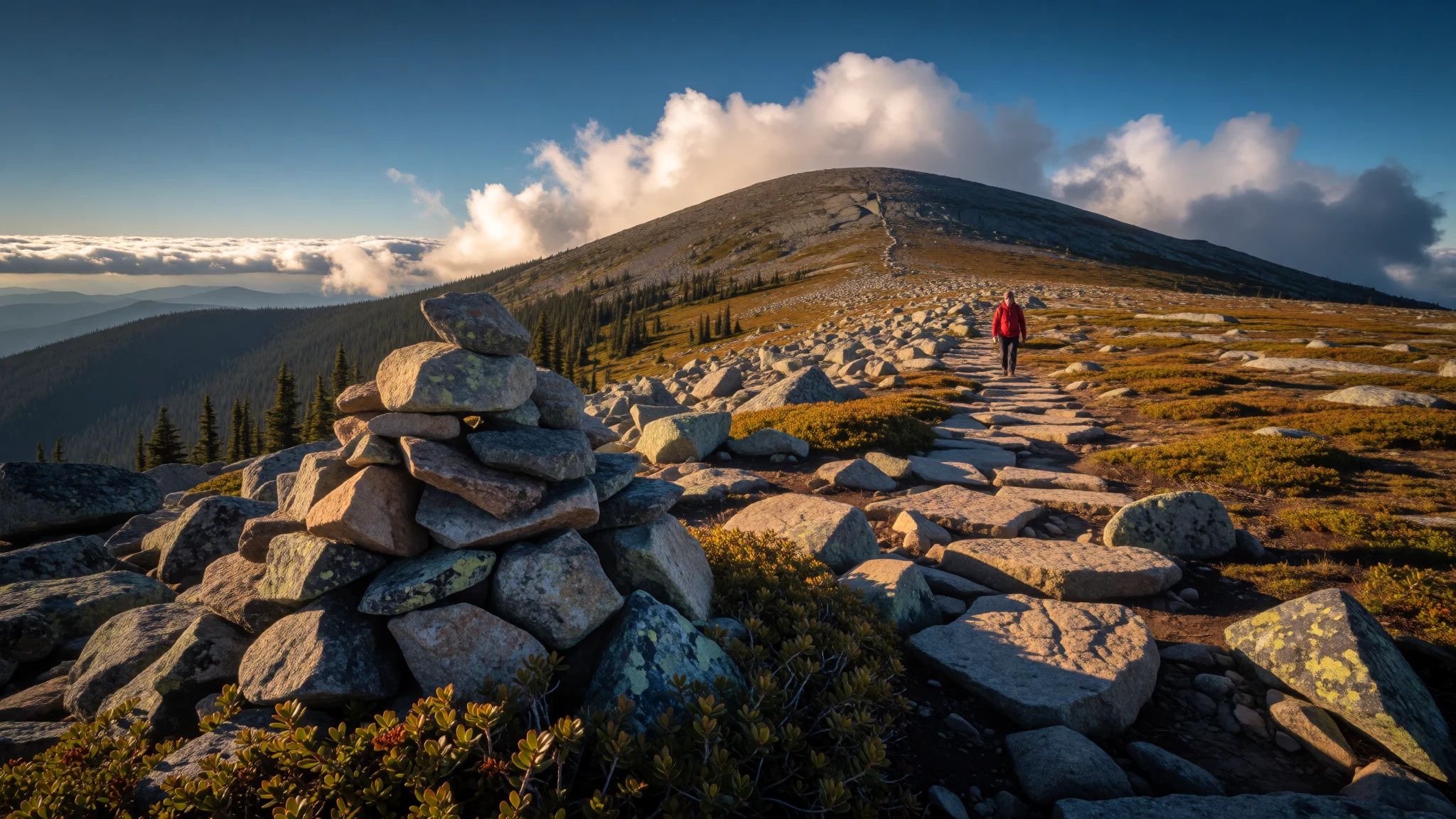
The White Mountains give New England its roughest ridges, open summits and a hut-to-hut walking tradition, all within a few hours of Boston.
The place
The White Mountains cover about a quarter of New Hampshire and reach into western Maine, forming a subrange of the northern Appalachians. They are not tall by world standards, but the ridges are steep and rocky, and this is the toughest terrain in New England. Several of the higher summits climb above the trees into alpine tundra, a low, wind-clipped habitat that is more usual much further north. Mount Washington, at 1,916 m, is the high point of the Northeast. Around it runs the Presidential Range, whose peaks carry the names of American presidents and other public figures. Other groups include the Franconia, Sandwich, Carter-Moriah and Kinsman ranges in New Hampshire, and the Mahoosuc Range along the Maine border. Walkers keep lists of the four-thousand footers, a set of peaks that includes one in Maine, Old Speck Mountain. Most of the land is public. The White Mountain National Forest and several state parks hold the bulk of it, so access is open and trailheads sit beside ordinary roads. That openness, plus an easy drive from Boston, New York and Montreal, means summer weekends and the weeks of autumn colour can be crowded at popular car parks. Weather is the other defining fact. Conditions on the Presidential summits can turn within an hour, and snow can linger long after the valleys have gone green. Ski areas fill the winter. The Appalachian Mountain Club runs a chain of alpine huts for walkers, an unusual arrangement in North America.
Its story
The White Mountains became a place of leisure well before they became a place of conservation. Illustrated maps by artists such as Franklin Leavitt were drawn for visitors who arrived by rail and carriage, wanting to know which summit gave which view. Farms in the valleys, Wonalancet Farm among them, took in guests and eventually lent their name to the village that grew around them. Work shaped the range as much as leisure did. Lookouts staffed fire towers on high ground, watching for smoke across the forest, and the photographer John Collier Jr. recorded one such lookout, Barbara Mortensen, who watched for fires and aircraft from her tower. Later, much of the land passed into public hands, and the national forest and state parks that now cover it grew out of that change. Mount Washington, meanwhile, earned a reputation that has nothing to do with scenery. Its summit weather station recorded a surface wind gust that stood for decades as the fastest ever measured anywhere on Earth, and the mountain still draws people who want to test themselves against cold and wind. The Appalachian Mountain Club added the hut system, giving walkers a bunk and a meal on the high ridges. The result is a range with a long record of ordinary people climbing for pleasure, and of local people keeping watch over it.
What to see
- Mount Washington — Presidential Range, New Hampshire
Mount Washington, at 1,916 m, is the summit most visitors have in mind. Its top is alpine tundra, bare rock and stunted plants, and its weather is known well beyond New England for wind and sudden cold. A fine day in the valley can still mean cloud and bitter cold at the summit.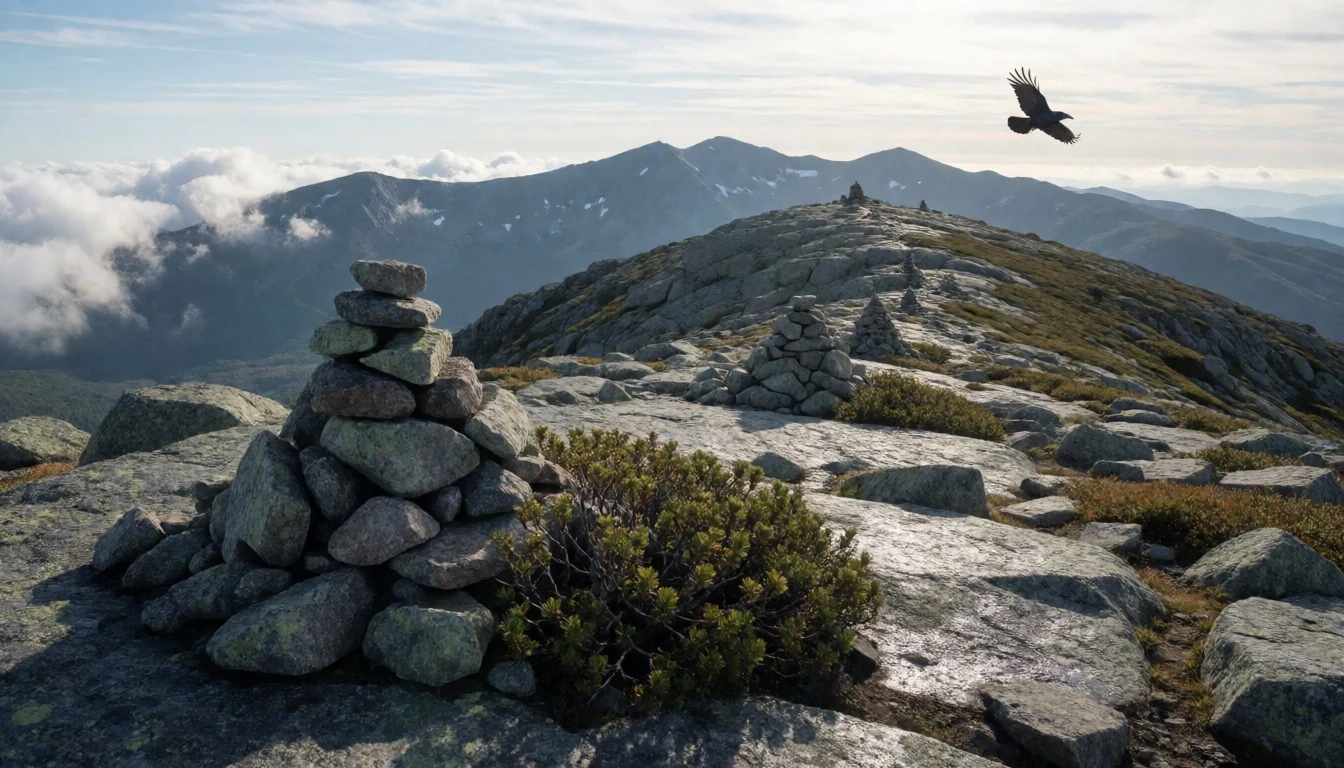
- Presidential Range and Mount Pierce — Crawford Notch area
The Presidential Range is a line of summits named after American presidents and other public figures. Mount Pierce is a gentler way in, with a broad outlook across the range from its upper slopes. Ridge walking beyond the trees is exposed, so pick a settled forecast and be ready to turn back.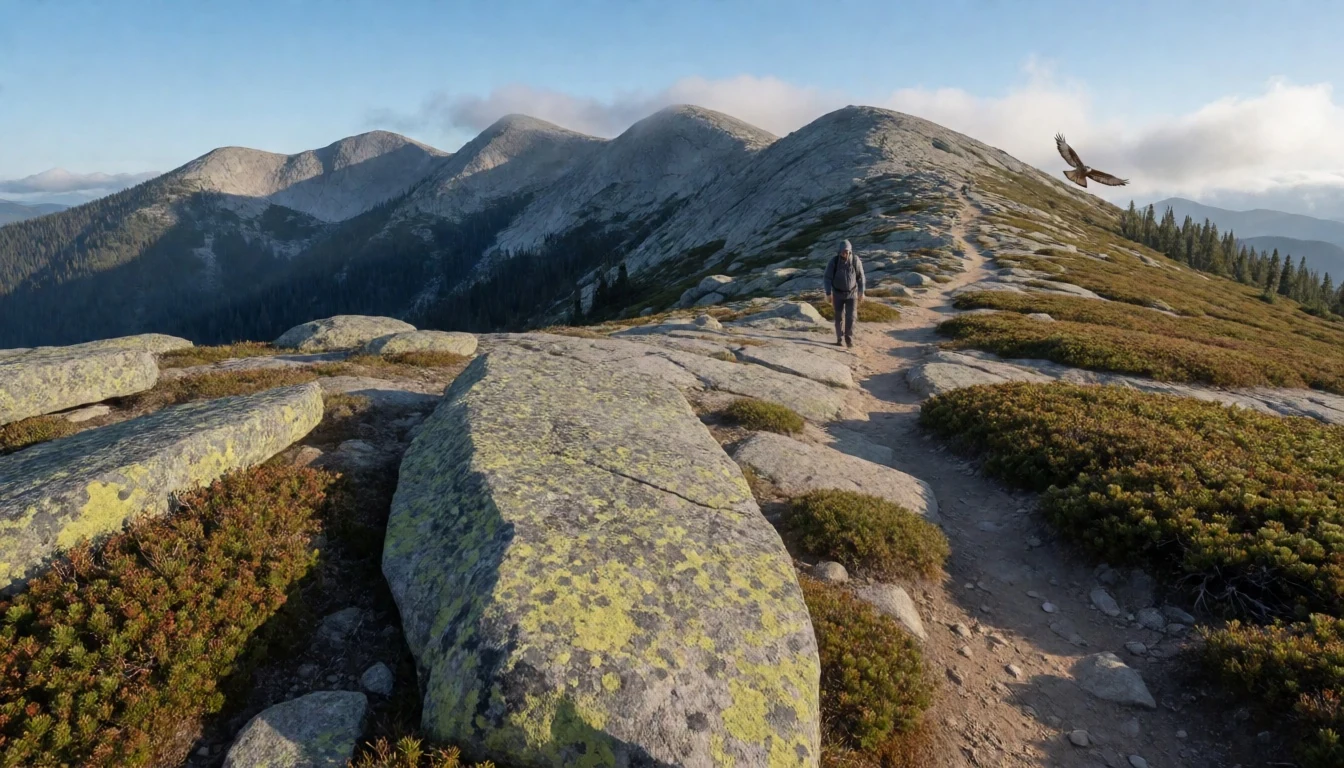
- Franconia Range — Franconia Notch
The Franconia Range lies west of the Presidential peaks and offers a more compact ridge, with open rock and long views over unbroken forest. Walkers use it for a full day along the crest. It draws crowds on fine weekends, so an early start helps with parking and with the afternoon weather.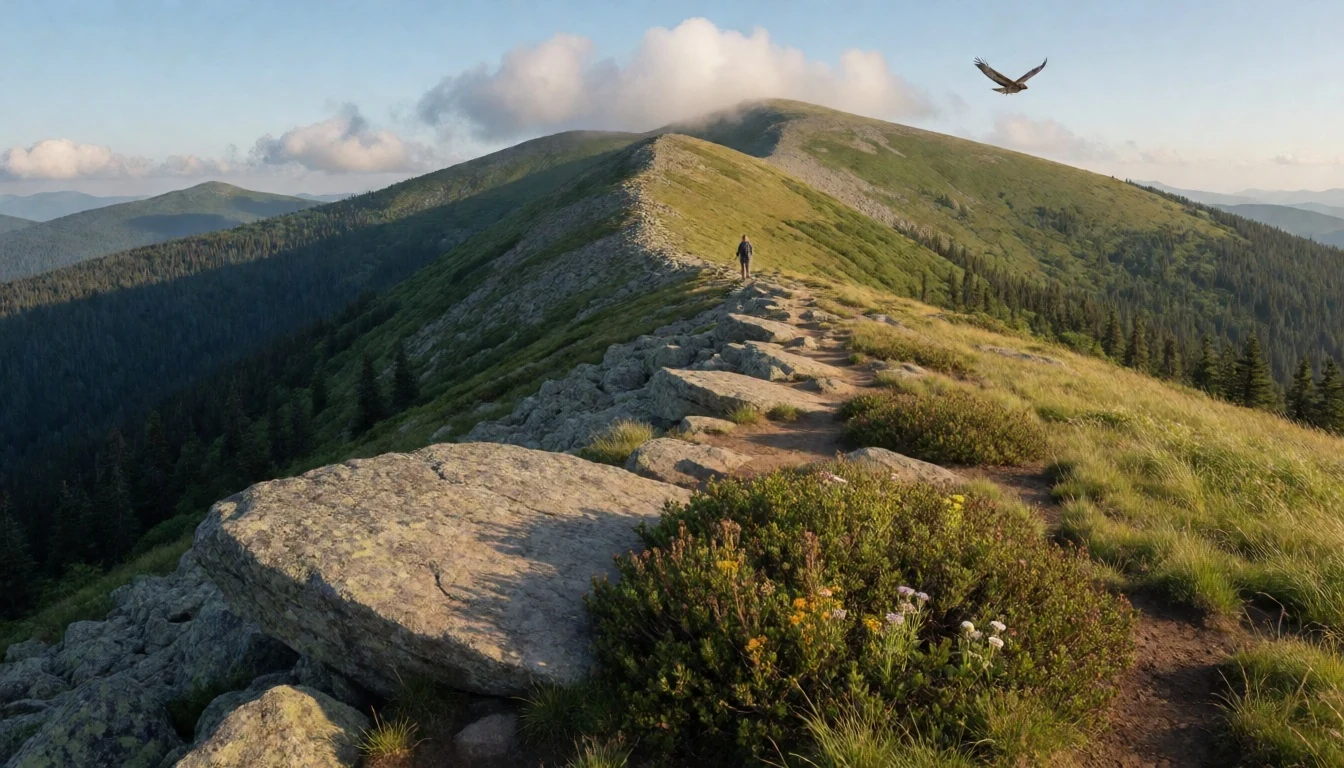
- Loon Mountain — Lincoln, New Hampshire
Loon Mountain is a ski area at the western edge of the range, and its base gives a wide view of the surrounding ridges in autumn colour. It is an easy way to see the landscape without a long climb, and it makes a practical base for day trips into the national forest.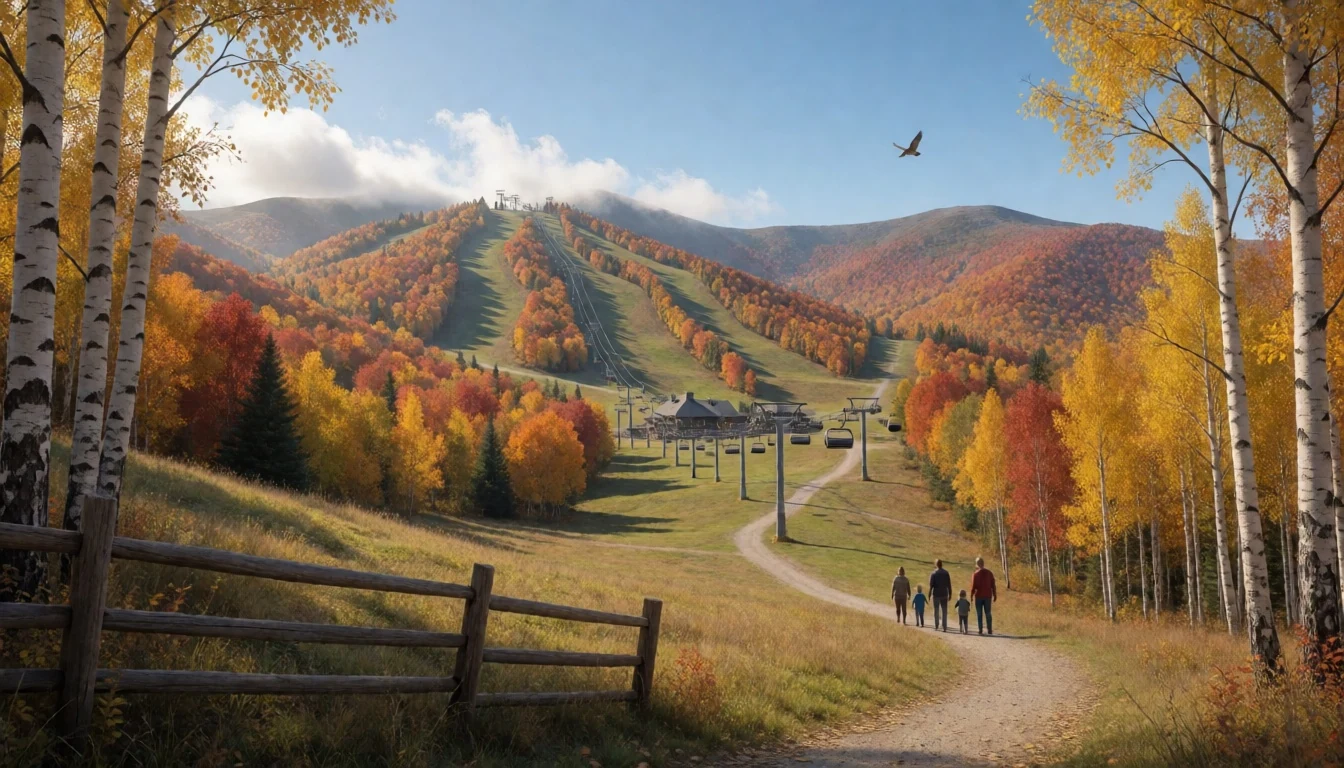
- Appalachian Mountain Club huts — Presidential Range
The Appalachian Mountain Club runs a system of alpine huts that lets walkers cross the high ridges carrying less. Lakes of the Clouds hut sits close under Mount Washington. Huts need to be reserved ahead through the club, so check its official site for current arrangements before planning a route.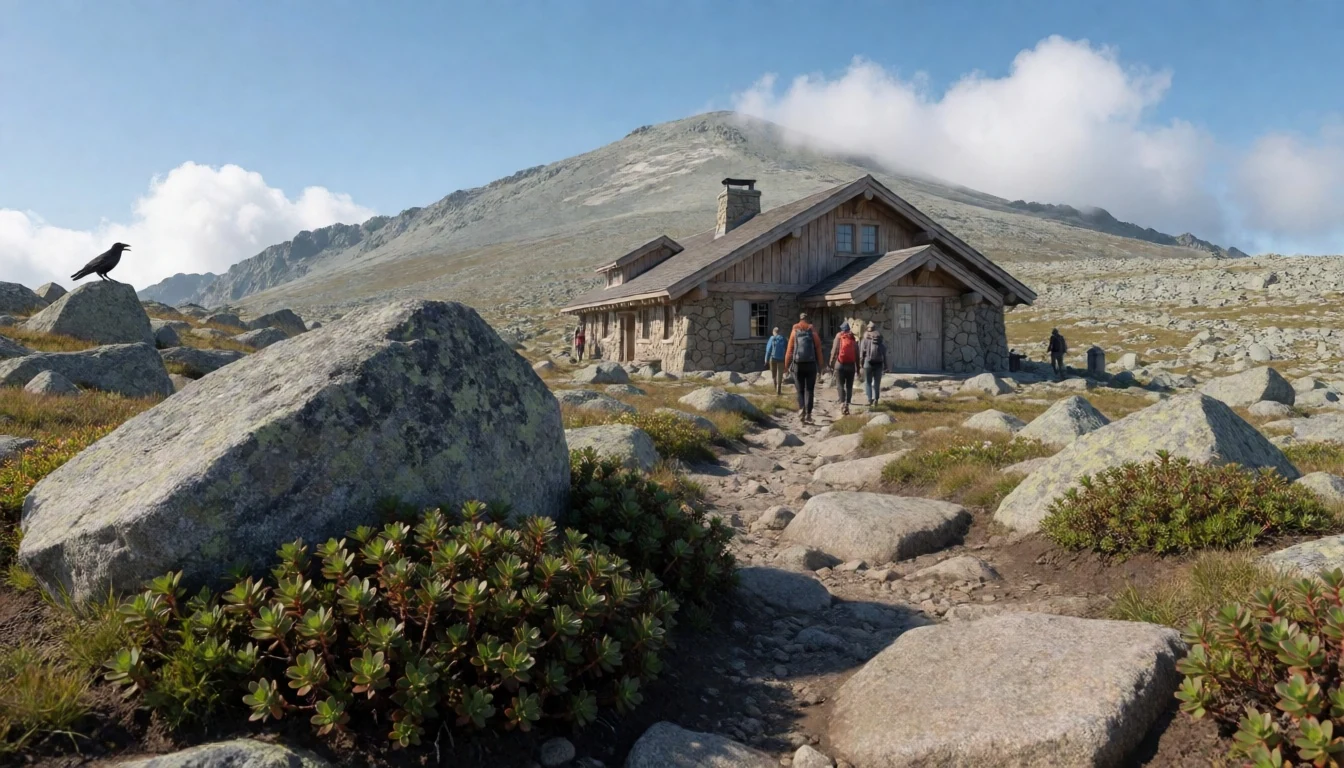
- Wonalancet and the Sandwich Range — Sandwich Range, New Hampshire
Wonalancet is a quiet village at the foot of the Sandwich Range, named after a farm that once took in guests. The trails here are less crowded than those around Mount Washington, and the surrounding woods suit shorter walks through forest, with views opening on the higher ground.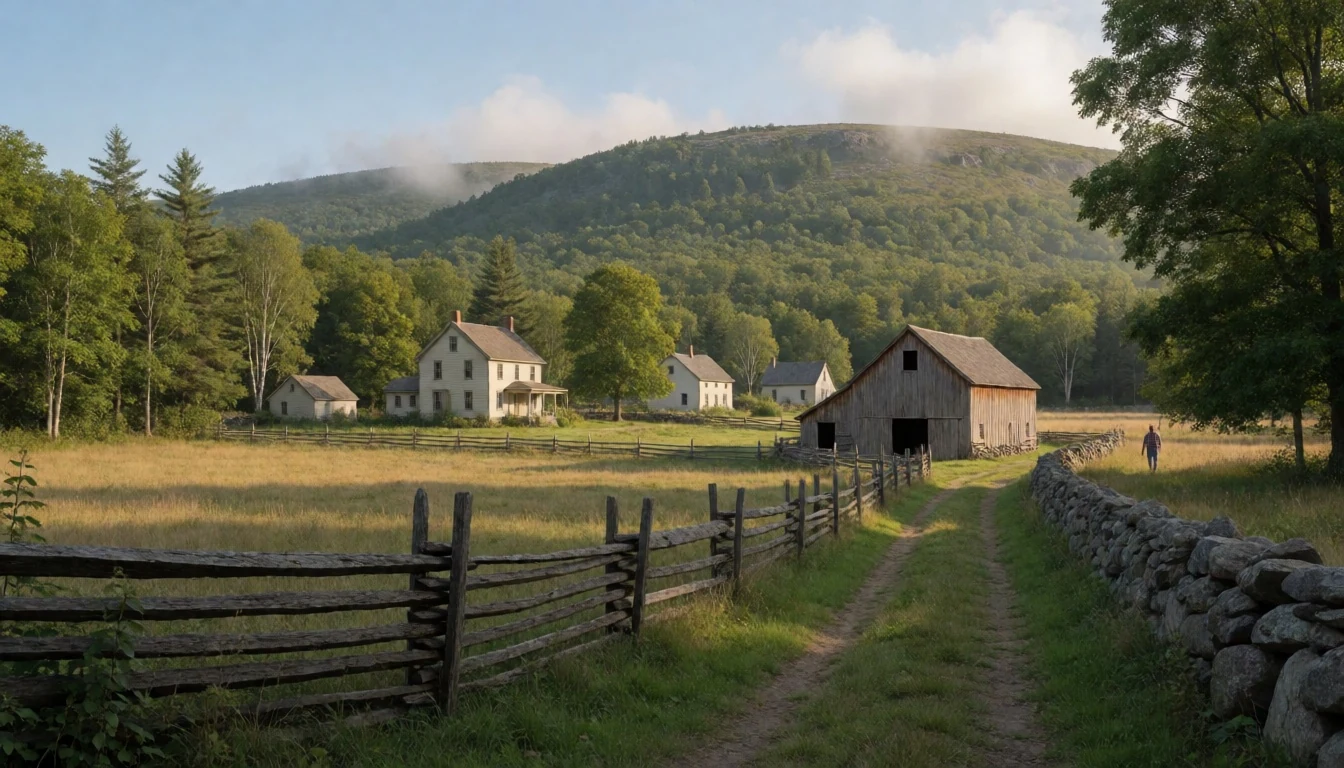
Culture
The White Mountains have a quiet, practical culture shaped by weather, forestry and a long habit of walking for pleasure. Valley towns are small, with general stores, roadside diners and outfitters that sell maps and boots as readily as groceries. Hikers talk about peak lists, hut stays and turn-around times with the seriousness that others reserve for football. Self-reliance is the local value that visitors notice most: people expect walkers to carry layers, water and a map, and to make their own decisions about the forecast. Rescue volunteers and rangers spend much of the season helping people who underestimated the weather on the Presidential summits. Further south, Dartmouth College at Hanover brings a university crowd and a regular programme of performances. The north of the state is more conservative than the south, and visitors from big cities may find the pace slow and the politics low-key but firm. Small-town life revolves around church suppers, volunteer fire departments and local town meetings, where residents vote directly on budgets. Conversation tends to be polite and short. Anglers, hunters, snowmobilers and walkers share the same land, and seasons overlap, so check local notices for hunting periods before heading off the main trails. On the trail, carry out every scrap of rubbish and stay on the marked path above the tree line, where the fragile alpine plants take years to recover from a single trampled footstep.
What to wear
The White Mountains have no formal regional costume, but working clothes have a long local history. Wool from New England sheep farms, heavy flannel shirts, felted jackets and waxed or oiled cotton were the everyday dress of loggers, farmers and fire lookouts, and the chequered flannel shirt remains a local look. Today people in the valley towns wear jeans, fleeces, rain jackets and sturdy boots, with a baseball cap or knitted hat depending on the season. Outdoor clothing is the real uniform: walkers wear synthetic or wool base layers, a windproof shell and trail shoes or boots, and ski days bring padded jackets, goggles and helmets. Visitors should dress in layers for any season, because the summits can be far colder and windier than the valleys, and a warm hat and gloves belong in the pack even in July. Choose waterproof outer layers and avoid cotton next to the skin, which stays wet and cold. Boots with a firm sole and ankle support suit the rocky, often wet trails. A sun hat and insect repellent help in the warm months, and in the hunting season bright orange is sensible on quieter trails. In towns and diners, casual clothes are fine everywhere.
What to eat
- Maple syrup and pancakes — sugar houses and roadside diners across the valleys
Maple syrup is a staple of the northern woods, boiled down from sap in late winter. Pancakes or waffles with local syrup are a standard walker's breakfast, and some sugar houses open to visitors in the season. Look for roadside signs and farm stands.
- Apple cider doughnuts — farm stands and orchards in autumn
Warm, cinnamon-sugared doughnuts made with pressed apple cider are an autumn habit across New England. They pair well with a cold morning on the trail and are often sold alongside fresh cider and apples at orchards.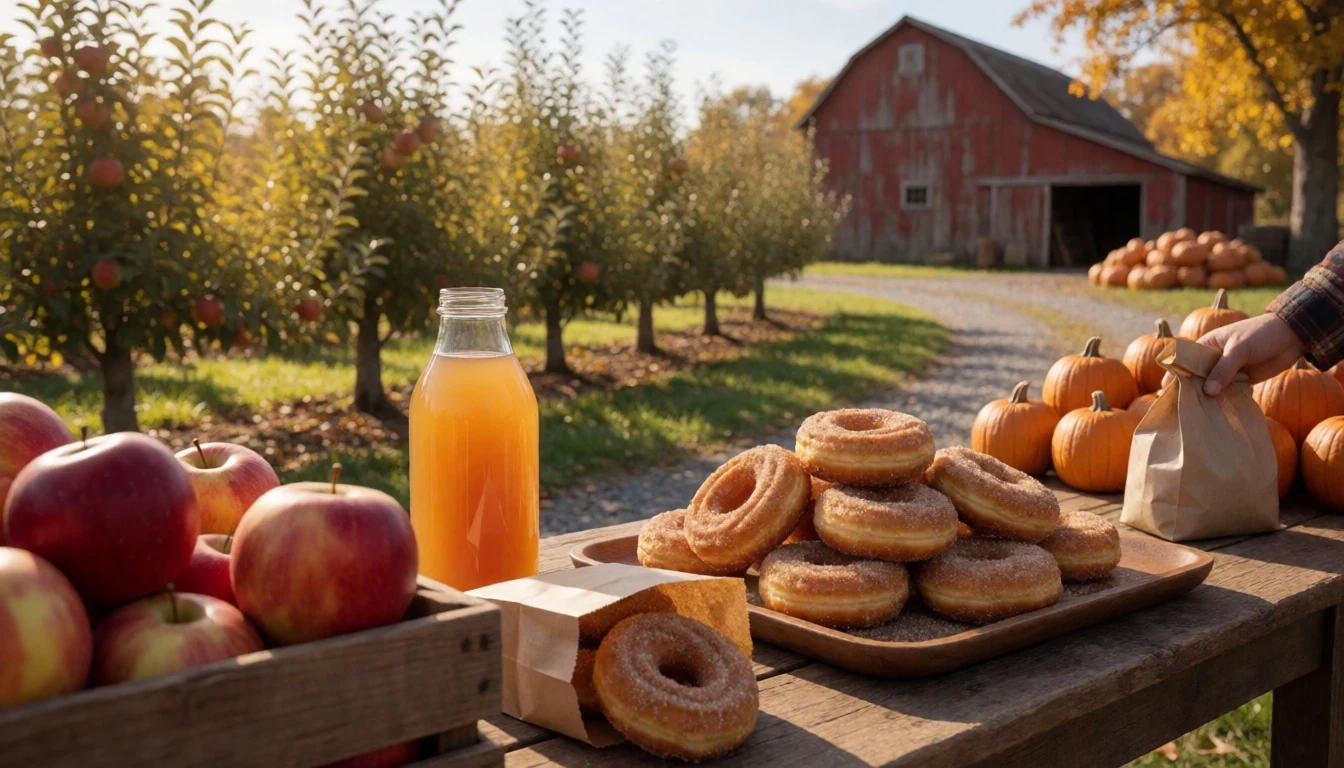
- Diner breakfast — roadside diners in the valley towns
Roadside diners serve eggs, hash, toast and strong coffee in generous portions, which suits a long walk ahead. The tone is friendly and fast, and counter seats are the best place to ask locals about trail conditions. - Craft beer — brewpubs in Conway, Lebanon and New London
New Hampshire has dozens of breweries and brewpubs, and the valley towns around the mountains have their share. After a day on the trail, a pint of local ale and a plate of pub food is a common way to finish. - Baked beans and brown bread — church and community suppers, traditional eateries
Slow-baked beans with a steamed, dark brown bread are a traditional New England supper, long associated with Saturday nights. They turn up at community suppers and in old-fashioned restaurants, and the sweetness and weight of the dish make good fuel after a cold day outdoors.
Plan it
Best time. July and August for high trails, when snow has gone and the days are long; late September to October for autumn colour, with cold nights and the biggest crowds; December to March for skiing. Spring is muddy and unsettled, and summit weather can stay wintry well into early summer.
How long. 3–4
Getting there. Fly to Manchester–Boston Regional Airport, which is often calmer than Boston Logan, or into Logan itself, then drive north; Concord Coach Lines runs buses from Boston, and Amtrak does not reach the mountains, so a hire car is the practical last leg.
Budget. mid
Tips
- Check the summit forecast before every walk and turn back early if cloud or wind builds
- Reserve Appalachian Mountain Club huts and any parking or lodging well ahead for autumn weekends
- Start walks early to find parking and to finish before afternoon weather changes
- Carry water, a map, a head torch and warm layers even on short summer days
- Watch for moose on roads at dusk and dawn, and store food securely against bears
Etiquette
- Stay on marked trails above the tree line to protect the alpine plants
- Carry out all rubbish and leave nothing at huts or trailheads
- Give other walkers right of way when you meet on narrow steep sections
Nearby
Sources
- Wikidata Q1556007 (CC0)
- Wikipedia: White Mountains (New England) (CC BY-SA 4.0)
- Wikivoyage: New Hampshire (CC BY-SA 4.0)
- Views from Mt Pierce (Public domain)
- Presidential Range, Fredlyfish4 (CC BY-SA 4.0)
- Franklin Leavitt map, Samuel E. Brown, A. Williams & Co. (Public domain)
- Loon Mountain panorama, Debivort (CC BY 3.0)
- Littering fine sign, EgorovaSvetlana (CC BY-SA 4.0)
- Wonalancet Farm (Public domain)
- Fire tower view, John Collier Jr. (1) (Public domain)
- Fire tower view, John Collier Jr. (2) (Public domain)


