Admiralty Island
Admiralty Island, United States
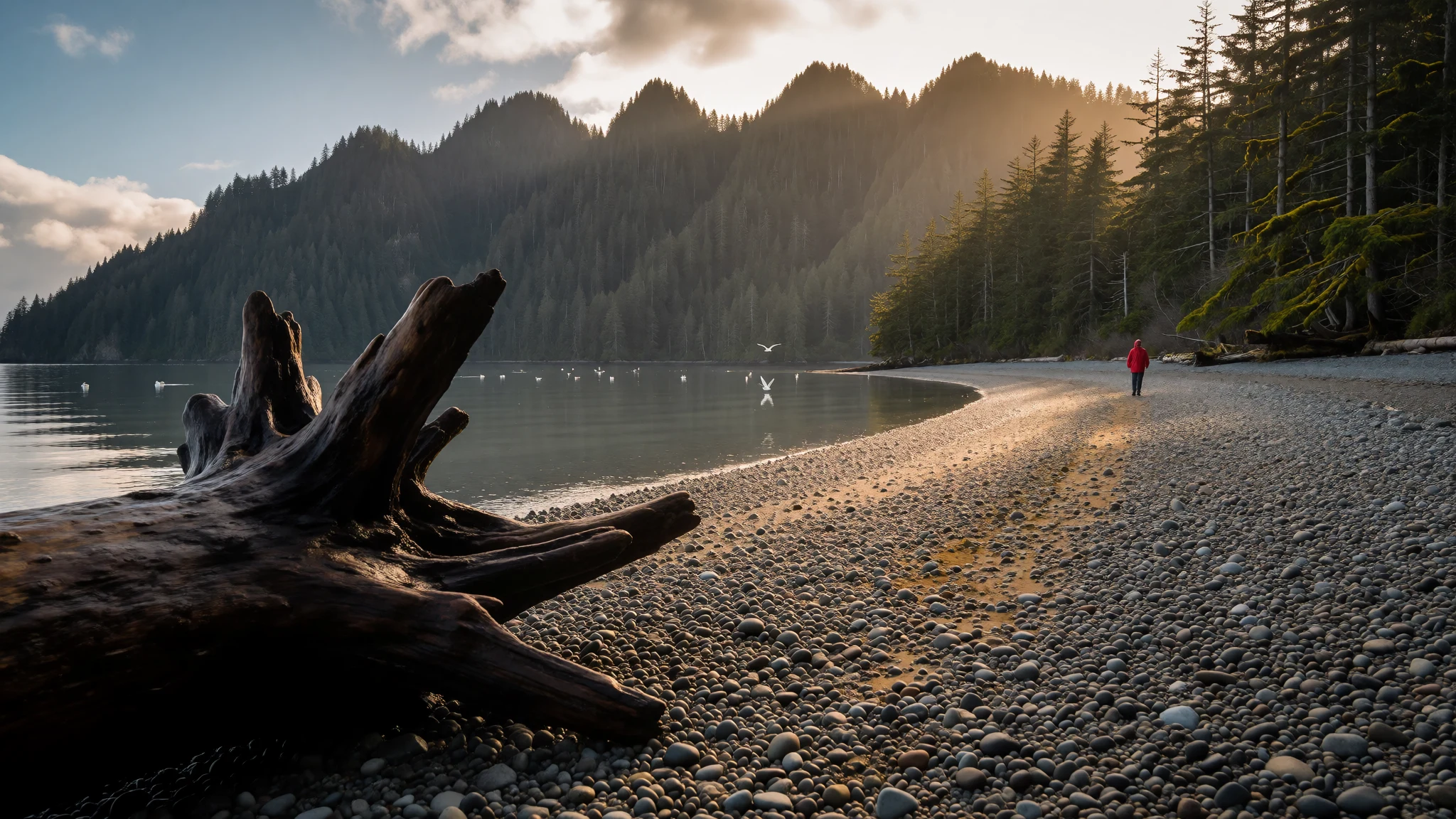
Admiralty Island is a roadless rainforest wilderness in Southeast Alaska, where brown bears fish the salmon streams and Tlingit stewardship is still part of the landscape.
The place
Admiralty Island sits in the Alexander Archipelago of Southeast Alaska, a long, mountainous slab of rainforest about 145 km from end to end and 56 km across. Seymour Canal cuts so deeply into it that the island is almost two halves, with the narrow Glass Peninsula trailing off the eastern side. Frederick Sound separates the southern shore from Kupreanof Island, and Juneau lies a short flight to the north-east. Nearly all of the land is a national monument managed through the Tongass National Forest, and most of that is the Kootznoowoo Wilderness: old-growth temperate rainforest of the kind that has mostly vanished elsewhere along this coast. The island is known for brown bears, which live here in great numbers, along with bald eagles and Sitka black-tailed deer. There are no roads linking one end to the other. The only settlement is Angoon, a Tlingit community of 572 people on the western shore, though an empty northern tip of the island technically falls inside the city of Juneau. Wikidata lists a high point of 1,477 m, and the mountains often sit under cloud. The honest picture is a wet, quiet, sparsely equipped place. Rain is normal, insects can be a nuisance in summer, and almost everything here happens by boat, kayak or floatplane.
Its story
Admiralty Island has a Tlingit name, Xootsnoowú, usually understood as Fortress of the Bear or Bears. Tlingit people have lived with these forests and waters for far longer than any written record, and the island remains sacred to the Angoon Community Association, the tribe based in Angoon. European naming came late. The British naval officer George Vancouver named it after the Admiralty, his employers at the Royal Navy, during his expedition of the 1790s. His master of the Discovery, Joseph Whidbey, explored the coast in July and August 1794 and sailed all the way round it. The modern story is largely one of protection. Tlingit leaders pressed hard for the island to be covered by the Alaska National Interest Lands Conservation Act, usually shortened to ANILCA. On 1 December 1978 President Jimmy Carter created Admiralty Island National Monument, and Congress then set almost all of it aside as the Kootznoowoo Wilderness, shielding it from development. The U.S. Forest Service manages the monument from offices in Juneau. In 1986 the island was named a biosphere reserve under the Man and the Biosphere Programme, a designation it shares with Glacier Bay National Park. The Tlingit still take part in looking after the island's natural resources, so the protection here owes as much to local insistence as to government policy.
What to see
- Pack Creek bear viewing — North-east Admiralty Island
Pack Creek, on the north-east side of Admiralty Island near Seymour Canal, is where most visitors go to watch brown bears. The bears fish the creek when salmon are running, and people watch from a fixed spot with rangers present. Access is controlled and usually involves a boat or floatplane from Juneau, so check the official Forest Service pages well ahead. - Angoon — Western Admiralty Island
Angoon is the one community on the island, on the western coast, and a Tlingit village in the full sense. It is the best place to understand that the island is a homeland as well as a wilderness. Services are limited, so arrange lodging and transport before arriving, and treat it as someone's home rather than an attraction. - Seymour Canal and the Kootznoowoo Wilderness — Central Admiralty Island
Seymour Canal almost splits the island in two and gives paddlers a sheltered route into the wilderness. Old-growth forest comes down to the tideline, and eagles and deer are regular sights. This is serious remote travel: tides, rain and bears all need respect, and a guide or outfitter is sensible for first-timers. - Point Retreat Lighthouse — Northern tip, Mansfield Peninsula
Point Retreat Lighthouse stands at the northern tip of Admiralty Island, on the Mansfield Peninsula, where the island meets the channels leading towards Juneau. It suits visitors who want a coastal landmark and sea views rather than bear country. Getting there means a boat or a long coastal trip, so plan the weather window carefully.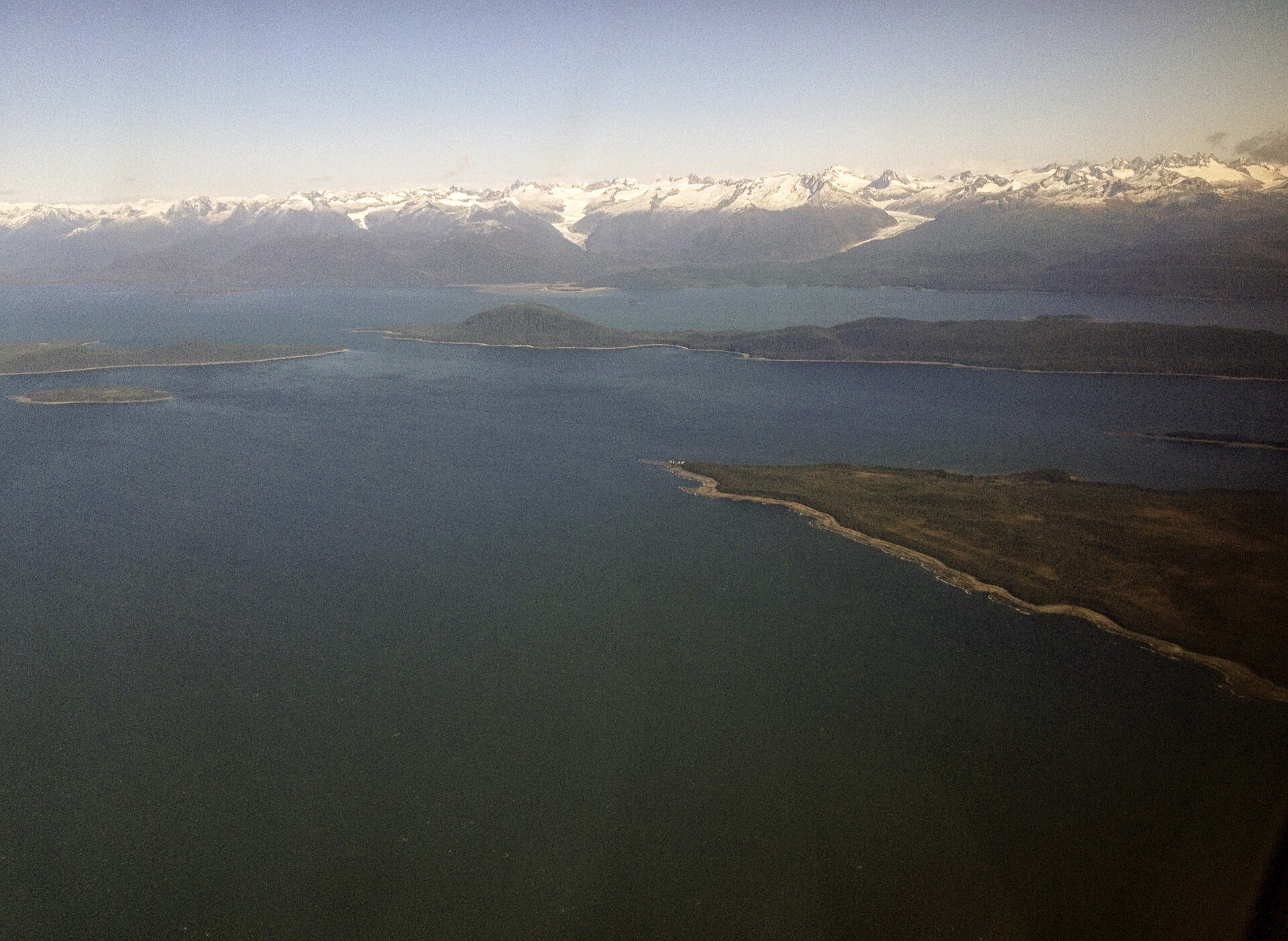
- Admiralty from Douglas Island — Douglas Island, near Juneau
The cheapest way to appreciate Admiralty Island is from across Stephens Passage. A walk on the west side of Douglas Island, near Juneau, gives a long view of the island's dark, forested ridgeline over the water. It needs no permit or boat, and it helps to see the scale of the place before heading across.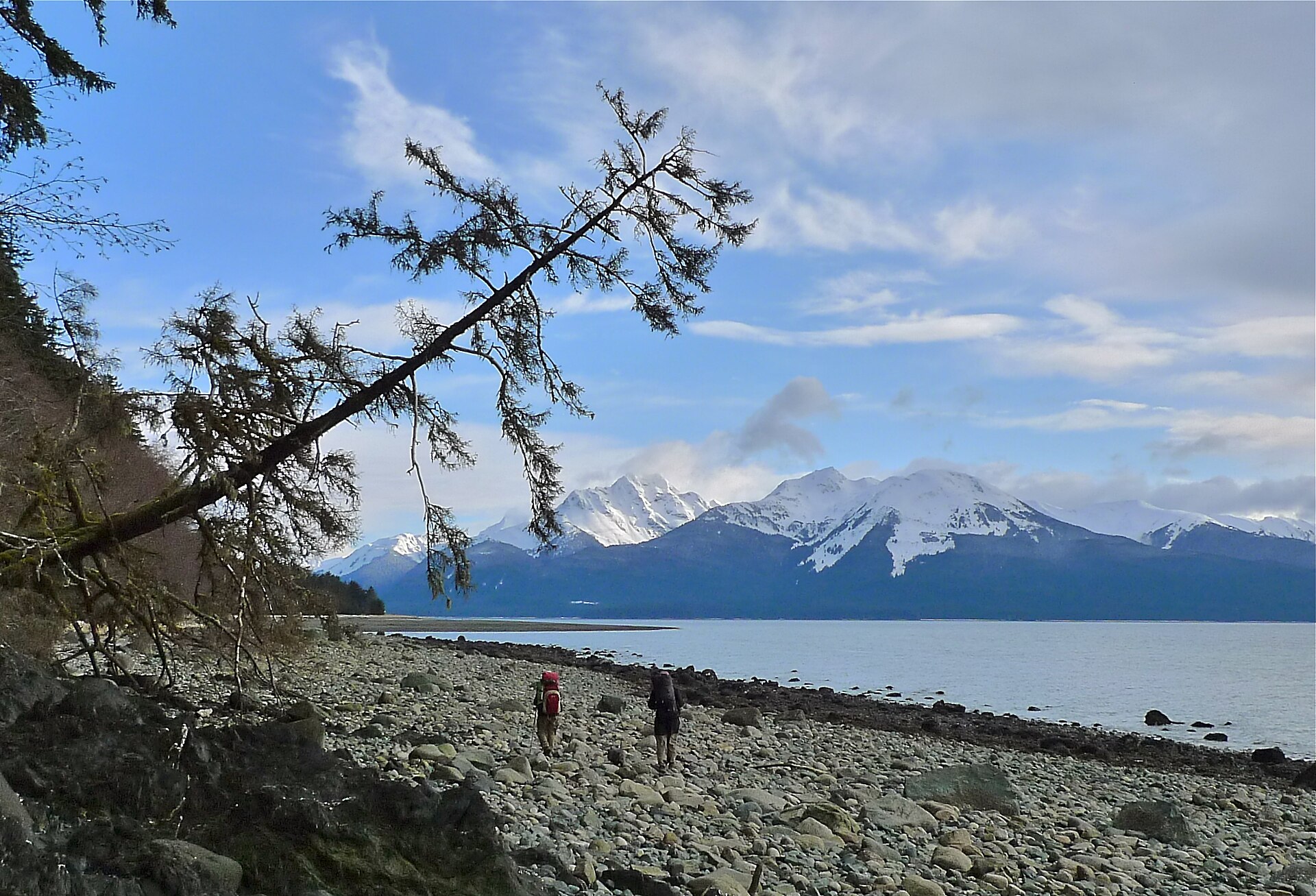
Culture
Admiralty Island is Tlingit country, and the culture of the island starts with that fact. Tlingit society is organised around clans and ties to particular territories, and the island's name, Fortress of the Bear, reflects a long relationship with the animals that live here. In Angoon the community remains central to how the island is looked after, and it was Tlingit campaigning that helped secure the legal protection the island now has. Wood, cedar bark, spruce root and wool have long been the materials of Tlingit art, from carved poles and house fronts to woven hats and ceremonial blankets. Songs, dances and storytelling are tied to clans and carry real weight, so they are not performances put on for tourists. Visitors will meet a second set of customs too, those of the backcountry. Alaska's protected lands ask walkers not to pick flowers or collect natural objects, to take all rubbish out, and never to burn litter in a campfire ring. Those rules matter more on an island with no waste services at all. Stay on marked routes, keep food sealed and a safe distance from bears, and ask permission before photographing people or cultural sites in Angoon.
What to wear
Admiralty Island has no single costume to see, but the Tlingit dress tradition of Southeast Alaska is well known. Chilkat blankets are woven from mountain goat wool and cedar bark, and their bold, flowing designs mark clan identity. Ravenstail weaving is an older, geometric style. Button blankets, made of dark wool trimmed with shell or pearl buttons, are worn at ceremonies and gatherings, alongside woven spruce-root hats and cedar-bark pieces. These are regalia for important occasions, not everyday clothes, and visitors should not expect to see them on an ordinary day. Day to day, people on the island wear what the weather demands: waterproof jackets, fleece, wool, and tall rubber boots, which are practically a regional uniform. Clothing is functional and unflashy. Visitors should plan on the same. Bring a proper waterproof jacket and rain trousers, quick-drying layers, a warm hat and gloves even in summer, and sturdy waterproof boots with good grip for wet ground and slippery shorelines. Cotton is a poor choice in persistent damp. Insect repellent and a head net are worth packing for summer. There is no dress code as such, though a modest, neat outfit is courteous when visiting Angoon or attending any community event.
What to eat
- Wild salmon — Waterfront eateries and shops in Juneau
Salmon is the staple of Southeast Alaska, eaten grilled, smoked or cured, and it has fed Tlingit communities for generations. Look for it fresh at waterfront eateries in Juneau, or smoked and jarred in local shops and community stores. - Halibut — Harbourside restaurants in Juneau
Halibut is a firm white fish, usually served battered and fried with chips or pan-seared. Restaurants close to the shore often get it straight off the boats, so a harbourside eatery in Juneau is a reliable place to order it. - King and Snow crab — Seafood restaurants near the docks
Alaskan crab is sold in steamed legs, cracked and served with butter. It is exported around the world, but eating it near the fishing grounds is a different thing. Try seafood restaurants close to the docks in Southeast Alaska towns. - Spruce tip syrup and fireweed honey — Gift shops and craft markets in Juneau
Two local sweeteners. Spruce tip syrup is made from new growth on Sitka spruce and tastes resinous and citrusy. Fireweed honey is pale and delicate. Both are sold in small jars, ideal for taking home. - Reindeer sausage with eggs — Local diners in Juneau and other towns
A hearty breakfast: smoky reindeer sausage with eggs and hash browns, plus plenty of hot coffee. It is the classic Alaskan morning meal, and portions are large. Almost every small town has a diner serving it.
Plan it
Best time. June to September. Southeast Alaska is a wet temperate rainforest, so rain can come at any time, but summer brings the longest days and the easiest boat and floatplane access. Bears gather at salmon streams in the later part of the season, so check with the Forest Service for the viewing dates.
How long. 3–5
Getting there. Fly to Juneau, which has daily jet service from Seattle on Alaska Airlines. From Juneau, Admiralty Island is reached by floatplane, charter boat or small-boat tour; Angoon, on the west coast, has its own small-plane and ferry links, so check current schedules.
Budget. high
Tips
- Book guides, floatplanes and any bear-viewing permits many weeks ahead, as places are limited
- Pack full waterproofs and an extra dry layer, because rain and cold wind are normal
- Carry cash and any supplies you need, as shops and cards are limited outside Juneau
- Check the Forest Service website for current access rules and bear-safety advice before you go
- Allow slack in the schedule, as fog and wind regularly delay floatplanes and boats
Etiquette
- Keep a safe distance from bears and store food securely
- Take all rubbish out with you and never burn it in a fire ring
- In Angoon, ask before photographing people and respect it as a living community
Nearby
Sources
- Wikidata Q359266 (CC0)
- Wikipedia: Admiralty Island (rev 1374319330) (CC BY-SA 4.0)
- Wikivoyage: Alaska (rev 5434329) (CC BY-SA 4.0)
- Photo: Admiralty Islands (Nick Bonzey) (CC BY-SA 2.0)
- Photo: 2014 Southeast Alaska and British Columbia Mtns gf576 (Gillfoto) (CC BY-SA 4.0)
- Photo: Admiralty 10917539463 (Joseph) (CC BY-SA 2.0)
- Photo: Admiralty 6892823468 (Joseph) (CC BY-SA 2.0)
- Photo: Admiralty in the distance 6656159227 (Joseph) (CC BY-SA 2.0)
- Photo: Admiralty Island 53131546545 (Ben Hohenstatt) (CC BY 2.5)
- Photo: Admiralty Island 6663049077 (Joseph) (CC BY-SA 2.0)
- Photo: Admiralty Island 6994341869 (Joseph) (CC BY-SA 2.0)


Wildlife
- Brown bear (animal)
The brown bear is a big, shaggy bear with a muscly hump on its shoulders, which helps it dig. On Admiralty Island, a roadless rainforest wilderness in Southeast Alaska, bears live in great numbers and fish along the salmon streams. My notes do not say which season or hour is best, so ask your guide when you arrive. Watch from a generous distance, stay quiet and calm, go with someone who knows the streams, and never feed a bear.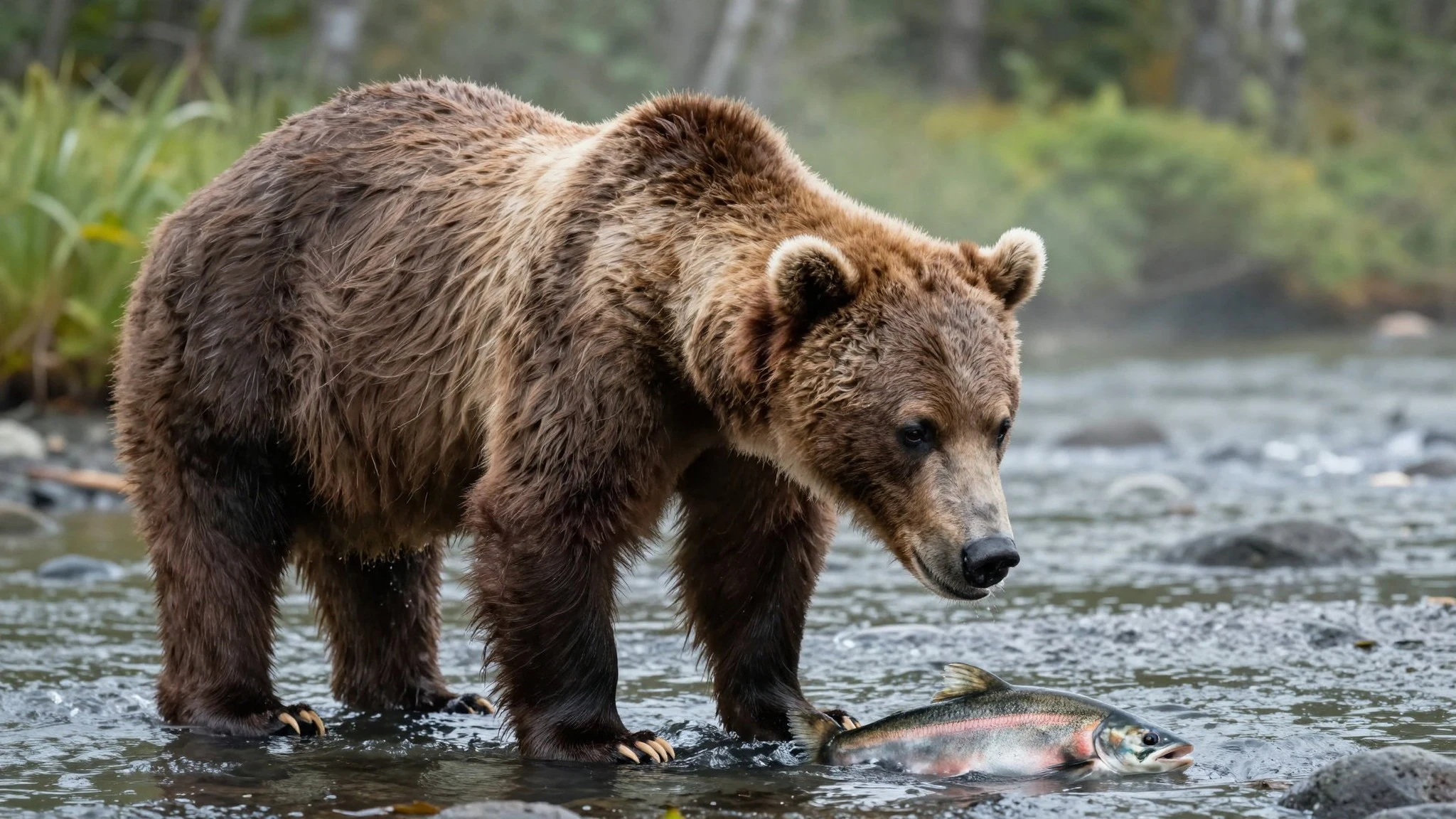
- Bald eagle (animal)
Picture a bald eagle as a huge fishing hawk of the coast: a sea eagle that likes open water, plenty of food and tall old trees for its nest. Admiralty Island counts eagles among its famous wildlife, beside the bears and the deer. The notes give no season or hour, so I will not guess. Enjoy them from a respectful distance, stay quiet, join a guide if you can, and never offer food.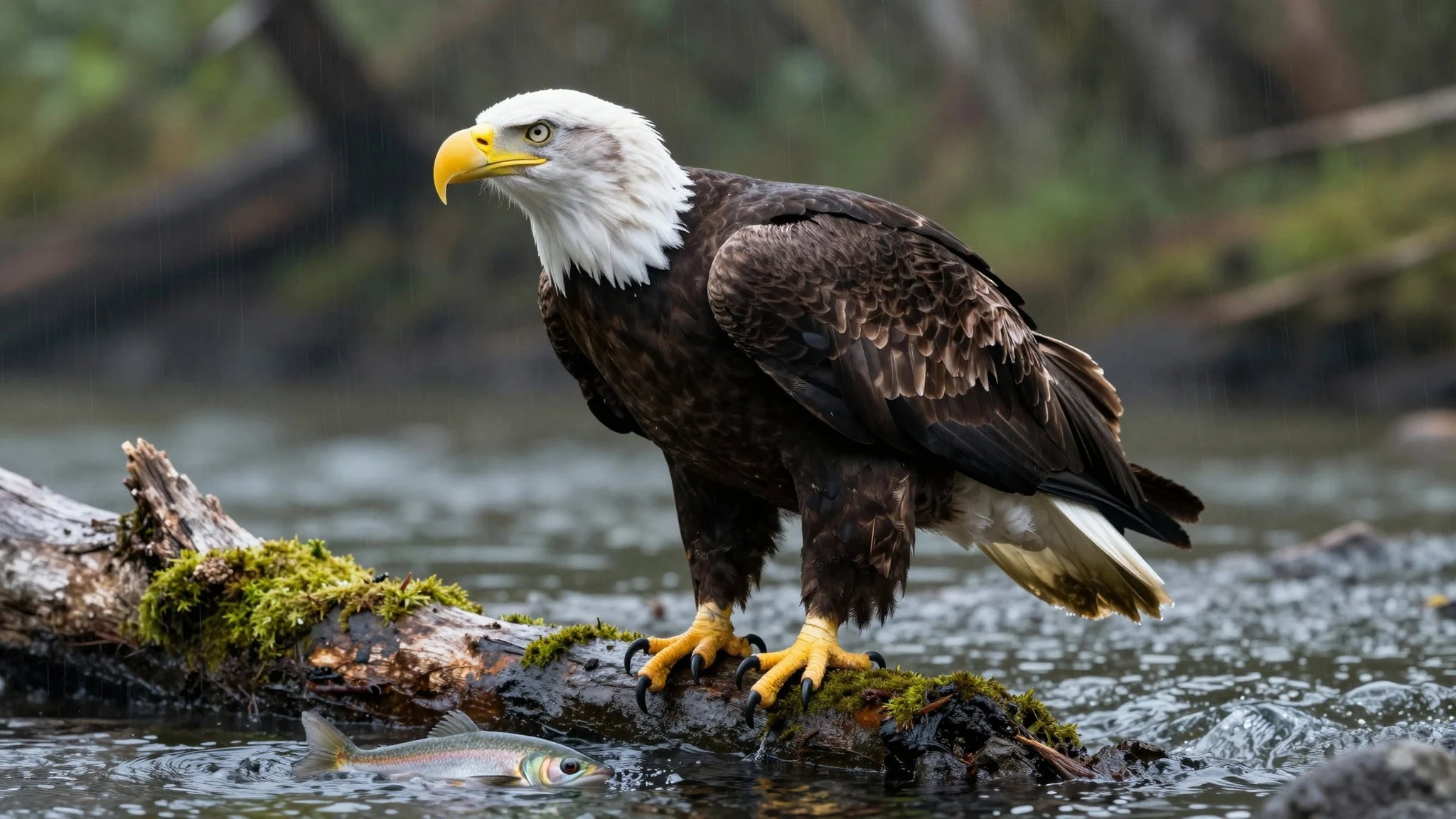
- Bald eagle (bird)
Picture a bald eagle as a huge fishing hawk of the coast: a sea eagle that likes open water, plenty of food and tall old trees for its nest. Admiralty Island counts eagles among its famous wildlife, beside the bears and the deer. The notes give no season or hour, so I will not guess. Enjoy them from a respectful distance, stay quiet, join a guide if you can, and never offer food.