Antelope Canyon
Antelope Canyon, United States
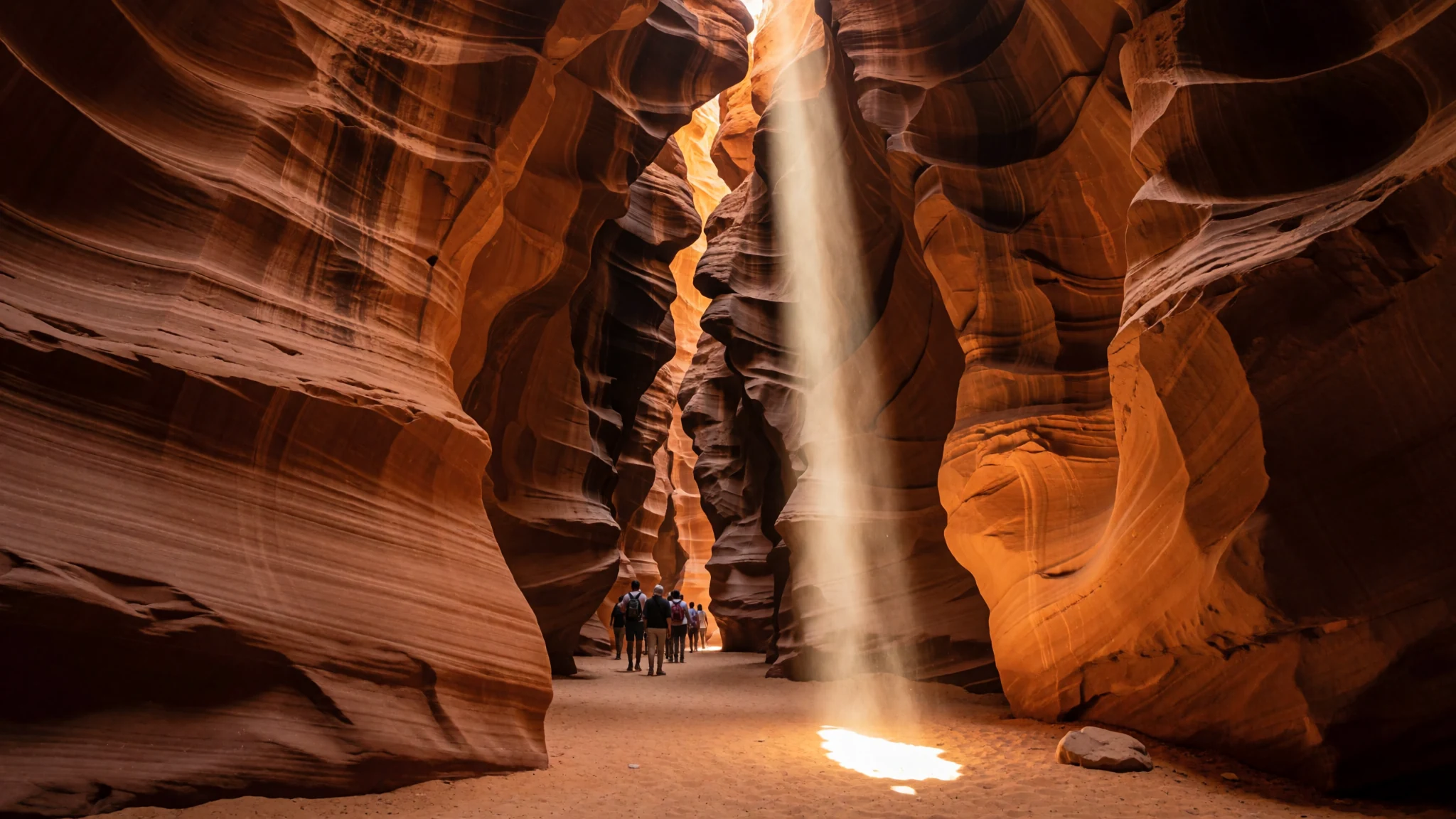
Antelope Canyon offers breathtaking corridors of sculpted sandstone and dramatic light beams carved by water and time on Navajo land.
The place
Antelope Canyon sits on Navajo land east of Lechee in the American Southwest, forming a striking network of slot canyons carved entirely into soft sandstone. Visitors exploring Antelope Canyon encounter subterranean corridors where natural weathering has smoothed the stone into fluid, sculptural waves that seem to ripple silently in the dim, reflected light. The location acts as the primary focal point within a wider tribal park region, drawing travellers eager to witness the remarkable interplay of desert sunlight and deep subterranean geometry. Because these narrow passageways are carved so tightly into the earth, light enters only from the narrow openings high above, creating shifting columns of illumination that change hue throughout the day from deep ochre to fiery amber. Walking through Antelope Canyon reveals a geological marvel shaped by the relentless energy of flash floods that rush through the basin, often triggered by rain falling miles away with little warning. The surrounding landscape features expansive dry terrain and sparse vegetation typical of the high desert plateau, contrasting sharply with the cool, shaded interior of the sandstone cracks. Exploring these corridors requires travelling with authorised guides who understand the nuances of the terrain and the vital weather patterns of the region. The silence inside the canyon walls is profound, broken only by the quiet footsteps of visitors and the occasional whisper of wind overhead. This fragile environment remains a testament to the quiet power of water cutting through millennia of arid earth, creating pathways that continue to captivate travellers from across the globe who make the journey into the Arizona desert.
Its story
Antelope Canyon owes its existence to thousands of years of geological carving driven by torrential rainfall and flash floods sweeping across the arid plateau. Rainwater gathers across the wide upland basins before funnelling rapidly into narrow cracks in the Navajo Sandstone, carrying abrasive grains of sand that act like liquid sandpaper against the rock face. Over immense stretches of time, this gritty torrent scours and deepens the subterranean fissures, smoothing out jagged edges and leaving behind the characteristic swirling contours that define Antelope Canyon today. The local Navajo people have inhabited and stewarded these sacred lands for generations, maintaining a deep cultural and spiritual connection to the dramatic landforms that define their homeland. Traditionally, these slot canyons were viewed with great respect as living geological entities shaped by elemental forces rather than mere tourist attractions. When modern travellers began descending into the shadowy corridors with cameras, the canyon transformed into a global icon of natural photography, celebrated for its complex exposure ranges and ethereal light shafts. Despite the influx of modern tourism, the spiritual resonance of the landscape remains intact, guarded carefully by the Navajo Nation who manage access and protect the delicate ecosystem from degradation. Every flood event continues this ancient cycle of erosion, ensuring that the stone walls of Antelope Canyon remain an ever-evolving sculpture crafted by the raw, untamed elements of the American desert.
What to see
- Upper Antelope Canyon — Navajo Nation, east of Lechee
Upper Antelope Canyon, also known as The Crack, is famous for the dramatic pillars of sunlight that pierce the dim interior during the middle of the day, illuminating falling dust motes and creating glowing amber photographs for visitors.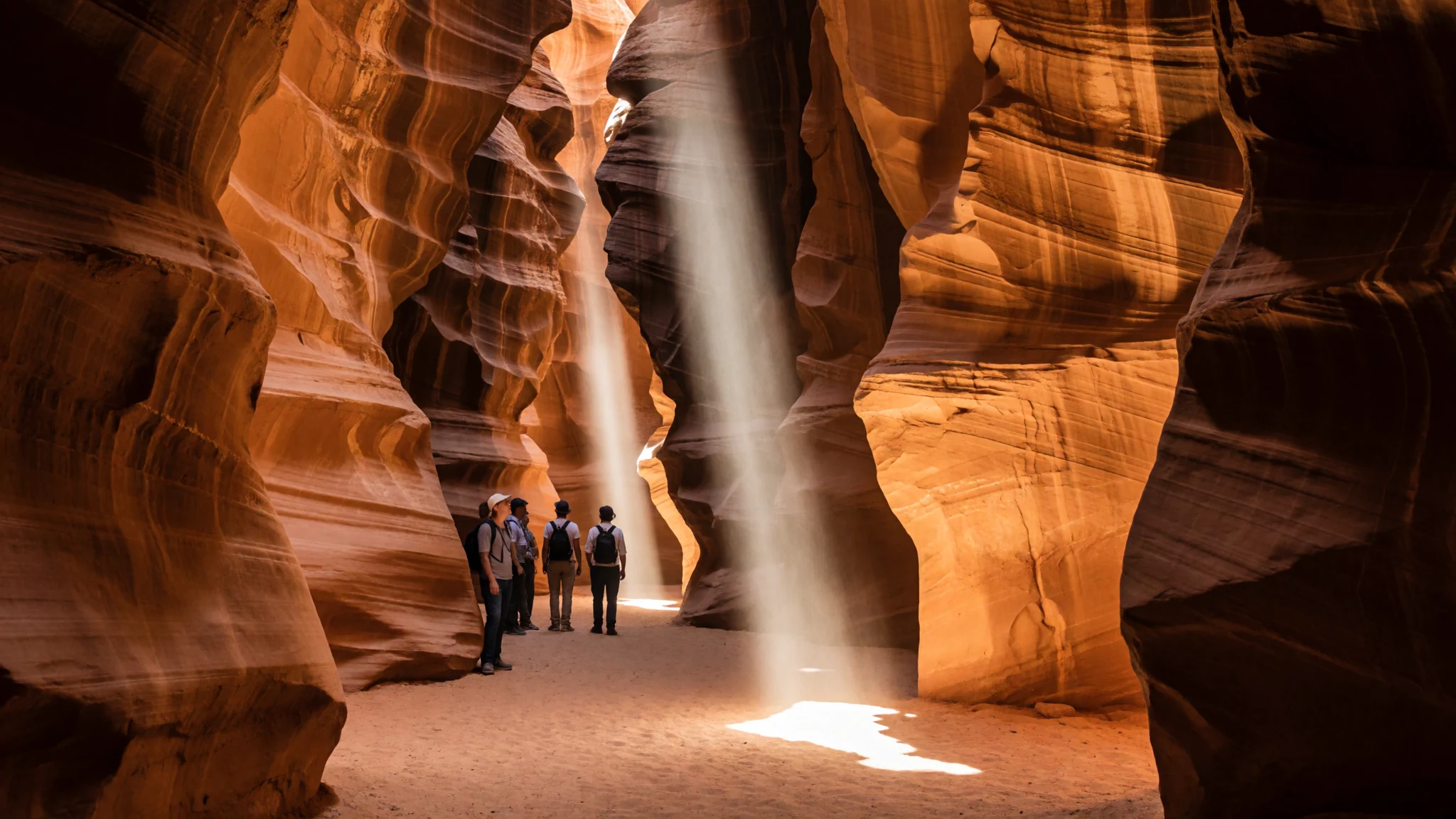
- Lower Antelope Canyon — Navajo Nation, east of Lechee
Lower Antelope Canyon, known locally as The Corkscrew, offers a more rugged and adventurous subterranean trek where visitors descend narrow metal stairways into deeper, narrower fissures requiring careful navigation between towering fluted sandstone walls.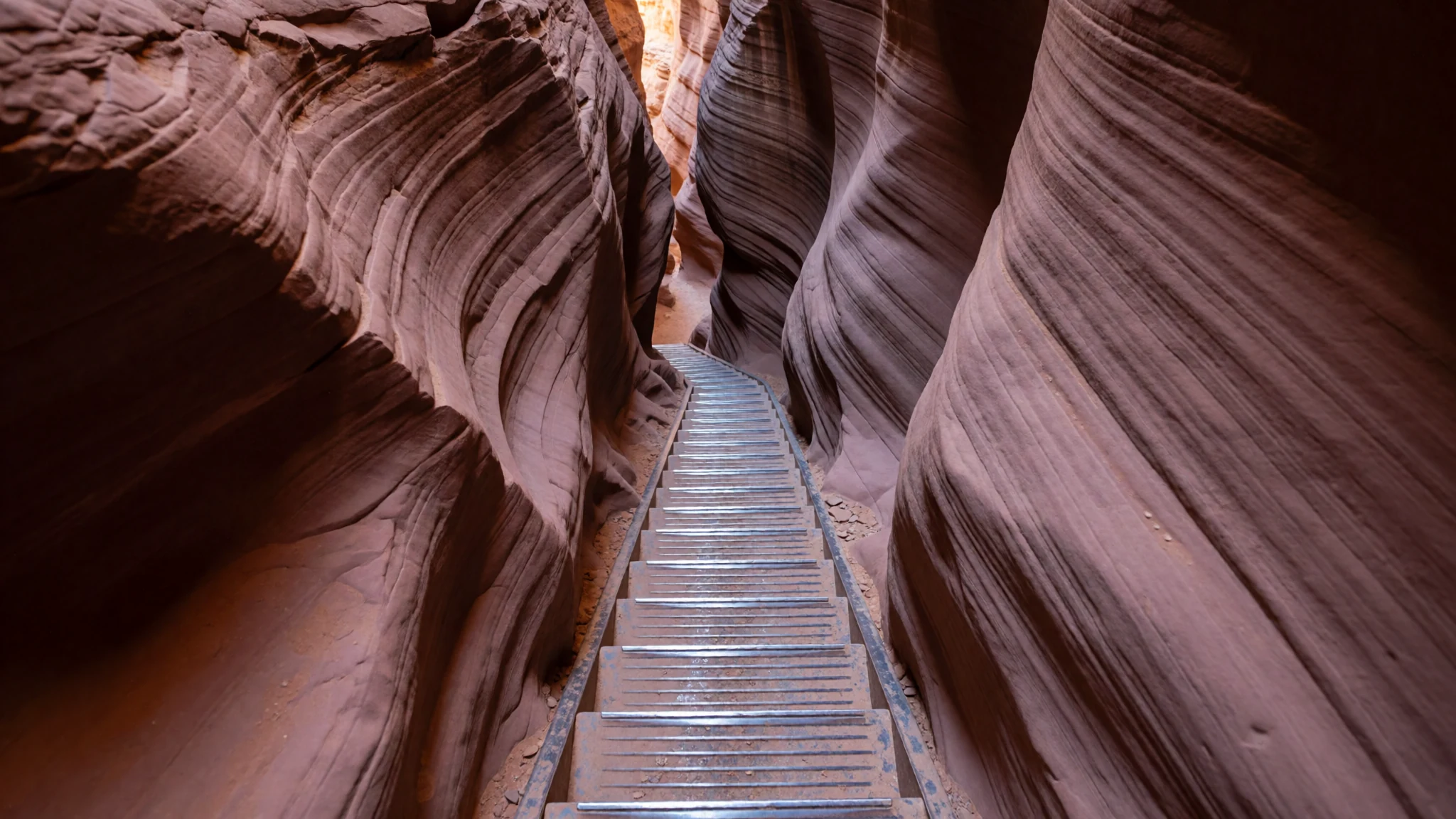
- Canyon X — Navajo Nation, along the southern rim
Canyon X is a quieter, less crowded section of the same slot canyon system, carved deeply into the sandstone plateau and offering photographers an intimate experience of winding corridors with fewer visitors and striking rock formations.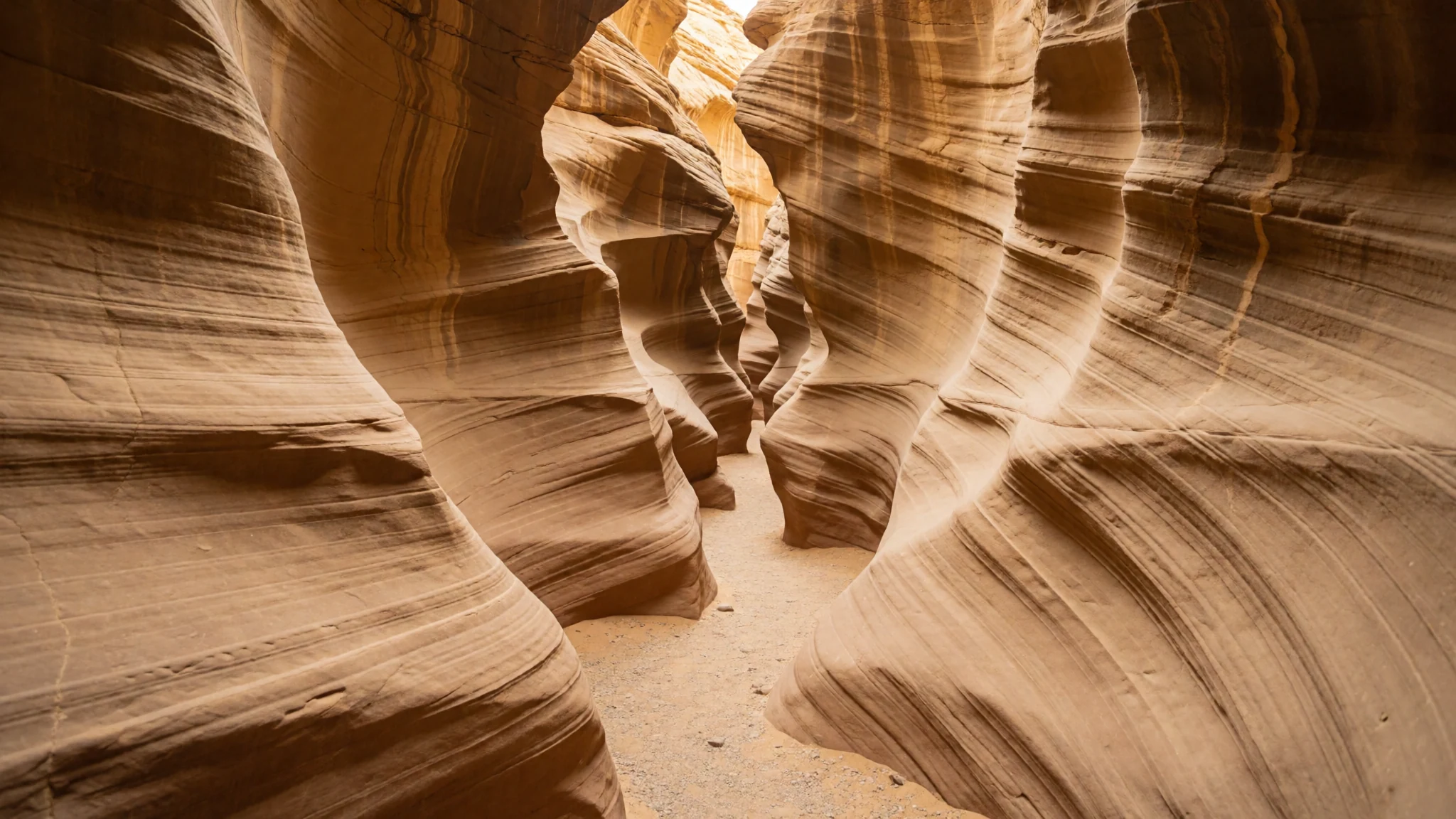
- Lake Powell Navajo Tribal Park — Navajo Nation, northern Arizona border
Lake Powell Navajo Tribal Park encompasses the stunning aquatic boundaries and surrounding red rock country, providing a sweeping recreational area where visitors can witness desert vistas meeting deep blue waters alongside the famous slot canyon network.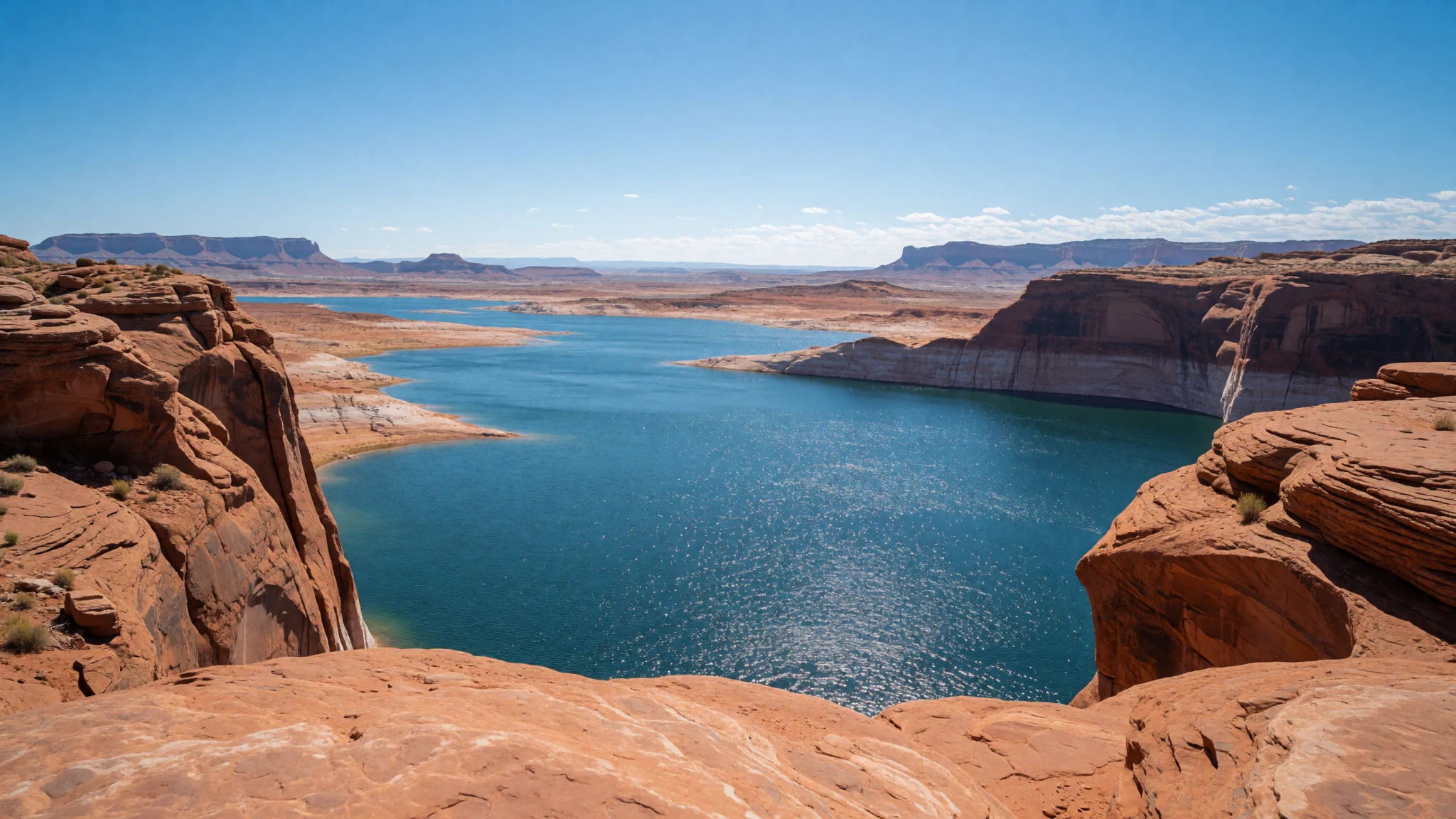
Culture
Antelope Canyon and the surrounding territory are deeply intertwined with the heritage of the Navajo Nation, whose people have lived on and protected these lands for centuries. Visitors to Antelope Canyon will find that local communities maintain strong traditional values alongside conservative social perspectives typical of the wider regional population. Traditional gatherings, basket weaving, and intricate silver and turquoise smithing remain important cultural touchstones, reflecting a deep spiritual bond with the desert environment and its geological wonders. Conversations regarding local governance, land rights, and tribal sovereignty are approached with great respect, as the Navajo Nation exercises full jurisdiction over their sovereign territory. Travellers should always remember that they are guests on indigenous land where natural formations are viewed with cultural reverence rather than treated purely as recreational backdrops. When interacting with local artisans and guides, patience and politeness are deeply appreciated, ensuring meaningful and respectful cross-cultural exchanges. Always ask for permission before photographing local residents or traditional ceremonies during your visit to Antelope Canyon.
What to wear
Antelope Canyon visitors and local residents in the high desert dress primarily for utility and protection against intense climate extremes. Traditional Navajo attire includes woven wool blankets, pleated skirts, velvet blouses adorned with silver squash blossom necklaces, and handcrafted moccasins designed for navigating rocky terrain. In everyday modern life across the region, people wear practical western clothing such as durable denim jeans, cotton shirts, sturdy leather boots, and wide-brimmed hats to block the harsh desert sun. For travellers visiting Antelope Canyon, footwear is paramount; closed-toe walking shoes or hiking boots with good grip are essential for sandy paths and metal stairways inside the slot canyons. Layered clothing is strongly recommended because subterranean canyon temperatures can feel significantly cooler than the blazing desert heat outside. Lightweight, breathable fabrics that cover the shoulders and legs protect against both sunburn and abrasive sandstone walls, while sunglasses and a scarf help guard against occasional gusts of wind-blown desert dust.
What to eat
- Sonoran Burritos — Local roadside food stands and neighbourhood eateries across Arizona
Sonoran burritos feature large, thin flour tortillas stuffed with grilled meats, beans, and mild chillies, representing the classic northern Mexican culinary heritage found widely throughout Arizona eateries and roadside food trucks.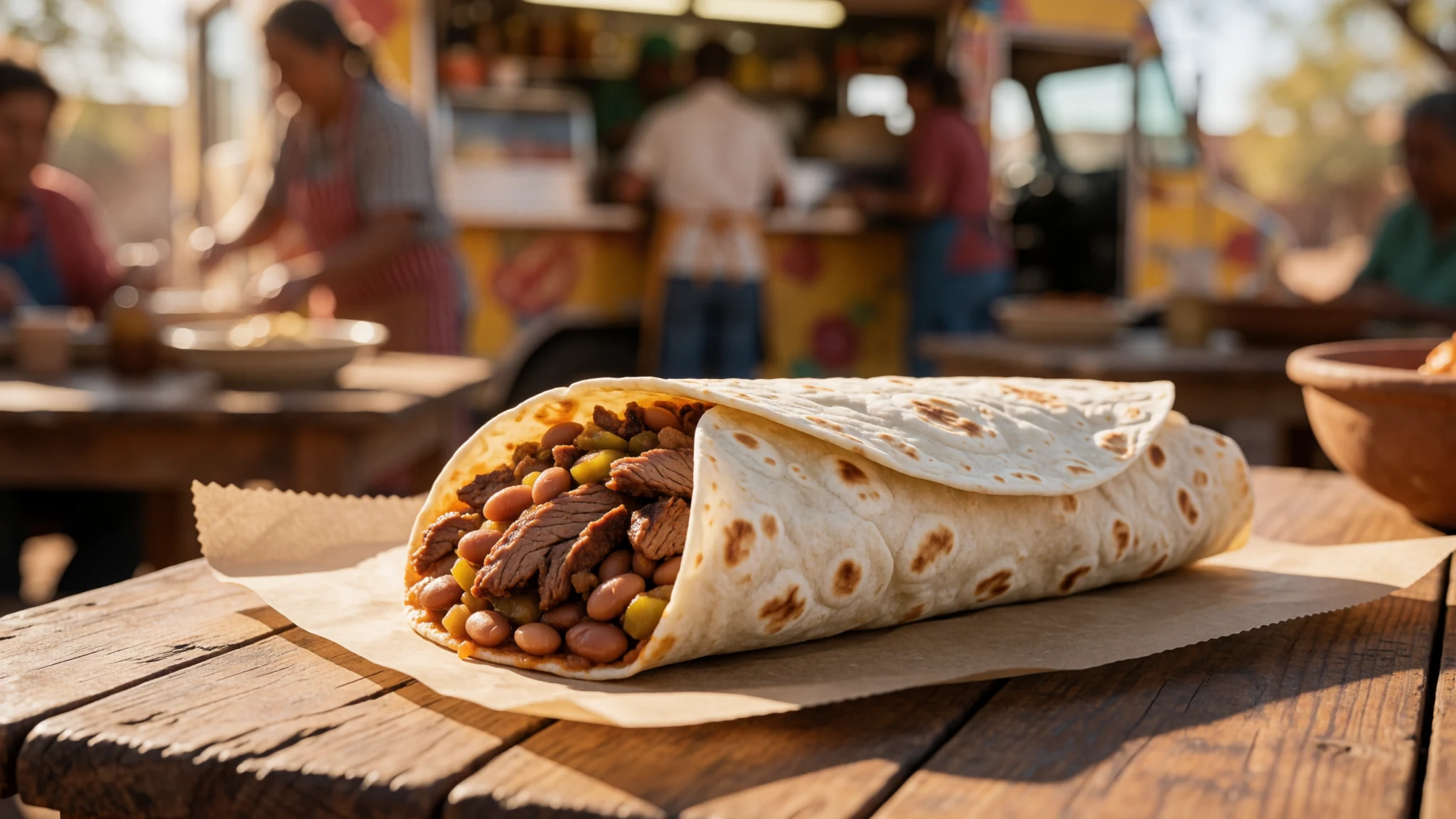
- Chimichangas — Traditional Mexican restaurants throughout the state
Chimichangas are deep-fried burritos originating from the region, loaded with shredded beef or chicken and cheese, then served golden and crisp alongside fresh salsa, guacamole, and sour cream.
- Prickly Pear Cactus Salad — Southwestern specialty restaurants and regional markets
Prickly pear cactus pads are harvested, de-spined, and diced into refreshing salads tossed with tomatoes, onions, and citrus dressing, offering a tart and crunchy taste of local desert flora. - Navajo Fry Bread — Tribal roadside stands and cultural food stalls across Navajo land
Navajo fry bread is a golden, puffy flatbread fried to crisp perfection, often served sweet with honey and powdered sugar or savoury as a hearty taco base topped with beans and meat.
Plan it
Best time. March to April and October to November offer the most pleasant daytime temperatures and ideal lighting conditions for viewing the sunbeams inside Antelope Canyon.
How long. 1–2
Getting there. Fly into Phoenix Sky Harbor International Airport, rent a car, and drive north towards Page, Arizona, which takes approximately four and a half hours.
Budget. mid
Tips
- Book your guided canyon tour several months in advance as visitor slots fill up quickly.
- Arrive early for your scheduled tour slot to allow time for check-in and safety briefings.
- Carry plenty of drinking water, especially during warmer months to prevent dehydration.
- Wear sturdy closed-toe shoes suitable for walking on uneven sandy floors and metal stairs.
Etiquette
- Always ask permission before photographing local Navajo residents or cultural sites.
- Respect all tribal regulations and stay strictly with your authorized tour guide at all times.
Nearby
Sources
- Wikidata Q308926 (CC0)
- Wikipedia (rev 1372151541) (CC BY-SA 4.0)
- Wikivoyage (rev 5400383) (CC BY-SA 4.0)