Aleutian Islands
Aleutian Islands, United States
The Aleutian Islands are a fog-wrapped volcanic chain stretching far across the North Pacific, where Unangax̂ heritage, Russian churches and wartime ruins meet.
The place
The Aleutian Islands are a chain of 14 main volcanic islands and 55 smaller ones, curving west from the Alaska Peninsula towards Kamchatka. Most belong to the US state of Alaska, while the Commander Islands, further west, are Russian. The chain extends for about 1,900 km and has a land area of about 17,666 km², separating the Bering Sea to the north from the open Pacific to the south. With 57 volcanoes, it forms the northern end of the Pacific Ring of Fire, and the recorded high point is 2,857 m. Because the chain crosses longitude 180°, it holds both the westernmost and easternmost points of the United States by longitude, though Attu is the westernmost island in practical terms, with the International Date Line running beyond it. About 8,162 people live here, and Unalaska is the most populated island. The weather is oceanic: cool summers, mild winters, rain in every season and fog that rarely stays away for long. Unalaska averages about 3 °C across the year, roughly −3 °C in January and 14 °C in August. The scenery is steep volcanic cones, green slopes, dark shorelines and a great deal of cloud. The economy rests on fishing and a military presence, and the potato is the only crop. The islands are considered among the most isolated places in the North Pacific. That remoteness is the appeal, and it also means small planes, weather delays and very few services.
Its story
The story of the Aleutian Islands begins with the Unangax̂, whose ancestors reached the chain during the Beringian migrations. Archaeology suggests settlement began in the east and spread west over thousands of years. Sites on Unalaska date to about 9,000 years ago, those on Adak begin around 6,000 years ago, and the far western islands were settled only about 2,500 years ago. Some researchers allow for an even earlier arrival, since retreating glaciers uncovered the coast along the Alaska Peninsula. Archaeologists divide the long record into phases, from Anangula through to the Late Aleutian period, and the last three together are called the Aleutian tradition. The people built boats good enough for long journeys and trade, and made tools from stone, driftwood and animal materials for fishing and for hunting sea mammals. Their culture was tied closely to the sea. Later centuries brought the Russian America period, whose legacy survives in the Orthodox churches of the islands, among them the Church of the Holy Ascension in Unalaska, built in 1825. In the twentieth century the chain became a battlefield, as the Aleutian Islands campaign of the Second World War saw skirmishes and battles on remote, fog-bound shores. Fishing and a military presence now drive the local economy, and the museum in Unalaska tells the whole sweep of this story, from prehistory to the present day.
What to see
- Museum of the Aleutians — Unalaska
The Museum of the Aleutians in Unalaska follows the island story from prehistory through the Russian period and the Second World War to the present. It is known for its Aleut grass baskets, and many visitors find the exhibit on the region's mummy caves the most absorbing. Check the museum's official site for opening times.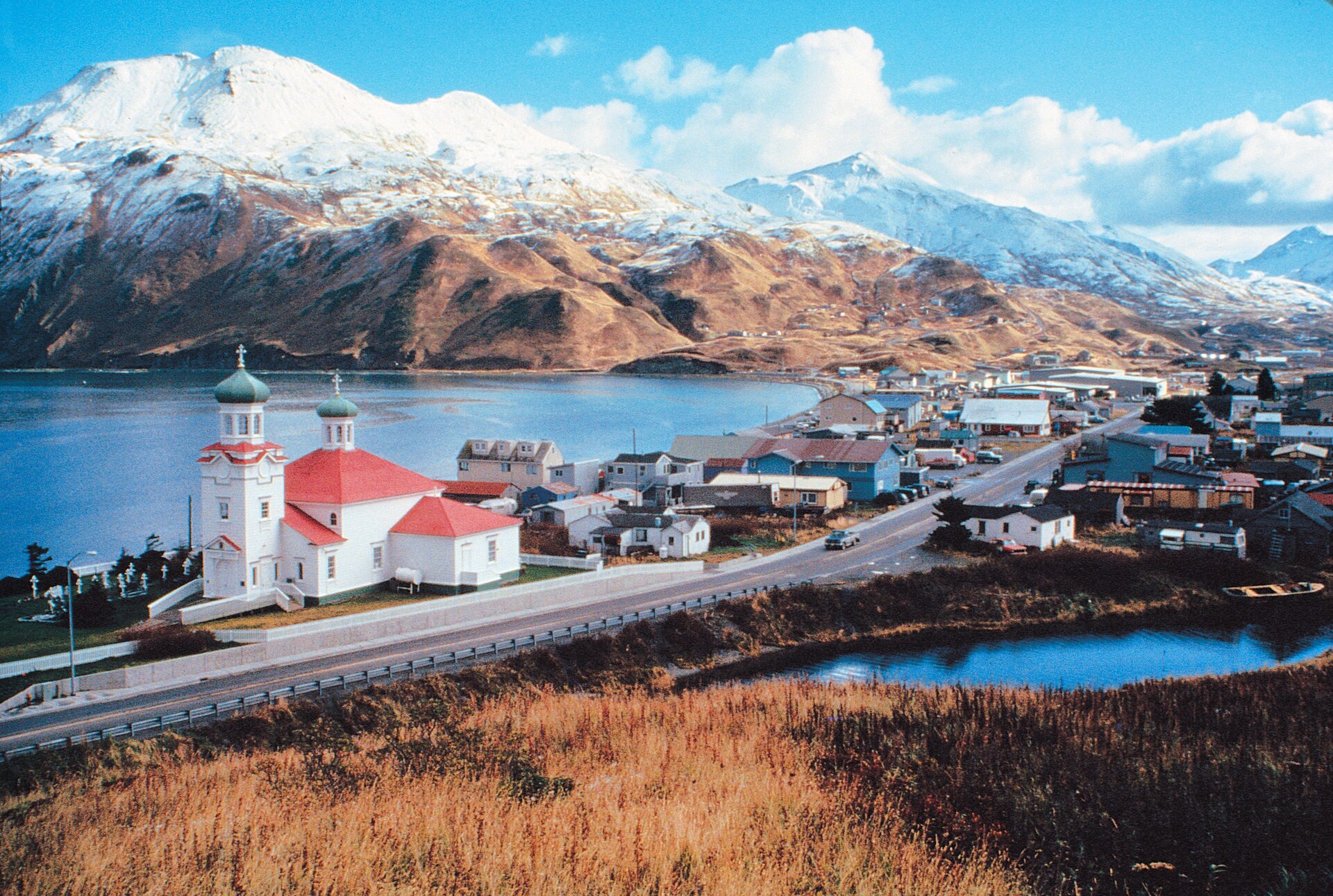
- Church of the Holy Ascension — Unalaska
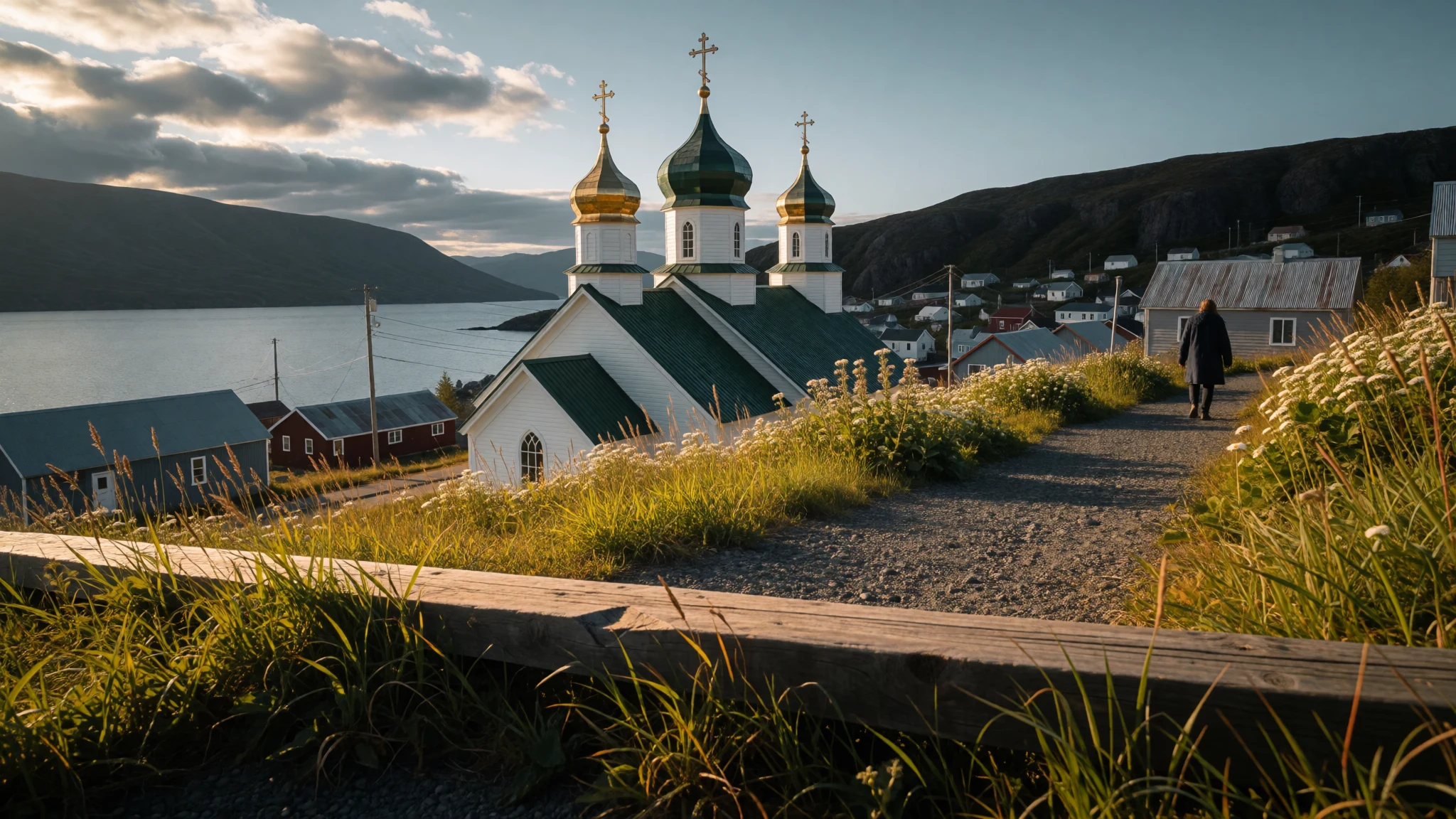
The Church of the Holy Ascension dominates Unalaska, its onion domes rising above the bay on Broadway. Built in 1825 and enlarged in 1894, it holds icons, books and a large collection of nineteenth-century paintings. A small graveyard outside includes the marker of Bishop Nicholas Zass, and the Bishop's House stands next door. - Kuluk Bay, Adak — Adak
Kuluk Bay lies off Adak in the central islands, where Unangax̂ settlement reaches back thousands of years and later military use left its own marks. The bay is wide, grey-blue and often ringed by low cloud, a good place to feel the scale of the chain. Reaching Adak means a scheduled flight from Anchorage or Cold Bay.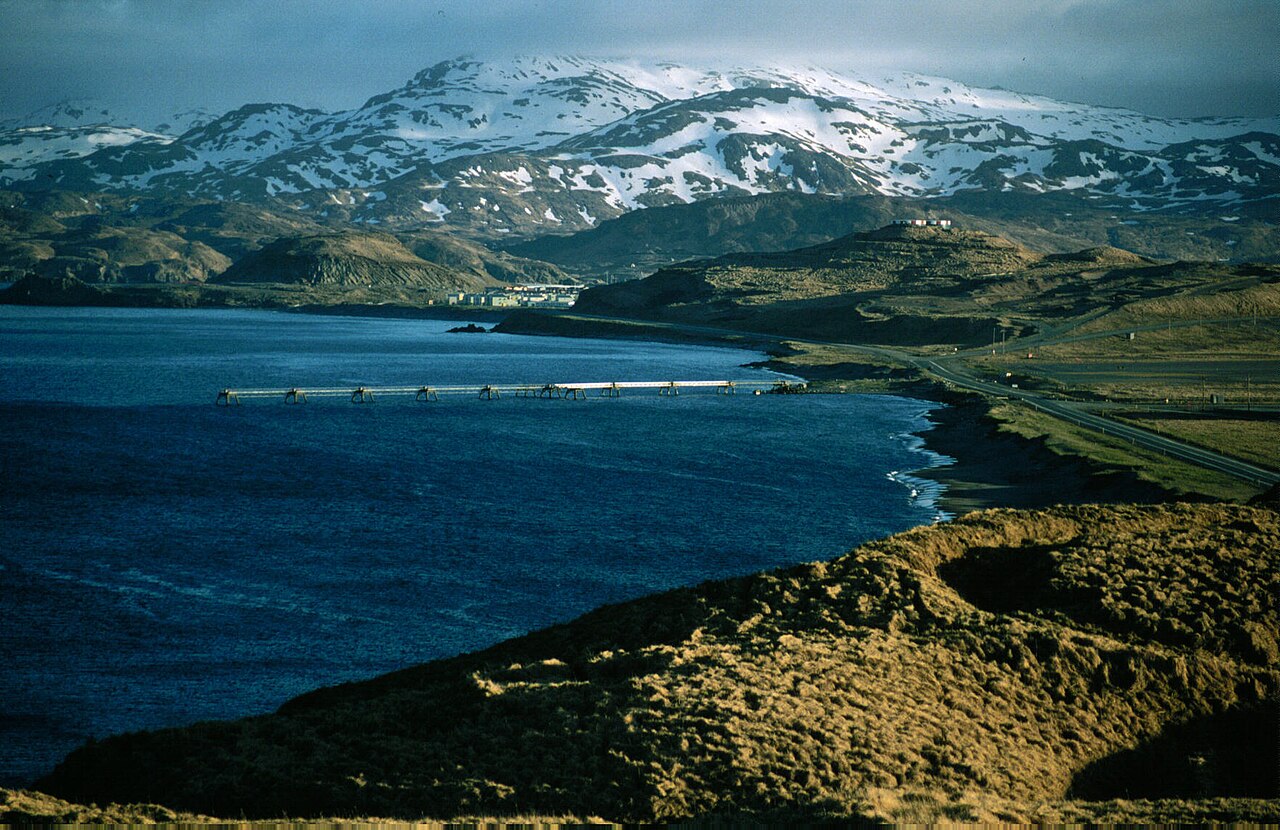
- Islands of the Four Mountains — Central Aleutians
The Islands of the Four Mountains are a cluster of snow-capped volcanic cones in the central chain, best known from satellite and aerial pictures. Landing is unrealistic for most visitors, so they are something to see from a flight window or a chartered boat in clear weather, which is rare. They are a reminder that the chain is a live volcanic arc.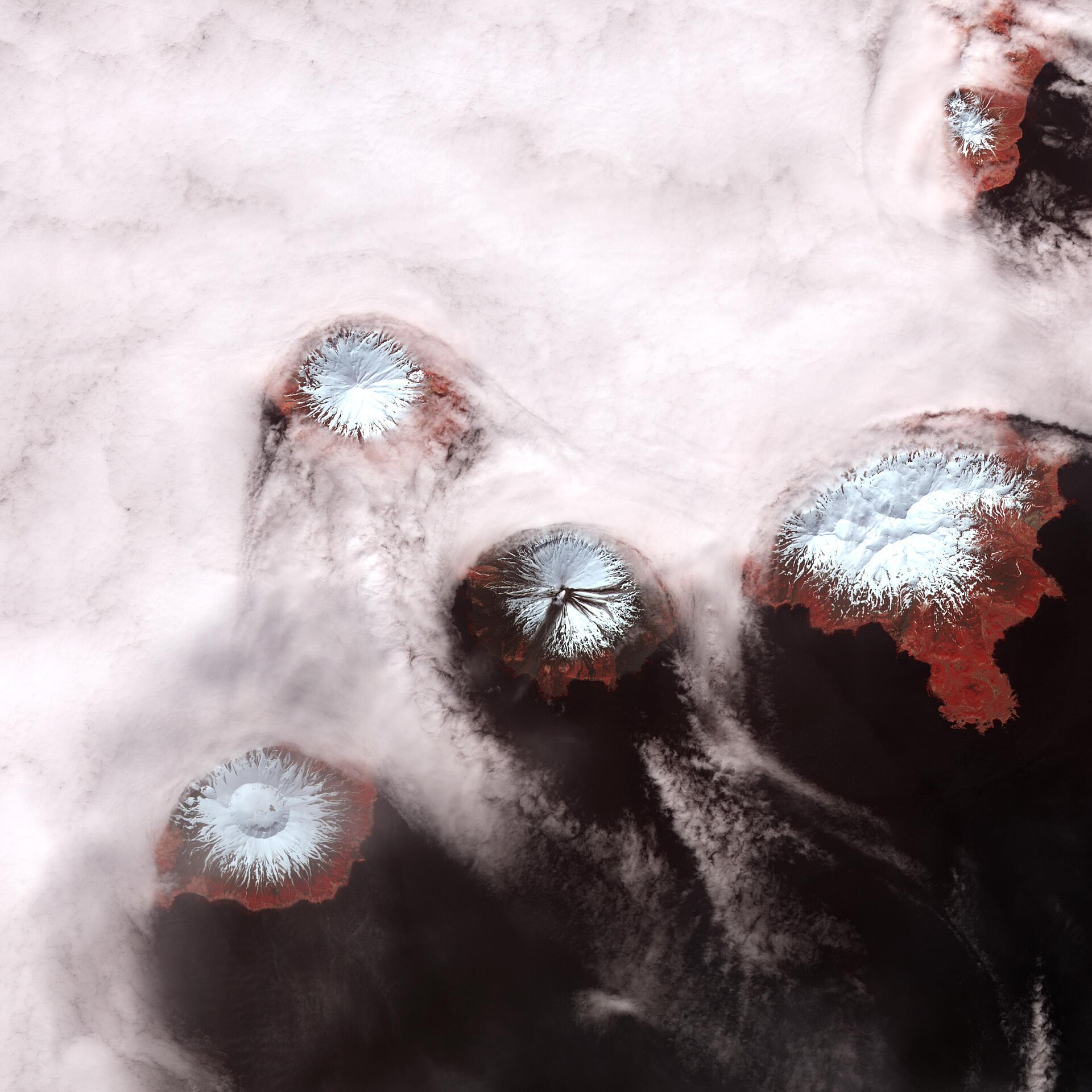
- Unimak Island waters — Eastern Aleutians
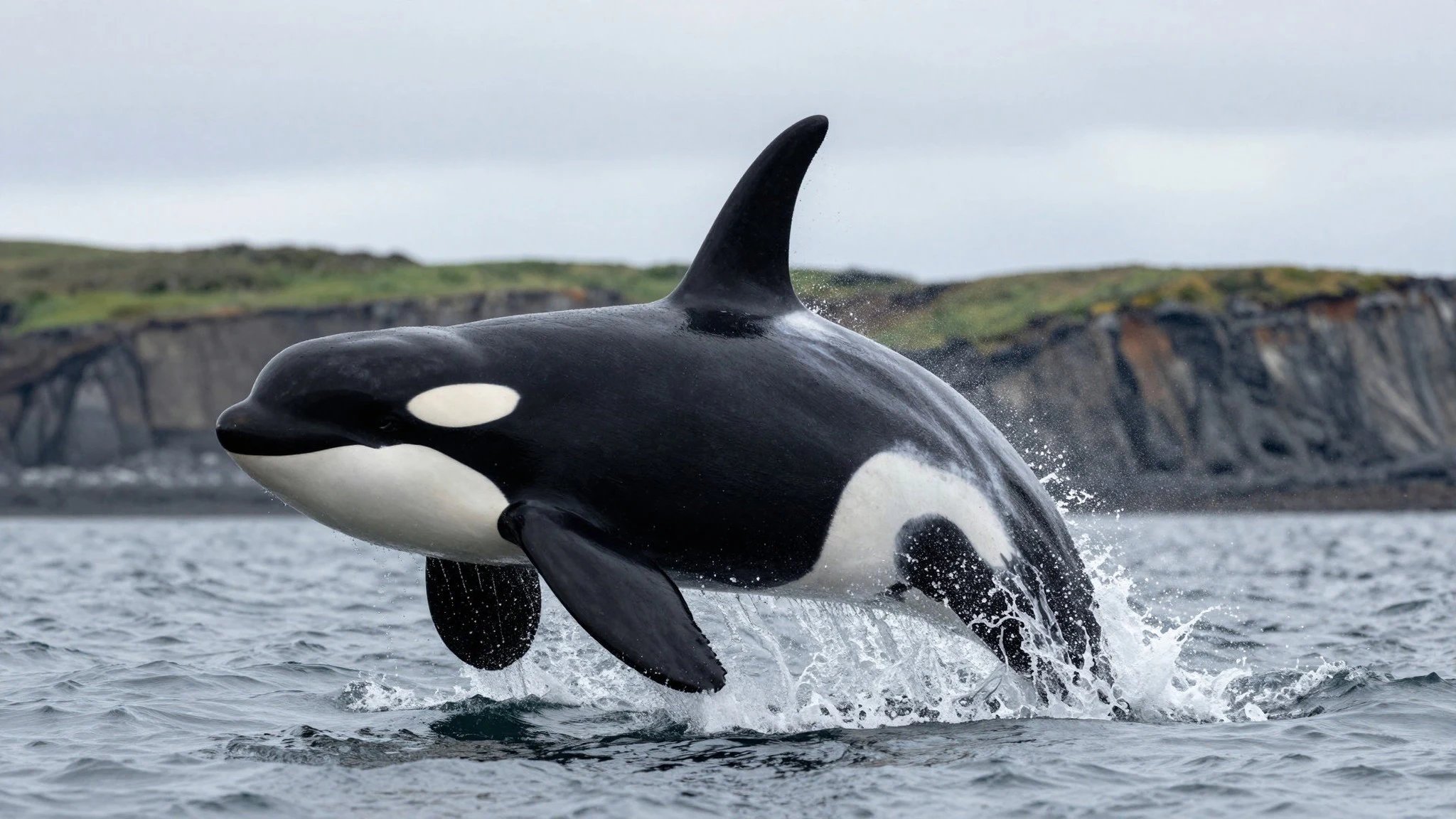
Unimak Island sits at the eastern end of the chain, and its southern waters are where killer whales have been photographed breaching. Wildlife watching here depends on weather, sea state and local operators, so ask locally rather than assuming a regular tour. Binoculars and patience are worth more than a fixed plan.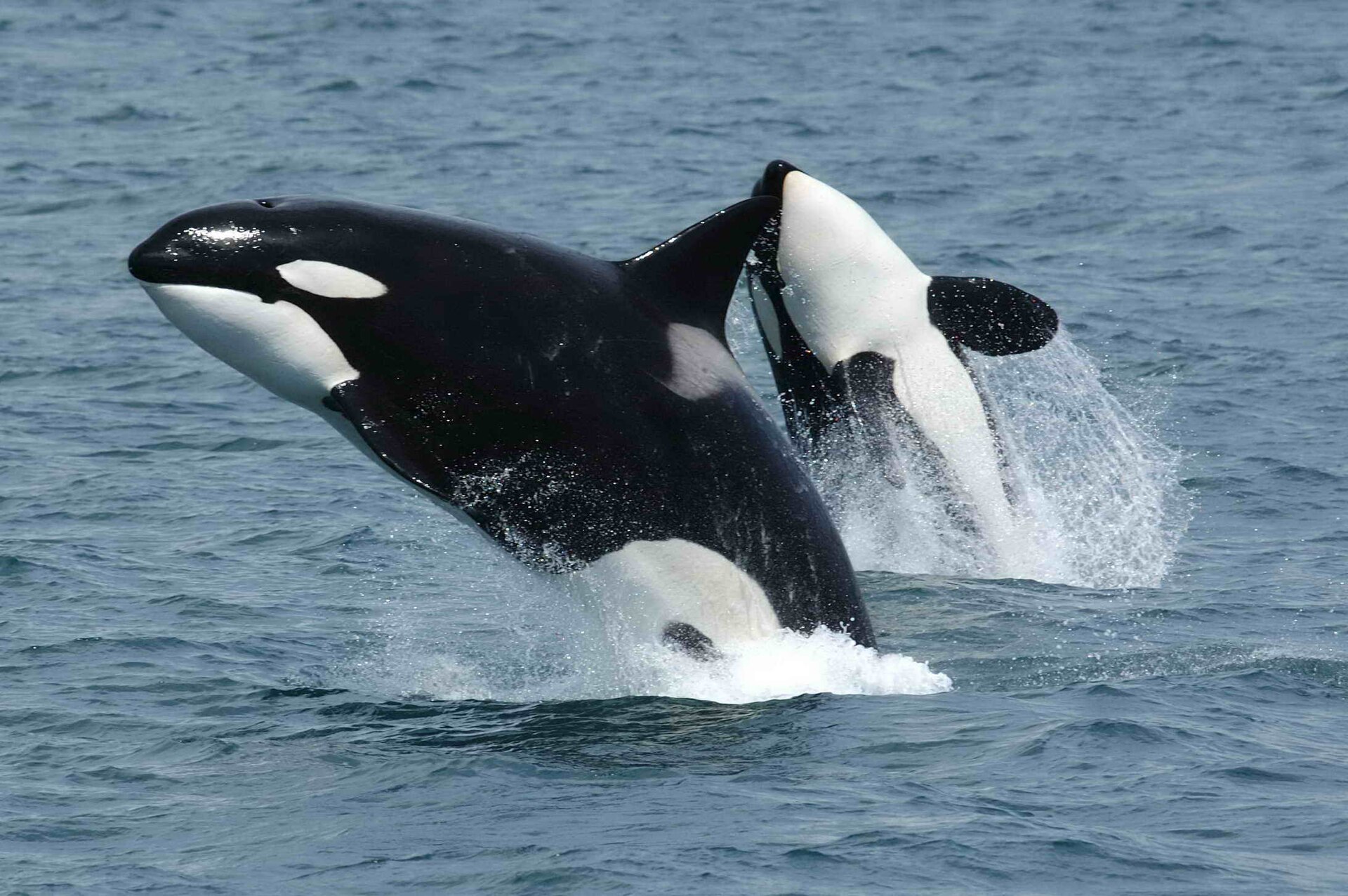
Culture
Aleutian Islands culture starts with the Unangax̂, the Aleut people, whose long relationship with the sea shaped their boats, tools, clothing and trade across the chain. Their language and traditions continue today through families, museum work and community events, so visitors meet living culture rather than relics. Russian rule added a second layer. Orthodox churches, icons, saints' days and surnames still mark many communities, and the Church of the Holy Ascension in Unalaska is the clearest example. A third layer is the Second World War, when the Aleutian Islands campaign brought soldiers, bunkers and airfields to remote shores, and the memory of a front line most of the world overlooked is still part of local identity. Day to day, life revolves around fishing, with boats, processing plants and weather forecasts setting the rhythm. Communities are small, so people tend to know one another, and conversations in shops and cafés are friendly and unhurried. Flights are cancelled for fog and wind as a matter of routine, and locals treat that as normal rather than an emergency. Visitors who bring patience and curiosity are usually welcomed warmly. Graves, mummy caves and old village sites are treated with real seriousness, and the islands' heritage is not a theme park. Ask permission before photographing residents or entering a working church, and keep well away from burial grounds and archaeological sites.
What to wear
Aleutian Islands traditional dress comes from the Unangax̂, who made parkas and waterproof outer layers from what the sea and shore provided, including sea mammal gut, bird skins and furs, and who are known for fine grass weaving, seen in the museum's baskets. These garments are now mostly seen in museums, at dance and heritage gatherings and in the work of living artists, rather than as everyday wear. Day to day, people on the islands dress for the weather: rubber boots, waterproof jackets and trousers, fleece, wool hats and sturdy gloves, with fishing-industry work gear everywhere near the harbour. Style is practical and a little muted, and bright oilskin colours are more common than fashion statements. Visitors should do the same. Pack a proper waterproof shell and rain trousers, warm layers that still work when damp, a hat, gloves and waterproof boots with good grip for wet slopes and rough shorelines. Summer is cool, with Unalaska averaging about 11 °C in August, so shorts are rarely sensible, and a windproof hood matters more than a sun hat. For the Orthodox church in Unalaska, dress modestly with covered shoulders and knees, and ask on arrival whether a headscarf is expected.
What to eat
- Smoked or dried salmon — Fish shops and community gatherings in Unalaska
Salmon, smoked or dried, is the everyday fish of the chain, eaten in strips, in sandwiches or beside rice. Fishing drives the local economy, so it is usually local and among the freshest food on offer. - Halibut — Cafés and eateries near the harbour in Unalaska
Halibut is usually baked or fried in batter and served with chips or potatoes. The flesh is white, firm and mild, and a plate of it is a reliable, filling meal after a cold, wet day outdoors. - Bering Sea crab — Harbour-side eateries in Unalaska
Steamed crab legs with melted butter are the showpiece dish of the fishing towns, because crab is part of the working life of these harbours. Portions are generous and messy, and the dish is best shared. - Salmon pirok — Church and community events, home kitchens; ask locally
Pirok is a baked pie, and the salmon version reflects the Russian legacy on the islands. Fillings and pastry vary from kitchen to kitchen, and it is the sort of dish that appears at church and family occasions. - Island potatoes — Eateries and grocers in Unalaska
The potato is the one crop grown in the chain, so it turns up roasted, mashed or fried beside fish in most places that serve a hot meal. Expect simple cooking: plain, hearty and well suited to the climate.
Plan it
Best time. June to September, when summers are cool but the warmest; Unalaska averages about 11 °C in August. Rain and fog come in every season, and winters hover around −1 °C with the Aleutian Low bringing storms, so no month is truly dry.
How long. 3–5
Getting there. Scheduled flights serve Unalaska Airport and Adak Airport, with Adak reached from Anchorage and Cold Bay. Beyond those hubs, travel is by small plane, local boat or charter, so check the official airline and airport sites for current schedules.
Budget. high
Tips
- Build slack into every itinerary, because fog and wind often delay or cancel flights
- Book flights and accommodation early, as services are limited
- Pack waterproofs and spare dry layers, and expect cloud to hide the volcanoes on many days
- Carry a card and some cash, and bring any medicines you need, since shops and clinics are small
- Ask locally before visiting remote sites, as weather and access change quickly
Etiquette
- Ask before photographing residents or entering a working church
- Stay out of graves, mummy caves and archaeological sites
- Do not remove artefacts, bones or driftwood from historic sites
Nearby
Sources
- Wikidata Q119285 (CC0)
- Wikipedia: Aleutian Islands (rev 1386868861) (CC BY-SA 4.0)
- Wikivoyage: Aleutian Islands (rev 5140497) (CC BY-SA 4.0)
- Aleutian Islands from MODIS, NASA image courtesy Jeff Schmaltz (Public domain)
- View of downtown Unalaska, Wanetta Ayers (Public domain)
- Aleutian Islands from space, NASA (Public domain)
- Aleutian Clouds, NASA (Public domain)
- Alaska's Aleutian Island (ASTER), NASA (Public domain)
- Kuluk Bay, Adak, Alaska, Michael Gordon (CC BY 3.0)
- Cape Promontory, Cape Lutkes, U.S. Fish and Wildlife Service (Public domain)
- Killer whales off Unimak Island, Robert Pittman (Public domain)


Wildlife
- Killer whale (animal)
The killer whale, or orca, is the biggest dolphin of all, a toothed whale dressed in black on top and white underneath, with a white patch by each eye. In the Aleutians, look to the southern waters off Unimak Island, at the chain's eastern end, where killer whales have been photographed breaching. Keep a respectful distance, stay quiet, and go with a local guide if you can. Never feed them; simply let them carry on.