Banff
Banff, Canada
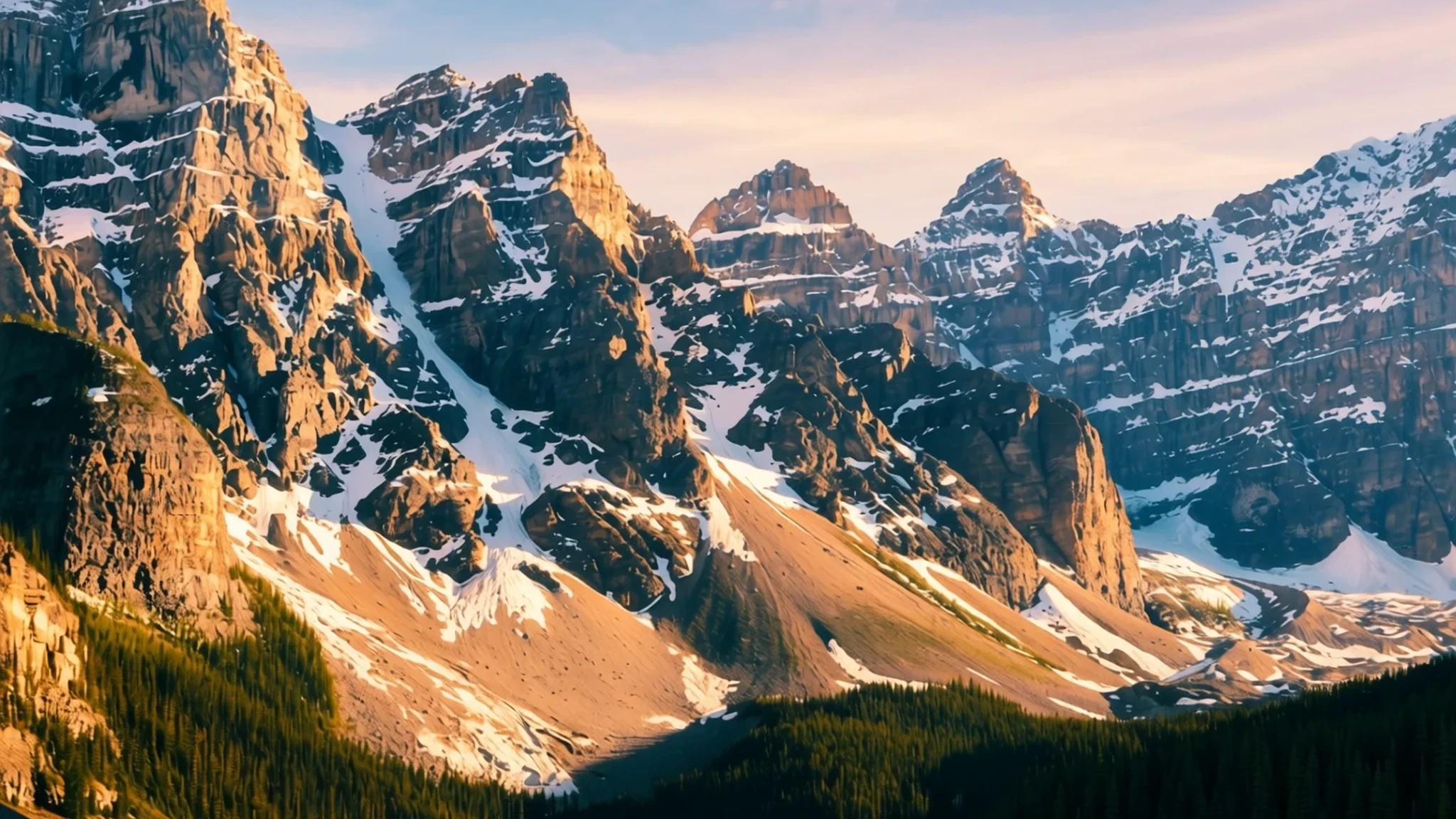
Visit Banff for Canada's oldest national park, where ancient glaciers carve turquoise lakes beneath towering limestone peaks.
The place
Banff occupies a vast expanse of protected wilderness along the spine of the Canadian Rocky Mountains in Alberta. Established as the nation's inaugural federal park, the protected zone encompasses thousands of square kilometres of dramatic topography, where dense evergreen woodlands give way to jagged crests, ice fields, and high-altitude alpine basins. Valleys are forged by ancient river systems, most notably the Bow River, which threads past the main commercial hub of the park. This settlement acts as the primary base for travellers entering the region, providing hotels, outfitters, and eating spots framed by prominent local summits.
The geological framework of the park was shaped by immense tectonic pressures millions of years ago, which thrust older strata over younger rock layers. Subsequent glacial cycles sculpted deep amphitheatre-like valleys and left behind ribbon lakes fed by flour-rich meltwater, which gives the water bodies their distinct opaque blue hue. The park transitions through distinct ecological zones, ranging from lower montane woods dominated by lodgepole pine to subalpine spruce forests, and finally barren alpine rock above the tree line. Wildlife thrives across these habitats, with large mammals such as grizzly bears, elk, bighorn sheep, and wolves roaming the rugged terrain. Weather patterns are defined by high altitude and continental influences, bringing heavy winter snowfalls and mild, crisp summers that draw hikers and naturalists from across the globe.
Its story
Long before European surveyors mapped the rugged terrain of Banff, Indigenous peoples moved through these high valleys in rhythm with the seasons. Archaeological digs near the Vermilion Lakes reveal that human presence in the region extends back thousands of years. Nations such as the Stoney Nakoda, Ktunaxa, and Plains Cree traversed the passes to hunt, fish, trade, and gather medicinal plants. Thermal features like the Cave and Basin hot springs held deep cultural and spiritual significance for these communities, who used the mineral waters for healing and ceremony.
The nineteenth century brought fur traders and explorers seeking passages through the continental divide. Explorers and surveyors charted the river valleys, paving the way for the transcontinental railway. When railway workers stumbled upon the natural thermal springs on the eastern slopes of Sulphur Mountain, a dispute over commercial rights prompted the federal government to set aside the core thermal area as a public reserve in the late nineteenth century. This initial protection gradually expanded into a sweeping mountain park that fundamentally changed how Canadians perceived and managed their wilderness. Throughout its modern history, the park has balanced the pressures of mass tourism and railway expansion with the vital task of ecological preservation, while striving to restore deeper ties with the Indigenous nations whose ancestral lands encompass these peaks.
What to see
- Lake Louise — Lake Louise basin
Lake Louise is a legendary glacial lake framed by massive hanging glaciers and rugged peaks. Visitors can walk the shoreline trails, rent a canoe during the summer months, or admire the dramatic alpine scenery from the historic lakeside hotel grounds.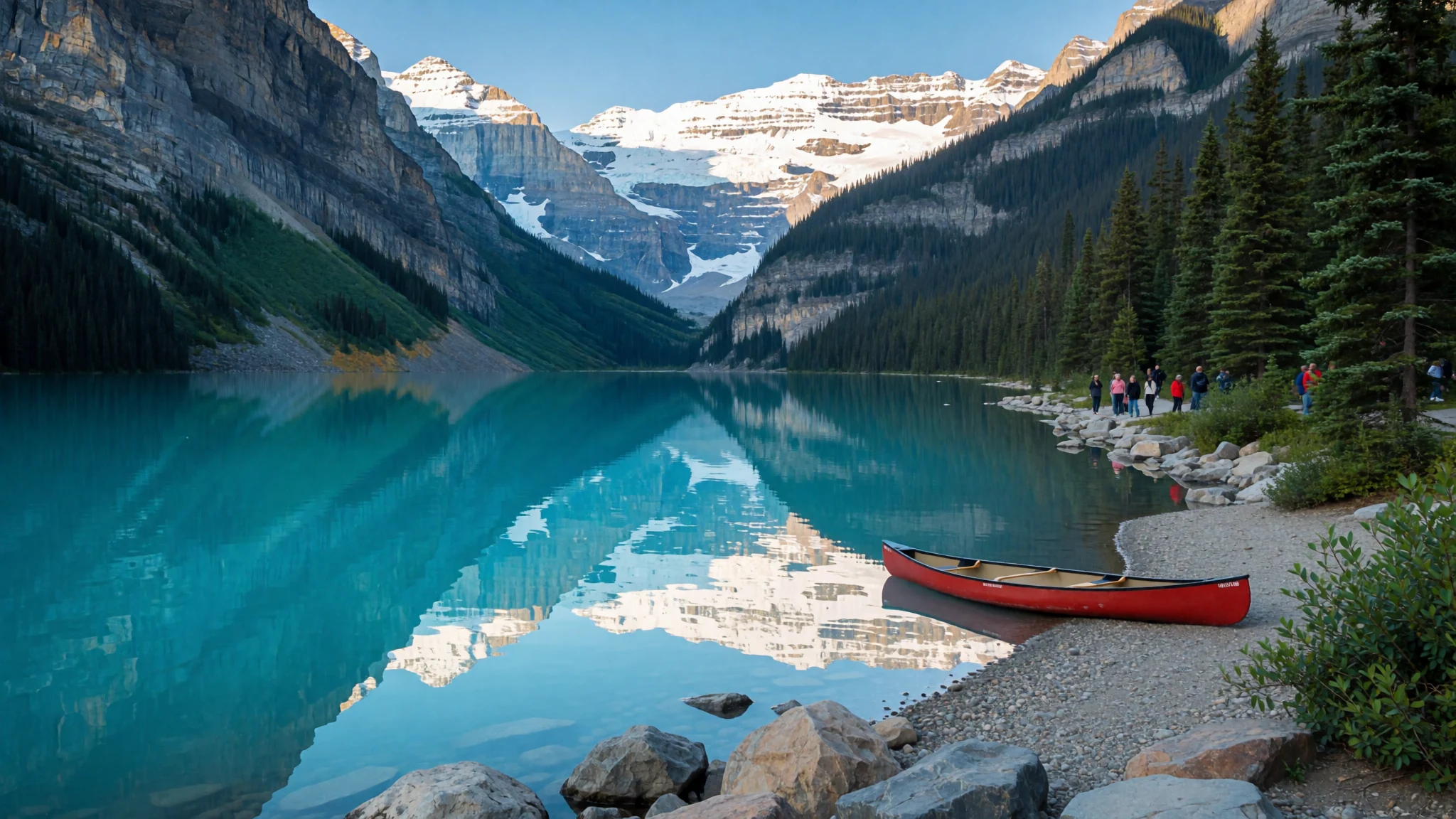
- Moraine Lake — Valley of the Ten Peaks
Moraine Lake is celebrated for its striking, iridescent blue waters fed by glacial rock flour, set against the towering Valley of the Ten Peaks. Because vehicle parking is strictly controlled, travellers typically reach the shoreline via commercial shuttle services.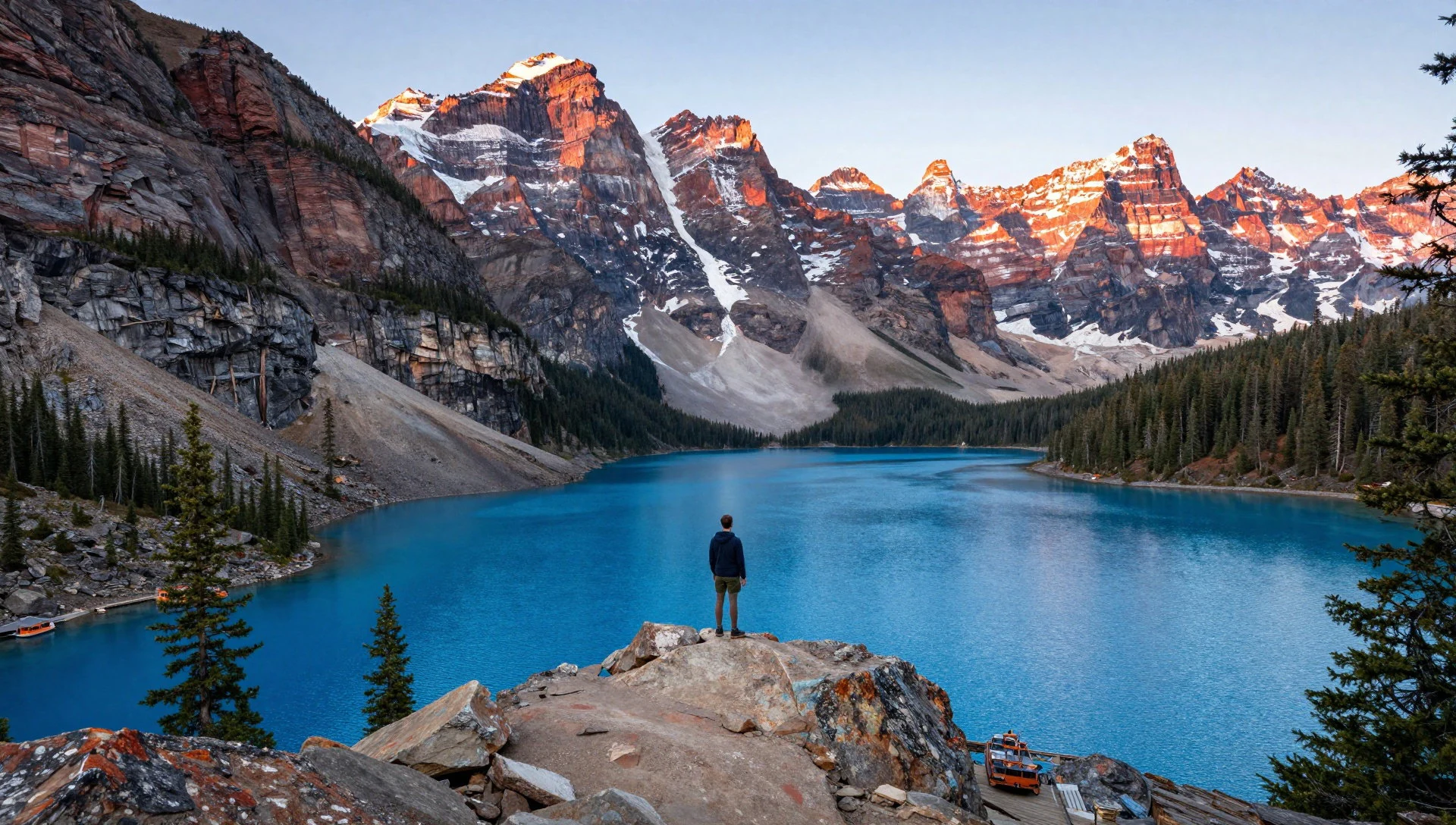
- Johnston Canyon — Bow Valley Parkway
Johnston Canyon offers an accessible trail system of suspended steel walkways bolted directly into sheer limestone walls. Walkers follow the rushing creek past deep turquoise pools and frozen winter waterfalls up to the tranquil, spring-fed Ink Pots.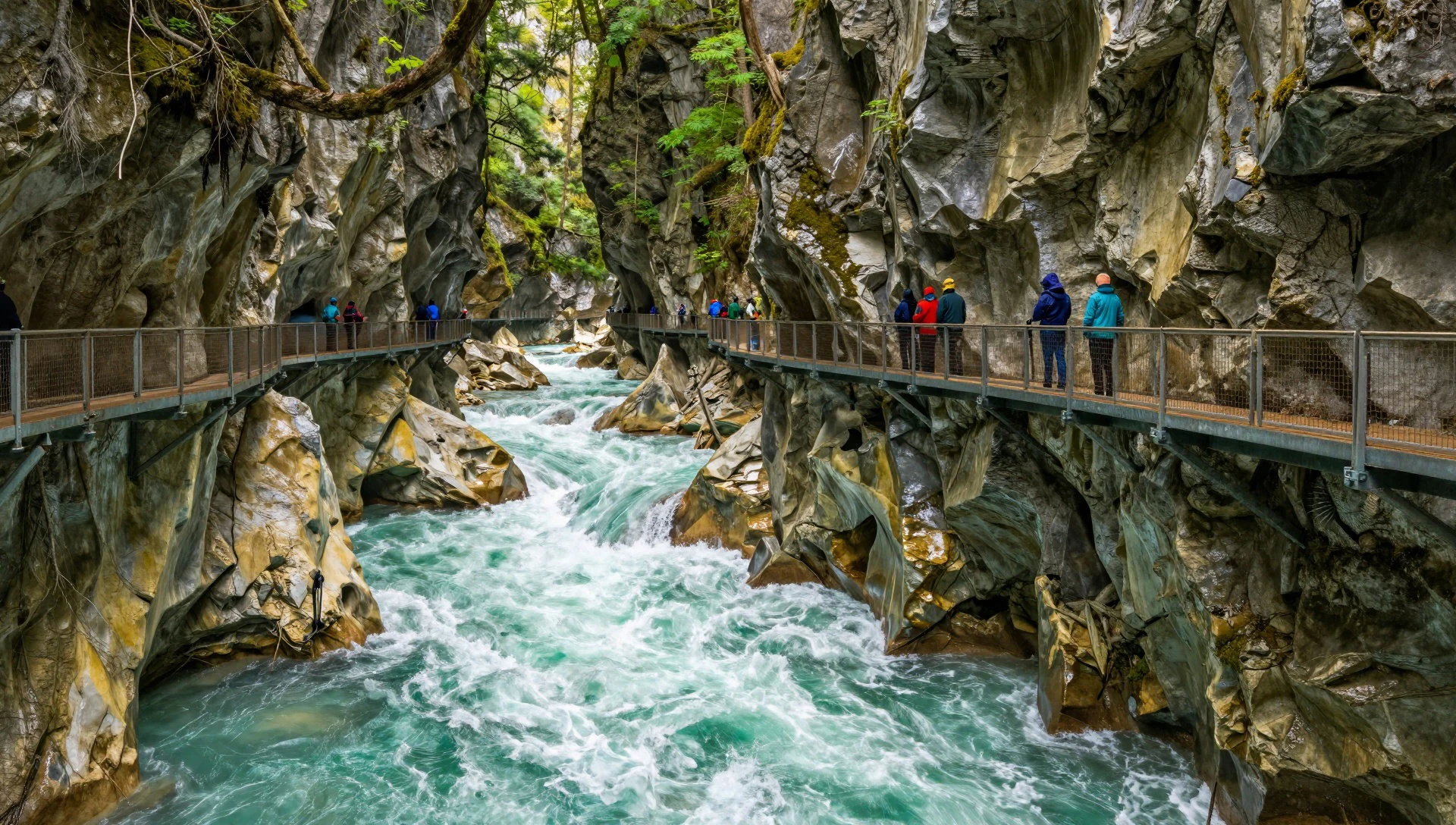
- Peyto Lake — Icefields Parkway
Peyto Lake provides one of the most photographed vantage points in the Canadian Rockies, famous for its distinct wolf-head shape. A short, paved pathway leads from the Icefields Parkway parking area up to the elevated viewing platform overlooking the valley.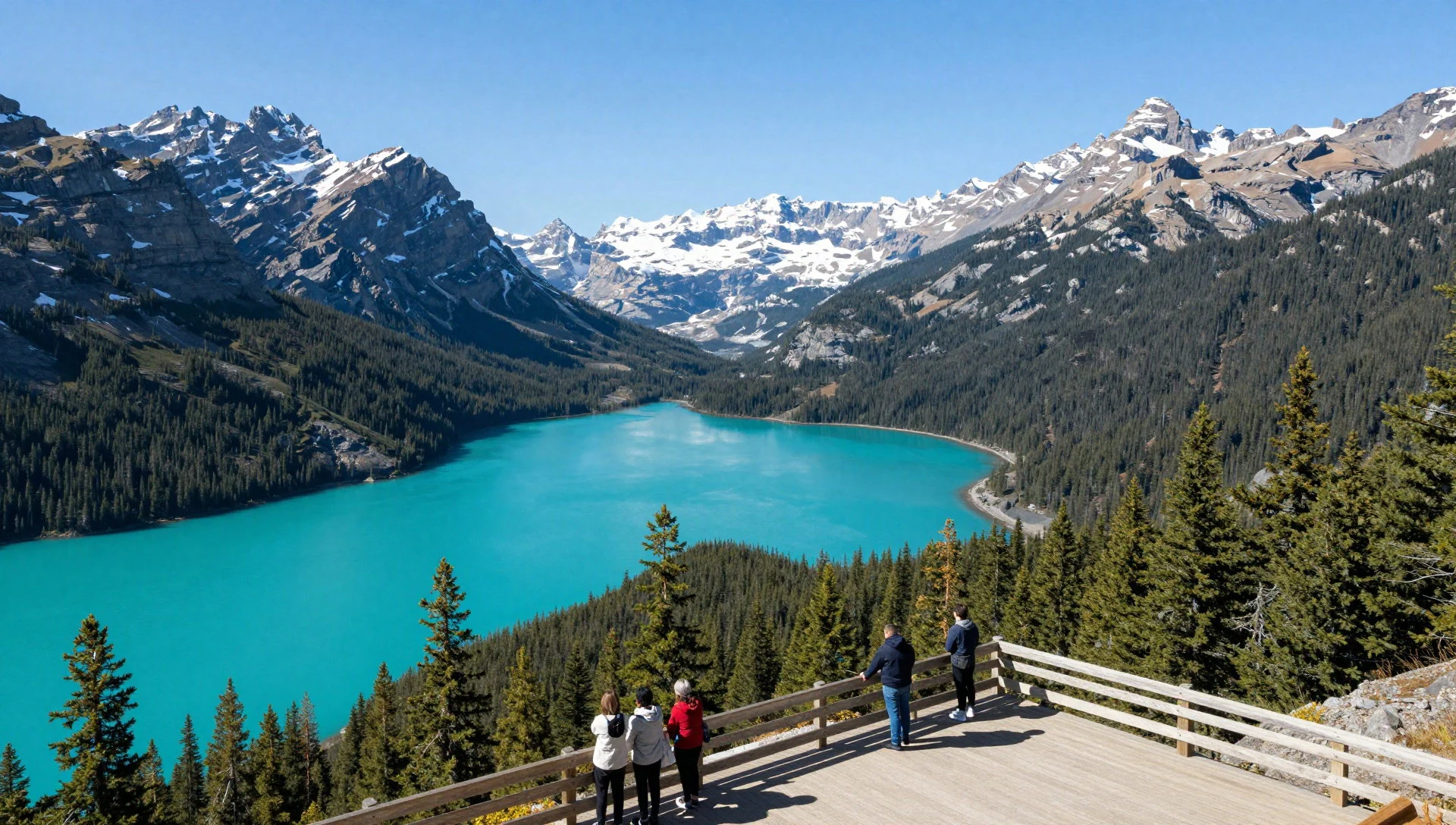
- Sunshine Meadows — Sunshine Village area
Sunshine Meadows delivers sweeping alpine hiking across high-elevation plateaus that burst into vibrant wildflower blooms during the brief summer season. Visitors take a scenic chairlift or gondola up from the base village to access the network of gentle ridge trails.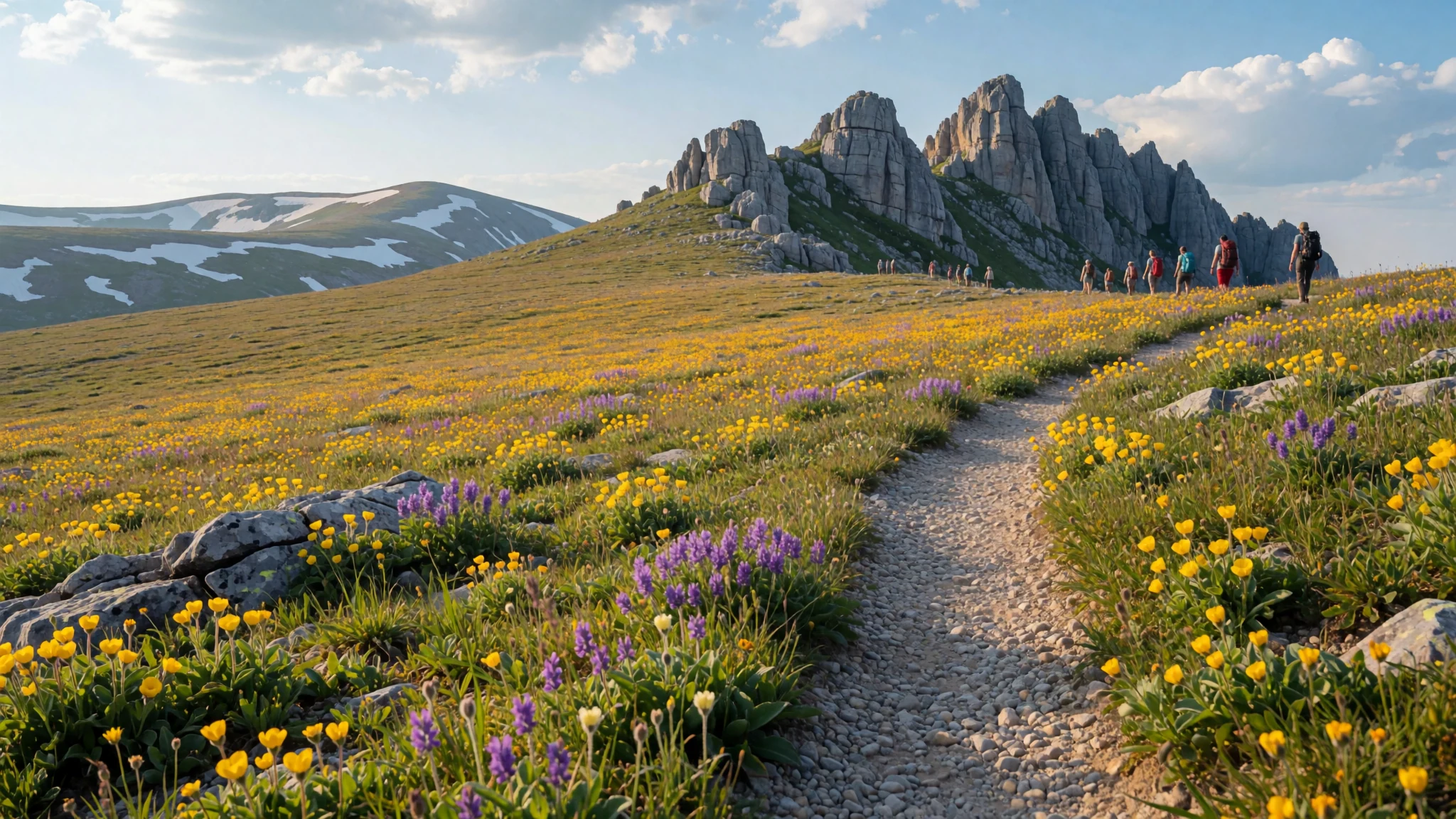
Culture
Banff has evolved from a railway outpost into an international hub for mountain culture, where outdoor recreation and conservation sit side by side. Local life in the park revolves around a profound respect for the surrounding wilderness, shaped by generations of Indigenous stewardship and the quiet discipline of mountain mountaineering. Communities within Banff maintain a strong community spirit, balancing the demands of global tourism with a commitment to protecting fragile alpine ecosystems, wildlife corridors, and dark skies. Visitors will find that locals are warm, outdoors-focused, and eager to share advice on trail conditions or weather safety. Respect for wildlife is paramount; residents and local authorities enforce strict rules regarding animal safety, waste management, and keeping a wide berth from bears and elk. Always give way to wildlife and uphill hikers when navigating narrow mountain paths.
What to wear
Traditional attire in Banff reflects the utilitarian needs of mountain life and the heritage of Indigenous nations who lived across these valleys for generations, relying on durable animal hides, furs, and natural textiles suited for harsh winters. Today, residents and mountain workers dress in practical, weather-resistant gear that transitions easily from outdoor trails to casual town venues. Technical fleeces, durable denim, insulated puffers, and sturdy hiking boots are everyday staples regardless of the season.
Visitors to Banff should pack in layers, as mountain weather can shift dramatically within a single afternoon, bringing sudden drops in temperature, rain, or unexpected snow even in summer. High-performance moisture-wicking base layers, a reliable windproof and waterproof shell, and well-broken-in footwear with good ankle support are essential for exploring the trails safely. Even when dining out in town, dress codes remain casual and outdoorsy, though a warm wool jumper or fleece is useful for chilly alpine evenings on restaurant patios.
What to eat
- Alberta Beef — Banff townsite steakhouses
Alberta Beef is celebrated across the region for its exceptional tenderness and rich flavour, raised on the nearby prairie grasslands. It is typically served as prime rib or hearty steaks in traditional steak houses throughout the main townsite.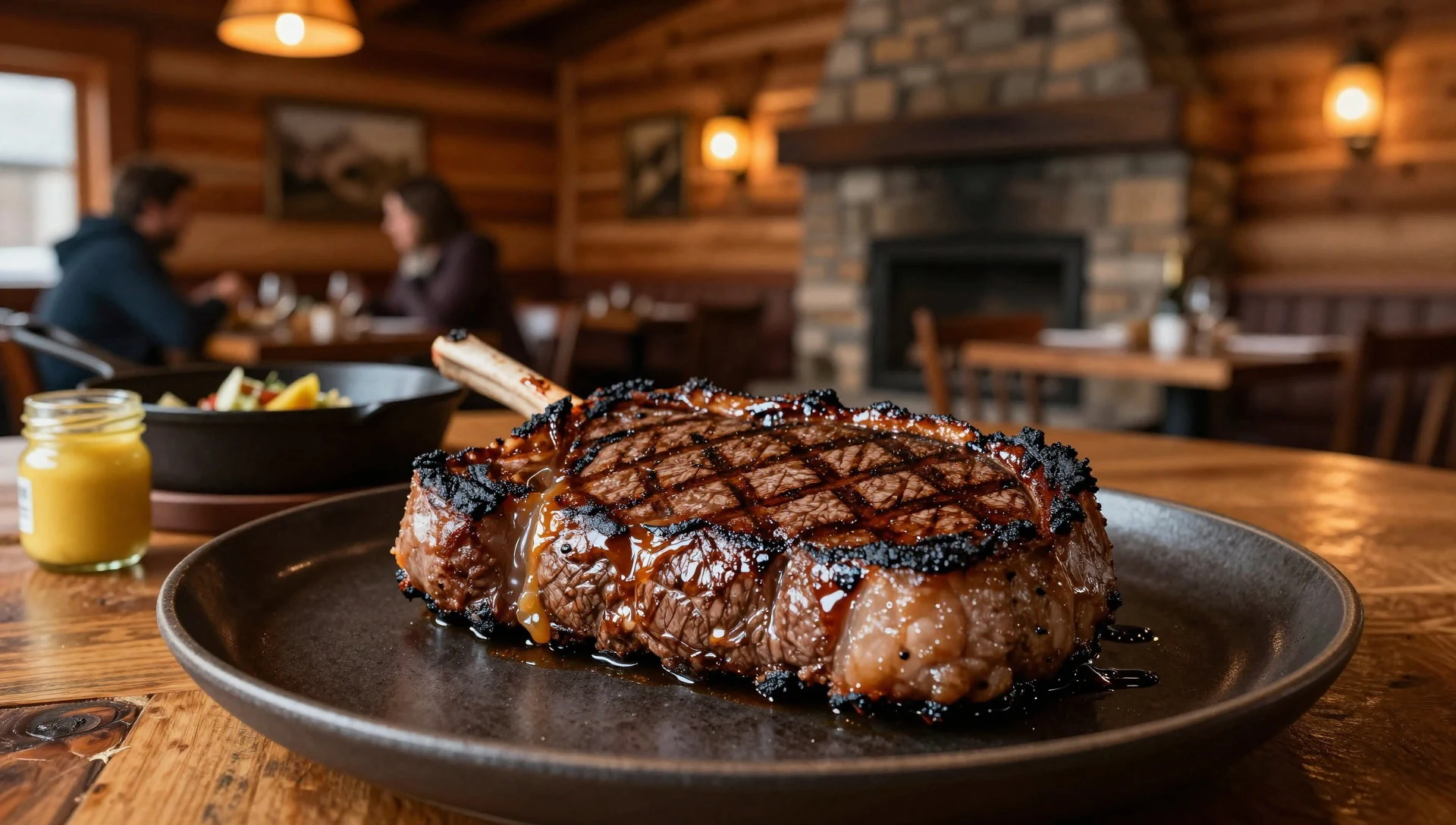
- Bison Burgers — Casual alpine pubs and cafes
Bison Burgers feature lean, locally sourced game meat that offers a slightly sweeter and richer taste than standard beef. These hearty patties are grilled and served on brioche buns with wild berry chutneys at casual park eateries.
- Alpine Game Stew — Mountain lodges and traditional restaurants
Alpine Game Stew combines slow-cooked venison or elk with root vegetables, forest mushrooms, and rich bone broth. It is a traditional winter dish designed to warm travellers after a long day of skiing or exploring the snowy trails. - Fresh Berry Tarts — Bakeries along Banff Avenue
Fresh Berry Tarts highlight the wild Saskatoon berries, huckleberries, and raspberries foraged from the park's lower slopes during the warm summer months. Local bakeries fold these sweet alpine fruits into buttery pastry crusts daily.
Plan it
Best time. June to September for hiking, wildflowers, and accessible high-altitude roads; December to March for skiing, winter sports, and frozen canyon walks.
How long. 3–4
Getting there. Fly into Calgary International Airport, then rent a car or take an airport shuttle west along the Trans-Canada Highway for about 90 minutes.
Budget. mid
Tips
- Book shuttle buses for Moraine Lake and Lake Louise months in advance
- Start famous valley hikes before 8 am to avoid daytime crowds
- Carry bear spray and know how to use it before heading onto remote trails
- Pack layers for sudden weather changes, as mountain temperatures drop rapidly
Etiquette
- Never feed or approach wildlife, maintaining a safe distance from bears and elk
- Pack out all rubbish to keep wilderness trails pristine for future visitors
Nearby
Sources
- Wikidata Q41858 (CC0)
- Wikipedia (CC-BY-SA 4.0)
- Wikivoyage (CC-BY-SA 4.0)