Arches National Park
Arches National Park, United States
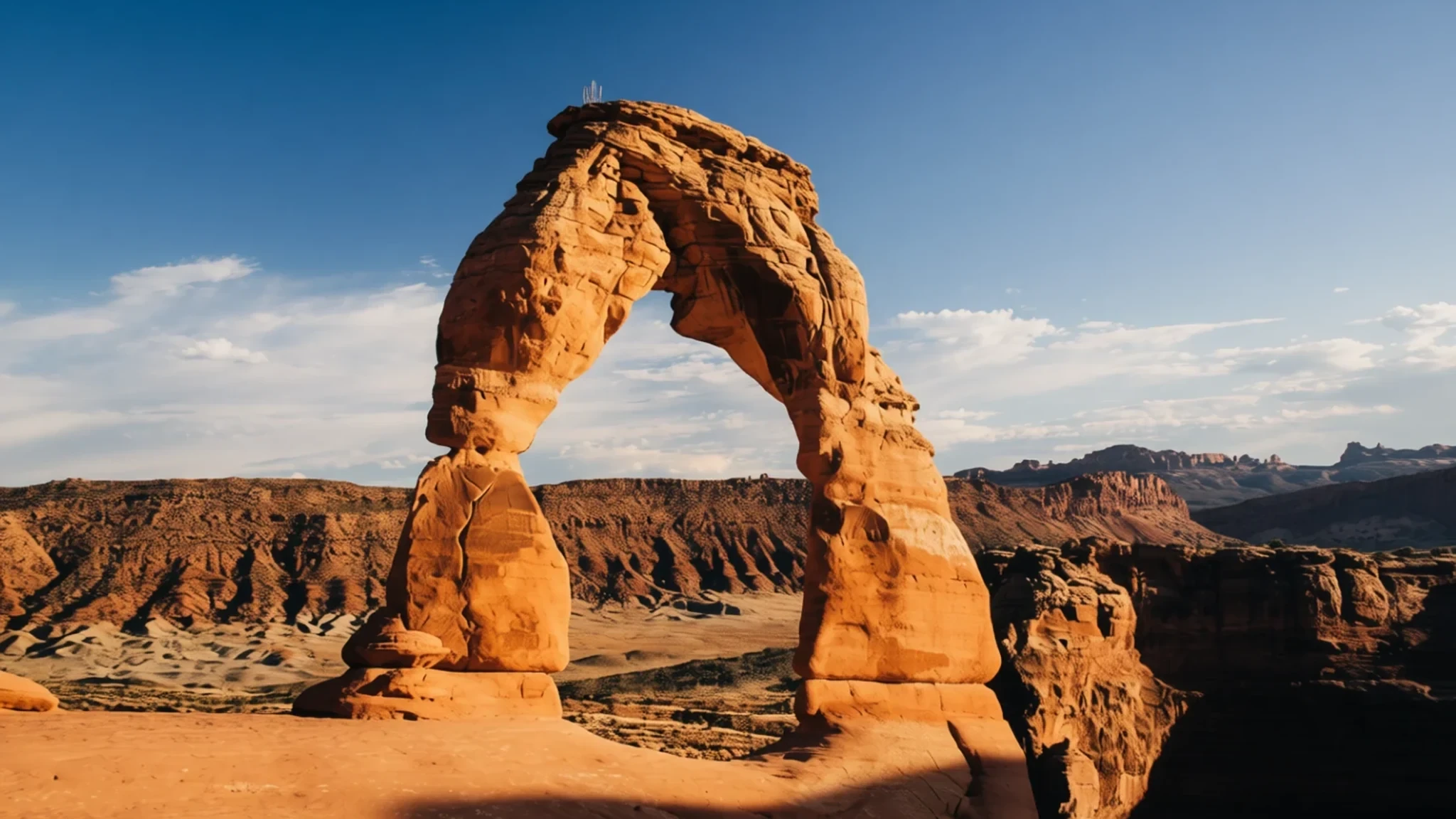
Arches National Park holds the highest density of natural sandstone arches on Earth, creating an otherworldly desert landscape of striking red stone.
The place
Arches National Park sits in the eastern part of Utah, positioned directly above an underground evaporite layer and salt bed that drives the unique geology of the region. This subterranean salt movement, combined with millions of years of erosion, water, and wind, has sculpted more than two thousand natural sandstone arches alongside soaring spires, massive balanced rocks, and narrow sandstone fins. Situated right beside the Colorado River and just a short distance from Moab, the high desert terrain encompasses a dramatic range of elevations. The landscape feels stark, beautiful, and intensely fragile, shaped by cycles of extreme weather ranging from scorching summer heat to freezing winter nights while receiving very little annual precipitation. Administered by the National Park Service, the protected area guards these fragile geological treasures while welcoming more than a million visitors each year who come to walk among the monumental red rock formations, wind-carved tunnels, and sweeping petrified dunes that stretch across the dramatic high plateau of Grand County.
Its story
Arches National Park has a deep human history stretching back millennia, beginning when hunter-gatherers first migrated into the region at the close of an ice age to harvest stone for tools from local deposits. Centuries later, ancestral Puebloan farming communities established themselves across the wider area, using the surrounding territory seasonally and leaving behind subtle traces of their presence while avoiding permanent valley dwellings. Fremont-era groups also flourished nearby before many ancestral populations shifted southward. European exploration began when Spanish expeditions traversed Ute and Paiute homelands, followed some eighty years later by pioneering Mormon settlers who built a fort in the Moab valley before being driven out after four months. Local ranchers and homesteaders subsequently recognized the extraordinary character of the surrounding stone monuments, spreading tales of the rugged terrain far beyond the territory. Persistent advocacy from railway managers and early conservationists eventually persuaded federal authorities to protect the extraordinary landscape, preserving the magnificent red rock formations for generations of travellers to explore and admire.
What to see
- Park Avenue — Near the park entrance
Park Avenue is a relatively easy trail located near the park entrance that leads visitors straight through a dramatic, steep-walled sandstone canyon with a smooth, sandy bottom reminiscent of a towering urban thoroughfare.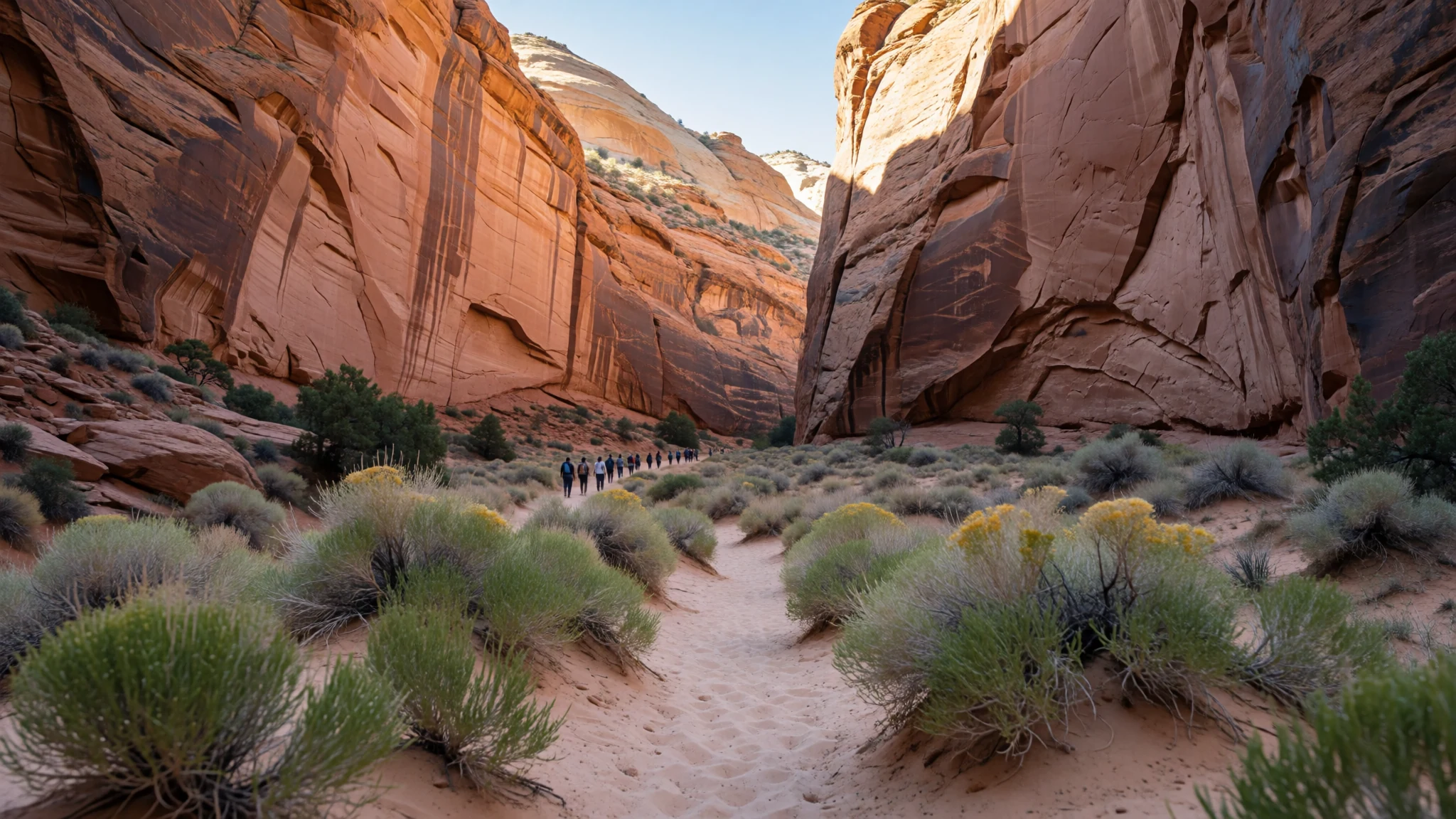
- Double Arch — Windows District
Double Arch offers a short and rewarding walking route leading directly to a massive, awe-inspiring joining of two monumental stone arches that will look instantly familiar to film fans from classic adventure cinema scenes.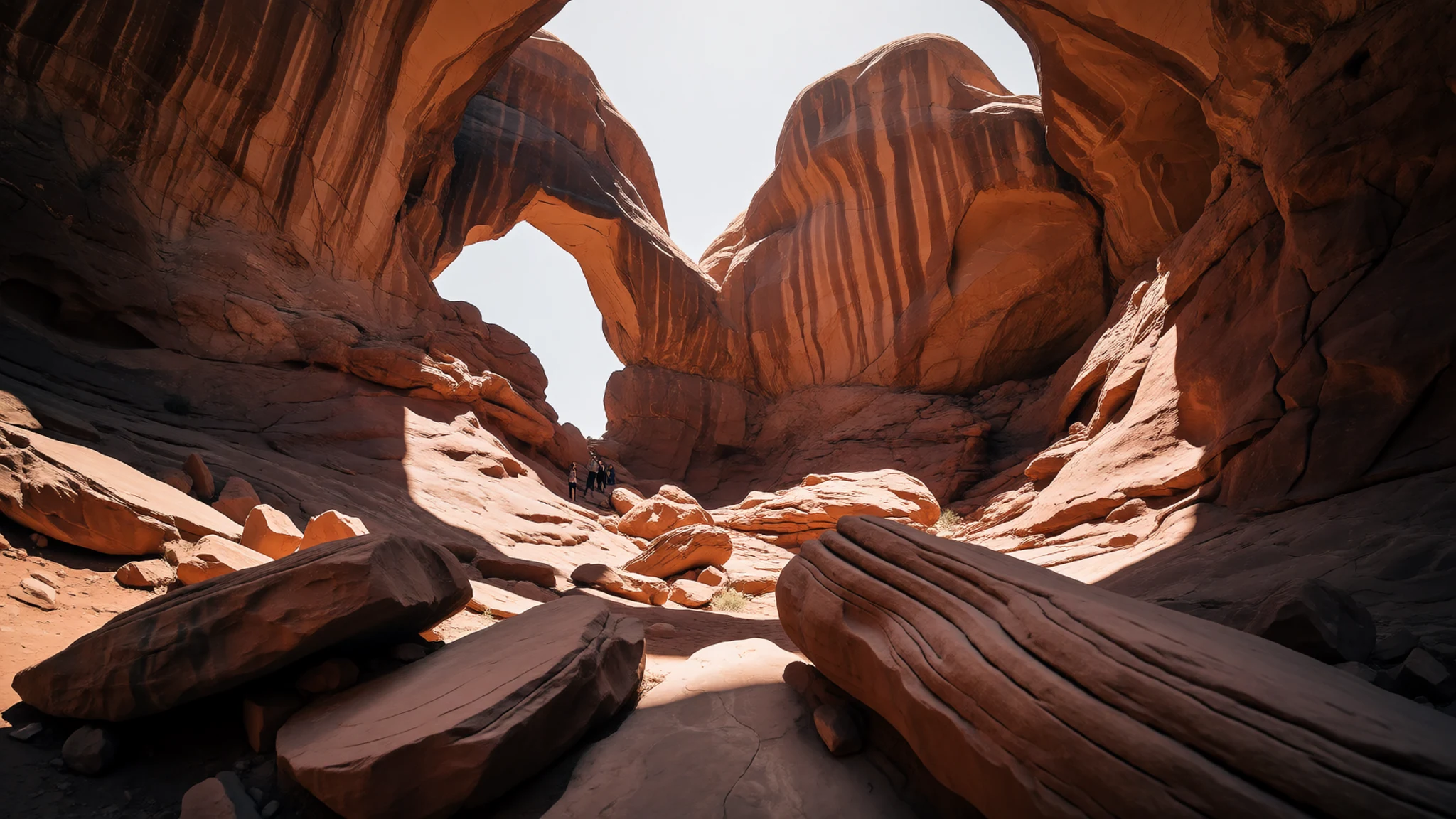
- The Windows Section — Central Park Area
The Windows Section features an accessible trail leading past the colossal North and South Windows as well as Turret Arch, showcasing incredible stone spans that frame expansive desert vistas against the open sky.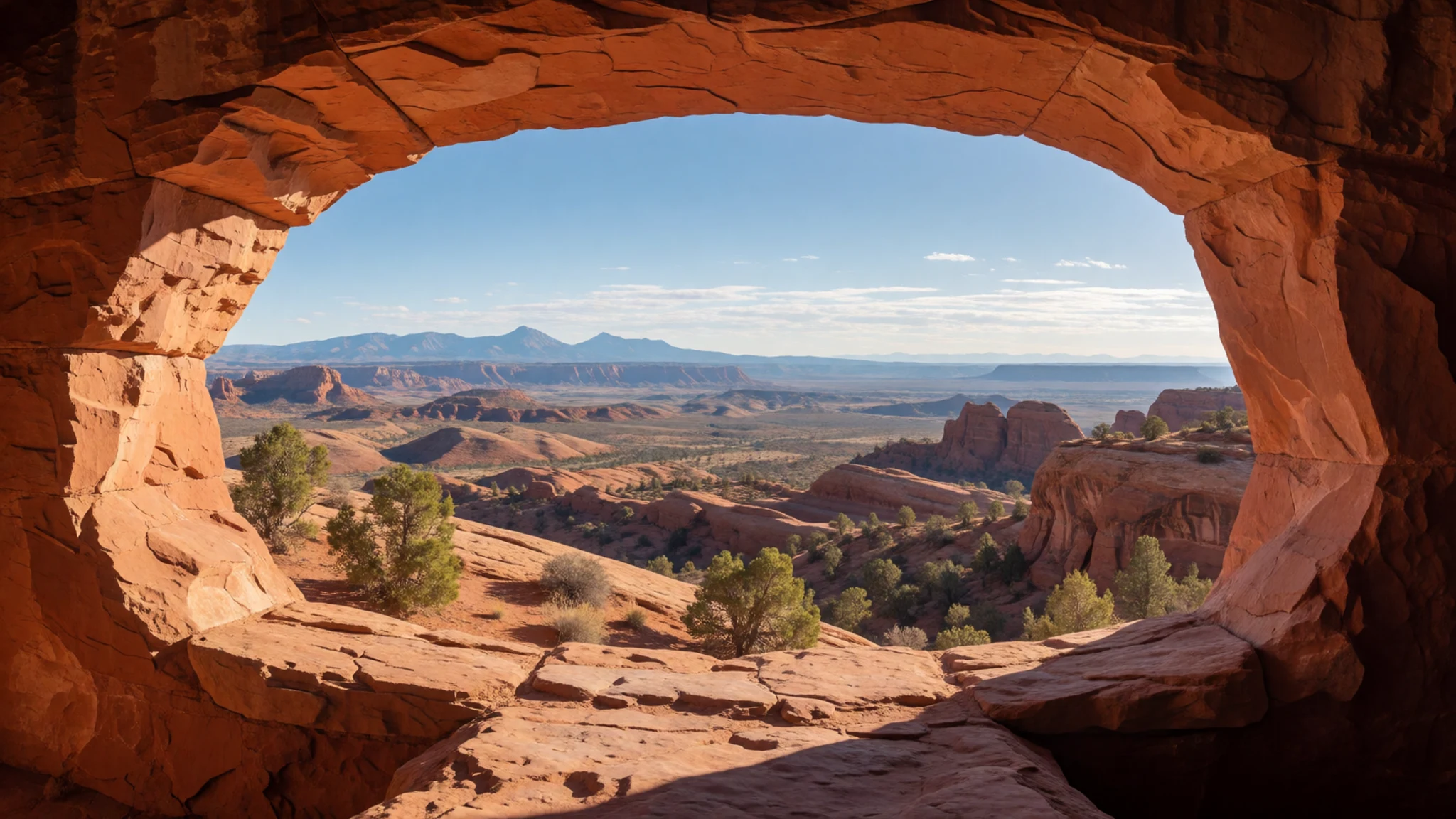
- Delicate Arch — Wolfe Ranch Area
Delicate Arch is the most famous geological icon in the park, reached via a challenging uphill trail from a historic ranch that rewards every step with an unforgettable view of the freestanding red stone marvel.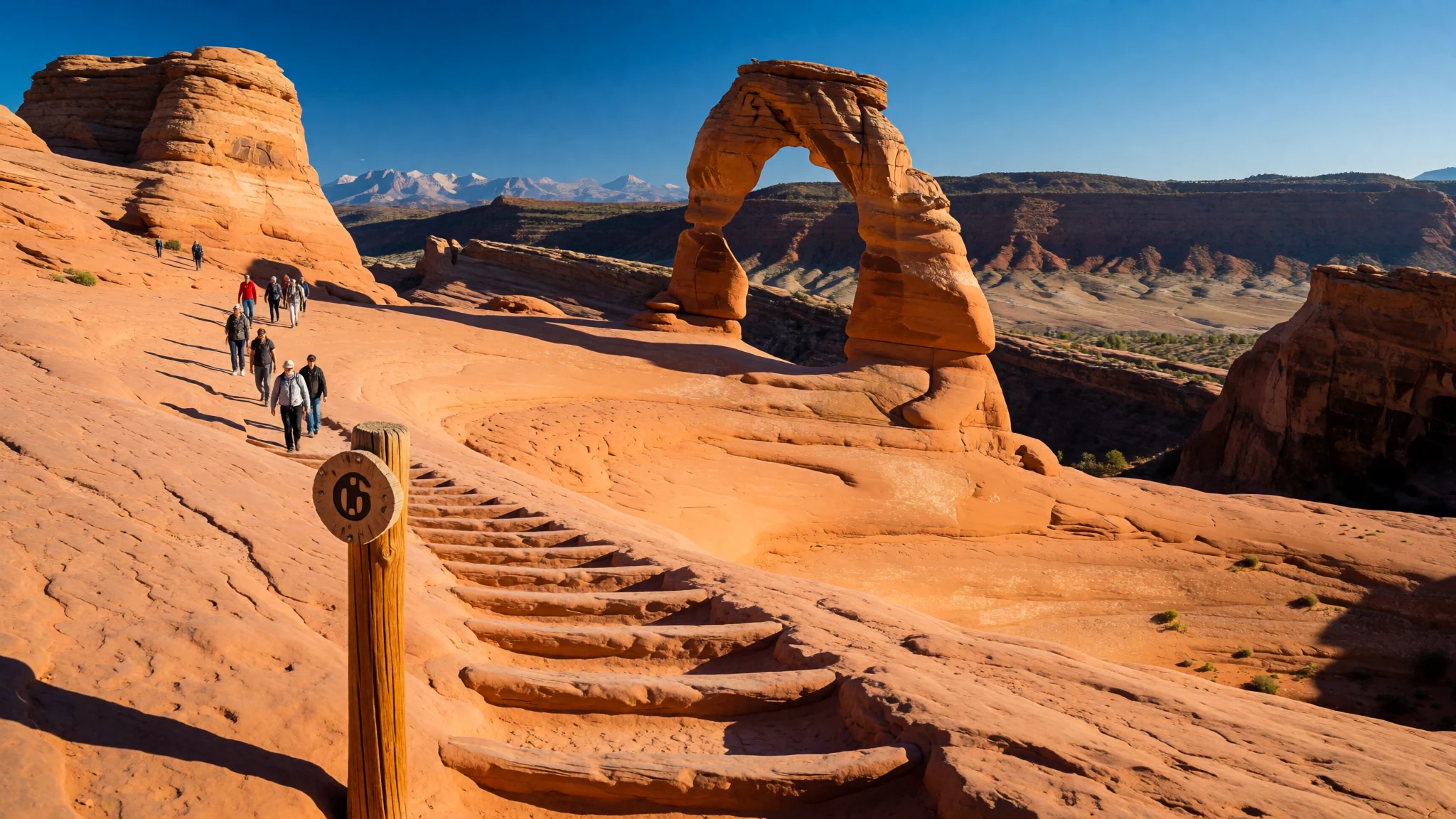
- Fiery Furnace — Central Park Area
Fiery Furnace is a labyrinth of narrow sandstone canyons and towering fins that can only be explored by joining a specialized ranger-led tour to protect the delicate ecosystem and prevent hikers from becoming disoriented.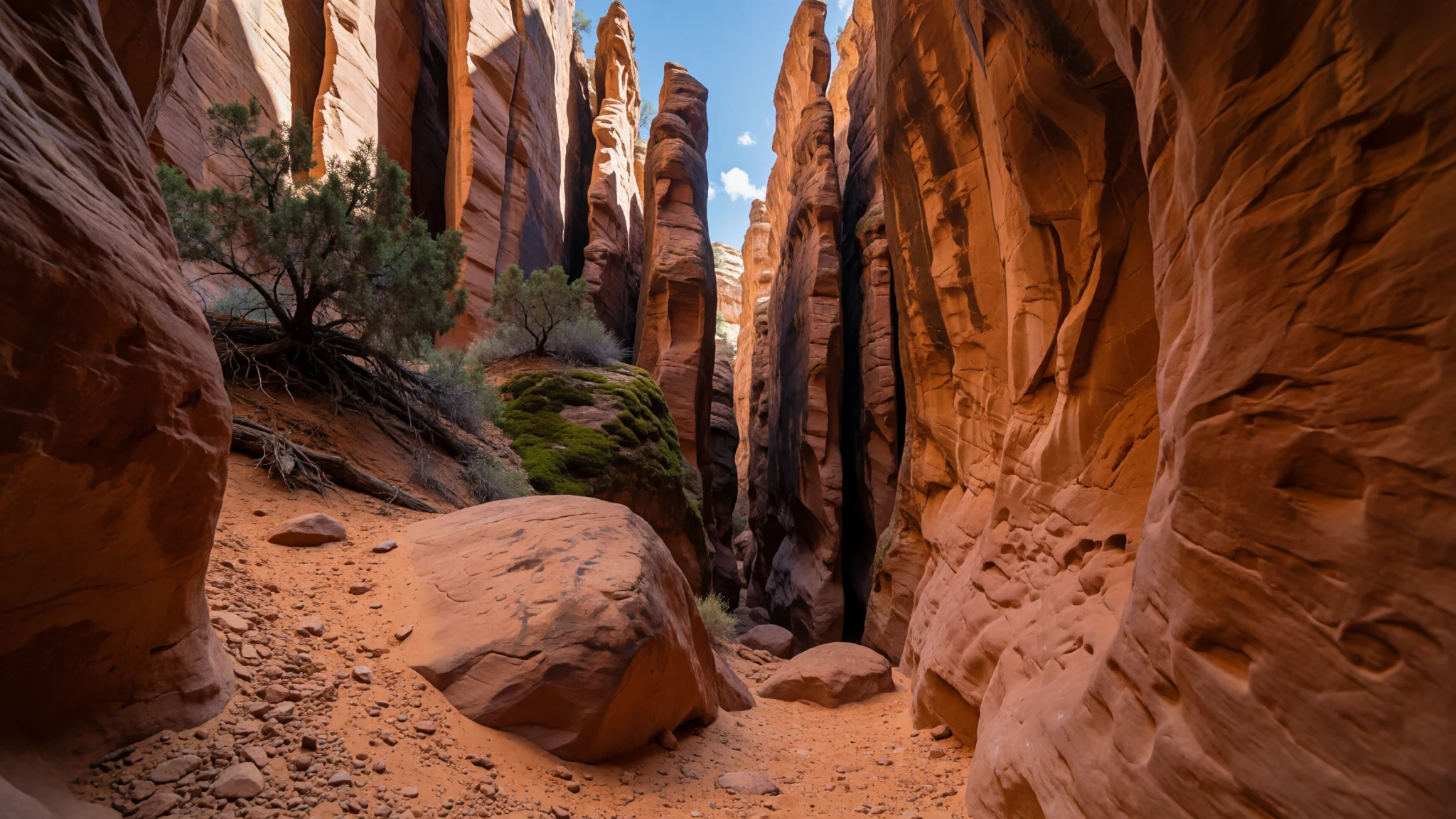
Culture
Arches National Park carries a profound heritage tied closely to Indigenous Ute, Paiute, and ancestral Puebloan peoples who revered the rugged canyonlands long before modern conservation boundaries were established. The striking rock art panels found throughout the region preserve ancient cultural expressions, featuring stylized figures and animals etched into the dark desert varnish by early inhabitants. Modern visitors connecting with the park culture often embrace a quiet respect for the desert environment, acknowledging that these monumental landscapes hold deep spiritual and historical significance. The surrounding gateway communities maintain a welcoming western outdoor culture deeply rooted in river running, rock climbing, and desert exploration. Travellers are expected to treat all historical rock art and ancient cultural sites with the utmost respect, never touching carvings or leaving any marks behind.
What to wear
Arches National Park visitors do not wear traditional regional garments, but instead dress for practical survival and comfort in an intense high-desert environment. Modern travellers and local outdoor enthusiasts rely heavily on technical mountaineering clothing, lightweight breathable layers, and sun-protective fabrics designed to handle sudden temperature swings and blazing sunshine. Essential gear includes sturdy hiking boots with aggressive tread for navigating slippery sandstone slopes, wide-brimmed hats, and polarized sunglasses to cut the fierce glare reflecting off the red rock. Because shade is scarce along the trails, long-sleeved linen or synthetic shirts and durable trousers are commonly worn to prevent sunburn without trapping excessive heat. Dressing in functional layers ensures comfort during chilly desert mornings that quickly transform into scorching afternoons under the open sky.
What to eat
- Southwestern Breakfast Burritos — Cafes and diners in Moab
Hearty flour tortillas packed with scrambled eggs, potatoes, green chillies, and melted cheese, available at any local café or diner in nearby Moab before heading out for a morning of trail walking.
- Green Chilli Cheeseburgers — Casual restaurants in Moab
Juicy grilled beef patties topped with roasted regional green chillies and melted cheddar, served alongside crispy fries at casual eateries throughout the nearby town of Moab after a long day exploring.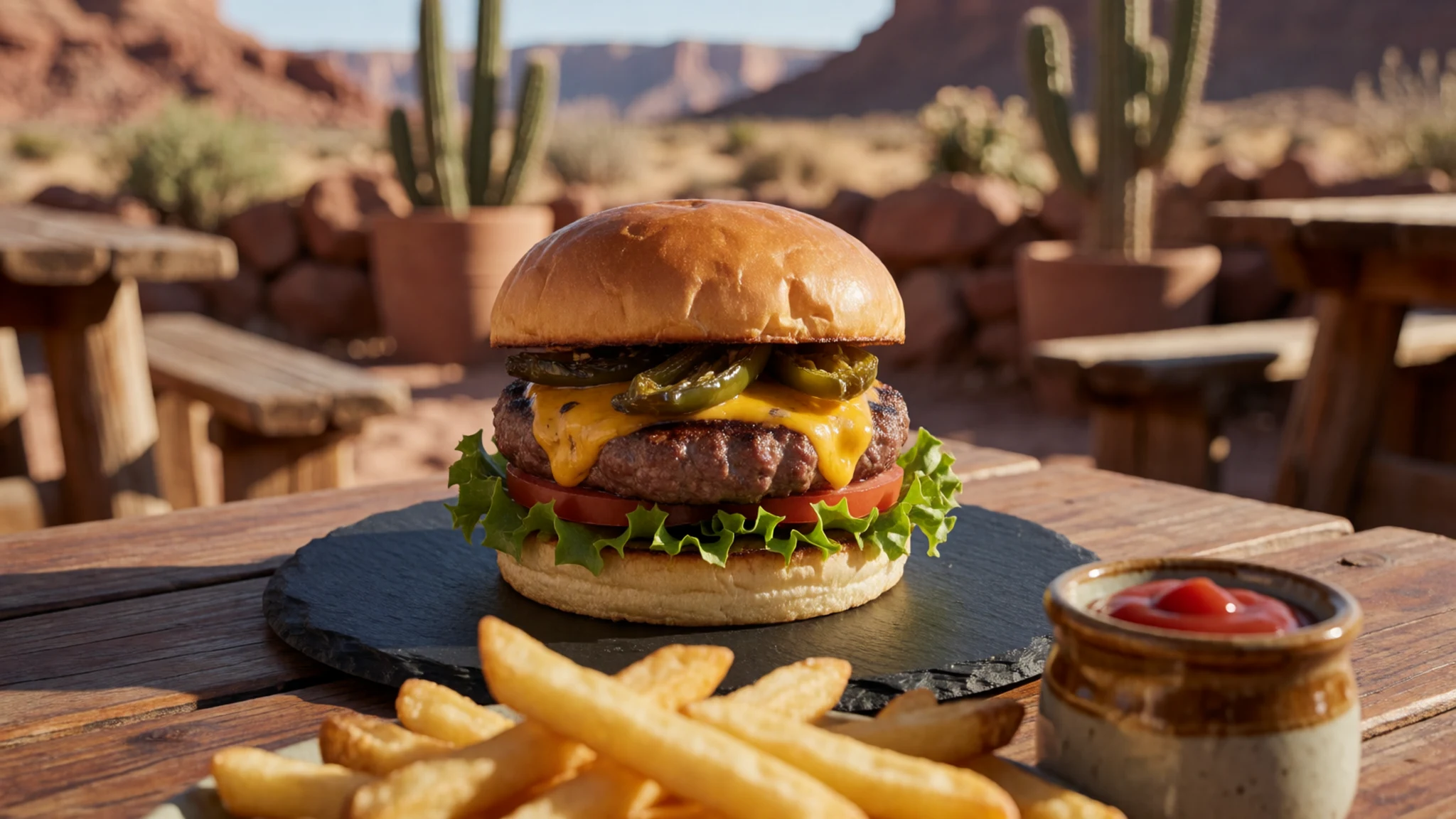
- Prickly Pear Lemonade — Local shops in Moab
A refreshing, brightly coloured cold beverage flavoured with sweet cactus fruit juice, sold at convenience stores and local beverage stands in Moab to help combat the dry desert heat. - Wood-Fired Navajo Tacos — Food trucks and eateries in Moab
Fluffy fried bread topped with seasoned beans, savoury ground meat, shredded lettuce, and fresh salsa, offered by regional food trucks and casual dining spots in the valleys surrounding the park.
Plan it
Best time. Spring and autumn offer pleasant daytime temperatures ideal for long hikes, while summers bring intense desert heat and winters experience freezing conditions.
How long. 2–3
Getting there. Fly into the nearest major regional hubs, then complete the journey by driving along regional highways toward the gateway town of Moab.
Budget. mid
Tips
- Start your hikes at dawn to beat the intense afternoon heat and secure parking.
- Carry ample drinking water as there are very few refill stations within the park.
- Book your camping and entry reservations well in advance during peak travel seasons.
- Check official park channels for current weather advisories and temporary vehicle restrictions.
Etiquette
- Stay strictly on designated trails to protect fragile cryptobiological soil crusts.
- Never carve into or touch ancient rock art panels left by early inhabitants.
- Leave all rocks, stones, and natural souvenirs undisturbed for future visitors.
Nearby
Sources
- Wikidata Q223969 (CC0)
- Wikipedia (rev 1380654832) (CC BY-SA 4.0)
- Wikivoyage (rev 5378132) (CC BY-SA 4.0)