Vieques
Vieques, United States
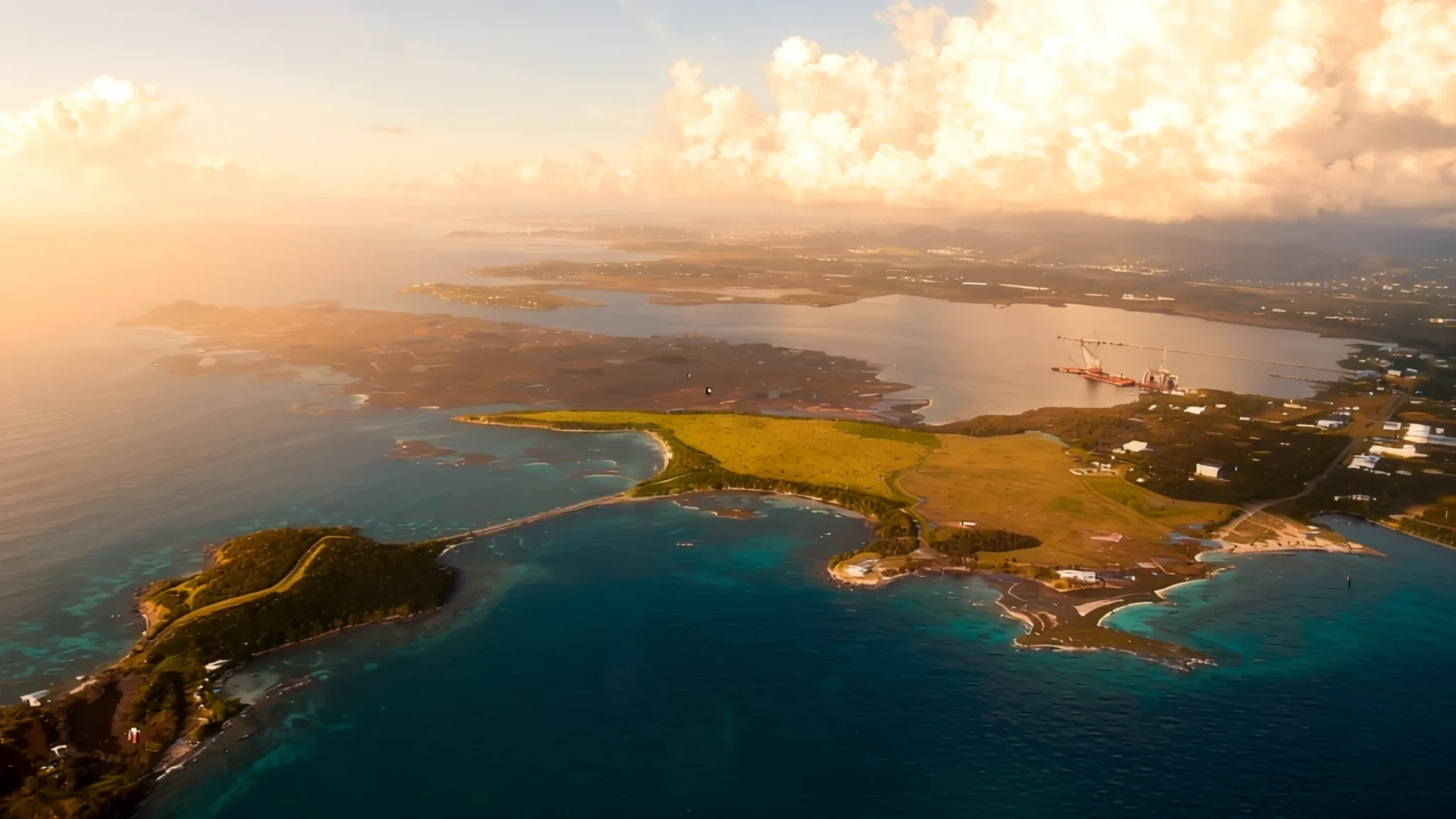
Vieques is a quiet Caribbean island of wild beaches, wandering horses and a bay that glows blue-green at night.
The place
Vieques sits off the east coast of mainland Puerto Rico, a short sea crossing away, and forms its own municipality. It is long and narrow, with a population of 8,249, and its elevation in the facts block is 37 m. Together with neighbouring Culebra it makes up the Spanish Virgin Islands, though in daily life it feels closer to a village than a resort. The main town is Isabel Segunda on the north coast, where the ferry arrives, the municipal buildings stand around a plaza and a small fort looks over the harbour. On the south side is Esperanza, a laid-back strip of guesthouses, bars and eateries along a seafront walkway. Between the two, a single road crosses scrubby hills and dry forest, and side tracks drop to beaches that often have no buildings at all. Locals are called viequenses, and the island has a nickname, Isla Nena, meaning little girl island, coined by the poet Luis Lloréns Torres. Much of the land was held by the US Navy for decades, which is why so much coast remains undeveloped, with wildlife and mangroves intact. Expect heat, strong sun, patchy mobile signal and a slow tempo. Free-roaming horses graze beside the roads, so drive carefully. Hotels and rentals are small, and the island is easy to cover in a few days, though many visitors end up staying longer than planned. It rewards people who like sea, sand and doing very little.
Its story
Vieques was settled in prehistory by peoples who came north by sea from South America, thousands of years before Europeans arrived. A burial found near the south-central coast, known as the Man of Puerto Ferro, was dated by shells in a hearth to about 1900 BCE, and boulders arranged around it still puzzle archaeologists. Later groups, including potters who probably came from Venezuela, blended with peoples from Hispaniola and Cuba to form Taíno culture. The name itself is a Spanish rendering of a Taíno word thought to mean small island. Spain, Britain and others contested the island for centuries, and at one stage it was called Crab Island by the British. The municipality dates formally from 1843, and the sugar and cattle economy of the nineteenth century shaped the town of Isabel Segunda. Throughout the 20th century, the US Navy used a large share of Vieques for bombardment drills and weapons trials. Local protests against this grew into a movement that drew wide attention, and the Navy left in 2003. Former military land is now largely wildlife refuge, though clearance of unexploded material has been a long and sensitive issue, and visitors should stay on marked areas. Hurricane Maria in 2017 damaged homes, mangroves and power lines, and recovery has been gradual.
What to see
- Mosquito Bay (Bioluminescent Bay) — South coast, near Esperanza
Tiny organisms in the water flash blue-green whenever something moves through it, so a paddle or a slow electric-boat trip on a dark night leaves glowing trails. Kayaking is gentler on the bay. Choose a moonless night, book ahead and skip insect repellent in the water.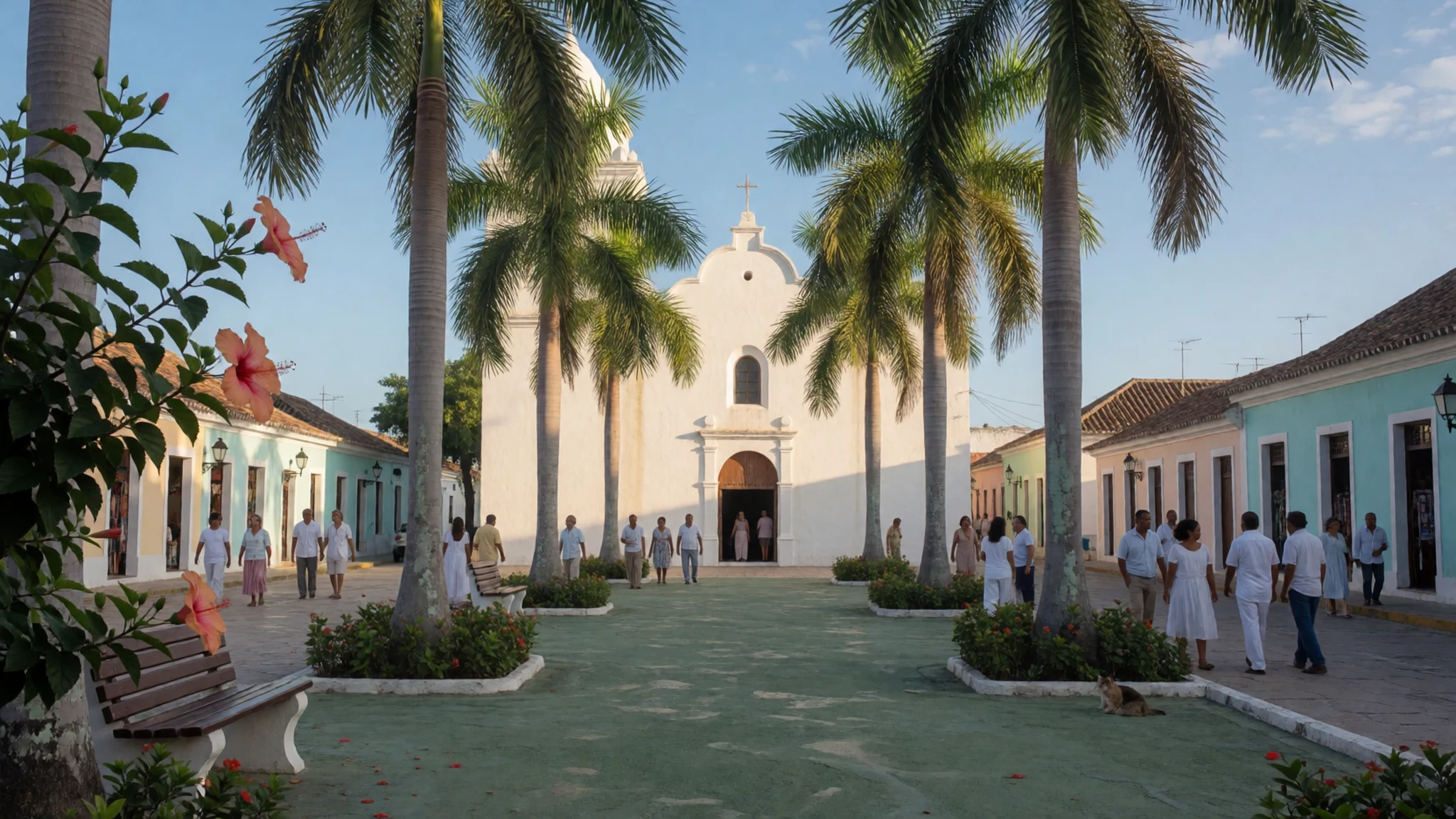
- El Fortín Conde de Mirasol — Isabel Segunda
A Spanish fort built in the mid-nineteenth century on a hill above Isabel Segunda to guard the port. It is small and quick to visit, and the main reward is the view over the harbour and across the water to the mainland. Check locally for opening times.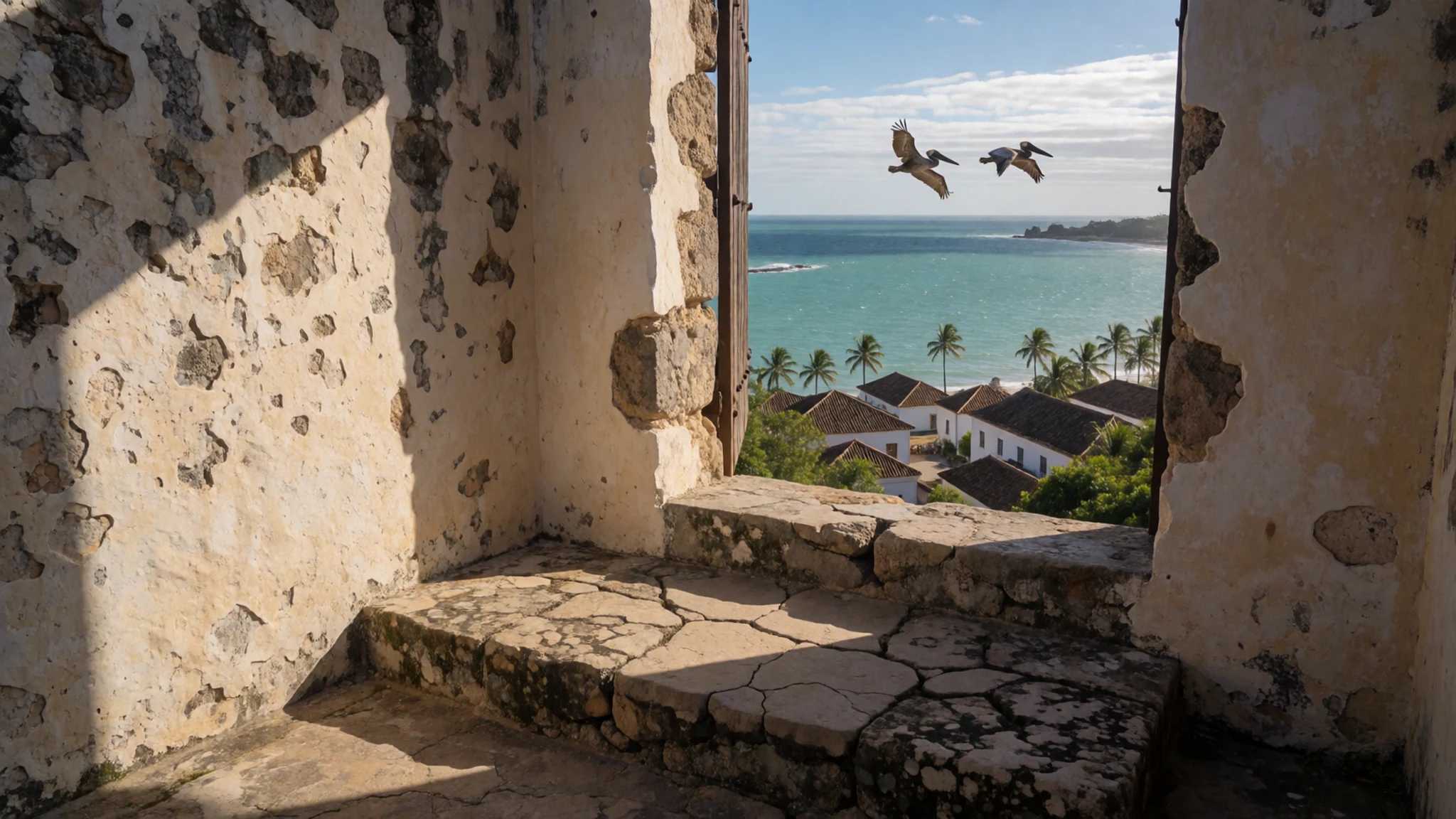
- Isabel Segunda town centre — North coast
The island's historic and administrative centre has a Catholic church, a Spanish-style plaza and municipal buildings with colonial-era character. Shops and cafés fill the surrounding streets. It is the best place to feel everyday island life, and an easy walk from the ferry dock.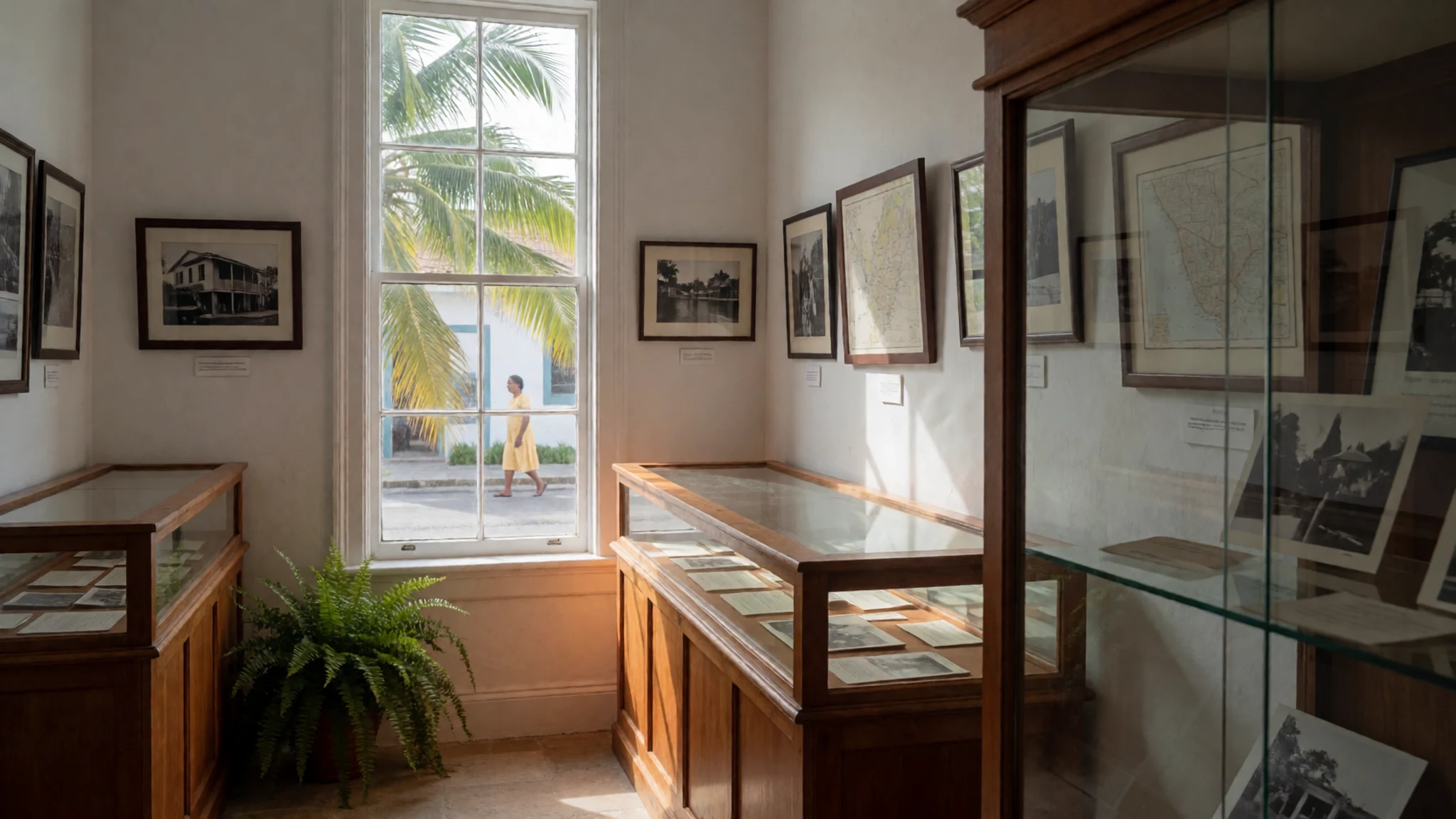
- Vieques Conservation and Historical Trust — Isabel Segunda area
A small museum that explains island history, from early settlers to the Navy years, and the ecology of the bay and coast. It is modest in scale, but a thoughtful place to start before heading to beaches, especially if you want context on the land you are about to explore.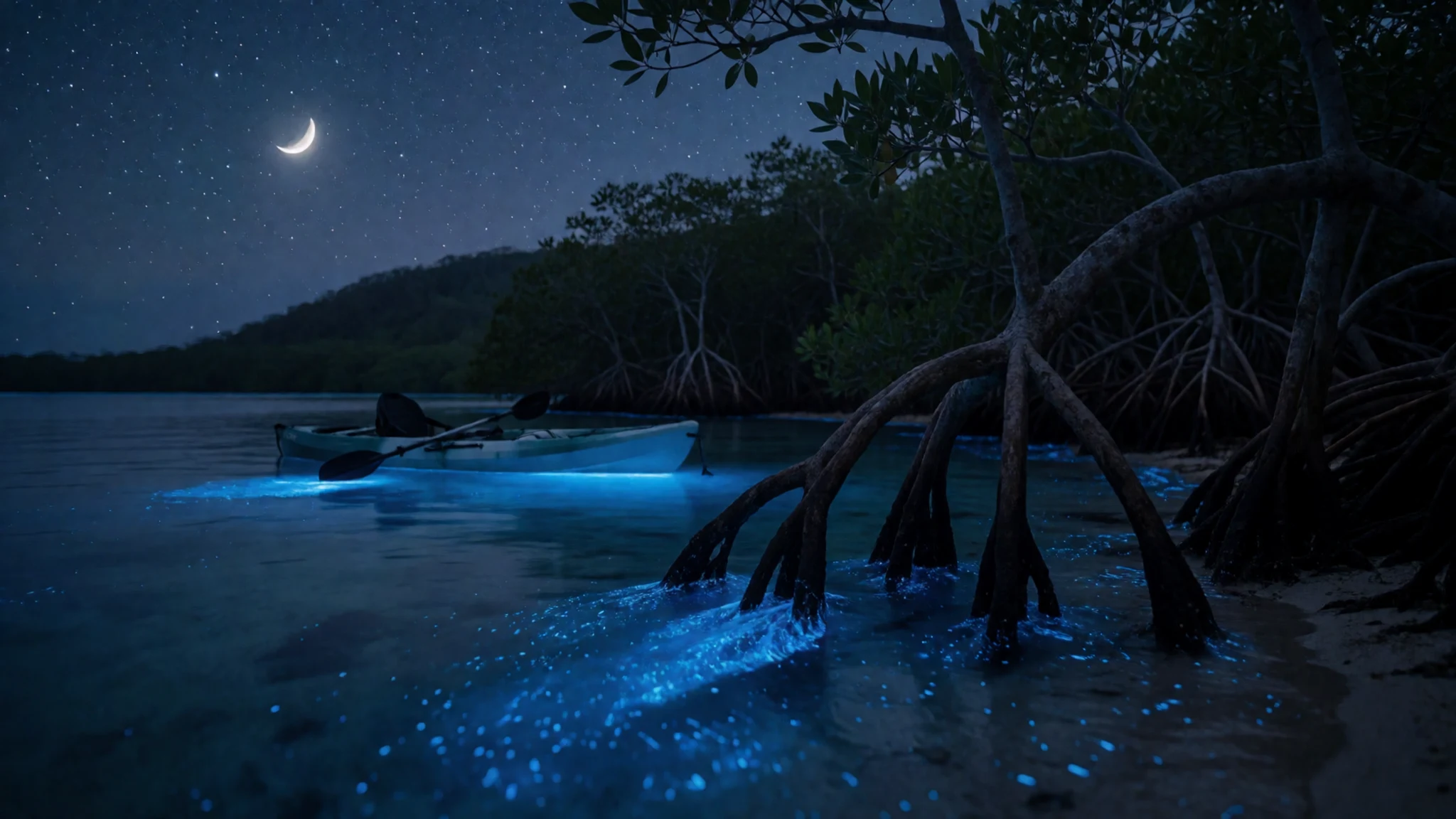
- Wildlife refuge beaches — Eastern and western ends of the island
Much of the former Navy land is now protected, with long beaches backed by dry forest and mangrove rather than buildings. Bring water, shade and snacks, since facilities are few. Some areas are restricted, so follow signs and ranger guidance.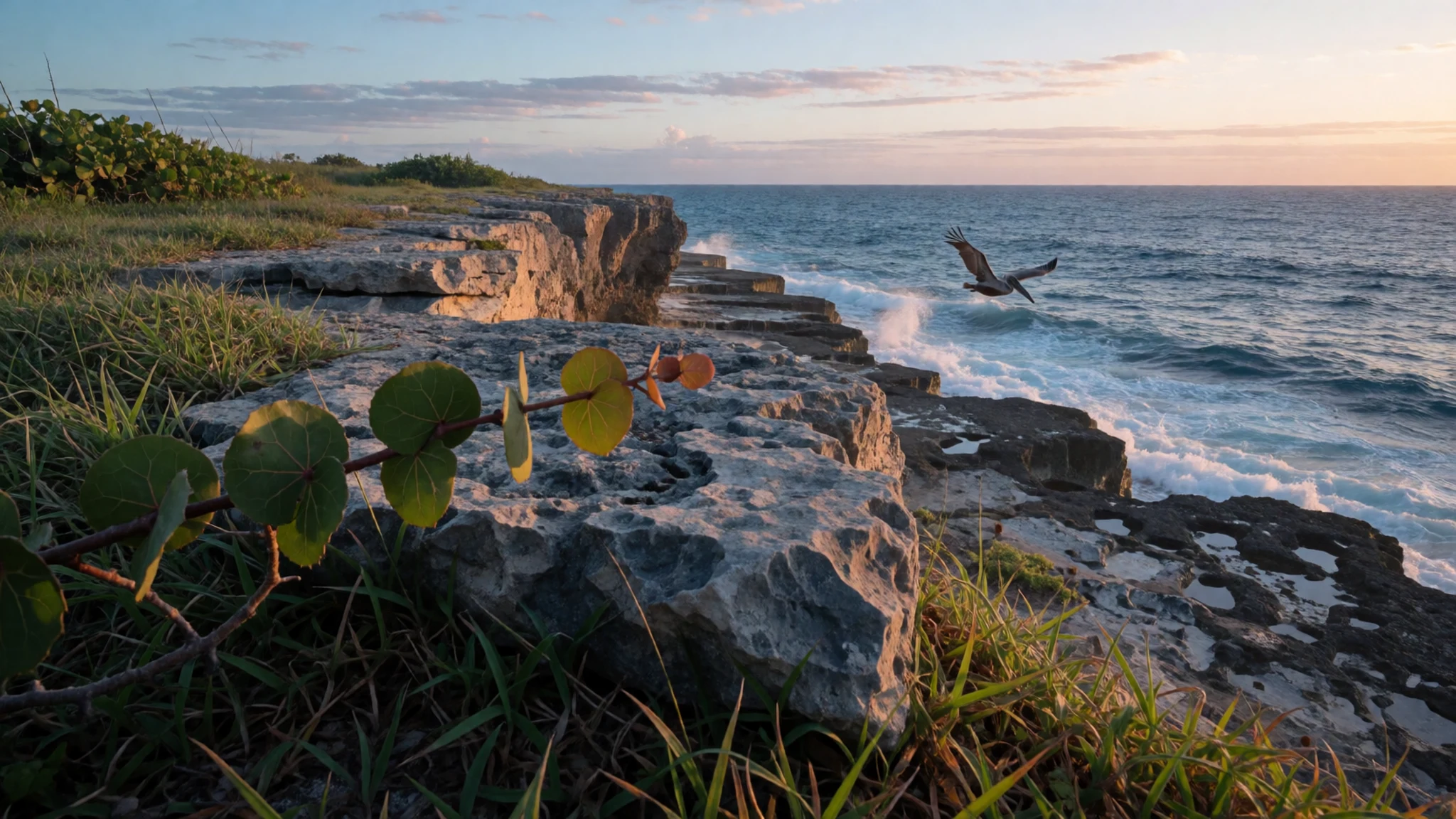
Culture
Vieques is Puerto Rican in language, food and humour, with Spanish the everyday tongue and a strong sense of island identity. The community's memory of the Navy years runs deep, and protest murals and slogans still appear on walls. Many families have lived here for generations, alongside a mix of long-term foreign residents who run guesthouses and restaurants. The patron saint festival, Fiestas Patronales de Nuestra Señora del Carmen, is held in July, with parades, games, artisans, regional food and live music. January 6 brings the Three Kings celebration, and the Festival Cultural Viequense takes place in June. The Festival de la Arepa runs in August or September. Music is everywhere: salsa and reggaeton drift from bars, and live bands play in Esperanza. Life moves slowly, shops may close unexpectedly, and patience is rewarded with friendly conversation. A few words of Spanish go a long way, and greeting people with buenos días when you enter a shop is normal courtesy. Islanders care about their environment, having fought hard for it, and they notice how visitors treat beaches and wildlife. Take your rubbish with you, keep to marked paths, and leave turtles, nests and horses undisturbed. Greet people politely in Spanish before asking for anything, and never feed or touch the free-roaming horses.
What to wear
Vieques has no distinct regional costume. Puerto Rican traditional dress survives mainly at festivals, where dancers may wear ruffled cotton dresses and straw hats, and men white cotton shirts, known as guayaberas, with light trousers. Straw weaving and embroidered linen are part of the wider island craft tradition, and you may see them at artisan stalls during fiestas. Day to day, people wear what suits the heat: shorts, sandals, light T-shirts, swimwear under loose cover-ups and caps against the sun. Fishers and farmers wear boots and long sleeves for work. For evenings, a clean shirt or sundress is enough, as even the smarter restaurants are casual. Visitors should pack light, breathable cotton or linen, a hat, sunglasses and reef-safe sun cream. A rash vest helps against strong sun and jellyfish. Sandals suit the town, but bring closed shoes or trainers for rough tracks and dry forest, and water shoes for rocky entries. A light rain jacket is useful during showers, and insect repellent matters at dusk. Nude or topless sunbathing is not the local norm, and swimwear should stay at the beach, so cover up when walking through Isabel Segunda or visiting a church.
What to eat
- Criollo plate — Local eateries in Isabel Segunda and Esperanza
Home-style Puerto Rican cooking: rice and beans, stewed meat or fish, and fried plantain. Look for small family-run eateries in Isabel Segunda or Esperanza, where the daily plate is simple, filling and usually served by people who know their regulars.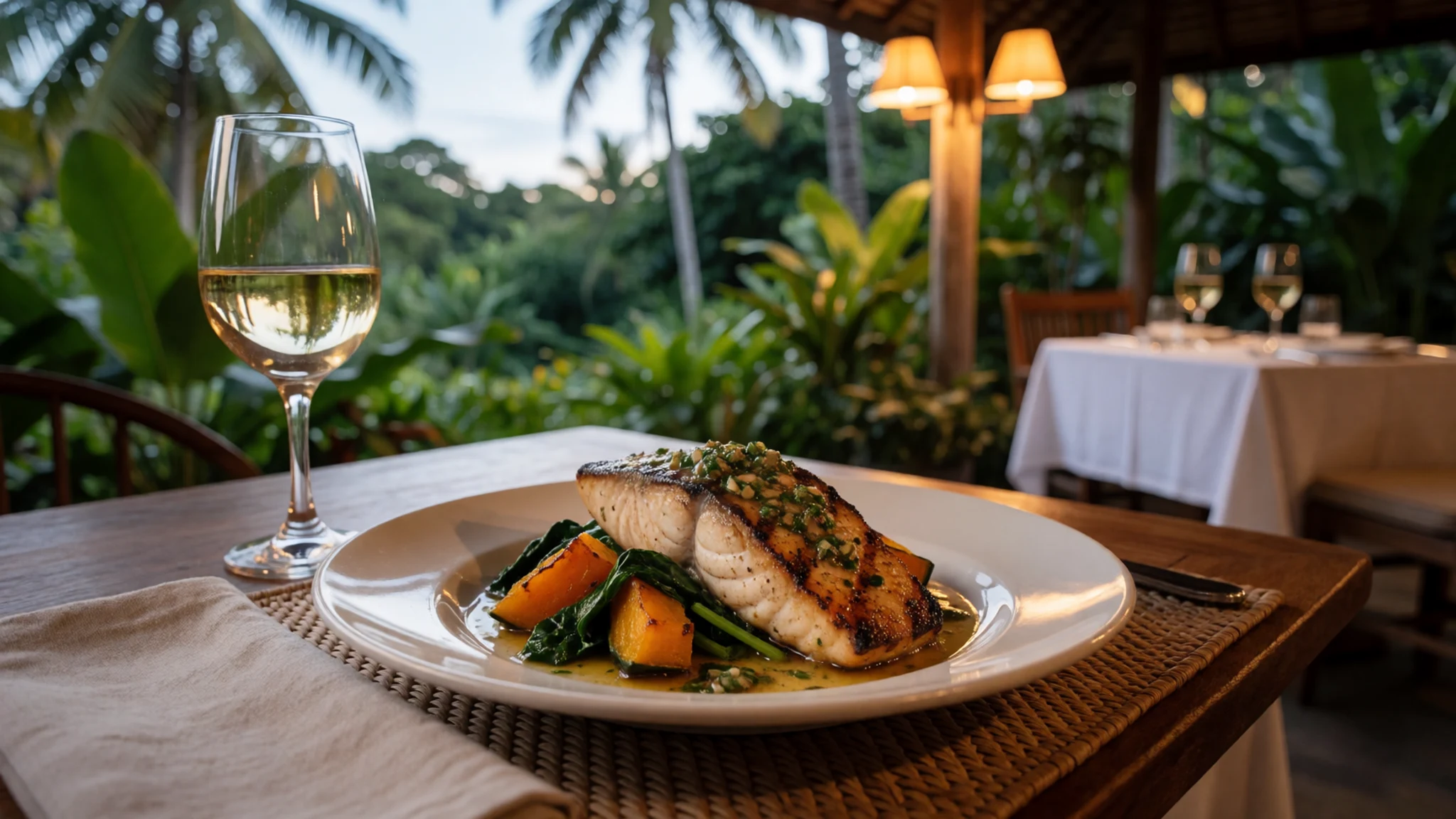
- Fresh grilled fish and seafood — Esperanza waterfront
Catch of the day, usually grilled or fried whole, with tostones or rice. Waterfront restaurants along the Esperanza seafront are the easiest place to find it, and sunset tables fill early, so go a little before dusk.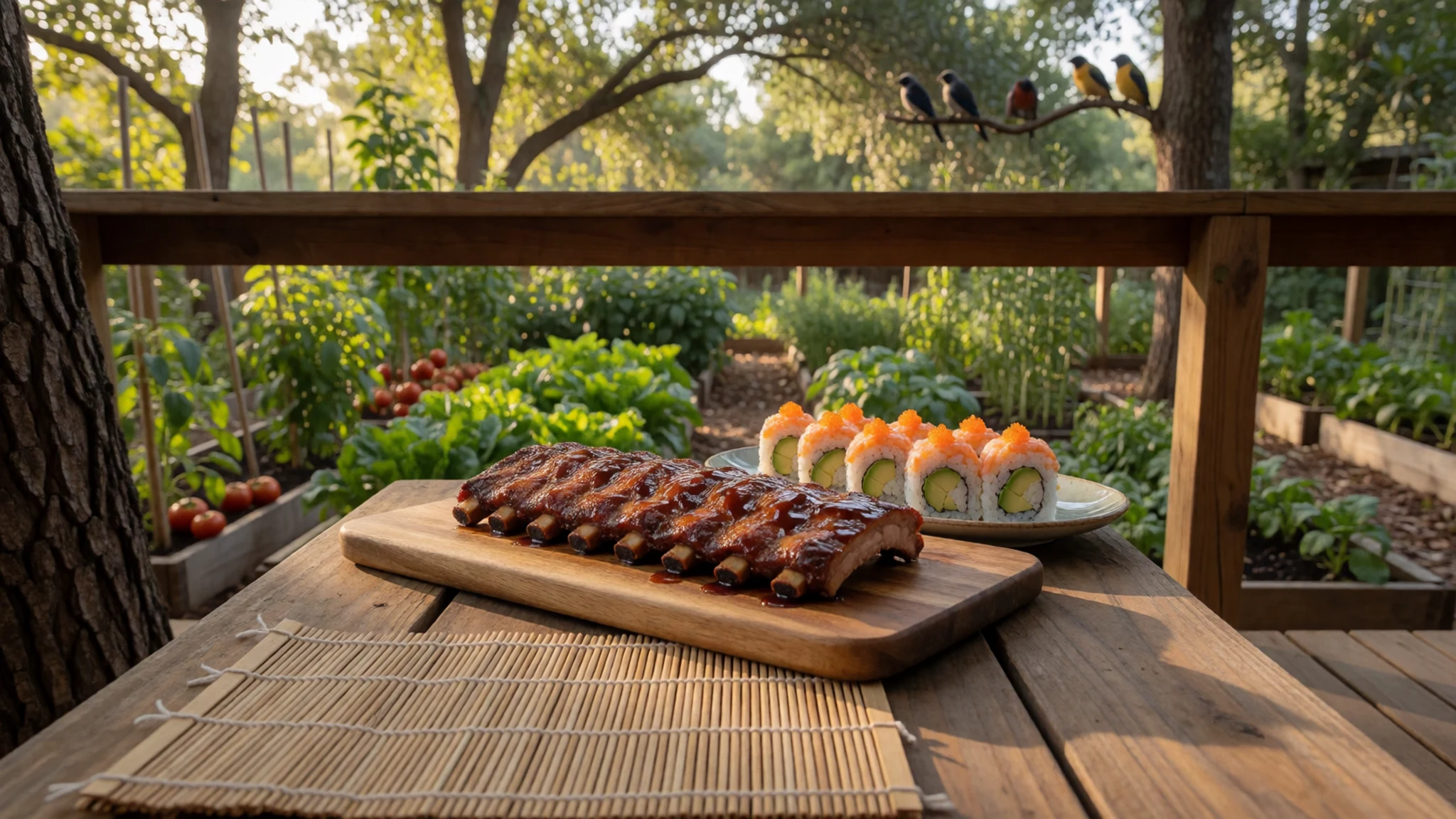
- Fried chicken and fries — Casual takeaway counters on the main roads
A cheap, popular lunch from casual local takeaway places. The chicken is crisp and well seasoned, served in generous portions with chips on the side. It is the sort of meal islanders pick up on the way to the beach, and good value. - Tostones and fritters — Roadside kiosks and festival stalls
Twice-fried green plantain slices, plus savoury fritters such as alcapurrias and bacalaítos. They are sold as snacks at roadside kiosks and festival stalls, and are best eaten hot, with a squeeze of lime or garlic sauce. - Arepas — Festival stalls and small cafés
Fried or griddled corn rounds, sometimes filled, celebrated in the island's August or September festival. Look for them at fiesta stalls and small cafés, where they are eaten as a snack or breakfast alongside coffee.
Plan it
Best time. December to May is the dry, sunnier season with the most comfortable heat and calmer seas, though it is also the busiest. Summer is hotter and more humid, and the Atlantic hurricane season runs through autumn, so travel then needs flexibility. For the bioluminescent bay, pick a night around the new moon.
How long. 3–4
Getting there. Fly to San Juan, then travel to Ceiba on the east coast of the mainland by road. From Ceiba, the passenger ferry to Isabel Segunda takes roughly an hour to an hour and a half. Small planes also fly to Vieques from the mainland. Check official schedules and fares.
Budget. mid
Tips
- Book ferry tickets ahead in high season, weekends and holidays, as it often sells out and local residents get priority
- Arrive well before departure, since loading starts early and services can be irregular
- Book bay tours in advance and choose a dark, moonless night
- Carry cash for small eateries and pack water, sun cream and repellent for remote beaches
- Hire a car or jeep, as public transport is limited and distances are awkward on foot
Etiquette
- Keep to marked paths and respect closed areas on former military land
- Leave valuables at your lodging and never leave bags unattended on remote beaches
- Do not touch or feed the free-roaming horses or disturb turtle nests
Nearby
Sources
- Wikidata Q737624 (CC0)
- Wikipedia: Vieques, Puerto Rico (rev 1378379692) (CC BY-SA 4.0)
- Wikivoyage: Vieques (rev 5421412) (CC BY-SA 4.0)
- Vieques from the air — U.S. Fish and Wildlife Service (Public domain)
- Vieques Bio Bay NR — USDA, DRNA PR (CC BY-SA 4.0)
- Vieques, PR — Rar285 (CC BY 3.0)
- Radar in Vieques, Puerto Rico — Steven Isaacson (CC BY-SA 2.0)
- Fuera la Marina de Vieques Ya — Jirka Matousek (CC BY 2.5)
- Mangroves in Vieques after Hurricane Maria — Western Area Power (CC BY 2.5)
- Casa Alcaldía, Isabel Segunda — Jaro Nemčok (CC BY 3.0)
- Barrios of Vieques — USGS derivative, NNW (CC BY 3.0)


