Vanikoro
Vanikoro, Solomon Islands
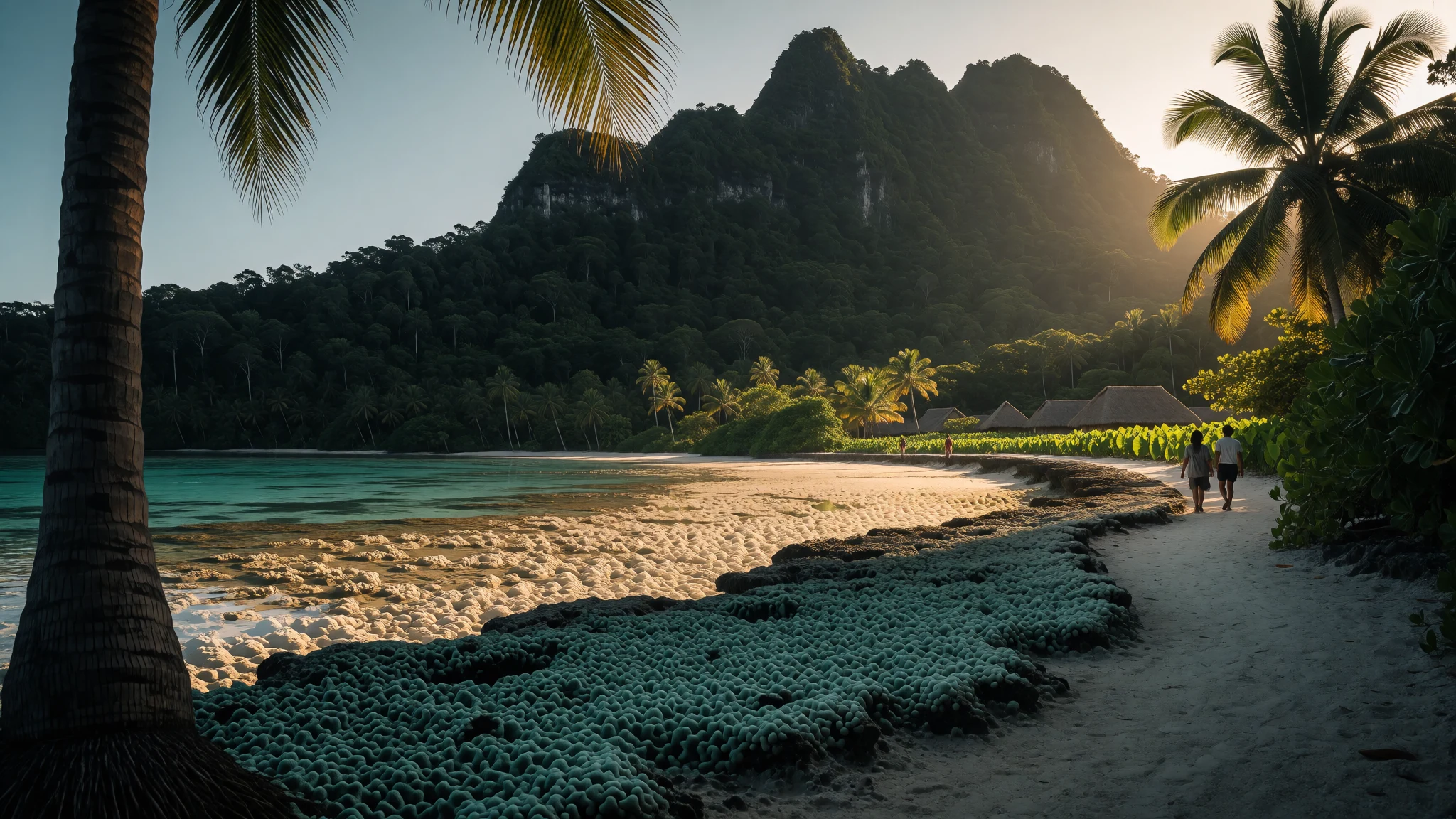
Vanikoro is a reef-ringed volcanic island in the south-west Pacific, where La Pérouse's two ships were wrecked and visitors remain rare.
The place
Vanikoro lies in the far south-east of Temotu Province, Solomon Islands, about 118 km from the main Santa Cruz group and a very long way from the capital, Honiara. Everyone speaks of it as a single island, and in spirit it is one: a shared reef, a shared geology and a shared culture. Strictly, though, it is a small cluster. Banie is the larger of the two inhabited islands and Teanu, also called Tevai, the smaller. Manieve, Nomianu and Nanunga are uninhabited islets. One continuous belt of coral reef encircles all of them, and together the group covers about 173 square kilometres.
The land is volcanic, so it rises quickly from the shore into steep, forested ridges, with villages tucked onto narrow coastal strips. About 1,293 people live here, mostly in small communities where gardens, fishing and kinship shape the day. Satellite images show the island's character well: dark green hills, a pale lagoon and a thin white line where the swell breaks on the reef.
This is not a resort destination, and it should not be sold as one. The lack of crowds comes from the lack of infrastructure. Flights and boats are infrequent and depend on the weather, accommodation is basic, and almost everything has to be arranged through local contacts well ahead of time. The climate is tropical, so heat and humidity are constant and rain can arrive in any month. Visitors who suit Vanikoro are patient, self-reliant and interested in history, reefs and village life more than in comfort.
Its story
Vanikoro entered European records in September 1595, when Lorenzo Barreto, commanding one of the smaller vessels in Álvaro de Mendaña's second Spanish expedition, sighted it. Mendaña had first reached the Solomon Islands from Peru in 1568. Long before either voyage, the wider region had been settled in waves: Papuan-speaking peoples first, then Austronesian speakers with their outrigger canoes, and later the Lapita people, known for their distinctive decorated pottery.
The event that made the island famous came in 1788. The French explorer Jean-François de La Pérouse was sailing with two ships, the Boussole and the Astrolabe, when both struck reefs that were not on any chart. Accounts say some of the crew were killed by islanders. The survivors built a smaller vessel and sailed away, and were never seen again. Those who stayed behind had died by the time search parties arrived in 1826. For decades the fate of the expedition was a puzzle that haunted France.
The story has since travelled well beyond the Pacific. Jules Verne gave the episode a chapter in one of his best-known novels, and the Australian writer Naomi Williams explored the voyage in depth in Landfalls. James Michener set the opening chapter of Tales of the South Pacific on an island he spelled Vanicoro. Archaeological work on the reef has recovered objects from the wrecks, and the Musée Lapérouse in Albi, in France, holds the log books, finds and a scale model of the island.
What to see
- Banie island — Banie, Vanikoro group
Banie is the larger of the two inhabited islands and the best place to understand Vanikoro as a living community. Villages sit along the coast beneath steep forest, with gardens, canoes and shaded paths between them. Visits are arranged through a local host, who will explain which areas need the landowner's permission.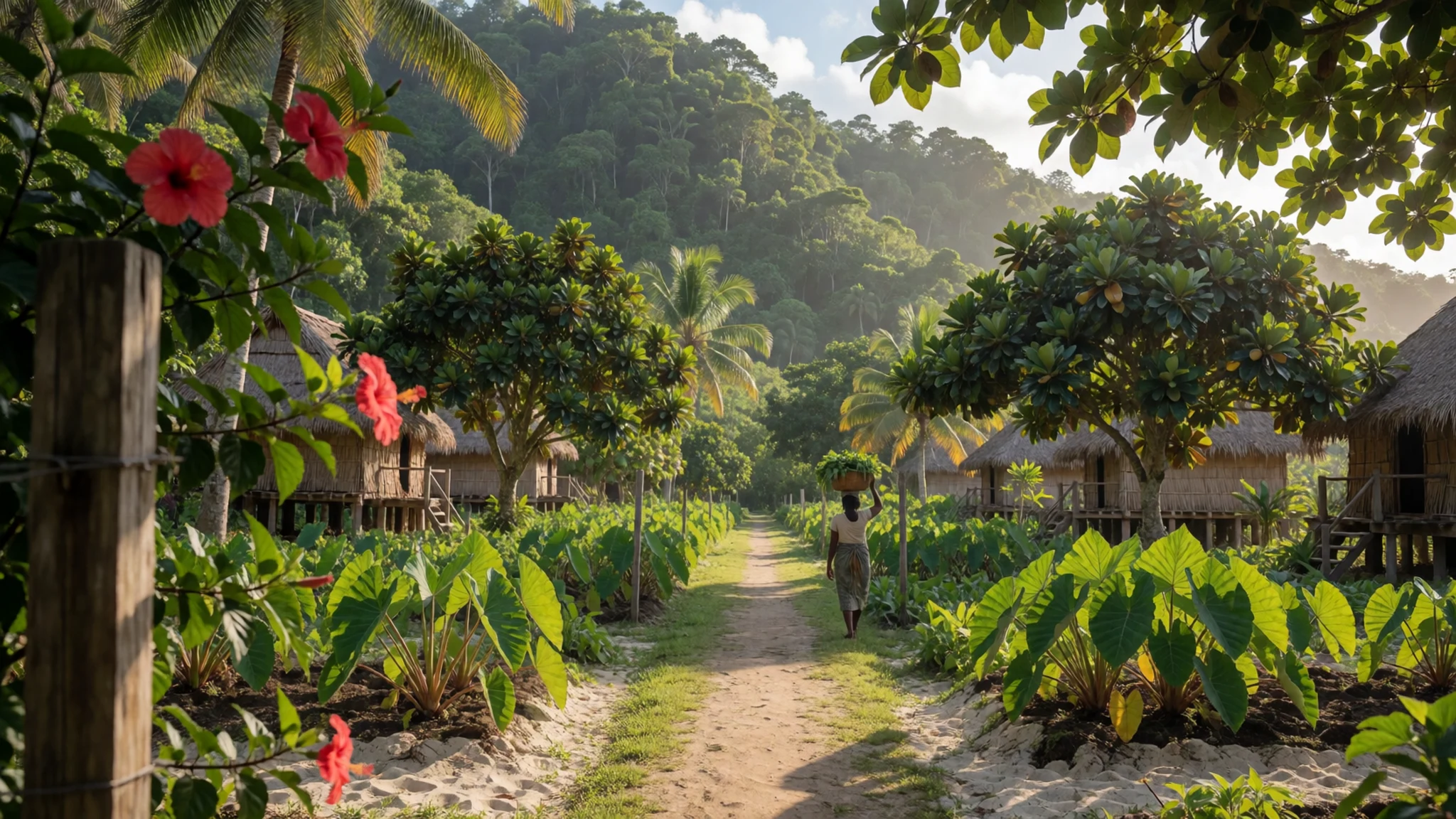
- Teanu (Tevai) — Teanu, Vanikoro group
Teanu is the smaller inhabited island, reached by canoe or boat within the shared lagoon. It gives a quieter picture of village life and a good view back towards Banie's ridges. As everywhere on Vanikoro, ask your host first, since landing on someone's shore without permission causes offence.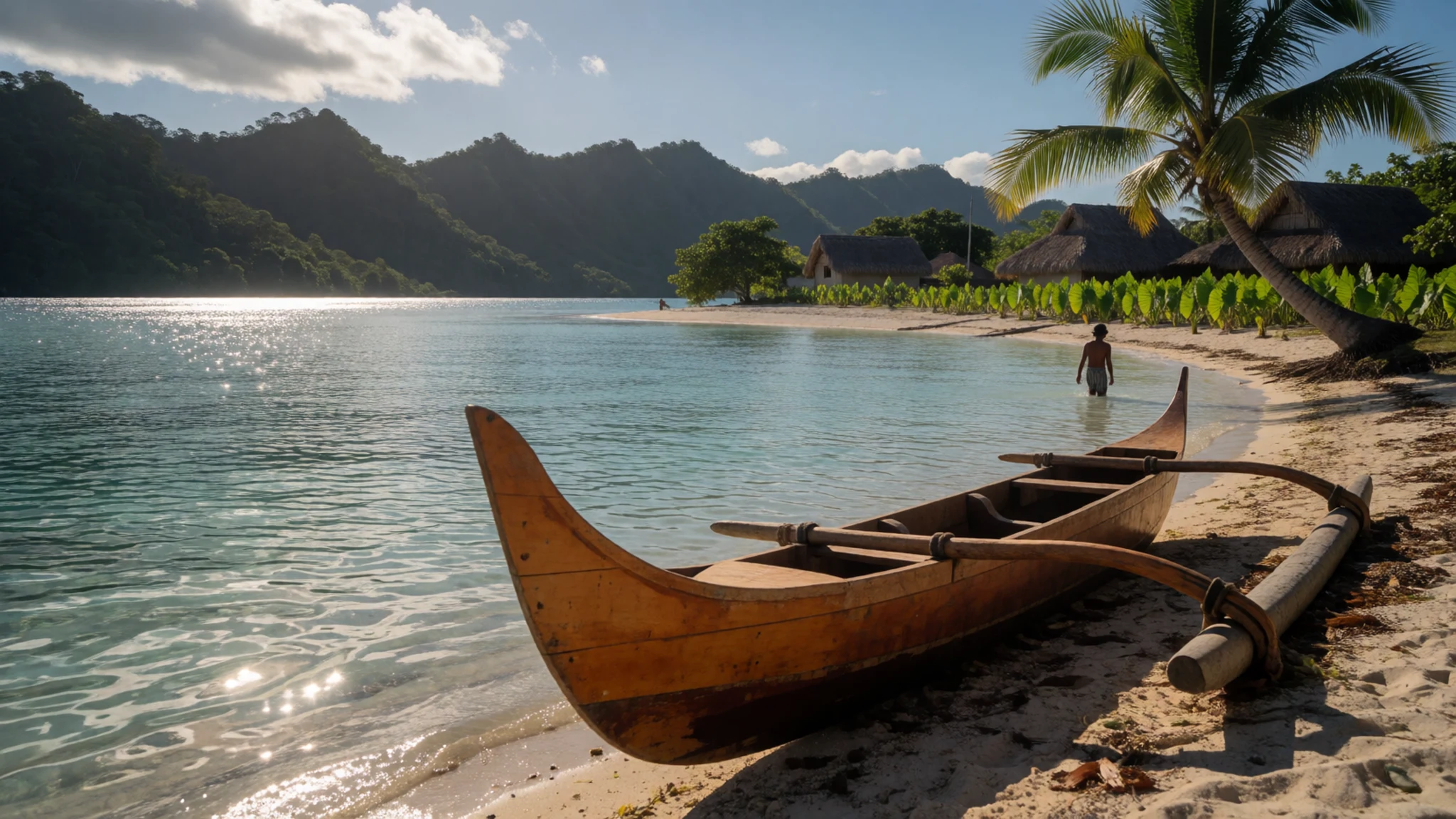
- The encircling reef — Reef around the Vanikoro group
A single coral belt wraps all the islands, and this same reef trapped La Pérouse's ships. Calm days can offer superb snorkelling, but passes, currents and swell need local knowledge. Go only with a guide, and ask the reef's owners for permission before you enter the water.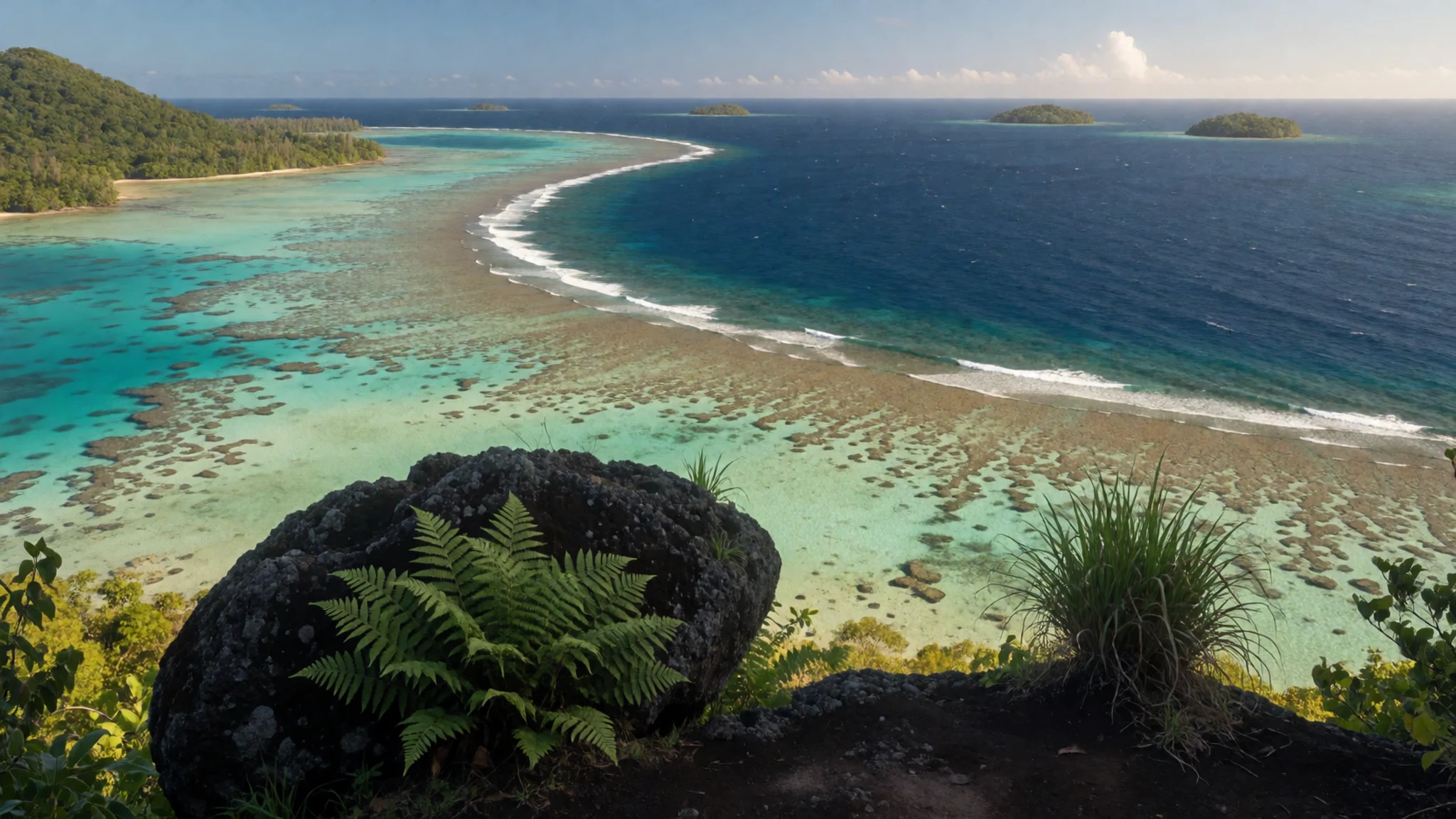
- Lapérouse wreck sites — Reef edge, Vanikoro
The Boussole and the Astrolabe were lost on the reef in 1788, and archaeologists have recovered objects from them. The wrecks are not a managed attraction, so any visit means a local guide and respect for the sites. For a wider view, the finds are displayed in France, in Albi.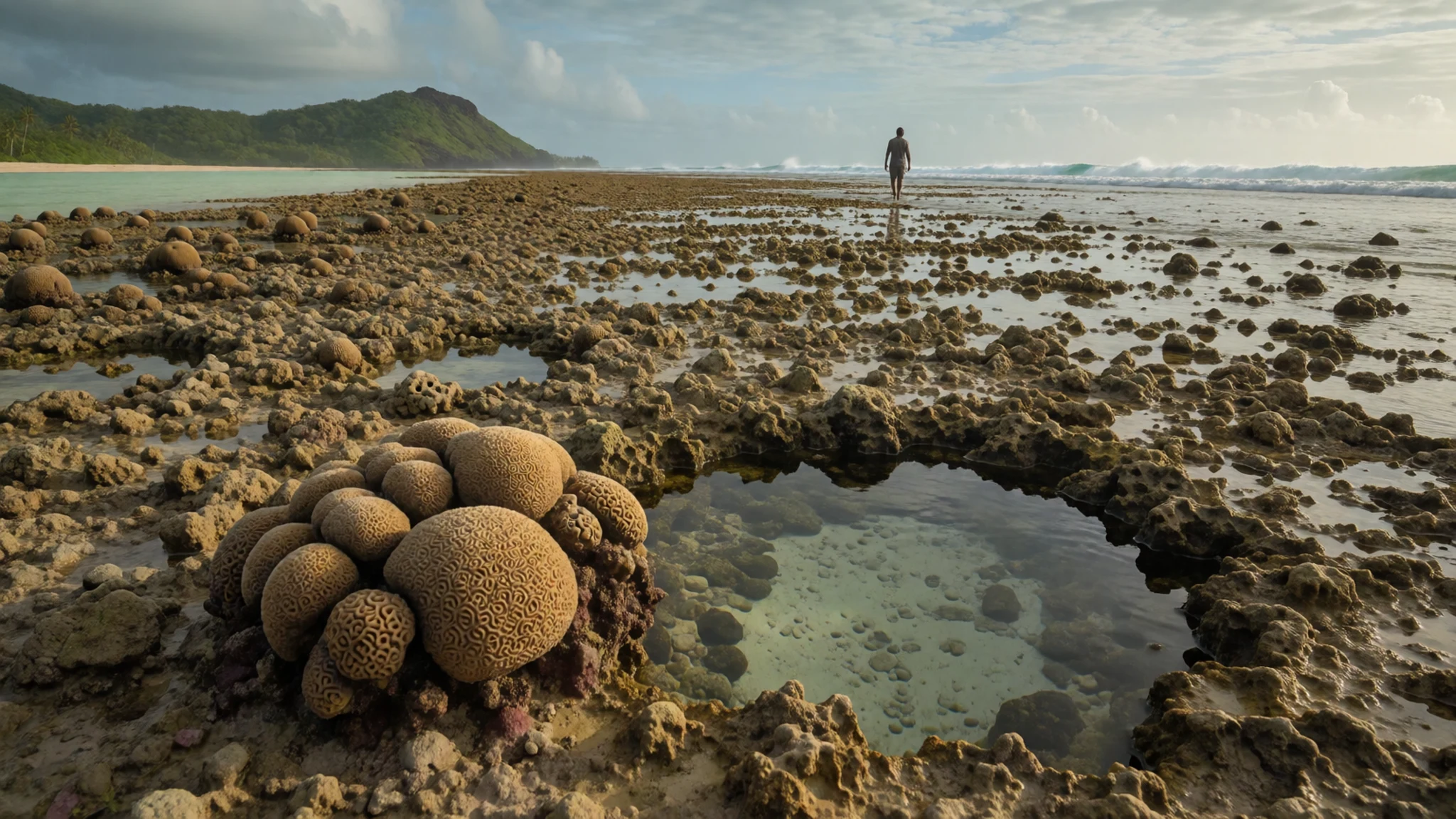
- Forest ridges and coastal trails — Interior of Banie
The volcanic interior is thickly forested and steep, and trails run between villages and gardens. Walks are best done with a guide from the community who holds the right of way. Expect mud, humidity and birdsong, and do not treat any forest or beach as public land.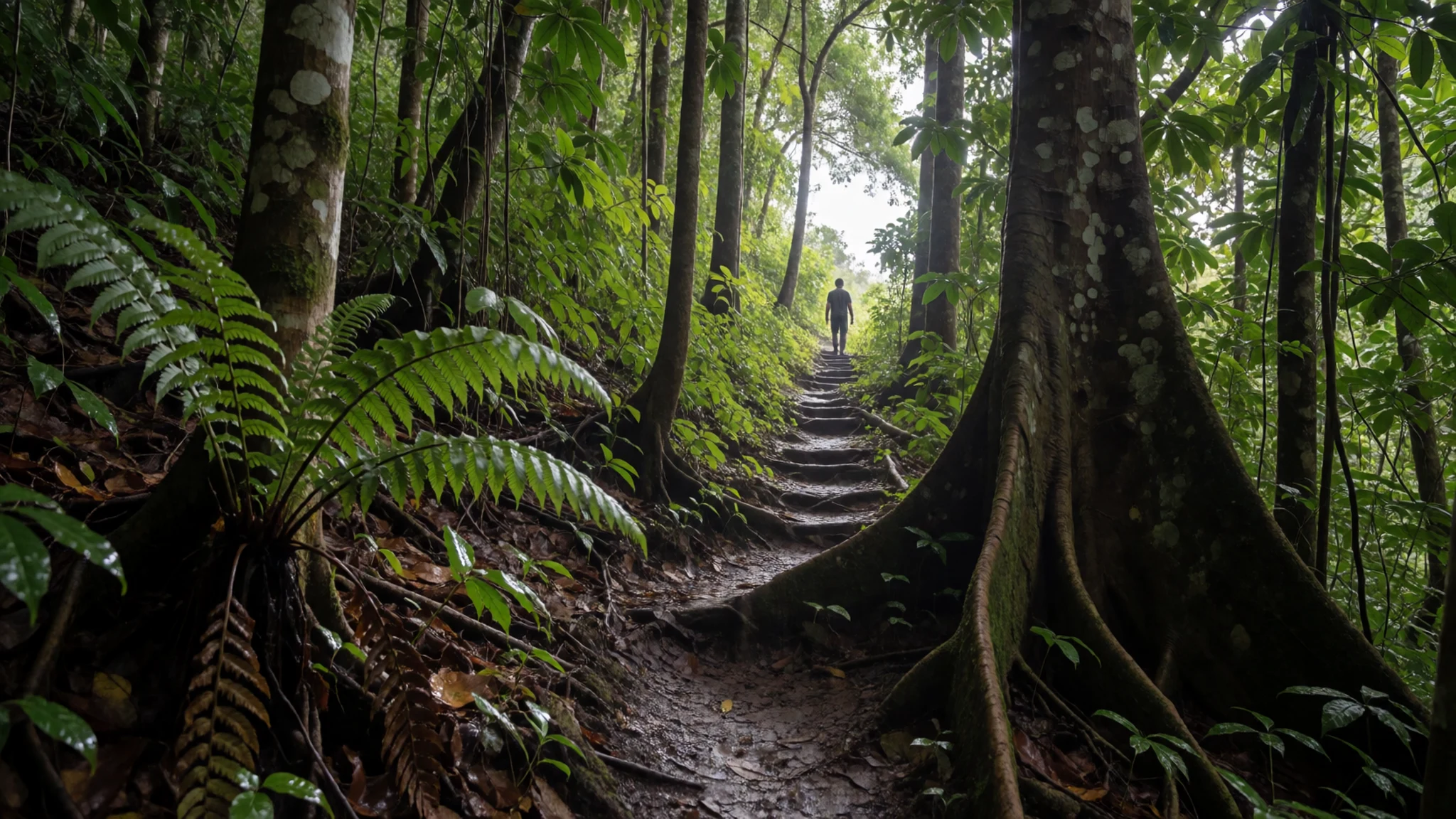
Culture
Vanikoro is part of the culturally varied Solomon Islands, where customs differ between islands, clans and even neighbouring villages. Two Pijin words explain a great deal. Kastom means traditional custom: the accepted way of doing things, including who may use land, reef and sacred places. Wantok outlines the duties that connect kin, clan affiliates, and members of the same linguistic or regional group. Both still govern daily life, from how a garden is passed on to who is expected to help when a house is built.
For a visitor, the practical result is that land and sea belong to specific people. A beach that looks empty, a reef that looks wild or a trail through the forest almost always has an owner. Guesthouse hosts and guides can introduce you to the right chief, elder or landowner and explain whether a small access or kastom fee is customary. Paying it is part of being a guest, not a tourist tax.
The island's history of contact adds another layer. Local people have lived with the Lapérouse story for generations, and for many it is a family and place memory as well as a foreign legend. Graves, shrines and old wreck-related sites can be sensitive, so treat them with the same care as any sacred place.
Before you land on a beach, enter a village, swim on the reef or photograph people, homes, graves or ceremonies, ask the landowner or chief through your host, and accept the answer.
What to wear
Traditional dress on Vanikoro is not well documented in the sources behind this reading, and styles across the Solomon Islands vary a great deal. Broadly, customary clothing in the region draws on plant fibres, woven pandanus and shell ornaments, worn on ceremonial occasions rather than daily. A photograph from 1895 shows Vanikoro men in older dress and adornment, and it is a useful reminder that what was once everyday is now mostly kept for kastom events and feasts.
What people wear now is practical and modest. Men commonly wear shorts or trousers with T-shirts, and women wear loose dresses, skirts or a wrap cloth, often brightly printed. Church clothes on Sundays are neater and more formal. Many people go barefoot or in sandals around the village, and shoes are put on for a walk to the garden or a trip by boat.
Visitors should dress for heat, rain and respect together. Pack light, quick-drying shirts with sleeves, and shorts or skirts that cover the knee, and keep a sarong or wrap for village visits. Swimwear belongs on a beach away from houses, with a shirt or wrap over it when you walk back through a village. Reef shoes protect against coral and sea urchins, sturdy sandals suit muddy paths, and a hat, sun-protective layers and a light rain jacket are all worth carrying.
What to eat
- Taro and cassava — Village meals and guesthouse tables
Root crops are the daily starch on Vanikoro, boiled or roasted and served with greens or fish. Taro can also be fermented into the paste called poi. Expect these at village meals and guesthouse tables, grown in nearby gardens.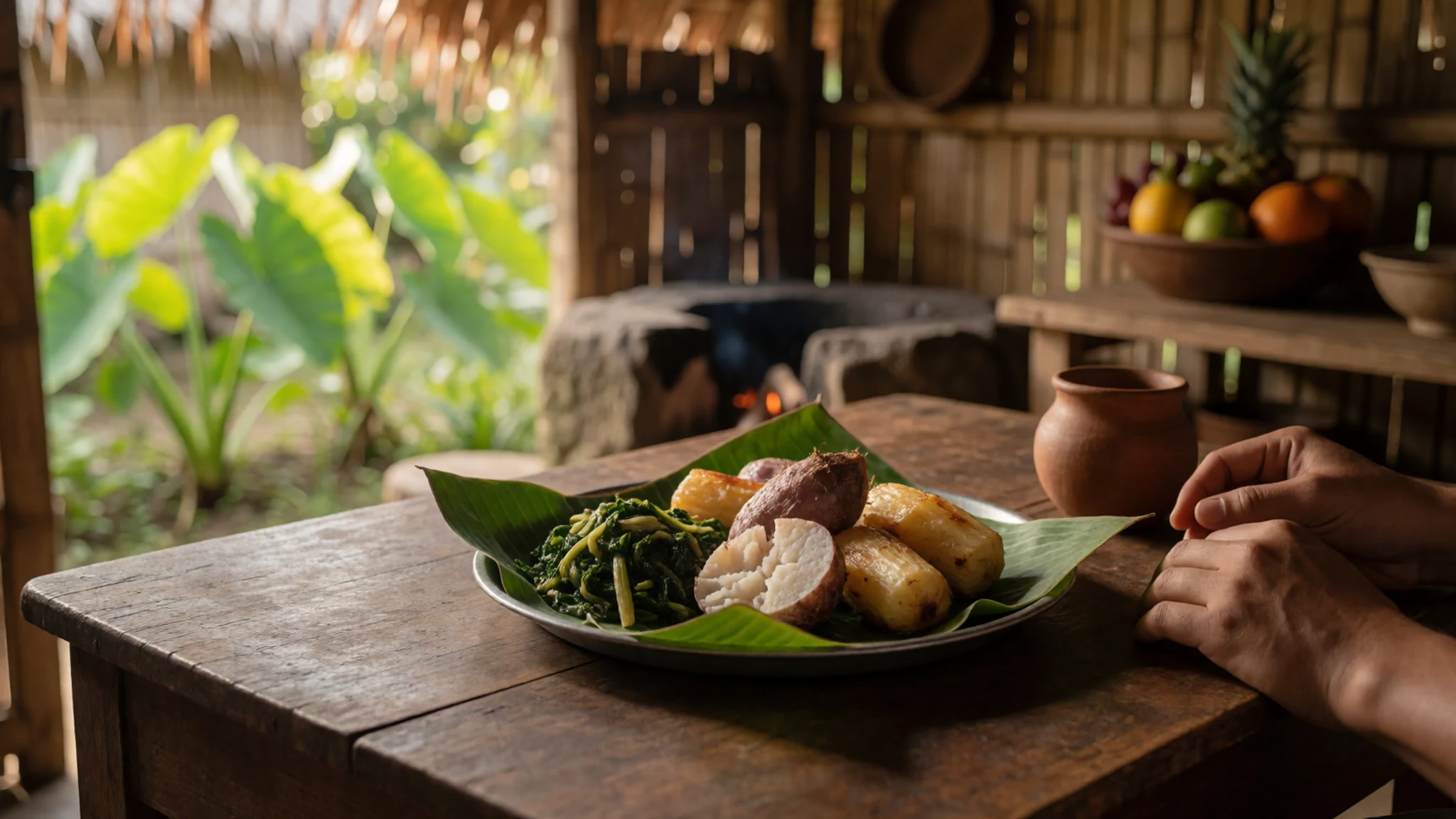
- Fresh tuna and reef fish — Village kitchens and guesthouses, usually by arrangement
Tuna is an important catch across Solomon Islands and is often served with chilli, rice or pasta. On Vanikoro, a family's morning catch may be grilled, boiled in coconut milk or smoked, depending on the cook and the day.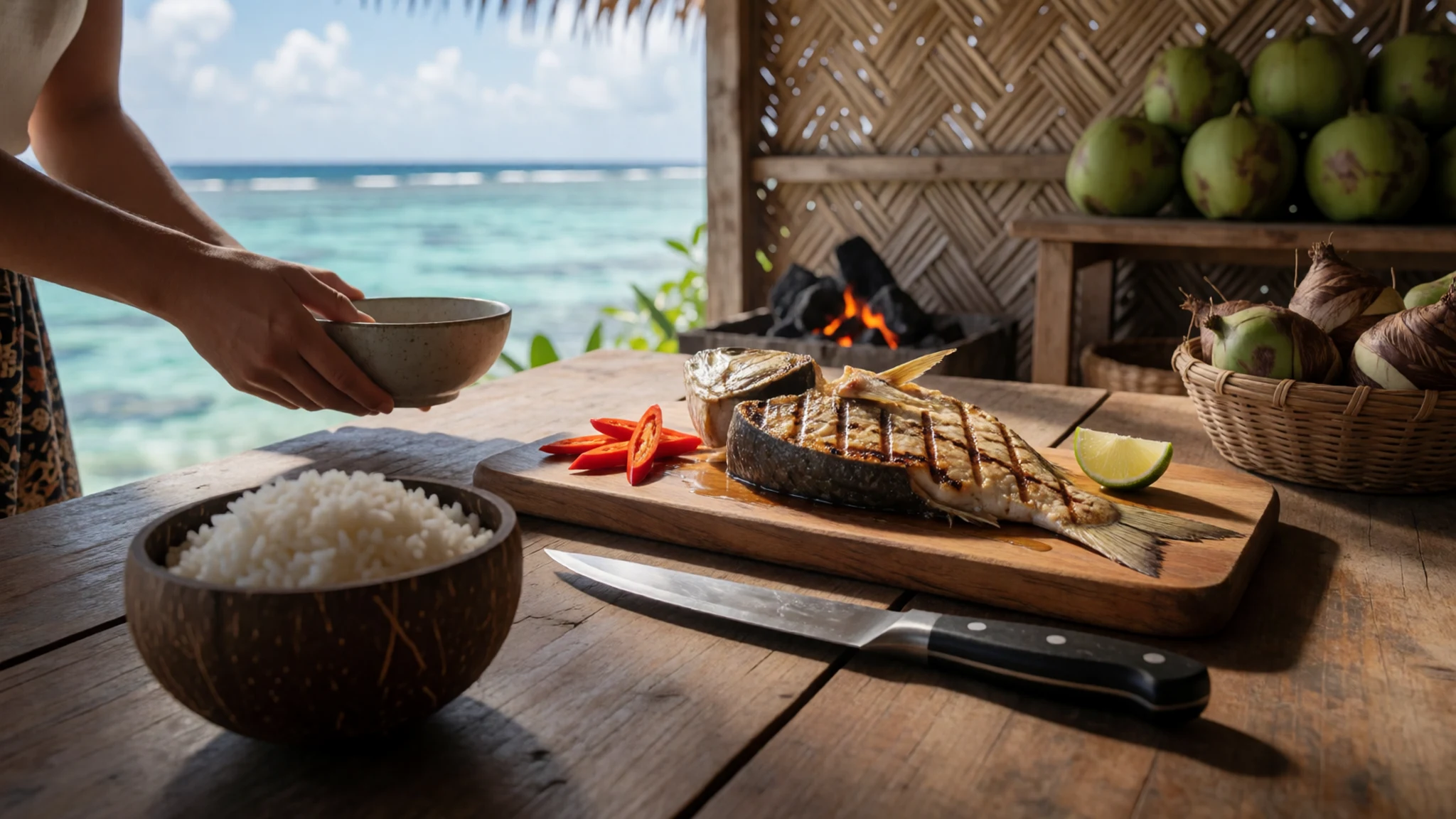
- Tropical fruit — Village gardens and roadside stalls
Papaya, bananas, coconuts and other tropical fruit are eaten fresh and carried for snacks. Green coconuts make a safe, refreshing drink on a hot walk. Ask your host, since fruit trees have owners just as gardens do. - Rice with canned fish — Small trade stores and guesthouses
Shops across the islands stock a limited range, and canned tuna and spam are the most common protein when fresh supplies run short. Served with rice, it is the reliable fallback meal at remote stops and long boat trips. - Solbrew beer — Bought in Honiara or larger centres, not guaranteed on Vanikoro
Solbrew is the local brewery, based near the capital, and its beer reaches the provinces only when transport allows. Some villages and communities restrict alcohol, so ask your host before bringing any ashore.
Plan it
Best time. May to October is generally the more comfortable stretch, with the best chance of calmer seas and fewer heavy downpours. The climate is tropical year-round, so expect heat, humidity and showers in any month. Boat and flight connections depend on weather, so leave slack in the schedule.
How long. 5–7
Getting there. Fly to Honiara, then arrange onward domestic flights and boat transfers towards Temotu Province and Vanikoro. Schedules change, so confirm every leg with the airline, provincial office or your host rather than trusting an old timetable. The final crossing is by boat across open water.
Budget. mid
Tips
- Arrange everything through a local host or guide well before you travel, since there is no walk-in tourist infrastructure.
- Check entry rules for your nationality early: everyone needs a passport, an onward ticket and enough funds, and Indian citizens should confirm visa requirements before booking.
- Carry cash in small notes, plus water purification, sun protection, insect repellent and any medicines, as supplies are limited.
- Ask a travel clinic about malaria prevention, and carry travel insurance that covers medical evacuation.
- The region is earthquake-prone, so ask your host about the local tsunami warning plan when you arrive.
Etiquette
- Ask the chief, elder or landowner before entering a village, landing on a beach or using a reef, and pay any customary fee.
- Ask before photographing people, houses, graves or ceremonies.
- Dress modestly in villages and on Sundays, with shoulders and knees covered.
Nearby
Sources
- Wikidata Q1536424 (CC0)
- Wikipedia: Vanikoro (rev 1386220561) (CC BY-SA 4.0)
- Wikivoyage: Solomon Islands (rev 5392304) (CC BY-SA 4.0)
- NASA astronaut image of Vanikoro (ISS006-E-40032) (Public domain)
- Alexandre François, Toponymie traditionnelle de Vanikoro (CC BY 3.0)
- Vanikoro men, 1895 (Rudolf Festetics) (Public domain)
- Journaux de bord, Musée Lapérouse, Albi (Als33120) (CC BY-SA 4.0)
- Objets des recherches archéologiques, Musée Lapérouse, Albi (Als33120) (CC BY-SA 4.0)
- Maquette de l'île de Vanikoro, Musée Lapérouse, Albi (Als33120) (CC BY-SA 4.0)
- Amblypneustes ovum, MNHN (RECOLNAT) (CC BY 4.0)
- Amblypneustes pallidus, MNHN-IE-2013-10518 (RECOLNAT) (CC BY 4.0)


