Florida Islands
Florida Islands, Solomon Islands
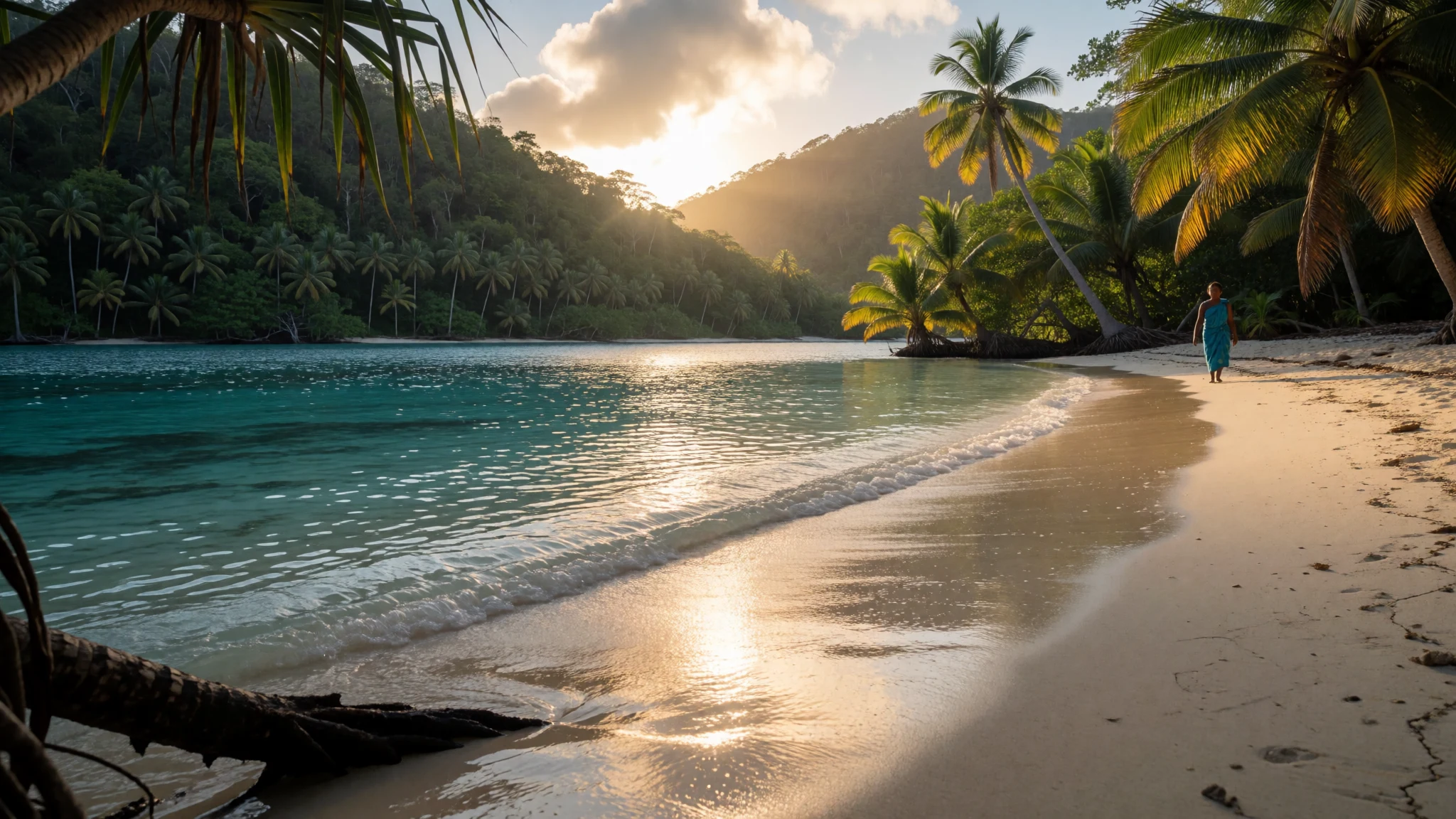
Florida Islands offer quiet coral beaches, wartime wrecks and village life just across the water from Guadalcanal, for travellers happy with simple stays.
The place
The Florida Islands, now more often called the Nggela Islands, sit in Solomon Islands' Central Province, just north of Guadalcanal in the south-west Pacific. The older name was a colonial-era label and fell out of everyday use after independence in 1978, though maps and wartime histories still carry it. Four main islands anchor the group, with around fifty smaller islets scattered between them, a good number edged in pale coral sand. Nggela Sule is the principal landmass. A slim channel, the Mboli Passage, splits it from Nggela Pile on its south-eastern side. Olevugha, also known as Mobokonimbeti, and Vatilau, also known as Buenavista, lie towards the north-west. Among the small islands, Anuha, about 70 hectares, sits south of Nggela Sule, while Tulagi, Gavutu and Tanambogo cluster off its south-west coast. Tulagi carries the most administrative weight: it is the capital of Central Province and was once the British administrative centre for the Solomons, before the colonial government moved across to Honiara. Because the group lies so close to Guadalcanal, it works as a short escape from the capital rather than a long expedition. That does not make it a polished resort archipelago. Outside Honiara, places to stay tend to be small and simple, such as guesthouses, eco-lodges and village homestays, and they are often tied closely to the neighbouring village. Air conditioning, fast internet and swimming pools are the capital's territory. Beaches, reefs and trails belong to landowning communities, so a visit is partly a matter of arranging things through hosts. Heat and humidity are constant, and distances that look short on a map are covered by boat, so weather and sea conditions shape the day. What the islands offer is calm water, reef, wartime remains and everyday island life that has not been staged for visitors.
Its story
The Florida Islands carry a Spanish name from a Spanish voyage. In April 1568 an expedition led by Álvaro de Mendaña, sailing from Peru, sighted the group. The sighting came from a small boat, the brigantine Santiago, under Pedro Ortega Valencia with Hernán Gallego as pilot. They charted the land as Pascua Florida, after the Easter festival, and Florida is the part that survived. Long before that, Melanesian people had lived in the wider Solomons for thousands of years, with Austronesian speakers arriving around 4,000 BC and bringing the outrigger canoe. Missionaries began visiting in the mid-19th century and made slow progress, partly because blackbirding, the recruitment of labourers by coercion, deception or kidnap for plantations in Queensland and Fiji, provoked reprisals and massacres. Tulagi later became the seat of the British Solomon Islands administration, and that ended abruptly in 1942. Japanese forces garrisoned Nggela Sule in April, intending a seaplane base on neighbouring Gavutu. On 7 August US Marines landed on Nggela Sule to cover the assault on Tulagi islet. Afterwards the group served as a small secondary base for American, Australian and New Zealand forces, with a seaplane base and a water point drawing on an underground source. About 80 Japanese troops who escaped from Tulagi held out on Florida Island for two months before patrols wiped them out. When the war ended, the British administration moved to Honiara on Guadalcanal, and Tulagi's old role as colonial centre came to a close.
What to see
- Tulagi — Off the south-west coast of Nggela Sule
Tulagi is a small island off Nggela Sule and the capital of Central Province. It was once the British administrative centre of the Solomons, so a slow walk here is a way to meet colonial and wartime history at the water's edge. Ask locally before leaving the main paths.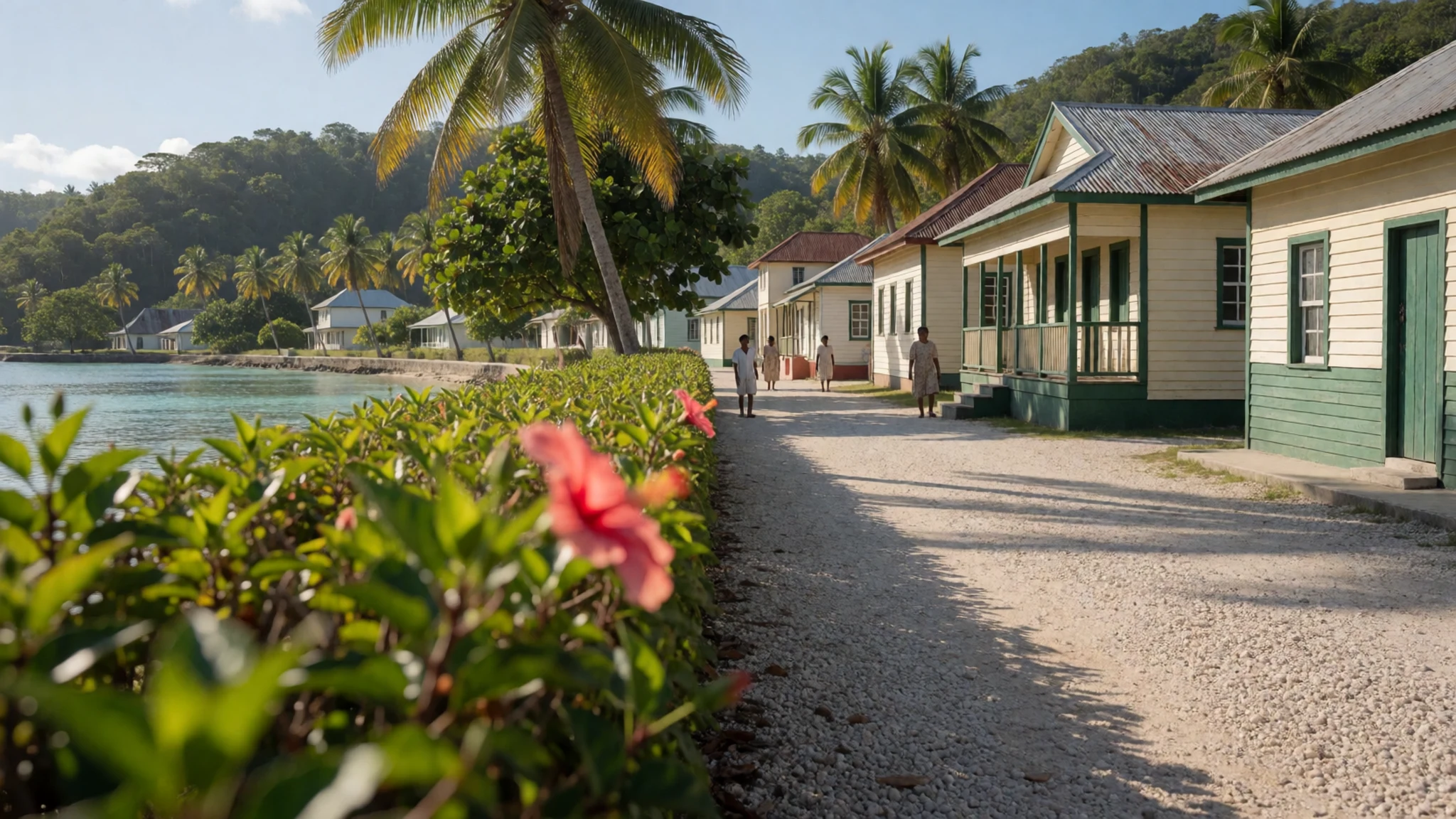
- Gavutu and Tanambogo — Beside Tulagi
Gavutu and Tanambogo are two small islets next to Tulagi, linked to the 1942 Japanese plan for a seaplane base on Gavutu. Treat them as history stops rather than polished attractions. Arrange a boat and permission through your accommodation or a local guide, since access depends on landowners.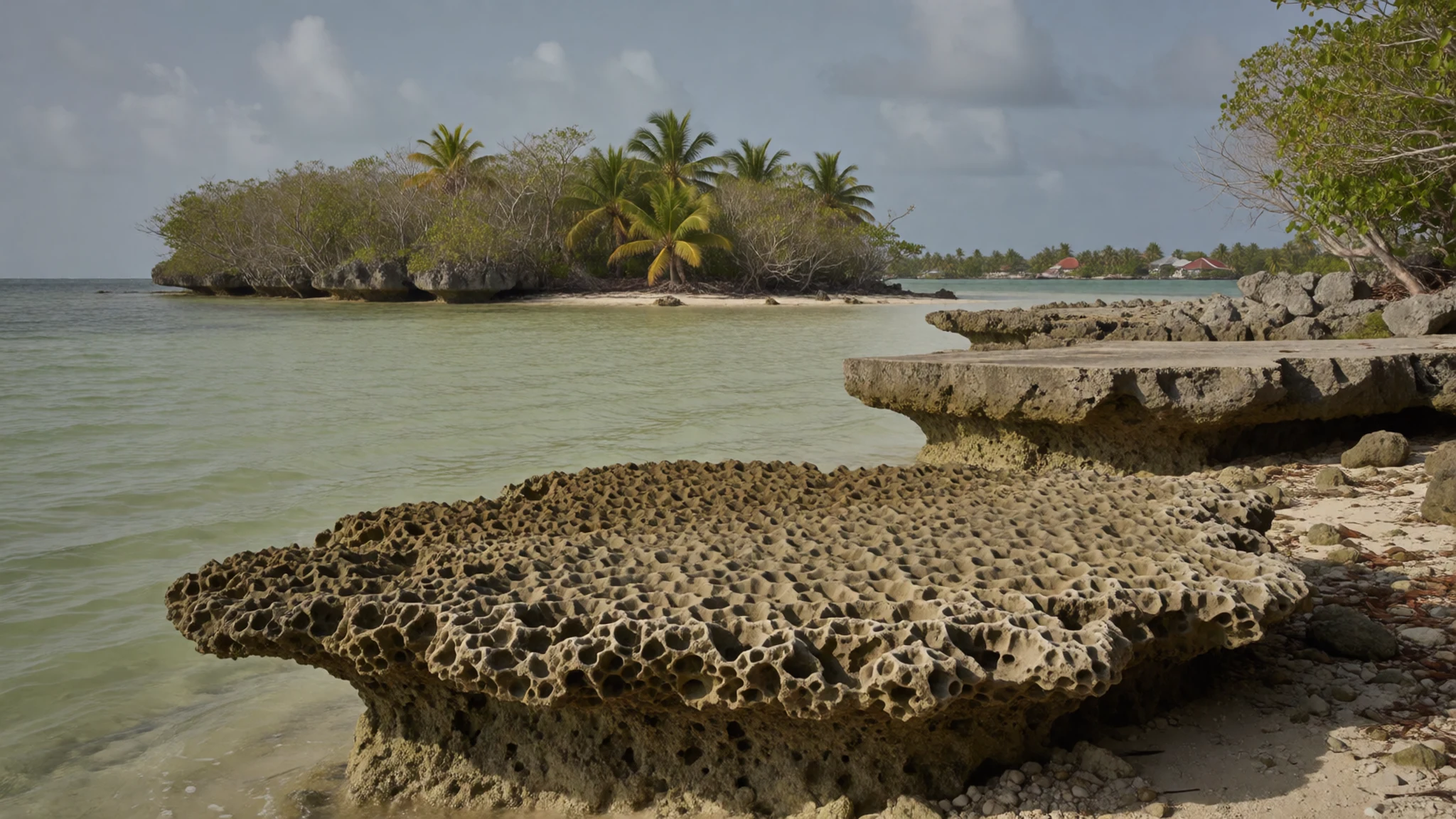
- Mboli Passage — Between Nggela Sule and Nggela Pile
The Mboli Passage is the narrow channel dividing Nggela Sule from Nggela Pile. Sheltered, island-lined water like this makes boat travel the main pleasure: slow transfers, reef edges, villages along the shore. Tides and weather affect crossings, so let a local boatman choose the timing.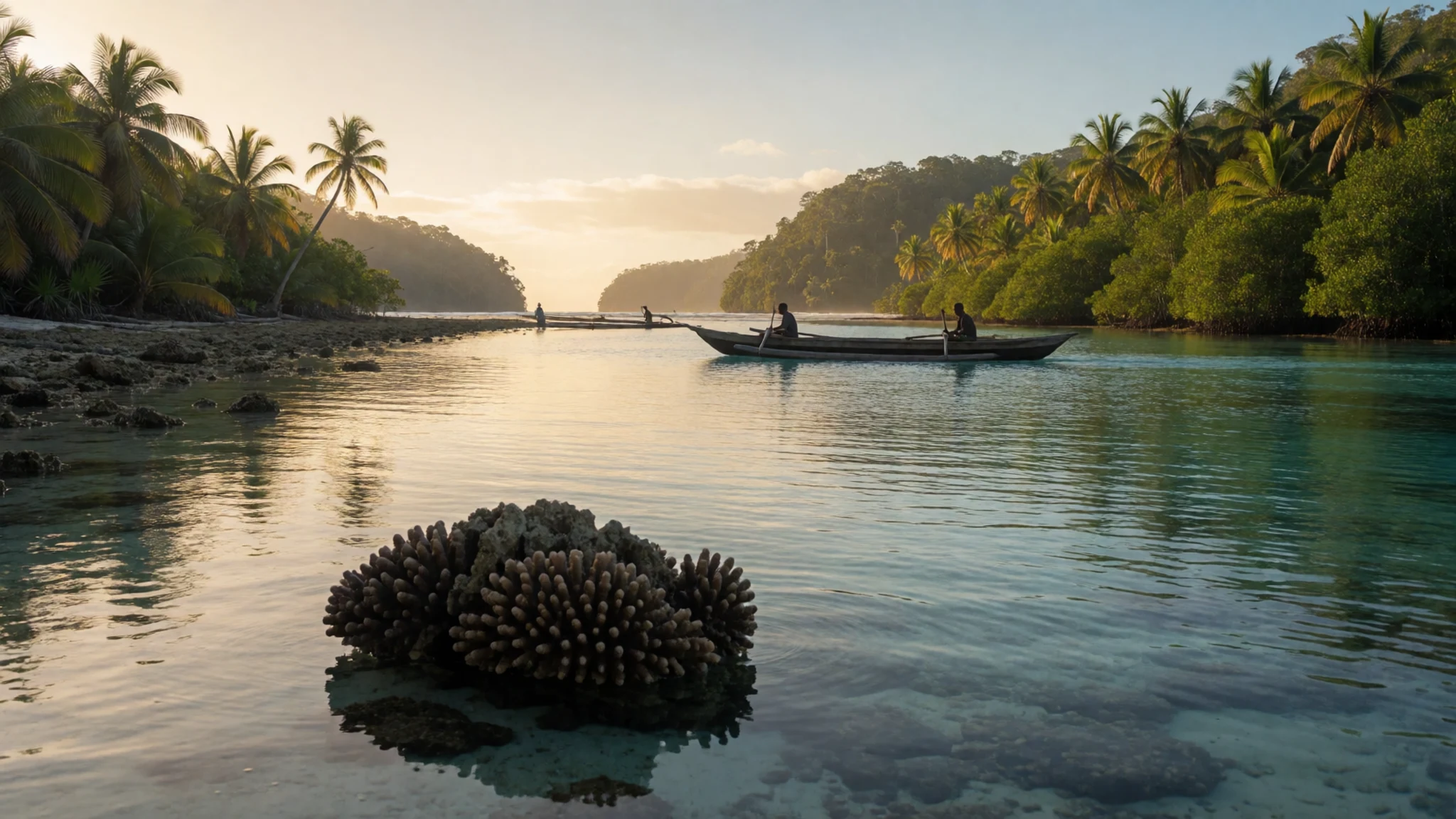
- Anuha — South of Nggela Sule
Anuha is a small island of about 70 hectares south of Nggela Sule. Its size makes it easy to understand from a boat or on foot, and its coral shoreline is typical of the group's smaller islands. Check in advance how access works, because islands here are often locally owned.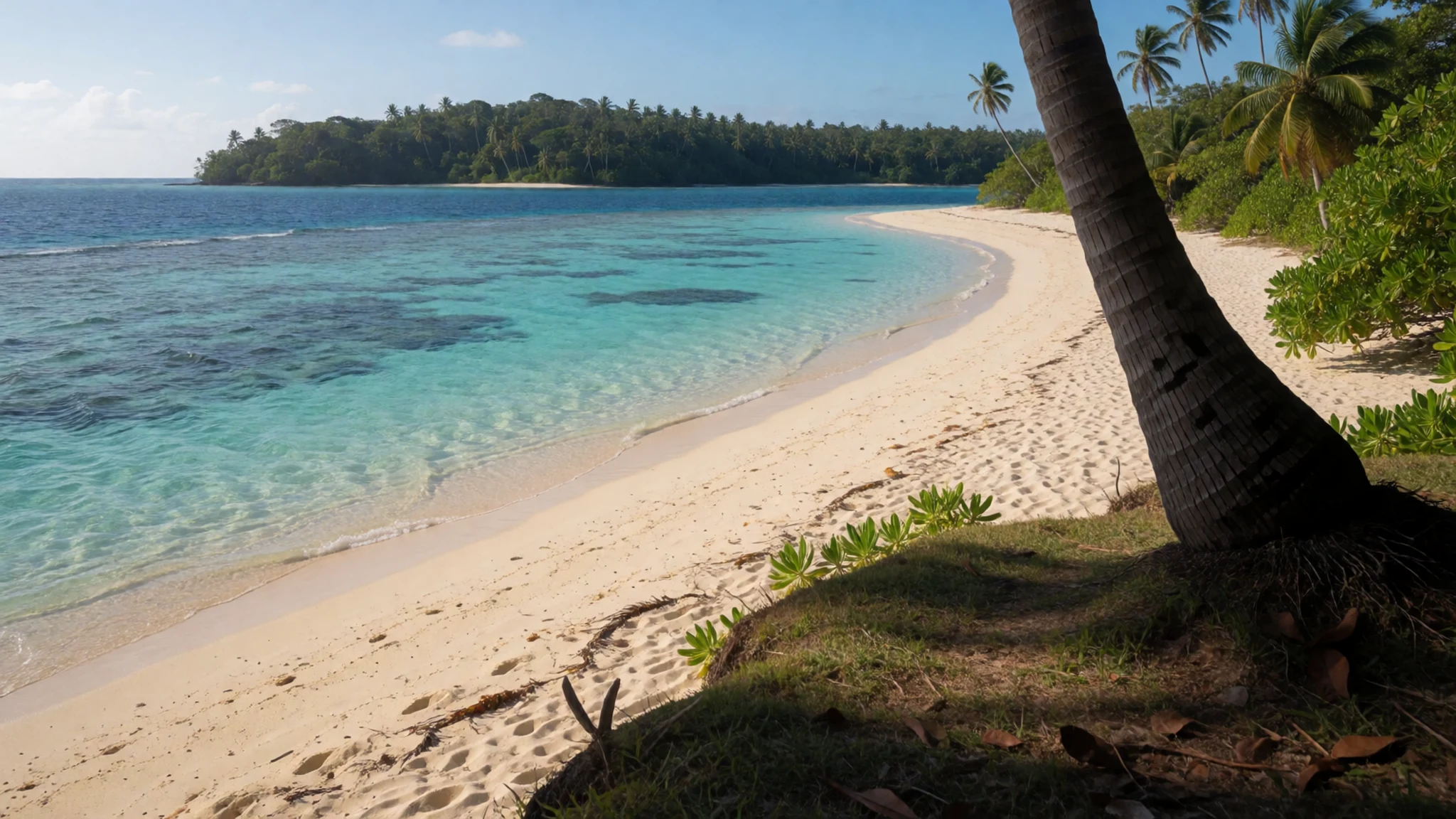
- Wartime relics and wreck diving — Waters and shores around Tulagi and Nggela Sule
Tanks, plane wrecks, shipwrecks and guns from the Pacific War survive across the Solomons, on land and underwater, and these islands, a base for Allied forces, belong to that story. Book snorkelling or diving through a licensed operator, ask about depth and currents, and treat sites respectfully, since some mark real loss.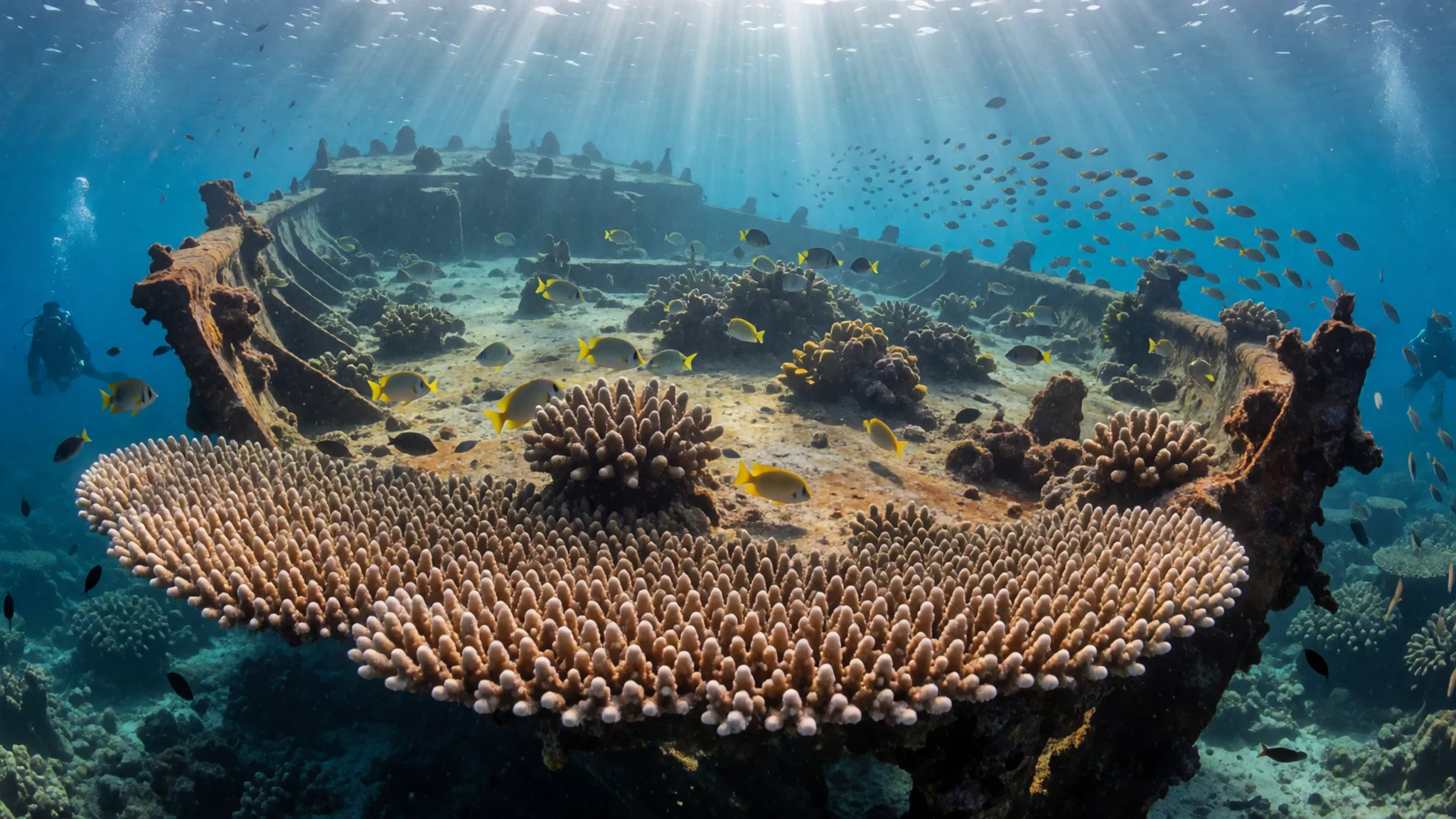
Culture
Culture in the Florida Islands follows the wider Solomon Islands pattern, where traditions differ between islands, clans and villages. Two Pijin words explain a great deal. In the Florida Islands, kastom refers to traditional ways and accepted practices, while wantok describes the ties of duty connecting family, relatives, and those who share a common language or community. Both still shape village life, from who may use a beach to how a visitor is received. Land and sea are usually held by families or clans rather than being public, so an empty-looking beach, reef or forest trail is rarely free for anyone to use. Ask a local host or guide to direct you to the proper chief, elder, or landowner so you can find out if they require a traditional land access fee. Places that look ordinary to an outsider may carry spiritual, ancestral or historical weight, which is especially true of graves, shrines and wartime sites. Arrangements are generally made through conversation rather than signboards, so patience and a friendly introduction go a long way. Tipping is not customary. Always ask before going ashore on an island, entering a village or photographing people, homes, ceremonies or sacred places, and dress modestly once you are away from the resort and designated swimming beaches.
What to wear
Fashion in the Florida Islands is not one costume story, because dress traditions vary between islands and communities. Traditional adornment in the Solomons has drawn on shell, plant fibre and woven materials, and it is mostly worn for ceremonies and dances rather than daily life. The details belong to each community, so ask locally rather than assume. Everyday clothing is relaxed and practical: wrap cloths such as sulus, T-shirts, shorts, and loose cotton dresses often called island dresses, with flip-flops or bare feet near the water. Church clothes are noticeably neater. Visitors should pack light, quick-drying cotton or linen for heat and humidity, plus a hat and a thin rain layer. Away from resorts and designated swimming beaches, cover shoulders and knees, and keep swimwear for the beach and boat. A sarong or wrap is useful for villages and doubles as a sun shield. Reef shoes protect feet on coral and in shallows, and sturdy sandals suit village paths and boat landings. Closed shoes are better for walking to wartime sites or through undergrowth, and a light long-sleeved top helps against sun and mosquitoes.
What to eat
- Tuna with rice or pasta — Guesthouse and homestay kitchens
Tuna is caught in Solomon waters and is a staple protein, often served with rice or pasta and a kick of chilli. Fresh-cooked fish is the best thing to ask for at a guesthouse, since many shop shelves lean on tinned fish instead.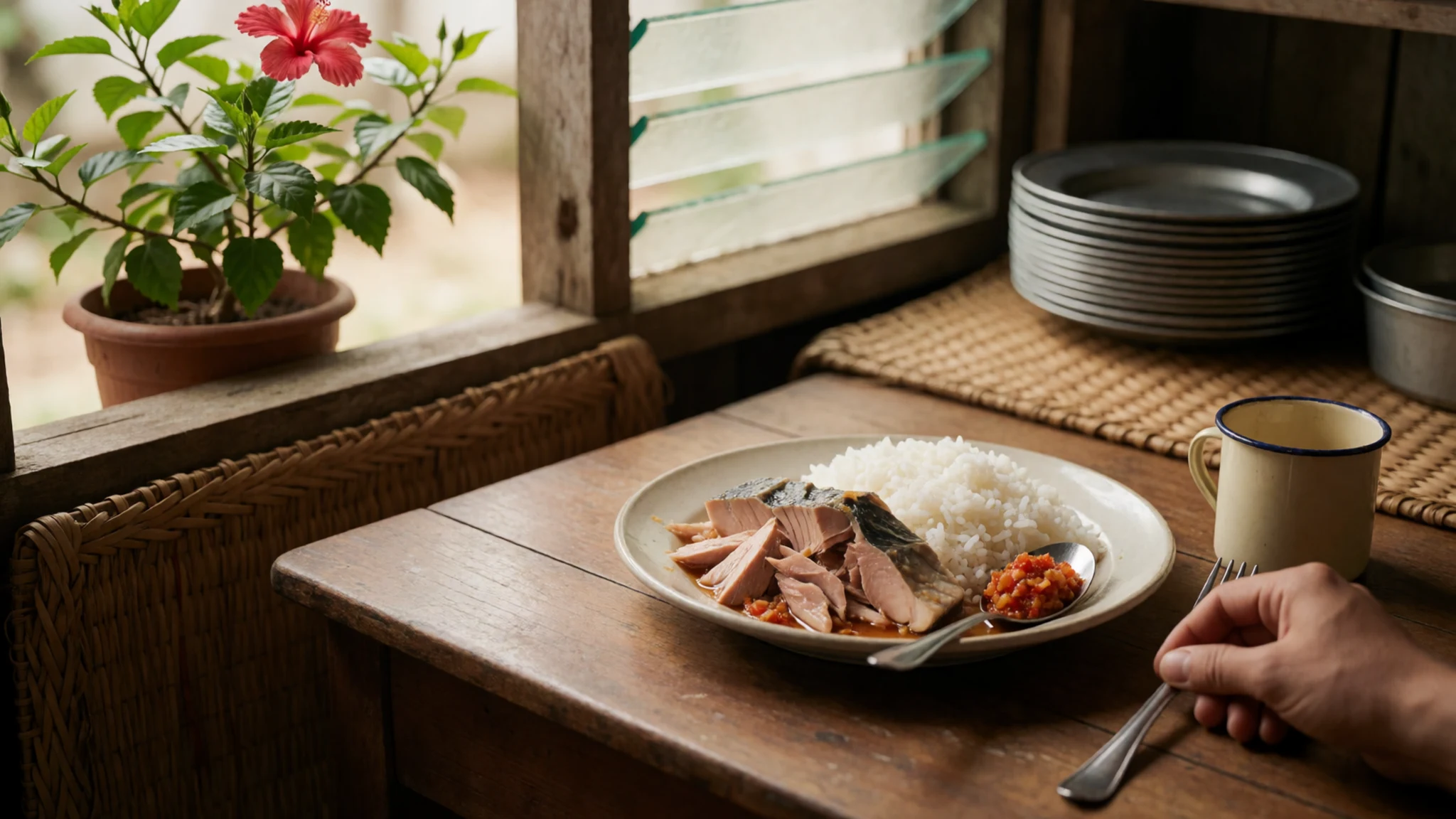
- Cassava — Village homestays and local markets
Cassava is an important source of starch across the islands, usually boiled or roasted and eaten beside fish or vegetables. It is filling, plain and mild, which suits chilli-heavy tuna. Expect it in home-style meals rather than on formal menus.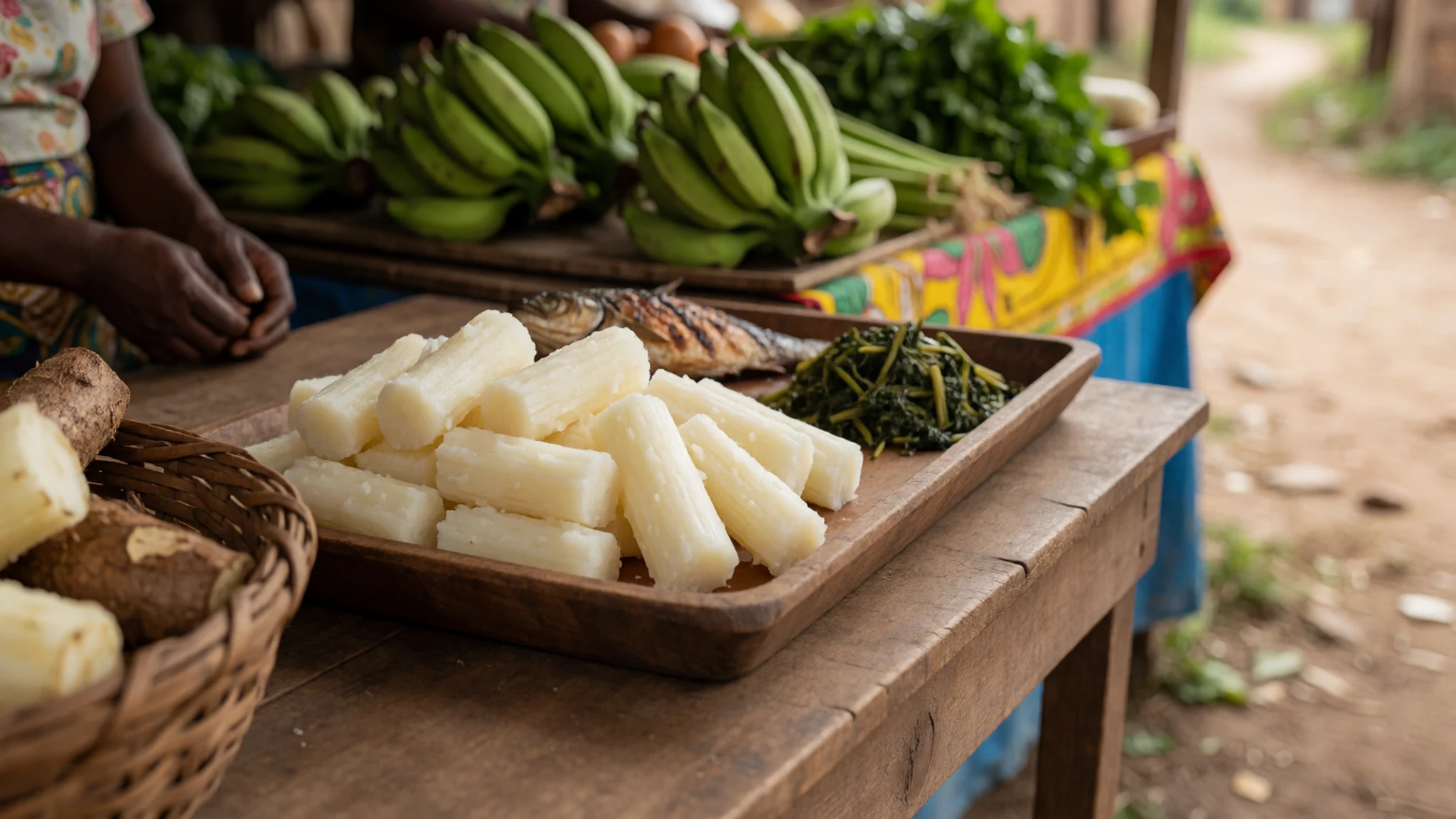
- Poi (fermented taro) — Village meals, usually by invitation
Poi, a fermented taro dish, belongs to the wider South Pacific table. It is dense and sour, and it takes some getting used to. Availability depends on the household and season, so ask a host rather than expecting it on a menu. - Tropical fruit — Local markets and guesthouse breakfasts
Tropical fruit is the easy win in the islands: whatever is in season is sold fresh or served as plain slices at breakfast. Ask what is local that week rather than expecting a set list, and wash or peel anything eaten raw. - Solbrew beer — Restaurants and shops in Tulagi and Honiara
Solbrew is the local brewery, based near Honiara. A cold bottle suits the heat, though attitudes to alcohol vary between villages, so ask your host before bringing any ashore or drinking in a community.
Plan it
Best time. Roughly May to October is usually the drier, calmer stretch in the Solomons, which suits boat transfers, snorkelling and diving. November to April is hotter and wetter with more storm risk. It is humid all year, and sea conditions can change plans, so check forecasts.
How long. 3–5
Getting there. Fly to Honiara on Guadalcanal, then take a boat across the water to Tulagi or the island where you are staying. Many outer-island properties combine a flight with a boat transfer, so ask your accommodation to organise and confirm the crossing.
Budget. mid
Tips
- Check entry rules early: everyone needs a passport, an onward ticket and proof of funds, and visa rules depend on nationality, so confirm on the official immigration site.
- Book accommodation and boat transfers ahead; places outside Honiara are small and simple.
- Do not count on cards, air conditioning or reliable internet outside the capital; carry cash and download maps before you leave.
- Avoid travel after dark, especially in Honiara, where crime rates are high.
- The islands lie on the Pacific Ring of Fire; if you feel an earthquake, move straight to higher ground.
Etiquette
- Ask your host or guide before entering a village, landing on an island or using a beach or reef
- Ask before photographing people, homes, ceremonies, graves or sacred places
- Dress modestly away from resorts and designated swimming beaches
Nearby
Sources
- Wikidata Q49295726 (CC0)
- Wikipedia: Florida Islands (rev 1374942903) (CC BY-SA 4.0)
- Wikivoyage: Solomon Islands (rev 5392304) (CC BY-SA 4.0)