Malaita
Malaita, Solomon Islands
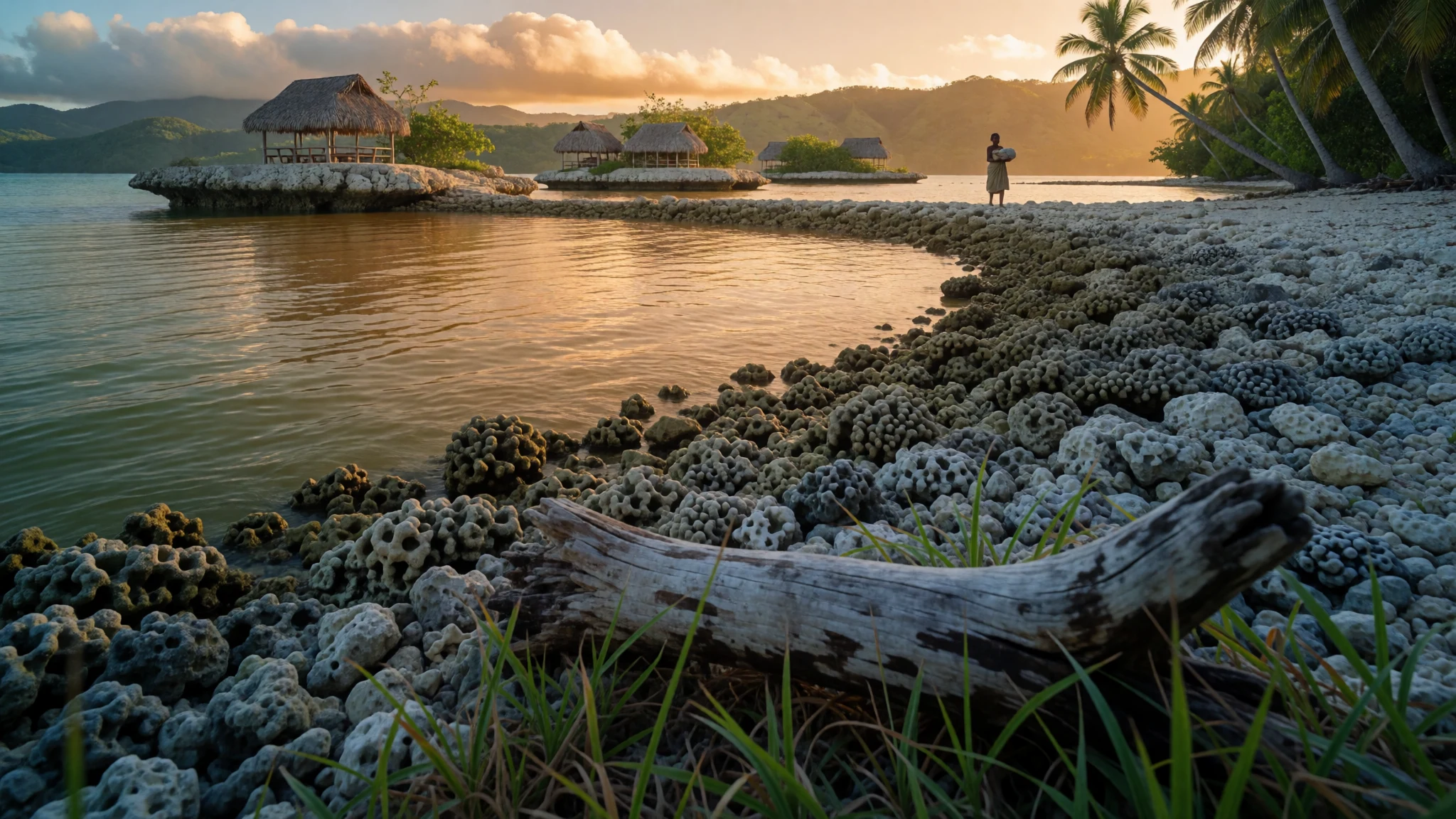
Malaita offers lagoon villages built on man-made islets, living kastom and a slow, unhurried pace, for travellers happy to go without resort comforts.
The place
Malaita is a long, thin island in the Solomon Islands, a country in the south-west Pacific. Its population is about 140,000 according to the facts used here, and it is the home island of Malaita Province. The highest ground rises to 1,435 metres, so the interior is steep, forested and sparsely connected, while most settlement clings to the coast.
The provincial capital, Auki, sits on the north-west coast beside the Langa Langa Lagoon. It is a working town rather than a resort: a market, a harbour, shops and offices. From here, small boats fan out to lagoon villages.
A useful way to read the island is through a local distinction. People of the Langa Langa and Lau lagoons call themselves wane i asi, 'salt-water people', and set themselves apart from the wane i tolo, 'bush people', who live inland. The two groups have different livelihoods, speech and histories, and the difference still shapes how people describe themselves.
At the southern tip lies South Malaita, also called Small Malaita or Maramasike, separated from the main island by a narrow passage. Island life runs on clan, language and land ownership, and many languages are spoken across a fairly small area.
Visitors should expect simple lodging, limited transport, patchy connectivity and weather that decides the boat schedule. In return there is very little tourism, so what you see is everyday life rather than a performance for visitors.
Its story
Malaita's human story begins with Austronesian-speaking settlers, who reached the Solomon Islands several thousand years ago. The island has not been thoroughly excavated, so its early chronology is still uncertain, and much of what is known comes from oral tradition rather than from archaeology.
One such account belongs to the Kwara'ae people. Their founding ancestor is said to have arrived about twenty generations ago, landing first on Guadalcanal. He then followed a magical staff that led him to the middle of Malaita, where he set down the customs of his people. His descendants later spread out to the lowlands around the island's edges.
Europeans entered the picture in the sixteenth century. The Spanish expedition under Álvaro de Mendaña sighted the island in April 1568, and a small boat from the fleet, the brigantine Santiago, explored much of the coast. Its pilot, Hernán Gallego, recorded the island under its local name, which is why Malaita is still called Malaita. The expedition did not see the north side, and it mistook the Maramasike Passage for a river.
The Second World War also left its mark across the Solomons. Caves behind waterfalls near the capital of Guadalcanal served as hiding places for soldiers, and Malaitan communities traded with American servicemen stationed nearby. Today the island's past is carried as much by clan genealogies and kastom as by any written record.
What to see
- Langa Langa Lagoon — North-west coast, near Auki
Langa Langa is known for its brown rather than bright blue water, and for life that moves slowly. Canoes slip across the lagoon and people work on traditional crafts. It is also a place to see artificial islands built from stone and coral, some centuries old, with new ones still being made.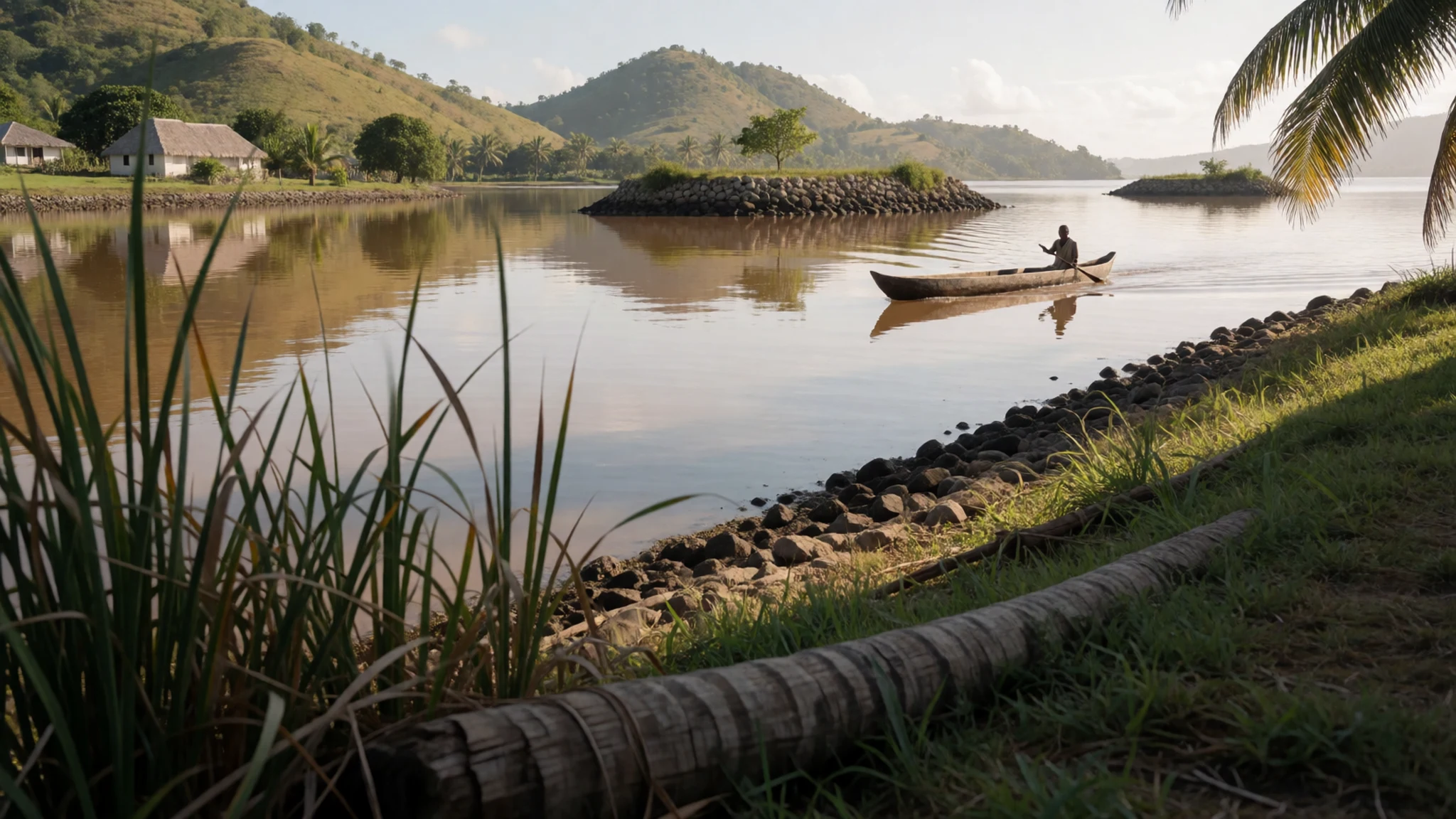
- Artificial islands — Langa Langa and Lau lagoons
Lagoon communities have long built islets by piling stone and coral onto reef flats, and families live on them. Some date back to the sixteenth century. Visiting means arranging a boat and asking permission from the village first, since these are homes, not attractions.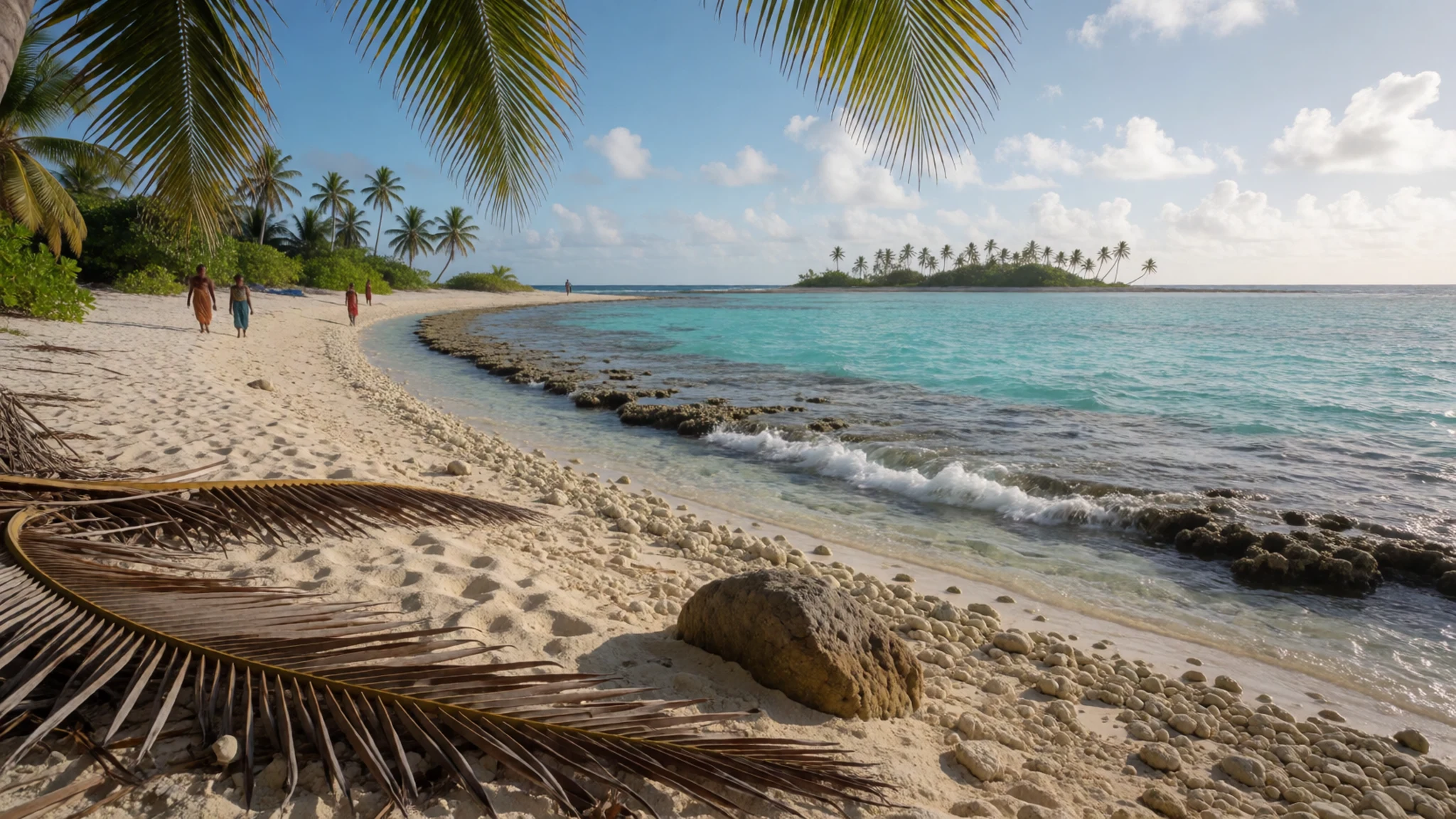
- Lau Lagoon — North-east coast
On the north-east coast, Lau Lagoon is home to people who call themselves salt-water people and who are known for their island villages. It is quieter and less visited than Langa Langa, so a local guide and a pre-arranged boat are essential.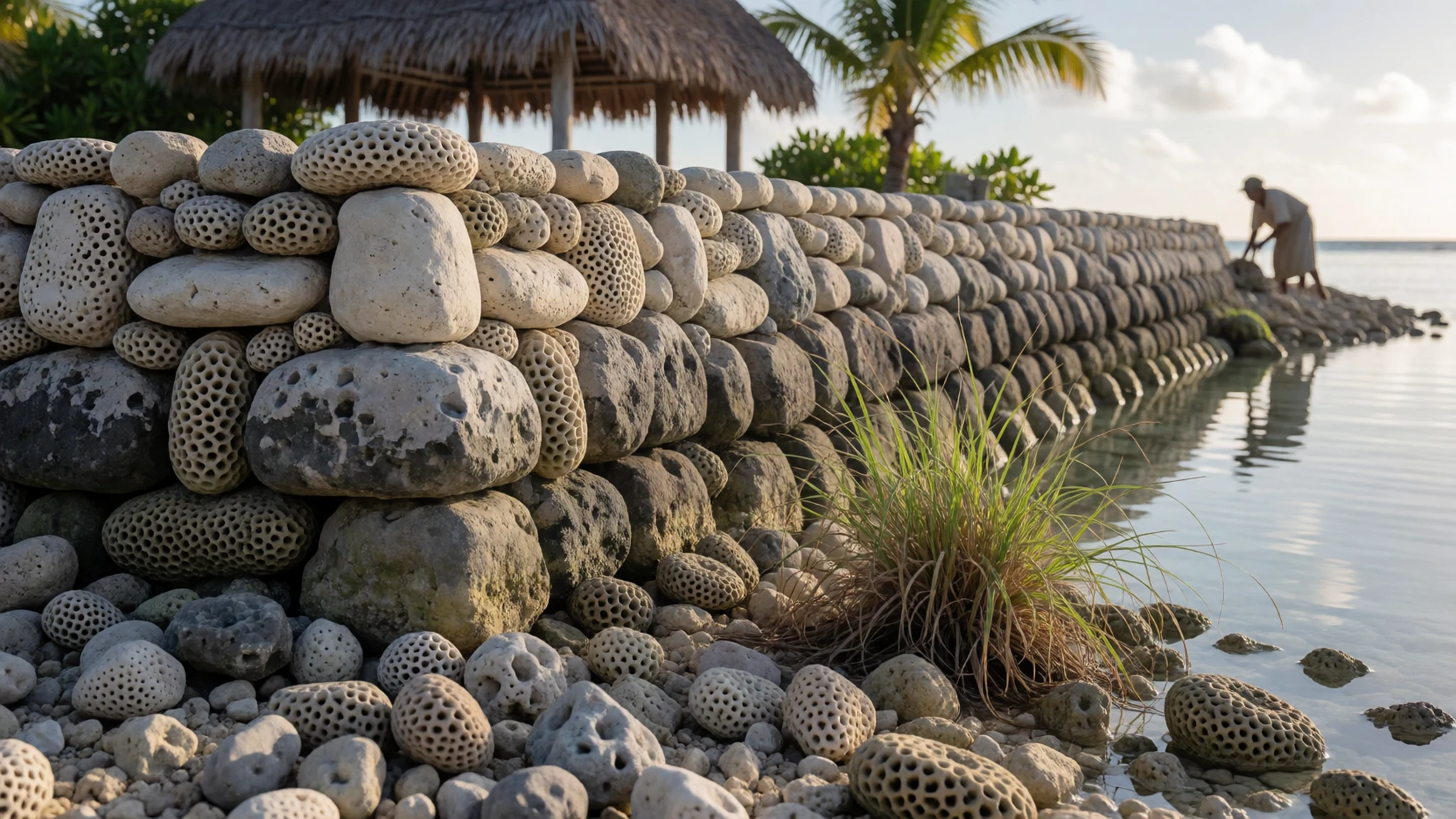
- Lake Te'Nggano — South Malaita (Small Malaita)
Lake Te'Nggano lies on South Malaita, ringed by high cliffs that were once reefs around an old lagoon. It is large and dramatic. Reaching it means a long journey south and local arrangements, but it rewards the effort with real quiet.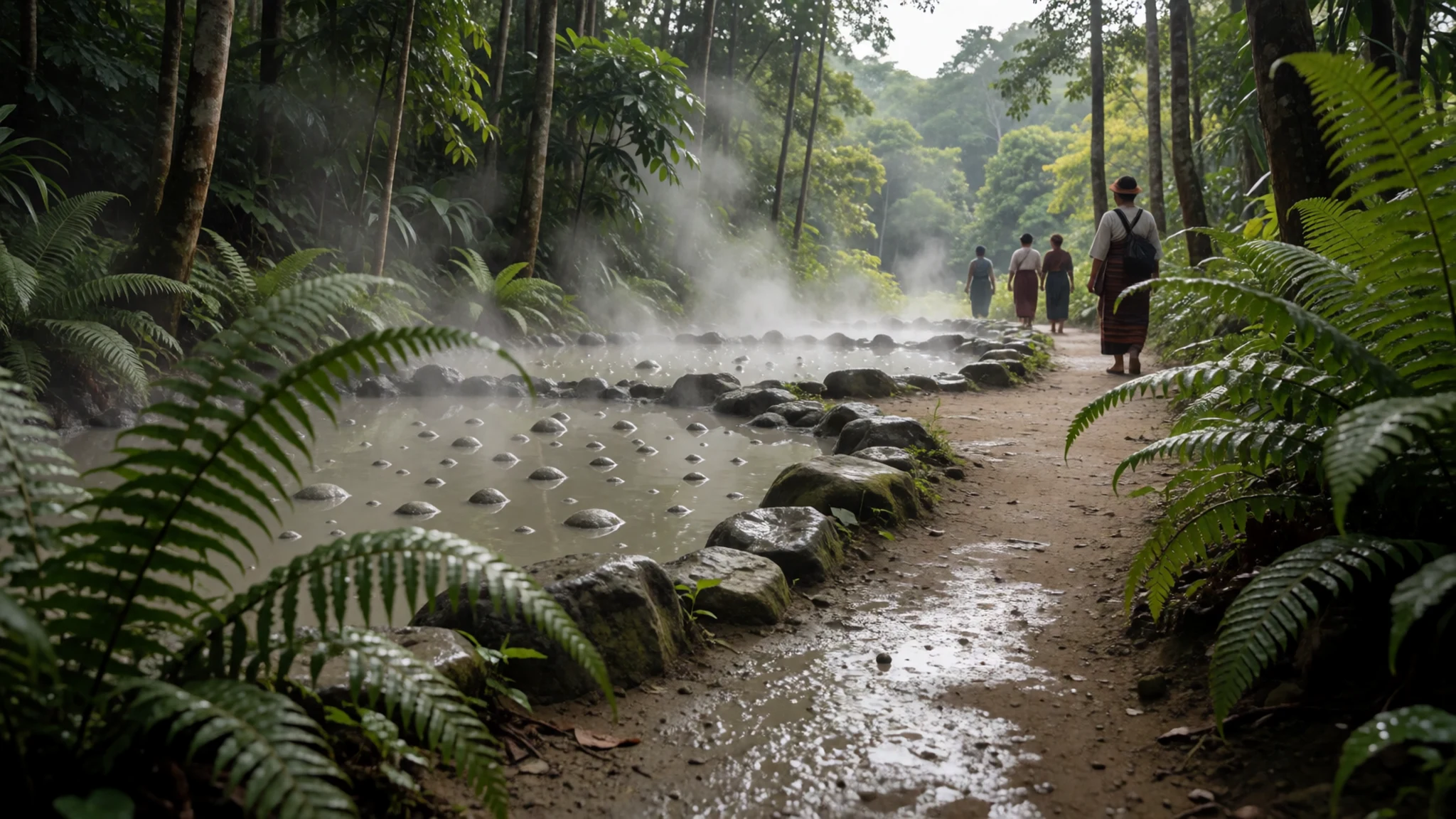
- Auki and its market — Auki, north-west coast
Auki is where most journeys start. Its market and harbour give a quick read on island life: fruit, root crops, fish and bundles of betel nut, with boats coming and going. It is a sensible place to ask about guides, boats and what is happening in the villages.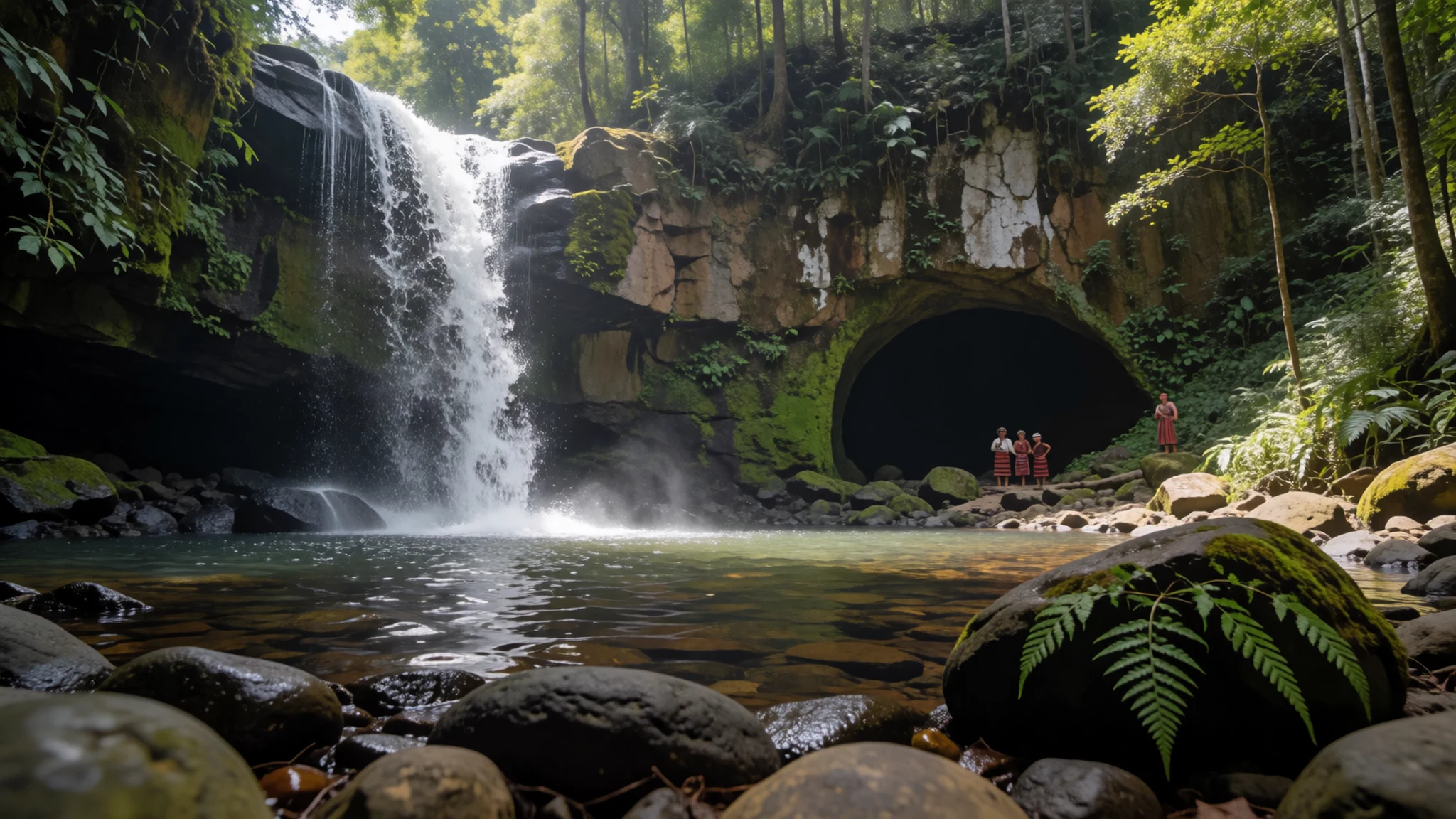
Culture
Malaita is culturally distinct even within the Solomon Islands, where traditions differ between islands, clans and villages. Two Pijin words explain a good deal. Kastom means traditional custom and the accepted way of doing things. Wantok refers to the firm duties linking kin, members of the same clan, and those who speak the same tongue or belong to the same community. Both remain central to village life on Malaita.
In practice this means land, reef and even footpaths usually belong to someone. A beach that looks empty is rarely public, and a trail may cross a family's land or a place with spiritual significance. Hosts, guides and guesthouse staff can tell you who to ask and whether a small access or kastom fee is expected.
The salt-water and bush distinction still matters in how people see themselves. Lagoon people have long lived by fishing, shell craft and trade, while inland communities farm the hill slopes. Many people on the island are active churchgoers, and Sundays tend to be quiet.
Malaita has a reputation for strong local identity, and visitors do best by arriving with introductions, patience and flexible plans. Being unhurried is polite. Rushing a conversation, or going straight to business, can feel abrupt.
Seek consent first before stepping into a community, landing on land or reef that local people own, or taking pictures of residents, houses, burial sites or holy locations.
What to wear
Traditional dress on Malaita varies by community and is now worn mostly for ceremonies and festivals. It has traditionally drawn on natural materials such as woven plant fibres, bark cloth, shell, and in some places strings of shell money and ornaments of shell and bone. Specific patterns and ornaments belong to particular clans and areas, so it is best to ask locals rather than generalise.
In everyday life, people on Malaita dress simply and modestly for a warm, humid climate. Women commonly wear loose dresses or a wrap skirt, often brightly printed, and men wear shirts with shorts or trousers. Church clothes on Sunday are noticeably smarter, and many people take care over them.
Visitors should pack light, quick-drying clothing that covers the shoulders and knees, since modesty is the norm in villages and towns. A wrap skirt or sarong is useful for women, and long shorts or trousers for men. Swimwear is for the beach or boat only, and is best covered with a shirt or sarong when walking through a village.
For footwear, bring sandals that can get wet and sturdy shoes or trainers for hill paths, which turn muddy fast. A wide-brimmed hat, sun protection, a light rain jacket and reef shoes for coral shallows are all worth having. Insect repellent and long sleeves in the evening help against mosquitoes.
What to eat
- Fresh tuna — Auki market and harbourside eateries
Tuna is the island's staple fish. It is typically cooked simply, often with chilli, and served with rice or pasta. Freshly caught fish is far better than the canned version found in many shops, so ask where the day's catch is landed.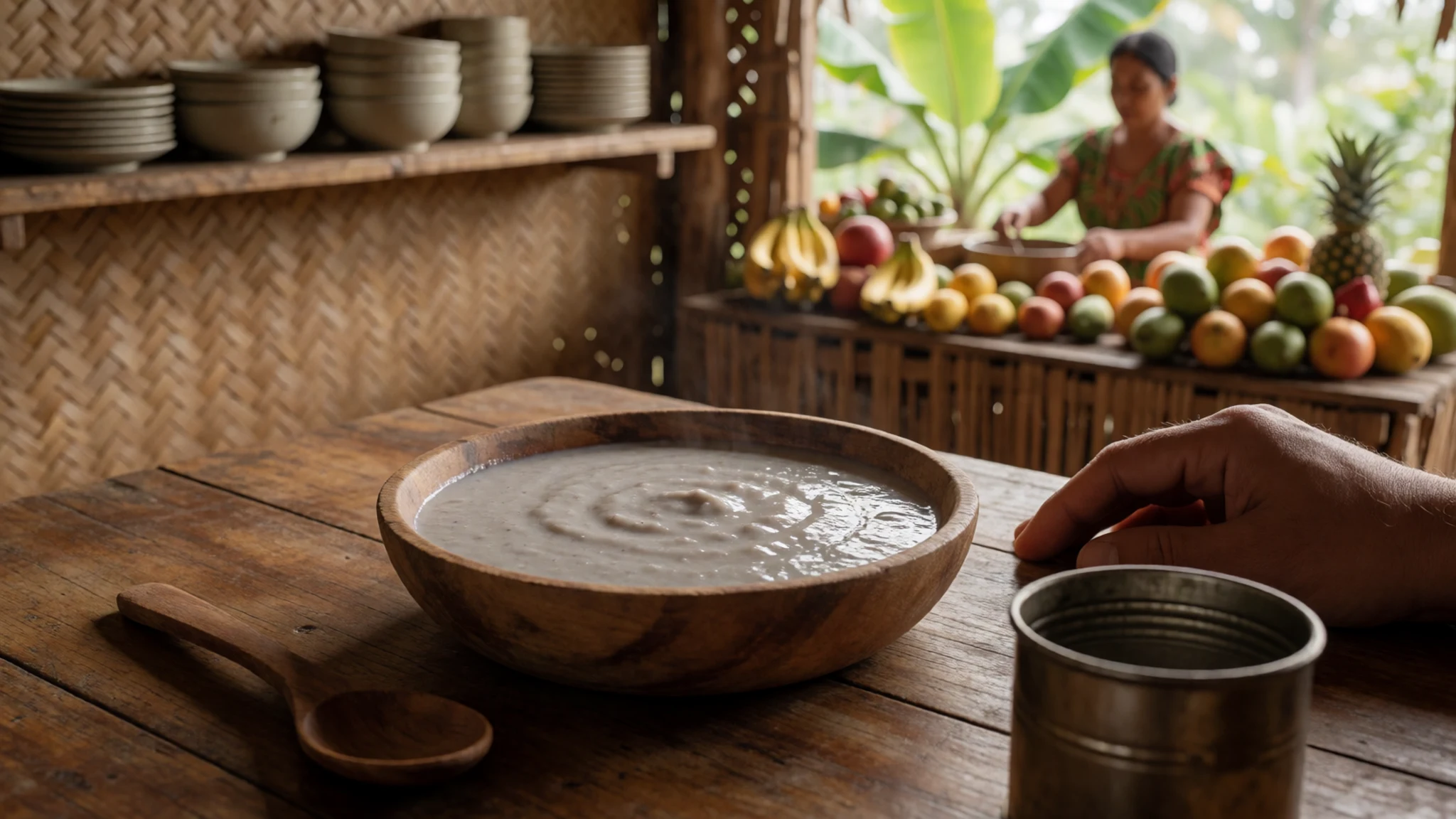
- Cassava — Auki market and village meals
Cassava is an important source of starch, boiled, roasted or grilled and served alongside fish or greens. It is filling and plain, which suits long days of walking and boat travel.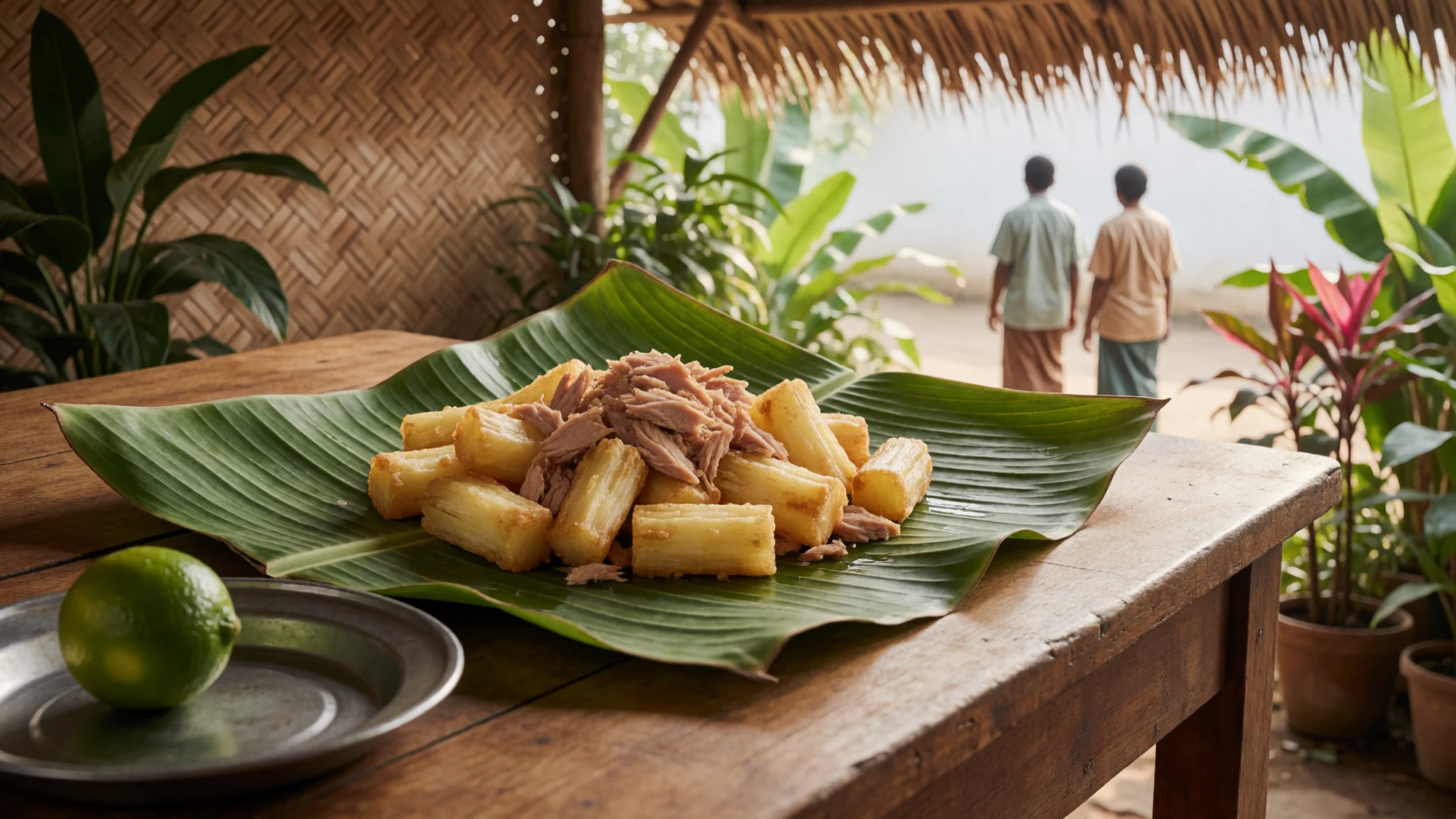
- Taro and poi — Village homes and market stalls
Taro is a staple across the South Pacific, and fermented taro (poi) is part of the wider regional cooking. Hosts may serve taro boiled or baked, and the texture takes some getting used to. - Tropical fruit — Auki market
Expect bananas, papaya, coconuts and other seasonal fruit at the market. Coconut water is a safe, cold-free way to rehydrate in the heat and is often sold by the roadside. - Solbrew beer — Guesthouses and bars in Auki
Solbrew is the local beer, brewed near the national capital. It is available in some towns and guesthouses, though alcohol is not available or welcome everywhere on the island, so check with your hosts.
Plan it
Best time. The drier months, roughly May to October, usually bring easier boat travel and less rain, though the tropics stay hot, humid and unpredictable year round. Cyclone season is generally from about November to April, when seas can be rougher.
How long. 4–6
Getting there. Fly to Honiara on Guadalcanal, the national gateway. From there, take a domestic flight or a boat to Auki, then continue by small boat or road to villages. Check current schedules with airlines and operators, as services change.
Budget. mid
Tips
- Book lodging and boats well ahead and confirm by phone, since connectivity is patchy
- Carry plenty of cash in small notes, as cards and cash machines are scarce outside Auki
- Bring water purification and a basic medical kit, and ask your doctor about malaria prevention
- Build slack into your plans, as weather and boats rarely run to schedule
- Pack sun protection, a rain jacket and insect repellent
Etiquette
- Ask the village chief, elder or landowner before going ashore, walking a trail or visiting a reef
- Ask before photographing people, homes, graves or sacred places
- Dress modestly in villages and keep Sundays quiet
Nearby
Sources
- Wikidata Q641568 (CC0)
- Wikipedia: Malaita (CC BY-SA 4.0)
- Wikivoyage: Solomon Islands (CC BY-SA 4.0)
- Malaita Island NASA.jpg (Public domain)
- Island of Solomon Islands - Malaita.PNG (Public domain)
- Topographical map of Malaita Island (Public domain)
- Languages of the island of Malaita (CC BY-SA 4.0)
- 34th CB's trading with natives from Malaita (Public domain)
- Ornithoptera victoriae regis eggs (CC BY 4.0)
- Polyura epigenes bicolor (pt 1) (CC BY 4.0)
- Polyura epigenes bicolor (paratype) (CC BY 4.0)


